NoonPost NoonPost

NoonPost

  • Home
  • Politics
  • Economy
  • Society
  • Culture
  • Files
  • Long Reads
  • Podcast
AR
Notification Show More
نون بوست
“There Are Nights I Can’t Close My Eyes”: How Gazans Are Living in Homes on the Brink of Collapse
نون بوست
From al-Jolani to Ahmad al-Shara: The Evolution of Syria’s New Leader
نون بوست
When Political Islam Receded in Egypt: Who Filled the Void?
نون بوست
An Extension of Genocide: Gaza’s Detainees Speak Out
نون بوست
A Tightrope Between Survival and Sovereignty: The Syrian Government Faces Normalization Pressures
نون بوست
American Aircraft Carriers: Has the Era of “100,000 Tons of Diplomacy” Ended?
نون بوست
U.S. Regime‑Change Policies: Why They Are Destined to Fail
نون بوست
Transformations of Israeli Judaism: Between the Victim Complex and the Colonizer’s Doctrine
نون بوست
The Gulf’s Balancing Act: Iran, Israel, and Hidden Links
نون بوست
Iraq–Turkey Oil Export Treaty: Why Did Ankara Cancel It After 52 Years?
نون بوست
Syria’s Northeast on Edge: QSD Between Ankara and Damascus
نون بوست
Has Europe Changed Its Stance on Israel… or Just Its Language?
NoonPost NoonPost
AR
Notification Show More
نون بوست
“There Are Nights I Can’t Close My Eyes”: How Gazans Are Living in Homes on the Brink of Collapse
نون بوست
From al-Jolani to Ahmad al-Shara: The Evolution of Syria’s New Leader
نون بوست
When Political Islam Receded in Egypt: Who Filled the Void?
نون بوست
An Extension of Genocide: Gaza’s Detainees Speak Out
نون بوست
A Tightrope Between Survival and Sovereignty: The Syrian Government Faces Normalization Pressures
نون بوست
American Aircraft Carriers: Has the Era of “100,000 Tons of Diplomacy” Ended?
نون بوست
U.S. Regime‑Change Policies: Why They Are Destined to Fail
نون بوست
Transformations of Israeli Judaism: Between the Victim Complex and the Colonizer’s Doctrine
نون بوست
The Gulf’s Balancing Act: Iran, Israel, and Hidden Links
نون بوست
Iraq–Turkey Oil Export Treaty: Why Did Ankara Cancel It After 52 Years?
نون بوست
Syria’s Northeast on Edge: QSD Between Ankara and Damascus
نون بوست
Has Europe Changed Its Stance on Israel… or Just Its Language?
Follow US

How the Iran War Threatens Fuel and Food Security in Sudan

الفاتح محمد
Alfatih Mohamed Published 26 March ,2026
Share
نون بوست
نون بوست

Since the outbreak of the U.S.–Israeli war on Iran, hundreds of oil tankers and cargo vessels have piled up at the entrance to the Strait of Hormuz, waiting in an open queue tied directly to the trajectory of the conflict. At the same time, several European countries most notably France and Italy have initiated separate negotiations with Tehran to guarantee safe passage for their ships.

Meanwhile, the number of vessels that have been targeted while attempting to cross the strait has risen to 16, according to open-source investigations.

With every crisis in this maritime corridor, the long-standing question of global energy and trade security resurfaces. The strait is widely considered one of the most sensitive chokepoints in the international economy.

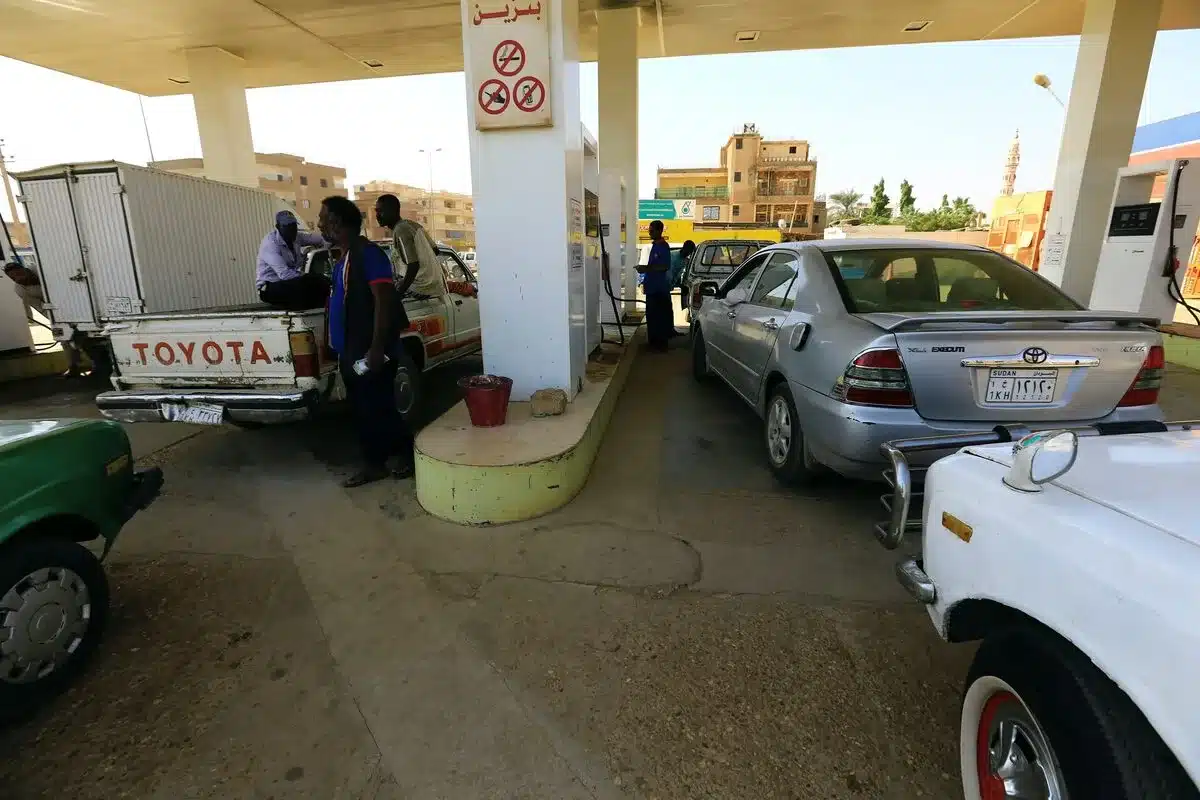
In Sudan, the effects of these tensions are emerging in a different form. In several cities—chief among them the capital, Khartoum—fuel lines have begun to stretch outside service stations. Supplies arriving through the Red Sea are closely tied to the stability of supply chains in the Gulf and to shipping costs. Any disruption in those chains quickly reverberates in local markets.

Sudan therefore finds itself navigating an exceptionally complex geography. Fuel routes pass through the Gulf and the Strait of Hormuz, while goods and commodities travel through the Bab al-Mandeb Strait before reaching Port Sudan from the Indian Ocean and the Gulf of Aden. As a result, any instability in the region ripples through Sudan’s ports and markets before gradually affecting the broader economy and food supply.

Hormuz: Oil and Fertilizers

When discussions turn to the possible closure of the Strait of Hormuz, attention usually focuses on oil. The narrow waterway that connects the Gulf to the Sea of Oman carries roughly 20 percent of the world’s oil supplies, making it one of the most critical chokepoints in global energy markets. As tensions in the Gulf have escalated, oil prices have jumped rapidly on global markets.

Major investment banks have raised their forecasts, with Goldman Sachs analysts estimating prices at around $110 per barrel, while JPMorgan has lifted the ceiling to about $130 if the strait remains closed.

These fluctuations reach Sudan quickly. The country relies almost entirely on imported fuel shipped through the Red Sea. Sudan’s diesel imports are estimated at roughly 60,000 to 70,000 tons per month—about 720,000 to 840,000 tons annually—most of which arrives through Port Sudan after passing through maritime routes from the Gulf. Any rise in global oil prices or disruption to tanker traffic therefore directly affects import costs and the country’s ability to secure energy supplies.

Yet oil is not the only commodity passing through the strait. Roughly one-third of global fertilizer trade also moves through Hormuz. Qatar is the world’s largest exporter of urea, while Gulf states account for around 45 percent of the global market for this essential agricultural input. Urea is a key nitrogen fertilizer with few viable substitutes for many crops and remains central to agricultural production across vast parts of the world.

As global markets have grown more volatile, the price of urea has jumped from around $450 per ton to more than $600 in just one week an increase exceeding 37 percent. Unlike energy markets, which maintain strategic reserves that can be tapped during crises, fertilizer markets lack similar mechanisms. As a result, any disruption to trade routes quickly translates into direct pressure on agriculture and food security.

Bab al-Mandeb: An Imminent Threat

Tensions in the Gulf do not stop at the Strait of Hormuz. In recent days, Al Jazeera quoted a senior Iranian military official warning that any strategic miscalculation by the United States could push another strait into a similar situation a clear reference to the Bab al-Mandeb Strait, the southern gateway to the Red Sea and one of the most vital maritime links between Asia and Europe.

The significance of this threat is tied to the military reality in Yemen. The Iranian-backed Houthi movement has previously carried out attacks on commercial vessels in the Red Sea, at times disrupting navigation and forcing international shipping routes to divert away from the corridor. These precedents have made Bab al-Mandeb part of the region’s pressure dynamics, where any escalation could quickly affect ship traffic through the strait.

For Sudan, Bab al-Mandeb holds direct importance. Many ships bound for Port Sudan pass through the strait before reaching Sudan’s coast. Fuel shipments from the Gulf follow the same route, as do commercial goods and food supplies. The two straits are not alternatives to one another; rather, they resemble the two blades of a pair of scissors, gripping Sudan between them.

Sudan: Three Factors Increasing Vulnerability

The potential closure of the Strait of Hormuz would not affect only one country. Major industrial economies depend—at varying levels—on energy supplies from the Gulf. Japan imports roughly 75 percent of its oil through this route, while China, India, and South Korea also rely heavily on it. These countries possess economic tools and reserves that allow them to absorb part of the shock if supplies are disrupted.

Sudan’s situation is markedly different for several reasons:

The first factor is the weakness of its foreign currency reserves. Fuel imports depend on hard currency, which has been scarce in Sudan’s economy for years. Any rise in global prices intensifies pressure on the import bill and reduces the government’s ability to secure supplies in time. Shifting to alternative routes or new suppliers requires financial capacity that is difficult to muster under current conditions.

The second factor is the ongoing internal war. The conflict that erupted in mid-April 2023 has drained state resources and weakened economic institutions. Managing the energy sector has become increasingly fragile at a time when the country urgently needs forward-looking policies and long-term planning.

Former Sudanese Energy Minister Adel Ali Ibrahim previously noted that war and corruption had weakened the fuel import and distribution sector, while private companies have expanded their influence within the industry.

The third factor relates to Sudan’s logistical geography. Most of the country’s imports arrive through Port Sudan on the Red Sea, the primary maritime outlet for a nation of Sudan’s size and population. The lack of alternatives means that any disruption to navigation in the Red Sea or in the maritime corridors leading to it immediately affects the flow of supplies.

Under these conditions, Sudan finds itself under dual pressure: an internal conflict draining its resources and regional crises shaping the trade routes on which it depends.

Fertilizers and the Agricultural Season

In the immediate calculations of the crisis, discussions tend to focus primarily on fuel. Sudan’s Ministry of Energy says current fuel stocks may last until the end of April 2026, while the finance minister has hinted at greater pressures on both supply and financing. These estimates reflect uncertainty in the energy market, yet they do not capture another issue of equal importance to Sudan’s economy.

That issue is fertilizers. Sudan is preparing to enter its summer agricultural season in the coming months, a period that depends heavily on the timely availability of production inputs. In remarks to Sudan Tribune, economic analyst Abdelazim Al-Mahal warned that the repercussions of tensions in maritime corridors will not stop at fuel but will also affect the prices of urea, fertilizers, and agricultural pesticides.

Global markets have already begun registering these pressures. Fertilizer prices have risen sharply in recent weeks amid escalating tensions in the Gulf, from which most nitrogen fertilizers originate. In a country like Sudan where large segments of the economy rely on agriculture any increase in the cost of agricultural inputs will directly affect production volumes in the following season. The pressure on farmers will eventually reach local markets months later, affecting food availability.

This agricultural dimension is particularly significant for Sudan, which imported about 450,000 tons of fertilizers annually before the war. During the conflict, imports dropped to roughly 50,000 tons to meet the needs of the agricultural sector.

These developments come at a time when Sudan is already facing high levels of food insecurity. Reports from the World Food Programme place the country among those most vulnerable to the most severe levels of hunger globally, alongside Yemen, the Democratic Republic of the Congo, Nigeria, Palestine, and Haiti.

A Missed Opportunity Amid Disaster

From another perspective, some economic analysts point to a different angle in the shifting patterns of global trade routes. Disruptions in navigation through certain corridors may push part of global shipping traffic to search for alternative routes through the Red Sea. In such a scenario, Port Sudan could gain greater logistical importance as a potential hub for redistributing goods to markets in East and Central Africa.

This possibility stems from Sudan’s geographic position along one of the most important maritime trade routes linking Asia and Europe. Yet transforming geography into economic gain requires effective infrastructure, capable port administration, and a stable political environment that encourages investment and trade.

Under current conditions, however, these prerequisites remain distant. The internal war and mounting economic pressures make it difficult for Sudan to capitalize on any opportunities created by shifts in global shipping routes.

Download this article as PDF
Share this Article
Facebook Twitter Whatsapp Whatsapp Telegram Email Copy Link
الفاتح محمد
By الفاتح محمد صحافي سوداني
Follow:
Previous Article نون بوست From 1941 to 1980: What Does Modern History Tell Us About a Ground Invasion of Iran?
Next Article نون بوست How Israel’s Unit 8200 Is Carving a Path into Silicon Valley

Read More

  • Militias and Iran Fuel Iraq’s Oil Crisis Militias and Iran Fuel Iraq’s Oil Crisis
  • Basra’s Water Crisis: Thirst Amid Oil and Salt
  • Chinese Investments in Egypt: Acceptable Privileges, Legitimate Concerns
  • Who Bears the Cost of Egypt's Generosity?
  • Money Laundering in Egypt: The Shadow Economy Devours the State
part of the design
NoonPost Weekly Newsletter

You May Also Like

Militias and Iran Fuel Iraq’s Oil Crisis

Militias and Iran Fuel Iraq’s Oil Crisis

فريق التحرير Noon Post 26 March ,2026
Basra’s Water Crisis: Thirst Amid Oil and Salt

Basra’s Water Crisis: Thirst Amid Oil and Salt

طه العاني Taha Alane 26 March ,2026
Chinese Investments in Egypt: Acceptable Privileges, Legitimate Concerns

Chinese Investments in Egypt: Acceptable Privileges, Legitimate Concerns

عماد عنان Emad Anan 26 March ,2026

واشنطن لا تدرك خطورة نظام السيسي

جيف مارتيني
جيف مارتيني Published 2 May ,2015
Share
martini_seducedbyastrongman_lead3

ترجمة وتحرير نون بوست

نظام القاهرة دخل في حقبة الجنون، فمن إقامة منطقة عازلة بين شبه جزيرة سيناء وقطاع غزة وهدم البيوت هناك على رؤوس قاطنيها، إلى تجريم الانتماء لجماعة الإخوان المسلمين وحظر الحزب والتنكيل بأعضائه، إلى استخدام القوة المميتة ضد الناشطين الذين يخرقون قانون التظاهر المصري، جميع ذلك يثبت أن الرئيس المصري عبد الفتاح السيسي وضع إستراتيجية لحفظ الأمن الداخلي قائمة على الرصاص والجرافات والقضاة الذين يأتمرون بتوجيهات السلطة.

بعض محللي السياسة الخارجية الواقعيين ينعتون المشاكل الداخلية المصرية بأنها شأن داخلي، وأنها لا تلعب دورًا في تغيير المصالح الإستراتيجية الأمريكية، وأن قيام إدارة أوباما مؤخرًا بالإفراج عن المساعدات العسكرية المصرية الموقوفة مؤقتًا نتيجة لسجل مصر السيء في مجال حقوق الإنسان، يبدو أنه تصرف يتماشى مع هذه النظرة.

ولكن بغض النظر عمّا يقال، فإنه ليس صحيحًا أن السياسة الداخلية يمكن عزلها عن السياسة الخارجية، وفي الواقع، السياسات الداخلية والخارجية لمصر تبدو أكثر تشابكًا يومًا بعد يوم، واضطراد العنف في مصر ينبغي أن يُفاقم درجة المخاوف الأمريكية.

العدو القريب والعدو البعيد

لا يختلف أي مراقب للشأن المصري أن النظام فشل في التمييز داخليًا ما بين الإسلاميين المتطرفين والمعارضين السياسيين غير العنيفين – والبعض يزعم أن النظام لم يفشل بالتمييز بل تعمد خلط هذه المفاهيم -، وأوضح مثال على هذا الخلط هو تصريح وزير الخارجية المصري سامح شكري مؤخرًا بقوله “ليس هنالك فرق كبير بين جماعة الإخوان المسلمين والدولة الإسلامية”، والحقيقة أن هذه الرؤية ليست مستحدثة في مصر، ولكن الجديد هو الحماس الذي يزرعه النظام المصري لاستئصال الآفات الإسلامية وتحويل هذا النشاط إلى نطاق السياسة الخارجية.

خلال فترة الصعود السياسي لجماعة الإخوان المسلمين إبان ثورة يناير لعام 2011، تفاقم قلق المعارضين لجماعة الإخوان من نهج الجماعة الهادف إلى “أخونة” الدولة، وعناصر أفراد الأمن الملتحين، وإصدار البنوك لسندات تتماشى مع مبادئ التمويل الإسلامي، عززت هذه المخاوف المتوجسة من استيلاء واحتكار الإسلاميين للسلطة، وإثر الإطاحة بالإخوان في عام 2013، وإعلان الإخوان كتنظيم سياسي محظور وإرهابي في وقت لاحق، ثابرت حكومة الانقلاب الجديدة على ممارسة سياسة اجتثاث الإخوان من الدولة “التطهير”، وامتدت هذه الجهود إلى عالم السياسة الخارجية.

خلال الأيام الأولى على اعتقال مرسي، أدت عقلية التطهير المصرية إلى إقالة العديد من المسؤولين الحكوميين خشية أن يكونوا متعاطفين مع الإخوان، وعلى الرغم من أن وزارة الخارجية المصرية لم يتم اخترقها من قِبل جماعة الإخوان خلال فترة حكم مرسي القصيرة، بيد أنها خضعت لذات المستوى المركّز من التدقيق الذي خضعت له باقي وزارات الدولة، فكان يتعين على أعضاء السلك الدبلوماسي اجتياز اختبار الولاء من خلال الدفاع عن تجاوزات النظام وإظهار مواقفهم المعارضة لجماعة الإخوان المسلمين، وتحقيقًا لهذه الغاية، خرج السفراء المصريون بعدة انتقادات لاذعة للإخوان مثل مقارنتهم بالنازيين، وتزامنت هذه الانتقادات مع نفيهم لقيام النظام المصري بقتل المتظاهرين، مشبهين التدابير الأمنية المصرية بالتدابير المستخدمة في الدول الغربية.

عملية اجتثاث الإخوان من السياسة الخارجية المصرية تجاوزت حدود وزارة الخارجية المصرية، حيث تم استخدام المنبر الخارجي المصري لتشويه صورة الإخوان إقليميًا، ويرى نظام السيسي نفسه على أنه قمة الرمح في حركة مناهضة الإسلاميين، لذا عمد – كما فعل في مصر داخليًا – إلى تأجيج المخاوف الخارجية من خطر التطرف الإسلامي الذي تواجهه المنطقة، كذريعة لضرب الإسلاميين بكافة مشاربهم وانتماءاتهم، ومصر كانت الدولة الأكثر نشاطًا في تصدير هذا النموذج التخوفي إلى ليبيا، حيث دعمت القاهرة وأبو ظبي الجنرال الليبي المنشق خليفة حفتر، الذي يتقاسم معهما وجهة النظر التخوفية من التوسع الإسلامي، ومازال نطاق الدعم المصري لحفتر وعملية الكرامة التي يقودها غير معروف، ولكن من المؤكد أن مصر سهّلت الغارات الجوية الإماراتية التي استهدفت الفصائل الإسلامية داخل ليبيا في أغسطس 2014، وهذا التدخل، جنبًا إلى جنب مع الجهود التي تبذلها القاهرة لرفع الحظر المفروض على الأسلحة الليبية، عمل على زيادة استقطاب المعسكرين المتنافسين في ليبيا، مما عقّد جهود الوساطة التي تقودها الأمم المتحدة هناك.

حتى الآن، قاومت مصر إغراءات إرسال القوات البرية المصرية إلى ليبيا، وجاءت أقوى هذه الإغراءات في فبراير من العام الجاري، حين عمدت فصائل ليبية تابعة للدولة الإسلامية إلى قطع رأس 21 رهينة جميعهم من الأقباط المصريين على شواطئ مدينة سرت، وجاء الرد المصري متمثلًا بشن غارات جوية، وهذه المرة بشكل علني، والإسراع بإجلاء عدد كبير من العمال المصريين من ليبيا، والخطر الحالي يتمثل بأن مثل هذه الاستفزازات جنبًا إلى جنب مع الرغبة المصرية في منع نشوء أي نظام إسلامي في جارتها الغربية، سوف يغري القاهرة للإمعان في زيادة دعمها لمكافحة الإسلاميين في ليبيا عن طريق زيادة دعمها لحلفائها في الزنتان، كما أن سياسات القاهرة في ليبيا والتي تم تصميمها وهندستها بهدف إعاقة قدرة حركة الإخوان المسلمين على بناء حكومة ائتلافية ملتزمة بمكافحة الإرهاب الحقيقي في ليبيا، ستؤدي إلى بزوغ مخاطر كبيرة ومكلفة، كون ميل نظام السيسي إلى الدمج والخلط وعدم التمييز ما بين الإسلاميين المتطرفين وغير المتطرفين، سيؤدي في نهاية المطاف إلى حصول شراكة ما بين هذين الطرفين لمجابهة العدو المشترك.

لا شي يأتي بالمجان

ربما التحول الأكثر وضوحًا في العلاقات الخارجية المصرية تحت حكم السيسي هو الدرجة التي تعتمد بها مصر على دعم الخليج للتعويض عن تدهور وضعها المالي، فوفقًا لوزارة المالية المصرية، قدمت المملكة العربية السعودية، والإمارات العربية المتحدة، ودولة الكويت، 10.6 مليار دولار كمساعدات لمصر خلال السنة المالية 2013- 2014، و70% من هذه المساعدات ظهرت بشكل منح نفطية عينية، والـ30% المتبقية أتت على شكل دعم مالي مباشر، ولكن هذا الرقم لم يأخذ بعين الاعتبار الدعم المالي الخليجي الإجمالي لمصر، لأنه لم يشمل الالتزامات الأخيرة التي أدلت بها دول مجلس التعاون الخليجي على خلفية القمة الاقتصادية في شرم الشيخ، حيث قدم المجلس ودائعًا في البنوك المصرية لدعم سيولة القطاع المصرفي، كما التزمت دول المجلس بانتهاج سياسة الاستثمار الأجنبي المباشر بهدف ضخ الحياة في عروق الاقتصاد المصري المتهالك، علمًا أنه في أغلب الأحيان عمدت الحكومة المصرية إلى توجيه عائدات ومساعدات الخليج إلى الجيش المصري لتعزيز قوة هذه المؤسسة داخل الدولة المصرية.

المسؤولون المصريون يصرون أن الدعم الخليجي يتم تقديمه بدون مقابل، ولكن على أرض الواقع لا تأتي الأمور بالمجان، وهذه لا تعتبر المرة الأولى التي تطرح فيها القاهرة سياستها الخارجية على المزاد العلني، حيث تلقت مصر إعفاء من ديونها الهائلة بعد أن انضمت إلى قوات التحالف التي تقودها الولايات المتحدة في حرب الخليج 1990-1991، كما تعتبر المساعدات العسكرية التي تتلقاها عادة من الولايات المتحدة بمبلغ 1.3 مليار دولار، بمثابة تعويض عن “الفوائد الإستراتيجية” التي تشمل منح أمريكا النفاذ العسكري فوق الأجواء المصرية وعلى شكل عبور بحري سريع ضمن مياهها الإقليمية، وتعويضًا عن التزام القاهرة بالأمن الإسرائيلي بعد توقيعها على معاهدة السلام مع إسرائيل في كامب ديفيد عام 1979.

إن اعتماد مصر الكلي على المساعدات الخليجية لتقويم اقتصادها الكسيح، يطرح خطرًا محدقًا متمثلًا بتحول مصر إلى قوة خاضعة للملكيات الخليجية، والمشاركة المصرية في التحالف السني الذي تقوده السعودية ضد الحوثيين في اليمن هي أحد مظاهر هذه المخاطر، لا بل إن مصر ذهبت أبعد من ذلك عندما انحنت بتواضع أمام رعاتها لتقديم فروض الطاعة، حينما أكد السيسي استعداده لتقديم القوات البرية ضمن المعركة اليمنية، وفي ذات الوقت، يمكن استنتاج المعنى الضمني من المناورات العسكرية المشتركة التي جرت بين البحرين ومصر في أبريل من العام الجاري، على أنها احتمالية لدعوة مصر في إحدى المناسبات لقمع الانتفاضات التي قد تبزغ في منطقة الخليج العربي.

مصر بسياساتها هذه تلعب بالنار، فعلى المستوى الإقليمي، الحملات التي تشبه عملية عاصفة الحزم باليمن تميل الى تصعيد ديناميات حروب الوكالة، والداعمين الخارجيين في كلا المعسكرين – إيران والمملكة العربية السعودية – يتنافسان لزيادة المشاركة الإقليمية في المعسكرات التابعة لهما، أما على الصعيد الداخلي المصري، أثار دخول مصر إلى العملية احتمال حدوث رد فعل عنيف من الجمهور المصري الذي لم ينس التدخل المصري المكلف -بالمال والأرواح – في اليمن منذ أكثر من نصف قرن، وفي الواقع، تُظهر استطلاعات الرأي أن المصريين يعارضون بأغلبية ساحقة أي تدخل بري في اليمن.

التكهنات حول كون الدعم المصري للحملة التي تقودها السعودية هو ثمن حصولها على مساعدات مالية من الخليج، أصبحت قوية وأقرب إلى الحقيقة المستقرة لدرجة دفعت معها السيسي للتصدي لهذه الاتهامات وجهًا لوجه، ففي تصريح له في المجلس الأعلى للقوات المسلحة، رفض السيسي بانزعاج واضح هذه القراءة للأحداث، مشيرًا إلى أن التزام مصر بالأمن العربي هو الذي دفعها للمشاركة، وقرار المشاركة لم يكن بتاتًا سدادًا للمعروف الخليجي.

القوة العربية المشتركة

النشاط العسكري المصري تبدى واضحًا من خلال الدفع المصري لتشكيل قوة عسكرية مشتركة في إطار جامعة الدول العربية خلال القمة العربية الأخيرة، فاستجابة للاقتراح الذي أعلنه السيسي في قمة مارس 2015، وافقت جامعة الدول العربية على تشكيل قوة للرد السريع من شأنها أن تحمي السيادة الوطنية للدول الأعضاء، وتتولى معالجة التهديدات الأمنية بما في ذلك التهديدات التي تشكلها الجماعات الإرهابية، وباعتبارها تمتلك أكبر جيش في المنطقة، من المفترض أن تكون مصر المساهم الرئيسي في هذه القوات، طبعًا إذا تم إنشاء هذه القوات في وقت ما مستقبلًا، آخذين بعين الاعتبار -بطبيعة الحال – سجل الجامعة العربية المجيد في طرح المبادرات النبيلة وعدم تنفيذها.

مرة أخرى، يوجد لمصر مصلحة داخلية هامة في مشروع القوات العسكرية العربية المشتركة، كون السيسي لطالما تحدث عن أن الجيش هو المؤسسة الوحيدة القادرة على توحيد وحماية وتحديث مصر، وبطبيعة الحال انهار هذا السرد تمامًا أمام تدهور الأوضاع الأمنية في مصر، والآن يبحث السيسي عن فرص إضافية لإعادة إظهار قوة وهيبة وقدرة جيشه.

وصنع الأسطورة هي أحد الكفاءات الأساسية للجيش المصري، وبالطبع فإن اشتراك هذا الجيش في طليعة القوة العربية المشتركة لتحقيق الاستقرار في المنطقة، هو مجرد قسم آخر في صنع هذه الأسطورة؛ ففي كلمة شرح فيها الدافع خلف إنشاء القوة المشتركة، حث السيسي الجمهور العسكري للسؤال “كيف لبلادكم أن تأخذ موضعها الذي تستحقه بين الدول القومية”، ثم حدق للأعلى متأثرًا بشكل كبير، وأضاف السيسي العاطفي “هذا سيكون من خلال العمل، والصبر، والبناء، والتضحية، حتى ينظر الناس إلى دولتهم وهي في الصدارة”.

اللغز المصري

للأسف لا يوجد أمام المسؤولين الأمريكيين حلول سياسية بسيطة، وفي الواقع، أولئك الذين ينتقدون سياسة أمريكا تجاه مصر باعتبارها تتخلى عن مبادئها لصالح الرهانات الإستراتيجية الضيقة، يتجاهلون طبيعة الخيارات المطروحة أمام واشنطن والتي تتميز بأنها سيئة بجميع أحوالها؛ فعندما قامت إدارة أوباما – ولو متأخرة – بتعليق أجزاء من المساعدات المصرية في أعقاب الإطاحة بالرئيس السابق محمد مرسي، استقبل النظام في القاهرة هذا القرار بتحدٍ جديد، فلم يظهر أي تحسن ملحوظ في التزام السيسي بحقوق الإنسان أو بالممارسة الديمقراطية في تلك الفترة، ومن ناحية أخرى، فإن إعادة المساعدات لم ينجم عنها أيضًا ترتيبات مصرية إيجابية، وبطبيعة الحال فإن المسؤولين الأمريكيين يخدعون أنفسهم إذا كانوا يعتقدون أن التعديلات الطفيفة التي أُدخلت على حزمة المساعدات الأمريكية لمصر، مثل التخلص التدريجي من تمويل التدفقات النقدية أو تعديل المعدات العسكرية التي قد تحصل عليها مصر، قد تُغيّر من قواعد اللعبة.

ببساطة يمكننا القول إن أي تعديل قد يتم إجراؤه على حزمة المساعدات الأمريكية، لن يغير من واقع أن أمريكا منخرطة في مأزق رئيسي في علاقتها مع مصر، وأنها عالقة مع شريك متهور يختلق المشاكل داخليًا وخارجيًا، ومعالجة هذا المأزق يتطلب الاعتراف بأن الحفاظ على هذا التحالف ليس غاية بحد ذاته، كون مقياس الحكم على علاقة الولايات المتحدة مع مصر وغيرها من الشركاء العرب لا ينبغي أن يكون متعلقًا بسرعة رد الجنرالات على مكالمات أوباما، بل يجب أن ينبع من كون هذه العلاقة تحقق مكسبًا حقيقيًا لمصالح الولايات المتحدة، وبالطبع، هذا المنظور يعني الانفتاح على خيار قطع العلاقة كونها لا تحقق أي مكسب أمريكي حقيقي.

المصدر: فورين أفيرز

TAGGED: الدعم الخليجي لمصر ، السياسة الخارجية المصرية ، العلاقات المصرية الأمريكية ، المساعدات الأمريكية
TAGGED: انقلاب مصر
Download this article as PDF
Share this Article
Facebook Twitter Whatsapp Whatsapp Telegram Email Copy Link
جيف مارتيني
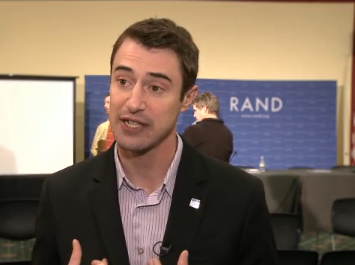
By جيف مارتيني محلل سياسي متخصص في شؤون الشرق الأوسط بمؤسسة راند
Follow:
Next Article نون بوست The Stigma of “ISIS”: A Heavy Legacy Haunting Women and Children of Former Members

Read More

  • U.S. Regime‑Change Policies: Why They Are Destined to Fail U.S. Regime‑Change Policies: Why They Are Destined to Fail
  • The Gulf’s Balancing Act: Iran, Israel, and Hidden Links
  • Iraq–Turkey Oil Export Treaty: Why Did Ankara Cancel It After 52 Years?
  • Syria’s Northeast on Edge: QSD Between Ankara and Damascus
  • Has Europe Changed Its Stance on Israel… or Just Its Language?
part of the design
NoonPost Weekly Newsletter
dark

An independent media platform founded in 2013, rooted in slow journalism, producing in-depth reports, analysis, and multimedia content to offer deeper perspectives on the news, led by a diverse young team from several Arab countries.

  • Politics
  • Society
  • Rights & Liberties
  • Opinions
  • History
  • Sports
  • Education
  • Technology
  • Economy
  • Media
  • Arts & Literature
  • Entrepreneurship
  • Travel
  • Cinema & Drama
  • Food
  • Health
  • Culture
  • Latest Reports
  • Files
  • Long Reads
  • Interviews
  • Podcast
  • Interactive
  • Encyclopedia
  • In Pictures
  • About Us
  • Our Writers
  • Write for Us
  • Editorial Policy
  • Advanced Search
Some rights reserved under a Creative Commons license

Removed from favorites

Undo
Go to mobile version