

NoonPost NoonPost

NoonPost

  • Home
  • Politics
  • Economy
  • Society
  • Culture
  • Files
  • Long Reads
  • Podcast
AR
Notification Show More
نون بوست
“There Are Nights I Can’t Close My Eyes”: How Gazans Are Living in Homes on the Brink of Collapse
نون بوست
From al-Jolani to Ahmad al-Shara: The Evolution of Syria’s New Leader
نون بوست
When Political Islam Receded in Egypt: Who Filled the Void?
نون بوست
An Extension of Genocide: Gaza’s Detainees Speak Out
نون بوست
A Tightrope Between Survival and Sovereignty: The Syrian Government Faces Normalization Pressures
نون بوست
American Aircraft Carriers: Has the Era of “100,000 Tons of Diplomacy” Ended?
نون بوست
U.S. Regime‑Change Policies: Why They Are Destined to Fail
نون بوست
Transformations of Israeli Judaism: Between the Victim Complex and the Colonizer’s Doctrine
نون بوست
The Gulf’s Balancing Act: Iran, Israel, and Hidden Links
نون بوست
Iraq–Turkey Oil Export Treaty: Why Did Ankara Cancel It After 52 Years?
نون بوست
Syria’s Northeast on Edge: QSD Between Ankara and Damascus
نون بوست
Has Europe Changed Its Stance on Israel… or Just Its Language?
NoonPost NoonPost
AR
Notification Show More
نون بوست
“There Are Nights I Can’t Close My Eyes”: How Gazans Are Living in Homes on the Brink of Collapse
نون بوست
From al-Jolani to Ahmad al-Shara: The Evolution of Syria’s New Leader
نون بوست
When Political Islam Receded in Egypt: Who Filled the Void?
نون بوست
An Extension of Genocide: Gaza’s Detainees Speak Out
نون بوست
A Tightrope Between Survival and Sovereignty: The Syrian Government Faces Normalization Pressures
نون بوست
American Aircraft Carriers: Has the Era of “100,000 Tons of Diplomacy” Ended?
نون بوست
U.S. Regime‑Change Policies: Why They Are Destined to Fail
نون بوست
Transformations of Israeli Judaism: Between the Victim Complex and the Colonizer’s Doctrine
نون بوست
The Gulf’s Balancing Act: Iran, Israel, and Hidden Links
نون بوست
Iraq–Turkey Oil Export Treaty: Why Did Ankara Cancel It After 52 Years?
نون بوست
Syria’s Northeast on Edge: QSD Between Ankara and Damascus
نون بوست
Has Europe Changed Its Stance on Israel… or Just Its Language?
Follow US

From Toppling the Regime to Seeking an Exit: What Does Trump Want from the War with Iran?

عماد عنان
Emad Anan Published 26 March ,2026
Share
نون بوست
نون بوست

The U.S.–Israeli war against Iran has entered a new phase of strategic confusion, marked by intensifying contradictory statements, mixed signals, and ambiguous messaging about the trajectory of the confrontation and its political and temporal limits. Since this round of fighting erupted, the situation has appeared to swing sharply between the prospect of de-escalation and waves of escalation.

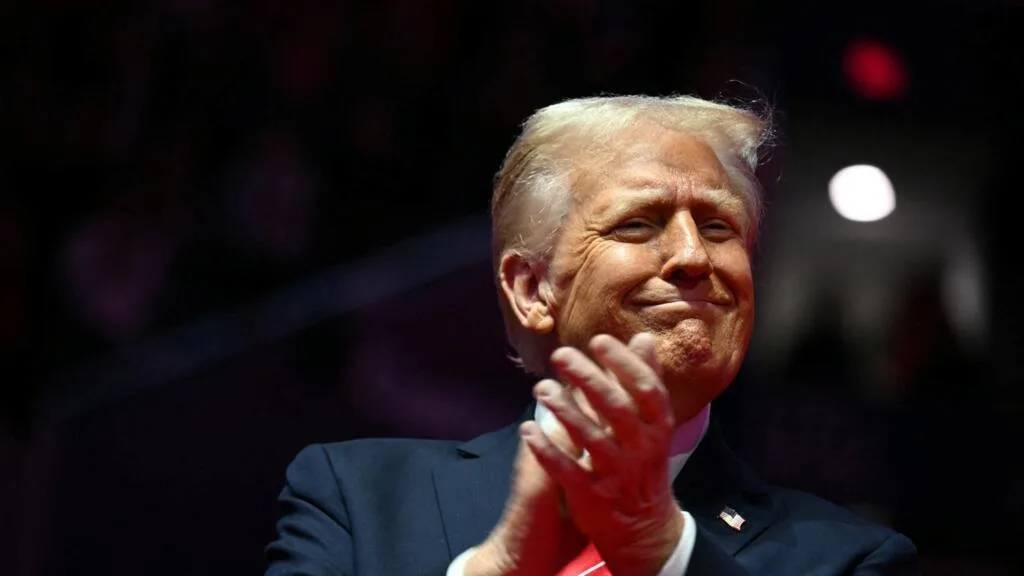
In his latest muddled remarks on the course of the conflict, U.S. President Donald Trump said the war against Iran may be nearing its end, stressing that there is “almost nothing left” inside the country that could be targeted. His comments were reported by Axios on Wednesday, March 11.

From the early days of the war, the American target bank appeared to undergo deep tremors and significant shifts. What began with rhetoric about uprooting the Iranian regime eventually gave way to scenarios resembling a “Venezuelan model,” before settling in practice on more modest objectives namely weakening Iran’s missile and nuclear capabilities.

In effect, the strategy evolved into what might be described as trimming Iran’s “strategic claws” rather than pursuing a comprehensive resolution.

In this context, Trump now appears more preoccupied than ever with finding a politically marketable exit to the war, especially after its economic and logistical costs exceeded initial estimates.

Tehran’s strategy of attrition and scorched-earth tactics has compounded the problem, revealing clear miscalculations by U.S. intelligence regarding Iran’s strength and military capabilities following the June war.

This raises a central question: what concrete achievements could the U.S. president present as sufficient accomplishments to allow him to climb down from the war without appearing defeated or retreating while still marketing a political “victory” ahead of the midterm elections scheduled for next November?

Claims of Early Victory: Contradiction and Confusion

Statements by Trump and members of his administration regarding the outcome of the war with Iran reflect clear contradictions and confusion in both political and military messaging. From the very beginning, Trump promoted a narrative of a swift and decisive victory, claiming Washington had already achieved its full objectives in the confrontation. Yet this rhetoric has repeatedly been punctuated by striking inconsistencies.

Contrasting sharply with Trump’s confident tone, Defense Secretary Pete Hegseth offered a markedly different account one that almost directly contradicts the president’s narrative. He warned that strikes on Iran could escalate further.

Hegseth also confirmed that the U.S. military has presented Trump with “many options” to continue the war. This suggests that Washington contrary to the president’s rhetoric of finality still treats the conflict as an open-ended file, one that remains susceptible to further escalation rather than a battle whose chapters have already closed.

Why the Rush to Declare Victory?

Analysts attribute Trump’s rush to declare victory prematurely despite the confrontation remaining open to escalation and arguably growing more intense than in its early days to domestic pressures rather than battlefield realities.

Circles close to the administration fear that prolonging the war, alongside rising oil prices, could trigger severe political and economic backlash that would directly affect Trump’s popularity and domestic standing. American public opinion remains highly sensitive to the financial and social costs of wars.

At the same time, the administration’s positions reveal a conspicuous absence of strategic clarity and a growing loss of direction in the war effort. When the most fundamental question is asked what exactly does the United States want from this war? there appears to be no clear or decisive answer within Trump’s team.

Instead, contradictions emerge even in defining the objectives themselves: Is the aim deterrence? The dismantling of Iran’s nuclear and missile programs? Forcing new negotiating terms? Or simply producing the image of a swift political victory?

The Difficulty of Toppling the Regime

From the first day of the war, Trump and his administration raised the banner of regime change in Iran as the ultimate objective of the confrontation. U.S. rhetoric went beyond conventional military messaging to address the Iranian public directly joined by Israeli Prime Minister Benjamin Netanyahu urging Iranians to rise up against the regime and “liberate” the country from clerical rule.

In the opening hours, this objective appeared more attainable particularly after the assassination of Iran’s supreme leader and several prominent figures within the political and military elite. These developments reinforced the impression that the conflict might be, as Trump suggested, a swift resolution rather than a long and complex war.

But battlefield developments quickly undermined those assumptions. Instead of collapsing or fracturing, the Iranian system demonstrated a notable ability to absorb the shock and reorganize its hierarchy of power. A new supreme leader was rapidly chosen and endorsed across political and military circles, while Iran managed to restore a degree of military and political balance.

As the days passed, regime change gradually shifted from a central pillar of American rhetoric to a remote possibility, amid growing signs of Iran’s resilience and capacity to regain the initiative.

U.S. intelligence assessments reinforced this shift. According to three informed sources cited by Reuters, Iran’s leadership remains largely cohesive and is not facing imminent collapse.

With the original objective of the war eroding and the battlefield becoming more complex amid Iran’s recovery, Trump now appears increasingly focused on crafting a politically marketable exit one that allows him to redefine the war’s goals and present them to the American public as a success upon which further progress can be built.

Searching for an Exit

In an article published in The Washington Post, American columnist and foreign policy specialist David Ignatius highlighted growing concern within decision-making circles in both Israel and the United States about the open-ended escalation of the war with Iran. Discussions have increasingly turned toward the need for political pathways that could halt the confrontation before it inflicts further damage on the region and the global economy.

Ignatius quoted a senior Israeli official familiar with wartime planning and strategy as saying that discussions are underway about alternatives to Trump’s call for “unconditional surrender,” reflecting mounting doubts about the viability of maintaining such an ambitious objective.

As a result, broad segments of the American media have begun redefining what “victory” might mean in the ongoing war with Iran. It has become increasingly clear that the goal of overthrowing the regime faces substantial military and political obstacles, not to mention its regional and international repercussions.

With that scenario fading, debate within analytical and media circles has shifted toward identifying an alternative set of objectives that could be presented as sufficient achievements to justify ending the war even if the regime remains intact.

At a minimum, such goals would involve weakening Iran, destabilizing its cohesion, and trimming its strategic capabilities.

Within U.S. media discussions, several potential objectives have been floated that Trump might seek to frame as a politically marketable victory. These include preventing Iran from developing a nuclear weapon, destroying a significant portion of its missile arsenal, weakening its network of regional allies, and reducing its ability to threaten navigation in the Gulf.

Some proposals go even further, suggesting the possibility of special operations targeting key centers of power within Iran’s leadership including the newly appointed supreme leader.

On this basis, Trump may be searching for an alternative formula for victory one that allows him to climb down from the “war tree” without appearing to retreat. He could declare that sufficient strategic objectives have been achieved and then bring the confrontation to a halt before its costs escalate further, at a time when military, economic, and political burdens continue to mount.

The troubling paradox, however, is that Tehran now appears to be the party raising its conditions for ending the war. Iranian leaders seem to have quickly recognized the scale of the predicament facing Washington and Tel Aviv under the growing costs of a wide-ranging confrontation.

This shift makes Trump’s effort to engineer a swift exit or climb down from the war tree far more difficult, leaving the situation open to a wide range of possibilities.

Download this article as PDF
Share this Article
Facebook Twitter Whatsapp Whatsapp Telegram Email Copy Link
عماد عنان
By عماد عنان كاتب صحفي وباحث في الإعلام الدولي
Follow:
Previous Article نون بوست The Hidden Architecture of Zero Hour: How Iran Built Its Intelligence Networks in the Gulf
Next Article نون بوست Britain’s Definition of “Anti-Muslim Hatred”: Recognition or Evasion?

Read More

  • U.S. Regime‑Change Policies: Why They Are Destined to Fail U.S. Regime‑Change Policies: Why They Are Destined to Fail
  • The Gulf’s Balancing Act: Iran, Israel, and Hidden Links
  • Iraq–Turkey Oil Export Treaty: Why Did Ankara Cancel It After 52 Years?
  • Syria’s Northeast on Edge: QSD Between Ankara and Damascus
  • Has Europe Changed Its Stance on Israel… or Just Its Language?
part of the design
NoonPost Weekly Newsletter

You May Also Like

U.S. Regime‑Change Policies: Why They Are Destined to Fail

U.S. Regime‑Change Policies: Why They Are Destined to Fail

إسراء سيد Esraa sayed 8 April ,2026
The Gulf’s Balancing Act: Iran, Israel, and Hidden Links

The Gulf’s Balancing Act: Iran, Israel, and Hidden Links

فريق التحرير Noon Post 8 April ,2026
Iraq–Turkey Oil Export Treaty: Why Did Ankara Cancel It After 52 Years?

Iraq–Turkey Oil Export Treaty: Why Did Ankara Cancel It After 52 Years?

فريق التحرير Noon Post 8 April ,2026

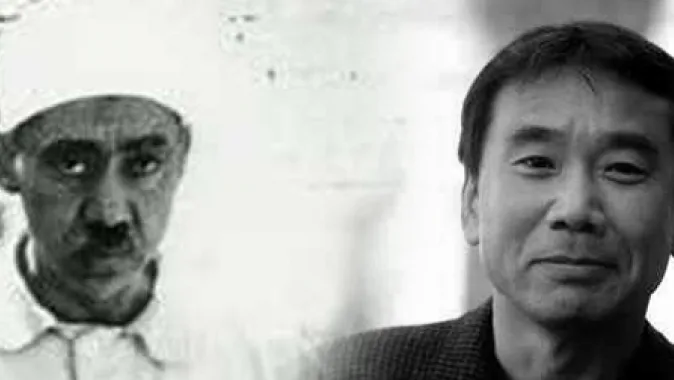
لم يستمع قطب إلى الجاز كما أن موراكامي لم يقرأ القرآن

إبراهيم إمام
إبراهيم إمام Published 4 May ,2015
Share
murakam

“أحلام؟ وما الفرق بين الحلم والحقيقة إذا كان كلاهما يستجيب له القلب والذهن ويترك آثاره في النفس والحياة؟”.  سيد قطب        

“تخاف من الخيال، وتخاف أكثر من الأحلام، من المسؤولية التي تبدأ في الأحلام، يمكنك أن تقمع الخيال وأنت مستيقظ أما الأحلام فلا يمكنك قمعها وأنت نائم”.  هاروكي موراكامي

يكتب هاروكي موراكامي نوعين من الروايات، بصفة عامة فهاروكي موراكامي ليس من نوع الفنانين الملهمين الذين يسعون إلى إنتاج أعمال أصيلة متفردة في كل مرة يقرر فيها كتابة رواية، إنما هو حكّاء، كثير الكتابة والحكي، لذلك لا أحب أبدًا قراءة ما يكتبه عن الكتابة، أشعر وكأنه يقتل الروايات تمامًا يتحدث عن الأمر بوصفه فعل اعتيادي مكرر، مثل أنه يجب أن تجبر نفسك على كتابة عشرين صفحة يوميًا أو أن تكتب لمدة نصف ساعة بعد الاستيقاظ مباشرة وأشياء من هذا القبيل، لذلك أفضل الاستسلام للاستمتاع بقراءة رواياته دون محاولة تجاوز الصفحات إلى ما ورائها أو محاولة الوصول إلى الكاتب وأحمد الله أنه قليل الظهور لا يحب المقابلات ولا الحوارات إلى آخر هذه الممارسات الإعلامية.

كنت أقول إن هاروكي يكتب نوعين من الروايات، نوع يتميز بمزيج غير متجانس من الواقع مع الخيال، ونوع آخر يتميز بالواقعية أكثر، لا أريد أن أصدع رأسك بالحديث عن الحداثة وما بعد الحداثة لكنني أحب أن أذكر على هامش حديثي أن موراكامي يتم تصنيفه تبعًا لأدباء “مابعد مابعد الحداثة”، ولمزيد من التأكيد على أن ما قرأته ليس خطئًا مطبعيًا سأذكره مرة أخرى بأسلوب مختلف، موراكامي يتم تصنيفه تبعًا لأدباء “مابعد مابعد الحداثة”.

ما يميز هذا التيار هو أنه يقف حائرًا بين الواقع والخيال، فالعالم لا يبدو عقلانيًا إلا أنه ليس عبثيًا أيضًا، هناك قدر لابأس به أبدًا من العقلانية تحكم كل شيء، لكن متى بالضبط تقف هذه العقلانية عن العمل لكي تحل محلها اللاعقلانية؟ ما هو الحد الفاصل بين الاثنين وكيف يعملان معًا؟!

يبدو أن هذه المشكلة هي أهم ما كان يؤرق قطب، فصحيح أن الله تجاوز عما توسوس به النفس ما لم يتحول إلى عمل أو كلام وهي إشارة عملية واضحة، إلا أنه ومن زاوية أخرى، فالإيمان يبدأ بما وقر في القلب، وبسبب هذه المشكلة التي كانت تؤرق قطب فقد قرر أن يعالجها بمحاولة للسيطرة على هذا العالم المتخيل، لهذا تظهر أفكار سيد قطب بوصفها طغيانًا للأفكار، وطغيان الأفكار هو تعبير يستخدمه فرويد لوصف حالة بعينها يختلق فيها الشخص عالمًا متخيلًا يحاول من خلاله التحكم في الواقع.

يقسم فرويد الواقع إلى واقع نفسي وواقع فعلي، هكذا يتم تفسير الممارسات الرمزية والسحرية التي كان يقوم بها الإنسان البدائي بأنها محاولة لإضفاء قوة سحرية على عالم متخيل يمكنه التحكم بمفعولها لكي يستخدمها في السيطرة على الواقع الفعلي، يطلق فرويد على هذه الممارسة طغيان الأفكار حيث تطغى الأفكار على عقل الإنسان فيتخيل أن بإمكانه تغيير الواقع عن طريق ممارسات متخيلة كالسحر أو الرقصات التقليدية ويتم تفسير الفعل الإيماني كالصلاة أو الدعاء بنفس الأسلوب وهكذا.

لسنا في مقام نقد قطب أو فرويد أو مناقشة فكرهما، إلا أننا نريد أن نشير إلى أن ما كان يؤرق قطب بشكل رئيسي هو أثر الأحلام والأفكار والخيالات على الواقع الفعلي.

بدأ سيد قطب كتابه معالم في الطريق قائلًا: “تقف البشرية الآن على حافية الهاوية بسبب إفلاسها في عالم القيم”، ماهو عالم القيم بالضبط؟ عالم القيم هو عالم يعمل في خيال الناس، أفكارهم وأحلامهم، لقد ذهب قطب إلى العالم الغربي، وأشهر ما يقال عنه إنه لم ينهزم أمام التقدم المادي للغرب وظل ينظر له بعين ناقدة، إلا أنني لا أعتقد أن الأمر كذلك، لم يكن قطب مهتمًا بالإجراءات، بصفة عامة لم يكن مهتمًا بالتقدم أو التأخر، ربما أكسبته هذه الزيارة للولايات المتحدة الأمريكية تصورًا بأن التقدم ممكن بسهولة، وأن التنظيم ليس صعبًا، لكن ما يقبع في خيالات هؤلاء المتقدمين هو ما يصعب التحكم فيه، لذلك قرر بناءً على ذلك أن أول خطوة لتربية الإنسان هي العزلة الشعورية، وليست العزلة الشعورية سوى محاولة للسيطرة على الواقع النفسي تمهيدًا للانتقال إلى الواقع الفعلي.

يقوم الراهب المسيحي التقليدي أو الزرادشتي أو البوذي بمحاولة مماثلة للسيطرة على عالم الخيال، هكذا يقرر اعتزال الناس، ربما يذهب إلى معبد في الصحراء أو كهف في جبل حتى يقضي وحيدًا، إلا أنه يقوم بذلك للخلاص من سيطرة الواقع الفعلي الملوث، على النقيض من ذلك اعتقد قطب أن الأحلام جزء من الواقع، ولم يستطع أن يجد فاصلًا بين العالمين، لذلك وبدلًا من الخلاص حاول أن يقيم جسرًا بين العالمين، حاول قطب السيطرة على هذا العالم تمهيدًا للسيطرة على الواقع الفعلي وليس من أجل الخلاص منه.

على نفس هذا الجسر بين العالمين يجلس شخص وحيد مرتبك ليس لديه مشكلة تجاه العالم، لا يريد الانتصار أو حل مشكلة ما، ليس لديه مشكلة مع ضغوط العائلة، أو احتياج شديد للمال يضطره إلى الكفاح من أجل الحصول عليه، متخرج من جامعة جيدة أو مازال طالبًا من الطبقة المتوسطة أو المتوسطة العليا يعمل في شركة كبيرة ويعيش مغتربًا في العاصمة، حياته مستقرة وبسيطة، هذا الشاب هو كل أبطال هاروكي موراكامي، ربما هو موراكامي نفسه، هنا تظهر المشكلة؛ الأحلام، ربما تخلق الأحلام مشكلات جديدة كما حدث في “كافكا على الشاطئ” و”1q84″، ربما تعيد مشكلات قديمة كما في “تسوكورو تازاكي عديم اللون وسنوات حجه” و”الغابة النرويجية”، عند هذه النقطة تحديدًا تنقسم روايات موراكامي بين الواقعية والخيالية، إذا قررت الأحلام إيقاظ مشكلات قديمة فالرواية فأحداثها تميل إلى الواقعية وإن بدأت مشكلات جديدة فهي من النوع الخيالي.

وخيال موراكامي ليس من فئة “الواقعية السحرية” كما هو الحال مع ماركيز مثلًا فليس هناك اختلاق لعالم سحري متخيل له قوانينه بل ما يحدث هو حوادث طارئة غريبة على الواقع الذي نعيشه لذلك تعتبر مزجًا يتميز بالسذاجة، والسذاجة هنا ليست حكمًا على الجودة وإنما هي تشبيه بسذاجة الأطفال، توصيف للخليط غير المتجانس البدائي، هنا تظهر المشكلة الكبرى التي تؤرق موراكامي وأبطاله، ما هو الحد الفاصل بين الواقعي والخيالي، فربما لا يكون الخيال خياليًا إلى هذه الدرجة!

في رواية كافكا على الشاطىء، أمطرت السماء سمكًا، هل تعتقد أنه أمر خيالي؟ حسنًا، هناك 11 حالة حقيقية مسجلة أمطرت فيها السماء سمكًا بالفعل، وحالتين أمطرت فيهما ضفادع آخرها مرتين حدثتا في 2010 في المجر.

يتحدث الدكتور أحمد خالد توفيق عن صديق له صاح غاضبًا بعد ربع ساعة من مشاهدته لفيلم سوبرمان: “رجل يطير! يا لهذا السخف”، فرد عليه دكتور أحمد قائلًا: إن مَن يشاهد فيلمًا اسمه سوبرمان؛ عليه أن يقبل قوانينَ اللعبة، وإلا فعليه أن يدير مؤشِّر القنوات إلى “ناشونال جيوجرافيكس”، إلا أنه يؤكد أنه وعلى الرغم من ذلك كان ليجن غيظًا لو تعرَّضَ سوبرمان لمادة الكربتونايت ولم يَمُتْ.

هكذا يستنتج دكتور أحمد أننا “قد نقبل الإيهام، لكننا كذلك نحبُّ أن يلتزم الإيهام بقواعده الفيزيائية الخاصة، وألَّا يبتعدَ عن خبراتنا كثيرًا”، يبدو لي هذا كلاسيكيًا قليلًا، هذه أفكار مناسبة في فترات جلس فيها العقل على عرش العالم، كان هذا منطقيًا عندما كان هناك طموح إنساني للسيطرة على كل شيء في الطبيعة والتحكم في كل تفاصيل الحياة، وإنتاج فن له فكرة مركزية واضحة وإمكانية تقييمه بشكل موضوعي، إلا أن تراكم خبراتنا في الواقع يثبت أنه إذا كان هناك شيء خيالي بالفعل فهو الواقع وليس الأفلام أو الروايات، هكذا يظهر موراكامي كأحد أدباء جيل يعي مدى سيريالية الواقع الذي نعيشه وعقلانية الخيال المكتوب في الروايات، لذلك يختار الوقوف على الجسر الذي يربط الخيال بالواقع لا يملك من أمره شيئًا، لا يحب الواقع، وعندما يقرر الهرب إلى الأحلام يفيق بعدما يجد أنه عاد إلى الواقع مرة أخرى، بينما كان سيد قطب أكثر طموحًا من موراكامي، قرر قطب التفكير بشكل مباشر في أنه وعلى الرغم من “أن الاستسلام للوهم والخرافة شديد الضرر بالغ الخطورة، ولكن أضر منه وأخطر التنكر للمجهول وإنكاره، واستبعاد الغيب لمجرد عدم القدرة على الإحاطة به”، لذلك لجأ إلى العزلة الشعورية في محاولة منه للسيطرة على هذا المجهول تمهيدًا لعبور الجسر متجهًا للسيطرة على الواقع.

“خيالات! وما الفرق بين الخيال والواقع، وكلاهما طيف عابر يلقي ظله على النفس ثم يختفي من عالم الحس بعد لحظات؟”. سيد قطب

“ربما كان كل ذلك حلمًا، لكنه لايزال غير قادر على الهرب من الإحساس، وبشكل لا يمكنه تحديده، بأنه كان مسؤولاً”. هاروكي موراكامي

ربما لايوجد تشابه بين قطب وموراكامي، ربما لو قرأ قطب إحدى روايات موراكامي لاعتبرها إنتاجًا مريضًا مشوهًا لشخص لا يملك أي موهبة أصيلة، وربما لو قرأ موراكامي لقطب لقال إنه شخص سلطوي متطرف ضيق الأفق، إلا أنني ليس لدي شك أن مبعث هموم الرجلين واحد.

TAGGED: أدب ، روايات
Download this article as PDF
Share this Article
Facebook Twitter Whatsapp Whatsapp Telegram Email Copy Link
إبراهيم إمام
By إبراهيم إمام معماري وباحث مصري
Follow:
Next Article نون بوست The Stigma of “ISIS”: A Heavy Legacy Haunting Women and Children of Former Members
part of the design
NoonPost Weekly Newsletter
dark

An independent media platform founded in 2013, rooted in slow journalism, producing in-depth reports, analysis, and multimedia content to offer deeper perspectives on the news, led by a diverse young team from several Arab countries.

  • Politics
  • Society
  • Rights & Liberties
  • Opinions
  • History
  • Sports
  • Education
  • Technology
  • Economy
  • Media
  • Arts & Literature
  • Entrepreneurship
  • Travel
  • Cinema & Drama
  • Food
  • Health
  • Culture
  • Latest Reports
  • Files
  • Long Reads
  • Interviews
  • Podcast
  • Interactive
  • Encyclopedia
  • In Pictures
  • About Us
  • Our Writers
  • Write for Us
  • Editorial Policy
  • Advanced Search
Some rights reserved under a Creative Commons license

Removed from favorites

Undo
Go to mobile version