NoonPost NoonPost

NoonPost

  • Home
  • Politics
  • Economy
  • Society
  • Culture
  • Files
  • Long Reads
  • Podcast
AR
Notification Show More
نون بوست
“There Are Nights I Can’t Close My Eyes”: How Gazans Are Living in Homes on the Brink of Collapse
نون بوست
From al-Jolani to Ahmad al-Shara: The Evolution of Syria’s New Leader
نون بوست
When Political Islam Receded in Egypt: Who Filled the Void?
نون بوست
An Extension of Genocide: Gaza’s Detainees Speak Out
نون بوست
A Tightrope Between Survival and Sovereignty: The Syrian Government Faces Normalization Pressures
نون بوست
American Aircraft Carriers: Has the Era of “100,000 Tons of Diplomacy” Ended?
نون بوست
U.S. Regime‑Change Policies: Why They Are Destined to Fail
نون بوست
Transformations of Israeli Judaism: Between the Victim Complex and the Colonizer’s Doctrine
نون بوست
The Gulf’s Balancing Act: Iran, Israel, and Hidden Links
نون بوست
Iraq–Turkey Oil Export Treaty: Why Did Ankara Cancel It After 52 Years?
نون بوست
Syria’s Northeast on Edge: QSD Between Ankara and Damascus
نون بوست
Has Europe Changed Its Stance on Israel… or Just Its Language?
NoonPost NoonPost
AR
Notification Show More
نون بوست
“There Are Nights I Can’t Close My Eyes”: How Gazans Are Living in Homes on the Brink of Collapse
نون بوست
From al-Jolani to Ahmad al-Shara: The Evolution of Syria’s New Leader
نون بوست
When Political Islam Receded in Egypt: Who Filled the Void?
نون بوست
An Extension of Genocide: Gaza’s Detainees Speak Out
نون بوست
A Tightrope Between Survival and Sovereignty: The Syrian Government Faces Normalization Pressures
نون بوست
American Aircraft Carriers: Has the Era of “100,000 Tons of Diplomacy” Ended?
نون بوست
U.S. Regime‑Change Policies: Why They Are Destined to Fail
نون بوست
Transformations of Israeli Judaism: Between the Victim Complex and the Colonizer’s Doctrine
نون بوست
The Gulf’s Balancing Act: Iran, Israel, and Hidden Links
نون بوست
Iraq–Turkey Oil Export Treaty: Why Did Ankara Cancel It After 52 Years?
نون بوست
Syria’s Northeast on Edge: QSD Between Ankara and Damascus
نون بوست
Has Europe Changed Its Stance on Israel… or Just Its Language?
Follow US

Iraq Loses Its Oil Without a Single Field Being Bombed… How the Strait of Hormuz Strangled Basra

فريق التحرير
Noon Post Published 26 March ,2026
Share
نون بوست
نون بوست
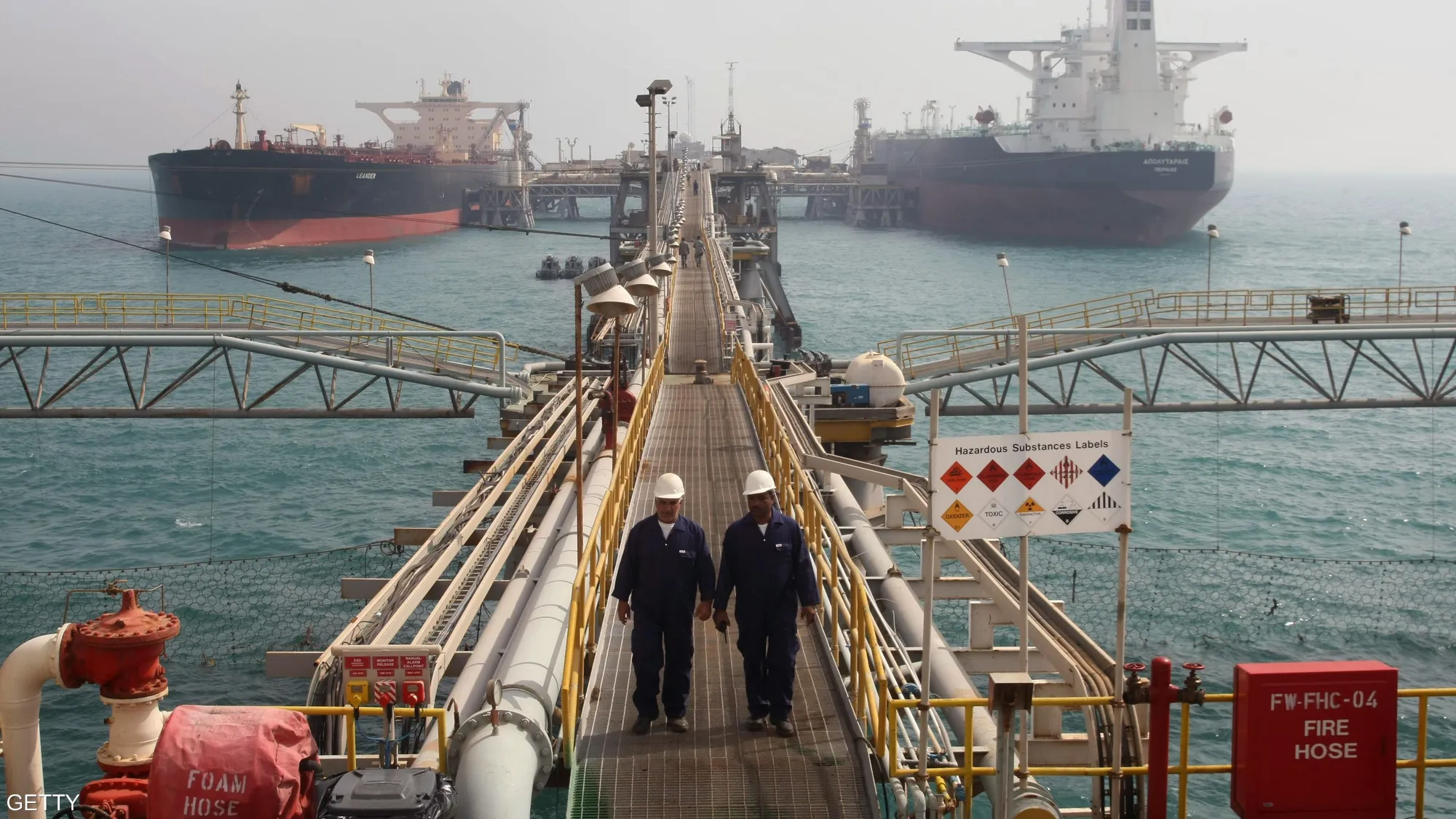
Iraq exports most of its oil production through the southern ports of Basra.

Iraq’s oil industry has not suffered a direct strike since the outbreak of the confrontation between the United States and Israel on one side and Iran on the other. Yet the country appears as though it has lost the wealth beneath its soil, after traffic through the Strait of Hormuz through which roughly 20 percent of global oil trade passes ground to a halt.

The chokehold quickly reached Basra, where most of Iraq’s oil fields and export terminals are concentrated, forcing Baghdad to cut production and sending government revenues downward. The episode reveals the fragility of a rent-dependent economy that relies more on “the barrel passing through water” than on the oil itself.

How Did the Chokehold Reach Basra?

With the outbreak of war in late February, Iran effectively halted navigation through the Strait of Hormuz. Hundreds of tankers carrying Gulf crude were left stranded near the passage or inside regional ports, while Tehran declared it would open fire on any vessel attempting to cross.

For Iraq—whose exports flow largely through Basra’s southern terminals the move amounted to severing a vital artery. In less than a week, the country effectively lost three-quarters of its export capacity.

The stages of the decline unfolded as follows, according to information reported by Reuters citing officials in Iraq’s Ministry of Oil.

What Happened When Storage Tanks Filled Up?

As exports stalled, Iraq ran into an old problem: limited storage capacity. On March 3, the Ministry of Oil said the production cuts would not affect refinery operations. Officials, however, acknowledged that storage tanks at southern ports had reached “critical levels.”

A Reuters report cited analysts at JPMorgan as expecting the closure of Hormuz to force Iraq to halt supplies amounting to 3.3 million barrels per day by the eighth day of the conflict, since the country possesses only about three days of storage capacity compared with 14 days for Kuwait, for example.

According to the same report, losses could climb to 3.8 million barrels per day by the fifteenth day of the shutdown and to 4.7 million by the eighteenth day.

Storage is not the only obstacle. Despite expansion in recent years, Iraq’s refining capacity does not exceed 1.3 million barrels per day, according to the U.S. Energy Information Administration. Before the crisis, output from southern fields stood at around 4.3 million barrels per day.

This means refineries can absorb less than one-third of production even under the best conditions. Moreover, most Iraqi refineries produce heavy fuel oil in quantities exceeding domestic demand while failing to generate sufficient gasoline and diesel.

In times of crisis, refineries are expected to temporarily absorb surplus crude. Yet the heavy quality of the oil and the need for refineries to operate continuously make them a limited outlet for excess production.

In addition, storage capacity at refineries is restricted. Any prolonged halt in exports would therefore force companies to gradually shut down wells—a process that has already begun, with production at the Rumaila field cut by 700,000 barrels per day, West Qurna-2 by about 460,000, and Maysan by 325,000.

A Salary-Based State Under Pressure from Lost Barrels

The severity of the crisis becomes clearer when it moves from the oil fields to the public treasury. Official data from the Ministry of Oil show that petroleum exports accounted for more than 90 percent of Iraqi government revenue in 2023.

A 2025 report by the International Monetary Fund goes further, noting that the non-oil tax base is “extremely low,” and that oil revenues will continue to represent more than 90 percent of government income through 2030.

The report warns that rising spending and sluggish non-oil revenues have pushed the oil price required to balance the budget to roughly $84 per barrel in 2024, up from $54 in 2020.

In a country where the number of public sector employees and pensioners reaches several million, any major gap in cash flow threatens the government’s ability to pay salaries, complete projects, or avoid accumulating arrears.

The financial shock, however, does not occur overnight. Iraq entered the crisis with foreign reserves at the central bank worth tens of billions of dollars, and the 2025 budget had not yet been fully exhausted.

Nevertheless, the IMF predicted in June 2025 that declining oil prices and high spending would lead to “financing constraints,” forcing the government to scale back or postpone nonessential expenditures.

If export disruptions continue for more than a few weeks, those reserves could be depleted quickly. Iraq would then face difficult choices: drawing from savings funds such as the Development Fund for Iraq, increasing domestic and foreign borrowing, or cutting wage and benefit bills all options fraught with social and political risks.

Why Is Iraq Less Able to Maneuver?

A quick comparison with other Gulf producers shows that the problem lies not only in the Strait of Hormuz but also in the structure of Iraq’s economy and logistics.

Saudi Arabia, for example, typically exports about 7.2 million barrels per day but possesses the East-West pipeline, which carries crude from eastern fields to the Red Sea port of Yanbu with a capacity of up to 5 million barrels per day. In 2019, the line was used to move 7 million barrels per day after natural gas liquids pipelines were repurposed.

Yet Yanbu’s loading capacity does not exceed 1.5 million barrels per day, limiting flexibility—alongside the security risks present in the Red Sea.

The United Arab Emirates, for its part, operates the Abu Dhabi-Fujairah pipeline, which transports 1.5 million barrels per day to the port of Fujairah on the Gulf of Oman.

Kuwait also maintains storage capacity sufficient for about fourteen days, according to JPMorgan estimates. While it relies on the ports of Shuaiba and Ahmadi, it can also benefit from floating storage and its state-owned tanker fleet.

Iraq, by contrast, has no active alternative pipelines. The Kirkuk-Ceyhan pipeline to Turkey with a capacity of roughly one million barrels per day has remained idle since March 2023 due to an arbitration dispute.

Despite a preliminary agreement in September 2025 to resume operations, implementation has stalled amid disagreements between Baghdad, Erbil, and international oil companies.

The proposed Basra-Aqaba pipeline through Jordan has yet to begin construction. Iraq also lacks a large tanker fleet and external storage facilities, unlike Saudi Arabia and the UAE.

Financially, Saudi Arabia and the UAE possess vast sovereign reserves that allow them to temporarily offset export losses, while Iraq remains burdened by a dual deficit and limited surpluses.

The result is that Iraq finds itself trapped in a double bottleneck: a single maritime outlet and near-total fiscal dependence on oil revenues while its neighbors maintain alternative routes and financial buffers that provide far greater room to maneuver.

Download this article as PDF
Share this Article
Facebook Twitter Whatsapp Whatsapp Telegram Email Copy Link
فريق التحرير
By فريق التحرير تقارير يعدها فريق تحرير نون بوست.
Follow:
Previous Article نون بوست Oman and Iran: An Exceptional Relationship in a Turbulent Gulf
Next Article نون بوست Unprecedented Military Expansion: What Does Israel’s War Budget Tell Us?

Read More

  • U.S. Regime‑Change Policies: Why They Are Destined to Fail U.S. Regime‑Change Policies: Why They Are Destined to Fail
  • The Gulf’s Balancing Act: Iran, Israel, and Hidden Links
  • Iraq–Turkey Oil Export Treaty: Why Did Ankara Cancel It After 52 Years?
  • Syria’s Northeast on Edge: QSD Between Ankara and Damascus
  • Has Europe Changed Its Stance on Israel… or Just Its Language?
part of the design
NoonPost Weekly Newsletter

You May Also Like

U.S. Regime‑Change Policies: Why They Are Destined to Fail

U.S. Regime‑Change Policies: Why They Are Destined to Fail

إسراء سيد Esraa sayed 8 April ,2026
The Gulf’s Balancing Act: Iran, Israel, and Hidden Links

The Gulf’s Balancing Act: Iran, Israel, and Hidden Links

فريق التحرير Noon Post 8 April ,2026
Iraq–Turkey Oil Export Treaty: Why Did Ankara Cancel It After 52 Years?

Iraq–Turkey Oil Export Treaty: Why Did Ankara Cancel It After 52 Years?

فريق التحرير Noon Post 8 April ,2026

هل للانتخابات البريطانية أي تأثير على القضية الفلسطينية؟

ديفيد كرونين
ديفيد كرونين Published 5 May ,2015
Share
david-cameron

ترجمة وتحرير نون بوست

لطالما كان دعم إسرائيل من النخبة الحاكمة في بريطانيا ثابتًا، وحاليًا كلا الحزبين المتنافسين لتشكيل – أو لنكون أكثر واقعية للهيمنة – على  الحكومة القادمة يتحملان المسؤولية المشتركة عن معاناة الفلسطينيين؛ ففي عام 1917، قدم آرثر جيمس بلفور من حزب المحافظين التزامًا رسميًا لليهود، باعتباره وزير الخارجية البريطاني حينها، ونُعت هذا الالتزام تاريخيًا فيما بعد باسم وعد بلفور، ويهدف هذا الالتزام إلى ضمان أن المستعمرين الصهاينة في فلسطين سيُمنحون امتيازات أكبر من سكان فلسطين الأصليين، وبعدها وفي عام 1944 قدم مؤتمر حزب العمال البريطاني مباركته للتهجير القسري لـ 750.000 فلسطيني، وهو التهجير الذي طال الفلسطينين بعد صدور هذه المباركة بأربع سنوات، حيث كان البيان الذي وافق عليه المندوبون يقول: “دعوا العرب يتشجعون للخروج في أثناء دخول اليهود”.

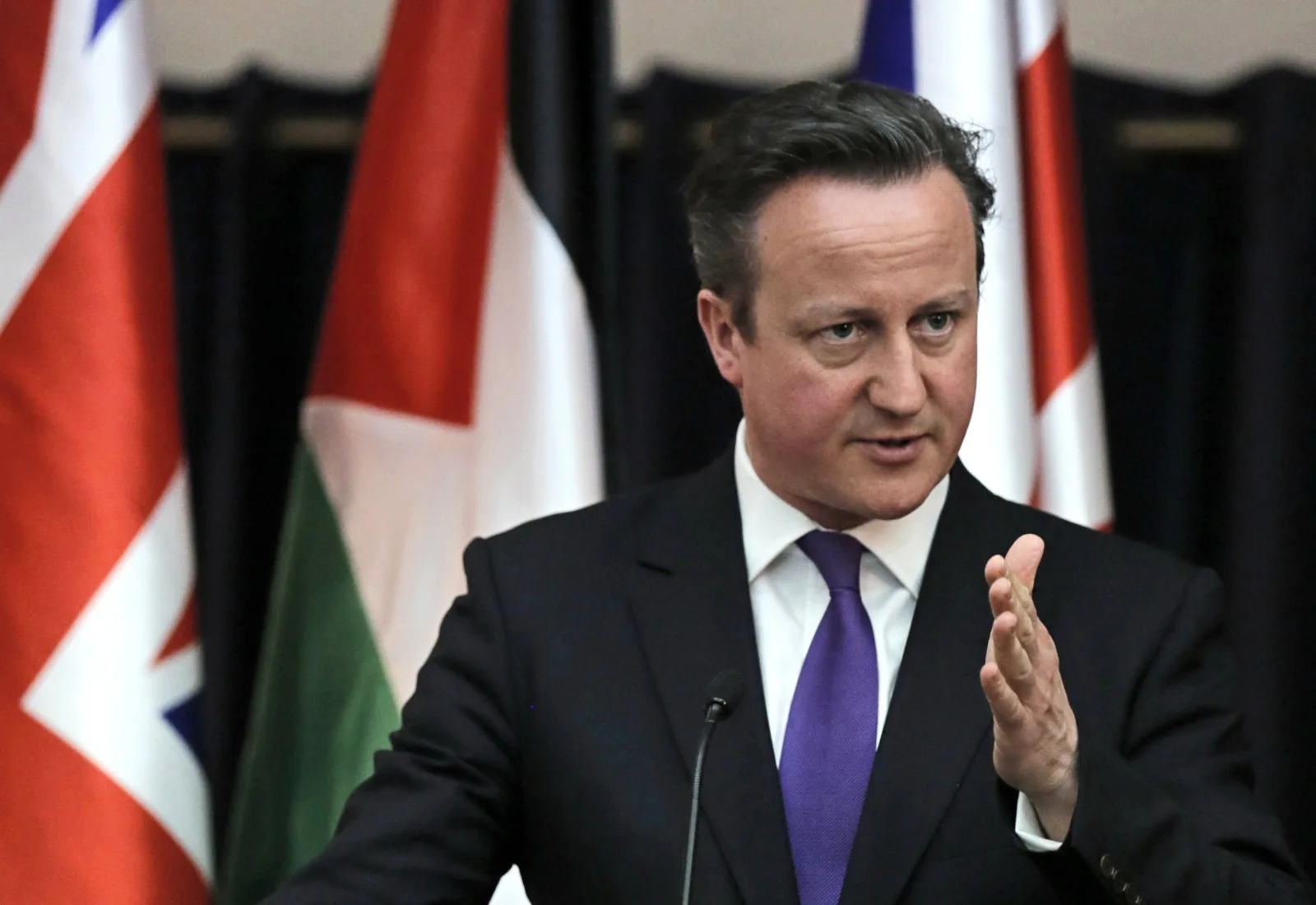
أثبت ديفيد كاميرون أنه قادر على أن يكون وصيًا ماهرًا لتركة بلفور المقيتة، حيث وجه خطابًا إلى الكنيست في عام 2014، تفاخر فيه بأنه حمى مجرمي الحرب الإسرائيليين عن طريق إيقاف مفاعيل قانون الولاية القضائية العالمية، مما حال دون اعتقال هؤلاء المجرمين أثناء زيارتهم إلى بريطانيا.

يستشهد كاميرون دائمًا بإخلاصه لإسرائيل عندما يحاول أن يسجل نقاطًا ضد خصومه، “على عكس حزب العمال، نحن في هذا الحزب نعارض المقاطعة” قال كاميرون في ديسمبر الماضي، في غداء العمل السنوي الذي يستضيفه اللوبي الإسرائيلي الذي يدعم حزب المحافظين، وبالطبع نستطيع الاستدلال من خلال هذا التصريح أن حزب العمال يتضامن مع اليسار المتطرف المناصر لفلسطين، ولكن هذا الاستنتاج مغلوط، كون ديفيد كاميرون، وإد ميليباند يتبنيان مواقف متطابقة تقريبًا تجاه إسرائيل.

كاميرون وميليباند انتقدا إسرائيل في بعض المناسبات، حيث وصف كاميرون غزة بعد الحصار بأنها “معسكر اعتقال”، كما أن ميليباند وبعد فترة وجيزة من تسلمه زعامة حزب العمال صرح قائلًا: “حصار غزة يجب أن يُرفع، ويجب علينا أن نضع كامل قوتنا لتحقيق ذلك”، ولكن عضلات ميليباند شُلّت بسرعة، فبدلًا من السعي لإنهاء الحصار، بدأ بتملق الدولة التي تفرضه، حين قال “الأولوية الكبرى لحكومة حزب العمال ستكون مواصلة التعاون مع القوة الاقتصادية لإسرائيل”، وعلى عكس مزاعم كاميرون، رفض حزب العمل تلبية الدعوات الفلسطينية لاتخاذ إجراءات صارمة ضد إسرائيل، حيث صرح إد بولز، المستشار في حكومة الظل، “نحن نرفض التعامل مع الوقفات المعارضة وسياسة المقاطعة”.

أما تصويت حزب العمال لصالح الاعتراف بجزء يسير من دولة فلسطين التاريخية، فهي استجابة تبعث على السخرية على المجازر التي نفذتها إسرائيل في غزة الصيف الماضي، والمفارقة الأكبر تكمن أنه بعد أقل من عام من مهاجمة إسرائيل لغزة في نوفمبر 2012، زار جيم ميرفي – مسؤول رفيع المستوى في حزب العمال – الشرق الأوسط، لمناقشة كيفية تعميق التعاون العسكري بين بريطانيا وإسرائيل!

معظم – إن لم يكن جميع – مسؤولي الصف الأمامي من حزب العمال يحابون اللوبي الصهيوني، فالمشاركة في الأنشطة التي تنظمها مجموعة الضغط، التي تسمى بأصدقاء حزب العمال الإسرائيليين، أصبح على ما يبدو إلزاميًا لممثلي حزب العمال الأشد طموحًا، وكما ورد في كتاب شركة بليرBlair Inc، “هناك تداخل كبير ما بين أصدقاء حزب العمال الإسرائيليين والجهود المبذولة لإضعاف روابط حزب العمال مع نقابات العمال، حيث يبرز نشطاء اللوبي الصهيوني في موقع التقدم Progress، وهو موقع لجماعة ضغط مخصصة للمحافظة على مسار بلير في حزب العمال”.

من الجدير بالذكر أن كلمات بلير وتصريحاته تم نقلها والاستشهاد بها باستحسان من قِبل دوغلاس ألكسندر، وزير الخارجية في حكومة الظل، أثناء اجتماعات أصدقاء حزب العمال الإسرائيليين، وهذا الاحترام للرجل الذي يُلعن على نطاق واسع من قبل البريطانيين العاديين، وربما في جميع أنحاء العالم، يتناقض مع التصور الذي يسعى ميليباند لخلقه، والمتمثل بأن حزب العمال تعلم من أخطاء بلير – كما لو كان غزو العراق مجرد خطأ إستراتيجي فادح -، ويمكننا القول إن الدليل الوحيد لتعلم ميليباند من هذه الأخطاء “الإستراتيجية” لبلير، يتمثل بأنه ساعد على إحباط الهجوم المخطط له ضد سورية، رغم أن إد ميليباند ذاته دعم حرب الناتو ضد ليبيا في عام 2011، حيث كان الدافع خلف هذا الهجوم هو الرغبة في إبقاء الشرق الأوسط والموارد الأفريقية تحت السيطرة الغربية، وكما كان متوقعًا، ثبت أن نتائج حملة الناتو على ليبيا كانت كارثية سواء بالنسبة لليبيين أو للدول المجاورة.

باعتباري إيرلنديًا، فإنني لا أنوي تقديم المشورة لأصدقائي البريطانيين حول الحزب الذي ينبغي أن يصوتوا له في الانتخابات المقبلة، ولكن بدلًا من ذلك، أسعى لتسليط الضوء على العقلية الإمبريالية التي لاتزال تسود ضمن المؤسسة البريطانية، وتغيير هذه العقلية بحاجة لما هو أكبر بكثير من مجرد انتخابات.

وجود الحزب الوطني الإسكتلندي كجزء من حكومة ائتلافية، قد تكون له دلالة رمزية مهمة، ولكن من غير الواضح أيضًا مدى التأثير الذي سيصنعه هذا الحزب، فمن ناحية حث وزير الخارجية الإسكتلندني لممارسة حظر على الأسلحة التي يتم توريدها إلى إسرائيل العام الماضي، ولكن من ناحية أخرى، هل سيعمل الحزب الوطني الإسكتلندي حقًا على منع رايثيون – وهي شركة أسلحة ضخمة – من صنع قنبلة ذكية في مصنعها في فايف؟ وهل سيكون الحزب مستعدًا لتقديم مباديء الأخلاق على حوافز الاستثمار؟

عادة ما تتحول التعهدات والإعلانات الرسمية لأحزاب المعارضة إلى هباء منثور، بمجرد وصول هذه الأحزاب إلى جزء من السلطة؛ فمثلًا الحزب الديمقراطي الليبرالي دعا، على نحو مماثل للحزب الوطني الإسكتلندي، لوقف مبيعات الأسلحة لإسرائيل قبل انتخابات عام 2010، ولكن هذه الدعوة لم تمنع المعلم الفكري للحزب فينس كيبل عن السماح للشركات البريطانية باستمرار بيع الأسلحة لإسرائيل عندما تسلّم منصب وزير الأعمال.

يمكن القول إن تأييد بريطانيا للجرائم الإسرائيلية أصبح أكثر حماسًا خلال العقود القليلة الماضية، فسابقًا وفي عام 1982 أدانت مارغريت تاتشر مذابح اللاجئين الفلسطينيين من قِبل قوات موالية لإسرائيل في لبنان بقولها “هذا عمل من أعمال الهمجية المطلقة”، أما في الصيف الماضي، وإثر تسبب الحرب الإسرائيلية على غزة بمقتل أكثر من 2200 شخص منهم ما لا يقل عن 547 طفلًا، حاول ديفيد كاميرون في مقابلة له تصوير وتحوير جميع أعمال القتل الممنهج للفلسطينيين على أنها من أعمال الدفاع عن النفس.

كما أن إلغاء جامعة ساوثامبتون الأخير لمؤتمر ينتقد إسرائيل، هو من أعراض محاولات تشويه سمعة النشطاء المتضامنين مع فلسطين، وحينها اتهم مايكل غوف، وزير التعليم البريطاني، حركة المقاطعة وسحب الاستثمارات وفرض العقوبات، أو ما يعرف بـ BDS الموجهة ضد إسرائيل بأنها “منفذ جديد للفيروس السام من معاداة السامية”، ولكن لو أزعج غوف نفسه ببذل القليل من الجهد، كان ليجد حينها أن حركة المقاطعة وسحب الاستثمارات وفرض العقوبات ترفض جميع أشكال التمييز العنصري والديني، وهذا هو ما يجعلها مختلفة عن دولة إسرائيل، التي لاتزال متشبثة حتى يومنا هذا بمفهوم يقول إن بعض البشر أكثر قيمة من غيرهم.

الصهيونية، هي الأيديولوجية التي أُسست عليها إسرائيل، وهي أيديولوجية متأثرة بشدة بالمباديء الاستعمارية البريطانية، حيث يقول ماكس نورداو، أحد مؤسسي منظمة الصهيونية العالمية “سنسعى جاهدين للقيام في الشرق الأدنى ذات ما فعله الإنجليز في الهند، نحن ننوي الذهاب إلى فلسطين بمثابة الحملة المُعتمدين للمدنية والتحضر٬ ورسالتنا هي توسيع الحدود الأخلاقية لأوروبا حتى تصل إلى نهر الفرات”.

بناء عليه، لماذا تقوم المؤسسة البريطانية بتشويه صورة النشطاء المتضامنين مع فلسطين؟ قد يكون أحد الأسباب هو أن العديد من هؤلاء النشطاء يتنصل ويشهّر بالخرافات التي تسعى المؤسسة البريطانية لنشرها.

أخيرًا يمكن لتكتيكات حركة المقاطعة وسحب الاستثمارات وفرض العقوبات إذا اُستخدمت بذكاء، أن تكون أداة قوية لرفع مستوى الوعي حول الكيفية التي يساند بها الغرب نظام الفصل العنصري الإسرائيلي “نظام الأبارتهايد الإسرائيلي”، وكما كان لبريطانيا دور فعّال في خلق هذا النظام، يجب ألا نفاجأ إذا عمدت النخب الحاكمة لذات الدولة إلى دعم النظام الإسرائيلي وإخفاء حقيقته.

المصدر: ميدل إيست آي

TAGGED: الانتخابات البريطانية ، السياسة الخارجية البريطانية ، القضية الفلسطينية ، اللوبي الإسرائيلي في بريطانيا ، حزب إسكتلندا الوطني
TAGGED: 10 داوننغ ستريت
Download this article as PDF
Share this Article
Facebook Twitter Whatsapp Whatsapp Telegram Email Copy Link
ديفيد كرونين
By ديفيد كرونين صحفي وناشط وكاتب مقيم في بروكسل
Follow:
Next Article نون بوست The Stigma of “ISIS”: A Heavy Legacy Haunting Women and Children of Former Members

Read More

  • U.S. Regime‑Change Policies: Why They Are Destined to Fail U.S. Regime‑Change Policies: Why They Are Destined to Fail
  • The Gulf’s Balancing Act: Iran, Israel, and Hidden Links
  • Iraq–Turkey Oil Export Treaty: Why Did Ankara Cancel It After 52 Years?
  • Syria’s Northeast on Edge: QSD Between Ankara and Damascus
  • Has Europe Changed Its Stance on Israel… or Just Its Language?
part of the design
NoonPost Weekly Newsletter
dark

An independent media platform founded in 2013, rooted in slow journalism, producing in-depth reports, analysis, and multimedia content to offer deeper perspectives on the news, led by a diverse young team from several Arab countries.

  • Politics
  • Society
  • Rights & Liberties
  • Opinions
  • History
  • Sports
  • Education
  • Technology
  • Economy
  • Media
  • Arts & Literature
  • Entrepreneurship
  • Travel
  • Cinema & Drama
  • Food
  • Health
  • Culture
  • Latest Reports
  • Files
  • Long Reads
  • Interviews
  • Podcast
  • Interactive
  • Encyclopedia
  • In Pictures
  • About Us
  • Our Writers
  • Write for Us
  • Editorial Policy
  • Advanced Search
Some rights reserved under a Creative Commons license

Removed from favorites

Undo
Go to mobile version