NoonPost NoonPost

NoonPost

  • Home
  • Politics
  • Economy
  • Society
  • Culture
  • Files
  • Long Reads
  • Podcast
AR
Notification Show More
نون بوست
“There Are Nights I Can’t Close My Eyes”: How Gazans Are Living in Homes on the Brink of Collapse
نون بوست
From al-Jolani to Ahmad al-Shara: The Evolution of Syria’s New Leader
نون بوست
When Political Islam Receded in Egypt: Who Filled the Void?
نون بوست
An Extension of Genocide: Gaza’s Detainees Speak Out
نون بوست
A Tightrope Between Survival and Sovereignty: The Syrian Government Faces Normalization Pressures
نون بوست
American Aircraft Carriers: Has the Era of “100,000 Tons of Diplomacy” Ended?
نون بوست
U.S. Regime‑Change Policies: Why They Are Destined to Fail
نون بوست
Transformations of Israeli Judaism: Between the Victim Complex and the Colonizer’s Doctrine
نون بوست
The Gulf’s Balancing Act: Iran, Israel, and Hidden Links
نون بوست
Iraq–Turkey Oil Export Treaty: Why Did Ankara Cancel It After 52 Years?
نون بوست
Syria’s Northeast on Edge: QSD Between Ankara and Damascus
نون بوست
Has Europe Changed Its Stance on Israel… or Just Its Language?
NoonPost NoonPost
AR
Notification Show More
نون بوست
“There Are Nights I Can’t Close My Eyes”: How Gazans Are Living in Homes on the Brink of Collapse
نون بوست
From al-Jolani to Ahmad al-Shara: The Evolution of Syria’s New Leader
نون بوست
When Political Islam Receded in Egypt: Who Filled the Void?
نون بوست
An Extension of Genocide: Gaza’s Detainees Speak Out
نون بوست
A Tightrope Between Survival and Sovereignty: The Syrian Government Faces Normalization Pressures
نون بوست
American Aircraft Carriers: Has the Era of “100,000 Tons of Diplomacy” Ended?
نون بوست
U.S. Regime‑Change Policies: Why They Are Destined to Fail
نون بوست
Transformations of Israeli Judaism: Between the Victim Complex and the Colonizer’s Doctrine
نون بوست
The Gulf’s Balancing Act: Iran, Israel, and Hidden Links
نون بوست
Iraq–Turkey Oil Export Treaty: Why Did Ankara Cancel It After 52 Years?
نون بوست
Syria’s Northeast on Edge: QSD Between Ankara and Damascus
نون بوست
Has Europe Changed Its Stance on Israel… or Just Its Language?
Follow US

European Mobilization: Mapping the Military Bases in Southern Cyprus

فريق التحرير
Noon Post Published 26 March ,2026
Share
نون بوست
نون بوست
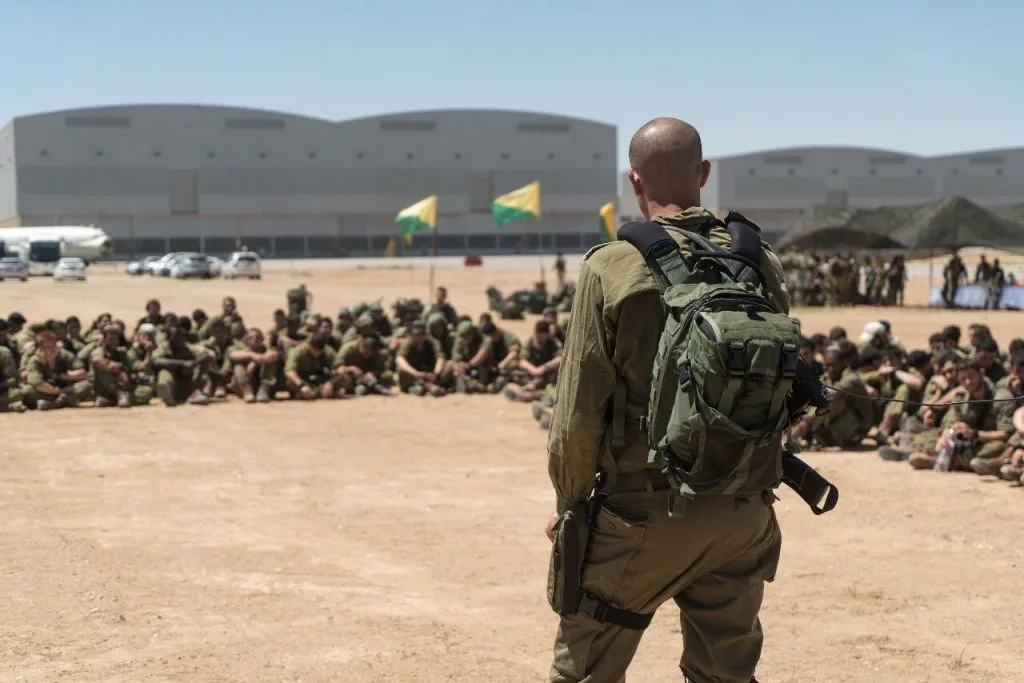
Members of the Israeli Egoz unit participate in a military exercise in Cyprus, June 2017

At the end of February 2026, an Iranian-made Shahed drone launched from Lebanon struck the Royal Air Force base at Akrotiri in southern Cyprus. The attack caused limited damage to the runway but triggered deep concern across Europe that the island could become a new theater of war.

In the aftermath of the strike, the British prime minister visited the island accompanied by the defense secretary and senior military officials, reaffirming the United Kingdom’s commitment to securing its bases. Soon after, French President Emmanuel Macron arrived in Cyprus and held a summit with his Cypriot counterpart and the Greek prime minister, declaring that “an attack on Cyprus is an attack on Europe.”

What, then, does the military mobilization in Cyprus look like following the US-Israeli war on Iran? What is the story behind the military bases located there, and how deeply is this island intertwined with Middle Eastern conflicts?

Military and Political Mobilization

European reinforcements arrived after the Akrotiri strike as follows:

  • Britain deployed the destroyer HMS Dragon, equipped with the Sea Viper missile defense system, along with two Wildcat helicopters armed with Martlet missiles.

  • France deployed air-defense systems designed to counter drones and missiles and dispatched the frigate Languedoc, while the aircraft carrier Charles de Gaulle operated in the eastern Mediterranean.

  • Greece sent four F-16 fighter jets to Paphos Air Base, in addition to two frigates one equipped with the Centaurus electronic-warfare system capable of detecting and disrupting low-altitude drones.

  • Reports continue to circulate about plans by Italy, Spain, and the Netherlands to deploy additional warships to the region, alongside other European naval units already arriving.

What Exists in Southern Cyprus?

Two main categories of military areas exist in the southern part of the island:

First: The British Sovereign Base Areas

Since Cyprus gained independence in 1960, London has retained control of the Akrotiri and Dhekelia Sovereign Base Areas. Together they cover roughly 98–99 square miles (about 3% of the island’s territory). The areas are home to more than 10,000 Cypriots and around 3,800 British military personnel and civilians, along with their families.

1. Akrotiri

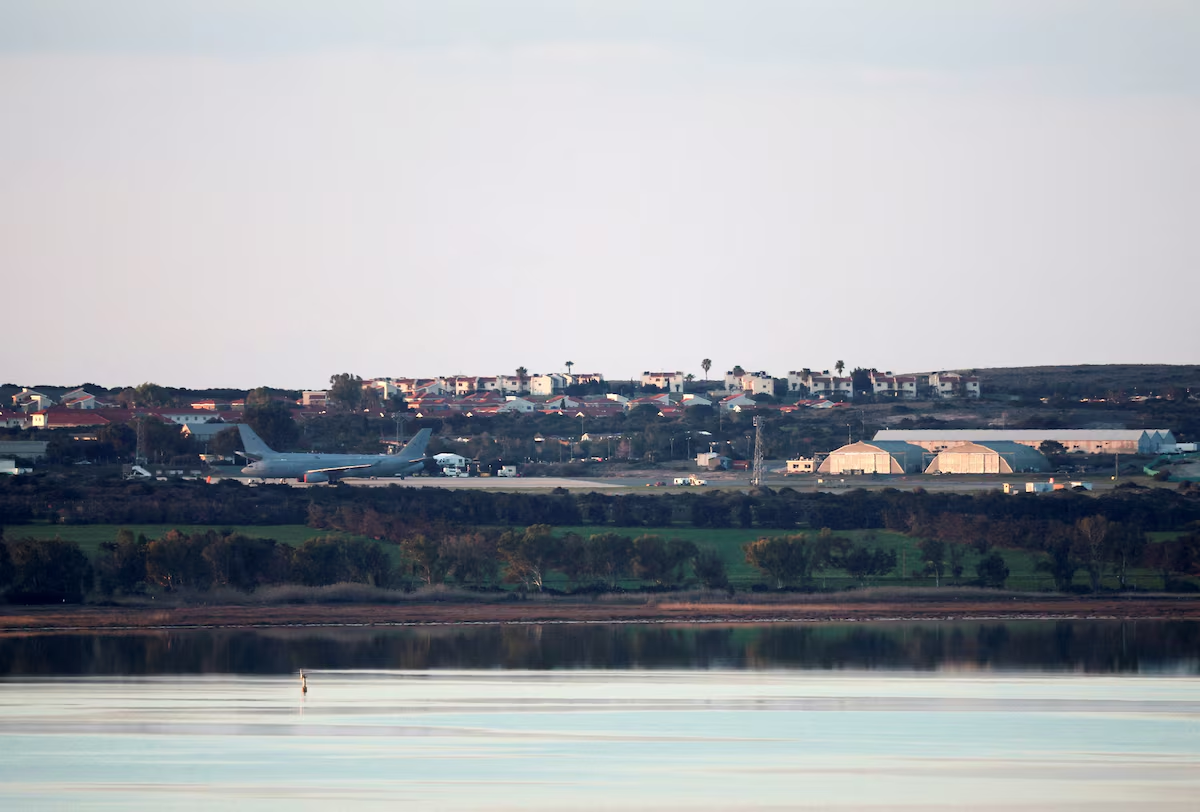
Akrotiri is the principal air base. It includes a long runway capable of hosting F-35B and Typhoon fighter jets, Voyager aerial refueling aircraft, and Atlas transport planes. It also houses the 84th Search and Rescue Squadron, which operates in coordination with Cypriot authorities.

During the 2003 Iraq War, Akrotiri served as a major logistical hub. It still hosts the American U-2 reconnaissance aircraft, which conducts surveillance flights across the Middle East. Today the base supports operations against the Houthis in Yemen and facilitates evacuation and monitoring missions in Syria and Lebanon.

Amid the ongoing conflict, six F-35B fighters from the British RAF Marham base have arrived, along with Wildcat helicopters tasked with counter-drone operations.

The Royal Navy also uses the port of Akrotiri to supply vessels operating in the Middle East. The arrival of HMS Dragon underscored the base’s capacity to support naval missions against drone and missile threats.

2. Dhekelia

Dhekelia hosts a permanent British infantry battalion along with logistics, medical, engineering, and military police units. It also includes advanced communications facilities at the Ayios Nikolaos site.

Second: Areas Under the Republic of Cyprus

The most prominent installation is the Andreas Papandreou Air Base, built in the 1990s as a cornerstone of the trilateral security alignment between Nicosia, Athens, and Paris. The base regularly hosts Greek and French fighter aircraft.
نون بوست
R.A. Akrotiri Air Force Base in Cyprus, March 3, 2026 (Reuters)

During the current crisis, four Greek F-16 jets have been stationed there, and the facility has recently served as a venue for meetings among European political leaders. The base remains under Cypriot sovereignty, with no permanent foreign forces stationed there beyond training rotations and joint exercises.

In addition, southern Cyprus hosts naval facilities at Mari/Zygi supporting search-and-rescue operations, while the Port of Limassol receives European naval vessels.

Western countries do not possess sovereign bases on the island beyond Akrotiri and Dhekelia. However, defense cooperation agreements allow them to use Cypriot infrastructure during crises.

As for personnel, a limited and undisclosed number of Cypriot National Guard and Greek army forces are stationed at the Papandreou base. It also houses a Tor-M1 air-defense missile unit and a transport aircraft landing strip.

The French presence is typically temporary, limited to training or joint exercises. Likewise, there are no permanent US troops stationed at Cypriot bases. However, Washington relies on Akrotiri to operate U-2 reconnaissance flights and to refuel American aircraft.

Espionage… in Support of Israel

Cyprus is not merely an island with airports and military bases. It is also a major communications and intelligence hub with several specialized facilities, most notably:

1. Ayios Nikolaos Station

Located within the Dhekelia base area, the site hosts a formal intelligence unit known as the Joint Service Signals Unit (JSSU).

A British government document states that the site lies about 20 minutes from Dhekelia and provides secure communications links connecting Cyprus with the rest of the world.

The unit was formed in 2003 following the merger of several signals units. It includes three squadrons: operations, engineering support, and infrastructure command. Personnel from all three branches of the British armed forces work there alongside civilian employees and contractors to operate complex communications systems.

Investigative reports indicate that the US National Security Agency (NSA) funds roughly half of the station’s operating costs and exchanges intelligence with Britain. The collected data is reportedly shared with Israel as part of intelligence cooperation.

2. Troodos Mountain Station

Leaks released in 2016 by former US intelligence contractor Edward Snowden revealed the existence of a British surveillance center in the Troodos Mountains. The facility tracks Israeli drones and gathers signals intelligence across the eastern Mediterranean and North Africa.

The Guardian later reported on a joint UK-US program called “Anarchist,” which enabled monitoring of Israeli drones and analysis of their operational intentions toward Iran.

Cyprus’ strategic location draws attention whenever conflict erupts between Tel Aviv and its adversaries. Although no Israeli forces are openly stationed in Cyprus, reports suggest that British bases are used to monitor the skies over Lebanon, Gaza, Syria, and Yemen in support of Israeli intelligence.

British sorties from Akrotiri participated in strikes against the Houthis in Yemen in 2024. Aircraft operating from the base have also conducted surveillance over Gaza, attempting to locate Israeli hostages held in the territory.

Leaked intelligence sources also point to US-British cooperation in intercepting communications and monitoring Middle Eastern activity, with Israel reportedly involved in analyzing the collected intelligence.

A “Stationary Aircraft Carrier”: Why Cyprus?

Western strategic interest in Cyprus stems from several geographic and strategic factors:

1. Proximity to Conflict Zones

The island lies less than 200 kilometers from the coasts of Syria, Lebanon, and Gaza, enabling aircraft to reach targets within minutes. This makes Cyprus an ideal platform for air and intelligence operations without the need to concentrate large forces aboard aircraft carriers.

2. European Union Membership

Southern Cyprus is a member of the European Union and the Eurozone, facilitating political and legal coordination with Paris, Athens, and Berlin. Meanwhile, the presence of sovereign British bases within an EU member state provides London with a military gateway to the eastern Mediterranean even after Brexit.

3. A Relatively Secure Environment

Despite the island’s division between the Turkish north and Greek south, areas controlled by the Republic of Cyprus enjoy sufficient internal stability to host advanced systems such as U-2 aircraft and sophisticated communications facilities.

4. Infrastructure

Akrotiri features long runways and extensive refueling facilities, while the Port of Limassol provides deep-water access for large naval vessels. By contrast, bases in the Gulf or the Red Sea are often directly exposed to threats from Iranian missiles or Houthi drones, whereas Cyprus sits at a greater distance from such weapons.

As the war against Iran expands and the use of drones and missiles intensifies, Cyprus is likely to remain a potential target. The growing military presence on the island therefore appears to be more than a temporary response. Rather, it reflects a role Cyprus has played for decades: a forward node linking Europe to the eastern Mediterranean and Israel between runways and listening posts.

Download this article as PDF
Share this Article
Facebook Twitter Whatsapp Whatsapp Telegram Email Copy Link
فريق التحرير
By فريق التحرير تقارير يعدها فريق تحرير نون بوست.
Follow:
Previous Article نون بوست Raqqa After a Decade of Upheaval: Can Society Regain Its Cohesion?
Next Article نون بوست Russia’s Support for Iran: How Is It Reshaping the Course of the War?

Read More

  • U.S. Regime‑Change Policies: Why They Are Destined to Fail U.S. Regime‑Change Policies: Why They Are Destined to Fail
  • The Gulf’s Balancing Act: Iran, Israel, and Hidden Links
  • Iraq–Turkey Oil Export Treaty: Why Did Ankara Cancel It After 52 Years?
  • Syria’s Northeast on Edge: QSD Between Ankara and Damascus
  • Has Europe Changed Its Stance on Israel… or Just Its Language?
part of the design
NoonPost Weekly Newsletter

You May Also Like

U.S. Regime‑Change Policies: Why They Are Destined to Fail

U.S. Regime‑Change Policies: Why They Are Destined to Fail

إسراء سيد Esraa sayed 8 April ,2026
The Gulf’s Balancing Act: Iran, Israel, and Hidden Links

The Gulf’s Balancing Act: Iran, Israel, and Hidden Links

فريق التحرير Noon Post 8 April ,2026
Iraq–Turkey Oil Export Treaty: Why Did Ankara Cancel It After 52 Years?

Iraq–Turkey Oil Export Treaty: Why Did Ankara Cancel It After 52 Years?

فريق التحرير Noon Post 8 April ,2026

تأسيس أصول علم الاستغراب

محمد إلهامي
محمد إلهامي Published 9 May ,2015
Share
Latin_dictionary

في إطار التأسيس لعلم الاستغراب نشرنا على هذا الموقع سلسلة من المقالات، بدأت بموجز عن تاريخ العلاقات بين الإسلام والغرب، فتحدثنا عن تاريخ الصدام بينهما في أربعة أجزاء (الأول، الثاني، الثالث، الرابع) ثم ما نبت على ضفاف هذه الحروب من تاريخ الاتصال: في السفارات (ج1، ج2) والرحلات والبحث العلمي (ج1، ج2، ج3)، ثم عن بدايات التفكير في دراسة الغرب، وانطلاقته ورواده الأوائل: الطهطاوي والتونسي والشدياق، ولماذا لم ينضج علم الاستغراب في بلادنا حتى الآن، ثم في ضرورة علم الاستغراب ولماذا ينبغي أن يدشن في أربعة أجزاء أخرى (العلم – الدعوة – التعاون – المواجهة) وعن ضرورة أن يتأسس على رؤية إسلامية أصيلة (ج1، ج2) وعلى قاعدة من الشعور بالتميز الإسلامي (ج1، ج2).

وعرجنا بالحديث عن تجربة الاستشراق لنستفيد منها، فتحدثنا عن رحلة الاستشراق: ولادته، وطفولته، ونضوجه، وموقفه من الإسلام، وما قيل عن موته، وتجدده. ثم طالعنا حصاده: إنجازاته وإخفاقاته، وأهم دروس هذه التجربة.

ونسأل الله أن يعيننا في هذا المقال والمقالات التي تليه لوضع ملامح هذا العلم: علم الاستغراب.

***

لقد شكل الإسلام عقل المسلم بحيث تترتب فيه الأولويات بوضوح، فالمسلم يعرف من دينه أن العقائد مقدمة على العبادات، وأن الفرائض مقدمة على النوافل، والأصول مقدمة على الفروع، وأن ما يتعدى نفعه مقدم على ما لا يتعدى نفعه، وأن مصلحة الأمة مقدمة على مصلحة الفرد، والمصلحة المتيقنة مقدمة على المصلحة المظنونة، والمصلحة الدائمة مقدمة على المصلحة العارضة، وأن مقاومة الشرك أولى من مقاومة الكبائر، ومقاومة الكبائر أولى من مقاومة الصغائر، وإذا عرض للمرء مصلحتان اختار أكبرهما، وإذا عرض له مفسدتان دفع أكبرهما، وإذا تعارضت المصلحة والمفسدة قدم ما كان أصلح، فإذا استوت المصلحة مع المفسدة كان درء المفسدة مقدم على جلب المصلحة، والمصلحة نفسها – كما قسمها بعضهم – ثلاث مراتب: الضروريات والحاجيات والكماليات، والذنوب – كما قسمها بعضهم – ثلاثة: شهوات وشبهات وشرك، ويُدفع الضرر الأعلى باحتمال الضرر الأدنى، ويُدفع الضرر العام باحتمال الضرر الخاص، والضرر يُزال بقدر الإمكان ولا يزال بضرر مثله أو أكبر منه.. وهكذا!

والقصد أن المسلم حين يلج إلى موضوع فإنه لا يدخله مدخل التائه الحيران، بل ينظر إليه نظرة المتأمل المتفحص، الذي يجمع أطراف الأمر من أقطاره حتى يتكون ويستوي تصوره في نفسه فيعرف له مدخله، أو يتخير لنفسه أحسن المداخل وأولاها.

والأمر دائمًا محل تقدير ونظر، ولكنه التقدير والنظر مع الاجتهاد وبذل الوسع، وقد ضمن النبي – صلى الله عليه وسلم – الأجر لمن اجتهد وإن أخطأ، بينما ضمن الإثم لمن لم يجتهد وإن أصاب كما في حديث القضاة، فوحده الذي اجتهد فقضى مأجور، أما من لم يجتهد فآثمٌ ولو أصاب، فالأمر، كما يقول أستاذنا جلال كشك، ليس مقامرة مأمونة الخسارة، والدول تعاقب من انتحل مهنة الطب ولو أصاب بينما لا تعاقب الطبيب ولو أخطأ [1]!

وفي موضوع الاستغراب الذي نحن بصدده، أدى بنا اجتهادنا الذي نحسب أنه يسعنا في هذا المقام إلى أن نرتب منهجه وطريقته في قسمين؛ الأول: تأسيس الأصول، والثاني: وضع معالم في طريق هذا العلم: مجالاته وأولوياته، صعوباته ومحاذيره، إجراءاته ووسائله، والمحاذير التي ينبغي التنبه لها.

ونبدأ في هذا المقال، والمقالات التي تليه بـ: تأسيس الأصول.

***

نعني بـ “تأسيس الأصول” لعلم الاستغراب تنزيل القواعد الكلية الإسلامية على موضوع هذا العلم، وقد سبق وقدمنا في المقالات السابقة أن العلم في الإسلام – كمنهج – ينطلق من قاعدة “التميز الإسلامي” التي هي دليل الإيمان بأن الله هو الحق وأن الإسلام حق وأن محمدًا – صلى الله عليه وسلم – حق وأن هذه الأمة هي خير أمة أخرجت للناس طالما حققت شرط الله منها كما قال عمر بن الخطاب رضي الله عنه، كما أن العلم – من حيث كونه عملية إنسانية تبدأ بالتأمل والنظر وتنتهي بالاستنتاج والحكم – محكوم بغايات وضوابط شرعها الإسلام لا يجوز الخروج عنها، وكتبناها هناك في ثلاثة عشر عنصرًا [راجع: فلسفة العلم في الإسلام ج1، ج2، ج3].

بغير هذا التأسيس لا يكون “علم الاستغراب” إسلاميًا، ولا يؤمن أن تنحرف رؤيته ومساره وغاياته، وحينها ينقلب صورة أخرى من صور الجاهلية التي تخبط في الأرض على غير هدى وتتبع الهوى {فَإِنْ لَمْ يَسْتَجِيبُوا لَكَ فَاعْلَمْ أَنَّمَا يَتَّبِعُونَ أَهْوَاءَهُمْ وَمَنْ أَضَلُّ مِمَّنِ اتَّبَعَ هَوَاهُ بِغَيْرِ هُدًى مِنَ اللَّهِ إِنَّ اللَّهَ لَا يَهْدِي الْقَوْمَ الظَّالِمِينَ} [القصص: 50].

أما من قد يظن أن “تأسيس الأصول” إنما هي عملية حجر على الفكر أو تضييق على الإبداع أو نحو ذلك من شعارات مكرورة مملولة، فهذا لا يعنينا في هذا المقام إذ ليس هو بالـمُخاطب فيه، وإنما غايتنا في هذا البحث أن نحقق “التأصيل الإسلامي” لعلم الاستغراب.

إن التأصيل الإسلامي لعلم الاستغراب يحتاج إلى هضم أمور ثلاثة؛ الأول: الإسلام كدين ومنهج حياة، والثاني: الغرب كواقع وحقيقة بشرية تحتاج إلى استكناه، والثالث: الفوارق المؤثرة والـمُفَرِّقة بين الإسلام والغرب.

وهذه المقارنة بين “الإسلام” و”الغرب” هي المقارنة الصحيحة، فالإسلام ليس مجرد دين، ولذلك ليس مقابله المسيحية، وهذا أمر مفهوم وفي محل الحقيقة لدى الباحثين في التاريخ والحضارة، ويقوله المسلمون والغربيون على السواء، فهذا المستشرق الشهير هاملتون جِب يقول: “الحق أن الإسلام ليس مجرد نظام من العقائد والعبادات، إنه أعظم من ذلك كثيرًا، هو مدنية كاملة، ولو بحثنا عن لفظ مقابل له لقلنا: العالم المسيحي ولم نقل المسيحية، ولقلنا الصين بدل أن نقول ديانة كونفوشيوس” [2].

وانطلاقًا من هذا تكون أصول التأسيس لهذا العلم ثلاثة:

  1. “الانطلاق من الإسلام”: وما معنى ذلك وما آثاره؟
  2. إدراك الفوارق الجوهرية بين “الإسلام” و”الغرب”: وأين يمكن اللقاء وأين يتحتم الافتراق.
  3. البحث عن الثوابت والكليات الكامنة خلف الفروع والمتشابهات والمتغيرات.

فنسأل الله أن يوفقنا لبيانها في المقالات القادمة، فالله المستعان..

————————————-


[1] جلال كشك: خواطر مسلم حول الجهاد والأقليات والأناجيل ص7.

[2] جب: وجهة العالم الإسلامي ص 9.

TAGGED: اتصال المسلمين بالغرب ، الإعلام الغربي ، الاستشراق
TAGGED: فكر
Download this article as PDF
Share this Article
Facebook Twitter Whatsapp Whatsapp Telegram Email Copy Link
محمد إلهامي
By محمد إلهامي باحث في التاريخ والحضارة الإسلامية
Follow:
Next Article نون بوست The Stigma of “ISIS”: A Heavy Legacy Haunting Women and Children of Former Members
part of the design
NoonPost Weekly Newsletter
dark

An independent media platform founded in 2013, rooted in slow journalism, producing in-depth reports, analysis, and multimedia content to offer deeper perspectives on the news, led by a diverse young team from several Arab countries.

  • Politics
  • Society
  • Rights & Liberties
  • Opinions
  • History
  • Sports
  • Education
  • Technology
  • Economy
  • Media
  • Arts & Literature
  • Entrepreneurship
  • Travel
  • Cinema & Drama
  • Food
  • Health
  • Culture
  • Latest Reports
  • Files
  • Long Reads
  • Interviews
  • Podcast
  • Interactive
  • Encyclopedia
  • In Pictures
  • About Us
  • Our Writers
  • Write for Us
  • Editorial Policy
  • Advanced Search
Some rights reserved under a Creative Commons license

Removed from favorites

Undo
Go to mobile version