NoonPost NoonPost

NoonPost

  • Home
  • Politics
  • Economy
  • Society
  • Culture
  • Files
  • Long Reads
  • Podcast
AR
Notification Show More
نون بوست
“There Are Nights I Can’t Close My Eyes”: How Gazans Are Living in Homes on the Brink of Collapse
نون بوست
From al-Jolani to Ahmad al-Shara: The Evolution of Syria’s New Leader
نون بوست
When Political Islam Receded in Egypt: Who Filled the Void?
نون بوست
An Extension of Genocide: Gaza’s Detainees Speak Out
نون بوست
A Tightrope Between Survival and Sovereignty: The Syrian Government Faces Normalization Pressures
نون بوست
American Aircraft Carriers: Has the Era of “100,000 Tons of Diplomacy” Ended?
نون بوست
U.S. Regime‑Change Policies: Why They Are Destined to Fail
نون بوست
Transformations of Israeli Judaism: Between the Victim Complex and the Colonizer’s Doctrine
نون بوست
The Gulf’s Balancing Act: Iran, Israel, and Hidden Links
نون بوست
Iraq–Turkey Oil Export Treaty: Why Did Ankara Cancel It After 52 Years?
نون بوست
Syria’s Northeast on Edge: QSD Between Ankara and Damascus
نون بوست
Has Europe Changed Its Stance on Israel… or Just Its Language?
NoonPost NoonPost
AR
Notification Show More
نون بوست
“There Are Nights I Can’t Close My Eyes”: How Gazans Are Living in Homes on the Brink of Collapse
نون بوست
From al-Jolani to Ahmad al-Shara: The Evolution of Syria’s New Leader
نون بوست
When Political Islam Receded in Egypt: Who Filled the Void?
نون بوست
An Extension of Genocide: Gaza’s Detainees Speak Out
نون بوست
A Tightrope Between Survival and Sovereignty: The Syrian Government Faces Normalization Pressures
نون بوست
American Aircraft Carriers: Has the Era of “100,000 Tons of Diplomacy” Ended?
نون بوست
U.S. Regime‑Change Policies: Why They Are Destined to Fail
نون بوست
Transformations of Israeli Judaism: Between the Victim Complex and the Colonizer’s Doctrine
نون بوست
The Gulf’s Balancing Act: Iran, Israel, and Hidden Links
نون بوست
Iraq–Turkey Oil Export Treaty: Why Did Ankara Cancel It After 52 Years?
نون بوست
Syria’s Northeast on Edge: QSD Between Ankara and Damascus
نون بوست
Has Europe Changed Its Stance on Israel… or Just Its Language?
Follow US

Iraq: The Other Repercussion of the War with Iran

فريق التحرير
Noon Post Published 26 March ,2026
Share
نون بوست
نون بوست

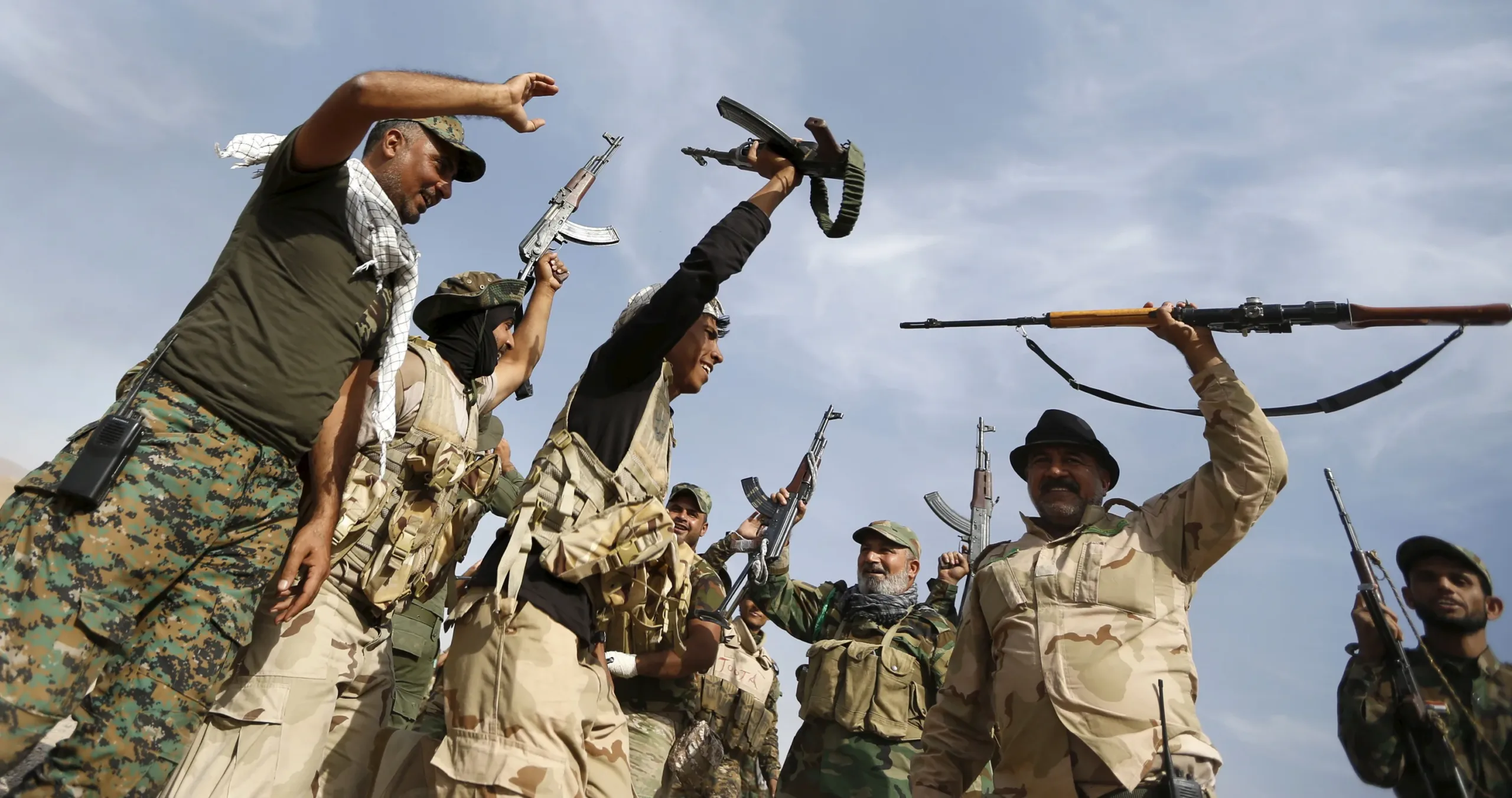
Day after day, Iraq is increasingly emerging as one of the regional arenas most affected by the repercussions of the U.S.-Israeli war with Iran. This reality has begun to manifest clearly whether in the escalating armed attacks between Iran-aligned Iraqi factions and U.S. forces, in the nature of the strikes carried out by these factions against Iranian Kurdish opposition groups in the Kurdistan Region of Iraq, or even through cross-border attacks, as occurred with Kuwait since the outbreak of the war.

Within this context, Iraq’s economic situation has fared no better than its deteriorating security environment. The Iraqi arena has witnessed visible instability in economic conditions, particularly after Iran closed the Strait of Hormuz, halting Iraqi oil exports abroad. Border trade has also faltered due to the atmosphere of war, in addition to other ripple effects that have reached sectors such as electricity, education, and the environment across the country.

Undoubtedly, Iraq’s exposure to the climate of war surrounding Iran is not primarily the result of the external spillover of this conflict especially when compared with the level of security escalation in Iraq and in the Gulf states. Rather, the main drivers lie in internal political and security dynamics that seek to tether Iraq to the wheel of regional conflict.

Chief among these is the organic relationship linking Iraqi armed factions with Iran, as well as the United States’ desire to eliminate the direct threat these factions pose to its regional allies, particularly Israel.

Between Security Escalation and Political Threat

Over the past few days, Iraq has witnessed a notable escalation in security tensions between armed factions and U.S. forces. The arenas of confrontation have overlapped simultaneously. Although much of the escalation has centered primarily around the Harir base and the U.S. Consulate in Erbil, these attacks have so far not inflicted significant damage on American sites.

In response, U.S. forces have broadened their targeting within Iraq, striking locations belonging to armed factions in Mosul, Anbar, Salah al-Din, Jurf al-Sakhar, southern Baghdad, and the Samawah desert. These operations have caused both material damage and casualties among the factions.

Although this escalation remains internal for now, it clearly represents a reverberation of the war currently unfolding in Iran. Iran-aligned armed factions understand that, following the assassination of Iran’s Supreme Leader Ali Khamenei, they now face an existential threat regarding their future presence in Iraq whether in terms of continuing as armed entities or facing disintegration.

With Iraqi political forces and even the caretaker government led by Mohammed Shia al-Sudani unable to halt the American attacks, these factions have chosen to engage in the broader context of the war, driven by the organic solidarity linking Iran and its regional allies.

The indicators that pushed these factions toward involvement in the current conflict are rooted largely in previous experiences dealing with the United States. Even days before the latest war erupted, Washington exerted significant pressure to exclude armed factions from participating in Iraq’s new government.

The United States also opposed the appointment of a prime minister perceived as close to these factions and to Iran. Earlier still, Washington obstructed the passage of a new law regulating the Popular Mobilization Forces.

Taken together, these developments have convinced the factions that they now face an existential threat within Iraq especially if the current war in Iran results in the fall of the Iranian regime. In such a scenario, the central question in Iraq would become: what future awaits these armed factions, and would the United States allow them to remain?

The survival challenge confronting these factions has pushed them to adopt independent choices of confrontation even assuming, hypothetically, that Iran did not directly request their participation in the war, as Iranian Foreign Minister Abbas Araghchi stated in the early days of the conflict. Ultimately, they chose confrontation.

Moreover, the lack of centralized decision-making among Iraqi factions highlights the absence of consensus regarding involvement in the current war. While groups such as Kataib Hezbollah in Iraq, Harakat al-Nujaba, Kataib Sayyid al-Shuhada, and Kataib al-Imam Ali have engaged directly in confronting U.S. forces, other factions have opted for silence. Some of these groups are currently involved in negotiations surrounding the formation of Iraq’s next government, underscoring the fragmentation within Iraq’s factional landscape.

There is little doubt that Iraq’s security scene will witness further escalation in the coming period. The trajectory of escalation may not remain confined to reciprocal attacks. U.S. forces may move toward targeting prominent faction leaders or even large training camps belonging to these groups. In response, the factions may launch attacks targeting American assets and personnel, potentially pushing the situation in Iraq beyond control.

Whether this threshold of escalation is crossed will depend largely on the trajectory the war in Iran takes in the future.

Constitutional Vacuum and Political Confusion

Amid this security escalation and economic complexity, Iraq’s political arena is displaying clear confusion in responding to the ongoing war in Iran. The Iraqi government’s failure to distance the country from the regional conflict reflects, in one way or another, the absence of a clear political will to shield Iraq from the war’s repercussions.

This is largely because most Iraqi political forces particularly the Coordination Framework possess little room for political maneuver. Their silence is interpreted by Washington as support for the attacks carried out by Iran-aligned armed factions, while backing government measures aimed at halting these attacks could be interpreted by Tehran as siding with the American position.

This delicate balancing act has even affected the process of selecting a new prime minister amid the country’s current political situation.

Although the government of al-Sudani has repeatedly declared during the war that the Iraqi state alone holds the authority to decide matters of war and peace, it has so far failed to translate this slogan into reality. On one hand, it has not prevented armed factions from launching their attacks; on the other, it has not prevented the United States from responding.

Such hesitant behavior could place the Iraqi government in an extremely difficult position if the current escalation expands to include neighboring states, potentially amplifying the war’s repercussions for Iraq in the coming period.

The absence of genuine political will to curb the security escalation in Iraq will make the central question in the post-war phase revolve around the future of these factions’ weapons, the nature of their relationship with the Iraqi state, and most importantly their regional role within Iran’s broader strategic vision.

Regardless of whether the outcome of this war is the fall of the Iranian regime or a weakened Iran emerging from the conflict, what ultimately matters is the need to reconsider the structure of Iraq’s security system one that effectively collapsed under the first real regional test triggered by U.S.–Iran tensions in the Middle East.

Iraq is likely to be among the countries most severely affected by the current war. While many states may succeed in navigating its repercussions, Iraq will face a profound challenge particularly regarding the future balance of political power within the country, the extent to which it remains tied to any vacuum Iran might leave behind, and Washington’s vision for Iraq in the post-war order.

Will the United States leave space for Iran to maneuver within Iraq, or will it dominate the Iraqi arena entirely? The answers to these questions will ultimately determine Iraq’s place within the emerging regional equation in the aftermath of the war with Iran.
Download this article as PDF
Share this Article
Facebook Twitter Whatsapp Whatsapp Telegram Email Copy Link
فريق التحرير
By فريق التحرير تقارير يعدها فريق تحرير نون بوست.
Follow:
Previous Article نون بوست Russia’s Support for Iran: How Is It Reshaping the Course of the War?
Next Article نون بوست Why Is “Israel” Determined to Control the Litani River?

Read More

  • U.S. Regime‑Change Policies: Why They Are Destined to Fail U.S. Regime‑Change Policies: Why They Are Destined to Fail
  • The Gulf’s Balancing Act: Iran, Israel, and Hidden Links
  • Iraq–Turkey Oil Export Treaty: Why Did Ankara Cancel It After 52 Years?
  • Syria’s Northeast on Edge: QSD Between Ankara and Damascus
  • Has Europe Changed Its Stance on Israel… or Just Its Language?
part of the design
NoonPost Weekly Newsletter

You May Also Like

U.S. Regime‑Change Policies: Why They Are Destined to Fail

U.S. Regime‑Change Policies: Why They Are Destined to Fail

إسراء سيد Esraa sayed 8 April ,2026
The Gulf’s Balancing Act: Iran, Israel, and Hidden Links

The Gulf’s Balancing Act: Iran, Israel, and Hidden Links

فريق التحرير Noon Post 8 April ,2026
Iraq–Turkey Oil Export Treaty: Why Did Ankara Cancel It After 52 Years?

Iraq–Turkey Oil Export Treaty: Why Did Ankara Cancel It After 52 Years?

فريق التحرير Noon Post 8 April ,2026

أزمة حزب العمال البريطاني: خسارة أعمق من الانتخابات

محمد موسى
محمد موسى Published 10 May ,2015
Share
5548c1c7c4618813278b45ff

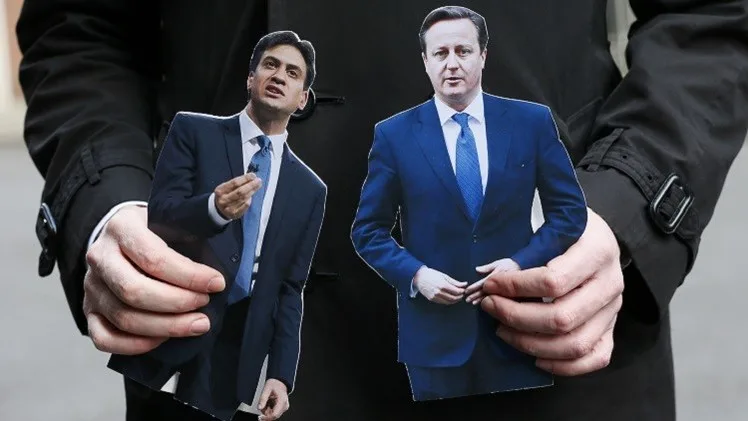
بعد نهاية الانتخابات البريطانية يظهر للساحة مدى تدهور وضع حزب العمال البريطاني، فلم يتوقع أحد خسارته المروعة في إسكتلندا على يد حزب إسكتلندا الوطني الطامح للانفصال عن المملكة المتحدة، وخاصة بعد خسارة الأخير قبل أقل من سنة في معركة الاستفتاء على استقلال إسكتلندا، أضف إلى ذلك خسارة العمال لمقاعدهم التقليدية في وسط وجنوب المملكة، ولكن كل هذه الخسائر لا يمكن مقارنتها بما حدث لحزب الليبراليين الديمقراطيين – الحليف التقليدي للعمال – الذين سُحقوا في كل مناطقهم التي حافظوا عليها لعقود، حيث لم يتمكنوا إلا من الحفاظ على 8 مقاعد فقط من أصل 62 مقعدًا حصلوا عليه في الانتخابات السابقة.

انتصار الوطنيين في إسكتلندا لم يكن صنيعة أيديهم بل لفقدان الثقة في حزب العمال لمواجهة الليبراليين والمحافظين في لندن، فما كان بالإسكتلنديين إلا التصويت للوطنيين رغبة منهم لإسماع أصواتهم للبرلمان البريطاني، فالإسكتلنديون أشبه ما يكونوا بدول غرب أوروبا مثل إسبانيا وإيطاليا التي أنهكتها السياسيات التقشفية بعد انهيار السوق العالمية في 2008، ولكن هذا التذمر غاب عن أذهان العمال فهم من وافق على خطط المحافظين التقشفية ولم يظهروا أي نية لتغييرها بعد وصولهم للحكم، فما الذي يدفع الإسكتلنديين للتصويت لهم؟

ولكن حتى لو كسب العمال كل مقاعد إسكتلندا الـ 59 لما وصلوا للحكم إذ إن خسائرهم في قلب مقاعدهم الإنجليزية أعمق بكثير مما كان يتصوره أكثر المحللين سلبية، فكما حدث في إسكتلندا لم تكن هناك ثقة عميقة في خطط العمال للحكم، كانوا مرتبكين ومتخبطين على عكس المحافظين والوطنيين الإسكتلنديين اللذين أظهروا ثقة عميقة في خططهم وسياساتهم؛ فكانت الخسائر متتالية وما تم الحفاظ عليه كان على حساب الليبراليين الذين يصفهم البريطانيون حاليًا بأنهم “باعوا أرواحهم” للمحافظين بعد انتخابات 2010، إذ وافقوا على إقامة تحالف للحكم مع المحافظين بدلًا من العمال على غير عادتهم، وبعدها غيروا كل سياسات حزبهم ليتناسب مع قرارات المحافظين وخاصة في ملفات الرعاية الاجتماعية والتعليم.

فماذا يعني كل هذا؟

العمال خاضوا معركة تقليدية منادين بالعدالة الاجتماعية وتخفيف التقشف والحفاظ على الخدمة الصحية ولم ينظروا إلى الصورة الكبرى من حولهم، أما المحافظون والوطنيون القوميون فكانوا يخوضون معركة من سيقود البلاد بقوة وبرزانة بدون تعليق كل شيء على التفاصيل كما فعل العمال.

أضف إلى ذلك الرعب الذي عاشه المحافظون التقليديون في الجنوب على يد حزب استقلال بريطانيا – الحصان الجديد في الساحة السياسية – والذي يعتبر حزبًا محافظًا متشددًا، إذ يعارض الهجرة والانتماء البريطاني لأوروبا، مما يغري المحافظين القدماء، هذا الرعب دفع العديد للتصويت للمحافظين خشية من ارتفاع أصوات الاستقلاليين مما سيضعفهم أمام العمال والليبراليين.

لم يتمكن العمال من استغلال هذا الرعب لصالحهم، بل لم يهتموا بالاستقلاليين أصلًا، فطبيعة العمال الحالية تملي عليهم محاربة الجميع وعدم التحدث مع أحد أيًا كانت ميوله السياسية، فتعاليهم يوهمهم بأنهم هم فقط من سيحطم المحافظين، وربما هذا ما دفع الليبراليين إلى حضن المحافظين بعد 2010، ودفع الإسكتلنديين إلى التصويت للوطنيين رغم معارضة نصفهم لأطماع الحزب الاستقلالية. 

معضلة العمال الحقيقية هي أنهم فقدوا هويتهم وابتعدوا عن جذورهم، ليصبحوا حزبًا في الوسط بلا أي ميول واضحة بدلًا من أن يكونوا حزبًا قويًا للطبقة العاملة من المجتمع كما كانت مبادئه التأسيسية تنص عليه، فلقد ولد حزب العمال سنة 1900 في زمن القبعات وعربات الأحصنة ليمثل الفقراء ويتحدث بصوتهم أمام جشع الأثرياء من ملاك الأراضي والشركات، ما أكسبه ثقة الناخبين وجعله بعد عقدين فقط من تأسيسه ثاني أكبر حزب في البلاد، ولكن مع الوقت تحول الحزب من اليسار إلى الوسط بشكل متذبذب ومن داعمٍ للعمال والفقراء إلى داعمٍ للشركات الكبرى ورجال الأعمال.

وصل الحزب إلى أسوأ مراحله بعد خسارته المزرية في انتخابات 1992 – والتي يمكن مقارنتها بالهزيمة الحالية وخاصة أنها أيضًا كانت على يد المحافظين – ليظهر توجه جديد في الحزب ليحاول إعادة بناء نفسه على يد قيادة جديدة، الأمر الذي جلب ثماره في 1997 بقيادة توني بلير واكتساح العمال التاريخي للانتخابات بـ 418 مقعدًا، ولكن كعادته تدهور حزب العمال بشكل ميكيافيلي وغامر في حرب العراق وأفغانستان وصرف الأموال بجنون وأدخل البلاد في مستنقع من الديون المتراكمة، الأمر الذي أضعفها بشكل كبير فلم تحتمل انهيار السوق العالمية في 2008 الأمر الذي أجهز على حكم العمال.

على عكسهم، يقف المحافظون راسخين على مبادئهم التأسيسية العامة، فالحزب يقوم منذ تأسيسه بالمحافظة على التقاليد العامة للبلاد لتأمين سلامة المجتمع البريطاني، فهو ضد المغامرات والقرارات المتسرعة التي قد تضعف البلاد في المستقبل، وعليه فهو يؤمن بالتطوير المتأني، إضافة إلى حزمه ورزانته في اتخاذ القرارات الصعبة للحفاظ على مصالح ومكتسبات البلاد، المحافظون يؤمنون أيضًا باستقلالية التاج البريطاني ومجلس اللوردات والكنيسة مع دفاعهم عن كبار رجال الأعمال والشركات والملكية الخاصة والحفاظ على وحدة البلاد وحماية السوق التجارية، هذه المبادئ الراسخة للحزب تجعله الأفضل للقيادة في الأوقات الحرجة وغير المستقرة وتدفع الكثير من المصوتين التقليديين الليبراليين أو العمال أكثر ميولًا إليهم رغبة منهم على الاستمرارية والاستقرار الاقتصادي.

الوضع الحالي لحزب العمال يجعله في موقف وجودي خطير، فلا يمكنه البقاء كحزب وسطي مثل الليبراليين وفي نفس الوقت لا يمتلك قواعد راسخة يمكنه البناء عليها كما المحافظين، الحل الوحيد هو التوجه يسارًا والتحالف مع الوطنيين الإسكتلنديين وغيرهم من القوميين، وتحريك سياسة الحزب كلها إلى حزب تنموي قومي مناهض للتقشف ولكن ذو نظرة مستقبلية راسخة أعمق من نظرة المحافظين، هذا التحول شبه مستحيل حاليًا في ظل القيادة الجديدة التي لا تمتلك مهنية البليريين الذين تم سحقهم وإخراجهم من قيادة الحزب بعد مغامرات توني بلير، إضافة إلى أزمة القيادة الحالية، يعيش الحزب أزمة هوية حقيقية في ظل غياب فلاسفة سياسيين يمكنهم توجيهه نحو تغيير حقيقي واضح.

إن كان حزب العمال البريطاني جادًا في طموحه لحكم بريطانيا مرة أخرى فعليه الحصول على غالبية مقاعد شمال ووسط البلاد بالإضافة إلى مقاعد إسكتلندا وويلز، وعليه أيضًا أن يُنشئ تحالفات طويلة الأمد مع الليبراليين والوطنيين والقوميين لتكوين كتلة حزبية واحدة ضد المحافظين، وكما أعاد العمال بناء أنفسهم بعد هزيمة 1992 يمكنهم تحويل الهزيمة الحالية لنصر مستقبلي باهر ولكن هذا أشبه ما يكون بالخيال العلمي في ظل الوضع الداخلي للحزب.

TAGGED: الانتخابات البريطانية ، حزب إسكتلندا الوطني ، حزب الاستقلال البريطاني ، حزب العمال ، حزب المحافظين
TAGGED: 10 داوننغ ستريت
Download this article as PDF
Share this Article
Facebook Twitter Whatsapp Whatsapp Telegram Email Copy Link
محمد موسى
By محمد موسى مهندس معماري حاصل على درجة الماجستير من جامعة ليفربول البريطانية، كاتب ومدون صومالي مهتم بالتاريخ والتغيير السلمي للمجتمعات
Follow:
Next Article نون بوست The Stigma of “ISIS”: A Heavy Legacy Haunting Women and Children of Former Members
part of the design
NoonPost Weekly Newsletter
dark

An independent media platform founded in 2013, rooted in slow journalism, producing in-depth reports, analysis, and multimedia content to offer deeper perspectives on the news, led by a diverse young team from several Arab countries.

  • Politics
  • Society
  • Rights & Liberties
  • Opinions
  • History
  • Sports
  • Education
  • Technology
  • Economy
  • Media
  • Arts & Literature
  • Entrepreneurship
  • Travel
  • Cinema & Drama
  • Food
  • Health
  • Culture
  • Latest Reports
  • Files
  • Long Reads
  • Interviews
  • Podcast
  • Interactive
  • Encyclopedia
  • In Pictures
  • About Us
  • Our Writers
  • Write for Us
  • Editorial Policy
  • Advanced Search
Some rights reserved under a Creative Commons license

Removed from favorites

Undo
Go to mobile version