NoonPost NoonPost

NoonPost

  • Home
  • Politics
  • Economy
  • Society
  • Culture
  • Files
  • Long Reads
  • Podcast
AR
Notification Show More
نون بوست
“There Are Nights I Can’t Close My Eyes”: How Gazans Are Living in Homes on the Brink of Collapse
نون بوست
From al-Jolani to Ahmad al-Shara: The Evolution of Syria’s New Leader
نون بوست
When Political Islam Receded in Egypt: Who Filled the Void?
نون بوست
An Extension of Genocide: Gaza’s Detainees Speak Out
نون بوست
A Tightrope Between Survival and Sovereignty: The Syrian Government Faces Normalization Pressures
نون بوست
American Aircraft Carriers: Has the Era of “100,000 Tons of Diplomacy” Ended?
نون بوست
U.S. Regime‑Change Policies: Why They Are Destined to Fail
نون بوست
Transformations of Israeli Judaism: Between the Victim Complex and the Colonizer’s Doctrine
نون بوست
The Gulf’s Balancing Act: Iran, Israel, and Hidden Links
نون بوست
Iraq–Turkey Oil Export Treaty: Why Did Ankara Cancel It After 52 Years?
نون بوست
Syria’s Northeast on Edge: QSD Between Ankara and Damascus
نون بوست
Has Europe Changed Its Stance on Israel… or Just Its Language?
NoonPost NoonPost
AR
Notification Show More
نون بوست
“There Are Nights I Can’t Close My Eyes”: How Gazans Are Living in Homes on the Brink of Collapse
نون بوست
From al-Jolani to Ahmad al-Shara: The Evolution of Syria’s New Leader
نون بوست
When Political Islam Receded in Egypt: Who Filled the Void?
نون بوست
An Extension of Genocide: Gaza’s Detainees Speak Out
نون بوست
A Tightrope Between Survival and Sovereignty: The Syrian Government Faces Normalization Pressures
نون بوست
American Aircraft Carriers: Has the Era of “100,000 Tons of Diplomacy” Ended?
نون بوست
U.S. Regime‑Change Policies: Why They Are Destined to Fail
نون بوست
Transformations of Israeli Judaism: Between the Victim Complex and the Colonizer’s Doctrine
نون بوست
The Gulf’s Balancing Act: Iran, Israel, and Hidden Links
نون بوست
Iraq–Turkey Oil Export Treaty: Why Did Ankara Cancel It After 52 Years?
نون بوست
Syria’s Northeast on Edge: QSD Between Ankara and Damascus
نون بوست
Has Europe Changed Its Stance on Israel… or Just Its Language?
Follow US

Why Is “Israel” Determined to Control the Litani River?

فريق التحرير
Noon Post Published 26 March ,2026
Share
نون بوست
نون بوست

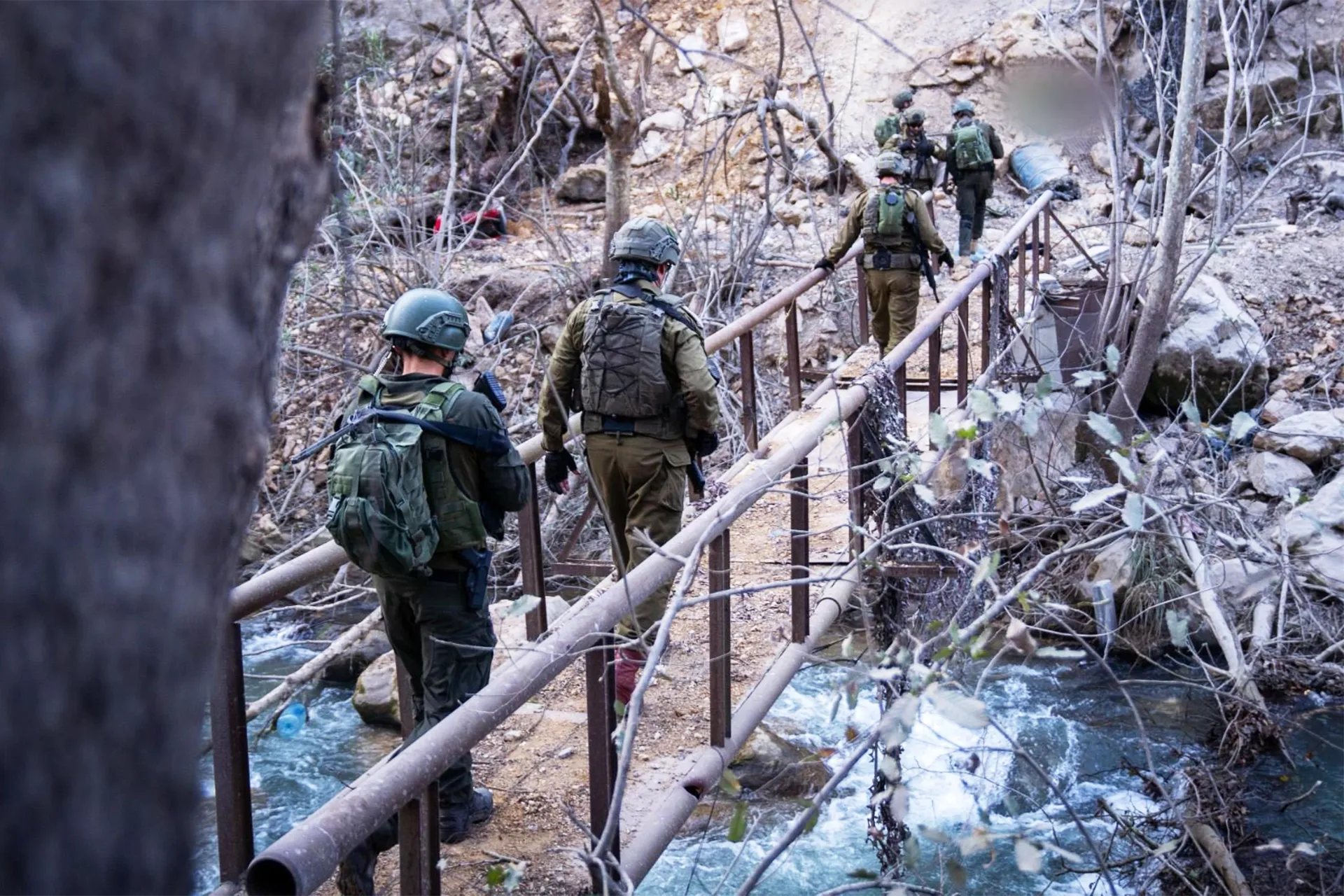
As the U.S.-Israeli war on Iran enters its second week and regional repercussions intensify following Hezbollah’s direct involvement in the fighting, the Litani River has once again moved to the forefront of both the military and political landscapes. It has become a pivotal axis in Tel Aviv’s strategic calculations.

The Israeli army has significantly increased the issuance of urgent and open-ended evacuation warnings to more than 100 towns and villages located south of the river, forcing hundreds of thousands of residents northward in an unprecedented wave of mass displacement.

This escalation is not merely a temporary battlefield tactic or an emotional response to rocket fire. Rather, it reveals a deliberate trajectory aimed at severing this geographical area from its Lebanese surroundings. This raises a central question: Why is Israel so determined to control this particular region?

1. A Strategic Asset

The Litani River is not merely a watercourse flowing through Lebanese territory. It is a strategic asset and a dividing line that reshapes the geography of southern Lebanon.

The river originates from the Al-‘Aliq springs west of the city of Baalbek at an elevation of around 1,000 meters. It cuts through the Bekaa Valley from north to south before sharply turning west near the Marjayoun region, carving its way through Lebanon’s mountains until it reaches the Mediterranean Sea north of the city of Tyre.

Stretching roughly 140 kilometers, the Litani is Lebanon’s longest and most water-rich river. It is also unique in that it is entirely national both its source and outlet lie within Lebanese borders meaning that under international water law it is not classified as a transboundary river whose waters neighboring states can legally claim to share.

The Litani basin covers approximately 1,940 to 2,170 square kilometers around 20 percent of Lebanon’s total land area and drains roughly 24 percent of the country’s net rainfall.

This unique configuration has made it, in the words of many analysts, “the key to Lebanon’s future.” The river links vast water resources with a sensitive geopolitical location that effectively separates the south from the rest of Lebanon’s geography.

It therefore serves as a potential launching pad for development projects. Conversely, it can also become a central target for any project of domination.

2. A Lifeline

The Litani represents Lebanon’s economic and hydrological lifeline, making it a highly valuable target for any power seeking comprehensive control over the south.

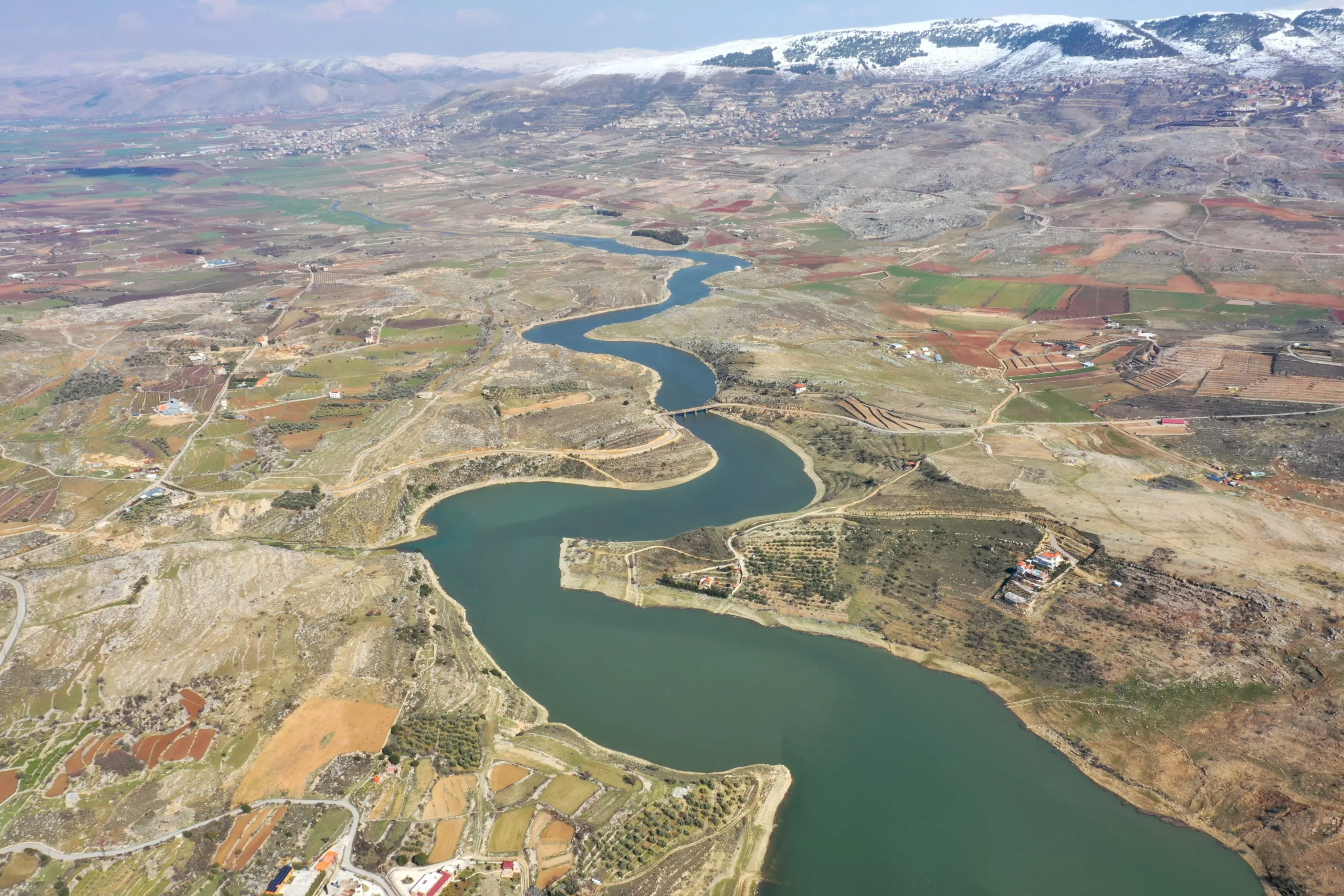
The river provides drinking water and irrigation for a vast population spread across 263 towns and villages. It also plays a crucial role in electricity generation through the Qaraoun Dam and Lake Qaraoun, which store around 220 million cubic meters of water.
نون بوست
The Litani River provides drinking and irrigation water to a huge population spread across 263 towns.

Major infrastructure projects such as the Qasimiya irrigation project and the 800-meter elevation project depend on its waters to supply more than 6,000 hectares of agricultural land and fertile orchards across the Bekaa Valley and southern Lebanon.

Israel recognized this value early on. Structurally, it faces recurring water shortages and has historically relied on resources taken from Arab territories.

To achieve its objectives, Israel has repeatedly targeted the river’s facilities during various phases of conflict, striking water diversion canals and pumping stations in a clear effort to prevent Lebanon from utilizing its own resources. Such attacks undermine Lebanon’s food security and weaken the economic resilience of southern communities.

Choking off these resources becomes a strategic pressure tool that pushes residents toward forced migration and facilitates the demographic emptying of the region.

This dynamic also aligns with Israeli ambitions to benefit from Litani waters as a strategic alternative—or supplement—to water sources in the West Bank and the Golan Heights. Diverting Litani waters could increase Israel’s water resources by as much as 50 percent.

3. A Military Trench

The Litani’s deadly strategic brilliance lies in its terrain. Its course especially the western section known as the Qasimiya River forms a decisive geographical line and a highly complex natural barrier.

The river runs roughly parallel to Lebanon’s border with occupied Palestine, at a distance of about 29 to 30 kilometers to the north.

What makes this line exceptionally valuable in military calculations is the dramatic depth of its valleys. The Litani carves its channel through deep rocky gorges that reach depths of around 275 meters (900 feet) in some areas.

This harsh natural trench separates roughly 850 square kilometers of land south of the river from the rest of Lebanon to the north, limiting the ability of attacking forces to maneuver freely or advance rapidly.

As a result, controlling—or even dominating by firepower—the southern bank of the river effectively means controlling the mandatory crossing routes and isolating southern Lebanon militarily. This transforms the region into a closed pocket that can be encircled with minimal human cost for invading forces.

Past wars between Israel and Lebanon have shown that controlling or crossing the river is far from easy. During the July 2006 war, Israeli forces sought to push Hezbollah fighters beyond the Litani but delayed launching a large-scale ground offensive and only reached the river in the final days of the war.

At that point, their forces had to move through predictable routes due to the deep valleys, exposing them to heavy ambushes. Attempts to block withdrawal routes also failed; the terrain and limited time prevented Israeli troops from sealing every passage, allowing Hezbollah fighters to retreat northward.
نون بوست
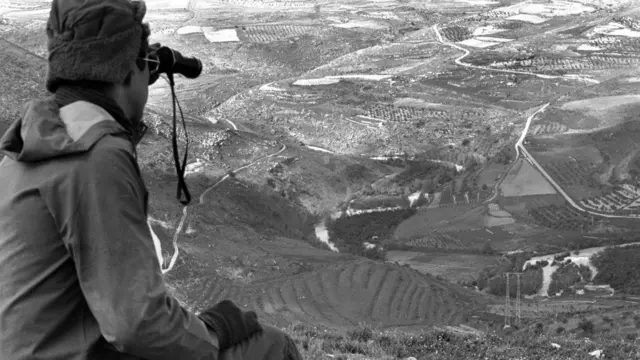
The presence of the Litani River in Israeli thinking is not a product of the current moment.

These experiences led Israeli military planners to acknowledge that any invasion of southern Lebanon would face severe geographic complications that favor defenders. This reality helps explain why Israel views the river line as the maximum limit of its ground ambitions seeking to use it as a natural shield that protects its forces from open confrontation.

In the current escalation, the Israeli army is operating under a strategy it calls “deep forward defense,” aiming to transform the villages stretching from the border to the Litani into a zone of widespread destruction in order to raise the cost for Hezbollah and deny it launching points.

Israel’s Historical Obsession With the Litani

The Litani’s place in Israeli strategic thinking is not new. It reflects a long-standing fixation oscillating between ambitions to seize its waters and concepts of military expansion into what Israeli discourse calls the “northern Galilee.”

  • 1943: The Jewish Agency established a water research office that included a Litani unit.

  • 1946: A U.S. agricultural mission visited Lebanon and produced a detailed report on the Litani.

  • 1949: The United Nations’ Clapp Mission issued proposals on the Lebanese economy and described the Litani River as “the key to Lebanon’s future.”

  • Early 1950s: Zionist planners discussed the possibility of annexing the river or diverting part of its waters to occupied Palestine.

  • 1954: American engineer John Cotton proposed a plan to dig a 100-kilometer canal to redirect the Litani through its valleys into Israel an idea that would require full military control of southern Lebanon.

  • 1982 War: Israel invaded Lebanon and reached Beirut. It later established a “security zone” along the southern border, occupying it until 2000.

One interpretation of the invasion was that it aimed to gather hydrological data from the Qaraoun Dam. Research sources reported that Israeli forces seized river survey data and transported equipment from the Litani Water Authority.

American media reports in the 1980s also noted that Israeli officials viewed diverting part of the river’s water as a way to increase their country’s water resources by between 25 and 45 percent.

Although these plans largely remained aspirational due to political and technical constraints, the river has continued to appear in strategic literature as both a security depth preventing Hezbollah fighters from deploying at close range and a potential additional water source for Israel in the long term.

In the current confrontation, Israel appears to be pursuing a scorched-earth strategy around the Litani to prepare an advanced ground theater of operations transforming the river’s southern bank into a depopulated free-fire zone. Such a move could compensate for intelligence and battlefield shortcomings in confronting rockets and drones.

Download this article as PDF
Share this Article
Facebook Twitter Whatsapp Whatsapp Telegram Email Copy Link
فريق التحرير
By فريق التحرير تقارير يعدها فريق تحرير نون بوست.
Follow:
Previous Article نون بوست Iraq: The Other Repercussion of the War with Iran
Next Article نون بوست What Does the Gulf’s “Force Majeure” Declaration Mean?

Read More

  • U.S. Regime‑Change Policies: Why They Are Destined to Fail U.S. Regime‑Change Policies: Why They Are Destined to Fail
  • The Gulf’s Balancing Act: Iran, Israel, and Hidden Links
  • Iraq–Turkey Oil Export Treaty: Why Did Ankara Cancel It After 52 Years?
  • Syria’s Northeast on Edge: QSD Between Ankara and Damascus
  • Has Europe Changed Its Stance on Israel… or Just Its Language?
part of the design
NoonPost Weekly Newsletter

You May Also Like

U.S. Regime‑Change Policies: Why They Are Destined to Fail

U.S. Regime‑Change Policies: Why They Are Destined to Fail

إسراء سيد Esraa sayed 8 April ,2026
The Gulf’s Balancing Act: Iran, Israel, and Hidden Links

The Gulf’s Balancing Act: Iran, Israel, and Hidden Links

فريق التحرير Noon Post 8 April ,2026
Iraq–Turkey Oil Export Treaty: Why Did Ankara Cancel It After 52 Years?

Iraq–Turkey Oil Export Treaty: Why Did Ankara Cancel It After 52 Years?

فريق التحرير Noon Post 8 April ,2026

الزلزال الإسكتلندي: كيف يغيّر شكل بريطانيا وعلاقتها بأوروبا؟

نهى خالد
نهى خالد Published 11 May ,2015
Share
١٢

“لطالما استُخدِمت كلمة “التاريخي(ة)” بشكل مبالغ فيه لوصف مختلف الأحداث السياسية، بيد أن ما شهدناه على مدار الأيام القليلة الماضية يستحق هذا الوصف بالفعل، وبغض النظر عن مستقبل السياسة الإسكتلندية والبريطانية، فإن الساعات الأولى ليوم الجمعة الماضية هي لحظة سنظل نقف أمامها طويلًا ولعقود.. نتائج الانتخابات في إسكتلندا تحديدًا كانت أكثر من تاريخية، إذ أنها تدشن عهدًا جديدًا بحجم التحول الذي أحدثه حزب إسكتلندا الوطني؛ حيث كان النجاح الذي حققه بإزاحة حزبي العُمال والليبراليين الديمقراطيين عن مقاعدهما الواحد تلو الآخر ببساطة نجاحًا مذهلًا.”

بهذه الكلمات، أرسلت رئيسة حزب إسكتلندا الوطني، والوزيرة الأولى الآن لإسكتلندا، نيكولا سترجون، أولى الإشارات القوية للحكومة المحافظة الجديدة في وِستمينيستر، بمقال كتبته في الجارديان بالأمس وعنوانه “نحن، الشعب الإسكتلندي، لا يمكن تجاهلنا بعد الآن”، وهي إشارات كاشفة عن النهج الذي ستنتهجه رئيسة الحزب الوحيد الذي خرج منتصرًا مع ديفيد كاميرون، والذي اعتقد الكثيرون أنه تلقى ضربة قاضية بفشله في استفتاء الاستقلال العام الماضي.

إسكتلندا وإنجلترا: عقد زواج جديد

قد تُربِك النتائج الإسكتلندية الكثيرين للوهلة الأولى، فإن كان حزب إسكتلندا الوطني هو الحزب المفضل للأغلبية في الشمال، فلماذا رفضوا الاستقلال إذن؟ ولماذا أبقوا على وجود إسكتلندا في الاتحاد البريطاني الذي يبدو الآن منقسمًا، بين شمال ليبرالي وجنوب محافظ، أكثر من أي وقت على مدار القرون الثلاثة التي ظل كائنًا فيها؟

لقد كانت نيكولا، وهي رئيسة الحزب القومي المعروف دومًأ برغبته في الاستقلال بإسكتلندا عن بريطانيا، حريصة في مقالها على التمسّك بتلك النتيجة، حيث قالت أن التفويض الذي مُنحَت إياه بذلك الانتصار الكبير لا يعني أبدًا إعادة الاستفتاء في المستقبل القريب، وهو أمر عبثي بالطبع أن يقرر الحزب إعادة خيار الاستفتاء إلى الساحة بعد تلك الفترة القصيرة، بل وسيكون في الحقيقة بمثابة استخفاف بإرادة الناخب الإسكتلندي الذي انتخب سترجون منذ أيام.

نون بوست

نيكولا سترجون مع رئيس الوزراء ديفيد كاميرون

ماذا تنوي سترجون أن تفعل إذن؟ كما يشي مقالها، ينتوي حزبها أن يدفع نحو سياسة بريطانية أكثر توافقية، لا تسير بالأغلبية المطلقة، والتي تدفع بالكفة تلقائيًا لصالح الإنجليز الأكثر عددًا على حساب الإسكتلنديين البالغ تعدادهم خمسة ملايين فقط، بل تسير بالأخذ في الاعتبار أن الاتحاد ليس “أمة واحدة” كما يقول ديفيد كاميرون، ولكن أربعة بلدان مشتركة يجب أن تتساوى حصتها في قيادة بريطانيا، وهي إنجلترا وإسكتلندا وويلز وأيرلندا الشمالية، وإسكتلندا بطبيعة الحال هي اللاعب الأساسي نظرًا لحجمها الكبير نسبيًا مقارنة بالبلدين الصغيرَين، ونظرًا للخلافات السياسية الواضحة التي تفصل بين الشمال والجنوب.

يدرك الكثيرون، بما فيهم سترجون وكاميرون، أن استفتاء إسكتلندا، وأزمة الشرعية في الشمال بشكل عام، هي جغرافية وأيديولوجية أكثر منها قومية، وهو ربما السبب الرئيسي في رفض الإسكتلنديين للاستقلال الوطني كحل لمشاكلهم، وسبب أيضًا في عدم جدوى اللعب على وتيرة القومية الإسكتلندية والتي لا تلجأ لها كثيرًا سترجون، على عكس خطابها المعادي للمحافظين وسياساتهم المتعجرفة في الجنوب.

لا يدلل على ذلك أكثر من شعبية حزب إسكتلندا الوطني النسبية في شمال إنجلترا، والتي تتسم بمزاج سياسي أقرب لإسكتلندا من جنوب إنجلترا، وهو ما يعني في الحقيقة أن الحزب في بريطانيا الموحّدة سيتسنّى له لعب دور أكبر مما يمكن أن يلعبه بقيادة بلد صغير منفصل على شاكلة دول إسكندنافيا، فبالنظر للدعاوى المتزايدة لسحب السلطات من لندن إلى المدن والولايات في الشمال، يبدو وأن عقد الزواج الجديد، إن جاز القول، المتوقع التوصّل له بين لندن وأدنبره، لن يقتصر فقط على إسكتلندا، بل سيكون بمثابة قطعة الدومينو التي ستقع معها المنظومة المركزية الإنجليزية تدريجيًا، تاركة اتحاد فضفاض أكثر، وربما فيدرالي كما يطمح البعض.

أي دور لأدنبره بين لندن وبروكسل؟

نون بوست

في هذا السياق، وبالنظر لدعم الإسكتلنديين لعضوية بريطانيا للاتحاد الأوروبي وتخوّفهم من تصويت أغلب الإنجليز على الخروج منه عام 2017، وهو الاستفتاء المنتظر طبقًا لوعود ديفيد كاميرون الواضحة أثناء الحملة الانتخابية لحزبه، تسعى سترجون لأن يكون خروج بريطانيا مرهونًا، ليس بأغلبية مطلقة من سكان بريطانيا، ولكن بأغلبية مزدوجة في كل من البلدان الأربعة، أي موافقة 51٪ من إسكتلندا وويلز وأيرلندا الشمالية قبل انسحاب بريطانيا، وهو مطلب يتفق كما ذكرنا مع رؤيتها لبريطانيا كاتحاد متعدد البلدان.

مطلب كهذا بالطبع سيخلق الكثير من التوتر بين لندن وأدنبره، إذ تبدو الأجواء في لندن أقرب للخروج على عكس الشمال، وهو مأزق لا حل له بالنظر لوجود البلدين في إطار دولة واحدة، ولكن إذا ما سارت الأمور كما هو مخطط لها، وصوّت الإنجليز لصالح الخروج بالفعل، فإن لندن لن تستطيع بطبيعة الحال قطع الروابط السياسية والاقتصادية المتشابكة مع بلدان أوروبا في ليلة وضحاها، وستحتاج إلى خلق علاقة جديدة للحفاظ على مصالحها، إما على شاكلة النرويج، وهي غير عضوة بالاتحاد ولكنها جزء من المنطقة الحرة الأوروبية، أو ربما باتفاق جديد من نوع خاص.

في هذا الإطار، سيكون لأدنبره بالطبع دور كبير في صياغة ذلك الاتفاق الجديد بين لندن وبروكسل، خاصة وأن لندن حينئذ ستكون على دراية بأن خروجها بأصوات أغلبية إنجليزية على حساب رغبة إسكتلندية في البقاء يعني أنه يجب أن يتم تعوض الإسكتلنديين بضمان بقاء علاقة خاصة مع أوروبا تسمح لأدنبره بالاستمرار في التمتع بمزايا التعاون السياسي والاقتصادي مع أوروبا، ومرة أخرى، سيكون قدر اللامركزية، أو الفيدرالية، التي سيتيحها العقد الجديد بين إنجلترا وإسكتلندا، هو المحدد الرئيسي للدور الذي يمكن لأدنبره أن تلعبه في هذا الصدد.

من ناحية أخرى، ستكون السياسات الفيدرالية لإسكتلندا مفيدة لبلد مثل أيرلندا الشمالية مرتبط بشكل كبير بجمهورية أيرلندا ثقافيًا ولغويًا، وهو ارتباط سيتمكن من تعزيزه إذا ما حصل على المزيد من السلطات من لندن، بل وسيتيح للندن أن تنسج علاقة أكثر قوة مع جارها الأيرلندي، وهي علاقات لا مفر منها للطرفين، كما ستعزز من علاقة لندن بأوروبا، بغض النظر عن عضويتها في الاتحاد من عدمها، نظرًا لوجود جمهورية أيرلندا في الاتحاد الأوروبي، وجدير بالذكر أن أيرلندا كبلد سيتتضرر كثيرًا بالطبع إذا ما خرجت بريطانيا من الاتحاد بشكل شامل.

***

في المُجمَل، يدرك ديفيد كاميرون أنه سيحتاج إلى لعب دور سياسي مكثّف في مرحلة حرجة من تاريخ بريطانيا، ستخرج منها إما موحدة ولكن بشكل أكثر تعددية ولامركزية، وبعلاقات من نوع مختلف مع أوروبا، سواء بقيت العضوية أم لا، وإما سيكون هو رئيس الوزراء الذي أنهى الاتحاد البريطاني وعضويته في أوروبا، ليجعل من إنجلترا بلدًا أصغر وأقل نفوذًا في العالم، وهو مآل لا يريده كاميرون بالتأكيد، وهو ما ستسعى سترجون من ناحيتها إلى استغلاله لتحقيق أكبر قدر من الحكم الذاتي، مما يعني صعود لدور إسكتلندا على الساحة بشكل غير مسبوق ربما منذ أصبحت جزءًا من بريطانيا.

TAGGED: استفتاء إسكتلندا ، الاتحاد الأوروبي ، الانتخابات البريطانية ، حزب إسكتلندا الوطني ، حزب المحافظين
TAGGED: 10 داوننغ ستريت
Download this article as PDF
Share this Article
Facebook Twitter Whatsapp Whatsapp Telegram Email Copy Link
نهى خالد
By نهى خالد باحثة وكاتبة مصرية ومترجمة
Follow:
Next Article نون بوست The Stigma of “ISIS”: A Heavy Legacy Haunting Women and Children of Former Members

Read More

  • U.S. Regime‑Change Policies: Why They Are Destined to Fail U.S. Regime‑Change Policies: Why They Are Destined to Fail
  • The Gulf’s Balancing Act: Iran, Israel, and Hidden Links
  • Iraq–Turkey Oil Export Treaty: Why Did Ankara Cancel It After 52 Years?
  • Syria’s Northeast on Edge: QSD Between Ankara and Damascus
  • Has Europe Changed Its Stance on Israel… or Just Its Language?
part of the design
NoonPost Weekly Newsletter
dark

An independent media platform founded in 2013, rooted in slow journalism, producing in-depth reports, analysis, and multimedia content to offer deeper perspectives on the news, led by a diverse young team from several Arab countries.

  • Politics
  • Society
  • Rights & Liberties
  • Opinions
  • History
  • Sports
  • Education
  • Technology
  • Economy
  • Media
  • Arts & Literature
  • Entrepreneurship
  • Travel
  • Cinema & Drama
  • Food
  • Health
  • Culture
  • Latest Reports
  • Files
  • Long Reads
  • Interviews
  • Podcast
  • Interactive
  • Encyclopedia
  • In Pictures
  • About Us
  • Our Writers
  • Write for Us
  • Editorial Policy
  • Advanced Search
Some rights reserved under a Creative Commons license

Removed from favorites

Undo
Go to mobile version