






NoonPost NoonPost

NoonPost

  • Home
  • Politics
  • Economy
  • Society
  • Culture
  • Files
  • Long Reads
  • Podcast
AR
Notification Show More
نون بوست
“There Are Nights I Can’t Close My Eyes”: How Gazans Are Living in Homes on the Brink of Collapse
نون بوست
From al-Jolani to Ahmad al-Shara: The Evolution of Syria’s New Leader
نون بوست
When Political Islam Receded in Egypt: Who Filled the Void?
نون بوست
An Extension of Genocide: Gaza’s Detainees Speak Out
نون بوست
A Tightrope Between Survival and Sovereignty: The Syrian Government Faces Normalization Pressures
نون بوست
American Aircraft Carriers: Has the Era of “100,000 Tons of Diplomacy” Ended?
نون بوست
U.S. Regime‑Change Policies: Why They Are Destined to Fail
نون بوست
Transformations of Israeli Judaism: Between the Victim Complex and the Colonizer’s Doctrine
نون بوست
The Gulf’s Balancing Act: Iran, Israel, and Hidden Links
نون بوست
Iraq–Turkey Oil Export Treaty: Why Did Ankara Cancel It After 52 Years?
نون بوست
Syria’s Northeast on Edge: QSD Between Ankara and Damascus
نون بوست
Has Europe Changed Its Stance on Israel… or Just Its Language?
NoonPost NoonPost
AR
Notification Show More
نون بوست
“There Are Nights I Can’t Close My Eyes”: How Gazans Are Living in Homes on the Brink of Collapse
نون بوست
From al-Jolani to Ahmad al-Shara: The Evolution of Syria’s New Leader
نون بوست
When Political Islam Receded in Egypt: Who Filled the Void?
نون بوست
An Extension of Genocide: Gaza’s Detainees Speak Out
نون بوست
A Tightrope Between Survival and Sovereignty: The Syrian Government Faces Normalization Pressures
نون بوست
American Aircraft Carriers: Has the Era of “100,000 Tons of Diplomacy” Ended?
نون بوست
U.S. Regime‑Change Policies: Why They Are Destined to Fail
نون بوست
Transformations of Israeli Judaism: Between the Victim Complex and the Colonizer’s Doctrine
نون بوست
The Gulf’s Balancing Act: Iran, Israel, and Hidden Links
نون بوست
Iraq–Turkey Oil Export Treaty: Why Did Ankara Cancel It After 52 Years?
نون بوست
Syria’s Northeast on Edge: QSD Between Ankara and Damascus
نون بوست
Has Europe Changed Its Stance on Israel… or Just Its Language?
Follow US

What Does the Gulf’s “Force Majeure” Declaration Mean?

فريق التحرير
Noon Post Published 26 March ,2026
Share
نون بوست
نون بوست

Iranian missile and drone attacks on oil and gas facilities have pushed Qatar to declare force majeure on gas shipments, followed by Kuwait issuing a similar declaration on crude oil sales.

The following report unpacks the meaning of force majeure, traces what has occurred in Qatar and Kuwait, assesses the real impact of these declarations on production, exports, and supply chains, and identifies the countries most affected.

What Does “Force Majeure” Mean?

Force majeure is a contractual clause rooted in contract law and defined as an unforeseen event beyond the control of the parties that renders the fulfillment of contractual obligations impossible.

In the context of long-term energy contracts, invoking force majeure does not terminate or permanently cancel agreements. Rather, it is a legal mechanism that temporarily exempts both the seller and the buyer from financial and legal liability arising from the failure to deliver or receive shipments.

For the clause to be activated, an extraordinary event entirely outside the parties’ control must occur—such as war or the closure of maritime corridors—preventing the physical execution of contractual commitments.

Economically, declaring force majeure protects the seller from severe delay penalties. For the buyer, however, it means an immediate interruption of scheduled supplies without the right to claim compensation.

What Happened in Qatar?

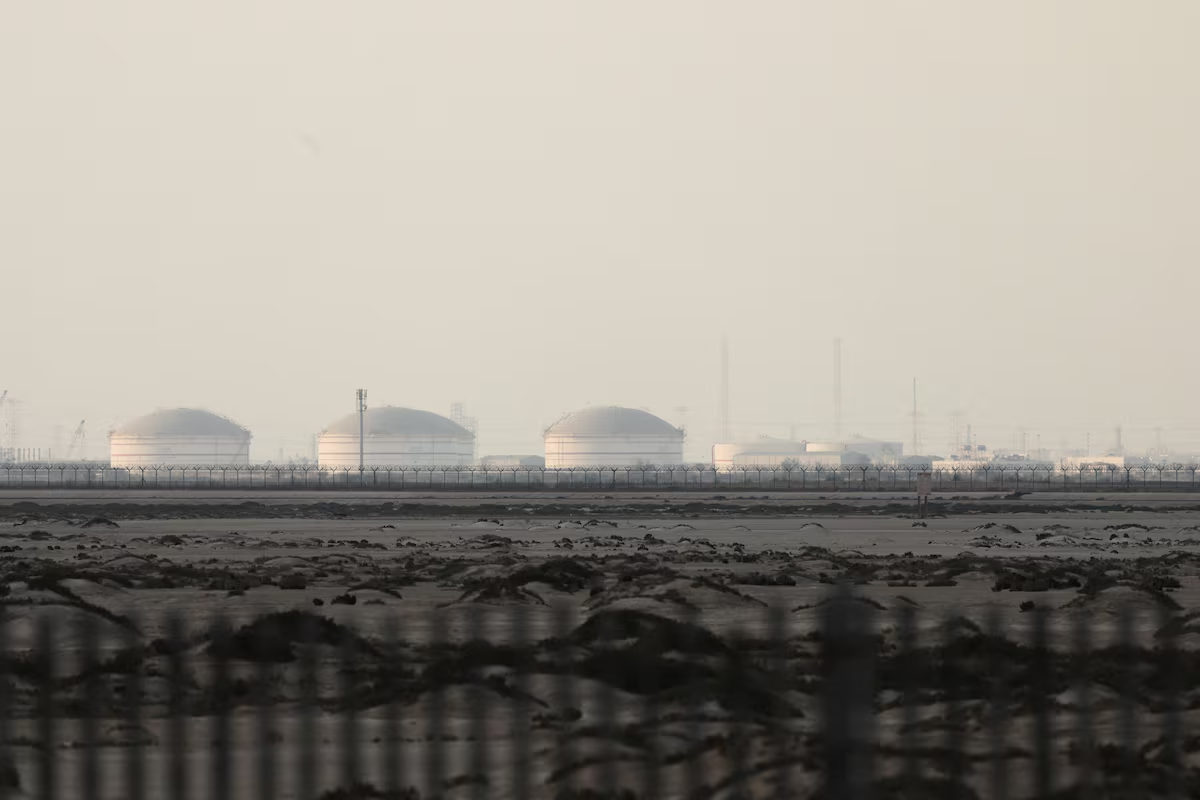
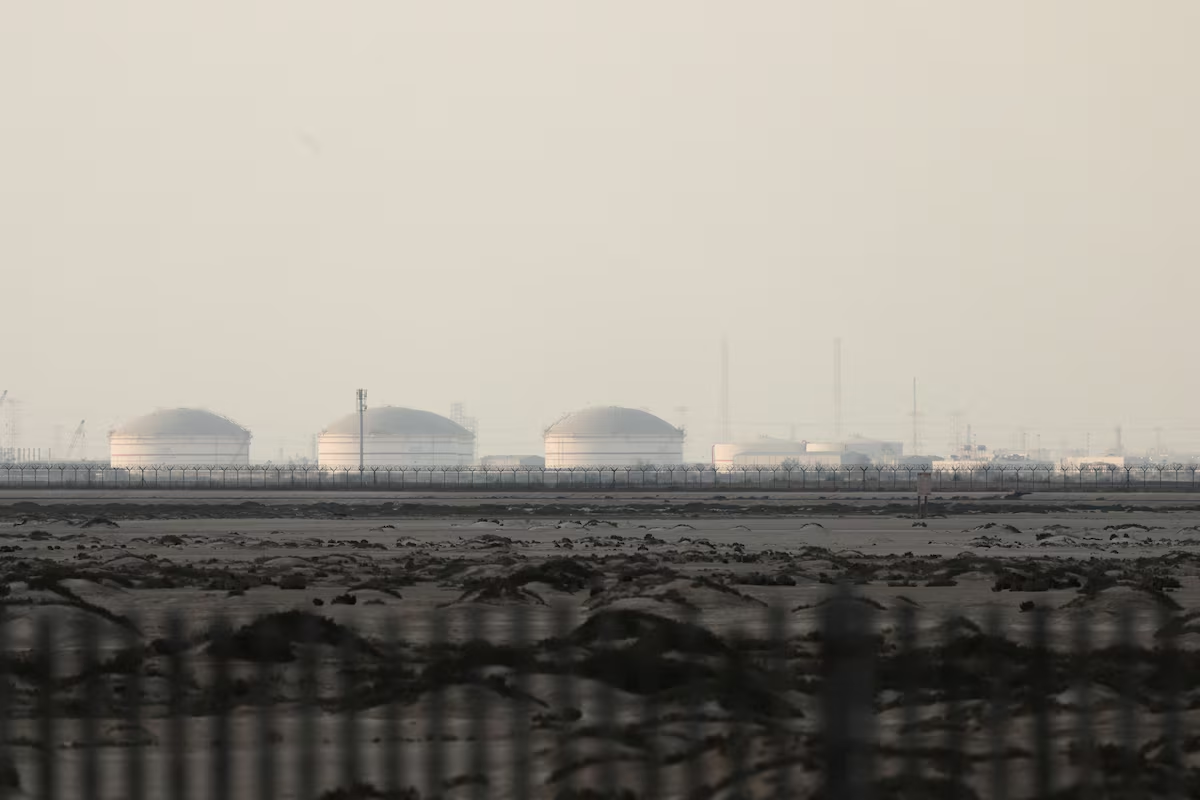
On March 4, 2026, QatarEnergy declared force majeure on gas exports two days after liquefaction facilities in Ras Laffan halted operations following Iranian strikes and increasing difficulty for vessels navigating the Strait of Hormuz.

Qatar responsible for roughly 20 percent of global liquefied natural gas exports relies on the North Field and the liquefaction complexes at Ras Laffan to export about 80.97 million tons annually. All shipments must pass through the strait.

Energy Minister Saad al-Kaabi warned that all Gulf exporters could declare force majeure within days if the war continues. He cautioned that oil prices could reach $150 per barrel and gas prices $40 per million British thermal units, noting that restoring production to normal levels could take weeks or even months—even if hostilities cease.

The shutdown of Ras Laffan brought liquefaction and loading operations to a complete halt due to limited storage capacity around 1.88 million cubic meters, sufficient for roughly four days combined with the suspension of maritime navigation. The force majeure declaration therefore reflected not merely a legal notification but a genuine physical disruption.

Most of Qatar’s customers are in Asia China, Japan, India, South Korea, and Pakistan which together account for more than 80 percent of its exports. The majority of sales occur under long-term contracts (90–95 percent), limiting buyers’ flexibility.

As a result, Asian purchasers were directly affected and scrambled to secure alternative cargoes from the United States and Nigeria, though replacement volumes remain smaller than Qatar’s lost supply.

In Europe, which relies on Qatar for only about 7 percent of its gas imports, the disruption still pushed European spot gas prices (TTF contracts) up more than 30 percent. Asian LNG benchmark prices (JKM) surged 68.5 percent to $25.39 per million British thermal units.

What Happened in Kuwait?

On March 7, Kuwait Petroleum Corporation (KPC) declared force majeure on crude oil sales and began precautionary production cuts due to Iranian threats to maritime navigation and the near-total absence of ships willing to cross the Strait of Hormuz.

The company stated that the reduction is temporary and will be reviewed depending on how the situation develops. While the size of the cuts was not specified, Kuwait’s production stood at around 2.6 million barrels per day in February.

Analytical reports indicate Kuwait has storage capacity sufficient for roughly 18 days. If export capabilities are not restored, production cuts will become unavoidable. Some sources have already reported reductions at certain fields as storage tanks fill up.

Kuwait is not only a major crude exporter it is also the largest exporter of jet fuel to Europe, shipping about 149,000 barrels per day in 2025. It was also the second-largest diesel supplier to Europe at roughly 110,000 barrels per day. Meanwhile, its naphtha and petrochemical exports help supply Asian markets.

Kuwait’s Al-Zour refinery has also boosted exports of low-sulfur fuel to more than 205,000 barrels per day as of January, with roughly 70 percent of shipments headed to Southeast Asia.

For this reason, Kuwait’s force majeure declaration threatens jet fuel and naphtha supplies in both Europe and Asia while tightening heavy fuel markets.

Countries Most Affected

Gas

Asian countries are the most exposed to a disruption in Qatari gas supplies.

China sourced 29 percent of its LNG imports from Qatar in 2025, while India imported 45 percent of its needs from the Gulf state.

Pakistan and Bangladesh rely almost entirely on long-term Qatari contracts, limiting their alternatives.

Europe depends less heavily on Qatar but faces low storage levels. At the beginning of March, German gas storage stood at just 27 percent of capacity, while Dutch fields were only 10 percent full. Any additional supply loss therefore raises prices and strains Europe’s storage capacity.

Oil and Refined Products

Asia imports roughly 60 percent of its crude from the Middle East.

Japan relies on the Gulf for about 90 percent of its imports, while China sources roughly half of its crude from the region.

In Europe, a significant share of jet fuel and diesel comes from Kuwait and the UAE. About 40 percent of jet fuel shipments passing through Hormuz in 2025 were destined for Europe.

The disruption of Kuwaiti exports combined with the closure of Saudi Arabia’s Ras Tanura refinery following a drone attack has pushed Asian jet fuel prices to their highest levels since 2022 and forced shipments from South Korea and Nigeria to be diverted to Europe.

China and India are the countries most vulnerable to a halt in crude oil supplies because they import large volumes from Iraq, Kuwait, and the UAE. Southeast Asian countries that rely on heavy fuel imports will also be affected, while Europe faces shortages of jet fuel and naphtha.

Economic and Market Effects

The halt in gas and oil exports triggered a sharp rise in spot energy prices.

Asian LNG prices (JKM) surged 68.5 percent to $25.39 per million British thermal units.

European gas prices (TTF) rose more than 30 percent.

Global oil prices climbed roughly 12 percent in a week, while diesel and jet fuel margins in Asia reached their highest levels in four years.

In shipping markets, crude tanker rates (TD3 index) doubled to $423,000 per day. LNG shipping rates in the Atlantic climbed to $61,500 per day a 43 percent increase while Pacific rates reached $41,000 per day.

Maritime war-risk insurance premiums jumped more than 1,000 percent, with risk coverage rising from 0.25 percent to about 3 percent of a vessel’s value.

These increases raise the cost of shipping every barrel of oil and every million British thermal units of gas, meaning final prices for consumers electricity, fuel, and fertilizers will inevitably rise.

Asia’s petrochemical sector has already begun to feel the strain. Companies reliant on naphtha have been forced to reduce plant operating rates or declare force majeure as Middle Eastern supplies halt.

South Korea’s YNCC announced reduced operating rates, while producers in India and China postponed shipments.

Meanwhile, some regions—including the United States and Nigeria—have benefited from the price surge as LNG and oil cargoes are redirected to Asia at higher prices. The widening price gap between Asia and Europe has also created arbitrage opportunities for traders seeking to exploit regional price differences.

Alternatives and Their Limits

Most Gulf oil and gas exports depend on the Strait of Hormuz, through which roughly 20 percent of global oil and significant volumes of gas pass. Alternatives are therefore limited.

Saudi Arabia operates the East–West pipeline, which transports crude from eastern fields to the Red Sea port of Yanbu with a capacity of about 5 million barrels per day, temporarily raised to 7 million in 2019. However, the actual loading capacity at Yanbu does not exceed 1.5 million barrels per day.

The UAE operates the Habshan–Fujairah pipeline with a capacity of 1.5 million barrels per day, bypassing Hormuz to the port of Fujairah.

Even combined, these pipelines cannot absorb the exports of Saudi Arabia, the UAE, Kuwait, Qatar, and Iraq. Moreover, the pipelines themselves remain vulnerable to attacks, and Fujairah port has already faced drone strikes.

There are effectively no viable alternative routes for Qatari gas, as LNG cannot be transported through pipelines in place of maritime shipments. This makes any disruption close to total.

The greatest risk in the coming weeks is the continued closure of the Strait of Hormuz, which could force other exporters—such as the UAE and Saudi Arabia—to declare force majeure if storage tanks fill up.

Download this article as PDF
Share this Article
Facebook Twitter Whatsapp Whatsapp Telegram Email Copy Link
فريق التحرير
By فريق التحرير تقارير يعدها فريق تحرير نون بوست.
Follow:
Previous Article نون بوست Why Is “Israel” Determined to Control the Litani River?
Next Article نون بوست Mojtaba Khamenei as Iran’s Supreme Leader: A Wartime Moment Reshaping the Pyramid of Power

Read More

  • U.S. Regime‑Change Policies: Why They Are Destined to Fail U.S. Regime‑Change Policies: Why They Are Destined to Fail
  • The Gulf’s Balancing Act: Iran, Israel, and Hidden Links
  • Iraq–Turkey Oil Export Treaty: Why Did Ankara Cancel It After 52 Years?
  • Syria’s Northeast on Edge: QSD Between Ankara and Damascus
  • Has Europe Changed Its Stance on Israel… or Just Its Language?
part of the design
NoonPost Weekly Newsletter

You May Also Like

U.S. Regime‑Change Policies: Why They Are Destined to Fail

U.S. Regime‑Change Policies: Why They Are Destined to Fail

إسراء سيد Esraa sayed 8 April ,2026
The Gulf’s Balancing Act: Iran, Israel, and Hidden Links

The Gulf’s Balancing Act: Iran, Israel, and Hidden Links

فريق التحرير Noon Post 8 April ,2026
Iraq–Turkey Oil Export Treaty: Why Did Ankara Cancel It After 52 Years?

Iraq–Turkey Oil Export Treaty: Why Did Ankara Cancel It After 52 Years?

فريق التحرير Noon Post 8 April ,2026

أحلام الحدود: كيف تؤثر الهجرة على سياسة الاتحاد الأوروبي

توم رولينز
توم رولينز Published 10 May ,2015
Share
cyprus4

ترجمة وتحرير نون بوست

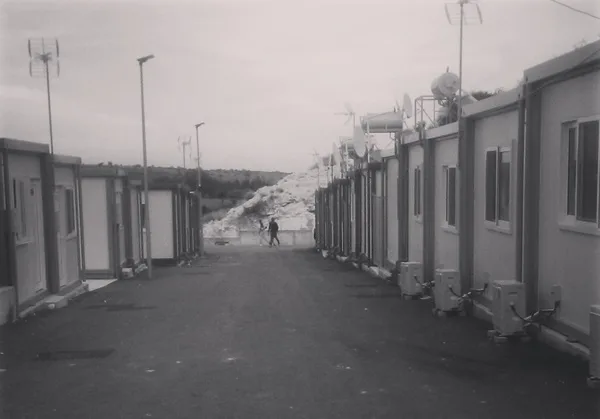
يجلس ياسين في بيته المؤلف من مقصورة صغيرة، وأمامه نموذج مصغر عن طائرة تجارية، “إنها تذكار لرحلتي”، قال ياسين بابتسامة ساخرة، ظهرت على جانب واحد فقط من فمه.

رحلة ياسين انتهت أخيرًا في اللحظة التي طلب فيها حق اللجوء في قبرص، وهذا هو السبب الذي دفعه وعائلته – زوجة وثلاث بنات وولدين – للعيش حاليًا في كوفينو، المنشأة الوحيدة التي تستقبل طالبي اللجوء في جزيرة قبرص.

“بعد عامين من الحرب، الفلسطينيون لم يعودوا يستطيعون العيش في سورية بعد الآن”، قال ياسين، وتابع موضحًا السبب الذي دفعه للإبحار على متن قارب للاجئين مع عائلته، من ساحل تركيا في سبتمبر الماضي، “كلا الجانبين يعاملانا كأعداء”.

ولكن هذا ليس السبب الوحيد الذي دفعه لطلب اللجوء، حيث أبرز ياسين سلسلة من الوثائق الطبية بعضها من سورية والبعض الآخر يحتوي على طوابع رسمية باللغة اليونانية، وتوضح هذه الوثائق إصابة ابنة ياسين، نورا، بمرض الثلاسيميا “فقر الدم”، وارتفاع نسبة الحديد بشكل كبير في دمها، “لقد أجروا اختبارات لابنتي وحصلنا على ذات النتائج التي حصلنا عليها في سورية”، أوضح ياسين، وتابع “خيارها الوحيد هو أن تجري عملية جراحية”.

يُمنح اللاجئون داخل مركز كوفينو مبلغ 40 يورو – فضلًا عن 10 يورو لكل فرد من أفراد الأسرة المعالين – شهريًا، كما يتم تقديم وجبات الطعام المعبأة لسكان المركز، رغم أن الكثيرين يشتكون من نوعية الطعام الرديئة؛ سكان المركز لهم الخيار بالخروج إلى خارجه، ولكن موقع المركز الذي يقع بين بساتين الزيتون والحقول، ويبعد حوالي 25 كيلومترًا عن أقرب مدينة، وهي لارنكا، فضلًا عن محدودية وسائل النقل والمواصلات من وإلى المركز، يجعل خيار الخروج من المنشأة غير مطروق.

أوضح تقرير صدر مؤخرًا، حول قاعدة بيانات اللجوء أن “الأشخاص المعنيين يترددون بالانتقال إلى مركز كوفينو، لأنهم يعتبرون الظروف المعيشية هناك غير مرضية، في حين أن الغالبية العظمى الذين يختارون العيش خارج المركز لا يحصلون على أي دعم من الدولة”، وينص القانون أن اللاجئين في مركز كوفينو، يستطيعون المكوث في المنشأة لمدة أقصاها ثماني سنوات.

يشير ماتيس بوليدورو، رئيس نظام اللجوء في الجزيرة، أن مركز كوفينو هو مثال ساطع على سياسة استقبال اللاجئين، ويتابع حديثه لنا من مكتبه في نيقوسيا “مركز كوفينو يناسب المعايير المتطلبة، فالمركز ممول من المفوضية الأوروبية، ويناسب المعايير التي حددها الاتحاد الأوروبي”، ويردف قائلًا “تلقى المركز مؤخرًا تمويلًا من الاتحاد الأوروبي، لتوسيع قدرته الاستيعابية لتصبح 400 شخص، وهو ما يساوي خمسة أضعاف حجمه الأصلي، وهذا النظام هو كاف لملاقاة المتطلبات”.

في أوروبا، يجب على كل دولة أن تقدم سلسلة من الحد الأدنى من المعايير المشتركة للوافدين الجدد، ولكن تقيّد مركز كوفينو بذات مستوى المعايير التي تتقيد بها البلدان التي أصبحت مقصدًا شعبيًا للاجئين، مثل السويد وألمانيا هو موضع شك ومناقشة؛ ففي البلدين الأخيرين يخضع اللاجئون لدورات لغة مدعومة من قِبل الدولة، كما يتم إخضاعهم لدورات تحضيرية للاندماج ضمن المجتمع، أما في كوفينو، فيشكتي أبو عبد، وهو أب لأربعة أطفال، أن أبناءه تم إعطاؤهم كتب متقدمة المستوى باللغة اليونانية في المدرسة الحكومية التي يذهبون إليها، حيث يقول “ابني يذهب إلى المدرسة ويشعر بأنه لا ينتمي إلى هناك، فالجميع يتحدثون اليونانية، لقد أصبح يكره المدرسة الآن”.

بالنسبة للكثير من لاجئي القوارب، اللجوء إلى مركز كوفينو كان ضرورة وليس خيارًا، في ظل غياب أي طريق آخر، فعلى الرغم من أن معظم الموجودين لم يكونوا يرغبون بالقدوم إلى قبرص، بيد أن بعض اللاجئين يشعرون هنا بأنهم أقدموا على الخيار الصحيح من خلال طلب اللجوء، فالبديل كان إما أن يبقى وضعهم مؤقتًا ضمن الجزيرة، أو اللجوء إلى المهربين في محاولة لتهريبهم إلى باقي دول أوروبا الكبرى.

عمر وهو شاب سوري فلسطيني، يبلغ من العمر 27 عامًا، فر من البلاد هربًا من احتمال سحبه للخدمة العسكرية للمرة الثانية، ووصل إلى قناعة بأن وجوده في قبرص دون تقديم لجوء هو مجرد إضاعة للوقت، حيث يقول “أنا بحاجة لأن يكون لي وضع قانوني، يمكنني أن أجد وظيفة، أو أواصل دراستي، وهنا ربما أستطيع أن أواصل مستقبلي”، وأضاف “فقط إذا استطعت أن أزور أقاربي، الموجودين حاليًا في أوروبا، فإن الأمور ستكون على ما يرام بالنسبة لي، حاليًا أعيش أيامًا سيئة هنا في قبرص، ولكنني أشعر أنه بإمكاني أن أقوم بتحقيق شيء ما لنفسي هنا”.

من ناحية أخرى، ياسين يرادوه شعور قلق بشأن قراره الذي اتخذه بتقديم اللجوء في قبرص مع كل يوم يمر، حيث يقول بقلق بالغ “في بعض الأحيان أشعر أنه ربما كان من الأفضل عدم التقدم بطلب اللجوء هنا، أريد أن أقول للحكومة القبرصية شكرًا على خدماتكم، ولكن ماذا سأفعل إذا فقدت ابنتي، لأنهم كانوا بطيئين، ولم يوفوا بوعودهم؟”.

هذه بعض من قصص ما بعد قوارب اللجوء، وعواقب هذه الهجرة غير المسبوقة على حدود أوروبا، والتي أودت بالفعل بحياة أكثر من 1700 شخص في البحر المتوسط هذا العام، تؤدي إلى تقويض سياسة الهجرة في الاتحاد الأوروبي، وإقحامها ضمن أزمة لم تكن بالحسبان.

كثيرًا ما تركز الحوارات والنقاشات حول استجابة أوروبا لأزمة منطقة البحر الأبيض المتوسط على جهود البحث والإنقاذ، ولكن مع ذلك، حذر المجلس الأوروبي الاجئين والمنفيين في نوفمبر من العام الماضي قائلًا “إن المشاهد الدرامية التي تعصف في منطقة البحر الأبيض المتوسط، إضافة إلى قائمة التحديات الطويلة للدول الأعضاء في الاتحاد الأوروبي، تقف في وجه بناء وصيانة نظم لجوء عادلة وفعالة”، هذه التحديات التي تقبع بعيدًا عن المأساة التي تتكشف في البحر، آخذة بالتنامي خلال الفترة الماضية، مقوضة بذلك الآمال في صياغة نظام لجوء مشترك أو آلية تعامل موحدة مع الوافدين الجدد، فضلًا عن سياسة تقاسم المسؤولية بين الدول الأعضاء.

يقول أندريا ستوتشيرو، ضابط السياسات في اتحاد المنظمات المسيحية للخدمات التطوعية الدولية بإيطاليا (FOCSIV)، “من المقرر إطلاق جدول أعمال اللجنة الأوروبية الشامل بخصوص موضوع الهجرة في شهر مايو، والهدف منه هو محاولة المواءمة بين سياسات الهجرة الوطنية، ولكن التحديات التي تواجه دول الاتحاد الأوربي تقف في الطريق، مما يؤثر على فتح الممرات الإنسانية، والطرق القانونية إلى أوروبا، من خلال برامج اللجوء عن بعد، أو برامج إعادة التوطين”، ويتابع شارحًا “على سبيل المثال، فيديريكا موغيريني – الممثل الأعلى لسياسة الأمن والشؤون الخارجية في الاتحاد الأوربي – والموظفين التابعين لها، يرغبون في إنشاء ممرات إنسانية، وإعطاء طالبي اللجوء – في بلدان مثل مصر- فرصة للقدوم إلى أوروبا، ولكن الفريق يواجه مشاكلًا؛ بسبب أن العديد من الدول الأعضاء لا تفتح أبوابها لبرامج إعادة التوطين”.

“ربما يكون هناك أشخاص آخرين في اللجنة الأوروبية يحاولون أيضًا تحقيق توازن ما بين المقاربات الأمنية وإمكانية فتح ممرات عادية، ولكن القرار النهائي ليس للمفوضين، بل هو من اختصاص الحكومات الوطنية، التي لها وحدها القدرة على إنشاء ممرات عادية”، يوضح ستوتشيرو.

بدأت الدول الأعضاء في الاتحاد الأوروبي أيضًا تعيد تفسير التزاماتها في ضوء الاستجابة لتدفقات الهجرة غير المسبوقة، والواقع أن نظام دبلن هو الذي يحكم ويحدد كيف ينبغي على الدول الأعضاء تسجيل بصمات الأصابع وسجلات اللاجئين الوافدين ضمن قاعدة بيانات يوروداك “النظام الأوروبي لمضاهاة بصمات الأصابع”؛ فبمجرد أن يتولى أي بلد ضمن المنظومة الأوربية معالجة طلب اللجوء، لا يمكن للاجئ الذي يتم معالجة طلبه أن يتقدم بطلب لجوء في دولة أخرى، وإذا حاول تقديم اللجوء في بلد آخر، بعد تسجيل بصمته، فيحق لهذا البلد إعادته إلى الدولة الأولى التي سجل فيها بصمة إصبعه.

بعض البلدان الأعضاء في الاتحاد الأوروبي تتجاوز إجراء تسجيل البصمات، بغية تمرير مسؤولية اللاجئين إلى الدول الأعضاء الأخرى، وغالبًا ما يشار إلى إيطاليا على أنها البلد الأبرز المشهور بهذه الممارسات، وتعليقًا على هذه السياسة التهربية، ذكر تقرير في موقع فورين بوليسي، أن هذه الممارسات يمكن أن تشرع الأبواب أمام مسلحي الدولة الإسلامية للدخول إلى قلب أوروبا، وهذه الحجة تلقى أصداءً متزايدة لدى أحزاب اليمين المتطرف الأوروبية.

وفقًا لما جاء في موقع ستيت وتش، فإن الدول الأعضاء في الاتحاد الأوروبي تناقش الخطوط العريضة لمعالجة حالة قيام اللاجئ بتسجيل بصمة إصبعه باستخدام درجة نسبية من الإكراه؛ وأحد الأمثلة على هذه الحالة هو علي، وهو سمكري يبلغ من العمر 43 عامًا من مدينة حمص السورية، أُجبر هو وزوجته وأطفاله، على تسجيل البصمة في إسبانيا، وهي نقطة دخوله الأولى إلى أوروبا حيث وصل إليها بعد عبوره من المغرب إلى مليلية على ساحل شمال أفريقيا.

يشير علي أنه أُجبر على البصم في إسبانيا بعد أن تعرض للتهديد بالاعتقال من قِبل الشرطة الإسبانية في حال لم يمتثل، “الحكومة الإسبانية لا تهتم باللاجئين، والناس هناك يعانون جدًا في محاولاتهم للاستحصال على حقوقهم وإقاماتهم” قال لنا علي من منشأة الصليب الأحمر في بلجيكا، شارحًا سبب اتخاذه لقرار التوجه إلى بلد أوروبي آخر، أما اللاجئون الآخرون الذين قابلناهم في ذات المكان، فذكروا لنا كيف قدموا من إيطاليا بدون أن يتم الاستحصال على بصماتهم.

ترى جوديث ساندرلاند، أحد كبار الباحثين في منظمة هيومن رايتس ووتش في أوروبا، أن أغلب المناقشات السياسية التي تجري حول موضوع اللجوء، تنتهي إلى كلمة واحدة، يتم استخدامها بشكل متزايد في اجتماعات الاتحاد الأوروبي، وهي “المسؤولية”، حيث تقول “يمكنك أن تلاحظ من خلال مجرد قراءة النتائج التي توصلت إليها القمة الاستثنائية، التي جرت الأسبوع الماضي حول الأزمة في منطقة البحر الأبيض المتوسط، إحجام الدول الأعضاء في الاتحاد الأوروبي عن تحمل المسؤولية بصدد الأشخاص الهاربين من الاضطهاد والحروب، والأشخاص الذين هم بحاجة إلى الحماية الدولية”، وتتابع بقولها “هذا الإحجام يظهر عمليًا بشكل يومي على الحدود البرية للاتحاد الأوروبي، حيث نرى الأسوار المرتفعة، وإرجاع الوافدين، وسوء المعاملة، كما يمكننا أن نرى الإحجام من خلال الامتناع عن إنقاذ أرواح المهاجرين الغارقين في البحر الأبيض المتوسط”.

توضح سندرلاند قائلة “إن إنقاذ حياة الأشخاص أمر مختلف عن إنزالهم من السفينة وتحمل مسؤولية معالجة طلباتهم للحصول على الحماية الدولية، أو معالجة طلبات ترحيلهم”.

منتظرًا في بلجيكا، ومواجهًا لخطر احتمال إعادته مرة أخرى إلى إسبانيا، يعيش علي حياة مريرة وغير مستقرة مستقبليًا، “الجميع يحلم بالسفر إلى أوروبا، ولكن الواقع مختلف تمامًا”، قال علي معترفًا بأن القدوم إلى أوروبا كلفه حوالي 14.000 دولار لينتهي به المطاف إلى خيبة الأمل، “أوروبا هي حلم وهمي، لا ينبغي علينا مطاردته”، قال علي بحسرة واضحة.

يمكن لسياسة الهجرة الأوروبية أن تختلف من دولة إلى أخرى، فقد تبدو واعدة أو مربكة أو معقدة بشكل هائل، ومن بيته المؤلف من مقصورة مسبقة الصنع في مركز الاستقبال في الريف القبرصي، يشرح لنا علي محمد، وهو سوري فلسطيني آخر يعيش في كوفينو، تجربته في المركز بقوله “إن الأمور تبدو وكأنها وهم كبير، تجربتي هنا في كوفينو بعيدة عن أحلامي المثالية التي واجهت لأجلها الموت”، وأضاف “لقد سمعنا عن أوروبا، ولكننا لم نعثر عليها هنا، فهنا مثلًا لا يسمحون لنا حتى بالعيش في غرفة ما لم يعطوننا الإذن، لقد تحملنا مخاطر ترك سورية لكي نعيش، ولكن ما وجدناه هنا كان وهمًا كبيرًا”.

المصدر: ميدل إيست آي

TAGGED: الاتحاد الأوروبي ، اللاجئون ، اللاجئون في أوروبا ، الهجرة إلى أوروبا ، الهجرة غير الشرعية
Download this article as PDF
Share this Article
Facebook Twitter Whatsapp Whatsapp Telegram Email Copy Link
توم رولينز
By توم رولينز صحفي مستقل مقيم بالقاهرة، كتب في عدة مواقع ودوريات منها الاندبندنت ومدى مصر والمصري اليوم
Follow:
Next Article نون بوست The Stigma of “ISIS”: A Heavy Legacy Haunting Women and Children of Former Members

Read More

  • U.S. Regime‑Change Policies: Why They Are Destined to Fail U.S. Regime‑Change Policies: Why They Are Destined to Fail
  • The Gulf’s Balancing Act: Iran, Israel, and Hidden Links
  • Iraq–Turkey Oil Export Treaty: Why Did Ankara Cancel It After 52 Years?
  • Syria’s Northeast on Edge: QSD Between Ankara and Damascus
  • Has Europe Changed Its Stance on Israel… or Just Its Language?
part of the design
NoonPost Weekly Newsletter

You May Also Like

U.S. Regime‑Change Policies: Why They Are Destined to Fail

U.S. Regime‑Change Policies: Why They Are Destined to Fail

إسراء سيد Esraa sayed 8 April ,2026
The Gulf’s Balancing Act: Iran, Israel, and Hidden Links

The Gulf’s Balancing Act: Iran, Israel, and Hidden Links

فريق التحرير Noon Post 8 April ,2026
Iraq–Turkey Oil Export Treaty: Why Did Ankara Cancel It After 52 Years?

Iraq–Turkey Oil Export Treaty: Why Did Ankara Cancel It After 52 Years?

فريق التحرير Noon Post 8 April ,2026
dark

An independent media platform founded in 2013, rooted in slow journalism, producing in-depth reports, analysis, and multimedia content to offer deeper perspectives on the news, led by a diverse young team from several Arab countries.

  • Politics
  • Society
  • Rights & Liberties
  • Opinions
  • History
  • Sports
  • Education
  • Technology
  • Economy
  • Media
  • Arts & Literature
  • Entrepreneurship
  • Travel
  • Cinema & Drama
  • Food
  • Health
  • Culture
  • Latest Reports
  • Files
  • Long Reads
  • Interviews
  • Podcast
  • Interactive
  • Encyclopedia
  • In Pictures
  • About Us
  • Our Writers
  • Write for Us
  • Editorial Policy
  • Advanced Search
Some rights reserved under a Creative Commons license

Removed from favorites

Undo
Go to mobile version