NoonPost NoonPost

NoonPost

  • Home
  • Politics
  • Economy
  • Society
  • Culture
  • Files
  • Long Reads
  • Podcast
AR
Notification Show More
نون بوست
“There Are Nights I Can’t Close My Eyes”: How Gazans Are Living in Homes on the Brink of Collapse
نون بوست
From al-Jolani to Ahmad al-Shara: The Evolution of Syria’s New Leader
نون بوست
When Political Islam Receded in Egypt: Who Filled the Void?
نون بوست
An Extension of Genocide: Gaza’s Detainees Speak Out
نون بوست
A Tightrope Between Survival and Sovereignty: The Syrian Government Faces Normalization Pressures
نون بوست
American Aircraft Carriers: Has the Era of “100,000 Tons of Diplomacy” Ended?
نون بوست
U.S. Regime‑Change Policies: Why They Are Destined to Fail
نون بوست
Transformations of Israeli Judaism: Between the Victim Complex and the Colonizer’s Doctrine
نون بوست
The Gulf’s Balancing Act: Iran, Israel, and Hidden Links
نون بوست
Iraq–Turkey Oil Export Treaty: Why Did Ankara Cancel It After 52 Years?
نون بوست
Syria’s Northeast on Edge: QSD Between Ankara and Damascus
نون بوست
Has Europe Changed Its Stance on Israel… or Just Its Language?
NoonPost NoonPost
AR
Notification Show More
نون بوست
“There Are Nights I Can’t Close My Eyes”: How Gazans Are Living in Homes on the Brink of Collapse
نون بوست
From al-Jolani to Ahmad al-Shara: The Evolution of Syria’s New Leader
نون بوست
When Political Islam Receded in Egypt: Who Filled the Void?
نون بوست
An Extension of Genocide: Gaza’s Detainees Speak Out
نون بوست
A Tightrope Between Survival and Sovereignty: The Syrian Government Faces Normalization Pressures
نون بوست
American Aircraft Carriers: Has the Era of “100,000 Tons of Diplomacy” Ended?
نون بوست
U.S. Regime‑Change Policies: Why They Are Destined to Fail
نون بوست
Transformations of Israeli Judaism: Between the Victim Complex and the Colonizer’s Doctrine
نون بوست
The Gulf’s Balancing Act: Iran, Israel, and Hidden Links
نون بوست
Iraq–Turkey Oil Export Treaty: Why Did Ankara Cancel It After 52 Years?
نون بوست
Syria’s Northeast on Edge: QSD Between Ankara and Damascus
نون بوست
Has Europe Changed Its Stance on Israel… or Just Its Language?
Follow US

Manufactured Consensus: Why Did the Israeli Opposition Back Netanyahu in Striking Iran?

فريق التحرير
Noon Post Published 26 March ,2026
Share
نون بوست
نون بوست
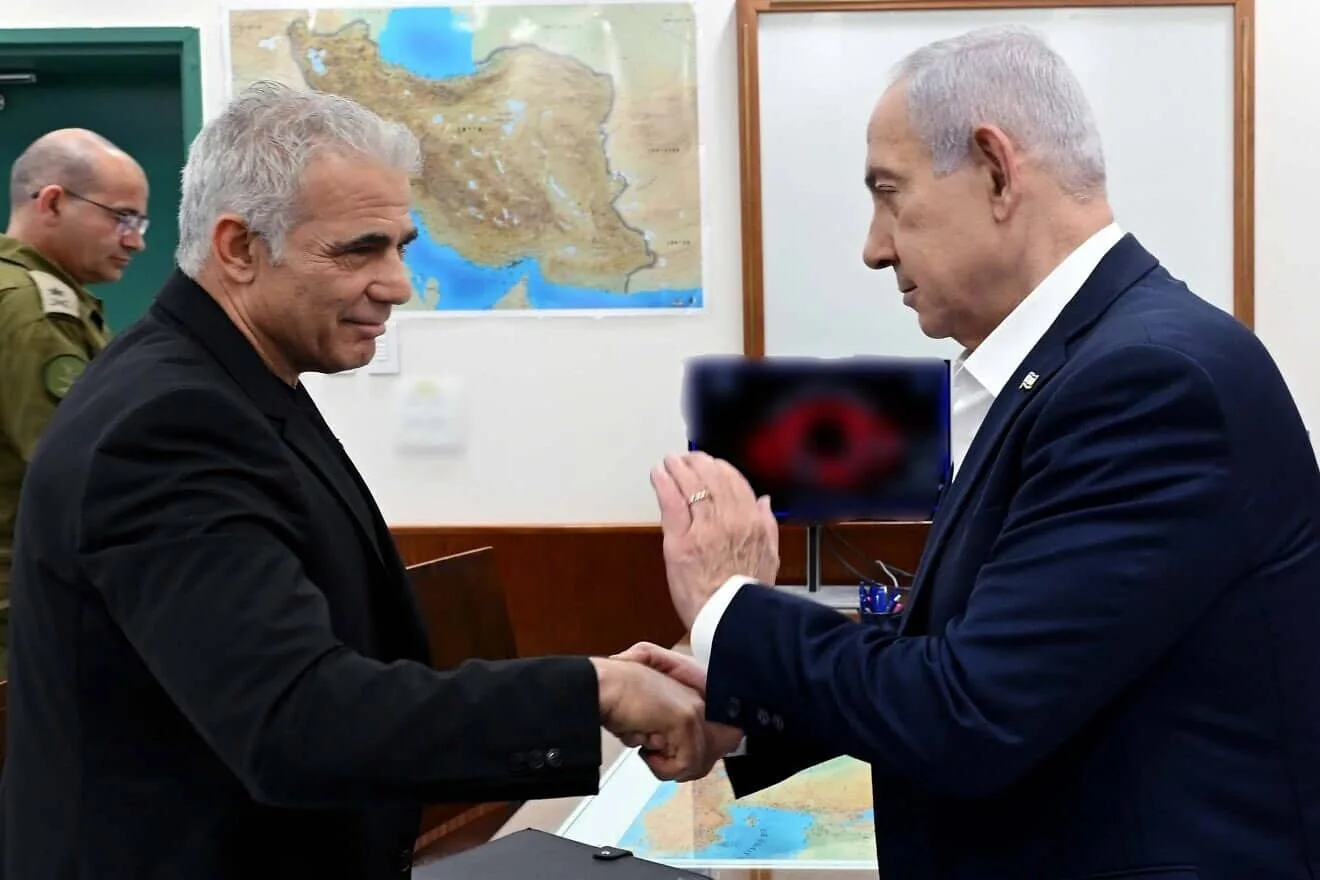
All Israeli adversaries agreed to strike Iran.

Two years after the launch of Israel’s war on Gaza marked by deep internal divisions and protests demanding a prisoner-exchange deal a new war erupted with Iran in late February 2026. This time, the Israeli opposition’s position appeared to turn 180 degrees.

Political rivals who had bitterly clashed over the management of the Gaza war quickly lined up behind the occupation government led by Benjamin Netanyahu in confronting Iran. What lies behind this alignment and the appearance of a manufactured consensus?

Consensus Through Marketing an “Existential Threat”

For years, Israel’s political system has framed Iran as an existential enemy one that unites society and provides cover for military aggression. The opposition has been no exception.

With the onset of the attack, opposition leader Yair Lapid declared from the Knesset that political disagreements would enter a “deep freeze” until the conflict ends. He pledged to work in international forums to explain what he described as the “necessity of striking Iran,” adding that “despite my rivalry with Netanyahu, Tehran must be attacked with full force.”

In another statement, Lapid wrote that there is “no coalition or opposition” when it comes to striking Iran, and that everyone stands behind the army.
نون بوست
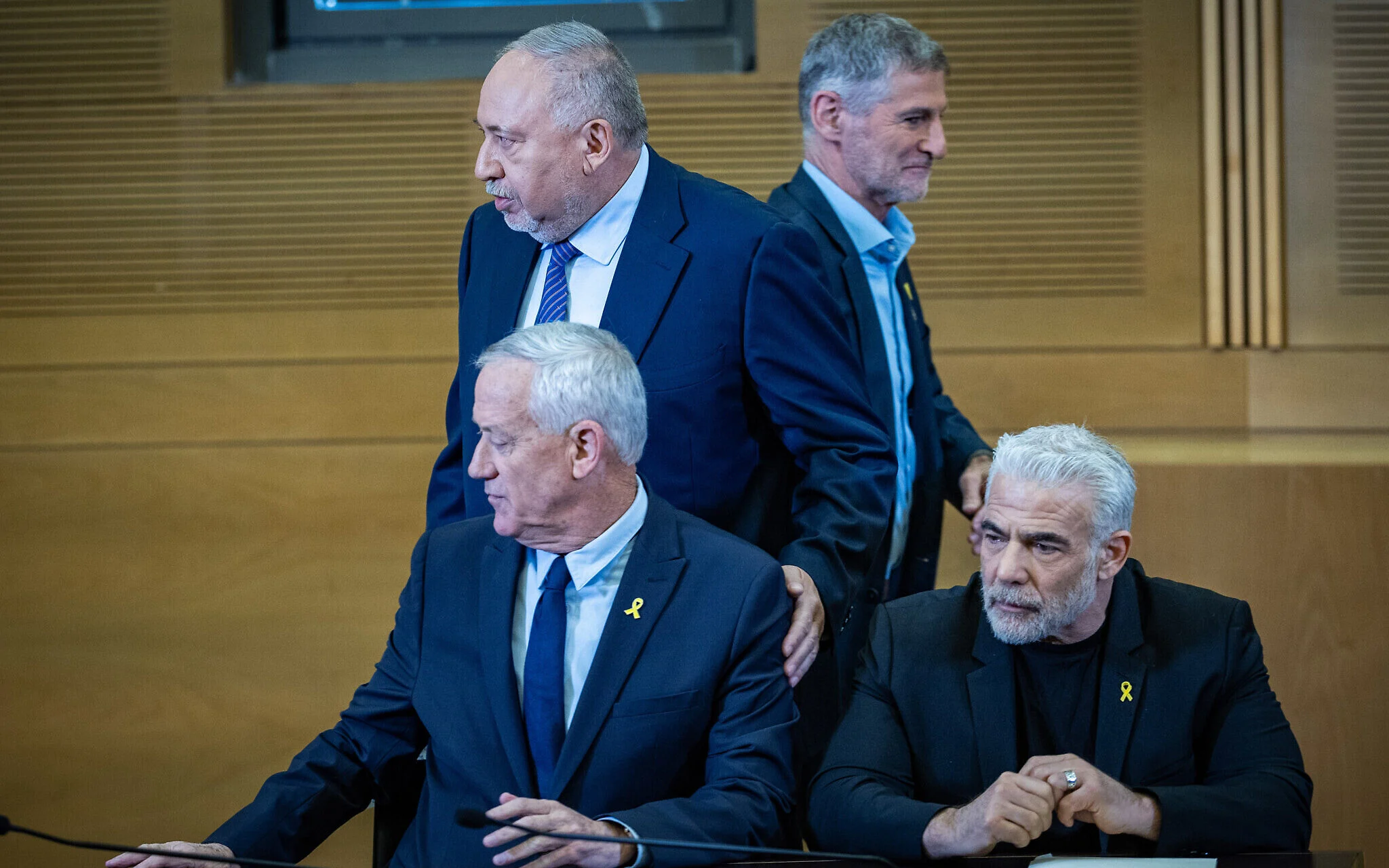
The Israeli opposition supported the attack on Iran for electoral purposes.

Former Prime Minister Naftali Bennett a prominent rival to Netanyahu in the upcoming fall 2026 elections joined the chorus, announcing his “full support for the army, the government, and the prime minister,” asserting that “the entire nation stands behind you until the Iranian threat is destroyed.”

Two leading figures in the National Unity bloc, Benny Gantz and Gadi Eisenkot both of whom joined the government after October 7 and later resigned also invoked “unity,” saying “everyone stands together” in what they called a “just war,” rhetoric that effectively grants the government domestic cover.

Even left-wing leader Yair Golan offered full backing to the army, while calling for clearly defined objectives to prevent the operation from devolving into another round of escalation.

This time, dissent was largely confined to Arab parties in the Knesset, which condemned the attack as reinforcing “American imperialism” and demanded shelters for Palestinians in the Negev who lack adequate protection.

A report by the Stimson Center observed that framing the Iranian threat as existential narrows public debate and forecloses alternatives such as diplomacy, making military retaliation appear “self-evident.”

The report further noted that such consensus offers political and security advantages to both government and opposition, transforming the Iran file into a “unifying principle in national security doctrine” that justifies military spending and confers broad legitimacy on any leader.

What Does Netanyahu Gain?

1. Restored Legitimacy and Leadership

War offers Netanyahu the opportunity to don the mantle of the “sole leader capable of protecting Israel” a narrative he has long cultivated.
نون بوست
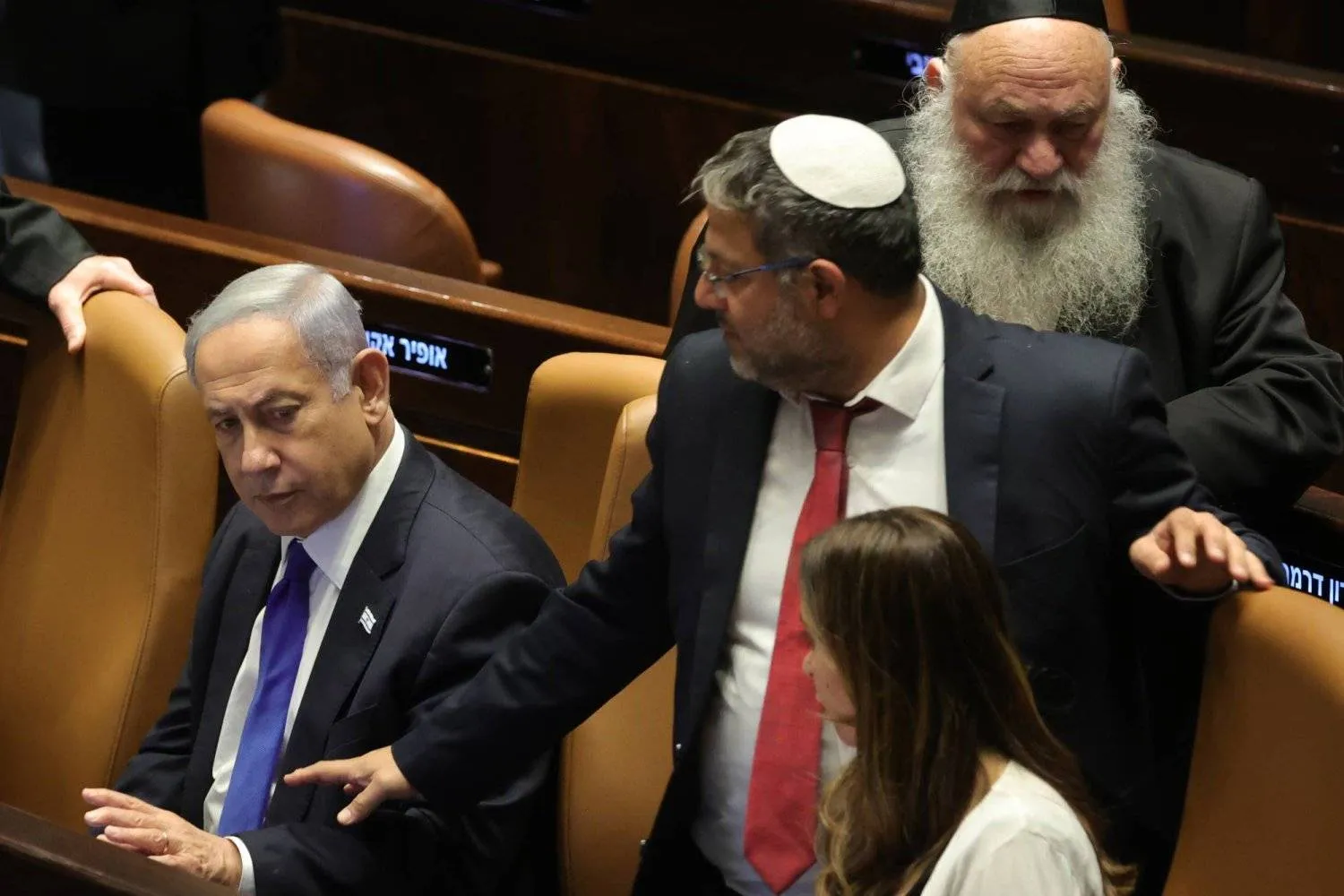
Talk of war serves Netanyahu in the elections but it distracts from his corruption cases.

Experts at the Council on Foreign Relations argue that a joint operation with U.S. President Donald Trump would strengthen Netanyahu politically by showcasing his close relationship with the White House and reinforcing voter perceptions that he is best equipped to “deal with enemies” in an election year.

2. Undermining the Judiciary

At the height of speculation over war with Iran and negotiations over ultra-Orthodox military conscription, Netanyahu continued to push forward legislation aimed at weakening the judiciary and prolonging his coalition’s lifespan. One proposed law would bar the Supreme Court from intervening in ministerial appointments.

The bill is widely seen as designed to shield the far-right minister Itamar Ben-Gvir after Israel’s Supreme Court ordered Netanyahu in early February to explain why he had not dismissed him. Ben-Gvir has been accused of undermining police independence and turning the force from a law enforcement body into a political instrument.

Debate over exempting ultra-Orthodox (Haredi) yeshiva students from military service continues to threaten coalition stability. Religious parties demand guarantees of exemption in exchange for remaining in government, while Netanyahu faces mounting pressure on the issue.

3. Electoral Branding

The Hebrew daily Haaretz reported that Netanyahu quickly sought to harness the war for campaign purposes, unveiling an election slogan featuring a roaring lion draped in the flag a design echoing the Likud party emblem.

Yet such gains could prove fleeting. If the war drags on and casualties mount, the public may ultimately hold Netanyahu accountable.

An analysis by The Christian Science Monitor noted that Netanyahu faces domestic pressure, including calls for a commission of inquiry into the failures of October 7 and scrutiny over corruption allegations surrounding his circle. The operation’s success, therefore, hinges on battlefield outcomes.

Prolonged military action could also intensify internal blackmail within the far-right coalition over issues such as conscription, threatening the government’s cohesion.

What Do His Rivals Gain?

1. Security Credibility Without Bearing Responsibility

Supporting the war grants opponents a certificate of “patriotism” and shields them from accusations of weakness explaining Lapid’s insistence that there would be no “opposition” on this matter.

2. Electoral Calculations

Opposing war with Iran carries high electoral costs in Israel, where public discourse equates reluctance with complacency toward what is framed as an existential threat.

Lapid spoke of the need to “erase evil,” while Netanyahu claimed Iran was developing missiles capable of striking the American coast rhetoric suggesting that rejecting war amounts to denying a mortal danger.

3. Positioning for Future Accountability

The opposition appears aware that a prolonged war could politically exhaust Netanyahu. By backing the operation now, they can wait for attrition to set in and later hold him accountable.

According to The Christian Science Monitor, war talk may boost Netanyahu electorally while diverting attention from corruption and security failures. Should outcomes sour, the blame may fall squarely on him, while the opposition insists it supported the army, not the government.

The Stimson Center report adds that focus on Iran has become embedded in Israel’s political culture. Any leader aspiring to power must demonstrate toughness, and backing war becomes a prerequisite for credibility in the eyes of the security establishment.

4. Returning Later to Corruption and Economic Issues

By signaling commitment to “security,” the opposition can later pivot back to corruption charges and economic mismanagement particularly if wartime spending worsens economic conditions.

When Could the Consensus Fracture?

Despite the strength of the current alignment, several fault lines loom:

1. Prolonged War and Rising Human and Economic Costs

If exchanges continue for months, with rising casualties and civilians sheltering for extended periods, public opinion may begin questioning the war’s objectives and returns.

The Christian Science Monitor warned that the conflict could impose “significant” losses on both sides and leave Israel struggling to protect its settlers or replenish military stockpiles.

2. Disputes Over End Goals

If the operation shifts from limited strikes to an open-ended campaign for regime change in Iran or if Washington demands a halt short of that objective—divisions may surface between those satisfied with deterrence and those pressing for total war.

The Stimson Center cautioned that making the overthrow of Iran’s regime an existential principle risks draining resources and reopening questions about strategic feasibility.

3. The Return of Domestic Politics and Elections

As elections draw nearer, judicial reform, economic performance, and corruption allegations are likely to reemerge, potentially eroding Netanyahu’s camp.

Should he continue leveraging the war to protect his coalition and advance legislation shielding himself from prosecution, the opposition may repurpose its earlier support as a political weapon arguing that it backed the army while rejecting what it calls “rule by corruption.”

Download this article as PDF
Share this Article
Facebook Twitter Whatsapp Whatsapp Telegram Email Copy Link
فريق التحرير
By فريق التحرير تقارير يعدها فريق تحرير نون بوست.
Follow:
Previous Article نون بوست A Multi-Front Battle: How Iran’s Proxies Are Managing the War
Next Article نون بوست Ali Larijani: Tehran’s New Center of Power

Read More

  • U.S. Regime‑Change Policies: Why They Are Destined to Fail U.S. Regime‑Change Policies: Why They Are Destined to Fail
  • The Gulf’s Balancing Act: Iran, Israel, and Hidden Links
  • Iraq–Turkey Oil Export Treaty: Why Did Ankara Cancel It After 52 Years?
  • Syria’s Northeast on Edge: QSD Between Ankara and Damascus
  • Has Europe Changed Its Stance on Israel… or Just Its Language?
part of the design
NoonPost Weekly Newsletter

You May Also Like

U.S. Regime‑Change Policies: Why They Are Destined to Fail

U.S. Regime‑Change Policies: Why They Are Destined to Fail

إسراء سيد Esraa sayed 8 April ,2026
The Gulf’s Balancing Act: Iran, Israel, and Hidden Links

The Gulf’s Balancing Act: Iran, Israel, and Hidden Links

فريق التحرير Noon Post 8 April ,2026
Iraq–Turkey Oil Export Treaty: Why Did Ankara Cancel It After 52 Years?

Iraq–Turkey Oil Export Treaty: Why Did Ankara Cancel It After 52 Years?

فريق التحرير Noon Post 8 April ,2026

محاكمة مرسي: احتضار العقل في مصر

خالد دياب
خالد دياب Published 17 May ,2015
Share
518ee14744b240cabe0bd14e602bcda8_18

ترجمة وتحرير نون بوست

سيكتب التاريخ عن محاكمة القرن المصرية ليس باعتبارها إحدى المحاكمات غير العادلة فحسب، بل أيضًا باعتبارها محاكمة كافكاوية – نسبة إلى كتاب الأديب الألماني كافكا المحاكمة -، وعبثية سخيفة، وسريالية متناقضة.

جنبًا إلى جنب مع 105 متهمين، حُكم على الرئيس المصري السابق محمد مرسي، بالإعدام لهروبه من السجن خلال فترة اضطرابات ثورة يناير 2011.

على المستوى الأخلاقي، هذه المحاكمة هي عبارة عن مهزلة، كون مرسي لم يتمتع بالحقوق والإجراءات القانونية الواجبة المراعاة في محاكمته المسيسة للغاية، والتي وصفتها منظمة العفو الدولية بأنها “غير عادلة بشكل فاضح” و”تمثيلية تم بناؤها على أسس وإجراءات باطلة ولاغية”.

بالإضافة إلى ذلك، وباعتباري معارض منذ فترة طويلة لعقوبة الإعدام، فإنني أجد تهور المحاكم المصرية التي تنثر أحكام الإعدام يمنة وشمالًا على المئات من أنصار جماعة الإخوان المسلمين، تصرف خاطئ ومقلق للغاية بذات الوقت، وهذا التصرف يحدث في الوقت الذي بدت فيه مصر على طريق التخلص التدريجي من عقوبة الإعدام.

حقيقة أن بعض الذين حُكم عليهم بالإعدام تم بالفعل تنفيذ هذه العقوبة بحقهم سابقًا، قد تشير إلى أن مرسي لن يُنفذ فيه حكم الإعدام على أرض الواقع، ولكن مع ذلك، فإن قضاء عقوبة السجن مدى الحياة دون المرور أولًا من خلال محاكمة عادلة وأمام محكمة محايدة، هو بحد ذاته ظلم غير إنساني وعميق بفحواه.

مصر على حافة الانهيار

بغض النظر عن قضايا الأخلاق والآداب، فإن محاكمة مرسي تعد الصورة الأكثر رمزية على الاضطهاد الأخير الذي يرزح تحت وطأته جماعة الإخوان المسلمين، والذي تمثل بقتل مئات المحتجين، واعتقال الآلاف من أنصار الجماعة والزج بهم خلف القضبان، وهذه المحاكمة قد تدفع الوضع المتوتر في مصر إلى حافة الانهيار.

في غضون ساعات من صدور الحكم، ظهرت تقارير تفيد بأن ثلاثة قضاة قتلوا رميًا بالرصاص في سيناء، في حادثة لها ارتباط على الغالب مع المحاكمة، وتمامًا كما عظّمت الإطاحة بمرسي التمرد في شبه جزيرة سيناء الصحراوية، فمن المرجح أن تلعب المحاكمة دورًا مماثلًا، ولكن هذه المرة ليس فقط في سيناء، وإنما في جميع الأراضي المصرية.

إن المأساة الكامنة خلف هذا الوضع هو أن مصر كان بإمكانها تجنب المرور به أصلًا، ففي الواقع، العامين الماضيين شكلا كوميديا حقيقية من الذعر والإرهاب في مصر.

إن قيام مرسي بحكم البلاد وفق سلطة ديكتاتورية منذ نوفمبر من عام 2012، وموهبته الفريدة بفقدان الأصدقاء وتأجيج الرفض الشعبي، فضلًا عن عدم الكفاءة المخيفة للإخوان المسلمين وسوء إدارتهم للبلاد، أدى إلى فقدان الحركة التي زلزلت الحكومات المصرية المتعاقبة منذ نحو ثمانية عقود شرعيتها السياسية، وتحولها إلى قوة سياسية مستهلكة.

ولكن بدلًا من إعطاء مرسي مهلة 48 ساعة في أعقاب الاحتجاجات الضخمة في 30 يونيو 2013، كان يجب على الجيش أن يقود البلاد نحو انتخابات مبكرة، وبذلك كان يمكن تلافي حمامات الدم والدموع التي أعقبت الانقلاب العسكري.

إلا أن الواقع يشير إلى أن الجيش المصري قرر السير على خطى المعارضة المصرية بطلبها للإطاحة بمرسي، وبعد حصول ذلك فعلًا، انتهج نظام السيسي سياسة القمع والاضطهاد، في الوقت الذي كان فيه اتباع سياسة السماحة والمصالحة يمكن أن يكون أكثر فعالية لحفظ البلاد من الأزمات اللاحقة.

وبدلًا من الإجهاز على حركة الإخوان المسلمين في تلك الفترة، أدى قصر نظر النظام المصري ودمويته إلى اتباع نهج التطهير، الذي تضمن تفريق الاعتصامات السلمية إلى حد كبير بطرق قاتلة، وممارسة حملات الاعتقالات الجماعية، وإجراء محاكمات هزلية، وحظر جماعة الإخوان المسلمين، وهذه الإستراتيجية عززت ما تبقى من جماعة الإخوان المسلمين، ودفعتها نحو التطرف، وربما أدت إلى إعادة بعض التعاطف الشعبي لها، بعد أن فقدته خلال الفترة السابقة.

إسكات الانتقادات

قرار جماعة الإخوان المسلمين بنبذ سياسة العنف الذي اتخذته في سبعينيات القرن الماضي، أثار الكثير من الجدل في فترة اضطهادهم، حتى إنه أدى إلى انشقاقات من الجماعة لتشكيل جماعات أكثر تطرفًا ومولاة للعنف، ولكن الاستخدام الناجح للقوة الناعمة الذي انتهجته الجماعة، أسكت العديد من النقاد، كما استرعى انتباه أنصار جدد وغير محتملين، حيث أدى الاضطهاد الذي تعرض له المعارضون العلمانيون في مصر إلى جعل جماعة الإخوان المسلمين حركة المعارضة الرئيسية في البلاد.

ولكن محاكمة مرسي أرسلت رسالة لكثير من الإسلاميين تتمثل بأن العملية السياسية ليست من حقهم، وأن التغيير السلمي من خلال الديمقراطية لن يحدث البتة، مما أدى إلى اقتناع نسبة كبيرة من أنصار الجماعة الآن – على الأرجح – بمسار العنف السياسي، بعد قناعتهم بأن الدولة العلمانية هي شر مؤكد، فضلًا عن كونها غير إسلامية.

بعد سنة كارثية في السلطة، والاعتماد على الدين كأساس للحكم، لا أرغب بترويج الأوهام – كما يفعل البعض – فيما يتعلق بالتزام جماعة الإخوان المسلمين بالأسس الديمقراطية؛ فمثل الحركات اليمينية المتطرفة في أوروبا، لا ترى قيادة الإخوان المسلمين العملية الديمقراطية على أنها أداة لنقل السلطة سلميًا، بل إنها تعتبرها الجسر الموصل إلى القصر الرئاسي، الذي عمدوا إلى إغلاق بابه وإيصاده بإحكام إثر دخولهم إليه.

ولكن النزعات المعادية للديمقراطية التي يحملها الإخوان، ليست مبررًا لاضطهاد الحركة وتشويه صورتها، ومشاركتها في العملية السياسية هو حل أفضل بكثير من تحويل أعضائها إلى أشخاص منبوذين اجتماعيًا أو منفيين خارج البلاد، فهؤلاء الذين لم يبق لديهم شيء ليخسروه، قد يكونون على استعداد لخسارة كل شيء.

ولكن، للأسف، ضمن الثقافة السياسية ضحلة المحصلة في مصر، فإن العقلية المسيطرة هي عقلية أن الفائز يحظى بكل شيء، فبعد الإطاحة بمبارك، تشبث المجلس الأعلى للقوات المسلحة بوحشية لا مثيل لها بالسلطة، وذلك لفترة طويلة سمحت له بقلب الأمور إلى صالحه، وخصوصًا عندما تهددت مصالحه الاقتصادية الإقطاعية الهائلة؛ فالجيش كان يأمل أن تؤدي عمليات الانتقال الديمقراطي إلى ظهور برلمان بلا أنياب، ورئيس كسيح بلا سلطة، يمكن السيطرة عليه من خلف الكواليس.

الاستيلاء على السلطة

يكن القول إن الإخوان المسلمين أسسوا – بلا قصد – لنواة حركة الاستيلاء على السلطة من قبضتهم، وذلك حين قام مرسي بشكل غريب بتعيين السيسي في رئاسة المجلس العسكري، لأنه كان يعتقد – على ما يبدو – أنه متعاطف مع قضيتهم، وأنه مبتدئ وعديم الخبرة، مما يبعده عن أفكار الهيمنة والسيطرة على الحكم، ولكن عندما باشر مرسي الحكم وفق قرار رئاسي مخالف للدستور، لم يؤد هذا إلى تقويض شعبيته بشكل كبير في جميع أنحاء مصر فحسب، بل أدى أيضًا إلى تمحوره في مسار تصادمي وجهًا لوجه مع مؤسسة الجيش.

وهنا، استغل الجيش الفشل والإخفاق الكبير الذي عانى منه مرسي، بالإضافة إلى المعارضة المطردة التي باشرت بالظهور ضد حكمه، كتذكرة عودة تضمن له الرجوع إلى موقع القيادة، وبدعم شعبي مؤقت، عزز نظام السيسي سيطرته على السلطة على نطاق واسع، وشهدت مصر منذ ذاك الوقت موجة عارمة من العنف والقهر، الذي لم يعاني منه الإخوان فقط، ولكن أيضًا المعارضة العلمانية.

هذه الممارسات المجنونة لسلطة الدولة، ساعدت على انخفاض الهوس الشعبي بالسيسي بشكل كبير، ويظهر هذا الانخفاض بشكل جلي بانخفاض شعبية السيسي ضمن وسائل الإعلام بشكل صارخ بالمقارنة مع شعبيته قبل وصوله إلى دفة الحكم، وعلى الرغم من القمع الهائل الممارس ضد الصحافة وحرية الإعلام، بيد أن أصوات المعارضة والانتقادات بدأت ترتفع مرة أخرى في وسائل الإعلام، حتى إن بعضها باشر بالدعوة إلى إجراء انتخابات مبكرة.

أخيرًا، ومع استمرار الآلة القمعية للدولة بالعمل في أقصى جهد لها، يتواجه نظام السيسي بخيارين واضحين وقاسيين: إما اتباع نهج بشار الأسد والدفع بالبلاد نحو الهاوية، أو اتباع مسار تونس في المصالحة وسياسة التوافق والديمقراطية.

المصدر: الجزيرة الإنجليزية

TAGGED: أحكام الإعدامات في مصر ، الإخوان المسلمون في مصر ، الإرهاب في مصر ، الانقلاب العسكري في مصر ، الجيش المصري
TAGGED: انقلاب مصر
Download this article as PDF
Share this Article
Facebook Twitter Whatsapp Whatsapp Telegram Email Copy Link
خالد دياب
By خالد دياب كاتب ومؤلف وصحفي مصري بلجيكي حائز على عدد من الجوائز
Follow:
Next Article نون بوست The Stigma of “ISIS”: A Heavy Legacy Haunting Women and Children of Former Members
part of the design
NoonPost Weekly Newsletter
dark

An independent media platform founded in 2013, rooted in slow journalism, producing in-depth reports, analysis, and multimedia content to offer deeper perspectives on the news, led by a diverse young team from several Arab countries.

  • Politics
  • Society
  • Rights & Liberties
  • Opinions
  • History
  • Sports
  • Education
  • Technology
  • Economy
  • Media
  • Arts & Literature
  • Entrepreneurship
  • Travel
  • Cinema & Drama
  • Food
  • Health
  • Culture
  • Latest Reports
  • Files
  • Long Reads
  • Interviews
  • Podcast
  • Interactive
  • Encyclopedia
  • In Pictures
  • About Us
  • Our Writers
  • Write for Us
  • Editorial Policy
  • Advanced Search
Some rights reserved under a Creative Commons license

Removed from favorites

Undo
Go to mobile version