
NoonPost NoonPost

NoonPost

  • Home
  • Politics
  • Economy
  • Society
  • Culture
  • Files
  • Long Reads
  • Podcast
AR
Notification Show More
نون بوست
“There Are Nights I Can’t Close My Eyes”: How Gazans Are Living in Homes on the Brink of Collapse
نون بوست
From al-Jolani to Ahmad al-Shara: The Evolution of Syria’s New Leader
نون بوست
When Political Islam Receded in Egypt: Who Filled the Void?
نون بوست
An Extension of Genocide: Gaza’s Detainees Speak Out
نون بوست
A Tightrope Between Survival and Sovereignty: The Syrian Government Faces Normalization Pressures
نون بوست
American Aircraft Carriers: Has the Era of “100,000 Tons of Diplomacy” Ended?
نون بوست
U.S. Regime‑Change Policies: Why They Are Destined to Fail
نون بوست
Transformations of Israeli Judaism: Between the Victim Complex and the Colonizer’s Doctrine
نون بوست
The Gulf’s Balancing Act: Iran, Israel, and Hidden Links
نون بوست
Iraq–Turkey Oil Export Treaty: Why Did Ankara Cancel It After 52 Years?
نون بوست
Syria’s Northeast on Edge: QSD Between Ankara and Damascus
نون بوست
Has Europe Changed Its Stance on Israel… or Just Its Language?
NoonPost NoonPost
AR
Notification Show More
نون بوست
“There Are Nights I Can’t Close My Eyes”: How Gazans Are Living in Homes on the Brink of Collapse
نون بوست
From al-Jolani to Ahmad al-Shara: The Evolution of Syria’s New Leader
نون بوست
When Political Islam Receded in Egypt: Who Filled the Void?
نون بوست
An Extension of Genocide: Gaza’s Detainees Speak Out
نون بوست
A Tightrope Between Survival and Sovereignty: The Syrian Government Faces Normalization Pressures
نون بوست
American Aircraft Carriers: Has the Era of “100,000 Tons of Diplomacy” Ended?
نون بوست
U.S. Regime‑Change Policies: Why They Are Destined to Fail
نون بوست
Transformations of Israeli Judaism: Between the Victim Complex and the Colonizer’s Doctrine
نون بوست
The Gulf’s Balancing Act: Iran, Israel, and Hidden Links
نون بوست
Iraq–Turkey Oil Export Treaty: Why Did Ankara Cancel It After 52 Years?
نون بوست
Syria’s Northeast on Edge: QSD Between Ankara and Damascus
نون بوست
Has Europe Changed Its Stance on Israel… or Just Its Language?
Follow US

After the Attack on Iran: Four Economic Bills Facing the Region and the World

فريق التحرير
Noon Post Published 26 March ,2026
Share
نون بوست
نون بوست

Within less than 48 hours of the outbreak of the US-Israeli war on Iran, global markets and the maritime and aviation sectors began pricing in geopolitical risk almost immediately.

War-risk insurance premiums climbed, tankers altered their routes away from the Strait of Hormuz, and numerous flights were canceled. This report tracks the most immediate economic repercussions of the attack.

1. A Surge in Insurance Costs

Commercial shipping in the Gulf region was dealt an immediate blow, reflected in a sharp spike in marine insurance costs. War-risk insurers swiftly issued cancellation notices for existing coverage agreements on vessels transiting the Strait of Hormuz.

The procedural step is designed to reopen negotiations at rates commensurate with the new risk environment. The global insurance broker Marsh announced that hull insurance rates had risen from 0.25 percent to roughly 0.375 percent an increase of up to 50 percent.

For a vessel valued at $100 million, that translates into a jump in per-voyage insurance coverage from approximately $250,000 to $375,000.

Insurance premiums for ships docking at Israeli ports previously estimated at around 0.1 percent may also rise by as much as 50 percent.

In container shipping, data from Xeneta, which tracks air and sea freight rates, show that average shipping costs from China to the UAE have increased by 5 percent since February 15, reaching $1,572 per 40-foot equivalent unit (FEU), as tensions prompt carriers to avoid the Gulf.

Some multinational companies have been forced to offload containers at alternative ports and transport them overland, adding both cost and time.

2. Shipping Routes Disrupted

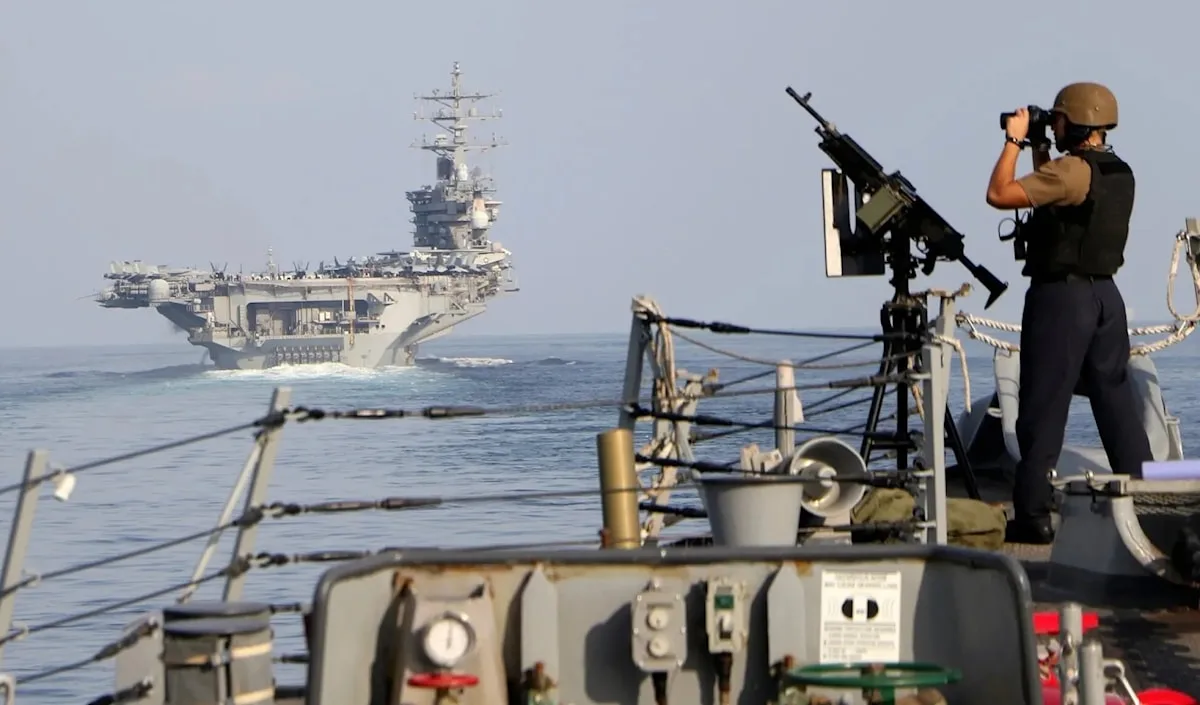
Parallel to the insurance shock, the Strait of Hormuz entered a de facto state of near-closure after Iranian forces reportedly issued radio warnings to commercial vessels barring passage through the strategic waterway.

The direct threat prompted major oil traders and tanker operators to suspend voyages immediately. Data from S&P Global indicate traffic fell by 40–50 percent by the evening of February 28 and later dropped by around 75 percent.

Tracking data show numerous vessels either turning back or idling off the coast of Fujairah in the UAE, awaiting clarity to avoid potential targeting.

As for alternative routes, the Indian Exporters Federation noted that rerouting ships around the Cape of Good Hope, for example, adds 15–20 days to a single voyage, raising expenses and delaying deliveries.

This comes as the Suez Canal has yet to return to full capacity following Israel’s war on Gaza and the accompanying Houthi attacks in the Red Sea.

A report by Xeneta found that container shipping rates from China to the United States have declined by 32–35 percent since the start of 2026. Yet they remain 48–79 percent higher than pre–Red Sea crisis levels.

The figures underscore the fragility of global supply chains, particularly as concurrent crises in the Red Sea and the Gulf expose shipping to heightened volatility.

3. Energy Markets in Turmoil

Security concerns had already filtered into oil pricing hours before the strike began. On the day prior to the attack, Brent crude closed at $72.87 per barrel, while West Texas Intermediate settled at $67.29.

According to Capital Economics, prices could climb to $80 if the conflict remains contained, and potentially to $100 should the war drag on.

Analysts expect Asian markets to open on Monday, March 2, with a sharp upward price gap as traders incorporate a geopolitical risk premium into both spot and futures contracts particularly amid the absence of Iranian supply and ongoing threats to the world’s most critical energy transit chokepoint.

Other analysts told Reuters that the risk premium could range between 10 and 25 percent, potentially reaching 50 percent if the Strait were fully closed.

In anticipation of possible supply disruptions, OPEC+ member states are set to convene on March 1 to discuss increasing oil production beyond earlier expectations.

Sources on February 28 indicated that OPEC+ is considering a larger output increase of up to 411,000 barrels per day or possibly as much as 548,000 barrels per day at a time when Saudi Arabia and the UAE have already been ramping up exports.

Such a move would mark the end of a temporary freeze that began in January, following a quota increase of 2.9 million barrels per day in 2025.

The threat extends beyond oil. Roughly 20 percent of global liquefied natural gas (LNG) trade transits the Strait of Hormuz.

Tracking data show that at least 14 LNG carriers have slowed, halted, or altered course posing serious risks to Qatari gas exports, a cornerstone of energy security in Asian and European markets.

4. Aviation Paralyzed

The aviation and travel sector has also been dealt a severe blow as military strikes expanded, prompting aviation authorities across several countries to issue closure notices for 11 airspaces in the Middle East, including Iran, Israel, Lebanon, Iraq, and several Gulf states.

The sweeping closures effectively paralyzed regional air traffic, forcing global airlines to cancel hundreds of flights. Air India alone announced the cancellation of 180 flights to the region as a precautionary safety measure.

According to data from aviation analytics firm Cirium, approximately 24 percent of flights to the Middle East were canceled on the first day of the strikes. Half of flights to Qatar and Israel were scrapped, along with 28 percent of flights to Kuwait a pattern that continued into the second day.

Some flights have been rerouted along longer corridors via Iraq and Turkey, adding hours to travel time and increasing fuel consumption and insurance costs.

These cancellations translate into losses for airlines and oil companies reliant on business travel, while also placing pressure on tourism and hospitality sectors across the Gulf.

They also disrupt fast-moving supply chains tied to air freight, delaying sensitive cargo such as pharmaceuticals and electronics.

In sum, the first two days of war demonstrate how swiftly markets and maritime and aviation industries respond to geopolitical shocks. The sharp escalation in marine insurance premiums and tankers’ avoidance of the Strait of Hormuz reveal the scale of economic risk.

While alternative pipelines exist most notably Saudi Arabia’s East-West pipeline, which stretches 746 miles and carries up to 5 million barrels per day to the Red Sea, and the UAE’s Habshan–Fujairah pipeline with a capacity of 1.5 million barrels per day their limited capacity means any prolonged closure of the Strait would disrupt millions of barrels per day and intensify upward pressure on oil prices.

Download this article as PDF
Share this Article
Facebook Twitter Whatsapp Whatsapp Telegram Email Copy Link
فريق التحرير
By فريق التحرير تقارير يعدها فريق تحرير نون بوست.
Follow:
Previous Article نون بوست Preemption and Prevention: The Language Through Which “Israel” Legitimizes Its Wars
Next Article نون بوست Ali Khamenei: An Entire Iranian Era Ends with an Assassination

Read More

  • U.S. Regime‑Change Policies: Why They Are Destined to Fail U.S. Regime‑Change Policies: Why They Are Destined to Fail
  • The Gulf’s Balancing Act: Iran, Israel, and Hidden Links
  • Iraq–Turkey Oil Export Treaty: Why Did Ankara Cancel It After 52 Years?
  • Syria’s Northeast on Edge: QSD Between Ankara and Damascus
  • Has Europe Changed Its Stance on Israel… or Just Its Language?
part of the design
NoonPost Weekly Newsletter

You May Also Like

U.S. Regime‑Change Policies: Why They Are Destined to Fail

U.S. Regime‑Change Policies: Why They Are Destined to Fail

إسراء سيد Esraa sayed 8 April ,2026
The Gulf’s Balancing Act: Iran, Israel, and Hidden Links

The Gulf’s Balancing Act: Iran, Israel, and Hidden Links

فريق التحرير Noon Post 8 April ,2026
Iraq–Turkey Oil Export Treaty: Why Did Ankara Cancel It After 52 Years?

Iraq–Turkey Oil Export Treaty: Why Did Ankara Cancel It After 52 Years?

فريق التحرير Noon Post 8 April ,2026

شكل النظام السياسي التركي ما بعد انتخابات 2015

علي باكير
علي باكير Published 20 May ,2015
Share
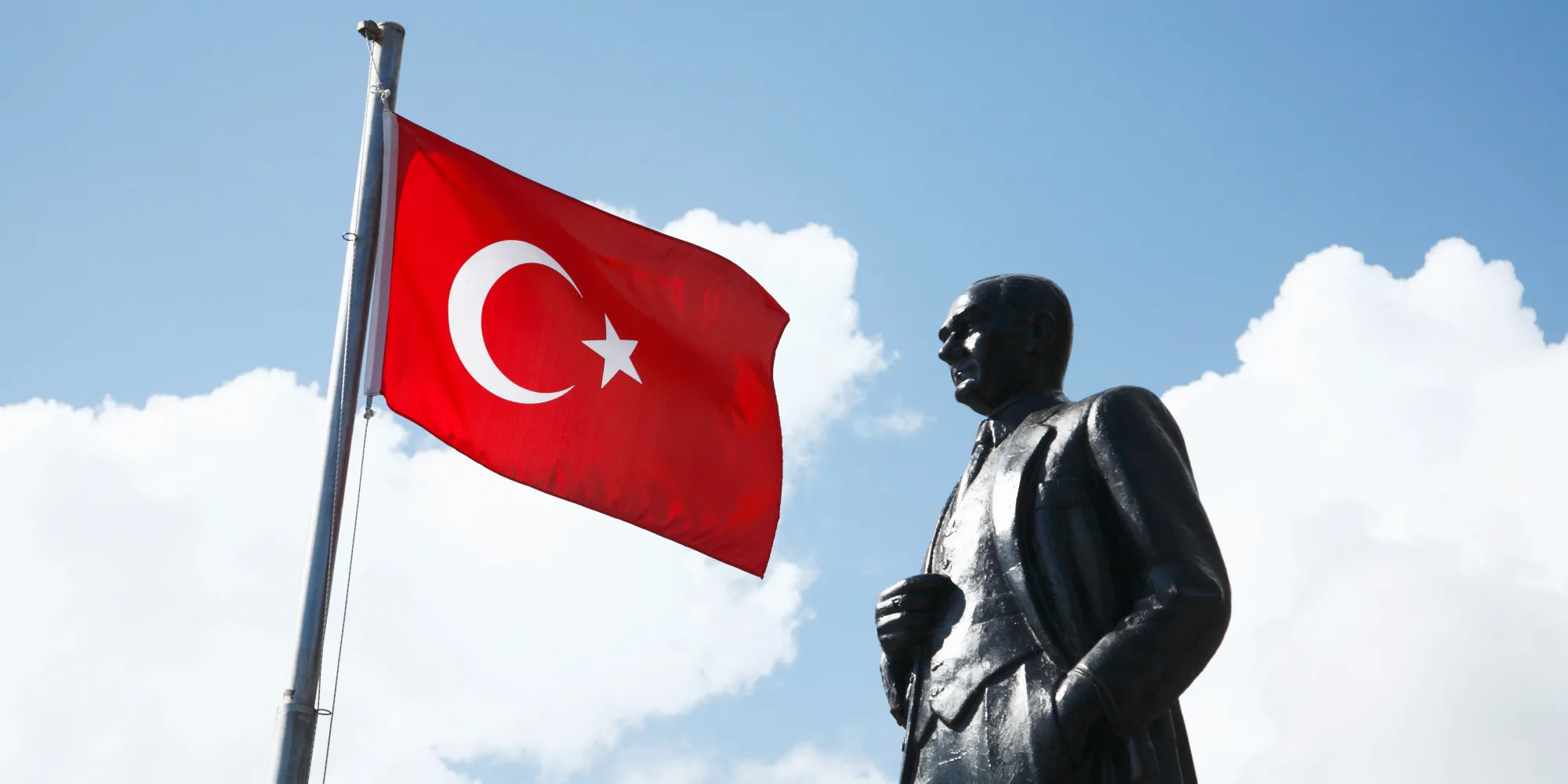
o-TURKEY-FLAG-facebook

وُضِع الدستور الموجود في تركيا حاليًا عام 1982 إثر الانقلاب العسكري الذي قام به الجنرال كنعان إيفرين عام 1980؛ والذي توفي قبل بضعة أيام عن عمر يناهز الـ 98 عامًا، وقد نصّب إيفرين نفسه في تلك الفترة رئيسًا للبلاد واضعًا صلاحيات تنفيذية وتشريعية وقضائية واسعة لمنصب رئاسة الجمهورية كي يُحكم قبضته على النظام السياسي في البلاد.

وينص دستور عام 1982 وفق المادة 8 على أن السلطة التنفيذية تُمارَس وتنفذ من قِبل رئيس الجمهورية ومجلس الوزراء (من ضمنه رئيس مجلس الوزراء)، وبرغم الصلاحيات الواسعة التي منحها هذا الدستور لموقع رئاسة الجمهورية وفق المادة 104 (الفقرات: أ، ب،ج)، فقد بقي النظام السياسي برلمانيًا، حيث يقوم الشعب باختيار ممثليه الذين يقومون بدورهم باختيار رئيس للجمهورية في وقت يعرض فيه رئيس الحكومة حكومته على البرلمان لنيل الثقة، ويكون دور رئيس الجمهورية في النظام البرلماني رمزيًا ولا يستخدم بعض الصلاحيات المنصوص عليها إلا في الحالات القصوى والاستثنائية والبعض الآخر في حدوده الدنيا، وقد جرت عادة الرؤساء اللاحقين على اتباع هذه القاعدة.

في العام 2007، أُدخلت بعض التعديلات على بعض مواد الدستور من بينها تعديلات تنص على انتخاب رئيس الجمهورية من قِبل الشعب مباشرة لمدة خمس سنوات قابلة للتجديد مرة واحدة، لقد كان هدف أردوغان تحويل النظام السياسي إلى نظام رئاسي لكنه لم يستطع تحقيق ذلك نظرًا لمصاعب عدة واجهته، فبقي الأمر معلقًا في الوسط.

بعد انتخاب أردوغان رئيسًا لتركيا باقتراع شعبي مباشر في أغسطس 2014 وتأكيده على أنه لن يكتفي بدور رمزي وبأنه سيكون رئيسًا نشطًا، ومع رئاسة أردوغان للحكومة عدة مرات، أصبح لدينا نظام سياسي غير واضح المعالم، فلا هو برلماني صرف (لأن الرئيس يتمتع بصلاحيات واسعة ولأنه منتخب من الشعب مباشرة)، ولا هو في الوقت نفسه نظام رئاسي صريح (لأنه لايزال لدينا رئيس حكومة ومجلس وزراء ينال الثقة من البرلمان).

عمليًا، أصبح النظام السياسي قريبًا من النظام نصف الرئاسي أو شبه الرئاسي دون أن يكون كذلك مئة بالمئة، ودون أن ينص الدستور على ذلك صراحة، هذه الحالة من الجمع بين نظام برلماني وبين رئيس منتخب من قِبل الشعب مباشرة بصلاحيات واسعة ومفعّلة، يخلق وضعًا شاذًا لا يمكن للنظام السياسي معه أن يعمل بشكل صحيح لأنه يخلق حالة من عدم التوازن بين السلطات ومن التضارب في الصلاحيات أيضًا.

تمّ تجاوز هذه المعضلة مؤقتًا نظرًا لأن رئيس الجمهورية ورئيس الحكومة من نفس الخط السياسي، ولأن رئيس الوزراء لا يصطدم مع رئيس الجمهورية، فإن الأمور لاتزال تسير على ما يرام، لكن هذه المعادلة غير مستقرة ودقيقة ولا يمكن أن تصمد لفترات طويلة، وهي تقوض وفق كثيرين من عملية الفصل بين السلطات وتعمل على تآكل دولة المؤسسات والقانون.

وقد شكّل هذا المعطى دافعًا إضافيًا لحزب العدالة والتنمية للإسراع في تعديل النظام السياسي إلى نظام رئاسي، لكنّ تحقيق هذا الهدف يتطلب منه إمّا الحصول في الانتخابات البرلمانية المقبلة في 7 يونيو 2015 على أكثر من ثلثي أصوات البرلمان أي 367 مقعدًا من أصل 550 ليعدله بشكل أوتوماتيكي دون الحاجة إلى رأي أو مساعدة أي أحد، وإما الحصول على 333 من أصل 550 تخوّله طرح التعديل الدستوري على الاستفتاء العام.

المفارقة هنا أن جميع الأحزاب تقريبًا في تركيا تريد دستورًا جديدًا للبلاد، لكن غالبيتها يرفض تحويل النظام إلى نظام رئاسي فاعل باستثناء حزب العدالة، وعلى فرض أن حزب العدالة فشل في الحصول على أي من هذين الخيارين المذكورين لتحويل النظام إلى نظام رئاسي، فإن النظام سيبقى على وضعه الحالي الهجين وهي صيغة ربما أسوأ من غيرها لأن النظام الهجين ( غير برلماني وغير رئاسي) سيترسّخ حينها وسيكون مصدرًا لحالة عدم الاستقرار في البلاد.

وفي الوقت الذي تلعب فيه أحزاب المعارضة على وتر معارضة تحول النظام السياسي في البلاد إلى نظام رئاسي من أجل كسب المزيد من الأصوات كما يفعل “حزب الشعوب الديمقراطية” الكردي الذي يقول صادقًا إن حصوله على 10% من أصوات الناخبين سيعرقل مشروع حزب العدالة والتنمية بالتحول إلى نظام رئاسي، يلعب الأخير الورقة بشكل معكوس، إذ يحض أنصاره على التصويت من أجل تعديل الدستور والتحول إلى نظام رئاسي أكثر فعالية واستقرارًا وإنتاجًا.

وبين هذا وذلك، سيكون صوت الناخب التركي هو الفصل في الموضوع، علمًا أن استطلاعات الرأي الحالية التي أُجريت مؤخرًا لم تحسم الأمر حتى الآن، فمازالت هناك استطلاعات تشير إلى إمكانية أن يحصد الحزب الكردي قرابة الـ 10% من أصوات الناخبين (وإن كان كثيرون يعتقدون أنه أمر صعب جدًا)، فيما تشير أخرى إلى أنه سيفشل.

TAGGED: الانتخابات البرلمانية التركية ، الدستور التركي ، النظام الرئاسي التركي ، حزب الشعوب الديموقراطية ، حزب العدالة والتنمية
TAGGED: الانتخابات التركية
Download this article as PDF
Share this Article
Facebook Twitter Whatsapp Whatsapp Telegram Email Copy Link
علي باكير
By علي باكير باحث في العلاقات الدولية والشؤون الاستراتيجية
Follow:
Next Article نون بوست The Stigma of “ISIS”: A Heavy Legacy Haunting Women and Children of Former Members
part of the design
NoonPost Weekly Newsletter
dark

An independent media platform founded in 2013, rooted in slow journalism, producing in-depth reports, analysis, and multimedia content to offer deeper perspectives on the news, led by a diverse young team from several Arab countries.

  • Politics
  • Society
  • Rights & Liberties
  • Opinions
  • History
  • Sports
  • Education
  • Technology
  • Economy
  • Media
  • Arts & Literature
  • Entrepreneurship
  • Travel
  • Cinema & Drama
  • Food
  • Health
  • Culture
  • Latest Reports
  • Files
  • Long Reads
  • Interviews
  • Podcast
  • Interactive
  • Encyclopedia
  • In Pictures
  • About Us
  • Our Writers
  • Write for Us
  • Editorial Policy
  • Advanced Search
Some rights reserved under a Creative Commons license

Removed from favorites

Undo
Go to mobile version