NoonPost NoonPost

NoonPost

  • Home
  • Politics
  • Economy
  • Society
  • Culture
  • Files
  • Long Reads
  • Podcast
AR
Notification Show More
نون بوست
“There Are Nights I Can’t Close My Eyes”: How Gazans Are Living in Homes on the Brink of Collapse
نون بوست
From al-Jolani to Ahmad al-Shara: The Evolution of Syria’s New Leader
نون بوست
When Political Islam Receded in Egypt: Who Filled the Void?
نون بوست
An Extension of Genocide: Gaza’s Detainees Speak Out
نون بوست
A Tightrope Between Survival and Sovereignty: The Syrian Government Faces Normalization Pressures
نون بوست
American Aircraft Carriers: Has the Era of “100,000 Tons of Diplomacy” Ended?
نون بوست
U.S. Regime‑Change Policies: Why They Are Destined to Fail
نون بوست
Transformations of Israeli Judaism: Between the Victim Complex and the Colonizer’s Doctrine
نون بوست
The Gulf’s Balancing Act: Iran, Israel, and Hidden Links
نون بوست
Iraq–Turkey Oil Export Treaty: Why Did Ankara Cancel It After 52 Years?
نون بوست
Syria’s Northeast on Edge: QSD Between Ankara and Damascus
نون بوست
Has Europe Changed Its Stance on Israel… or Just Its Language?
NoonPost NoonPost
AR
Notification Show More
نون بوست
“There Are Nights I Can’t Close My Eyes”: How Gazans Are Living in Homes on the Brink of Collapse
نون بوست
From al-Jolani to Ahmad al-Shara: The Evolution of Syria’s New Leader
نون بوست
When Political Islam Receded in Egypt: Who Filled the Void?
نون بوست
An Extension of Genocide: Gaza’s Detainees Speak Out
نون بوست
A Tightrope Between Survival and Sovereignty: The Syrian Government Faces Normalization Pressures
نون بوست
American Aircraft Carriers: Has the Era of “100,000 Tons of Diplomacy” Ended?
نون بوست
U.S. Regime‑Change Policies: Why They Are Destined to Fail
نون بوست
Transformations of Israeli Judaism: Between the Victim Complex and the Colonizer’s Doctrine
نون بوست
The Gulf’s Balancing Act: Iran, Israel, and Hidden Links
نون بوست
Iraq–Turkey Oil Export Treaty: Why Did Ankara Cancel It After 52 Years?
نون بوست
Syria’s Northeast on Edge: QSD Between Ankara and Damascus
نون بوست
Has Europe Changed Its Stance on Israel… or Just Its Language?
Follow US

3,500 Detainees: What Lies Ahead for Syrian ISIS Fighters Transferred to Iraq?

فريق التحرير
Noon Post Published 26 March ,2026
Share
نون بوست
نون بوست
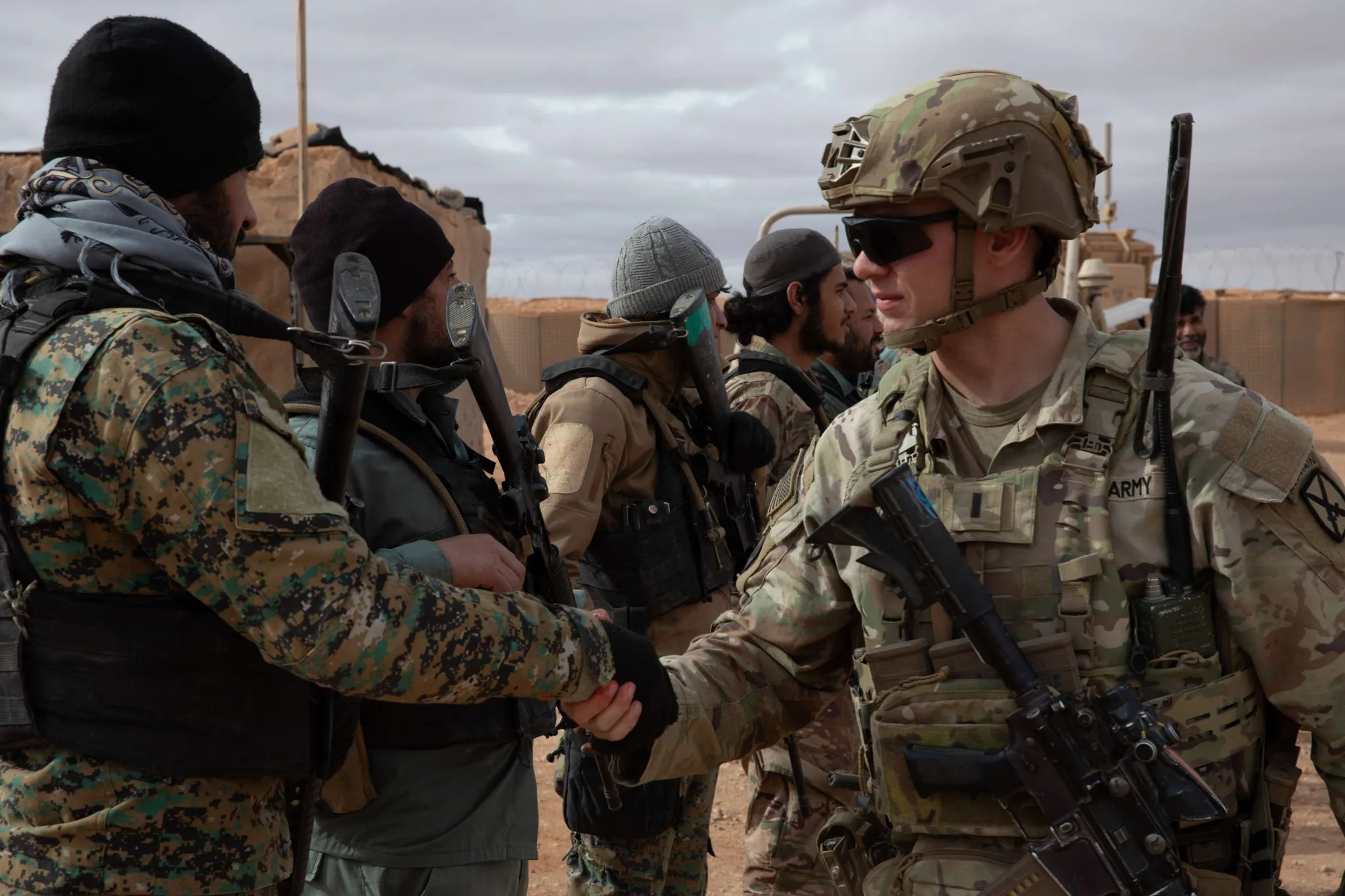
A US soldier shakes hands with a Syrian soldier (CENTCOM)

The United States Central Command (CENTCOM) launched a new mission on January 21 to transfer Islamic State (ISIS) detainees from northeast Syria to Iraq, in a move aimed at ensuring the prisoners remain in secure detention facilities, according to a CENTCOM statement.

U.S. forces relocated 150 ISIS detainees who had been held in a detention facility in al-Hasakah, Syria, to a secure site in Iraq. Admiral Brad Cooper, commander of CENTCOM, said that “facilitating the orderly and secure transfer of ISIS detainees is critical to preventing any escape that could pose a direct threat to the United States and regional security.”

More than 5,700 fighters have reportedly been transferred from detention facilities in Syria to Iraq, including 3,543 Syrian detainees. Despite being Syrian nationals detained on Syrian territory, U.S. authorities opted to move them to Iraq for trial.

Noon Post spoke with legal experts and researchers to examine the legality of transferring Syrian detainees from Syria to Iraq, as well as the motivations behind Washington’s decision to move them rather than keep them in Syria.

The Legal Perspective

On February 18, Major General Saad Maan, head of Iraq’s Security Media Cell, announced that the coming months would see the trial of ISIS detainees. He noted that preliminary investigations had been completed for 500 of the prisoners.

After the completion of the initial investigations and in accordance with Iraqi law and established procedures, trials will proceed under Iraq’s Penal Code, Maan said, adding that sentencing and implementation would take place inside Iraq.

Article 6 of Iraqi law grants the country full authority to investigate, prosecute, and carry out sentences against any detainees present on Iraqi territory, regardless of nationality, according to Maan.

For his part, Adnan Faihan, First Deputy Speaker of Iraq’s Parliament, stated that prisoners who committed crimes against the Iraqi people must be tried under Iraqi law.

However, Syrian lawyer and international criminal law researcher Mohammed Harbali told Noon Post that Syrian courts retain jurisdiction over all Syrians accused of committing crimes, whether inside or outside the country, under the principle of active nationality jurisdiction.

Accordingly, he argued, there is no legal basis for transferring Syrian defendants from Syrian territory to be tried in another country, regardless of the gravity of their alleged crimes, as doing so would constitute an infringement on the jurisdiction of Syrian courts.

Yet Harbali acknowledged that current conditions may not allow for trials inside Syria. “The circumstances in the country are not presently conducive to such proceedings,” he said, noting that otherwise the Syrian government would not have permitted their transfer to Iraq.

In principle, he added, there is no explicit international legal obligation requiring a state to repatriate its nationals involved in criminal activity. Nonetheless, this does not preclude the Syrian government from later requesting that Iraq hand over Syrian detainees accused of ISIS affiliation, based on the personal and territorial jurisdiction of Syrian courts.

As for appeals, Harbali explained: “In theory, Syrian detainees have the right to challenge Iraqi jurisdiction on the grounds that, as Syrians, they should be tried before Syrian courts. In practice, however, they now fall under Iraqi jurisdiction particularly as Iraq considers itself competent to prosecute ISIS members if their crimes were committed on its soil or against its citizens.”

Fragile Trust or Burden-Sharing?

Syria joined the Global Coalition to Defeat ISIS in November 2025. The United States signaled openness toward the new leadership in Damascus, marked by three meetings between Syrian President Ahmad al-Sharaa and U.S. President Donald Trump, the lifting of economic sanctions imposed under the Caesar Act, and U.S. pressure on Security Council members to remove the Syrian president from terrorism lists.

The decision to transfer ISIS detainees followed chaos triggered by fighting that erupted on January 17 between the Syrian army and the Syrian Democratic Forces (SDF) in northeast Syria. The two sides traded accusations over the release of ISIS detainees from al-Shaddadi prison, which had been under SDF control during the clashes.

The move has raised questions about the depth of U.S. trust in its new partner in Damascus and why Washington chose to transfer the detainees to Iraq—including Syrians among them rather than hand over prison administration to the Syrian government, as had reportedly been planned last year.

Political analyst Ayman al-Dasouqi argues that the U.S. national security doctrine announced by the Trump administration in late 2025 rested on several key principles: burden-sharing, strengthening allies’ capacities, and building partnerships.

In this context, al-Dasouqi told Noon Post, the transfer of ISIS detainees to Iraq can be understood as part of a broader approach to distributing responsibilities between Syria and Iraq—particularly as the Syrian government has expanded its control following recent developments in northeast Syria.

He added that the relative newness of Syria’s security institutions, and their need for time and regional and international support to rebuild their structures in policing and counterterrorism, make this arrangement a pragmatic transitional solution.

Meanwhile, academic and researcher on Islamist movements Abdulrahman al-Haj believes the transfer of ISIS detainees to Iraq is driven by several factors:

  1. Security concerns: To ensure that security lapses or military operations against the SDF do not result in prisoner escapes.

  2. Political considerations: Distrust of the SDF, which previously used detainees in Raqqa as leverage against both the United States and the Syrian government.

  3. Fears of infiltration: Concerns about breaches within Syrian government security forces, amid resentment among some former members of Hay’at Tahrir al-Sham over al-Sharaa’s political direction and his alignment with the coalition. A similar breach occurred in the Palmyra incident.

  4. Stability: Reducing the burden on the Syrian government, consolidating control over the Jazira region, facilitating national unification, and easing pressure during a fragile transition.

How Will Syria Handle the File?

The Syrian Foreign Ministry welcomed the transfer of ISIS detainees from Syria to Iraq. On January 21, a Foreign Ministry source told Al Jazeera that Syria views the step as significant for enhancing security and stability and is committed to providing the necessary logistical and security support for the operation.
نون بوست
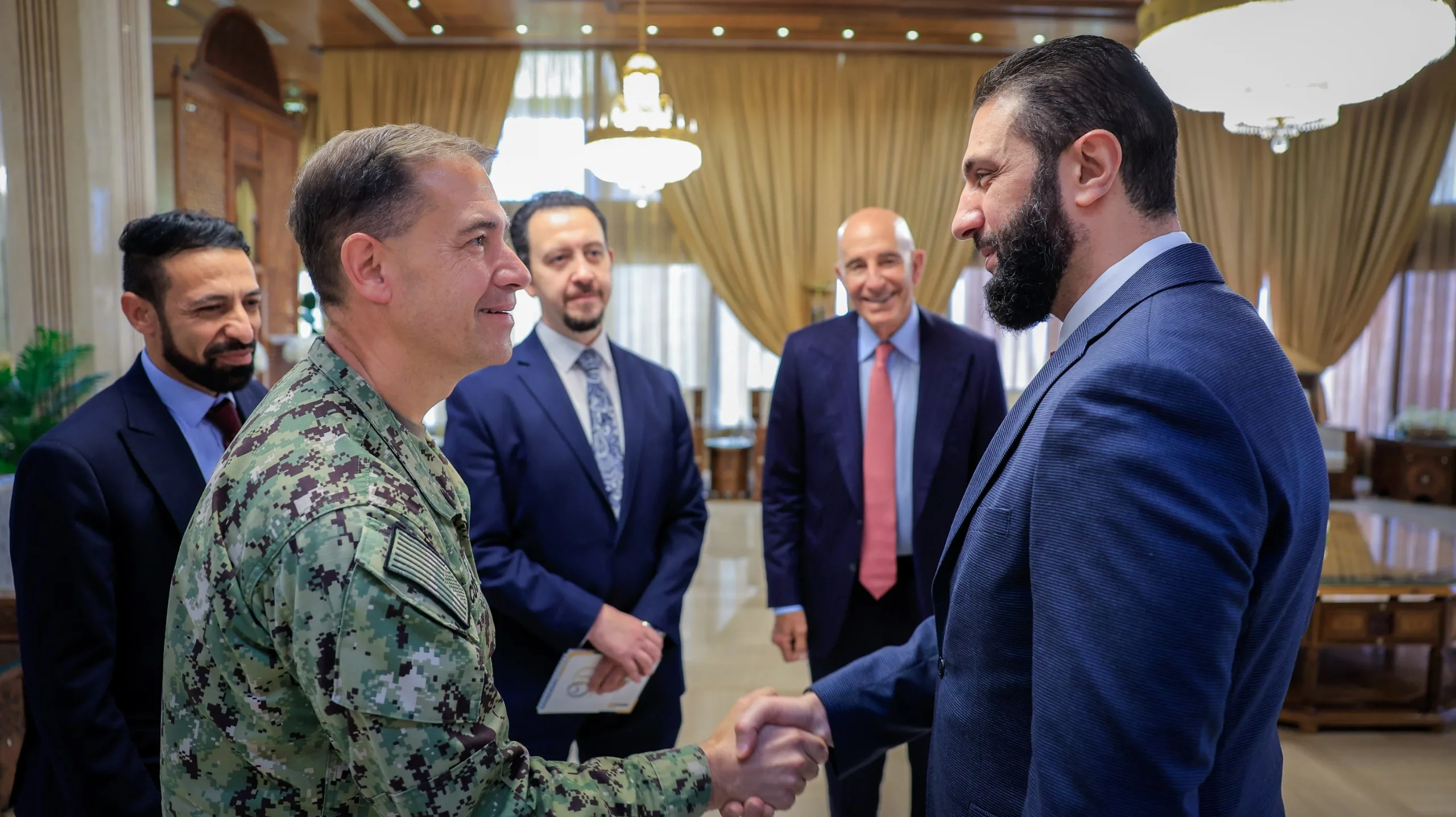
Al-Sharaa with CENTCOM Commander Cooper, October 7, 2025 (Presidency of the Syrian Arab Republic)

Syrian Foreign Minister Asaad al-Shibani also welcomed Iraq’s agreement to receive the detainees, stating, “We thank Iraq for sharing the burden with us regarding the terrorist ISIS detainees.”

Iraq, however, clarified that receiving and holding the detainees is temporary and that countries must take back their nationals. On January 25, Iraqi Prime Minister Mohammed Shia’ al-Sudani said the transfer of ISIS detainees from Syria to Iraqi prisons is “temporary,” urging concerned states to repatriate their citizens and put them on trial to ensure they receive just punishment.

Iraq has engaged in active discussions with Turkey and Russia regarding the repatriation of nationals involved with ISIS. The Russian ambassador expressed Moscow’s readiness to proceed with an agreement to retrieve Russian inmates held in Iraqi prisons, while Turkey agreed to repatriate Turkish citizens among the ISIS-affiliated detainees transferred from Syria to Iraq.

As of the time of publication, no official statement had been issued by the Syrian government regarding the fate of Syrian nationals transferred to Iraq.

Al-Dasouqi argues that managing this file requires developing institutional structures and clear legal frameworks, necessitating joint Syrian-Iraqi efforts to establish sustainable arrangements.

Counterterrorism, he said, represents a shared strategic interest for both countries and demands a long-term approach based on security coordination, intelligence-sharing, and strengthening institutional capacities to safeguard regional stability and prevent extremist groups from reconstituting.

Harbali, for his part, maintains that Iraqi courts lack jurisdiction to try these detainees and that Iraq does not have a special tribunal dedicated to ISIS crimes. Establishing an international tribunal akin to those for Yugoslavia or Rwanda would require a UN Security Council resolution an unlikely prospect amid current political divisions.

The preferable solution, he suggested, would be the creation of a special court through a multilateral agreement among several states such as coalition members modeled on the Nuremberg Tribunal, which was established by the Allied powers under the 1945 London Agreement to prosecute Nazi war criminals after World War II.

Abdulrahman al-Haj believes that returning Syrian fighters for trial in Syria hinges on a security agreement guaranteeing fair proceedings under conflict-of-laws principles a scenario that appears distant, given that the conditions prompting their transfer remain in place.

Download this article as PDF
Share this Article
Facebook Twitter Whatsapp Whatsapp Telegram Email Copy Link
فريق التحرير
By فريق التحرير تقارير يعدها فريق تحرير نون بوست.
Follow:
Previous Article نون بوست New Delhi–Tel Aviv: How India’s Ambitions Threaten Middle East Equilibriums
Next Article نون بوست Corruption Amid Starvation: How the War Economy Pierced the Siege on Gaza

Read More

  • U.S. Regime‑Change Policies: Why They Are Destined to Fail U.S. Regime‑Change Policies: Why They Are Destined to Fail
  • The Gulf’s Balancing Act: Iran, Israel, and Hidden Links
  • Iraq–Turkey Oil Export Treaty: Why Did Ankara Cancel It After 52 Years?
  • Syria’s Northeast on Edge: QSD Between Ankara and Damascus
  • Has Europe Changed Its Stance on Israel… or Just Its Language?
part of the design
NoonPost Weekly Newsletter

You May Also Like

U.S. Regime‑Change Policies: Why They Are Destined to Fail

U.S. Regime‑Change Policies: Why They Are Destined to Fail

إسراء سيد Esraa sayed 8 April ,2026
The Gulf’s Balancing Act: Iran, Israel, and Hidden Links

The Gulf’s Balancing Act: Iran, Israel, and Hidden Links

فريق التحرير Noon Post 8 April ,2026
Iraq–Turkey Oil Export Treaty: Why Did Ankara Cancel It After 52 Years?

Iraq–Turkey Oil Export Treaty: Why Did Ankara Cancel It After 52 Years?

فريق التحرير Noon Post 8 April ,2026

ما الذي استفادته السعودية من خفض أسعار النفط؟

جون ميشيل
جون ميشيل Published 21 May ,2015
Share
4636876_3_6a04_des-pompes-a-petrole-dans-le-desert-de_26ce567b24abc42ee6b6d7f93c6190a4

ترجمة من الفرنسية وتحرير نون بوست

ماذا لو أن إستراتيجية السعودية بدأت تؤتي أكلها؟ فبعد أن انهارت أسعار النفط لأقل من 45 دولارًا في نيويورك و50 دولارًا في لندن في فبراير، عادت أسعار النفط إلى الارتفاع في الشهرين الأخيرين ليتأرجح السعر بين 60 و65 دولارًا، فبقيادة الرياض، قررت منظمة البلدان المصدرة للبترول (أوبك)، في أواخر نوفمبر عام 2014، مواصلة الإنتاج بكميات كبيرة من دون القلق بشأن الأسعار وذلك لإخضاع جميع الدول المنتجة للنفط بأسعار مرتفعة بما في ذلك الولايات المتحدة الأمريكية، من خلال إنتاجها للنفط الصخري، وتراجعت الأسعار بعد الذروة التي بلغتها في يونيو 2014 لتتسارع أوائل 2015 (أقل من 60٪) قبل أن تستقر في مارس وتعود إلى الارتفاع إلى حوالي 20٪ في المتوسط.

كيف سيكون العرض والطلب خلال هذا الصيف؟

قالت نوال الفزيع، مُمثل الكويت في منظمة أوبك، يوم الثلاثاء 19 مايو، إنها تتوقع توازن السوق النفطي في النصف الثاني من العام، ما سيدعم الأسعار، كما أضافت أن الأسعار آخذة في التحسن، ونمو الإمدادات من خارج أوبك – بما في ذلك النفط الصخري – أقل من ذي قبل والطلب يتعافى، وغيرت كل من أوبك ووكالة الطاقة الدولية (IEA) مؤشراتها نحو الارتفاع قليلاً فيما يخص توقعات استهلاك الذهب الأسود.

ولكن ارتفاع الأسعار يرجع معظمه بسبب المضاربة، بحسب الخبراء لدى كومرتس بنك، وقال كريستوفر دمبيك، الاقتصادي في ساكسو بنك إن “الزيادة بحوالي 20 دولارًا منذ يناير ليست سوى التعديل اللازم ونتيجة لجني الأرباح للمستثمرين، وهي ليست علامة على عودة التوازن لأساسيات السوق”.

السوق لايزال غير متوازن

لايزال السوق غير متوازن من خلال العرض الذي لايزال أعلى بكثير من الطلب بحوالي 2 مليون برميل يوميًا (من 90 مليون برميل)، وفقًا لأحدث تقرير شهري لوكالة الطاقة الدولية، الذي نشر في منتصف مايو، وقد توقف إنتاج النفط الصخري في الولايات المتحدة، ولكن هذا الاستقرار تم تعويضه من قِبل دول أخرى مثل روسيا والبرازيل على وجه الخصوص، أما بالنسبة للسعوديين، فقد واصلوا بنفس وتيرة الإنتاج، ففي شهر مارس، صدّرت شركة أرامكو السعودية 7.9 مليون برميل يوميًا، وهو أعلى مستوى لها منذ تسع سنوات.

كما استعاد العراق حصته في السوق على الرغم من تهديدات تنظيم داعش، الذي لم يتمكن من السيطرة على المناطق النفطية الرئيسية في كردستان (شمالاً) وفي الجنوب، وقد صدّرت بغداد 3 ملايين برميل في شهر مارس، كما أنه لم يكن هناك تراجع في إنتاج الكويت والإمارات العربية المتحدة والنرويج، كما تثير إيران مسألة تصدير 2.5 مليون برميل (مليون برميل حاليًا) إذا تمكنت من الوصول، في نهاية يونيو، إلى اتفاق نهائي مع الغرب حول برنامجها النووي.

في هذا السياق، يبدو واضحًا أن أعضاء أوبك الاثنى عشر الذين سيجتمعون في فيينا يومي 4 و5 يونيو، سيحافظون على حصتهم الرسمية والبالغة 30 مليون برميلاً يوميًا، هذا السقف الذي لا يترددون في تجاوزه بعد أن ضخوا 31.2 مليون برميلاً في اليوم في أبريل، وبغض النظر عن السعر، وسترضى دول الخليج العربي بسعر أقل بكثير من 100 دولار، وسيعتمدون على احتياطياتهم من عائدات النفط لتمويل إنفاقهم، وهكذا لا يوجد سعر عادل للنفط، فالأجوبة تختلف باختلاف الوضع الاقتصادي والاجتماعي والديموغرافي لكل بلد منتج.

مكاسب في الإنتاج

طرح رئيس فنزويلا، نيكولاس مادورو، مسألة استقرار الأسعار في حدود 100 دولار، وهو السعر الذي “تم اعتماده في الاقتصاد العالمي” في السنوات الأخيرة، أعضاء أوبك مثل نيجيريا والجزائر والعراق وإيران في حاجة أيضًا إلى رفع الأسعار لتحقيق التوازن في ميزانياتهم، ولكن بعض أعضاء أوبك البارزين قالوا مؤخرًا إن الأسعار لن تتجاوز 100 دولار، وحتى على المدى المتوسط، وجاءت هذه التصريحات من دول الخليج العربي، الذين يحتاجون إلى أسعار منخفضة أكثر من غيرهم لتحقيق التوازن في ميزانياتهم وتمويل الإنفاق الاجتماعي المهم.

والسؤال المطروح الآن هو: هل سنرى تغييرات كبيرة في أسعار النفط؟، علمًا وأن تعديل الأسعار يعتمد بشكل كبير على إنتاج الولايات المتحدة المرن للغاية؟ وبحسب وكالة الطاقة الدولية “فإن الانتعاش القوي في أسعار خام غرب تكساس الوسيط (الخام الأمريكي) في أبريل يعطي الأمل لمنتجي النفط الصخري”.

وقال باتريك أرتوس، رئيس البحوث الاقتصادية في ناتيكسيس “إن سعر النفط، بدلاً من أن يتغير لفترات طويلة من الزمن، يمكن أن يظهر الآن تذبذبات على مدى فترات زمنية أقصر، سنتين على سبيل المثال، وهذه التذبذبات في أسعار النفط الخام ستكون نتيجة الاستجابة السريعة لارتفاع أو انخفاض إنتاج النفط غير التقليدي في الولايات المتحدة، ولكن أيضًا من خلال ظهور سلوك التخزين الانتهازي، وخاصة في الصين”، وتعتبر وكالة الطاقة الدولية أنه “من السابق لأوانه القول بأن أوبك قد كسبت المعركة في الحصول على حصص جديدة في السوق”.

المصدر: صحيفة لوموند

TAGGED: أسعار النفط ، أوبك ، إنتاج النفط ، ارتفاع أسعار النفط ، الدول المصدرة للنفط
Download this article as PDF
Share this Article
Facebook Twitter Whatsapp Whatsapp Telegram Email Copy Link
جون ميشيل
By جون ميشيل صحفي في جريدة لوموند الفرنسية
Follow:
Next Article نون بوست The Stigma of “ISIS”: A Heavy Legacy Haunting Women and Children of Former Members

Read More

  • U.S. Regime‑Change Policies: Why They Are Destined to Fail U.S. Regime‑Change Policies: Why They Are Destined to Fail
  • The Gulf’s Balancing Act: Iran, Israel, and Hidden Links
  • Iraq–Turkey Oil Export Treaty: Why Did Ankara Cancel It After 52 Years?
  • Syria’s Northeast on Edge: QSD Between Ankara and Damascus
  • Has Europe Changed Its Stance on Israel… or Just Its Language?
part of the design
NoonPost Weekly Newsletter

You May Also Like

U.S. Regime‑Change Policies: Why They Are Destined to Fail

U.S. Regime‑Change Policies: Why They Are Destined to Fail

إسراء سيد Esraa sayed 8 April ,2026
The Gulf’s Balancing Act: Iran, Israel, and Hidden Links

The Gulf’s Balancing Act: Iran, Israel, and Hidden Links

فريق التحرير Noon Post 8 April ,2026
Iraq–Turkey Oil Export Treaty: Why Did Ankara Cancel It After 52 Years?

Iraq–Turkey Oil Export Treaty: Why Did Ankara Cancel It After 52 Years?

فريق التحرير Noon Post 8 April ,2026
dark

An independent media platform founded in 2013, rooted in slow journalism, producing in-depth reports, analysis, and multimedia content to offer deeper perspectives on the news, led by a diverse young team from several Arab countries.

  • Politics
  • Society
  • Rights & Liberties
  • Opinions
  • History
  • Sports
  • Education
  • Technology
  • Economy
  • Media
  • Arts & Literature
  • Entrepreneurship
  • Travel
  • Cinema & Drama
  • Food
  • Health
  • Culture
  • Latest Reports
  • Files
  • Long Reads
  • Interviews
  • Podcast
  • Interactive
  • Encyclopedia
  • In Pictures
  • About Us
  • Our Writers
  • Write for Us
  • Editorial Policy
  • Advanced Search
Some rights reserved under a Creative Commons license

Removed from favorites

Undo
Go to mobile version