NoonPost NoonPost

NoonPost

  • Home
  • Politics
  • Economy
  • Society
  • Culture
  • Files
  • Long Reads
  • Podcast
AR
Notification Show More
نون بوست
“There Are Nights I Can’t Close My Eyes”: How Gazans Are Living in Homes on the Brink of Collapse
نون بوست
From al-Jolani to Ahmad al-Shara: The Evolution of Syria’s New Leader
نون بوست
When Political Islam Receded in Egypt: Who Filled the Void?
نون بوست
An Extension of Genocide: Gaza’s Detainees Speak Out
نون بوست
A Tightrope Between Survival and Sovereignty: The Syrian Government Faces Normalization Pressures
نون بوست
American Aircraft Carriers: Has the Era of “100,000 Tons of Diplomacy” Ended?
نون بوست
U.S. Regime‑Change Policies: Why They Are Destined to Fail
نون بوست
Transformations of Israeli Judaism: Between the Victim Complex and the Colonizer’s Doctrine
نون بوست
The Gulf’s Balancing Act: Iran, Israel, and Hidden Links
نون بوست
Iraq–Turkey Oil Export Treaty: Why Did Ankara Cancel It After 52 Years?
نون بوست
Syria’s Northeast on Edge: QSD Between Ankara and Damascus
نون بوست
Has Europe Changed Its Stance on Israel… or Just Its Language?
NoonPost NoonPost
AR
Notification Show More
نون بوست
“There Are Nights I Can’t Close My Eyes”: How Gazans Are Living in Homes on the Brink of Collapse
نون بوست
From al-Jolani to Ahmad al-Shara: The Evolution of Syria’s New Leader
نون بوست
When Political Islam Receded in Egypt: Who Filled the Void?
نون بوست
An Extension of Genocide: Gaza’s Detainees Speak Out
نون بوست
A Tightrope Between Survival and Sovereignty: The Syrian Government Faces Normalization Pressures
نون بوست
American Aircraft Carriers: Has the Era of “100,000 Tons of Diplomacy” Ended?
نون بوست
U.S. Regime‑Change Policies: Why They Are Destined to Fail
نون بوست
Transformations of Israeli Judaism: Between the Victim Complex and the Colonizer’s Doctrine
نون بوست
The Gulf’s Balancing Act: Iran, Israel, and Hidden Links
نون بوست
Iraq–Turkey Oil Export Treaty: Why Did Ankara Cancel It After 52 Years?
نون بوست
Syria’s Northeast on Edge: QSD Between Ankara and Damascus
نون بوست
Has Europe Changed Its Stance on Israel… or Just Its Language?
Follow US

Somaliland Woos the U.S. and Israel With Its Mineral Wealth, What Lies Beneath Its Soil?

فريق التحرير
Noon Post Published 26 March ,2026
Share
نون بوست
نون بوست

In a bid to secure American recognition, Somaliland has signaled its willingness to grant Washington preferential access to its mineral resources and to host U.S. military bases an offer it says is also on the table for Israel.

Khadr Hussein Abdi, the region’s minister of presidential affairs, said: “We are prepared to grant the United States exclusive rights in the mining sector. We are also open to the idea of proposing military bases to the United States.”

In recent weeks, Somaliland President Abdirahman Mohamed Abdullahi has publicly floated the possibility of granting Tel Aviv concessions to exploit the region’s mineral wealth. These moves come as part of Somaliland’s broader campaign to expand international recognition, after Israel became the first to recognize it as a purported independent state in late 2025.

According to Energy and Minerals Minister Ahmed Jama Barre, Somaliland contains strategic minerals, though their quantities remain unknown due to the absence of comprehensive studies. So what exactly does this territory possess?

Mineral Wealth in Somaliland

Traditional Mineral Deposits

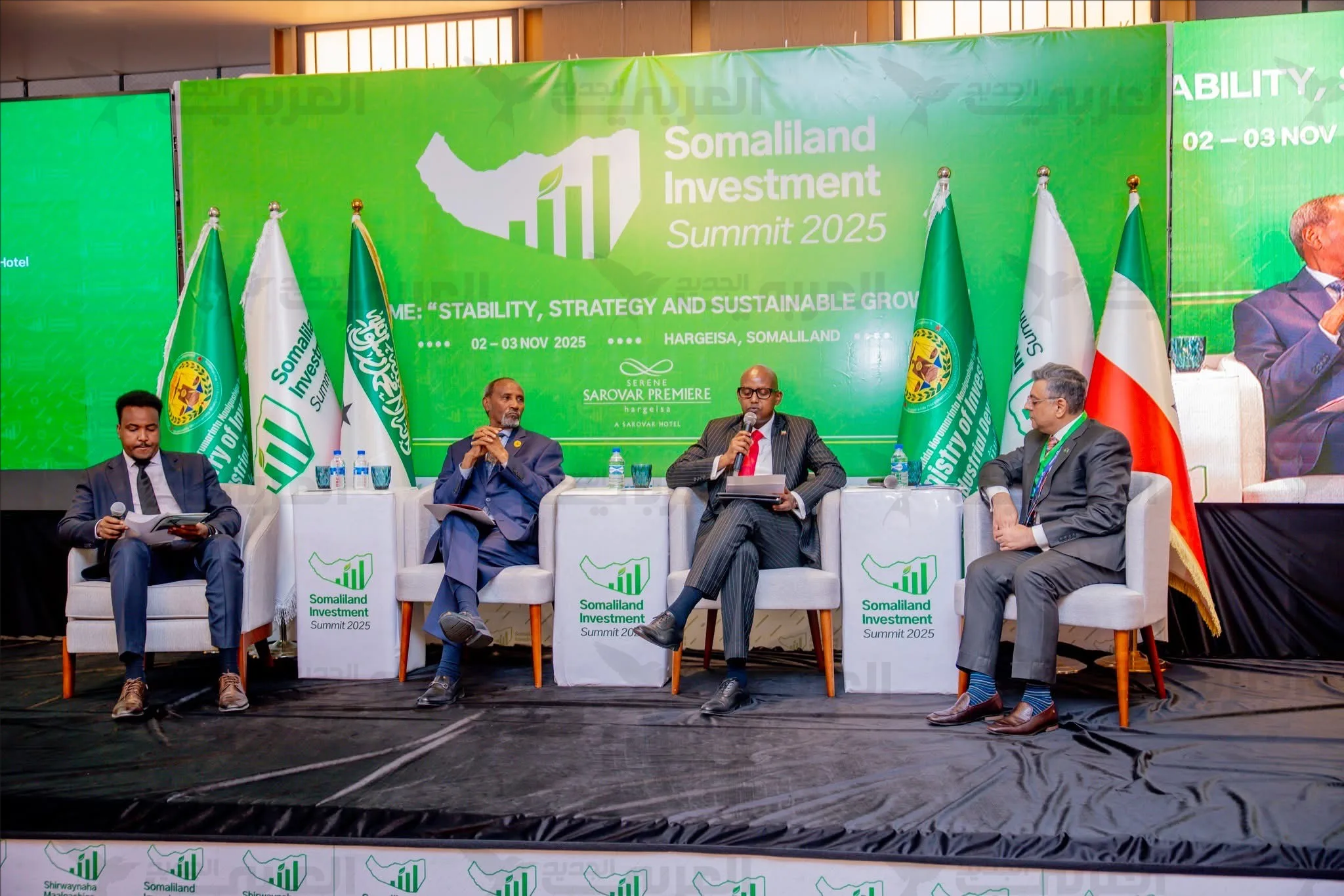
During an international investment summit held in early November in Hargeisa, the capital of Somaliland, the Ministry of Energy and Minerals presented a sweeping overview of the country’s natural wealth. The presentation noted:

  • Land covered by ancient crystalline rocks and greenstone belts is geologically similar to mineral-rich regions in Saudi Arabia, Sudan, and Eritrea.

  • Geological survey programs covering 15 percent of the most resource-rich areas identified precious metals such as gold and platinum-group metals.

  • The survey detected base metals including copper, nickel, lead, tin, and zinc.

  • It also revealed industrial minerals such as gypsum, feldspar, and quartz, alongside gemstones including emerald, amethyst, peridot, and ruby.

This list suggests that Somaliland’s resources extend far beyond its well-known livestock sector, pointing instead to a diverse geological reserve capable of underpinning a broad mining industry.

Strategic Minerals

The most compelling category is what the ministry calls “critical minerals for clean technologies.” These include lithium, cobalt, coltan (tantalum-niobium ore), manganese, and rare earth elements materials essential to batteries, electronics, and defense industries.
نون بوست
The opening session of the Hargeisa Investment Summit on November 2, 2025

Minister Ahmed Jama Barre said his ministry had granted a major lithium extraction license to a Taiwanese company, now in advanced stages of development and discussing plans to establish a battery manufacturing plant inside Somaliland. He added that Taiwanese and Chinese firms alike are interested in lithium, and that his government seeks investment from all sides without exclusion, because “what we need is recognition.”

Although detailed studies confirming these deposits remain limited, Somaliland’s ambitions are bolstered by recent research drawing on U.S. Geological Survey data suggesting that the Horn of Africa may host untapped lithium and tin deposits capable of meeting between 3 percent and 5 percent of global demand.

Oil, Gas, and Renewable Energy

Somaliland’s wealth is not limited to hard minerals. According to the energy minister, oil and gas exploration is underway in several areas by the British company Genel Energy and the UAE-based RAK Gas. Seismic surveys have been completed, and officials are pressing to accelerate the start of drilling.

In addition, the ministry is advancing renewable energy projects, citing abundant solar and wind resources an indication of a broader vision for a diversified energy economy.

Playing to Global Demand

Washington’s Need for Critical Minerals

Washington’s interest in critical minerals has surged amid China’s dominance over global supply chains. Beijing produces and refines the majority of vital minerals worldwide, accounting for roughly 70 percent of global rare earth mining and nearly 90 percent of their processing.

A U.S. State Department report notes that rare earth minerals are essential to advanced technologies and that the current market is “highly concentrated,” rendering it susceptible to political coercion and threatening U.S. interests. For this reason, Washington has pledged to develop new sources and secure safe, diversified supply chains.

The same report indicates that the United States has signed 11 new bilateral agreements to secure mineral supplies and has allocated tens of billions of dollars to extraction and processing projects. In short, the U.S. administration is seeking new partners beyond China’s orbit, viewing regions such as Somaliland as opportunities to reduce dependence on Beijing.

An opinion piece published by the American Enterprise Institute argued that Somaliland’s true wealth may lie in its rare earth elements and warned that Chinese firms are attempting to secure mining concessions there. It added that the U.S. government discourages American companies from dealing directly with Hargeisa due to the absence of official recognition allowing China to fill the vacuum.

Should Washington alter its stance and extend recognition, Somaliland’s mineral wealth could help the United States build an alternative supply chain for defense technologies and battery manufacturing.

Israel’s Search for Natural Resources

Israel is a major producer of bromine, potash, and phosphate, but it lacks significant deposits of critical minerals such as lithium or coltan. According to a U.S. Geological Survey report on Israel’s mining sector, Tel Aviv accounted for 48 percent of global bromine production in 2020 but was not listed as a producer of rare earth minerals.

World Bank trade data show that Israel’s imports of rare earth elements, scandium, and yttrium totaled $31,000 in 2024 mostly from the United Kingdom and the United States—a modest figure that nonetheless underscores the absence of domestic production.

Studies by SFA Oxford indicate that Israel’s critical minerals are largely limited to magnesium, bromine, and phosphorus. The country is therefore focusing on innovation in green chemistry and battery recycling to reduce import dependence.

Yet these initiatives cannot provide a domestic source for lithium battery components or telecommunications equipment, prompting policymakers to explore external partnerships.

President Abdirahman Mohamed Abdullahi recently declared that Somaliland is “a country rich in resources we have meat, fish, and minerals, and they [the Israelis] need them.” He added that he expects a trade agreement with Israel covering these resources.

While Israel lacks lithium and other key inputs, it boasts an advanced technology sector and expertise in desalination and desert agriculture. Observers suggest that Tel Aviv could offer technological know-how in exchange for mining concessions, and the Somaliland president has signaled his expectation of receiving “Israeli technology” in return for resources.

Download this article as PDF
Share this Article
Facebook Twitter Whatsapp Whatsapp Telegram Email Copy Link
فريق التحرير
By فريق التحرير تقارير يعدها فريق تحرير نون بوست.
Follow:
Previous Article نون بوست What Role Could Jordan Play in a Potential Strike on Iran?
Next Article نون بوست Jack Lang’s Resignation: An Earthquake at the Heart of France’s Arab Cultural Institution

Read More

  • U.S. Regime‑Change Policies: Why They Are Destined to Fail U.S. Regime‑Change Policies: Why They Are Destined to Fail
  • The Gulf’s Balancing Act: Iran, Israel, and Hidden Links
  • Iraq–Turkey Oil Export Treaty: Why Did Ankara Cancel It After 52 Years?
  • Syria’s Northeast on Edge: QSD Between Ankara and Damascus
  • Has Europe Changed Its Stance on Israel… or Just Its Language?
part of the design
NoonPost Weekly Newsletter

You May Also Like

U.S. Regime‑Change Policies: Why They Are Destined to Fail

U.S. Regime‑Change Policies: Why They Are Destined to Fail

إسراء سيد Esraa sayed 8 April ,2026
The Gulf’s Balancing Act: Iran, Israel, and Hidden Links

The Gulf’s Balancing Act: Iran, Israel, and Hidden Links

فريق التحرير Noon Post 8 April ,2026
Iraq–Turkey Oil Export Treaty: Why Did Ankara Cancel It After 52 Years?

Iraq–Turkey Oil Export Treaty: Why Did Ankara Cancel It After 52 Years?

فريق التحرير Noon Post 8 April ,2026

هل نحن جاهزون لإسقاط الأسد؟

محمد علي
محمد علي Published 22 May ,2015
Share
075c7e8e2b36f14c117cce5bd8288909

يتناقل المحللون والسياسيون هذه الأيام همسات حول اقتراب الحسم في سوريا وأن أيام النظام السوري أصبحت معدودة، مع أني أرى أن كثيرًا من هذه التحليلات بعيدة عن الواقع نسبيًا، وإن كانت صحيحة فهي ليست بالسرعة التي يفترضها البعض، لكن علينا طرح سؤال جوهري وأساسي في مثل هذا الموقف، السؤال الذي يؤرقني هو هل نحن كسوريين مناصرين للثورة السورية مستعدون لإسقاط النظام، من البديهي أن الثورة لم تقم من أجل إسقاط النظام فقط بل قامت من أجل إقامة دولة العدل والمساواة والحقوق التي ما كان لها أن تقوم إلا بإسقاط النظام، والآن لنفترض جدلًا أنه سقط بالعون الدولي والعربي، هل نحن جاهزون لإقامة دولتنا أم أننا سننتظر تلك الدول التي ساعدتنا على إسقاطه لتساعدنا في تشكيل دولتنا السورية القادمة.

إن المرحلة الانتقالية لبناء سوريا الحديثة كان يفترض بها البدء منذ اليوم الأول لتشكيل المجلس الوطني السوري ومن بعده تشكيل الائتلاف أو تشكيل الحكومة السورية المؤقتة، والحقيقة أن ولا أي واحدة من هذه المراحل ساهمت حقيقة في بدء المرحلة الانتقالية أو الإعداد لها كما يجب.

إن مؤتمرات جنيف الثاني والأول من قبله تعتمد بشكل أساسي على فكرة نقل السلطة من النظام الحالي (نظام الأسد) إلى الجسم الانتقالي لبدء المرحلة الانتقالية وهنالك اختلافات سياسية كبيرة لتفسيرات الجسم الانتقالي إن كان سيضم مكونات من النظام القديم أم لا، لكن لا أحد تحدث عن تفاصيل المرحلة الانتقالية، وبتتبع الأمر نجد أن هنالك بعض المحاولات لرسم معالم المرحلة الانتقالية منها رؤية المجلس الوطني في أبريل 2012 ورؤية مؤتمر القاهرة يوليو 2012 وكذلك رؤية مشروع اليوم التالي ورؤية مستقبل سوريا ومشروع خطة التحول الديمقراطي جميعها رؤى من مؤسسات مجتمع مدني لا تمتلك فرصة السيادة أو التأثير وغالبها لا يرقى إلى رؤى تفصيلية بل هي مجرد خطابات أو تتناول جزء من المرحلة الانتقالية دون أجزاء أخرى مهمة أيضًا.

لدى القوى السياسية والعسكرية في سوريا وخصوصًا السيادية منها الكثير من العمل ولا أٌبالغ إن قلت إن الجهد المطلوب في المرحلة الانتقالية هو أضعاف الجهد المبذول في إسقاط النظام السوري، وأتمنى أن يكون هذا الجهد جهدًا سياسيًا دبلوماسيًا بعيدًا عن السلاح.

إن قضايا المواطنة والدولة والدستور والقضية الكردية والأقليات والسياسة الخارجية والقضاء والجيش الوطني وأجهزة الأمن ومحاكم الثورة والمصالحة الوطنية وإعادة الإعمار قضايا ملحة وضرورية ولا يمكن الانتظار طويلًا بعد إسقاط النظام للبدء في ترتيباتها، لقد قصرت القيادات السياسية الثورية في الإعداد لخطط المرحلة الانتقالية وانشغلت بالانقسام السياسي والتحاصص في الائتلاف وغيرها من مؤسسات الثورة.

والآن إلى متى سيبقى هذا الأمر معلقًا وقد اقترب إسقاط النظام كما يروج إعلاميًا، السؤال برسم الائتلاف والحكومة السورية المؤقتة هل نحن جاهزون لإسقاط النظام، هذه ليست دعوة إلى عدم اسقاط النظام بل هي دعوة لاستدراك ما فات والعمل على وضع خطط لما بعد إسقاط النظام فهدفنا إقامة الدولة ولهذا قامت ثورتنا.

TAGGED: إسقاط النظام السوري ، الثورة السورية ، النظام السوري ، مستقبل الثورة السورية
TAGGED: الثورة السورية
Download this article as PDF
Share this Article
Facebook Twitter Whatsapp Whatsapp Telegram Email Copy Link
محمد علي
By محمد علي صحفي متخصص بتغطية أخبار مدينة درعا
Follow:
Next Article نون بوست The Stigma of “ISIS”: A Heavy Legacy Haunting Women and Children of Former Members
part of the design
NoonPost Weekly Newsletter
dark

An independent media platform founded in 2013, rooted in slow journalism, producing in-depth reports, analysis, and multimedia content to offer deeper perspectives on the news, led by a diverse young team from several Arab countries.

  • Politics
  • Society
  • Rights & Liberties
  • Opinions
  • History
  • Sports
  • Education
  • Technology
  • Economy
  • Media
  • Arts & Literature
  • Entrepreneurship
  • Travel
  • Cinema & Drama
  • Food
  • Health
  • Culture
  • Latest Reports
  • Files
  • Long Reads
  • Interviews
  • Podcast
  • Interactive
  • Encyclopedia
  • In Pictures
  • About Us
  • Our Writers
  • Write for Us
  • Editorial Policy
  • Advanced Search
Some rights reserved under a Creative Commons license

Removed from favorites

Undo
Go to mobile version