NoonPost NoonPost

NoonPost

  • Home
  • Politics
  • Economy
  • Society
  • Culture
  • Files
  • Long Reads
  • Podcast
AR
Notification Show More
نون بوست
“There Are Nights I Can’t Close My Eyes”: How Gazans Are Living in Homes on the Brink of Collapse
نون بوست
From al-Jolani to Ahmad al-Shara: The Evolution of Syria’s New Leader
نون بوست
When Political Islam Receded in Egypt: Who Filled the Void?
نون بوست
An Extension of Genocide: Gaza’s Detainees Speak Out
نون بوست
A Tightrope Between Survival and Sovereignty: The Syrian Government Faces Normalization Pressures
نون بوست
American Aircraft Carriers: Has the Era of “100,000 Tons of Diplomacy” Ended?
نون بوست
U.S. Regime‑Change Policies: Why They Are Destined to Fail
نون بوست
Transformations of Israeli Judaism: Between the Victim Complex and the Colonizer’s Doctrine
نون بوست
The Gulf’s Balancing Act: Iran, Israel, and Hidden Links
نون بوست
Iraq–Turkey Oil Export Treaty: Why Did Ankara Cancel It After 52 Years?
نون بوست
Syria’s Northeast on Edge: QSD Between Ankara and Damascus
نون بوست
Has Europe Changed Its Stance on Israel… or Just Its Language?
NoonPost NoonPost
AR
Notification Show More
نون بوست
“There Are Nights I Can’t Close My Eyes”: How Gazans Are Living in Homes on the Brink of Collapse
نون بوست
From al-Jolani to Ahmad al-Shara: The Evolution of Syria’s New Leader
نون بوست
When Political Islam Receded in Egypt: Who Filled the Void?
نون بوست
An Extension of Genocide: Gaza’s Detainees Speak Out
نون بوست
A Tightrope Between Survival and Sovereignty: The Syrian Government Faces Normalization Pressures
نون بوست
American Aircraft Carriers: Has the Era of “100,000 Tons of Diplomacy” Ended?
نون بوست
U.S. Regime‑Change Policies: Why They Are Destined to Fail
نون بوست
Transformations of Israeli Judaism: Between the Victim Complex and the Colonizer’s Doctrine
نون بوست
The Gulf’s Balancing Act: Iran, Israel, and Hidden Links
نون بوست
Iraq–Turkey Oil Export Treaty: Why Did Ankara Cancel It After 52 Years?
نون بوست
Syria’s Northeast on Edge: QSD Between Ankara and Damascus
نون بوست
Has Europe Changed Its Stance on Israel… or Just Its Language?
Follow US

Addis Ababa at the Heart of a Regional Power Struggle

عماد عنان
Emad Anan Published 26 March ,2026
Share
نون بوست
نون بوست

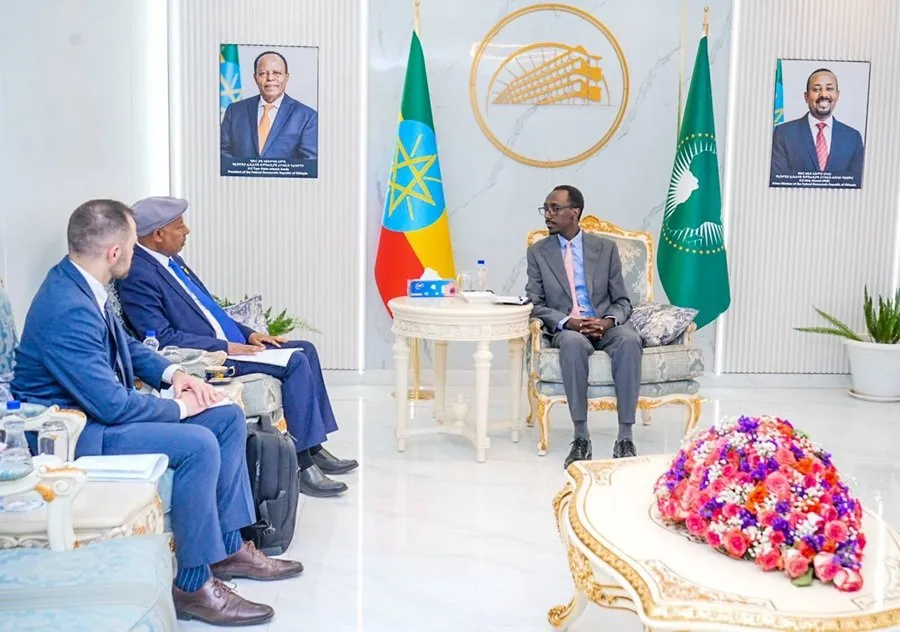
In a lightning visit that immediately raised questions about its timing and objectives, Israeli President Isaac Herzog traveled to the Ethiopian capital of Addis Ababa on Wednesday morning, February 25. During the brief trip, he met with Ethiopian President Taye Atske Selassie and Prime Minister Abiy Ahmed.

Tel Aviv views Addis Ababa as an enduring strategic partner a position previously articulated by Israeli Foreign Minister Gideon Sa’ar, who described Ethiopia as a principal gateway for Israel to consolidate its presence and expand its influence across Africa.

At the same time, Israel’s expanding footprint on the continent particularly in the strategically vital Horn of Africa has stirred mounting concern among several Arab and Middle Eastern states. Many regard this accelerating diplomatic engagement with suspicion, viewing it as a development with potential ramifications for Arab and regional national security. The central question, then, is this: What did Herzog carry in his political briefcase to Addis Ababa, and what messages was he intent on delivering?

A Sensitive Moment

The timing of the visit carried significance well beyond protocol, placing it squarely within a rapidly evolving regional landscape. Herzog’s trip came just one week after Turkish President Recep Tayyip Erdogan visited Ethiopia on February 17 his first trip to the country in 11 years.

The one-day visit, undertaken at the invitation of the Ethiopian prime minister, featured extensive talks on bilateral cooperation and regional issues, foremost among them the shifting balance of power in the Horn of Africa and the Red Sea basin.

During his visit, Erdogan underscored the importance of national unity, respect for sovereignty, and the rejection of separatist tendencies an implicit reference to the issue of “Somaliland.” The trip concluded with a package of agreements that strengthened Ankara’s presence in Ethiopia and across the Horn more broadly, signaling a clear Turkish intent to entrench a firmer foothold in this sensitive geography.

A week earlier, on February 11, Saudi Foreign Minister Prince Faisal bin Farhan Al Saud had met with the Ethiopian prime minister to explore ways to deepen ties and expand cooperation. Riyadh likewise emphasized principles of state unity and sovereignty, aligning with Ankara’s position and reflecting growing Gulf awareness of Ethiopia’s importance within the Red Sea and Horn of Africa equation.

This diplomatic flurry comes amid escalating political and security tensions across the region. As friction intensifies between Washington and Tehran and speculation mounts about a possible confrontation that could redraw regional spheres of influence regional powers are recalibrating their positions, consolidating their footholds, and carving out broader room for maneuver in an unprecedentedly fluid geopolitical moment.

Against this backdrop of diplomatic activism in Addis Ababa and amid competing efforts to reposition within this African logistical nexus Herzog’s visit appears as a calculated move to steady the equation: to preserve alliance bridges with one of Israel’s most important partners on the continent and to prevent erosion of its gains in the face of fast-moving rivals.

What Does Tel Aviv Want?

Herzog’s briefcase likely contained a bundle of files aimed at securing qualitative breakthroughs on several fronts:

First: Undermining Addis Ababa’s Position on “Somaliland.”
Israel has been quietly advancing efforts to broaden international recognition of Somaliland, seeking a more durable opening into the strategically weighty Horn of Africa and its commanding position over the Red Sea. In this context, Tel Aviv may be attempting to sway Ethiopia given its regional clout to support or at least refrain from opposing such a trajectory. The January 6 visit by Foreign Minister Gideon Sa’ar to Somaliland was widely interpreted as an early and conspicuous Israeli signal in that direction.

Second: Curbing Expanding Turkish Influence.
Herzog’s visit is difficult to disentangle from Turkey’s rising profile in Ethiopia and the wider Horn. The divergence between Turkish and Israeli approaches to the region has become increasingly pronounced. Tel Aviv may therefore be offering economic and security incentives designed to temper Ankara’s growing role viewed in Israel as a direct competitor threatening its interests and agenda on the continent.

Turkey’s status as a heavyweight economic actor in Ethiopia, alongside its defense arrangements in Somalia, grants it considerable leverage in sensitive arenas.

Third: Fortifying the Strategic Partnership with Ethiopia.
Israel regards Ethiopia as a pivotal state in its broader African strategy and is keen to repair and deepen ties through expanded economic and investment cooperation. Ethiopia’s ongoing economic pressures render it more receptive to partnerships and assistance. This pragmatic calculus is reinforced by longstanding political and religious ties between the two countries.

Fourth: Enhancing Positioning in the Red Sea and Bab al-Mandab.
Ethiopia may not be the ultimate objective so much as a gateway for amplifying Israel’s presence in the Red Sea theater. The strategic equation revolves around exerting influence—or indirect oversight—over critical maritime corridors, foremost among them the Bab al-Mandab Strait, especially in light of accumulated tensions in that waterway since the outbreak of the Gaza war.

Securing a durable foothold in the Horn particularly through Somaliland could yield strategic dividends tied to maritime security and the protection of Israeli interests, while leveraging Addis Ababa’s political weight as host of the African Union.

Fifth: Leveraging the Visit as Indirect Pressure on Cairo.
Tel Aviv is acutely aware that the dispute between Egypt and Ethiopia over the Grand Ethiopian Renaissance Dam remains one of the region’s most sensitive dossiers. By positioning itself as a potential mediator or as an actor capable of narrowing differences Israel could gain an advanced perch within Africa’s most intricate files.

Simultaneously, this posture may function as a political lever in managing relations with Cairo, whether by improving negotiating terms or expanding the margin for quiet pressure. The strategy, in effect, is to keep channels open with both sides while retaining the dam issue as a card to be played when necessary.

Expanding Israeli Influence in Africa

Since the 1960s, Israel has pursued a methodical policy of outreach toward Africa, seeking to break the diplomatic isolation that Arab states once sought to impose and to cultivate networks of influence with newly independent African countries.

That trajectory suffered a sharp setback following the 1973 October War, when most African capitals severed ties with Tel Aviv under Arab pressure and amid a wave of solidarity with the Palestinian cause.

Relations gradually resumed in the early 1990s and accelerated markedly under Prime Minister Benjamin Netanyahu, who treated Africa as both a diplomatic and strategic priority.

Within this framework, Israel has sought institutional anchoring within continental bodies, including efforts to secure observer status at the African Union an issue that remains contentious among member states.

In rebuilding its African influence, Tel Aviv has deployed a multi-layered toolkit: security and military cooperation; training and technical assistance to various armed forces and security services; and intelligence coordination with select states particularly in the Sahel and the Horn under the banner of monitoring and containing armed groups.

This has granted Israel entry into key decision-making circles. Parallel to the security dimension, Israel has expanded economic channels through trade and investment, exporting agricultural and energy technologies, and engaging in mining and natural resource partnerships soft-power instruments that have bolstered both official and popular ties in several economically vulnerable states.

Against this broader canvas, Herzog’s visit to Addis Ababa fits into a larger contest over influence and strategic anchoring in one of Africa’s most sensitive logistical and geopolitical nodes. In recent months and years, the Horn of Africa has become an open arena for intense regional and international competition, where security and economic interests intersect with calculations over maritime corridors and shifting balances of power.

This momentum underscores the scale of challenges posed by Israeli movements in the region—and the potential for a gradual reshaping of influence maps and trajectories of power, with implications for maritime security and the fragility of the Arab world’s southern flank.

In this increasingly overt contest, traditional management tools appear less effective. The moment calls, instead, for deeper Arab coordination and more cohesive regional blocs capable of balancing Israel’s forward push backed by the United States toward reconfiguring the regional order along new rules and parameters.

Download this article as PDF
Share this Article
Facebook Twitter Whatsapp Whatsapp Telegram Email Copy Link
عماد عنان
By عماد عنان كاتب صحفي وباحث في الإعلام الدولي
Follow:
Previous Article نون بوست Jack Lang’s Resignation: An Earthquake at the Heart of France’s Arab Cultural Institution
Next Article نون بوست Tucker Carlson and the Beginning of the Erosion of the American Consensus on Israel

Read More

  • U.S. Regime‑Change Policies: Why They Are Destined to Fail U.S. Regime‑Change Policies: Why They Are Destined to Fail
  • The Gulf’s Balancing Act: Iran, Israel, and Hidden Links
  • Iraq–Turkey Oil Export Treaty: Why Did Ankara Cancel It After 52 Years?
  • Syria’s Northeast on Edge: QSD Between Ankara and Damascus
  • Has Europe Changed Its Stance on Israel… or Just Its Language?
part of the design
NoonPost Weekly Newsletter

You May Also Like

U.S. Regime‑Change Policies: Why They Are Destined to Fail

U.S. Regime‑Change Policies: Why They Are Destined to Fail

إسراء سيد Esraa sayed 8 April ,2026
The Gulf’s Balancing Act: Iran, Israel, and Hidden Links

The Gulf’s Balancing Act: Iran, Israel, and Hidden Links

فريق التحرير Noon Post 8 April ,2026
Iraq–Turkey Oil Export Treaty: Why Did Ankara Cancel It After 52 Years?

Iraq–Turkey Oil Export Treaty: Why Did Ankara Cancel It After 52 Years?

فريق التحرير Noon Post 8 April ,2026

ماذا قيل في الكونجرس بخصوص مصر؟

فريق التحرير
Noon Post Published 23 May ,2015
Share
1234

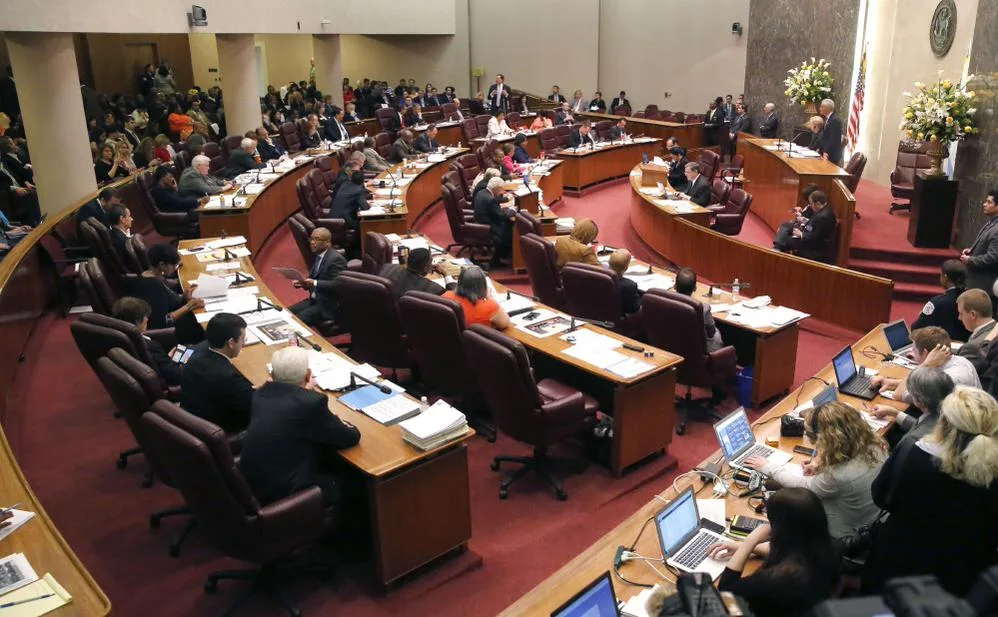
بعنوان “مصر: عامان بعد مُرسي”، عقدت اللجنة الفرعية لشؤون الشرق الأوسط وشمال أفريقيا، التابعة للجنة العلاقات الخارجية بالكونجرس الأمريكي، جلسة استماع حول الأوضاع المصرية في 20 مايو المنصرم، تكلّم فيها كل من إريك تراجر، المتخصص بالشؤون المصرية بمعهد واشنطن لسياسات الشرق الأدنى، والمعروف بدعمه لإسرائيل، وصامويل تادرس، الباحث بمعهد هادسن للحريات الدينية والمتخصص في دراسات الحركة الإسلامية، ونانسي عقيل، الباحثة المصرية والمدير التنفيذي لمعهد التحرير لسياسات الشرق الأوسط.

وعادة ما تختار لجان الكونغرس الباحثين اعتمادا على مجالات تخصصهم وتميزهم، حيث يتم تكليف الباحث أو الأكاديمي بعرض رؤيته في موضوع مُعين، وهو ما ظهر في طبيعة الموضوعات التي أدلى المشاركون بشهادتهم فيها.

شهادة إريك تراجر

نون بوست

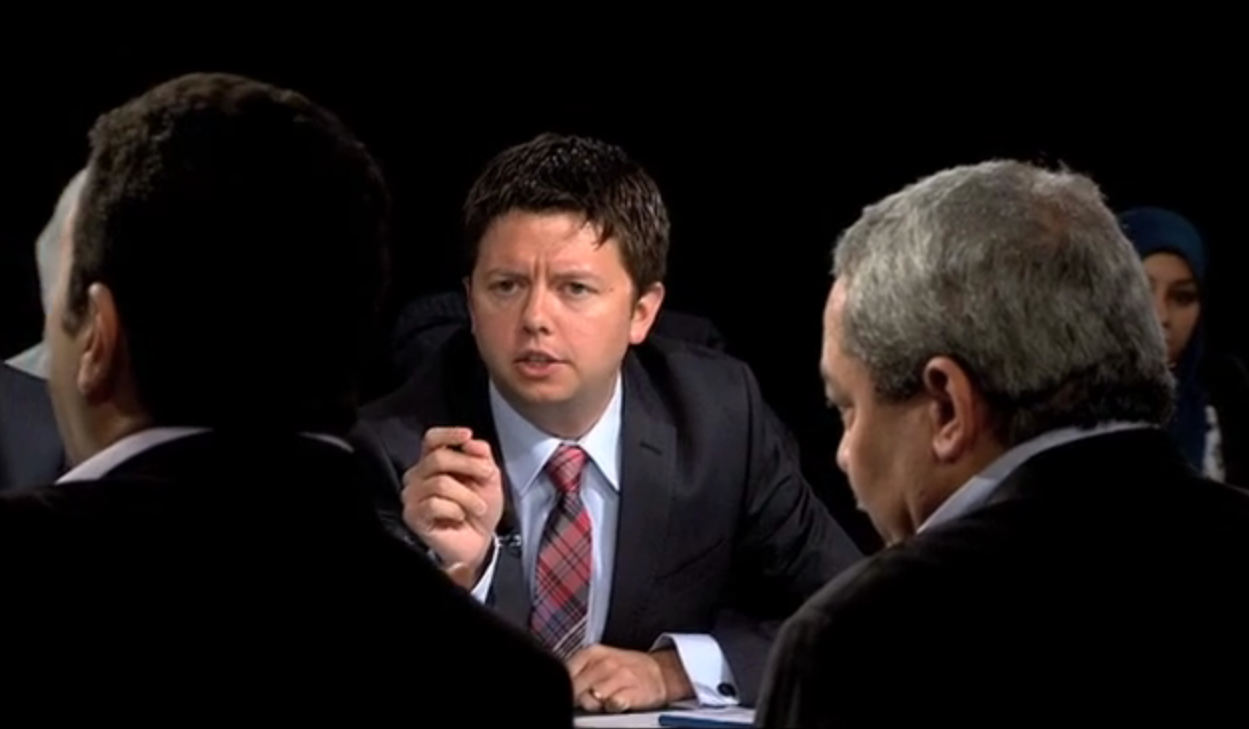
بطبيعة تحيزاته لصالح إسرائيل، أدلى تراجر بالشهادة الأكثر انحيازًا للنظام المصري الحالي، وقال بوضوح أن وقف وصول المعونة الأمريكية البالغة قيمتها 1.3 مليار دولار كان خطأ كبيرًا من إدارة أوباما، وأن منع المعونة كان عملية خاسرة في كل الأحوال لأنه لا يؤثر على الوضع السياسي الداخلي، ولم يؤدي سوى لتراجع العلاقة الاستراتيجية بين البلدين، في مقابل اتجاهها لشركاء آخرين، مثل اتفاقاتها مع فرنسا، والتي بلغت 5.4 مليار دولار، ومع روسيا، والتي بلغت 3.5 مليار دولار.

أشار تراجر بوضوح في شهادته إلى العلاقة الوطيدة التي بدأت في التبلور بين الرئيس الروسي فلاديمير بوتين ونظيره المصري، والاستقبال الحافل الذي حظي به بوتين في القاهرة في فبراير المنصرم، في محاولة منه لتحذير الإدارة الأمريكية من عواقب الاستمرار في سياساتها الحالية التي تحتفظ فيها بمسافة بين واشنطن والقاهرة، كما أشار إلى العلاقة بين الإمارات ومصر، واللتين تنسّقان بدون واشنطن، على حد قوله، وهي خسارة لأمريكا طبقًا لوجهة نظره.

كانت إدارة أوباما بالفعل قد بدأت تغيّر من مواقفها نوعًا ما بعد أن لاحظت أن الضغط على النظام المصري الجديد لم يُجدي كثيرًا، وأعلنت في مارس الماضي أنها ستواصل تقديم معونتها، ولكنها لا تزال تمنع تدفق المعونات المالية الأخرى، وأعلنت أنها ستظل تمنعها حتى عام 2017، مما يعني استمرار التوتر السياسي في العلاقات رغم تحسّنها على المستوى العسكري، والحيوي لواشنطن الآن، وهو ما يحذر تراجر من مغبه الاستمرار فيه نظرًا لإمكانية اتجاه القاهرة نحو أي شريك آخر قد تتعارض مصالحه مع واشنطن.

في نقاط موجزة، لخّص تراجر حجته في الانفتاح أكثر على مصر في تلك النقاط:

أولًا؛ مصر الآن عادت كشريك استراتيجي في احتواء إيران، بعد الانفتاح الذي قام به مُرسي نوعًا ما على النظام الإيراني

ثانيًا؛ مصر تواجه الجهاديين في سيناء بعُنف ودون مواربة لأول مرة في تاريخها، على عكس المواقف اللينة التي اتخذتها أيام مرسي، مما يجعلها طرف رئيسي في الحرب على الإرهاب

ثالثًا؛ علاقات مصر بإسرائيل هي الأقوى في تاريخ البلدين، مما يعني ضرورة الاهتمام بالقاهرة بالنظر للعلاقة الخاصة بين واشنطن وتل أبيب

رابعًا؛ مصر الآن تضيق الخناق على حماس في غزة، مقارنة بالدعم الذي كانت تحظى به حين كان الإخوان يحكمون في مصر

شهادة صامويل تادرس

نون بوست

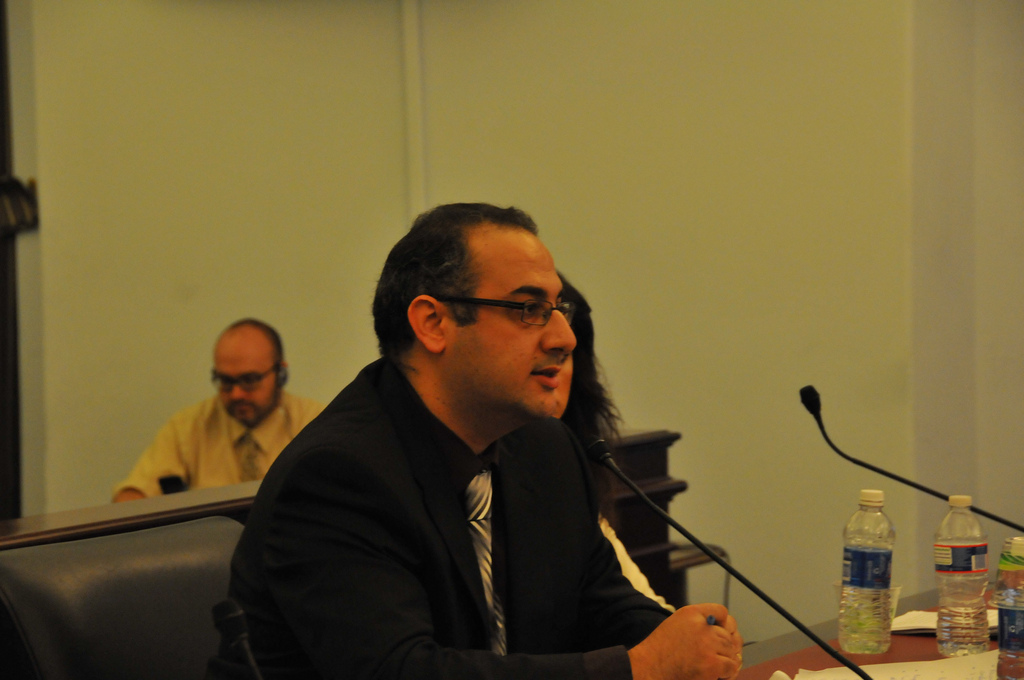
بطبيعة عمله واهتمامه بالحريات الدينية، انصبت شهادة تادرس على تطور هذا الملف تحت رئاسة السيسي، ولم يتطرق إلى الملفات السياسية الساخنة العالقة بين واشنطن والقاهرة، وقد سرد حوادث الاعتداء على الكنائس التي استمرت خلال العامين الماضيَّين، وأبرزها حادث قرية الجلاء بالمنيا، والذي سرد بخصوصه أمام الكونجرس الضغوط التي تعرّض لها الأقباط من جانب السلطات لقبول كافة شروط من قاموا بمهاجمة الكنائس، بما في ذلك عدم رفع أي شعار مسيحي على الكنيسة (كالصلبان مثلًا).

من ناحية أخرى، أشاد تادرس بزيارة السيسي للكاتدرائية المرقسية في عيد الميلاد، ولكنه قال بأنها لا تكفي، وثمّن خطاب السيسي الداعي إلى الإصلاح الديني، وإن كان يرى أنه ما زال يفتقد إلى الجدية اللازمة التي ستجعل له دورًا في احتواء التطرف كما وصفه، كما ناقش ملف محاكمات ازدراء الأديان، والتي طالت كثيرين ممن عبروا عن آراء دينية غير مقبولة، أو أفكارًا إلحادية، على وسائل التواصل الاجتماعي، كما ذكر أيضًا الضغوط التي يتعرض لها المخالفون في الرؤى الدينية مثل الشيعة والبهائيين.

تحدث تادرس عن ضرورة مساهمة واشنطن عبر معونتها في الضغوط من أجل إصلاح المنظومة التعليمية، والتي وصفها بأنها تقوّض من مفاهيم المساواة والمواطنة، كما انتقد بقوة المدارس الأزهرية باعتبارها معقلًا للأفكار المتطرفة والمناهضة لحقوق المسيحيين، وأخيرًا، دعا الإدارة الأمريكية إلى الاهتمام بكيفية تنفيذ سياساتها في مصر لتتمكن من تحقيق أهدافها بشكل أكبر، والتركيز على ملفات الحريات الدينية وحقوق الأقليات، وضمان ألا تنزلق مصر إلى الفوضى المحيطة فيها في دول عربية أخرى، مشيرًا إلى أن الاقتصار على الملفات الأمنية مثل مكافحة الإرهاب ومرور التجارة من قناة السويس سيضر بالولايات المتحدة على المدى البعيد.

شهادة نانسي عقيل

نون بوست

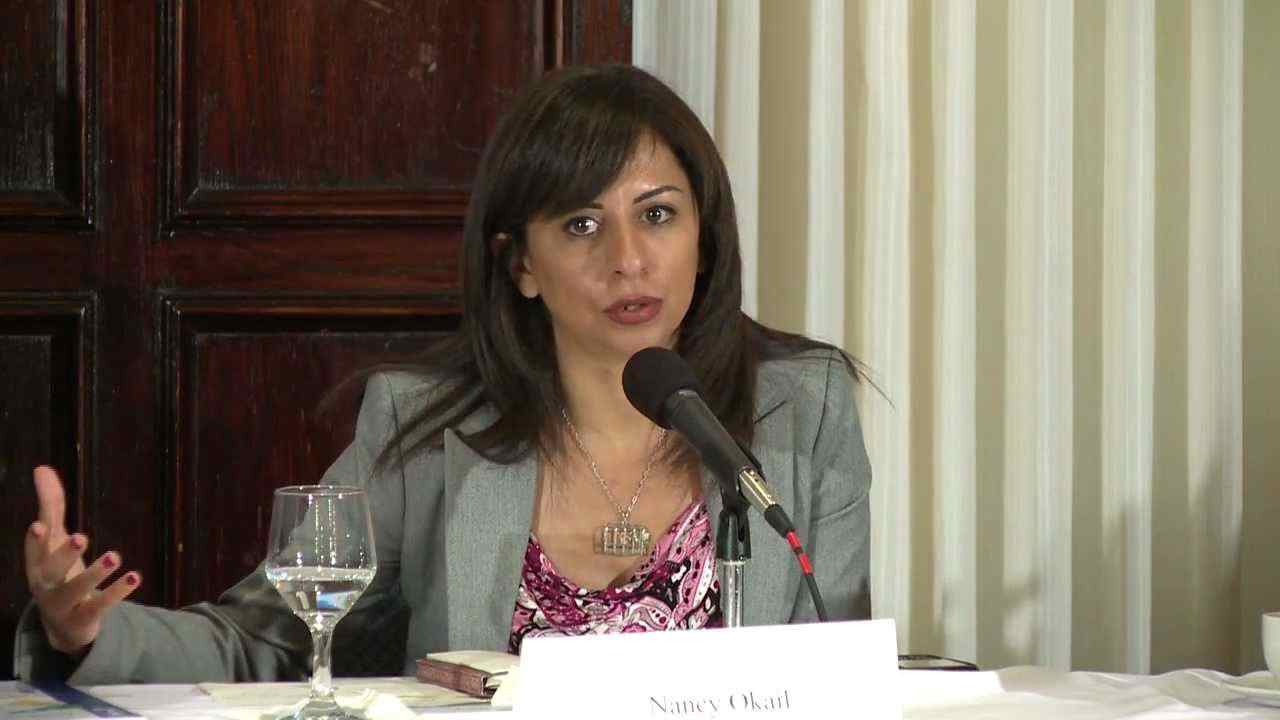
قدمت نانسي ربما الشهادة الأكثر عمقًا وتوازنًا في آن، حيث تمحورت حول ستراتيجية التعارض بين الديمقراطية والحقوق من ناحية، ومكافحة الإرهاب وإرساء الأمن من ناحية الأخرى، التي يروجها النظام المصري، والتي تعتبرها في الصميم من فشل حربه على الإرهاب، حيث تزداد الهجمات كما تشير الإحصائيات في سيناء، كما يزداد الوضع الأمني تفككًا في غرب مصر نتيجة سهولة تهريب السلاح عن طريق ليبيا.

أشادت نانسي بقرار عودة المعونة العسكرية إلى مصر، ولكنها نبّهت إلى ضرورة أن تنتبه واشنطن لكيلا تُستخدَم المعونة بشكل غير مسؤول، وألا تؤول في النهاية لتعزيز قبضة النظام المصري على المعارضة السلمية في الداخل، كما دعت إلى تطوير منظومة المعونة العسكرية والأمنية لتتعامل بشكل أكفأ مع التحولات الجارية في ساحات الجماعات العنيفة، والتي أصبحت وسائلها أكثر تطورًا واعتمادًا على وسائل التواصل الاجتماعي، كما يشي صعود داعش على حساب القاعدة وأساليبها التقليدية.

طالبت نانسي واشنطن بضرورة الاهتمام بالحقوق والحريات، لا سيما وأنها تدعم على المدى البعيد استراتيجية مكافحة الإرهاب والمصالح الأمنية الأمريكية في المنطقة على حد قولها، فالضغط من أجل إرساء حكم القانون وإصلاح المؤسسات الأمنية سيخلق حالة من الرضا العام التي ستجفف منابع الأفكار المتطرفة بشكل كبير، لا سيما وأن الاتجاه للعنف غالبًا ما يكون ناتجًا عن سخط الشباب.

في نقاط موجزة، ارتكزت دعوة نانسي إلى الآتي:

أولًا؛ ضرورة تعزيز المنظومة القانونية وفتح المجال العام السياسي

ثانيًا؛ الدفع قدمًا نحو المسائلة والمهنية في المؤسسات الأمنية

ثالثًا؛ حماية مساحات العمل المدني والتفاعل في المجال العام، حيث يمكن للمصريين التعبير عن معارضتهم للنظام وسخطهم بشكل سلمي، وهي نقطة ضرورية بالنسبة لنانسي والتي ترى في غياب تلك المساحات تعزيزًا لفرص انتشار الإرهاب

رابعًا؛ دعم وسائل الإعلام المستقلة والمتنوعة، والتفاعل مع البدائل الموجودة في المجتمع المدني كشريك أساسي في عملية الإصلاح والحكم

خامسًا؛ الانتباه إلى المجموعات المهمشة، مثل الأقليات والنساء والفقراء، وهي مجموعات أوسع نطاقًا من تلك التي ذكرها تادرس، حيث تشمل القطاعات التي قد تميل بسهولة إلى العنف لتفريغ الإحباط واليأس السياسي والاجتماعي، بالإضافة إلى الأقليات الدينية التقليدية

TAGGED: الإخوان المسلمون ، الانقلاب العسكري في مصر ، الكونغرس الأمريكي
TAGGED: انقلاب مصر
Download this article as PDF
Share this Article
Facebook Twitter Whatsapp Whatsapp Telegram Email Copy Link
فريق التحرير
By فريق التحرير تقارير يعدها فريق تحرير نون بوست.
Follow:
Next Article نون بوست The Stigma of “ISIS”: A Heavy Legacy Haunting Women and Children of Former Members

Read More

  • U.S. Regime‑Change Policies: Why They Are Destined to Fail U.S. Regime‑Change Policies: Why They Are Destined to Fail
  • The Gulf’s Balancing Act: Iran, Israel, and Hidden Links
  • Iraq–Turkey Oil Export Treaty: Why Did Ankara Cancel It After 52 Years?
  • Syria’s Northeast on Edge: QSD Between Ankara and Damascus
  • Has Europe Changed Its Stance on Israel… or Just Its Language?
part of the design
NoonPost Weekly Newsletter
dark

An independent media platform founded in 2013, rooted in slow journalism, producing in-depth reports, analysis, and multimedia content to offer deeper perspectives on the news, led by a diverse young team from several Arab countries.

  • Politics
  • Society
  • Rights & Liberties
  • Opinions
  • History
  • Sports
  • Education
  • Technology
  • Economy
  • Media
  • Arts & Literature
  • Entrepreneurship
  • Travel
  • Cinema & Drama
  • Food
  • Health
  • Culture
  • Latest Reports
  • Files
  • Long Reads
  • Interviews
  • Podcast
  • Interactive
  • Encyclopedia
  • In Pictures
  • About Us
  • Our Writers
  • Write for Us
  • Editorial Policy
  • Advanced Search
Some rights reserved under a Creative Commons license

Removed from favorites

Undo
Go to mobile version