NoonPost NoonPost

NoonPost

  • Home
  • Politics
  • Economy
  • Society
  • Culture
  • Files
  • Long Reads
  • Podcast
AR
Notification Show More
نون بوست
“There Are Nights I Can’t Close My Eyes”: How Gazans Are Living in Homes on the Brink of Collapse
نون بوست
From al-Jolani to Ahmad al-Shara: The Evolution of Syria’s New Leader
نون بوست
When Political Islam Receded in Egypt: Who Filled the Void?
نون بوست
An Extension of Genocide: Gaza’s Detainees Speak Out
نون بوست
A Tightrope Between Survival and Sovereignty: The Syrian Government Faces Normalization Pressures
نون بوست
American Aircraft Carriers: Has the Era of “100,000 Tons of Diplomacy” Ended?
نون بوست
U.S. Regime‑Change Policies: Why They Are Destined to Fail
نون بوست
Transformations of Israeli Judaism: Between the Victim Complex and the Colonizer’s Doctrine
نون بوست
The Gulf’s Balancing Act: Iran, Israel, and Hidden Links
نون بوست
Iraq–Turkey Oil Export Treaty: Why Did Ankara Cancel It After 52 Years?
نون بوست
Syria’s Northeast on Edge: QSD Between Ankara and Damascus
نون بوست
Has Europe Changed Its Stance on Israel… or Just Its Language?
NoonPost NoonPost
AR
Notification Show More
نون بوست
“There Are Nights I Can’t Close My Eyes”: How Gazans Are Living in Homes on the Brink of Collapse
نون بوست
From al-Jolani to Ahmad al-Shara: The Evolution of Syria’s New Leader
نون بوست
When Political Islam Receded in Egypt: Who Filled the Void?
نون بوست
An Extension of Genocide: Gaza’s Detainees Speak Out
نون بوست
A Tightrope Between Survival and Sovereignty: The Syrian Government Faces Normalization Pressures
نون بوست
American Aircraft Carriers: Has the Era of “100,000 Tons of Diplomacy” Ended?
نون بوست
U.S. Regime‑Change Policies: Why They Are Destined to Fail
نون بوست
Transformations of Israeli Judaism: Between the Victim Complex and the Colonizer’s Doctrine
نون بوست
The Gulf’s Balancing Act: Iran, Israel, and Hidden Links
نون بوست
Iraq–Turkey Oil Export Treaty: Why Did Ankara Cancel It After 52 Years?
نون بوست
Syria’s Northeast on Edge: QSD Between Ankara and Damascus
نون بوست
Has Europe Changed Its Stance on Israel… or Just Its Language?
Follow US

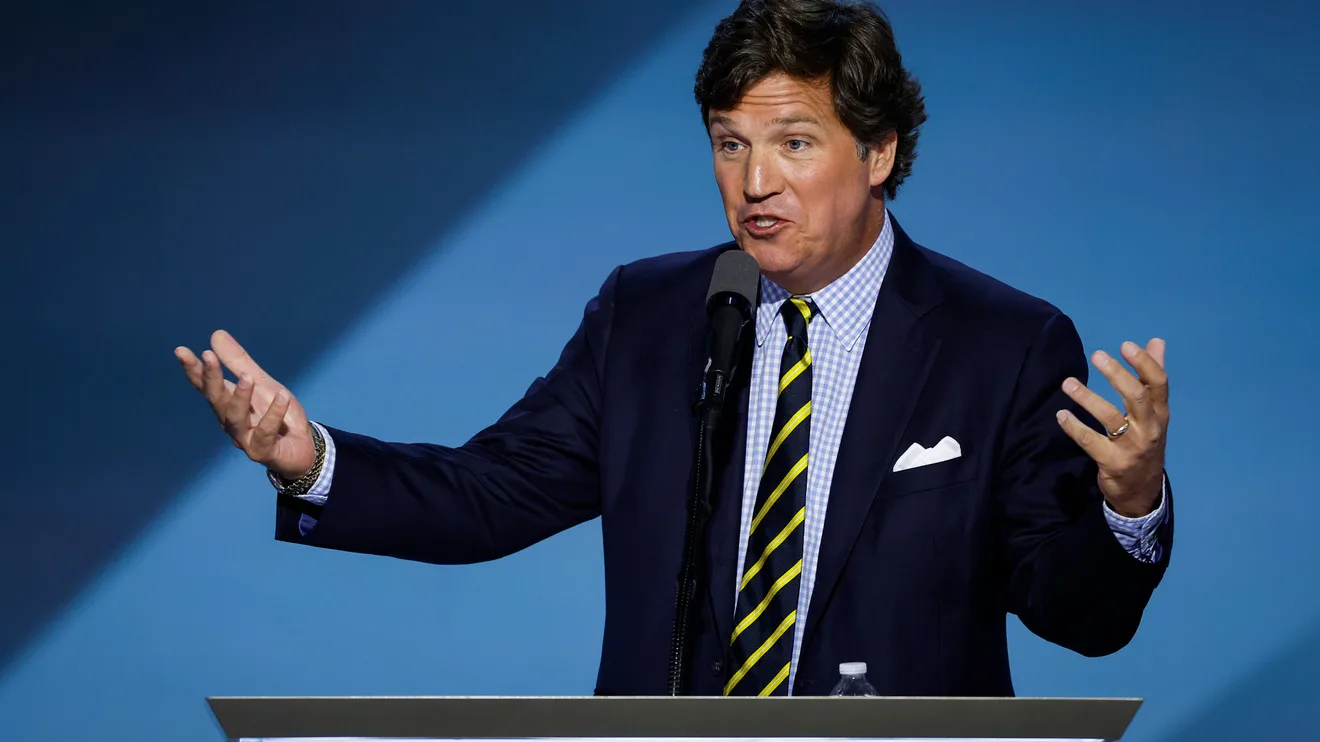
Tucker Carlson and the Beginning of the Erosion of the American Consensus on Israel

فريق التحرير
Noon Post Published 26 March ,2026
Share
نون بوست
نون بوست

His interview with the US ambassador to Israel, Mike Huckabee, was the latest episode to thrust Tucker Carlson’s name back into Arab discourse. The exchange featured remarks by the ambassador touching on the sovereignty of states in the region, a heated clash between interviewer and guest, Carlson’s reported detention at Ben Gurion Airport for questioning, and his subsequent broadside against Israel.

The uproar has become a recurring feature in recent months. Carlson has faced accusations of antisemitism, even as he has sharpened his criticism of Israel to an extraordinary degree at one point likening Benjamin Netanyahu’s policies to Nazism. “Netanyahu says he is defending Western civilization.

No—he is its enemy, literally its main enemy… Why were the Nazis bad? Because they said we are fighting these people based on their identity… and Netanyahu believes the same thing,” Carlson said.

Many observers interpret this shift in a leading figure of the “Make America Great Again” camp—once a hawk of the American political right—as evidence that October 7, 2023, upended global political balances, particularly in the United States. Alliances once thought immovable appear shaken; positions long considered axiomatic in the 80-year history of the Arab-Israeli conflict seem newly open to rupture.

Yet can a right-wing broadcaster wield such influence as to become a barometer of political transformation? Or is the Tucker Carlson story little more than sound and fury—an expression of wishful Arab thinking, eager to believe that the brutal devastation in Gaza has yielded some long-term gain for the Palestinian cause?

Sometimes, answering a question about a single name can illuminate an entire phenomenon. In his book Who Is Charlie?, the French writer Emmanuel Todd analyzed what he termed the sociology of a religious crisis in the aftermath of the Charlie Hebdo attacks. Borrowing that formulation, we might ask: Who is Tucker Carlson?

The aim is not to recount his biography or ideological evolution, but to examine his current influence particularly within the American right and whether it signals a meaningful, even gradual, shift in US policy attitudes toward Israel.

A Voice for Other Victims

Religious pluralism, LGBTQ rights, and democracy these three principles function, for Israel, much as the ideals of the French Revolution did for Europe: civilizational touchstones. Or so Israel presents itself as the Middle East’s lone oasis safeguarding these values in a desert of autocracy and backwardness.

Through international public diplomacy campaigns such as “Brand Israel,” the country has foregrounded these themes in Western audiences. In the din of that messaging, however, the voices of those Israel claims to protect have often been sidelined. Chief among these are Palestinian Christians.

Carlson’s contribution to the Palestinian cause—intentional or otherwise—lies in stripping it of the Islamic-jihadist framing that Israel has long used to position itself as the West’s civilizational partner in a sacred war against Islamist terror. Amid internal battles within the American right, Carlson elevated the issue of Palestinian Christians, challenging the reduction of the conflict to Israel versus Hamas militants. Israel, he argued, continues to harm Christian communities who share the West’s religious heritage.

From a media perspective, Carlson’s platform has allowed the Palestinian narrative to reach audiences historically indifferent to Middle Eastern or Arab issues. Whether Carlson’s engagement is ideological or opportunistic matters less than the practical effect: his feuds within the right have opened a new lane for Palestinian voices.

This dynamic became especially visible over the past six months as Israel’s longstanding narrative about safeguarding Christianity in the Holy Land came under scrutiny. In the wake of Carlson’s clashes with Republican Senators Ted Cruz and Mike Johnson who portrayed Israel as uniquely protective of religious freedom Palestinian voices gained traction.

Carlson hosted the American Orthodox nun Mother Agapia Stephanopoulos in a YouTube episode titled “This Is What Life Is Really Like for Christians in the Holy Land,” which garnered two million views. She detailed the daily hardships facing Palestinian Christians, including those holding US citizenship.

The “Ben Gurion Battle”

Carlson’s involvement did not stop there. Two weeks ago, he aired another episode “The Shocking Reality of How American-Funded Israel Treats Christians” featuring Palestinian pastor Rev. Dr. Hosam Naoum. The episode generated significant engagement, amassing 1.8 million views on X within ten hours and 1.5 million on YouTube.

It was this episode and its aftermath that set the stage for Carlson’s later confrontation with Ambassador Huckabee. A dispute between the two on X culminated in a three-hour broadcast exchange, triggering regional responses including a joint statement by several Middle Eastern states after the ambassador defended Israel’s sovereignty from the Nile to the Euphrates on theological grounds.

The British newspaper The Guardian dubbed the encounter the “Ben Gurion Battle,” describing it as a generational clash within American Christian conservatism. Carlson accused Huckabee of championing Israeli interests over American ones, reflecting a widening fissure within the US Christian right.

Samuel Goldman, author of God’s Country: Christian Zionism in America, told The Guardian: “I think we are approaching the end of an era that peaked under George W. Bush, when it was taken for granted that Republican and conservative spokespeople would be pro-Israel.”

Goldman emphasized a clear generational divide. Huckabee, 70, belongs to a cohort that saw Israel as a pillar of Judeo-Christian civilization and a religious obligation for Protestant Christians. Carlson, 56, represents a rising strain of MAGA isolationism and Christian nationalism.

“He reflects and exploits the doubts among younger conservative Christians about whether their parents’ or grandparents’ enthusiasm for Israel makes political or theological sense,” Goldman said.

Carlson: The Godfather of a New Generation

In a mid-February study published on the Times of Israel platform, political psychologist Erwin Mansdorf examined what he termed the “Tucker Carlson effect.” Surveying 561 US Republicans, he found that younger Republicans were markedly more enthusiastic about Carlson as a political figure.

Among respondents under 44, more than 55 percent viewed Carlson as a potential candidate, and 58 percent said they would likely vote for him. Among those 45 and older, only 38 percent believed he would run, and 41 percent expressed willingness to support him.

Mansdorf concluded that Carlson’s appeal is far stronger among younger Republicans, echoing similar findings by the Manhattan Institute. While support for Carlson does not automatically translate into hostility toward Israel, 55 percent of younger Republicans reported being less invested in Israel than their older counterparts. For them, Israel is one foreign policy issue among many—not a uniquely defining cause.

More striking were generational differences regarding perceived threats to the American way of life. While majorities in both age groups expressed at least moderate concern about immigrants and Muslims, the gap widened on Jews: 45 percent of Republicans under 44 expressed moderate or greater concern, compared with 23 percent among those over 45.

“Although Jews remain viewed as less threatening than other groups,” Mansdorf warned, “the fact that nearly half of young Republicans expressed this level of concern suggests increasing exposure to narratives portraying Jews as a societal problem even among voters who do not consider themselves antisemitic.”

The Right’s “Zohran Mamdani”: Bad News for Israel

Mansdorf ultimately poses a troubling question: how can strong nominal support for Israel coexist with readiness to back a figure associated with anti-Israel rhetoric?

Political psychology, he argues, offers an answer. Voters often prioritize tone, identity, and broader messaging over specific policy positions. Mechanisms such as motivated reasoning and the halo effect allow individuals to downplay or rationalize troubling aspects of a candidate.

For some voters—especially younger ones—Israel may become politically irrelevant, no longer a litmus test in Republican primaries. The danger, Mansdorf cautions, is not an abrupt collapse in Republican support but a gradual erosion of Israel’s status as a defining political issue.

“If Israel becomes a non-disqualifying concern something voters are willing to overlook then candidates with hostile or extreme positions will be able to advance without paying a political price,” he writes.

Invoking the case of Zohran Mamdani as an example of shifting political red lines, Mansdorf warns that once-exclusionary views can fade amid populist rhetoric. For Israel and American Jewish communities, the implication is clear: it is no longer enough to ask whether Republicans support Israel in principle.

The real question is whether that support is strong enough to influence voter behavior when confronted with a charismatic populist offering a cultural-war agenda at home and indifference or hostility toward Israel abroad.

In conclusion, Mansdorf seeks reassurance for his readers, but the glass appears half full of murky water. “Our data suggest good news: Republican support for Israel has not collapsed, and not all young Republicans are anti-Israel or antisemitic.

But there is also bad news. The psychological mechanisms that allow voters to ignore controversial positions are already at work and appear stronger among the rising generation. The decisive question is not whether Israel still matters in principle, but whether it will matter enough when the moment of decision arrives.”

Download this article as PDF
Share this Article
Facebook Twitter Whatsapp Whatsapp Telegram Email Copy Link
فريق التحرير
By فريق التحرير تقارير يعدها فريق تحرير نون بوست.
Follow:
Previous Article نون بوست Addis Ababa at the Heart of a Regional Power Struggle
Next Article نون بوست A Moment of Exposure: Huckabee and the Zionist Narrative at an Impasse

Read More

  • U.S. Regime‑Change Policies: Why They Are Destined to Fail U.S. Regime‑Change Policies: Why They Are Destined to Fail
  • The Gulf’s Balancing Act: Iran, Israel, and Hidden Links
  • Iraq–Turkey Oil Export Treaty: Why Did Ankara Cancel It After 52 Years?
  • Syria’s Northeast on Edge: QSD Between Ankara and Damascus
  • Has Europe Changed Its Stance on Israel… or Just Its Language?
part of the design
NoonPost Weekly Newsletter

You May Also Like

U.S. Regime‑Change Policies: Why They Are Destined to Fail

U.S. Regime‑Change Policies: Why They Are Destined to Fail

إسراء سيد Esraa sayed 8 April ,2026
The Gulf’s Balancing Act: Iran, Israel, and Hidden Links

The Gulf’s Balancing Act: Iran, Israel, and Hidden Links

فريق التحرير Noon Post 8 April ,2026
Iraq–Turkey Oil Export Treaty: Why Did Ankara Cancel It After 52 Years?

Iraq–Turkey Oil Export Treaty: Why Did Ankara Cancel It After 52 Years?

فريق التحرير Noon Post 8 April ,2026

العمليات البرية أولوية عسكرية إسرائيلية

مصطفى يوسف
مصطفى يوسف Published 24 May ,2015
Share
1200x630_273900_israel-determined-to-see-gaza-offensiv

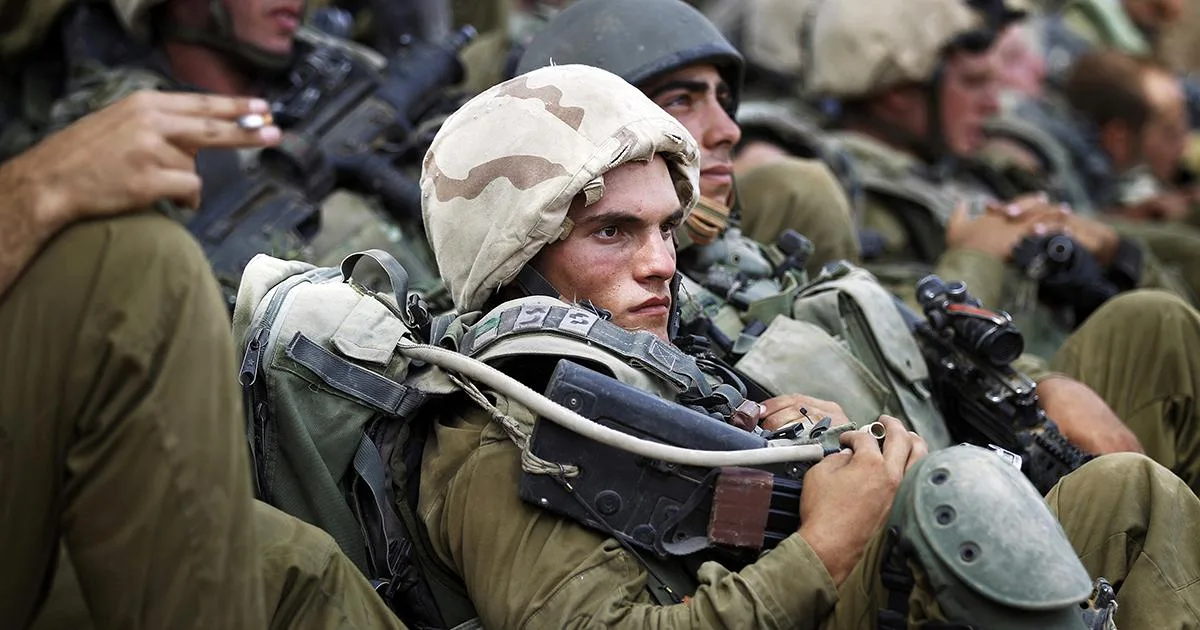
رغم الخطورة الشديدة التي تكتنف العمليات العسكرية البرية، والتي تجبن عن خوضها أقوى الجيوش وأشدها عتوًا، وأكثرها تسليحًا وأحدثها عتادًا، وأكثرها خبرةً وتجربةً ودراية، ورغم فارق القوة وتميز التنظيم، وتقنية الاتصالات وسرعة التنقل والإمداد، وجاهزية الإسناد والحماية، إلا أن الجيوش النظامية بصورةٍ عامة تخشى التورط في حروب برية، وتتردد كثيرًا في النزول على الأرض، وخوض معارك ميدانية، وتكتفي بالغارات الجوية، والقصف الصاروخي والمدفعي من أماكن بعيدة، الأمر الذي يؤخر الحسم، ويزيد في حجم الدمار والخراب، ويؤدي إلى سقوط أعداد كبيرة من القتلى والجرحى، ومع ذلك فإنه يتعذر على الجيوش التي تعتمد القصف الجوي فقط تحقيق النصر الحاسم، إلا إذا أعلن الطرف الآخر استسلامه وخضوعه، وأبدى رغبته في إنهاء العمليات العسكرية، والقبول بشروط وقف إطلاق النار.

إنهم يخافون من العمليات البرية التي يواجهون فيها مجموعات عسكرية مدربة ومؤهلة، وتمتلك أسلحةً حديثة ومتطورة، وعندها الجرأة والكفاءة، والعزم واليقين والإرادة، ولديها خطط وتصورات، وعقيدة وإيمان، ما يجعل الجيوش النظامية ضعيفة أمامهم وإن كانت أقوى منهم، وأكثر تسليحًا، إلا أن قادة الجيوش ورؤساء الأركان يرون أنهم لا يستطيعون مواجهة أهل الأرض، وأصحاب الخبرة، وسكان البلدات الذين يعيشون بين أهلهم ويقاتلون ببسالة من بينهم، خاصةً إذا كانت الجيوش تقاتل في بيئة غريبة عنهم وأرض جديدة عليهم، الأمر الذي يجعلها تعيش كوابيس الوقوع في الفخاخ التي تنصبها المجموعات العسكرية، أو تجد نفسها مضطرة للمرور في ممرات إجبارية، تُستَدرَج إليها خدعةً، مما يجعلها تقع تحت كثافة النيران، التي قد تحصد منها أرواحًا كثيرة، أو قد تؤدي إلى وقوع بعض الجنود أسرى.

إلا أن قادة الجيوش النظامية، يؤكدون على الرغم من كل هذه المخاطر، أنه لا غنى أبدًا عن الحروب البرية لحسم المعارك، وإخضاع الخصم وفرض الشروط، وإلا فإن المعارك ستكون مضيعة للوقت إذ إنها تطول، واستنزافًا للقدرات كونها تفتقر إلى الدقة المطلقة، فالقتال الحقيقي هو القتال على الأرض، والحرب الحاسمة هي الحرب البرية التي تخوضها الدبابات ويتحرك فيها الجنود، الذين يواجهون الخصم ويطهرون الأرض، ويعلنون تمام الحسم، ويرفعون فوق الأرض علم الانتصار، وإن ساندها الطيران وسلاح المظلات، واشتركت فيها البوارج الحربية، وسبقتها الصواريخ المتعددة، فإنها تبقى الحرب الأستاذ، والمعركة الفصل، التي يظهر من تحت غبارها المنتصرون، ويرفع الراية على أنقاضها المنهزمون.

أما قادة أركان جيش الكيان الصهيوني الذين باتوا يعتقدون أنهم لم يعودوا يواجهون جيوشًا نظامية معادية، ولا يتوقعون في المدى المنظور خلال السنوات القادمة مواجهة عسكرية مع أي من النظم العربية المجاورة، المصنفة تاريخيًا أنها معادية لكيانهم، ويرون أن الأخطار الخارجية قد تراجعت نسبيًا، ولم تعد تشكل على كيانهم خطرًا كبيرًا كما كانت في السنوات الماضية، بعد أن تهاوى وتفكك الجيشان العربيان السوري والعراقي، وقد كانا بالنسبة لهم مصدر خطر وقلق، نظرًا لإمكانياتهما وقدراتهما، فضلًا عن عقيدتهما القتالية، وتركيبتهما الأيديولوجية المعادية.

ولم تعد قيادة أركان جيش الاحتلال بحاجةٍ إلى أن تخصص عددًا من الألوية المختلفة على الجبهات العربية المصرية والأردنية، التي تربطها بهما اتفاقيات سلام ملزمة، ومعاهدات دولية ضامنة، الأمر الذي من شأنه أن يلغي حاجتها إلى تخصيص قطاعات نظامية من الجيش لمواجهتهما، وينفي إمكانية الحرب النظامية معهما، أو يقلل نسبيًا من الأخطار المتوقعة من جانبهما.

ترى قيادة الأركان الإسرائيلية أن الحروب غير النظامية مع المجموعات العسكرية أكثر خطرًا عليها، وأن إمكانية حسم المعركة معها تبقى دومًا ضئيلة، وهي ترى أنها تتمثل اليوم بقوة في لبنان وقطاع غزة، وعلى الرغم من أنها شنت على المقاومة فيهما أكثر من حرب، إلا أنها لم تتمكن من حسم المعركة ضدهما، ذلك أنها كانت تعتمد في حروبها على سلاحي الطيران والصواريخ، وهو ما تتباهى بتفوقها فيهما، وقد استطاعت فعلًا أن تحدث بواسطتهما خرابًا واسعًا وتدميرًا كبيرًا، ولكنها لم تتمكن من تحقيق أهدافها، بدليل تكرار حروبها كل سنة أو أكثر، على نفس الجبهات ولذات الأسباب والأهداف، ما يعني عدم جدوى القتال بالطيران، أو بالقصف الصاروخي والمدفعي البعيد المدى والشديد الأثر.

إلا أن فريقًا آخر قد تنمر وتحفز، وبدأ استعداداته لمعارك برية واجتياحات مدنية، وهو يحلم أن يحقق نصرًا عز تحقيقه على سابقيه، وتعذر إنجازه لسنوات عبر العديد من الحروب، فأمر قطاعات التصنيع العسكري لديه بمراجعة عيوب دبابة الميركافا، وهي التي كانت أسطورة سلاح الدبابات، ومفخرة القتال البري عندهم، إلا أن المقاومة في غزة ولبنان قد تمكنت من استهدافها وتدميرها، وتعطيل حركتها وتدمير مدفعها، ما جعلها غير آمنة للجنود، وغير قادرة على السير الآمن على الأرض، فوق الأنفاق وبين البنايات.

كما أمرت قيادة أركان العدو بضرورة تصنيع عربات نقل آمنة، ذات تصفيح عالِ، تحل محل العربات التي يمتلكها الجيش الإسرائيلي، والتي باتت أمام سلاح المقاومة هشة وضعيفة، يسهل استهدافها وحرقها وقتل من فيها، فضلًا عن استحداث آليات ووسائل نقل قادرة على اختراق جبهات العدو، والسير في الظلام والمناطق الوعرة، لتتمكن من جمع المعلومات، وتحديد الأهداف، وتوجيه مسار العمليات الحربية، ويكون لديها الجاهزية للتدخل السريع لإنقاذ المحاصرين، وسحب الجرحى والمصابين، ومنها عربات الهمر الحديثة، التي تتميز بالقوة والقدرة، ويمكن من خلالها تنفيذ المهمات الصعبة بسرعة كبيرة، وبدرجة عالية من الأمان.

رغم الخوف الإسرائيلي المعهود، والجبن اليهودي الموروث، إلا أن قيادة أركان العدو الحالية بدأت تفكر جديًا بضرورة الإعداد لحروب برية كبيرة، واجتياحات مُدنية واسعة، تستهدف مقرات المقاومة ومستودعات أسلحتها، وتقضي على وسائل اتصالاتها وعُقد تنظيمها، رغم التحذيرات الشديدة التي يبديها عدد كبير من الضباط الإسرائيليين، الذين يرون أن سلبيات الحرب البرية تفوق إيجابياتها، وأن على من يتخذ قرار الاجتياح البري أن يهيئ شعبه لاستقبال أفواج القتلى ومئات الجرحى، علمًا أن صور الجنائز وأصوات الأمهات الباكيات والزوجات النائحات، سيقضي على أي فرحة مزيفة بالنصر.

يرى هذا الفريق من الضباط الخائفين والقلقين من تداعيات الحرب البرية ونتائجها، أن المقاومة قد استعدت لها، وهي ترحب بها، وتنتظرها بفارغ الصبر، وهي على كفاءة عالية، وجهوزية كبيرة، وقد أعدت للجيش الإسرائيلي كمائن ومصائد، وحفرت أنفاقًا ونصبت فخاخًا، ما سيجعل نتائج الحرب البرية كافية لاستقالة مئات الضباط ومحاكمتهم، وهي بالتأكيد ستشوه سجلاتهم، وستحرمهم من الترقي أو مواصلة العمل في السلك العسكري والأمني أو السياسي، والتجارب على ذلك كثيرة وعديدة، وأحلام المقاومة كبيرة، ولا نظنها ستخاف أو ستنتهي، فهل ستنفعهم عرباتهم، وستحميهم حصونهم، وسينجون من موت هو قدرهم وإن هم منه فروا، ومن قتل هم إليه خرجوا.

TAGGED: أطفال غزة ، إسرائيل تقصف قطاع غزة ، الحرب على غزة ، الفشل الإسرائيلي في الحرب على غزة ، المقاومة الفلسطينية
TAGGED: الحرب على غزة
Download this article as PDF
Share this Article
Facebook Twitter Whatsapp Whatsapp Telegram Email Copy Link
مصطفى يوسف
By مصطفى يوسف كاتب فلسطيني
Follow:
Next Article نون بوست The Stigma of “ISIS”: A Heavy Legacy Haunting Women and Children of Former Members
part of the design
NoonPost Weekly Newsletter
dark

An independent media platform founded in 2013, rooted in slow journalism, producing in-depth reports, analysis, and multimedia content to offer deeper perspectives on the news, led by a diverse young team from several Arab countries.

  • Politics
  • Society
  • Rights & Liberties
  • Opinions
  • History
  • Sports
  • Education
  • Technology
  • Economy
  • Media
  • Arts & Literature
  • Entrepreneurship
  • Travel
  • Cinema & Drama
  • Food
  • Health
  • Culture
  • Latest Reports
  • Files
  • Long Reads
  • Interviews
  • Podcast
  • Interactive
  • Encyclopedia
  • In Pictures
  • About Us
  • Our Writers
  • Write for Us
  • Editorial Policy
  • Advanced Search
Some rights reserved under a Creative Commons license

Removed from favorites

Undo
Go to mobile version