NoonPost NoonPost

NoonPost

  • Home
  • Politics
  • Economy
  • Society
  • Culture
  • Files
  • Long Reads
  • Podcast
AR
Notification Show More
نون بوست
“There Are Nights I Can’t Close My Eyes”: How Gazans Are Living in Homes on the Brink of Collapse
نون بوست
From al-Jolani to Ahmad al-Shara: The Evolution of Syria’s New Leader
نون بوست
When Political Islam Receded in Egypt: Who Filled the Void?
نون بوست
An Extension of Genocide: Gaza’s Detainees Speak Out
نون بوست
A Tightrope Between Survival and Sovereignty: The Syrian Government Faces Normalization Pressures
نون بوست
American Aircraft Carriers: Has the Era of “100,000 Tons of Diplomacy” Ended?
نون بوست
U.S. Regime‑Change Policies: Why They Are Destined to Fail
نون بوست
Transformations of Israeli Judaism: Between the Victim Complex and the Colonizer’s Doctrine
نون بوست
The Gulf’s Balancing Act: Iran, Israel, and Hidden Links
نون بوست
Iraq–Turkey Oil Export Treaty: Why Did Ankara Cancel It After 52 Years?
نون بوست
Syria’s Northeast on Edge: QSD Between Ankara and Damascus
نون بوست
Has Europe Changed Its Stance on Israel… or Just Its Language?
NoonPost NoonPost
AR
Notification Show More
نون بوست
“There Are Nights I Can’t Close My Eyes”: How Gazans Are Living in Homes on the Brink of Collapse
نون بوست
From al-Jolani to Ahmad al-Shara: The Evolution of Syria’s New Leader
نون بوست
When Political Islam Receded in Egypt: Who Filled the Void?
نون بوست
An Extension of Genocide: Gaza’s Detainees Speak Out
نون بوست
A Tightrope Between Survival and Sovereignty: The Syrian Government Faces Normalization Pressures
نون بوست
American Aircraft Carriers: Has the Era of “100,000 Tons of Diplomacy” Ended?
نون بوست
U.S. Regime‑Change Policies: Why They Are Destined to Fail
نون بوست
Transformations of Israeli Judaism: Between the Victim Complex and the Colonizer’s Doctrine
نون بوست
The Gulf’s Balancing Act: Iran, Israel, and Hidden Links
نون بوست
Iraq–Turkey Oil Export Treaty: Why Did Ankara Cancel It After 52 Years?
نون بوست
Syria’s Northeast on Edge: QSD Between Ankara and Damascus
نون بوست
Has Europe Changed Its Stance on Israel… or Just Its Language?
Follow US

How New Maps Reignited the Iraq–Kuwait Border Dispute

فريق التحرير
Noon Post Published 26 March ,2026
Share
نون بوست
نون بوست

In recent years, the waters of the northern Arabian Gulf have not been as calm as they appear on the surface. Beneath them lie unresolved geopolitical and historical entanglements that have never truly been settled.

By February 2026, a complex diplomatic crisis between the neighboring states of Iraq and Kuwait had taken center stage in the regional arena. The trigger was a technical step taken by Baghdad regarding maritime boundary demarcation one with profound sovereign implications that Kuwait interpreted as crossing established lines.

So what exactly is the origin of the dispute? Why has it flared up now? Which areas and sites are involved, and what is their actual scale on the map? And how has Khor Abdullah, time and again, shifted from a navigational channel to the epicenter of tension between Baghdad and Kuwait?

The Return of the Crisis

The contours of the current crisis began to emerge when Iraq submitted updated lists of geographic coordinates and an explanatory map delineating its maritime domains to the UN secretary-general on January 19 and February 9, 2026.

Baghdad based its move on the 1982 United Nations Convention on the Law of the Sea, specifically relying on the World Geodetic System (WGS-84), to draw straight baselines and define its territorial sea, contiguous zone, exclusive economic zone, and continental shelf.

The Iraqi Foreign Ministry stated that this submission supersedes previous filings from 2011 and 2021 and is intended to safeguard Iraq’s sovereign rights and strengthen its legal position in any future negotiations over maritime boundaries particularly in the area beyond buoy 162 in Khor Abdullah.

Kuwait objected to the Iraqi filing, describing it as an infringement on its sovereignty over certain maritime areas and fixed shoals, such as Fasht Al-Aij and Fasht Al-Qaid, which it considers integral and non-negotiable parts of its territory.

Accordingly, the Kuwaiti Foreign Ministry summoned Iraq’s chargé d’affaires and delivered an official note of protest, asserting that the Iraqi maps contained claims infringing upon Kuwaiti sovereignty.

Kuwait said Iraq’s new map includes areas covered by the Khor Abdullah Agreement signed by both sides in 2012 and ratified by the Iraqi parliament in 2013. Reintroducing these areas as “Iraqi zones,” it argued, implicitly casts doubt on the understandings that have governed navigation in the channel.

Kuwait maintains that the targeted shoals were never historically disputed and that any attempt to alter the status quo undermines trust between neighbors and raises legal concerns about Iraq’s adherence to agreements registered with the United Nations.

The Historical Roots of the Dispute

The origins of the conflict date back to Kuwait’s independence in 1961, when successive Iraqi governments initially refused to fully recognize it. That stance shifted in 1963, when the two countries exchanged letters in which Baghdad recognized Kuwait’s independence, albeit with understandings concerning the boundary line in Khor Abdullah.

Following Iraq’s invasion of Kuwait in 1990 and its liberation in 1991, the UN Security Council intervened to demarcate the land boundary through Resolution 833 in 1993. The UN Boundary Demarcation Commission recommended dividing Khor Abdullah equally between Kuwait and Iraq, based on the 1963 correspondence.

However, the commission stopped at point (or buoy) 162 at the mouth of the channel, leaving the maritime boundary in the Gulf to be settled bilaterally.

Kuwait welcomed the resolution as affirming its historical claims, while some Iraqis argued that the United Nations had exploited Baghdad’s postwar weakness to cede territory to Kuwait.

After the fall of Saddam Hussein’s regime in 2003, relations gradually improved. The two governments reopened the maritime boundary file, and in April 2012 then–Iraqi Prime Minister Nouri al-Maliki signed an agreement regulating navigation in Khor Abdullah, aimed at managing the channel and organizing dredging operations.

The Iraqi parliament ratified the agreement in 2013, and it was registered with the United Nations as a binding international treaty. However, Iraqi politicians particularly from the sout considered it a concession of sovereignty and argued that the ratification process failed to secure the constitutionally required majority, fueling mounting controversy.

That tension reached its peak in September 2023, when Iraq’s Federal Supreme Court issued a ruling that sent political shockwaves and provoked anger in Kuwait. The court invalidated parliament’s ratification of the agreement, citing a procedural constitutional flaw: the ratification law had not obtained a two-thirds majority.

The decision stripped the bilateral understandings of their domestic legal cover and effectively paved the way for Baghdad to move unilaterally by depositing its new maps an unmistakable challenge to Kuwait’s insistence on the sanctity of the annulled agreement.

The Iraqi–Kuwaiti Joint Technical and Legal Committee held its tenth round in July 2025 to discuss points beyond buoy 162, signaling a willingness to address the issue through technical frameworks. Yet populist rhetoric persisted. Lawmakers from Basra described navigational concessions as “humiliating,” and some linked the issue to another dispute over the shared Al-Durra gas field, claimed by Kuwait and Saudi Arabia in the face of Iranian demands for a share. Iraqi lawmakers have questioned whether Baghdad stands to benefit from the field.

Additional Factors Fueling the Dispute

1. Port Projects and Economic Rivalry

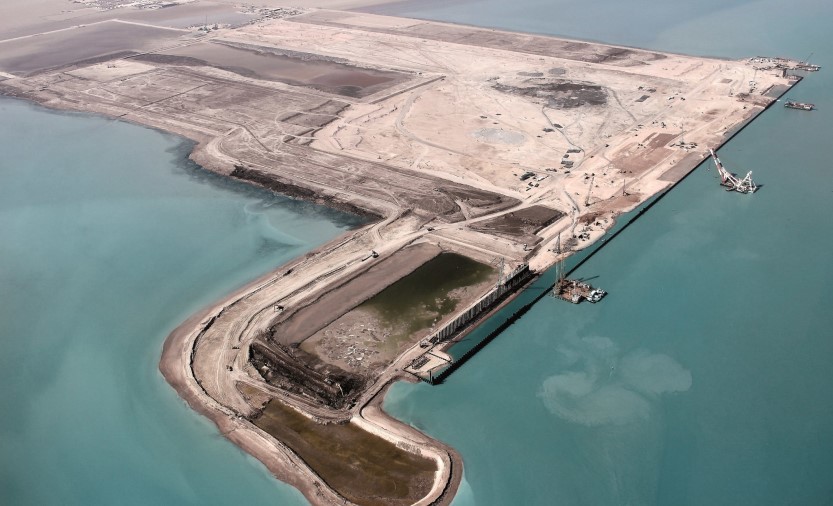
The crisis extends beyond legal language into the core of national economic interests. Iraq’s coastline stretches for only about 58 kilometers and depends entirely on Khor Abdullah as its sole direct maritime outlet to the Gulf and international waters.

This narrow channel, which forms the natural boundary with Kuwait’s Bubiyan Island before emptying into the Gulf, suffers from shallow waters and silt buildup, requiring constant dredging for large commercial vessels. It is therefore the primary artery for the Grand Faw Port project and the strategic Development Road initiative, through which Iraq aims to link Gulf markets to Europe via Turkey.

Iraqi policymakers fear that Kuwaiti expansion and maritime platforms at Fasht Al-Aij could narrow the navigational channel and hinder vessels bound for Iraqi ports.

For its part, Kuwait is developing Mubarak Al-Kabeer Port on neighboring Bubiyan Island as part of its “Kuwait Vision 2035.” Backed by Chinese firms, the Gulf state seeks to establish a new logistics system linking the port to Gulf railway networks.
نون بوست

2. Domestic Politics and Regional Dynamics

In Iraq, the issue is intertwined with internal polarization. The Federal Supreme Court has faced accusations of politicization, while some lawmakers have leveraged the dispute to rally electoral support particularly in Basra, where nationalist sentiment runs high.

Some of those challenging the agreement are reportedly linked to Iran-aligned factions, raising Gulf concerns that regional agendas may be driving the dispute.

Iraq’s submission of the maps triggered immediate regional alert, with repercussions extending beyond bilateral ties. Gulf Cooperation Council states declared full solidarity with Kuwait.

In this context, Saudi Arabia’s stance introduced a new dimension to the crisis. Riyadh warned that the Iraqi coordinates encompass large parts of the submerged divided zone adjacent to the Saudi–Kuwaiti border—an area of acute sensitivity because it includes the Al-Durra natural gas field, in which Saudi Arabia and Kuwait claim exclusive rights to natural resources, while Iran asserts competing claims.

Download this article as PDF
Share this Article
Facebook Twitter Whatsapp Whatsapp Telegram Email Copy Link
فريق التحرير
By فريق التحرير تقارير يعدها فريق تحرير نون بوست.
Follow:
Previous Article نون بوست A Moment of Exposure: Huckabee and the Zionist Narrative at an Impasse
Next Article نون بوست “Without Pluralism, No Constitution Can Operate Democratically”.. An Interview with Nathan Brown

Read More

  • U.S. Regime‑Change Policies: Why They Are Destined to Fail U.S. Regime‑Change Policies: Why They Are Destined to Fail
  • The Gulf’s Balancing Act: Iran, Israel, and Hidden Links
  • Iraq–Turkey Oil Export Treaty: Why Did Ankara Cancel It After 52 Years?
  • Syria’s Northeast on Edge: QSD Between Ankara and Damascus
  • Has Europe Changed Its Stance on Israel… or Just Its Language?
part of the design
NoonPost Weekly Newsletter

You May Also Like

U.S. Regime‑Change Policies: Why They Are Destined to Fail

U.S. Regime‑Change Policies: Why They Are Destined to Fail

إسراء سيد Esraa sayed 8 April ,2026
The Gulf’s Balancing Act: Iran, Israel, and Hidden Links

The Gulf’s Balancing Act: Iran, Israel, and Hidden Links

فريق التحرير Noon Post 8 April ,2026
Iraq–Turkey Oil Export Treaty: Why Did Ankara Cancel It After 52 Years?

Iraq–Turkey Oil Export Treaty: Why Did Ankara Cancel It After 52 Years?

فريق التحرير Noon Post 8 April ,2026

الإعدام لن يكسر إرادتنا

سندس عاصم
سندس عاصم Published 24 May ,2015
Share
sondos

استقبلت غير مصدقة الأخبار التي قالت يوم 16 أيار/ مايو إن محكمة مصرية حكمت علي بالإعدام، إلى جانب الرئيس السابق محمد مرسي، وعدد من مساعديه، إضافة إلى عدد من الشخصيات العامة المحترمة، بينهم العالم المشهور عماد شاهين. 

والاتهامات الموجهة لي مثل التي وجهت للرئيس مرسي، فهي زائفة بشكل كامل وسياسية. ويعرف العالم اليوم طبيعة المحاكم المصرية التعسفية التي تجرى للمعارضين السياسيين، وتصفها منظمات حقوق الإنسان الدولية بالمهزلة، وتفتقد المعايير القانونية، وتنتهك القانونين المصري والدولي.

شاركت في 25 كانون الثاني/ يناير 2011، مثل ملايين الشباب المصريين، في التظاهرات التي خرجت ضد الرئيس في حينه حسني مبارك، وحكمه الشمولي، الذي حصّن الفساد والظلم في مصر لأكثر من ثلاثة عقود. اعتصمنا في ميدان التحرير، وهتفنا للحرية والعدالة الاجتماعية، وطالبنا بتنحية الرئيس الذي لم يعرف الكثير منا غيره. وكان عدونا الأول ولا يزال الطغيان والمحسوبية في أشكالها كلها.

بعد سقوط نظام مبارك، تأثرت بمستوى النشاط السياسي والوطنية والفخر القومي الذي وحدنا جميعا، رغم خلافاتنا السياسية وانتماءاتنا. وامتلأت بالأمل بحياة أفضل، وحلمت بالذهاب إلى صندوق الاقتراع، مدركة أن صوتي سيكون له أثر، مثل بقية الناس في المجتمعات الديمقراطية.

أنتمي إلى مدرسة من التيار الإسلامي المعتدل، الذي لا يرى تناقضا بين الإسلام والديمقراطية. وفي الحقيقة يقف الإسلام وبقوة ضد الظلم وانتهاك حقوق الإنسان والاضطهاد، خاصة اضطهاد المرأة. وطالما آمنت بالديمقراطية والتغيير السلمي، ودافعت عن حقوق الإنسان للناس كلهم. ولهذا تطوعت للعمل في حملة مرسي (في انتخابات الرئاسة)، منسقة للاتصالات والإعلام الأجنبي، وعينت بالمركز ذاته في مكتب الرئيس، بعد انتخابه رئيسا في انتخابات حرة ونزيهة. وكانت هذه هي المرة الأولى التي كان بإمكاننا نحن المصريين المشاركة في انتخابات كهذه، وكانت بشكل مثير لحظة قوة لا تصدق.

ثم جاء الانقلاب العسكري في 3 تموز/ يوليو 2013، فلم أكن أتخيل أن يؤدي دعمي للديمقراطية أو خدمتي في إدارة أول رئيس منتخب ديمقراطيا بي إلى السجن، أو أن يستخدما ضدي كونهما جريمة تستدعي الحكم علي بالموت.

وأجد الآن نفسي محاكمة على كل شيء تطلعت له وعملت من أجله، وهو نشر القيم ذاتها التي قاتل ومات الكثيرون من إخواني المصريين، من الانتماءات السياسية كافة، من أجلها.

ومع أن الحكم الصادر علي هو في قضية التآمر الكبرى المزعومة، فإن النظام المصري يرغب بإنهاء حياتي لا لسبب، إلا لأنني متعلمة وناشطة سياسيا وامرأة مستقلة بآراء إسلامية تمثل التيار الرئيس. وقد سافرت كثيرا حول العالم، واستفدت من تعليمي وتدريبي للتواصل مع الناس من الثقافات والأديان المختلفة، وأقمت جسورا أيديولوجية، وشاركت في الحوار مع الآخرين، مثلا زميلة في تحالف الحضارات التابع للأمم المتحدة، وقد أعطاني هذا تكريما مشبوها؛ لكوني أول امرأة في تاريخ مصر الحديث يصدر عليها حكما بالإعدام لأسباب سياسية.

بشكل واضح أنتمي لجيل من الشباب المصري، رجالا ونساء، ليبراليين ومحافظين ويساريين ومسلمين ومسيحيين وملحدين، الذين يخافهم النظام، ويعدهم العدو رقم (1)؛ لأننا نمثل المستقبل والأمل للتغيير.

يريد النظام قتل حلم الديمقراطية والحرية في قلوب الشباب المصري، ولا يريد أن يعرف العالم حقيقة ما يجري في مصر، لكنه لن ينتصر، فهناك أمر ما تغير في الوعي الجمعي المصري، حتى ولو أعدم النظام الآلاف، فلدى المصريين الكثير ليقدموه، وسيأتي اليوم كي ينعم هذا البلد بالحرية والعدالة.

الحمد لله أنني وعلى خلاف عشرات الآلاف من الأبرياء المصريين الذين يعانون في السجون، أو يعذبون أو قتلوا في الشوارع أو أعدموا، فأنا خارج البلاد أواصل تعليمي في مجال السياسة العامة في بريطانيا. وقررت أن أواصل طريقا عمليا وأكاديميا مستقلا؛ من أجل الحصول على التجربة والمهارات التي تجعلني قادرة على خدمة وطني مصر، البلد الذي نشأت فيه وأعتز به.

مع أن شعوري بالفراق عن أهلي وأصدقائي وأحبائي يقطع قلبي، إلا أن حكم الإعدام لن يكسر إرادتي أو عزيمتي. بل على العكس فإنه سيعطيني القوة من أجل الدفاع عن مبادئ الثورة المصرية وقيمها، التي أتطلع لها أنا ومعظم المصريين: كرامه وحرية وعدالة.

المصدر: واشنطن بوست – ترجمة عربي 21

TAGGED: إعدام ، التخابر مع حماس ، ثورة 25 يناير
TAGGED: انقلاب مصر
Download this article as PDF
Share this Article
Facebook Twitter Whatsapp Whatsapp Telegram Email Copy Link
سندس عاصم
By سندس عاصم منسقة العلاقات الخارجية والإعلام الأجنبي في إدارة الرئيس المصري السابق محمد مرسي
Follow:
Next Article نون بوست The Stigma of “ISIS”: A Heavy Legacy Haunting Women and Children of Former Members
part of the design
NoonPost Weekly Newsletter
dark

An independent media platform founded in 2013, rooted in slow journalism, producing in-depth reports, analysis, and multimedia content to offer deeper perspectives on the news, led by a diverse young team from several Arab countries.

  • Politics
  • Society
  • Rights & Liberties
  • Opinions
  • History
  • Sports
  • Education
  • Technology
  • Economy
  • Media
  • Arts & Literature
  • Entrepreneurship
  • Travel
  • Cinema & Drama
  • Food
  • Health
  • Culture
  • Latest Reports
  • Files
  • Long Reads
  • Interviews
  • Podcast
  • Interactive
  • Encyclopedia
  • In Pictures
  • About Us
  • Our Writers
  • Write for Us
  • Editorial Policy
  • Advanced Search
Some rights reserved under a Creative Commons license

Removed from favorites

Undo
Go to mobile version