NoonPost NoonPost

NoonPost

  • Home
  • Politics
  • Economy
  • Society
  • Culture
  • Files
  • Long Reads
  • Podcast
AR
Notification Show More
نون بوست
“There Are Nights I Can’t Close My Eyes”: How Gazans Are Living in Homes on the Brink of Collapse
نون بوست
From al-Jolani to Ahmad al-Shara: The Evolution of Syria’s New Leader
نون بوست
When Political Islam Receded in Egypt: Who Filled the Void?
نون بوست
An Extension of Genocide: Gaza’s Detainees Speak Out
نون بوست
A Tightrope Between Survival and Sovereignty: The Syrian Government Faces Normalization Pressures
نون بوست
American Aircraft Carriers: Has the Era of “100,000 Tons of Diplomacy” Ended?
نون بوست
U.S. Regime‑Change Policies: Why They Are Destined to Fail
نون بوست
Transformations of Israeli Judaism: Between the Victim Complex and the Colonizer’s Doctrine
نون بوست
The Gulf’s Balancing Act: Iran, Israel, and Hidden Links
نون بوست
Iraq–Turkey Oil Export Treaty: Why Did Ankara Cancel It After 52 Years?
نون بوست
Syria’s Northeast on Edge: QSD Between Ankara and Damascus
نون بوست
Has Europe Changed Its Stance on Israel… or Just Its Language?
NoonPost NoonPost
AR
Notification Show More
نون بوست
“There Are Nights I Can’t Close My Eyes”: How Gazans Are Living in Homes on the Brink of Collapse
نون بوست
From al-Jolani to Ahmad al-Shara: The Evolution of Syria’s New Leader
نون بوست
When Political Islam Receded in Egypt: Who Filled the Void?
نون بوست
An Extension of Genocide: Gaza’s Detainees Speak Out
نون بوست
A Tightrope Between Survival and Sovereignty: The Syrian Government Faces Normalization Pressures
نون بوست
American Aircraft Carriers: Has the Era of “100,000 Tons of Diplomacy” Ended?
نون بوست
U.S. Regime‑Change Policies: Why They Are Destined to Fail
نون بوست
Transformations of Israeli Judaism: Between the Victim Complex and the Colonizer’s Doctrine
نون بوست
The Gulf’s Balancing Act: Iran, Israel, and Hidden Links
نون بوست
Iraq–Turkey Oil Export Treaty: Why Did Ankara Cancel It After 52 Years?
نون بوست
Syria’s Northeast on Edge: QSD Between Ankara and Damascus
نون بوست
Has Europe Changed Its Stance on Israel… or Just Its Language?
Follow US

Fifteen Years After “February 20” Has Morocco’s Protest Culture Changed?

فريق التحرير
Noon Post Published 26 March ,2026
Share
نون بوست
نون بوست

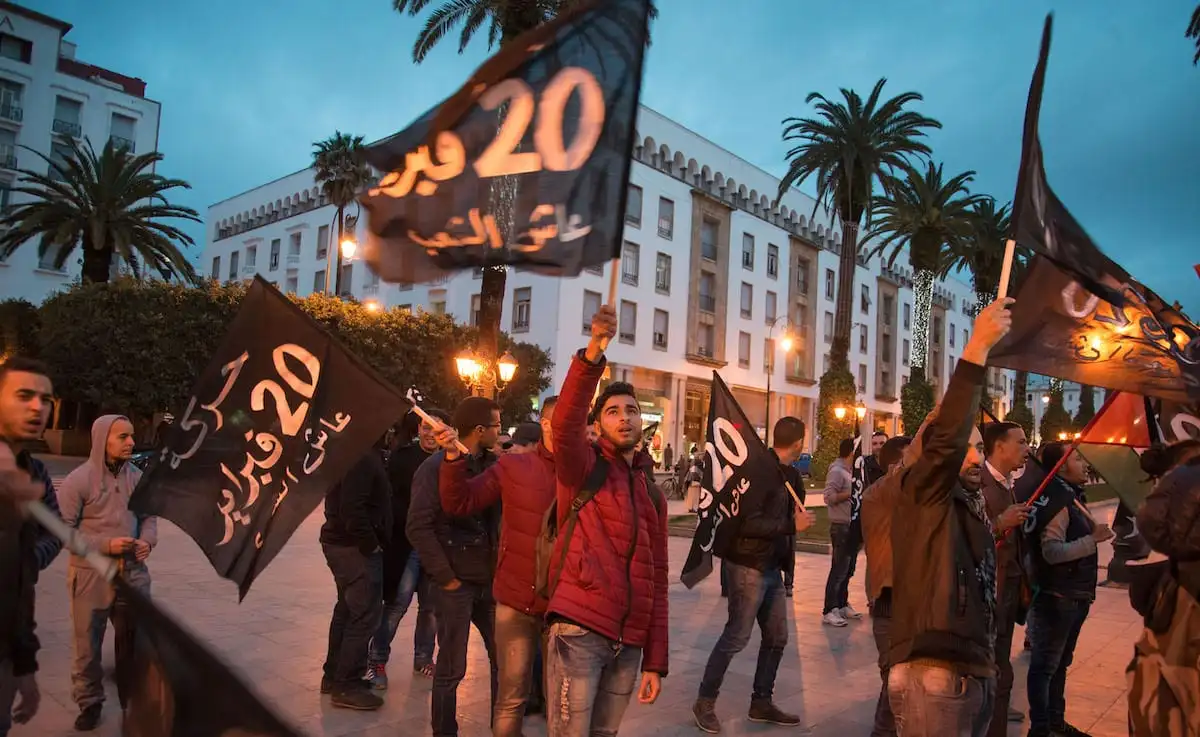
The February 20 Movement, which embodied Morocco’s version of the Arab Spring in 2011, did more than usher in a new constitution and early elections. It served as the spark for a sustained cycle of protest and public dissent, widening the arena of contention to include not only the streets but also digital platforms and football stadiums.

Yet the movement soon lost momentum and its ability to mobilize supporters, undermined by internal rifts and organizational disagreements most notably the withdrawal of Al-Adl wal-Ihsan (Justice and Spirituality). A swift response from the authorities, including King Mohammed VI’s March 9, 2011 speech delivered under street pressure, addressed part of the protesters’ demands. But the embers of protest did not fade. In 2016, the Hirak Rif movement erupted, followed by successive waves of anger in the cities of Zagora and Jerada.

In 2018, Morocco witnessed an unprecedented boycott campaign targeting three well-known consumer products. The movement began on social media before translating into tangible action on the ground.

Around the same time, Moroccan football crowds pioneered a new form of protest through politically charged chants most notably “F’Bladi Dalmouni” (“In My Country, They Wronged Me”), thundered by supporters of Raja Casablanca.

What Did the Movement Change in Protest Culture?

In his book Protest Movements in Morocco and the Dynamics of Change within Continuity, researcher Habib Astaty Zine El Abidine argues that while Morocco has advanced through several stages of political and constitutional reform, political liberalization—though it reduced electoral engagement—has paradoxically expanded the protest arena and strengthened more autonomous coordination capacities.

The Hirak Rif movement emerged as the most visible and consequential protest wave after February 20. It began in October 2016 and lasted until the summer of 2017, culminating in 2018 with a 20-year prison sentence handed to its leader, Nasser Zefzafi. Central demands focused on ending the marginalization of the Rif region and investing in its infrastructure.

The connection between the Rif protests and the broader Arab Spring remains an open question. Political researcher Sharifa Lamouer contends that these protest waves form an interconnected whole, united by their socio-political character.

Yet, in comments to Noon Post, Lamouer notes that what distinguished February 20 was the political maturity of its youth, who articulated clear constitutional and political demands—something largely absent in subsequent movements. Even so, she adds, later protests reflect renewed forms of activism inspired by the spirit of 2011.

Protest did not stop at the Rif. In 2017, residents of Zagora mobilized against chronic water shortages, while Jerada erupted in anger after miners died in makeshift coal shafts. Locals argue that the city was left without economic alternatives after its official mine was shut down.

Stadiums and the Digital Sphere: A Product of the Movement?

Following these waves, protest in Morocco expanded beyond traditional street demonstrations. In 2018, a sweeping boycott campaign targeted companies operating in fuel, dairy, and bottled water sectors. Originating online, it inflicted substantial financial losses.

The following year, protest songs echoed through football stadiums. Among them were Raja Casablanca’s “F’Bladi Dalmouni” and Wydad Athletic Club’s “Qalb Hazin” (“A Sad Heart”). Their lyrics denounced corruption, youth marginalization, and unemployment, spreading widely across social media and even resonating at demonstrations such as those staged by medical and pharmacy students.

Khalid El Bekkari, a university professor and Moroccan human rights activist, cautions against viewing digital activism and stadium protests as direct gains of February 20. These forms, he notes, predated or coincided with the movement, and several of its prominent figures emerged from ultra fan groups and blogging communities.

However, El Bekkari argues that the persistence of critical online commentary and politically charged stadium chants even as street protests receded following the harsh repression of the Rif movement reflects heightened security control and the state’s reassertion of dominance over public space. Most post-Rif protests, he says, have been sectoral or intermittent, swiftly contained before they could expand geographically or numerically.

Abdelrahim Bourkia, a researcher in sports sociology, shares this assessment. He notes that ultra groups did not officially participate in February 20 demonstrations; on the contrary, supporters of Raja and Wydad were at times mobilized to praise the reign of King Mohammed VI.

Generation Z Protests: A Qualitative Shift?

The “Generation Z 212” movement surfaced in mid-September 2025, when discussions began on Discord over the deteriorating state of healthcare and education, triggered by the shocking death of eight pregnant women at Hassan II Hospital in Agadir. Discord’s anonymity offered participants a layer of protection.

By September 27, protests had spilled into the streets of several major Moroccan cities, demanding reform in health and education and an end to corruption. Within days, thousands had joined the online platform.

Hakim Sikkouk, head of the Rabat branch of the Moroccan Association for Human Rights and a leading figure in February 20, describes Generation Z as a twin movement, sharing social and political demands and emerging from the digital sphere.

But he highlights a structural divergence: February 20 mobilized overt political backing, with many activists affiliated with leftist currents and decisions made in open assemblies. Generation Z, by contrast, operates through anonymous digital debates and online voting, with its members’ identities still concealed.

El Bekkari sees continuity in their shared youth character and their trajectory from virtual space to street mobilization around anti-corruption and rights-based slogans. Yet he underscores Generation Z’s deep mistrust of political parties and its organizational fragility reliance on anonymity has limited its geographic reach and left it vulnerable to arrest waves even more extensive than those of 2011.

Fifteen Years On: Gains and Setbacks

Frédéric Vairel, a scholar of social movements in Morocco, observes that the post-2011 period saw a relative widening of the space for expression. But he warns against reading this as a structural gain; it remains conditional on not threatening the power structure and contracts once unwritten red lines are crossed as demonstrated by the Rif experience.

Vairel argues that February 20 generated a profound cultural shift in Moroccans’ relationship with politics perhaps deeper than any constitutional reform. The Moroccan regime may have contained the movement, but it could not erase its imprint on collective consciousness.

El Bekkari insists that the protest trajectory of the past 15 years yielded tangible gains, including the regionally advanced 2011 Constitution, progress on employment and wages, the repeal of restrictive laws, and the preservation of social peace by serving as a countervailing force against state overreach.

Still, he acknowledges a central weakness: the absence of organized political representation capable of sustaining dialogue with the state. Weak unions and opposition parties leave protest demands contingent on shifting power balances, often confining them to sectoral frameworks rather than embedding them in a broader democratic transition.

Hakim Sikkouk, however, paints a darker picture. Fifteen years after February 20, he argues, many rights gains have receded, and authorities have expanded their repression of protest and calls for meaningful change.

Sharifa Lamouer concludes that while Morocco has long portrayed itself as an exceptional model in its regional environment even in its handling of dissent—this exceptionalism remains incomplete unless it translates into genuine respect for peaceful protest and serious engagement with legitimate social demands.

Fifteen years on, the spirit of February 20 still lingers in Morocco’s streets, a reminder that meaningful change is achieved not through repression, but through openness and trust between state and society.

Download this article as PDF
Share this Article
Facebook Twitter Whatsapp Whatsapp Telegram Email Copy Link
فريق التحرير
By فريق التحرير تقارير يعدها فريق تحرير نون بوست.
Follow:
Previous Article نون بوست The Long War Scenario with Iran: Can the Parties Withstand the Costs of Potential Attrition?
Next Article نون بوست Why Is “Israel” Supplying Africa With Advanced Surveillance Technologies?

Read More

  • U.S. Regime‑Change Policies: Why They Are Destined to Fail U.S. Regime‑Change Policies: Why They Are Destined to Fail
  • The Gulf’s Balancing Act: Iran, Israel, and Hidden Links
  • Iraq–Turkey Oil Export Treaty: Why Did Ankara Cancel It After 52 Years?
  • Syria’s Northeast on Edge: QSD Between Ankara and Damascus
  • Has Europe Changed Its Stance on Israel… or Just Its Language?
part of the design
NoonPost Weekly Newsletter

You May Also Like

U.S. Regime‑Change Policies: Why They Are Destined to Fail

U.S. Regime‑Change Policies: Why They Are Destined to Fail

إسراء سيد Esraa sayed 8 April ,2026
The Gulf’s Balancing Act: Iran, Israel, and Hidden Links

The Gulf’s Balancing Act: Iran, Israel, and Hidden Links

فريق التحرير Noon Post 8 April ,2026
Iraq–Turkey Oil Export Treaty: Why Did Ankara Cancel It After 52 Years?

Iraq–Turkey Oil Export Treaty: Why Did Ankara Cancel It After 52 Years?

فريق التحرير Noon Post 8 April ,2026

أطفال فيتنام يعملون بالسخرة في مزارع الحشيش ببريطانيا

فريق التحرير
Noon Post Published 27 May ,2015
Share
21345

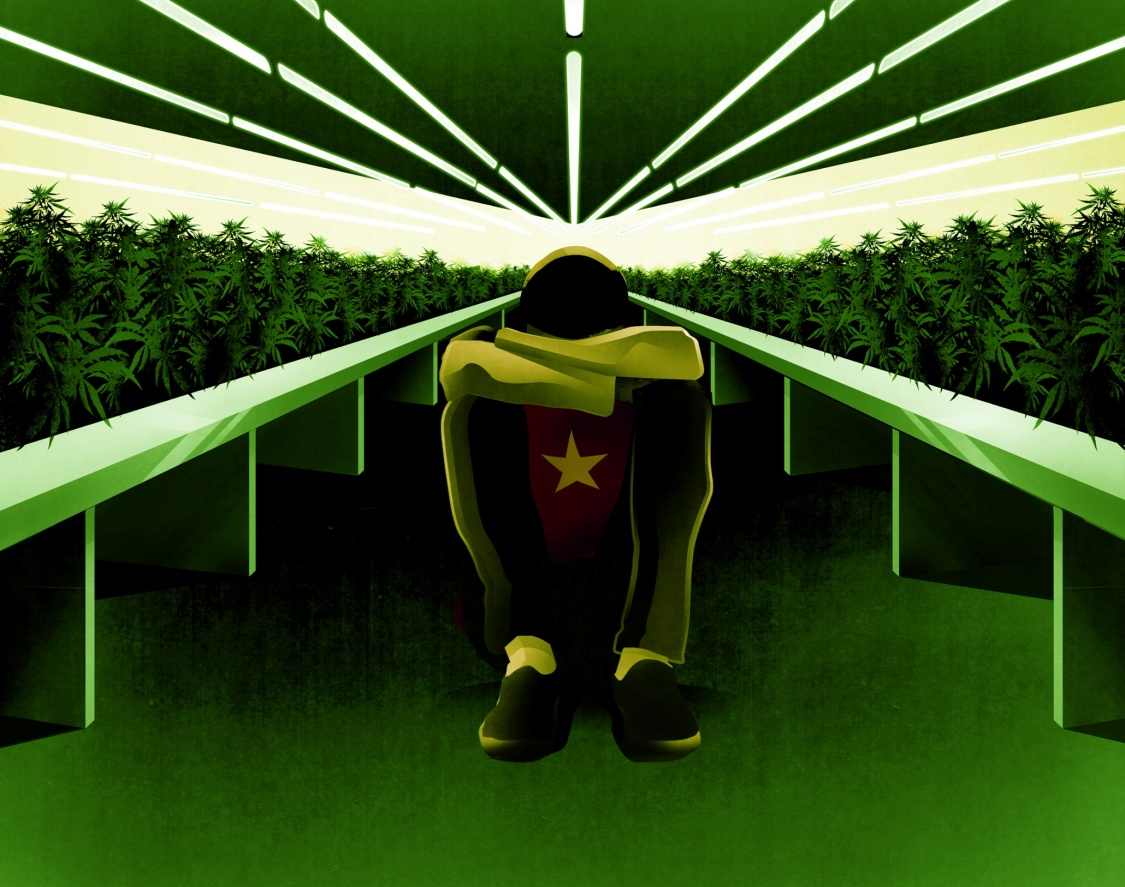
لم يكن يعلم “هين” ما هي البلد التي انتقل إليها وهو في سن الخامسة، فقد قيل له أنه قادم هنا ليعمل فقط، وقد صار له سبع سنوات يعمل في عالم الحشيش في بريطانيا دون مقابل تعرض فيها لكل أنواع الاستغلال والبؤس، حتى وقع في أيدي السلطات البريطانية، والتي حاكمته بالطبع وأرسلته للسجن دون أن تدري، أو تكترث، بأنه ضحية كآلاف غيره يتم استجلابهم كل عام للعمل دون مقابل، في واحدة من أكثر البلدان تقدمًا في العالم.

لم يمتلك هين أي خيار سوى أن يخضع لخاطفيه، وهو اليتيم القادم من فيتنام، ليمضي خمس سنوات من عمره متنقلًا مع عصابات الإتجار بالبشر، قبل أن يُرسَل إلى بيت يضم عمال فيتناميين في لندن، ويعمل خادمًا لهم دون مقابل، وهو البيت الذي رأى فيه العشرات من الأطفال الفيتناميين يأتون ويذهبون، بينما اضطر هو للنوم في الحدائق العامة والتقاط الطعام من القمامة بعد أن تخلى عنه الشخص الذي استجلبه، والذي قال له طوال تلك الفترة أنه عمه – ولم يكن عمه بالطبع.

لاحقًا، وجد هين ضالته في الإقامة مع زوجين فيتناميين، ولكن المقابل كان العمل مجانًا في مزارع الحشيش في مانشتر وإسكتلندا، وهو أمر لم يكن يعلم عنه شيئًا طبقًا لشهادته للشرطة البريطانية، فقد ذكر أثناء التحقيقات أنه تعامل مع مجموعة مختلفة من النباتات ولم يكن يعلم أنها مخالفة للقانون، وكل ما قيل له أنها تجلب الكثير من الأموال، وبالطبع الكثير من الأمراض كما علم لاحقًا، حيث تدهورت صحته نتيجة استخدام المبيدات في المزارع، وهي مهمة كانت جزءًا من مسؤولياته في العناية بالحشيش.

حين اعتقلته الشرطة البريطانية، كان هين وحده مع الحشيش، وبدأ يحكي حكايته الطويلة في محاولة لشرح الموقف، ولكن الشرطة لم تقتنع بما قاله على ما يبدو بسهولة، وأرسلته لإصلاحية للمجرمين صغيري السن في إسكتلندا، حيث أمضى عشرة أشهر، ليتم إطلاق سراحه فقط حين تدخل أحد القضاة ممن ارتأوا أنه ضحية للإتجار بالبشر وليس مجرمًا.

أطفال فيتنام وعصابات الإتجار بالبشر في بريطانيا

يشكل الأطفال حوالي رُبع الأشخاص الذين يتم الإتجار بهم وجلبهم إلى بريطانيا، والبالغ عددهم حوالي 13،000 سنويًا، وأطفال فيتنام تحديدًا هم المجموعة الأكبر من هؤلاء، حيث يصل حوالي 30 طفلًا فيتناميًا كل شهر تقريبًا إلى البلاد طبقًا لمكتب الأمم المتحدة للجريمة والمخدرات، لينضموا إلى ثلاثة آلاف موجودين بالفعل يعملون قسرًا عن طريق عصابات إجرامية تدير مصانع حشيش، وأحيانًا أيضًا منازل خاصة بأعداد كبيرة كما كان يفعل هين، وبيوت للبغاء، ومصانع للأقمشة.

لطالما سيطرت العصابات الفيتنامية على تجارة الحشيش في بريطانيا، والتي تقدّر بحوالي مليار جنيه إسترليني، وتُعَد صاحبة الدور الأبرز في ارتفاع نسبة الحشيش الذي تتم زراعته محليًا داخل البلاد من 15٪ عام 2005 إلى 90٪ الآن، حيث نمت مصانع الحشيش المملوكة لفيتناميين بنسبة 150٪ على مدار العاميين الماضيين فقط، وهو توسّع تحاول الدولة البريطانية جاهدة أن تواجهه عبر القوانين، كما أنه يتعرّض أصلًا لهجوم مضاد من المنافسين البريطانيين في سوق الحشيش، والمتضررين من المنافسة الفيتنامية.

تقرّ الشرطة البريطانية أنها تعاني بالفعل من سرعة وكفاءة عمل تلك العصابات الفيتنامية، والتنوّع في الأنشطة الذي بدأت تتسم به مؤخرًا، بل واتجاهها إلى إسكتلندا وأيرلندا الشمالية انطلاقًا من إنجلترا، “علينا أن نتمكن من فهم الأساليب الجديدة لتلك العصابات، والعمل نحو وقف الطلب الذي يجلب لهم الأرباح من ناحية، وتحجيم قدرتهم على در الأرباح من ناحية أخرى عبر مكافحة منظومتهم المالية،” هكذا يقول ستفين كارترايت، رئيس وحدة محاربة الإتجار بالبشر في شرطة إسكتلندا.

تكمن المشكلة الرئيسية هنا أن مكافحة المخدرات وأنشطة تلك العصابات، غالبًا ما تصبح المواضيع ذات الأولوية الأبرز، مما يجعل منظومة العدالة البريطانية تحاكم الكثير من الضالعين في تلك النشاطات، ومنهم الأطفال المهرّبين، دون إدراك أن معظمهم ضحايا لتجارة تلك العصابات بالبشر، ورُغم أن البعض الآن قد بدأ ينتبه لتلك المسألة، كما تثبت حالة هين الذي تم إطلاق سراحه، إلا أن تحري الدقة في تلك العماليات سيستغرق وقتًا طويلًا كما تشي بذلك الإحصاءات الحالية، والتي تشير إلى أن الأطفال الفيتناميين هم ثاني أكبر مجموعة عرقية في الإصلاحيات البريطانية.

علاوة على ذلك، التعرف على الضحايا من بين تلك الشبكة المعقد من المجرمين لن يكون كافيًا، بل بداية لرحلة أخرى لاكتشاف حيوات أولئك الأطفال، والجرائم الأخرى التي يتعرضون لها بجانب السخرة، كما يقول فيليب إشولا، الرئيس السابق لمكتب مكافحة الإتجار بالبشر في بريطانيا، “تدرك الشرطة والسلطات في بريطانيا الآن أن هؤلاء الأطفال ضحايا ليس إلا، وأنهم يعملون رُغمًا عنهم في مزارع الحشيش، ولكن السُخرة ليست سوى غيض من فيض مما يتعرضون له، فنحن نعتقد أن هناك مشاكل أخرى يتعرضون لها سنكتشفها مع الوقت، وسنحتاج لبذل الكثير من الجهد لوقف هذه الجرائم.”

TAGGED: أطفال فيتنام ، الحشيش في بريطانيا ، العبودية ، المجتمع البريطاني ، تجارة الحشيش
TAGGED: تجارة البشر
Download this article as PDF
Share this Article
Facebook Twitter Whatsapp Whatsapp Telegram Email Copy Link
فريق التحرير
By فريق التحرير تقارير يعدها فريق تحرير نون بوست.
Follow:
Next Article نون بوست The Stigma of “ISIS”: A Heavy Legacy Haunting Women and Children of Former Members

Read More

  • U.S. Regime‑Change Policies: Why They Are Destined to Fail U.S. Regime‑Change Policies: Why They Are Destined to Fail
  • The Gulf’s Balancing Act: Iran, Israel, and Hidden Links
  • Iraq–Turkey Oil Export Treaty: Why Did Ankara Cancel It After 52 Years?
  • Syria’s Northeast on Edge: QSD Between Ankara and Damascus
  • Has Europe Changed Its Stance on Israel… or Just Its Language?
part of the design
NoonPost Weekly Newsletter
dark

An independent media platform founded in 2013, rooted in slow journalism, producing in-depth reports, analysis, and multimedia content to offer deeper perspectives on the news, led by a diverse young team from several Arab countries.

  • Politics
  • Society
  • Rights & Liberties
  • Opinions
  • History
  • Sports
  • Education
  • Technology
  • Economy
  • Media
  • Arts & Literature
  • Entrepreneurship
  • Travel
  • Cinema & Drama
  • Food
  • Health
  • Culture
  • Latest Reports
  • Files
  • Long Reads
  • Interviews
  • Podcast
  • Interactive
  • Encyclopedia
  • In Pictures
  • About Us
  • Our Writers
  • Write for Us
  • Editorial Policy
  • Advanced Search
Some rights reserved under a Creative Commons license

Removed from favorites

Undo
Go to mobile version