



NoonPost NoonPost

NoonPost

  • Home
  • Politics
  • Economy
  • Society
  • Culture
  • Files
  • Long Reads
  • Podcast
AR
Notification Show More
نون بوست
“There Are Nights I Can’t Close My Eyes”: How Gazans Are Living in Homes on the Brink of Collapse
نون بوست
From al-Jolani to Ahmad al-Shara: The Evolution of Syria’s New Leader
نون بوست
When Political Islam Receded in Egypt: Who Filled the Void?
نون بوست
An Extension of Genocide: Gaza’s Detainees Speak Out
نون بوست
A Tightrope Between Survival and Sovereignty: The Syrian Government Faces Normalization Pressures
نون بوست
American Aircraft Carriers: Has the Era of “100,000 Tons of Diplomacy” Ended?
نون بوست
U.S. Regime‑Change Policies: Why They Are Destined to Fail
نون بوست
Transformations of Israeli Judaism: Between the Victim Complex and the Colonizer’s Doctrine
نون بوست
The Gulf’s Balancing Act: Iran, Israel, and Hidden Links
نون بوست
Iraq–Turkey Oil Export Treaty: Why Did Ankara Cancel It After 52 Years?
نون بوست
Syria’s Northeast on Edge: QSD Between Ankara and Damascus
نون بوست
Has Europe Changed Its Stance on Israel… or Just Its Language?
NoonPost NoonPost
AR
Notification Show More
نون بوست
“There Are Nights I Can’t Close My Eyes”: How Gazans Are Living in Homes on the Brink of Collapse
نون بوست
From al-Jolani to Ahmad al-Shara: The Evolution of Syria’s New Leader
نون بوست
When Political Islam Receded in Egypt: Who Filled the Void?
نون بوست
An Extension of Genocide: Gaza’s Detainees Speak Out
نون بوست
A Tightrope Between Survival and Sovereignty: The Syrian Government Faces Normalization Pressures
نون بوست
American Aircraft Carriers: Has the Era of “100,000 Tons of Diplomacy” Ended?
نون بوست
U.S. Regime‑Change Policies: Why They Are Destined to Fail
نون بوست
Transformations of Israeli Judaism: Between the Victim Complex and the Colonizer’s Doctrine
نون بوست
The Gulf’s Balancing Act: Iran, Israel, and Hidden Links
نون بوست
Iraq–Turkey Oil Export Treaty: Why Did Ankara Cancel It After 52 Years?
نون بوست
Syria’s Northeast on Edge: QSD Between Ankara and Damascus
نون بوست
Has Europe Changed Its Stance on Israel… or Just Its Language?
Follow US

Why Is “Israel” Supplying Africa With Advanced Surveillance Technologies?

فريق التحرير
Noon Post Published 26 March ,2026
Share
نون بوست
نون بوست

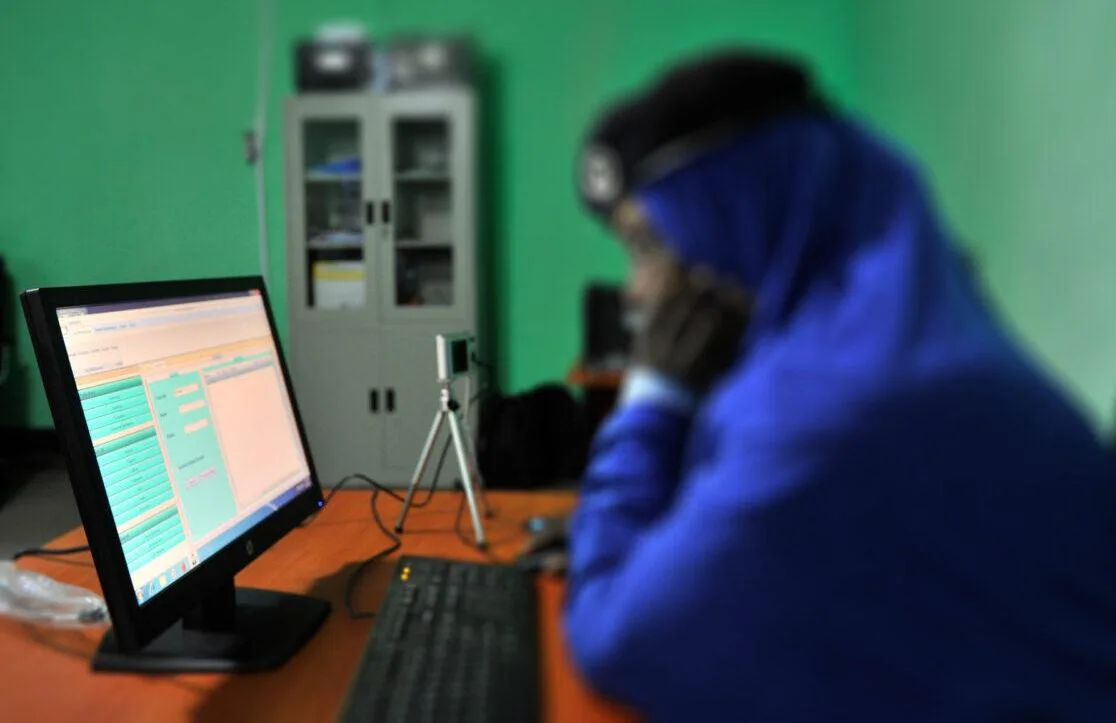
In February 2026, an investigation by The Guardian revealed that Kenyan authorities used advanced Israeli technology from the company Cellebrite to hack the personal phone of activist and potential presidential candidate Boniface Mwangi while he was in detention.

The software enabled police to fully decrypt the device and extract private messages, files, passwords, and financial account information one of the latest episodes in which African governments have deployed Israeli technologies to suppress political dissent.

The incident once again cast a spotlight on the expanding footprint of Israeli cybersecurity firms and military hardware across the continent, as well as the reciprocal interests binding Tel Aviv to African capitals.

Three Advanced Israeli Spy Tools

Israeli spyware is widely deployed across Africa. Human rights activists in Angola, Morocco, and Rwanda have been documented as targets, along with journalists in Togo and media sources in Botswana.

Opposition figures in Ethiopia, Ghana, and Gabon as well as U.S. diplomats in Uganda have also reportedly been targeted, according to research by the Institute for Security Studies in Africa.

Many African governments rely on such technologies to track political rivals and critics, deepening authoritarian tendencies and eroding democratic institutions, as a report by the Brookings Institution has warned.

The technologies exported by Israeli firms to Africa include sophisticated surveillance tools capable of transforming a smartphone into a comprehensive monitoring device. Among the most prominent:

1. Pegasus by NSO Group:
A zero-click spyware capable of infiltrating phones without any user interaction. It can steal photos, messages, and passwords, activate the camera and microphone, and track location data.

2. Predator by Intellexa:
Developed by the Intellexa consortium a network of companies led by former Israeli officer Tal Dilian it grants attackers full access to a compromised device’s microphone, camera, and stored data.

3. Cellebrite Device:
A digital forensics tool that enables the extraction of all data and files from Android and iPhone devices. It forms part of the global market for forensic analysis tools sold to governments worldwide.

Major Documented Surveillance Cases in Africa

1. Kenya: Targeting Opposition Figures With Cellebrite

In July 2025, Kenyan authorities arrested activist Boniface Mwangi and confiscated his phone. A technical analysis by Citizen Lab later revealed that police had used Cellebrite software to fully decrypt the device.

An application bearing Cellebrite’s digital signature was discovered on the phone. Through it, police extracted private messages, files, financial accounts, and passwords actions that constituted a clear violation of Kenya’s constitution and data protection law.

2. Angola: Journalism Under the Blade of Predator

In February 2026, an investigation by the Committee to Protect Journalists confirmed that the phone of Angolan journalist and lawyer Teixeira Cândido had been infected with Predator spyware ahead of the country’s 2027 elections, amid an increasingly restrictive media environment.

An unknown sender dispatched a WhatsApp message disguised as coming from a student group. The moment Cândido clicked the link, the spyware was installed, granting attackers control over his microphone and camera and access to contacts, messages, and photos.

Cândido described the ordeal starkly: “I felt as though I were naked in the street, uncertain what information they had obtained about my private life.”

3. Togo: Journalists Targeted With Pegasus

In January 2024, cybersecurity platform Dark Reading reported that an investigation by Reporters Without Borders found that the phones of several Togolese journalists had been hacked using Pegasus.

The findings showed that between February and July 2021, Pegasus was used at least 23 times to infiltrate the phone of Loïc Lawson, publisher of the newspaper Flambeau des Démocrates. Freelance journalist Anani Sossou faced a similar attack in October 2021.

A leaked list of 50,000 numbers linked to the Pegasus Project included three additional Togolese journalists. The report detailed how the Israeli-made spyware enables operators to extract all data and intercept messages, emails, passwords, and location data without the user’s knowledge.

4. Morocco and Rwanda: Spying on Leaders and Officials

A 2021 study published by the Brookings Institution highlighted the expanding use of Pegasus across Africa, noting that both the Moroccan and Rwandan governments had deployed the software to spy on opposition figures and politicians beyond their borders.

Morocco is believed to have targeted up to 10,000 numbers, while Rwanda allegedly monitored around 3,500 activists, journalists, politicians, and diplomats—including the daughter of a Rwandan dissident living in exile.

These tools have also been used for cross-border surveillance. Rwanda reportedly included the number of South African President Cyril Ramaphosa on its target list.

Morocco, meanwhile, placed Algerian and French officials under surveillance. Such practices illustrate how Israeli technology is fueling a regional espionage race and reinforcing authoritarian tendencies.

Israel’s Objectives: A Diplomatic Lever

1. Breaching the African “Fortress”:
Israel’s foremost objective is to break what it calls the “automatic majority” supporting Palestine in international organizations.

Former Israeli officials and journalists—such as Amitai Ziv of Haaretz—have stated bluntly: “When Israel sells cyber technology to an African state, it secures its vote at the United Nations.”

Arms and cyber sales have functioned as diplomatic currency, helping Israel obtain observer status at the African Union (later suspended).

2. Exporting the Occupation Model:
Israel seeks to normalize its repressive practices globally. When sovereign states deploy technologies developed to suppress Palestinians, they implicitly legitimize both the tools and the security model behind them. The occupation becomes a “laboratory” for innovation; Africa becomes the market.

3. Economic Returns:
The cyber sector represents a significant share of Israel’s high-tech exports. In 2023, defense exports reached $13 billion, a substantial portion of which came from cyber technologies funds crucial to sustaining Israel’s military-industrial complex.

African Gains: Regime Survival

1. Preemptive Superiority:
Israeli technology equips African governments with the capacity to “predict” protests before they erupt and to identify the intentions of opposition figures.

2. Bypassing Western Constraints:
Western countries nominally attach human rights conditions to arms sales. Israel, by contrast, sells “without questions,” making it an ideal partner for ostracized regimes.

3. Access to Washington:
Many African leaders believe that the road to the White House runs through Tel Aviv. Purchasing Israeli technology is seen as a gesture of goodwill one that can open doors to pro-Israel lobbying networks in Washington, shielding regimes from congressional scrutiny and polishing their image abroad.

The report concludes that Israeli technology in Africa is not a tool for development or human security in the humanitarian sense, but rather a “digital whip” lashing populations seeking freedom an attempt to replicate the “surveillance state” model employed in the West Bank and scale it across an entire continent.

Download this article as PDF
Share this Article
Facebook Twitter Whatsapp Whatsapp Telegram Email Copy Link
فريق التحرير
By فريق التحرير تقارير يعدها فريق تحرير نون بوست.
Follow:
Previous Article نون بوست Fifteen Years After “February 20” Has Morocco’s Protest Culture Changed?
Next Article نون بوست Algorithms of Annihilation: What We Know About Israel’s AI-Driven Killing Systems

Read More

  • U.S. Regime‑Change Policies: Why They Are Destined to Fail U.S. Regime‑Change Policies: Why They Are Destined to Fail
  • The Gulf’s Balancing Act: Iran, Israel, and Hidden Links
  • Iraq–Turkey Oil Export Treaty: Why Did Ankara Cancel It After 52 Years?
  • Syria’s Northeast on Edge: QSD Between Ankara and Damascus
  • Has Europe Changed Its Stance on Israel… or Just Its Language?
part of the design
NoonPost Weekly Newsletter

You May Also Like

U.S. Regime‑Change Policies: Why They Are Destined to Fail

U.S. Regime‑Change Policies: Why They Are Destined to Fail

إسراء سيد Esraa sayed 8 April ,2026
The Gulf’s Balancing Act: Iran, Israel, and Hidden Links

The Gulf’s Balancing Act: Iran, Israel, and Hidden Links

فريق التحرير Noon Post 8 April ,2026
Iraq–Turkey Oil Export Treaty: Why Did Ankara Cancel It After 52 Years?

Iraq–Turkey Oil Export Treaty: Why Did Ankara Cancel It After 52 Years?

فريق التحرير Noon Post 8 April ,2026

هل اقتربت نهاية تنظيم القاعدة في بلاد المغرب الإسلامي؟

هيثم سليماني
هيثم سليماني Published 26 May ,2015
Share
189356

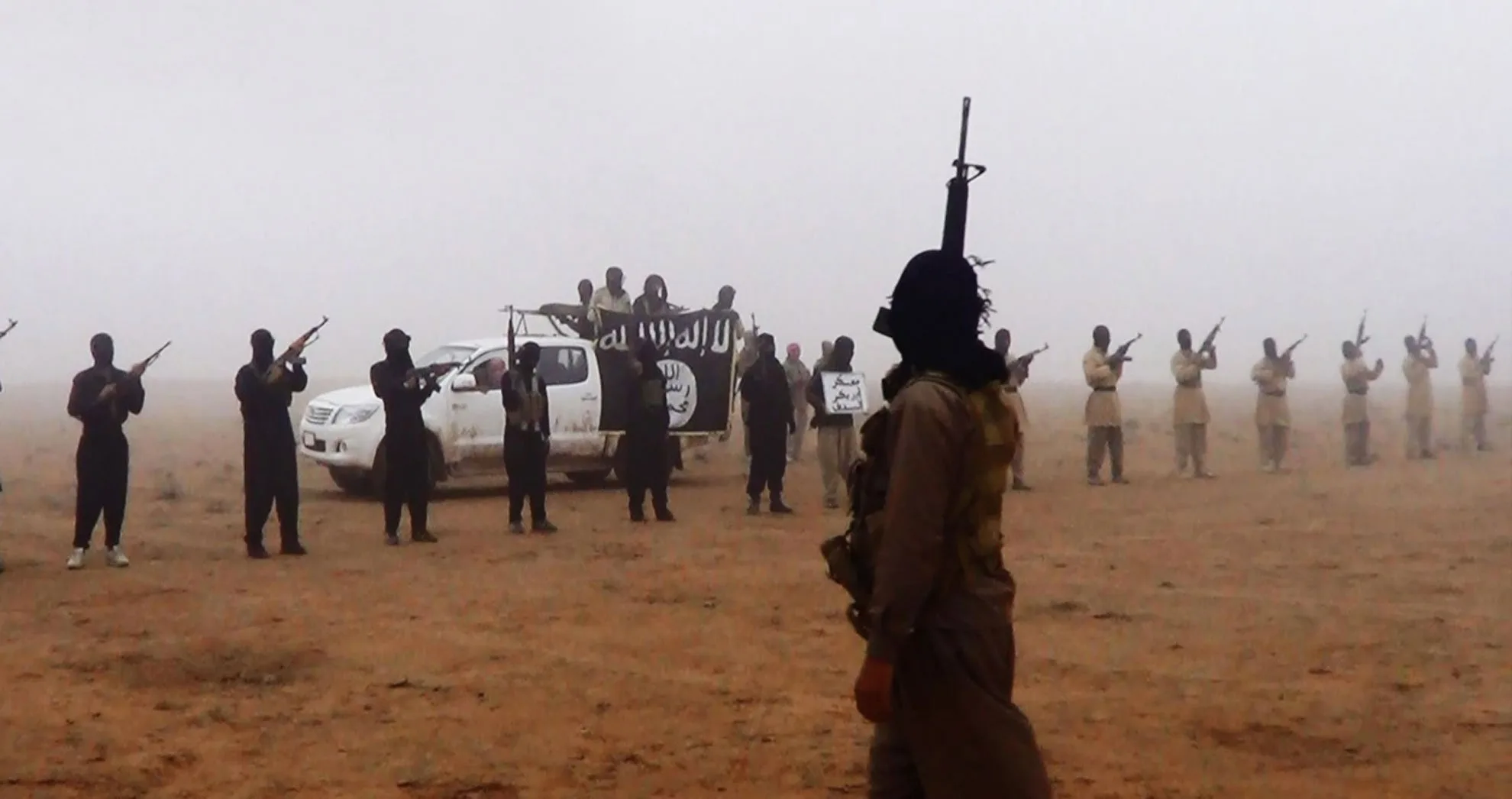
يعتبر تنظيم القاعدة في بلاد المغرب الإسلامي سليل الجماعة السلفية للدعوة والقتال الجزائرية بعد إعلان ولائها لتنظيم القاعدة وزعيمه أسامة بن لادن يوم 25 يناير، وكان يتزعمه في تلك الفترة عبد المالك درودكال المكنى بأبي مصعب عبد الودود، الذي تولى القيادة منذ سنة 2004 وهو في الثلاثينات من عمره والذي عرف عنه معرفته الواسعة في مجال صناعة المتفجرات.

وبحسب أدبيات التنظيم، فإنه يقدم نفسه على أنه “يسعى لتحرير المغرب الإسلامي من الوجود الغربي والموالين له وحماية المنطقة من الأطماع الخارجية”.

ورغم أنه نجح في جلب الأنظار بعملياته الإرهابية في الجزائر خاصة ثم باقي المنطقة، إلا أنه لا توجد إحصائيات دقيقة لعدد مقاتلي الجماعة، فالثابت هو أن أغلب عناصره جزائرية الأصل فيما يتوزع الباقون على جنسيات مختلفة أبرزها موريتانيا وليبيا والمغرب وتونس ومالي ونيجيريا.

وقد تمركز نشاط التنظيم أساسًا في الجزائر في مرحلة أولى، ليمتد لاحقًا إلى جنوب الصحراء وباقي مدن المغرب العربي، بعد أن ركز جهوده على تدريب عناصر من دول الجوار.

وقد صنفت الولايات المتحدة الأمريكية والاتحاد الأوروبي تنظيم القاعدة في بلاد المغرب الإسلامي كحركة إرهابية.

وتماهيًا مع تبعات ظهور تنظيم الدولة في السوق الجهادية، التي انسلخت عن تنظيمها الأم، القاعدة، مقدمة طرحًا جديدًا وتصورًا مغايرًا للأسس الإستراتيجية التي وضعها بن لادن وشركاؤه، شهدت خلايا تنظيم القاعدة في بلاد المغرب سجالات واسعة حول كيفية التعاطي مع هذا الطرح الجديد؛ فانقسم الصف المتشدد بين داعم له وبين مرتاب ومحافظ على انتمائه السابق.

ارتفاع عدد المبايعين للبغدادي في دول المغرب العربي

يبدو أن القدرة التسويقية العالية التي ظهر بها تنظيم الدولة منذ إعلان الخلافة وتنصيب أبي بكر البغدادي خليفة للمسلمين كانت كفيلة بدفع العديد من الخلايا والتنظيمات في بلدان المغرب العربي إلى فك الارتباط مع تنظيم القاعدة ومبايعة التنظيم الوافد.

الجزائر

ففي الجزائر، أعلن منشقون عن تنظيم القاعدة برئاسة أيمن الظواهري، في بلاد المغرب العربي إنشاء تنظيم مسلح جديد تابع لتنظيم الدولة الإسلامية المعروف بـ “داعش”، حيث أعلنت مجموعة من عناصر تنظيم القاعدة، تنشط في مدينة “سرايا” وسط الجزائر، في بيان تأسيس تنظيم “جند الخلافة في أرض الجزائر” مرتبط بتنظيم الدولة الإسلامية في العراق والشام.

وتقرر تأسيس التنظيم، بحسب البيان الرسمي للجماعة الوليدة، “بعد اجتماع لمجلس شورى منطقة الوسط في كتيبة الهدى وبعض السرايا التي كانت تتبع تنظيم القاعدة في بلاد المغرب، حيث تم الاتفاق على تأسيس جند الخلافة في أرض الجزائر بقيادة خالد أبي سليمان وبيعة البغدادي”.

وقد بايعت هذه المجموعة البغدادي في 13سبتمبر 2014 ويقدر عدد مقاتليها  بـ 105 مقاتلاً، وتتواجد بالمثلث بومرداس البويرة تيزي وزو وسط الجزائر،  وتتكون أسلحتها من مركبات رباعية، رشاشات، قناصات، عبوات ناسفة كاتيوشا، وكلاشات وأبرز عملياتها اختطاف وذبح رهينة فرنسي في الجزائر في شهر سبتمبر الماضي.

كما شهدت الجزائر إعلان كتيبة أخرى تابعة لتنظيم القاعدة في بلاد المغرب الإسلامي، تنشط بمحافظة سكيكدة، شرقي الجزائر، انشقاقها عن التنظيم ومبايعتها لأمير داعش، أبو بكر البغدادي،، بحسب بيان نشرته مواقع جهادية.

وجاء البيان عبر كلمة صوتية لأحد أعضاء الكتيبة تحت عنوان “بيان من كتيبة سكيكدة، كتيبة أنصار الخلافة بجبال الرحمن، ببيعة خليفة المسلمين وانضمامهم للدولة الإسلامية”.

وتبنت الكتيبة التي أطلقت على نفسها أيضًا تسمية “جند الخلافة في أرض الجزائر” إعدام رعية فرنسي يدعى هيرفي غوردال، اختطفته بجبال تيزي وزو شرق العاصمة في 21 سبتمبر، وقد بايعت هذه المجموعة البغدادي يوم 9 مايو 2015.

تونس

تونس هي الأخرى لم تشذ على ظاهرة الانقسام التي صدرتها المعارك في سوريا، حيث سارع تنظيم أنصار الشريعة المحظور إلى إعلان بيعته لتظيم الدولة  يوم 6 يوليو 2014، ويتزعمه سيف الدين الرايس.

ويعود تأسيس هذا التنظيم إلى أبريل 2011 وأعلنه رئيس الحكومة التونسية، تنظيمًا إرهابيًا يوم 23 أغسطس 2013.

ورغم أن أغلب الدراسات تشير إلى كون كتيبة عقبة بن نافع المتحصنة بالجبال على الحدود بين تونس والجزائر كانت بمثابة الذراع العسكرية لأنصار الشريعة، إلا أن التقارير أشارت إلى أنها بايعت في مرحلة أولى تنظيم القاعدة في بلاد المغرب، قبل أن تعلن بيعة البغدادي يوم 21 مايو 2015.

حيث أعلنت صفحة أفريقية للإعلام، الجناح الإعلامي لكتيبة عقبة بن نافع، عن انضمامها لتنظيم داعش، ونشرت الصفحة بيانًا على شبكة الإنترنت أكدت فيه البيعة لزعيم داعش أبو بكر البغدادي والجهاد تحت راية التنظيم في تونس.

ودعت الكتيبة كل مسلم في تونس وخارجها، بالمسارعة لتوحيد الصّف وتكثير سواد المؤمنين ومبايعة خليفة المسلمين أبو بكر البغدادي.

ونجحت الكتيبة حتى الآن في شنّ عمليات استعراضية أبرزها الهجوم الدامي على متحف باردو في 18 مارس الماضي الذي أوقع 22 من الضحايا، بينهم 21 سائحًا أجنبيًا وعنصرًا أمنيًا قبل أن تتدخل قوات خاصة وتجهز على العنصرين المسلحين وتحرر بقية الرهائن داخل المتحف.

ليبيا

وفي ليبيا، بايع تنظيم أنصار الشريعة البغدادي يوم 22 يونيو 2014، وقد تأسس في أبريل 2014 لينشط أساسًا في بنغازي ودرنة وسرت وسبها وصبراتة.

وبحسب التقديرات، يضم التنظيم 1500 مقاتل وكانت من أبرز عملياته الهجوم على القنصلية الأمريكية، في بنغازي ومقتل السفير الأمريكي في 28 يونيو 2014 .

المغرب

على عكس باقي الدول المغربية، لا يوجد حديث حول تنظيم إرهابي مغربي مستقل بذاته وإنما خلايا متكونة من أفراد لم تؤسس لافتة خاصة بها وكانت تابعة خاصة لتنظيم القاعدة في بلاد المغرب.

وقد أعلن المغرب طيلة السنوات الماضية على تفكيك عشرات الخلايا الإرهابية، ووفقًا للمكتب المركزي للأبحاث القضائية بالمغرب، فإن مصالح الأمن فكّكت 132 خلية إرهابية بين عامي 2002 و2015، وأوقفت 2720 شخصًا، وأحبطت اغتيال 109 شخصيات، و119 عملية تفجير، وسبع عمليات اختطاف، وأكثر من 40 عملية سطو مسلح.

وكشفت الداخلية المغربية، أن أفراد الخلية الإرهابية التي اعتقلها السلطات المغربية في سبتمبر 2014، والتي تنشط بكل من الناظور (شمال) ومليلية (تقع تحت السيرة الإسبانية)، كانوا يطلقون على أنفسهم اسم “أنصار الدولة الإسلامية في المغرب الأقصى”، والتحقوا بما يسمى “جند الخلافة” بالجزائر.

وتشير بعض التقارير إلى وجود أكثر من 1203 جهادي مغربي يقاتل في صفوف التنظيمات الإرهابية في سوريا والعراق ضمنهم 118 معتقلاً سابقًا في قضايا الإرهاب، يضاف إلى هؤلاء الجهاديون المغاربة الحاملون لجنسيات أوروبية وعددهم يزيد عن 500 ويمكنهم الانضمام إلى جهاديي الداخل أو تنفيذ مخططات إرهابية منفصل.

موريتانيا

وفي موريتانيا، أعلنت جماعة “المرابطون” المسلحة، 13 يوم مايو، مبايعتها لأمير تنظيم الدولة الإسلامية، أبو بكر البغدادي.

وبررت الجماعة مبايعتها للبغدادي في تسجيل صوتي بأنها “امتثال لأمر الله تعالى، وطاعة لرسوله صلى الله عليه وسلم”، وما وصفته بـ “لزوم الجماعة ونبذ الفرقة والاختلاف”.

وذكرت وكالة الأخبار الموريتانية أنه وقع تسمية أمير جديد لجماعة “المرابطون” الناشطة في منطقة الساحل والصحراء وهو عدنان أبو الوليد الصحراوي، ويعتبر الصحراوي أول أمير تعلن عنه الجماعة بشكل رسمي .

يذكر أن جماعة “المرابطون” تكونت من اندماج جماعتي “التوحيد والجهاد في غرب إفريقيا”، و”الملثمون” التي يقودها الجزائري مختار بلمختار، والتي تأسست في العام 2013.

هذا وقد رفض القيادي الجهادي مختار بلمختار بيعة البغدادي، مؤكدًا أن البيان المعلن “لا يلزم شورى المرابطين”.

وأكد بمختار التزامه ووفاءه لبيعة أيمن الظواهري على الجهاد في سبيل الله تعالى، ووصف بيعة البغدادي بأنها لم تلتزم “شروط وعهود الشورى في التنظيم”، كما أنها خالفت “مخالفة صريحة البيان التأسيسي الذي حدد منهج وسلوك التنظيم”، حسب تعبيره.

وقد أتى رفض القيادي الجهادي مختار بلمختار الجزائري الجنسية، بيعة المرابطين للبغدادي ليؤكد حدة الخلاف بين أنصار الدولة وأوفياء القاعدة.

لم يكن المغرب العربي في معزل عن الانبهار بتنظيم الدولة وما سوقه من إنجازات، والثابت أن التنظيم شرع في عملية استحواذ على الرصيد الذي كانت القاعدة تعول عليه لتثبيت أركانها في هذه المنطقة، استحواذ سينهي القاعدة متى تواصل بنفس هذه الوتيرة.

TAGGED: الدولة الإسلامية في العراق والشام ، المغرب العربي ، تنظيم القاعدة
Download this article as PDF
Share this Article
Facebook Twitter Whatsapp Whatsapp Telegram Email Copy Link
هيثم سليماني
By هيثم سليماني باحث في الشأن المغاربي
Follow:
Next Article نون بوست The Stigma of “ISIS”: A Heavy Legacy Haunting Women and Children of Former Members

Read More

  • U.S. Regime‑Change Policies: Why They Are Destined to Fail U.S. Regime‑Change Policies: Why They Are Destined to Fail
  • The Gulf’s Balancing Act: Iran, Israel, and Hidden Links
  • Iraq–Turkey Oil Export Treaty: Why Did Ankara Cancel It After 52 Years?
  • Syria’s Northeast on Edge: QSD Between Ankara and Damascus
  • Has Europe Changed Its Stance on Israel… or Just Its Language?
part of the design
NoonPost Weekly Newsletter

You May Also Like

U.S. Regime‑Change Policies: Why They Are Destined to Fail

U.S. Regime‑Change Policies: Why They Are Destined to Fail

إسراء سيد Esraa sayed 8 April ,2026
The Gulf’s Balancing Act: Iran, Israel, and Hidden Links

The Gulf’s Balancing Act: Iran, Israel, and Hidden Links

فريق التحرير Noon Post 8 April ,2026
Iraq–Turkey Oil Export Treaty: Why Did Ankara Cancel It After 52 Years?

Iraq–Turkey Oil Export Treaty: Why Did Ankara Cancel It After 52 Years?

فريق التحرير Noon Post 8 April ,2026
dark

An independent media platform founded in 2013, rooted in slow journalism, producing in-depth reports, analysis, and multimedia content to offer deeper perspectives on the news, led by a diverse young team from several Arab countries.

  • Politics
  • Society
  • Rights & Liberties
  • Opinions
  • History
  • Sports
  • Education
  • Technology
  • Economy
  • Media
  • Arts & Literature
  • Entrepreneurship
  • Travel
  • Cinema & Drama
  • Food
  • Health
  • Culture
  • Latest Reports
  • Files
  • Long Reads
  • Interviews
  • Podcast
  • Interactive
  • Encyclopedia
  • In Pictures
  • About Us
  • Our Writers
  • Write for Us
  • Editorial Policy
  • Advanced Search
Some rights reserved under a Creative Commons license

Removed from favorites

Undo
Go to mobile version