NoonPost NoonPost

NoonPost

  • Home
  • Politics
  • Economy
  • Society
  • Culture
  • Files
  • Long Reads
  • Podcast
AR
Notification Show More
نون بوست
“There Are Nights I Can’t Close My Eyes”: How Gazans Are Living in Homes on the Brink of Collapse
نون بوست
From al-Jolani to Ahmad al-Shara: The Evolution of Syria’s New Leader
نون بوست
When Political Islam Receded in Egypt: Who Filled the Void?
نون بوست
An Extension of Genocide: Gaza’s Detainees Speak Out
نون بوست
A Tightrope Between Survival and Sovereignty: The Syrian Government Faces Normalization Pressures
نون بوست
American Aircraft Carriers: Has the Era of “100,000 Tons of Diplomacy” Ended?
نون بوست
U.S. Regime‑Change Policies: Why They Are Destined to Fail
نون بوست
Transformations of Israeli Judaism: Between the Victim Complex and the Colonizer’s Doctrine
نون بوست
The Gulf’s Balancing Act: Iran, Israel, and Hidden Links
نون بوست
Iraq–Turkey Oil Export Treaty: Why Did Ankara Cancel It After 52 Years?
نون بوست
Syria’s Northeast on Edge: QSD Between Ankara and Damascus
نون بوست
Has Europe Changed Its Stance on Israel… or Just Its Language?
NoonPost NoonPost
AR
Notification Show More
نون بوست
“There Are Nights I Can’t Close My Eyes”: How Gazans Are Living in Homes on the Brink of Collapse
نون بوست
From al-Jolani to Ahmad al-Shara: The Evolution of Syria’s New Leader
نون بوست
When Political Islam Receded in Egypt: Who Filled the Void?
نون بوست
An Extension of Genocide: Gaza’s Detainees Speak Out
نون بوست
A Tightrope Between Survival and Sovereignty: The Syrian Government Faces Normalization Pressures
نون بوست
American Aircraft Carriers: Has the Era of “100,000 Tons of Diplomacy” Ended?
نون بوست
U.S. Regime‑Change Policies: Why They Are Destined to Fail
نون بوست
Transformations of Israeli Judaism: Between the Victim Complex and the Colonizer’s Doctrine
نون بوست
The Gulf’s Balancing Act: Iran, Israel, and Hidden Links
نون بوست
Iraq–Turkey Oil Export Treaty: Why Did Ankara Cancel It After 52 Years?
نون بوست
Syria’s Northeast on Edge: QSD Between Ankara and Damascus
نون بوست
Has Europe Changed Its Stance on Israel… or Just Its Language?
Follow US

Algorithms of Annihilation: What We Know About Israel’s AI-Driven Killing Systems

فريق التحرير
Noon Post Published 26 March ,2026
Share
نون بوست
نون بوست
The occupation used an AI-powered database in its aggression against the Gaza Strip.

Rarely has the world witnessed such a radical transformation in the mechanics of killing as it did during Israel’s assault on the Gaza Strip (2023–2025). The Israeli military shifted from traditional intelligence-gathering methods to artificial intelligence algorithms capable of flagging thousands of Palestinians for assassination within seconds.

This was not merely a conventional military campaign reliant on overwhelming firepower. It marked a decisive turning point, integrating artificial intelligence and big data into the very core of the kill chain.

In this report, we examine the algorithmic systems deployed by Israeli occupation forces in Gaza and how they enabled an unprecedented expansion in the scale of killing.

1. “Lavender”: The Algorithm of Death

The “Lavender” system, developed by Israel’s elite intelligence Unit 8200, served as the beating heart of human targeting during the latest offensive.

The algorithm relies on machine learning: it is trained on data from “known individuals” and then scans Gaza’s population for similar patterns to identify targets.
نون بوست
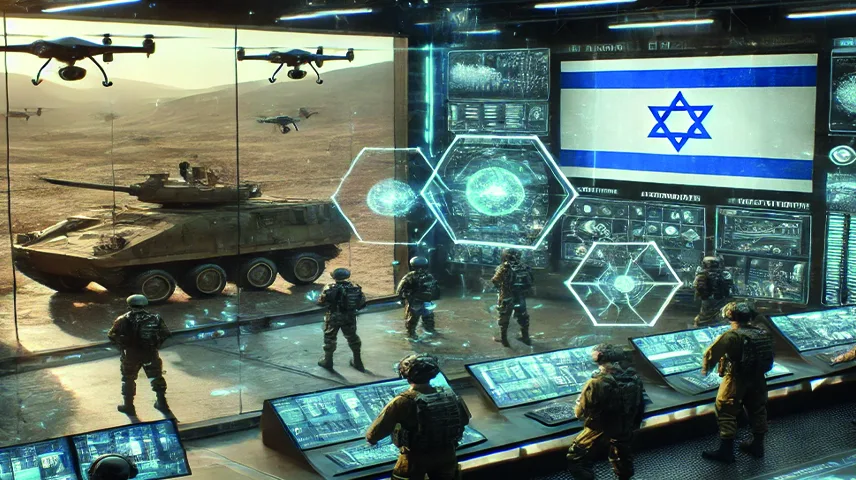
The testimonies revealed fatal technical flaws in this criminal “Where’s My Dad?” system.

Operating on probabilistic logic, the system assigns each person a score from 1 to 100 based on pattern similarity such as frequently changing phones, relocating addresses, or specific communication behaviors.

According to leaked information from within the Israeli military, the system identified approximately 37,000 Palestinians as legitimate assassination targets within the first weeks of the war. Many were low-level individuals who would not have appeared on traditional targeting lists.

This included thousands of civilians employed in government or civil police roles, as well as individuals whose behavioral patterns merely resembled those of resistance members. Testimonies and leaks from Israeli intelligence officers indicate a margin of error of up to 10 percent.

These results were reportedly converted directly into kill lists adopted by military leadership without meaningful review or additional human verification. All that remained was the press of a button helping explain the widespread targeting of civil servants and their families.

2. “Where’s Daddy?”: The Eradication of Families

If “Lavender” determines who should be killed, “Where’s Daddy?” determines when and where representing a chilling apex of technological brutality.

Under conventional military doctrine, combatants are targeted while engaged in military activity or located at military facilities. But Israeli forces faced difficulties pinpointing Hamas fighters inside underground tunnels. The intelligence solution was stark and disturbing: wait for them to return home.

The “Where’s Daddy?” system was designed to track the mobile phones of individuals identified by “Lavender.” Once a target entered their home, the system would send an immediate alert to the operations officer. The underlying premise was simple: the home is the easiest location to identify and destroy regardless of family presence.

Testimonies revealed lethal technical flaws in the system. Delays frequently occurred between the target’s arrival and the airstrike. In numerous cases, homes were bombed after the intended target had already left, resulting in the killing of entire families.

One officer reportedly admitted: “We bombed the house simply because the system said the target had arrived, without verifying whether he was still inside.”

For the first time, a stark “price list” for civilian casualties was revealed:

  • Low-level targets: The army permitted the killing of between 15 and 20 civilians as acceptable collateral damage for assassinating one individual.

  • High-ranking targets: The threshold was raised to allow the killing of hundreds of civilians in exchange for one senior figure.

The bombing of Jabalia refugee camp to assassinate a battalion commander resulting in hundreds killed or wounded stands as one example.

3. “The Gospel” (Habsora): The Destruction of Civilian Life

While “Lavender” and “Where’s Daddy?” focus on people, “The Gospel” (Habsora) targets structures. This AI system analyzes satellite imagery and structural data to generate building targets at industrial speed.

“Habsora” expanded the definition of a military objective to include so-called “power targets.” These were not weapons depots or command centers, but high-rise residential towers, universities, banks, and public buildings.

The declared purpose of striking such targets was to exert immense civilian pressure on Hamas by destroying Gaza’s middle class and civilian infrastructure.

A former intelligence officer described “The Gospel” as a “mass assassination factory.” The system is reportedly capable of generating 100 targets per day, compared to roughly 50 targets per year under previous systems.

This surplus fostered what officers described as “fire hunger,” with bombardments conducted simply because targets were available often without genuine strategic evaluation of military necessity.

Technological Complicity: Even More Terrifying Tools

The evolution of the killing machine did not end there. As the assault on Gaza continued into 2025, alongside ongoing Israeli operations in the West Bank, Unit 8200 introduced even more alarming technologies.

1. A Military “ChatGPT”

A March 2025 report by The Guardian revealed that Unit 8200 developed a large language model (LLM) similar to ChatGPT, trained on vast quantities of Palestinian textual and audio data.

The system is reportedly capable of:

  • Precisely understanding Palestinian dialects.

  • Analyzing conversational context to infer speakers’ intentions.

  • Answering queries such as: “Who spoke angrily about the army in the Hebron area last week?”

This represents a shift from identity-based targeting (as with Lavender) to intention-based targeting where individuals could be arrested or killed merely for expressing certain ideas, even before committing any act.

2. The Role of Cloud Infrastructure

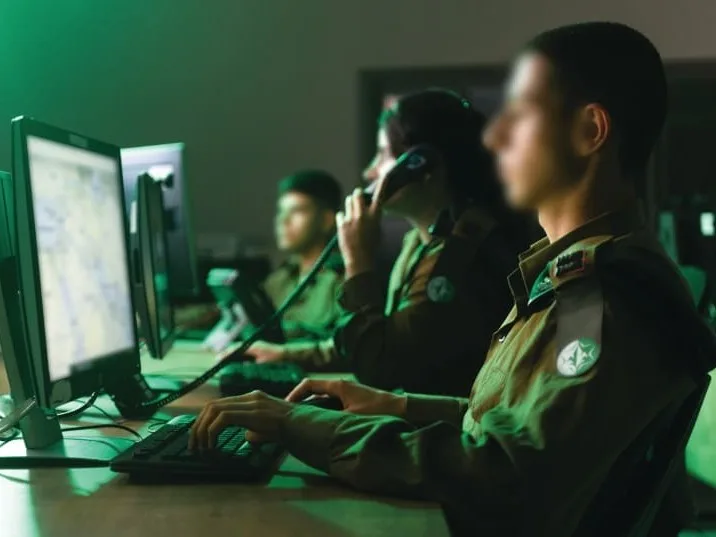
To manage these enormous volumes of data, the Israeli military relied on cloud infrastructure provided by U.S. companies including Google and Amazon under Project Nimbus, and later Microsoft, which hosted extensive Unit 8200 data.
نون بوست
The occupying army relied on cloud infrastructure provided by American companies.

Leaked documents from 2025–2026 revealed that Microsoft provided an air-gapped cloud environment for the Israeli military.

This enabled the storage and processing of Palestinian surveillance data on civilian corporate servers effectively making those companies technical partners in the infrastructure underpinning Israeli operations.

A Testing Laboratory and the Globalization of Crime

From within Gaza, these technologies appear as an extension of a longstanding policy that views every Palestinian as a potential threat. The deployment of “Lavender” and “Where’s Daddy?” does not reflect innocent innovation, but rather the weaponization of artificial intelligence to carry out systematic destruction.

A report by Action on Armed Violence (AOAV) warns that systematic home bombings aimed at killing individuals suspected of ties to resistance groups may amount to genocide.

United Nations experts have said these technologies are designed to “shock” the population and force displacement suggesting objectives that extend beyond military operations toward the dismantling of Palestinian society.

The Office of the High Commissioner for Human Rights condemned the use of artificial intelligence in the Gaza offensive, stating that systems like “Lavender” and “Where’s Daddy?” contributed to unprecedented destruction of homes and infrastructure and to the killing of thousands of Palestinians.

UN reports have described what is unfolding as “domicide” and “technocide,” noting that more than 80 percent of Gaza’s buildings have been destroyed following recommendations generated by “The Gospel.”

For many Palestinians, the assault on Gaza has become a testing ground for killing technologies later exported to authoritarian regimes worldwide.

Australian journalist Antony Loewenstein warned that Israel markets these systems to governments that praise rather than criticize it. Palestinian blood, he argues, becomes a commodity and suffering a profitable technological product.

Ultimately, these patterns expose the darkest face of artificial intelligence where algorithms become instruments of mass killing, heralding a new era of “algorithmic warfare” in which human beings are stripped of their humanity and reduced to data points in a system designed to harvest lives.

Download this article as PDF
Share this Article
Facebook Twitter Whatsapp Whatsapp Telegram Email Copy Link
فريق التحرير
By فريق التحرير تقارير يعدها فريق تحرير نون بوست.
Follow:
Previous Article نون بوست Why Is “Israel” Supplying Africa With Advanced Surveillance Technologies?
Next Article نون بوست The Suns of Truth Cannot Be Screened by Abu Dhabi’s Sieve of Crimes Against the Nation

Read More

  • U.S. Regime‑Change Policies: Why They Are Destined to Fail U.S. Regime‑Change Policies: Why They Are Destined to Fail
  • The Gulf’s Balancing Act: Iran, Israel, and Hidden Links
  • Iraq–Turkey Oil Export Treaty: Why Did Ankara Cancel It After 52 Years?
  • Syria’s Northeast on Edge: QSD Between Ankara and Damascus
  • Has Europe Changed Its Stance on Israel… or Just Its Language?
part of the design
NoonPost Weekly Newsletter

You May Also Like

U.S. Regime‑Change Policies: Why They Are Destined to Fail

U.S. Regime‑Change Policies: Why They Are Destined to Fail

إسراء سيد Esraa sayed 8 April ,2026
The Gulf’s Balancing Act: Iran, Israel, and Hidden Links

The Gulf’s Balancing Act: Iran, Israel, and Hidden Links

فريق التحرير Noon Post 8 April ,2026
Iraq–Turkey Oil Export Treaty: Why Did Ankara Cancel It After 52 Years?

Iraq–Turkey Oil Export Treaty: Why Did Ankara Cancel It After 52 Years?

فريق التحرير Noon Post 8 April ,2026

تراث للبيع

حمزة العبدالله
حمزة العبدالله Published 27 May ,2015
Share
40419

أكثر ما يشدني في المدن والبلدان وجهها التراثي الذي يعكس عبق المكان ويمنحك مفتاح صندوق حكاياه القديمة، منذ لحظة وصولي إلى مدينة جديدة – لم أزرها من قبل – أنطلق مفتشًا عن أسواق المدينة القديمة، وحاراتها الضيقة وناسها البسطاء ذوي الطبائع الأصيلة الذين لم تغيرهم متغيرات العصر ومتطلبات العولمة، ولم يصبحوا قوالب تبعًا لنماذج مصدرة إلينا عبر ما يحيط بنا من إعلام رقمي وفن وثقافة وأدب، ووسائل مرح وترفيه.

كنت مؤخرًا في جولة لبعض بلدان الخليج العربي، وفي كل محطة أبحث كعادتي عن بصمة المكان التي تميزه عن غيره، وتحمل هويته، وتعكس تاريخه وثقافته، وعن خبايا المكان وأسراره الملهمة.

وصلت مساءً إلى مطار بلد عربي فإذا بالغريب يُرحَب به أكثر من ابن البلد، ومن يحمل اسمًا لاتينيًا هو الضيف و”محمد” و”سعيد” و”محمود” يقبعون في صفوف مرتصة مكتظة بانتظار المصير، سماح أو عدم سماح بدخول البلد “العربي” الذي يُفترض أن يكون الوطن الأكبر كما غنى عمالقة الفن “وطني حبيبي .. الوطن الأكبر”!

بعد أن انهيت إجراءات الوصول وحصلت على سمة الدخول وتجاوزت حاجز التفتيش الأخير، وقبل أن تغادر المطار سيواجهك عالم من المقاهي والمطاعم العالمية، سيل من الموسيقى “العالمية” التي ذابت على أعتابها موسيقانا حتى باتت فنونًا وألحانًا مسخًا مقلدًا عن غيرها من “الفنون العالمية” وإن كانت كلماتها تغنى بحروف عربية، كل المحال تعلوها أسماء كتبت بحروف عربية ولكنها لا تمت لثقافتنا بصلة؛ برغر، سينامون، بيتزا،  وغيرها، جلست في أحد هذه المقاهي وطلبت قارورة مياه معدنية فجائني الجرسون بمياه “آفيان” الفرنسية العابرة للقارات!

انطلقت في المدينة مساءً أبحث عن مطعم يقدم أكلًا تراثيًا بعيدًا عن الوجبات العالمية أو الوجبات السورية واللبنانية، وهنا أدركت أنني أطلب المستحيل وكأني أطلب “لبن العصفور” أو كأني أبحث عن إبرة في كومة قش؛ صادفت في طريقي مطاعم هندية، باكستانية، نيبالية، إيطالية، أمريكية، فليبينية، إيرانية، صينية، يابانية حتى أصابني اليأس، وبعد سؤال وجولة لمدة ساعتين وجدتني أمام مطعم صغير – لا يوجد فيه مكان لجلوس الزبائن – يقدم أكلًا شعبيًا من تراث البلد الذي أزوره، فرحت كطفل تعطيه حلوى بعد حرمان، فأخذت الوجبة “الشعبية” وانطلقت عائدًا أدراجي إلى الفندق لأتناولها.

في بلد آخر زرته انطلقت إلى السوق التراثي فوجدته أُعيد تأهيله ليصبح عبارة عن سواق نُزع منها روحه واُستبدلت بأرواح أخرى، حين تراه ومن الوهلة الأولى فإنك ستعرف أن روحًا مستنسخة قد وهبت له وسرقت منه هويته، دخلت محاله فإذ بالتحف المعروضة هي من تركيا وإيران والهند وباكستان، وتحف “صينية” موجودة في زاويا خجلة من المحال تحمل اسم البلد ليحملها السائح كتذكار مادي بحت.

من الملاحظ جدًا أن تسمع أهل البلد قد أمالوا ألسنتهم وصاروا يتحدثون لغة مزيجة ما بين العربية والهندية أو الباكستانية أو البنغالية أو العمالة المنتشرة في البلد، ولن تستغرب إن ناداك أحدهم “سديك” أو “رفيك”، وتلك مصيبة أهون من أن ترى من هم ولدوا وترعرعوا ونشأوا في بلد عربي ومن أبوين عربيين وتعلموا في مدارس عربية ثم تجدهم يخلطون بين العربية والإنجليزية أو الفرنسية ليظهروا بمظهر متحضر عصري، يأتيك مرحبًا قائلاً لك “هاي”، فما تجد منك إلا أن ترد عليه “وعليك الهاي”!

أصبت بخيبة أمل حقيقية من هذه التحولات التي نتنكر فيها لتراثنا وتاريخنا ومخزوننا الحضاري، نستبدل فيها لغتنا العربية – أكثر لغات العالم بلاغة وغنى – أو نخلطها مع غيرها، وتصبح ثالث أو رابع لغة في التعاملات الرسمية  في بعض المدن العريية! نستبدل لائحة طعامنا التراثي الشهي بشريحة برغر أو قطعة سينامون أو كوب بيبسي، ونهدم ونهجر أسواقنا التراثية العريقة التي تحمل عبق جدود وآباء وذكريات سنون وأيام لنتجه إلى أسواق ضخمة عملاقة تدعى “مولات” تتجسد فيها المادية والاستهلاكية بأبشع صورها.

دول وكيانات تزوّر وتبذل وتضخ ضخًا إعلاميًا مهيبًا لتصنع ماض لها وتكوّن تاريخ، ونحن نبيع ثراثنا وتاريخنا وحضارتنا من أجل نماذج “عصرية” نراها في هوليود وبوليود، لنتحرر من ماضينا ونكون وليدي الحاضر.

وقديمًا قالوا “من ليس له ماض؛ ليس له حاضر ولا مستقبل”.

TAGGED: التراث العربي ، الحضارة العربية ، الدول العربية
Download this article as PDF
Share this Article
Facebook Twitter Whatsapp Whatsapp Telegram Email Copy Link
حمزة العبدالله
By حمزة العبدالله كاتب سوري
Follow:
Next Article نون بوست The Stigma of “ISIS”: A Heavy Legacy Haunting Women and Children of Former Members

Read More

  • U.S. Regime‑Change Policies: Why They Are Destined to Fail U.S. Regime‑Change Policies: Why They Are Destined to Fail
  • The Gulf’s Balancing Act: Iran, Israel, and Hidden Links
  • Iraq–Turkey Oil Export Treaty: Why Did Ankara Cancel It After 52 Years?
  • Syria’s Northeast on Edge: QSD Between Ankara and Damascus
  • Has Europe Changed Its Stance on Israel… or Just Its Language?
part of the design
NoonPost Weekly Newsletter

You May Also Like

U.S. Regime‑Change Policies: Why They Are Destined to Fail

U.S. Regime‑Change Policies: Why They Are Destined to Fail

إسراء سيد Esraa sayed 8 April ,2026
The Gulf’s Balancing Act: Iran, Israel, and Hidden Links

The Gulf’s Balancing Act: Iran, Israel, and Hidden Links

فريق التحرير Noon Post 8 April ,2026
Iraq–Turkey Oil Export Treaty: Why Did Ankara Cancel It After 52 Years?

Iraq–Turkey Oil Export Treaty: Why Did Ankara Cancel It After 52 Years?

فريق التحرير Noon Post 8 April ,2026
dark

An independent media platform founded in 2013, rooted in slow journalism, producing in-depth reports, analysis, and multimedia content to offer deeper perspectives on the news, led by a diverse young team from several Arab countries.

  • Politics
  • Society
  • Rights & Liberties
  • Opinions
  • History
  • Sports
  • Education
  • Technology
  • Economy
  • Media
  • Arts & Literature
  • Entrepreneurship
  • Travel
  • Cinema & Drama
  • Food
  • Health
  • Culture
  • Latest Reports
  • Files
  • Long Reads
  • Interviews
  • Podcast
  • Interactive
  • Encyclopedia
  • In Pictures
  • About Us
  • Our Writers
  • Write for Us
  • Editorial Policy
  • Advanced Search
Some rights reserved under a Creative Commons license

Removed from favorites

Undo
Go to mobile version