NoonPost NoonPost

NoonPost

  • Home
  • Politics
  • Economy
  • Society
  • Culture
  • Files
  • Long Reads
  • Podcast
AR
Notification Show More
نون بوست
“There Are Nights I Can’t Close My Eyes”: How Gazans Are Living in Homes on the Brink of Collapse
نون بوست
From al-Jolani to Ahmad al-Shara: The Evolution of Syria’s New Leader
نون بوست
When Political Islam Receded in Egypt: Who Filled the Void?
نون بوست
An Extension of Genocide: Gaza’s Detainees Speak Out
نون بوست
A Tightrope Between Survival and Sovereignty: The Syrian Government Faces Normalization Pressures
نون بوست
American Aircraft Carriers: Has the Era of “100,000 Tons of Diplomacy” Ended?
نون بوست
U.S. Regime‑Change Policies: Why They Are Destined to Fail
نون بوست
Transformations of Israeli Judaism: Between the Victim Complex and the Colonizer’s Doctrine
نون بوست
The Gulf’s Balancing Act: Iran, Israel, and Hidden Links
نون بوست
Iraq–Turkey Oil Export Treaty: Why Did Ankara Cancel It After 52 Years?
نون بوست
Syria’s Northeast on Edge: QSD Between Ankara and Damascus
نون بوست
Has Europe Changed Its Stance on Israel… or Just Its Language?
NoonPost NoonPost
AR
Notification Show More
نون بوست
“There Are Nights I Can’t Close My Eyes”: How Gazans Are Living in Homes on the Brink of Collapse
نون بوست
From al-Jolani to Ahmad al-Shara: The Evolution of Syria’s New Leader
نون بوست
When Political Islam Receded in Egypt: Who Filled the Void?
نون بوست
An Extension of Genocide: Gaza’s Detainees Speak Out
نون بوست
A Tightrope Between Survival and Sovereignty: The Syrian Government Faces Normalization Pressures
نون بوست
American Aircraft Carriers: Has the Era of “100,000 Tons of Diplomacy” Ended?
نون بوست
U.S. Regime‑Change Policies: Why They Are Destined to Fail
نون بوست
Transformations of Israeli Judaism: Between the Victim Complex and the Colonizer’s Doctrine
نون بوست
The Gulf’s Balancing Act: Iran, Israel, and Hidden Links
نون بوست
Iraq–Turkey Oil Export Treaty: Why Did Ankara Cancel It After 52 Years?
نون بوست
Syria’s Northeast on Edge: QSD Between Ankara and Damascus
نون بوست
Has Europe Changed Its Stance on Israel… or Just Its Language?
Follow US

50,000 With Foreign Passports: Who Is Fighting in Gaza With the Israeli Army?

فريق التحرير
Noon Post Published 26 March ,2026
Share
نون بوست
نون بوست
The occupying army includes 50,632 soldiers who hold at least one foreign nationality.

On February 14, 2026, Western capitals aligned with Tel Aviv awoke to what was described as the largest information scandal in the history of Israel’s military establishment one that pulled back the curtain on what critics have called a hidden Western army operating within the ranks of the Israeli occupation forces.

According to data obtained by the Israeli rights group Hatzlacha (“Success”) following what it described as a “legal battle” to compel the army to release the information, figures published by the Hebrew-language daily Yedioth Ahronoth, along with the British outlets Declassified UK and AOAV, revealed the scale of foreign nationals serving in the Israeli military.

This report examines the nationalities involved, the motivations behind their enlistment, their roles in the most recent assault on the Gaza Strip, and the legal frameworks governing foreign military service—as well as the extent to which their home countries have shielded them from accountability.

How Widespread Are Dual Nationals in the Israeli Army?

According to data published by Yedioth Ahronoth, 50,632 soldiers serving in the Israeli army hold at least one foreign nationality in addition to Israeli citizenship.

The newspaper reported that 4,440 of them possess two foreign nationalities, while 162 hold three.

American passport holders constitute the largest contingent, followed by French, Russian, German, and Ukrainian nationals. More than a thousand others hold British, Romanian, Polish, Ethiopian, and Canadian citizenships, among others.

An accompanying infographic documents in detail the distribution of foreign nationalities among Israeli soldiers, as well as the number of dual and multiple nationals serving in its ranks.

What Motivates Them to Join?

The motivations vary, but the outcome is the same: reinforcing Israel’s military apparatus with fighters carrying foreign passports.

1. Mandatory Israeli Conscription

Under Israel’s Security Service Law, every “citizen”—including those residing abroad—is required to serve upon reaching the age of 18. The Israeli Embassy in London has stated that citizens living overseas must apply to clarify their military status at 16 years and four months of age. This means that individuals holding foreign passports who are registered as Israeli citizens are liable for service even if they live in New York or Paris.

2. Ideological Settlement Immigration

Many young Jews, particularly from the United States, Latin America, and Europe, immigrate to Israel for ideological or religious reasons in a process known as aliyah. They often regard military service as integral to their Zionist identity. An opinion article in The Guardian noted that tens of thousands of Americans serve in the Israeli military as part of what it described as an “ideological system invested in occupation.”

3. Recruitment and Enlistment Programs

Programs such as Mahal and Tzofim Garin Tzabar enable young Jews from abroad to serve in the Israeli army for 18 months without acquiring Israeli citizenship. These tracks appeal to those who do not wish to settle permanently but want to take part in military service.

4. Economic and Political Incentives

Republican lawmakers in the United States have advanced proposed legislation granting Americans who serve in the Israeli military the same benefits afforded to U.S. veterans. The proposal includes protections against property seizure and reduced loan interest rates, offering tangible incentives for participation.

5. The “Lone Soldier” Phenomenon

The term refers to soldiers without immediate family in Israel. According to the Lone Soldier Center, more than 7,000 soldiers fall into this category, 45 percent of whom are new immigrants from Jewish communities worldwide. For many, the army provides a source of social belonging and financial stability.

What Has Been the Nature of Their Participation in Gaza?

Most dual nationals are assigned to ground combat units such as the Givati Brigade and the 401st Armored Brigade, taking part in raids on refugee camps and the destruction of residential neighborhoods. During the war on Gaza between 2023 and 2025, thousands of dual nationals were involved in documented violations:
نون بوست
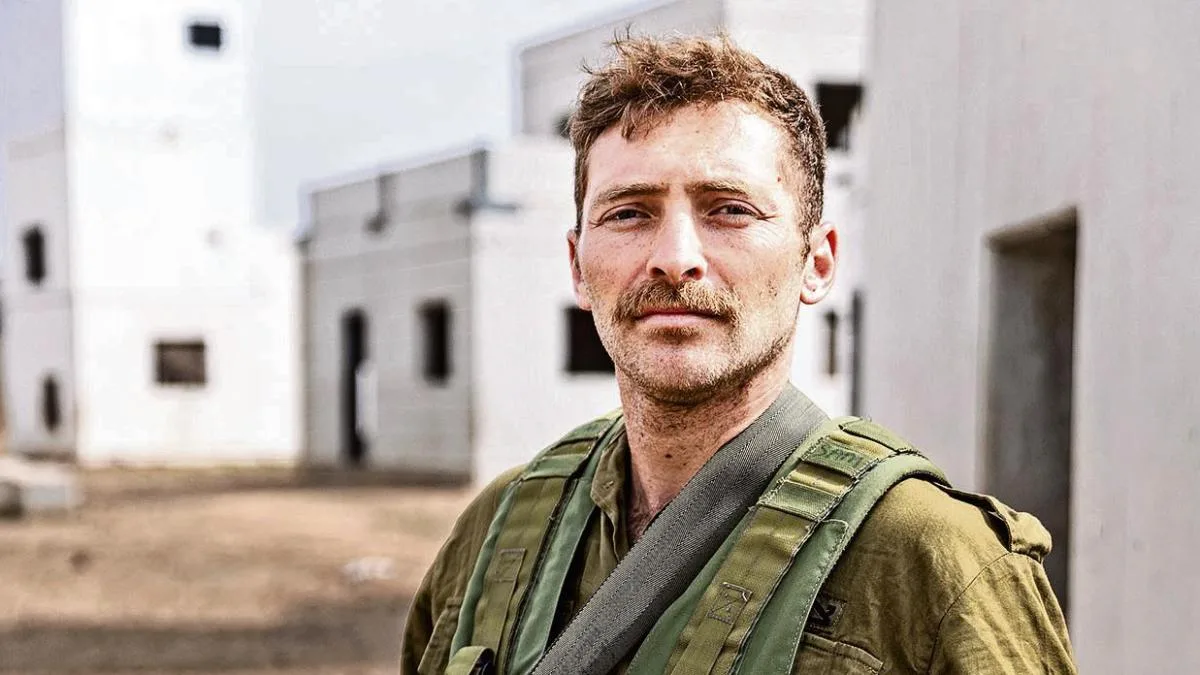
British soldier Sam Sank filmed himself fighting in Gaza

British Units:
Declassified UK reported that 1,686 British nationals holding Israeli citizenship, along with 383 holding a third nationality, fought in the Israeli army during the assault. The outlet documented how some British soldiers were serving in what it described as “the craziest units” operating in Gaza.

Another report stated that British soldier Sam Sank filmed himself fighting in Gaza between December 2023 and January 2024. Another soldier, identified as Levy Simon, appeared in footage searching through the drawers of Palestinian women.

American Soldiers:
Reports indicate that 23,380 Americans serve in the Israeli military. The Washington Post, cited by other reports, described American families expressing pride in their children’s participation in the war, characterizing them as “more Israeli than Israelis.”

French Soldiers:
French lawmaker Thomas Portes revealed that approximately 4,185 French or French-Israeli nationals are fighting in the Israeli army and called on the justice minister to open investigations and prosecute them for alleged war crimes. This group represents the second-largest foreign contingent after Americans.

How Have Their Other Countries Provided Cover?

United States:
Joining a foreign military is not criminalized under U.S. law unless it involves hostilities against Washington or is undertaken with the intent of renouncing American citizenship.

United Kingdom:
The Foreign Enlistment Act of 1870 criminalizes service in the armed forces of a state at war with a country friendly to the United Kingdom. Some argue this could apply in the context of Palestinian statehood recognition. However, the law is rarely enforced and widely considered outdated.

France:
There is no explicit prohibition on foreign military service. Authorities generally rely on the principle of dual loyalty. Nevertheless, soldiers may face prosecution if evidence emerges that they committed war crimes.

Other Countries:
Some European states, including Belgium and the Netherlands, allow dual nationals to serve in the armed forces of their other country of citizenship, though they stipulate prosecution in cases involving war crimes.

Why Have They Not Been Held Accountable?

1. Political Complicity

Israel enjoys sustained political and military backing from the United States, France, and Germany, making governments reluctant to pursue measures that could strain ties with a strategic ally. Even when evidence of foreign nationals’ involvement in alleged war crimes surfaces, official responses have largely been limited to rhetorical condemnation.

2. Legal Ambiguity

Certain laws, such as Britain’s Foreign Enlistment Act, are antiquated and rarely applied, requiring complex procedures to enforce. In France, the absence of a clear statutory ban allows prosecutors to avoid initiating cases.

3. Dual Loyalty

Western governments often view dual nationals as belonging to two states simultaneously, complicating questions of jurisdiction. Critics argue that this rationale has been used to avoid investigations, despite those countries’ obligations under the Genocide Convention.

4. Pro-Israel Right-Wing Currents

In the United States, influential political currents strongly support Israel and have sought to legislate benefits for Americans serving in its military. These groups exert pressure on the Justice Department to refrain from prosecutions, portraying such individuals as “heroes fighting terrorism.”

Conclusion

Taken together, the data suggest what amounts to an internationalized war effort: more than 50,000 soldiers holding foreign passports within the Israeli army implies that the campaign in Gaza has involved citizens of multiple nations, operating in full view of their governments. Critics contend that this widening circle of participation and silence extends responsibility beyond Israel itself to every capital that has provided political or legal cover.

Download this article as PDF
Share this Article
Facebook Twitter Whatsapp Whatsapp Telegram Email Copy Link
فريق التحرير
By فريق التحرير تقارير يعدها فريق تحرير نون بوست.
Follow:
Previous Article نون بوست Abu Dhabi’s Diplomatic Flurry: What’s at Stake?
Next Article نون بوست Exhumations and the Politics of Humiliation: The Occupation’s Battle Against Palestinian Bodies

Read More

  • U.S. Regime‑Change Policies: Why They Are Destined to Fail U.S. Regime‑Change Policies: Why They Are Destined to Fail
  • The Gulf’s Balancing Act: Iran, Israel, and Hidden Links
  • Iraq–Turkey Oil Export Treaty: Why Did Ankara Cancel It After 52 Years?
  • Syria’s Northeast on Edge: QSD Between Ankara and Damascus
  • Has Europe Changed Its Stance on Israel… or Just Its Language?
part of the design
NoonPost Weekly Newsletter

You May Also Like

U.S. Regime‑Change Policies: Why They Are Destined to Fail

U.S. Regime‑Change Policies: Why They Are Destined to Fail

إسراء سيد Esraa sayed 8 April ,2026
The Gulf’s Balancing Act: Iran, Israel, and Hidden Links

The Gulf’s Balancing Act: Iran, Israel, and Hidden Links

فريق التحرير Noon Post 8 April ,2026
Iraq–Turkey Oil Export Treaty: Why Did Ankara Cancel It After 52 Years?

Iraq–Turkey Oil Export Treaty: Why Did Ankara Cancel It After 52 Years?

فريق التحرير Noon Post 8 April ,2026

كيف تستعد إيران لخوض معركة الساحل في سوريا بجوار الأسد؟

فريق التحرير
Noon Post Published 31 May ,2015
Share
qs

عشرون قتيلاً وعشرات الجرحى من قوات النظام الأسدي في معارك بريف اللاذقية، تناثر لجثث القتلى وسط الغابات بعدما عجزت قوات النظام عن سحبها، تقدم ميداني للمعارضة السورية المسلحة على الأرض، معارك مشتعلة في عدة جبهات بين قوات الأسد وعناصر المعارضة المسلحة، استغاثة بحزب الله وعناصره يبدو أنها لم تفلح ميدانيًا حتى الآن.

سقطت تدمر، سقطت جسر الشغور، سقطت إدلب كاملة بعد معارك أريحا، فرار لعناصر النظام باتجاه سهل الغاب بريف حماة واتجهت الأنظار نحو الساحل السوري، جن جنون النظام الذي لجأ للقصف عشوائي عله يوقف زحف المعارضة المسلحة على الأرض من كل اتجاه، ولكن معركة الساحل ستكون هي الفيصل.

الحليف الإيراني للنظام السوري يشاهد كل هذه التطورات الميدانية وبالطبع يستعد للتدخل السريع، وذلك عبر جنرال الشرق الأوسط في الحرس الثوري الإيراني قاسم سليماني، حيث ترددت الأنباء عن إجراء سليماني زيارة خاطفة إلى قرية جورين في سهل الغاب بريف حماة، دون تحديد زمن الزيارة ومدتها.

قرية جورين في سهل الغاب، تعد نقطة التقاء بين أرياف اللاذقية وحماة وإدلب وكلها نقاط معارك مشتعلة بين النظام وقوات المعارضة المسلحة بمختلف تشكيلاتها، وهي التي تفصلهم عن الساحل، لذلك فسرت الزيارة على أنها استعداد لمواجهات عسكرية حماية للساحل السوري، خاصة وأن الأنباء الواردة تؤكد أن سليماني اصطحب معه في هذه الزيارة رئيس أركان الجيش السوري علي عبد الله أيوب، وبعض القادة الميدانيين لحزب الله في سوريا، لإنهاء ترتيبات معركة الساحل، حيث قامت هذه المجموعة بجولة على محاور القتال حول قمة النبي يونس بريف اللاذقية.

هذه الأنباء أتت بعد تأكيدات عن وصول دعم إيراني للنظام السوري متمثل في 1500 عنصر مقاتل من الحرس الثوري الإيراني إلى ريف اللاذقية غربي سوريا، هذه القوات ستكون مهمتها الأساسية تسلم نقاط تمركز قوات النظام الأسدي ومليشيات الدفاع الوطني وحزب الله اللبناني، بحيث ستتولى أمر إدارة نقاط الحراسة على هذا المحور من الجبهة، للتصدي لهجوم المعارضة.

المعارضة السورية تؤكد بعض من هذه المعلومات، إذ تشير عناصر ميدانية من الجيش الحر رصدها لتحركات مريبة في ريف اللاذقية، غير أنهم لم يتأكدوا حتى الآن من وصول الدعم الإيراني إلى هناك، ولكن ثمة إشارات لمكالمات اُلتقطت من داخل ريف اللاذقية تضم محادثات لعناصر باللغة الفارسية، يُعتقد أنها قوات إيرانية.

ومن المتوقع أن يستخدم النظام السوري هذا الدعم في السيطرة على جبل الأكراد عن طريق شن هجوم واسع، بهدف إقامة خط دفاع أمامي لصد محاولات تقدم المعارضة المسلحة نحو الداخل في الساحل السوري، خاصة مع قرب إعلان المعارضة المسلحة في إدلب التي يقودها جيش الفتح عن بدء معركتهم في الساحل.

وردًا على هذه التحركات الإيرانية على جبهة الساحل، قامت بعض فصائل المعارضة السورية المسلحة بشن سلسلة من الهجمات على نقاط تمركز للنظام لمحاولة إرباك قوات الدعم الإيراني، وهو ما ردت عليه قوات النظام بقصف مدفعي عشوائي.

يشار إلى أن كتائب جيش الفتح تسعى لبسط كامل سيطرتها على محافظة إدلب، حيث يتبقي لقوات النظام عدة مناطق تسيطر عليها أهمها مطار “أبو الظهور” العسكري المحاصر في الريف الشرقي، وبلدتا الفوعا وكفريا المواليتان في الريف الشمالي، وحواجز متوزعة على طريق أريحا اللاذقية في الساحل السوري، ومن ثم ستبدأ ترتيبات معركة الساحل الوشيكة ولكن من جانب المعارضة.

وخلال هذه المعارك الأخيرة في بلدة أريحا التي سقطت في أيدي مقاتلي المعارضة، فإن قوات النظام في أريحا فرت أمام مسلحي المعارضة بعد ساعات من بدء القتال، وهو استمرار لمسلسل فرار قوات النظام التي هربت مسبقًا من إدلب وجسر الشغور والمسطومة والقرميد، ومن ثم تجمعت في أريحا، وعمل النظام السوري طوال هذه الفترة على تزويدها بكميات هائلة من الأسلحة والذخائر بجانب دعمها بعناصر أجنبية لبنانية وأفغانية وأخرى إيرانية، لكي تتمكن من وقف تقدم كتائب المعارضة، وهو ما لم يحدث، لذا كانت صدمة النظام هائلة جعلته يستعين بإيران، لعلمه بقرب معركة الساحل.

النظام السوري كان يعول على أريحا كثيرًا متمنيًا أن تصمد أمام قوات المعارضة أكثر من ذلك لكن المفاجأة أنها سقطت خلال ساعات فقط، وهو ما يدلل على تراجع كبير في معنويات قوات النظام من ناحية وعلى تنظيم المعارضة لصفوفها من ناحية أخرى، وهو ما استوجب دعمًا إيرانيًا سريعًا.

على الصعيد السياسي للنظام السوري ووفق التطورات الميدانية الجديدة على الأراضي السورية، حيث منيت قوات الأسد بعدة هزائم متلاحقة، خرج وليد المعلم وزير خارجية النظام السوري ليؤكد على العلاقة بين نظامه والنظام الإيراني والروسي أعمق مما يتخيله البعض، كما أكد المعلم أن النظامين الإيراني والروسي لن يتوانا عن تقديم الدعم للنظام للوقوف بوجه ما أسماه “التآمر اليومي على سوريا”.

ما يُقرأ من هذه التصريحات أن النظام السوري متململ وقلق للغاية بعد هذه الخسائر التي مني بها على الأرض، ولذلك فإن مثل هذه التصريحات تعبر عن استنجاده بالروس والإيرانيين للتدخل السريع لإنقاذ الموقف المتدهور ميدانيًا، وهو ما لقى استجابة ميدانية على الأرض بعدها بالحديث عن زيارة ميدانية للجنرال قاسم سيلماني.

هذه الاستعدادات السورية الإيرانية لمعركة الساحل ربما تعبر عن وجهة نظر إيران في حالة تدهور الأوضاع الميدانية أكثر من ذلك بأن يلجأ النظام إلى التحصن في الساحل السوري، وذلك بمساعدة عسكرية إيرانية، لتدار المعركة من هناك في حالة سقوط دمشق في أي لحظة، هذا الأمر يطلب مواجهة الزحف نحو الساحل من الآن، وعدم انتظار المعارضة السورية المسلحة للتوغل أكثر من ذلك.

خاصة وأن هناك شبه يقين إيراني أن الميدان في المعارك الدائرة بين النظام السوري والمعارضة المسلحة لن تكون في صالح نظام الأسد في الأيام القادمة، بعد الإعلان عن تنسيقات تركية أمريكية لتفعيل حظر جوي على النظام السوري ما سيصيب القوة الضاربة التي يعتمد عليها النظام السوري في مواجهته مع المعارضة بالشلل التام، وهو ما يتطلب الجاهزية التامة للمقترح الإيراني باللجوء إلى الساحل السوري وانطلاق القتال منه بعد تحصينه كقاعدة لنظام الأسد، وهو ما يتم بالفعل الآن بالتعاون بين الجانبين، حيث تتولى عناصر إيرانية تأمين حدود الساحل، ويتولى النظام السوري الآن تطوير البنية التحتية والمرافق الأساسية بمدن الساحل، استعدادًا لاستقبال الأسد في أي لحظة.

TAGGED: التدخل الإيراني في سوريا ، الثورة السورية ، الساحل الثوري ، المعارضة السورية ، النظام السوري
TAGGED: الثورة السورية
Download this article as PDF
Share this Article
Facebook Twitter Whatsapp Whatsapp Telegram Email Copy Link
فريق التحرير
By فريق التحرير تقارير يعدها فريق تحرير نون بوست.
Follow:
Next Article نون بوست The Stigma of “ISIS”: A Heavy Legacy Haunting Women and Children of Former Members

Read More

  • U.S. Regime‑Change Policies: Why They Are Destined to Fail U.S. Regime‑Change Policies: Why They Are Destined to Fail
  • The Gulf’s Balancing Act: Iran, Israel, and Hidden Links
  • Iraq–Turkey Oil Export Treaty: Why Did Ankara Cancel It After 52 Years?
  • Syria’s Northeast on Edge: QSD Between Ankara and Damascus
  • Has Europe Changed Its Stance on Israel… or Just Its Language?
part of the design
NoonPost Weekly Newsletter
dark

An independent media platform founded in 2013, rooted in slow journalism, producing in-depth reports, analysis, and multimedia content to offer deeper perspectives on the news, led by a diverse young team from several Arab countries.

  • Politics
  • Society
  • Rights & Liberties
  • Opinions
  • History
  • Sports
  • Education
  • Technology
  • Economy
  • Media
  • Arts & Literature
  • Entrepreneurship
  • Travel
  • Cinema & Drama
  • Food
  • Health
  • Culture
  • Latest Reports
  • Files
  • Long Reads
  • Interviews
  • Podcast
  • Interactive
  • Encyclopedia
  • In Pictures
  • About Us
  • Our Writers
  • Write for Us
  • Editorial Policy
  • Advanced Search
Some rights reserved under a Creative Commons license

Removed from favorites

Undo
Go to mobile version