NoonPost NoonPost

NoonPost

  • Home
  • Politics
  • Economy
  • Society
  • Culture
  • Files
  • Long Reads
  • Podcast
AR
Notification Show More
نون بوست
“There Are Nights I Can’t Close My Eyes”: How Gazans Are Living in Homes on the Brink of Collapse
نون بوست
From al-Jolani to Ahmad al-Shara: The Evolution of Syria’s New Leader
نون بوست
When Political Islam Receded in Egypt: Who Filled the Void?
نون بوست
An Extension of Genocide: Gaza’s Detainees Speak Out
نون بوست
A Tightrope Between Survival and Sovereignty: The Syrian Government Faces Normalization Pressures
نون بوست
American Aircraft Carriers: Has the Era of “100,000 Tons of Diplomacy” Ended?
نون بوست
U.S. Regime‑Change Policies: Why They Are Destined to Fail
نون بوست
Transformations of Israeli Judaism: Between the Victim Complex and the Colonizer’s Doctrine
نون بوست
The Gulf’s Balancing Act: Iran, Israel, and Hidden Links
نون بوست
Iraq–Turkey Oil Export Treaty: Why Did Ankara Cancel It After 52 Years?
نون بوست
Syria’s Northeast on Edge: QSD Between Ankara and Damascus
نون بوست
Has Europe Changed Its Stance on Israel… or Just Its Language?
NoonPost NoonPost
AR
Notification Show More
نون بوست
“There Are Nights I Can’t Close My Eyes”: How Gazans Are Living in Homes on the Brink of Collapse
نون بوست
From al-Jolani to Ahmad al-Shara: The Evolution of Syria’s New Leader
نون بوست
When Political Islam Receded in Egypt: Who Filled the Void?
نون بوست
An Extension of Genocide: Gaza’s Detainees Speak Out
نون بوست
A Tightrope Between Survival and Sovereignty: The Syrian Government Faces Normalization Pressures
نون بوست
American Aircraft Carriers: Has the Era of “100,000 Tons of Diplomacy” Ended?
نون بوست
U.S. Regime‑Change Policies: Why They Are Destined to Fail
نون بوست
Transformations of Israeli Judaism: Between the Victim Complex and the Colonizer’s Doctrine
نون بوست
The Gulf’s Balancing Act: Iran, Israel, and Hidden Links
نون بوست
Iraq–Turkey Oil Export Treaty: Why Did Ankara Cancel It After 52 Years?
نون بوست
Syria’s Northeast on Edge: QSD Between Ankara and Damascus
نون بوست
Has Europe Changed Its Stance on Israel… or Just Its Language?
Follow US

Turkey Bolsters Its Home Front with a Notable Cabinet Reshuffle

رغد الشماط
safiye bayraktar Published 26 March ,2026
Share
نون بوست
نون بوست

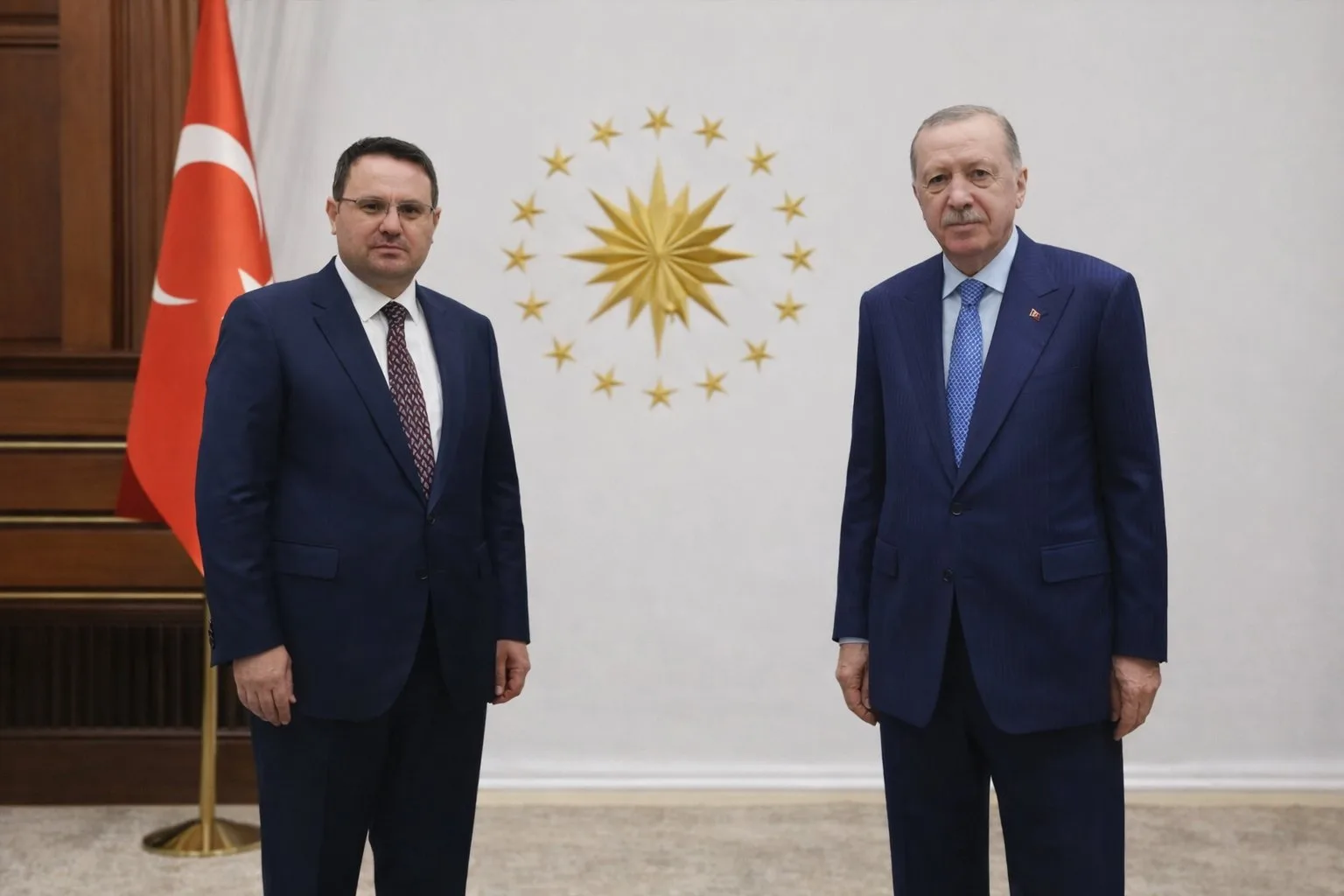
Late on Wednesday, February 10, 2026, President Recep Tayyip Erdoğan announced a long-anticipated cabinet reshuffle, appointing Istanbul Chief Public Prosecutor Akın Gürlek to replace Justice Minister Yılmaz Tunç, and naming Erzurum Governor Mustafa Çiftçi as the new interior minister in place of Ali Yerlikaya.

This marks the first cabinet reshuffle since the hard-fought May 2023 elections in which Erdoğan and the ruling Justice and Development Party (AKP), alongside its ally the Nationalist Movement Party (MHP), secured the parliamentary majority needed to form a government.

Yerlikaya assumed the interior portfolio for the first time in that government, overseeing an intensified campaign against organized crime, drug trafficking, and irregular migration. During his tenure, Syrian refugees were subjected to stringent security measures, and dozens were deported prior to the fall of the Assad regime.

Following its 2023 electoral victory, the AKP had signaled an interest in pursuing legislative reforms and strengthening judicial oversight, placing judicial independence at the heart of political debate and confrontation particularly amid investigations targeting opposition politicians and mayors.

The new appointments have drawn both praise and criticism, given the backgrounds and legacies of the two men. Who are they, and how have political actors responded to the reshuffle?

Who Is Mustafa Çiftçi, the New Interior Minister?

The moniker “the memorizer minister” was among the first popular reactions to Mustafa Çiftçi’s appointment. Social media platforms were flooded with videos of him reciting the Quran, particularly from his participation last year in a Quran memorization competition organized by the Directorate of Religious Affairs for huffaz in Erzincan, where he won first place.
نون بوست
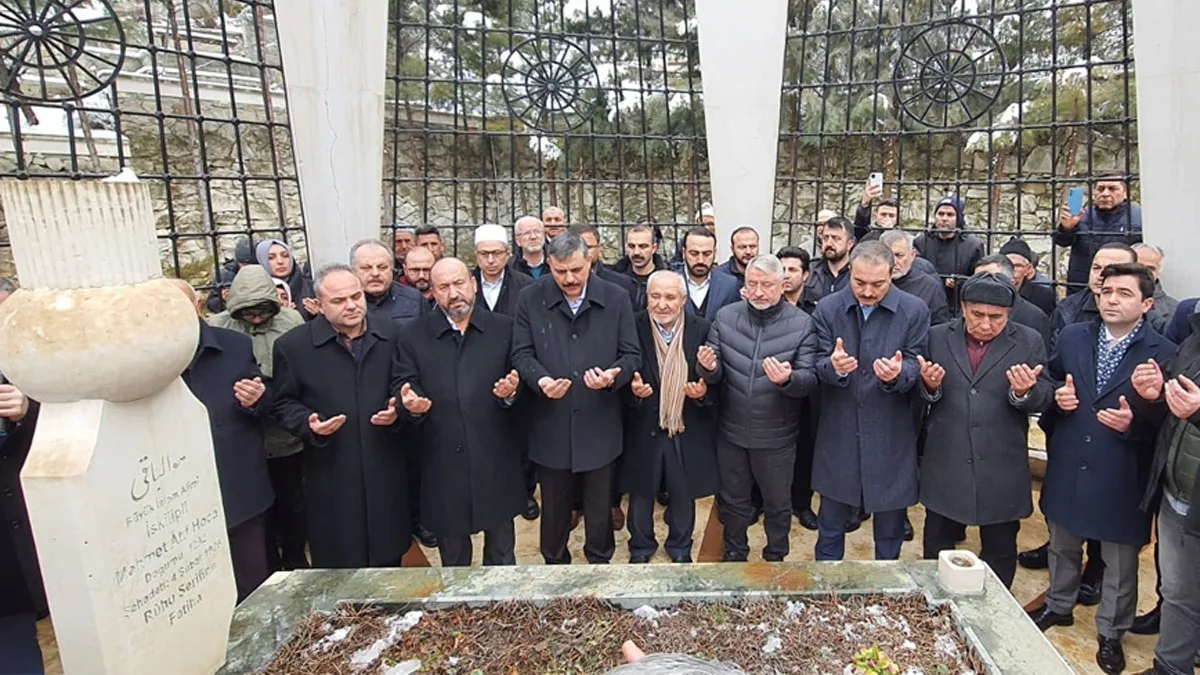
The Minister of the Interior attended a program commemorating the grave of martyr Eskebli Atef Hoca, who was executed at the beginning of the Republic. 2023

Çiftçi has spoken about his lifelong commitment to Quranic study: “In 1983, I completed my memorization of the Holy Quran at the Hafazan Nurani Center affiliated with the Directorate of Religious Affairs in Konya, under the supervision of the late Ismail Kitenci. Forty-one years have passed since then, and I have never been separated from the Quran. I have dedicated an hour each day to its study.”

Born in 1970 in Çumra district of Konya, Çiftçi graduated from the Imam Hatip High School in Konya in 1990, then from the Faculty of Political Science at Ankara University in 1995, majoring in public administration. In 2007, he earned a master’s degree in public administration and political science from Selçuk University’s Institute of Social Sciences, and in 2011 graduated from the Faculty of Theology at Ankara University.

A year later, he obtained another master’s degree in public administration from Van Yüzüncü Yıl University. He is currently pursuing studies at Ankara University’s Faculty of Law.

His extensive and ongoing academic trajectory reflects a philosophy he openly espouses: “A person grows old the day they stop learning; one who abandons learning is old whether they are twenty or eighty,” as noted in his official biography on the Erzurum Governorate website.

Çiftçi is fluent in English and Arabic, married, and the father of three children.

He began his career as a district governor candidate in Konya in the 85th term, serving in several Turkish provinces before moving to central administration as head of department at the General Directorate of Personnel Affairs in the Interior Ministry.

He later became private secretary and chief advisor to the Speaker of the Grand National Assembly. Between 2018 and 2023, he served as governor of Çorum, before being appointed governor of Erzurum in 2023 a post he held until his elevation to the Interior Ministry.

Çiftçi is widely regarded as aligned with Turkey’s conservative current. While governor of Çorum, he attended a memorial ceremony at the grave of İskilipli Atıf Hoca, a controversial figure in the republic’s early history who was executed in 1926 after being convicted by an Independence Tribunal for opposing republican reforms, particularly the dress laws.

Conservative supporters view Atıf Hoca as a victim and martyr for his religious convictions, while Kemalist and traditional republican circles regard him as an opponent of the republican order. The former governor’s participation in the memorial reignited debate over the current state’s relationship with the legacy of the Independence Tribunals and the boundaries of religious symbolism in official spaces.

The new minister is also known for his close rapport with citizens and strong communication skills. In his first remarks after the appointment, he bid an emotional farewell to the people of Erzurum:

“I feel sadness—there is a sorrow that comes with departure. Yet I leave Erzurum with peace of mind, knowing that I fulfilled my duty to the best of my ability. Together with all our colleagues and partners, we worked tirelessly to improve production, employment, security, and public order in our city.”

Regarding his new responsibilities, he said: “The task before us is extremely difficult. I ask God for guidance and support. We will work relentlessly to combat crimes against individuals, property crimes, drug offenses, and irregular migration.”

Who Is Akın Gürlek, the New Justice Minister?

While circles close to the AKP focused on the cultural legacy and national identity embodied by the new interior minister, the appointment of Istanbul’s chief prosecutor Akın Gürlek as justice minister provoked anger among opposition groups.

Since becoming Istanbul’s chief public prosecutor in 2024, Gürlek has overseen investigations targeting the Republican People’s Party (CHP), including probes into former Istanbul Mayor Ekrem İmamoğlu on charges of financial corruption. İmamoğlu has been in prison since his arrest in March of last year, alongside other opposition mayors.

Opposition figures fear that with expanded powers, Gürlek could widen these investigations to other provinces, including the capital Ankara, whose municipality is headed by Mansur Yavaş.

Born in Nevşehir in 1982, Gürlek graduated from Marmara University’s Faculty of Law in 2005. After serving in various judicial posts, he became a member of the 37th High Criminal Court in Istanbul and later presided over the 14th High Criminal Court in the city.

In 2022, he was appointed deputy justice minister, during which time he was responsible for the Council of Judges and Prosecutors. On October 2, 2024, he was named Istanbul’s chief public prosecutor.

During his tenure presiding over the criminal court, the trial of Selahattin Demirtaş and Sırrı Süreyya Önder on charges of terrorist propaganda took place. Demirtaş was sentenced to four years and eight months, and Önder to three years and six months a ruling that formed the basis for imposing a political ban on Demirtaş.

Gürlek, who has faced repeated criticism over the investigations he pursued as chief prosecutor, received public backing from President Erdoğan, who declared: “No one can point fingers at our judiciary,” without naming him directly.

He is also known to enjoy the support of the MHP and maintains direct communication with the president. His entry into the Cabinet and the National Security Council is expected to grant him greater influence in shaping Turkey’s security policies.

Reactions

Among reactions to the new appointments, journalist İbrahim Karagül, known for his proximity to the ruling coalition, argued that the current international phase poses major challenges for Turkey, making leadership choices within government and state institutions a sensitive political matter.

He described the appointments of Çiftçi and Gürlek as reflecting a preference for figures with deep-rooted political awareness and experience in safeguarding the state and its institutions an extension of Turkey’s governing, security, and judicial traditions capable of consolidating the domestic front at a time requiring high political cohesion.

Journalist Fatih Tezcan characterized the appointments as a strong blow against street gangs, coup plotters, terrorist organizations, and subversive activities.

For her part, Gül Çiftci, a senior CHP official, wrote on X: “Appointing Istanbul’s chief public prosecutor as justice minister is a clear reward for the operations he has carried out against our party since October 8, 2024.”

She went on to criticize the judiciary: “We will continue to expand the scope of truth and the struggle against a judicial system established against the will of the people.”

Meanwhile, CHP leader Özgür Özel who had previously described the justice minister as a “mobile guillotine” following the arrest of the Esenyurt mayor on charges of belonging to a terrorist organization said Gürlek’s appointment represents a continuation of what he called a “judicial coup attempt” during his tenure as prosecutor and the latest step in a broader assault on his party.

Speaking to reporters at a memorial ceremony for a former party leader, Özel declared: “We will not surrender… They will not be able to stop our march toward power.”

The reshuffle comes amid accelerating international shifts and a growing Turkish regional role within emerging alliances, alongside risks linked to developments in Iran affecting borders, migration, and security. It also coincides with the PKK disarmament process and internal reconciliation efforts in Turkey, as well as ongoing developments concerning the integration of the Syrian Democratic Forces into the new Syrian army.

All of this lends particular weight to forthcoming appointments in the judicial and security institutions. The decisions taken in the coming weeks will reflect the Turkish state’s approach to these challenges and clarify the evolving relationship between political authority, the judiciary, and the security apparatus at an exceptional moment in the region’s history and in Turkey’s regional posture.

Download this article as PDF
Share this Article
Facebook Twitter Whatsapp Whatsapp Telegram Email Copy Link
رغد الشماط
By رغد الشماط كاتبة وناشطة مجتمعية.
Follow:
Previous Article نون بوست Beyond the Indonesian Contingent: The Hidden Dimensions of Jakarta’s Normalization Deal with “Tel Aviv”
Next Article نون بوست Israeli Applause… Why Did Kuwait Label Eight Lebanese Hospitals as “Terrorist” Entities?

Read More

  • U.S. Regime‑Change Policies: Why They Are Destined to Fail U.S. Regime‑Change Policies: Why They Are Destined to Fail
  • The Gulf’s Balancing Act: Iran, Israel, and Hidden Links
  • Iraq–Turkey Oil Export Treaty: Why Did Ankara Cancel It After 52 Years?
  • Syria’s Northeast on Edge: QSD Between Ankara and Damascus
  • Has Europe Changed Its Stance on Israel… or Just Its Language?
part of the design
NoonPost Weekly Newsletter

You May Also Like

U.S. Regime‑Change Policies: Why They Are Destined to Fail

U.S. Regime‑Change Policies: Why They Are Destined to Fail

إسراء سيد Esraa sayed 8 April ,2026
The Gulf’s Balancing Act: Iran, Israel, and Hidden Links

The Gulf’s Balancing Act: Iran, Israel, and Hidden Links

فريق التحرير Noon Post 8 April ,2026
Iraq–Turkey Oil Export Treaty: Why Did Ankara Cancel It After 52 Years?

Iraq–Turkey Oil Export Treaty: Why Did Ankara Cancel It After 52 Years?

فريق التحرير Noon Post 8 April ,2026

الخطيئة الأصلية للسياسات التركية الحديثة

جيرين كينار
جيرين كينار Published 3 June ,2015
Share
TurkishFlag

ترجمة وتحرير نون بوست

“أنا أحب هذا الرجل، سيادتك، هل تعرف ما هو الحب؟” قالت أيهان إيدان، مغنية الأوبرا، في قاعة المحكمة حيث يُحاكم عشيقها عدنان مندريس، أول رئيس وزراء منتخب ديمقراطيًا في تركيا.

في 27 مايو 1960، أطاح أول انقلاب عسكري بحكومة الحزب الديمقراطي التركي، حيث وصل هذا الحزب إلى السلطة في أول انتخابات حرة في تركيا في عام 1950، بعد 27 عامًا من حكم الحزب الواحد، الذي حكم البلاد بقبضة من النار والحديد.

عدنان مندريس، جنبًا إلى جنب مع وزيرين آخرين، حُكم عليهم بالإعدام بعد عشرات المحاكمات الشكلية التي جرت في يسيدا، وهي جزيرة صغيرة تقع في بحر مرمرة، وبسبب علاقتها مع مندريس خارج إطار الزواج، دُعيت إيدان للإدلاء بشهادتها في المحاكمة المعروفة باسم “قضية الطفل”، والتي اُتهم فيها مندريس بقتل طفله غير الشرعي من إيدان حديث الولادة.

كانت قيادة المجلس العسكري تسعى جاهدة لتشويه سمعة مندريس في عيون قاعدته المحافظة أساسًا، حيث طلبوا من زوجته الأولى رفع قضية ضده بتهمة الزنا، كما استحصل ضباط الجيش على فتوى من مفتي إسطنبول تقول “الزنا هو الخطيئة الكبرى، وعقاب هذا الإثم العظيم هو الرجم”، ولكن زوجة مندريس رفضت الإدلاء بشهادة ضد زوجها، تمامًا كعشيقته إيدان، حيث قاومت هاتان المرأتان الشجاعتان جميع التهديدات، ومهدتا الطريق بنبل لتبرئة مندريس من قضية الطفل، ولكنه مع ذلك، وُجد مذنبًا بتهم أخرى، مثل انتهاك الدستور، وأُعدم شنقًا في 17 سبتمبر 1961.

رغم كل هذه المحاولات لتشويه صورة مندريس، بيد أنه بقي بطلًا وشهيدًا في قلوب وعقول مؤيديه، مندريس الذي اُنتخب تحت شعار “كفى، لقد حان الوقت ليتكلم الشعب”، وأيد منذ البداية سياسات التحرر الاقتصادي والسياسي والاجتماعي، مندريس الذي كان مبجلًا من قِبل قادة اليمين المتوسط في تركيا، الذين صوروه كمدافع بطولي عن الحقوق والمصالح السياسية والاقتصادية.

اليوم، يمكننا رؤية صور مندريس محمولة من قِبل أنصار حزب العدالة والتنمية الحاكم خلال التجمعات الانتخابية، علمًا أن هذا الحزب هو أحدث حزب سياسي في تركيا يزعم بأنه يرث ويتبع تقاليد مندريس؛ ففي 14 مايو عام 2015، أطلق رئيس الوزراء أحمد داود أوغلو مشروع تحويل يسيدا، الجزيرة سيئة السمعة، إلى “جزيرة الديمقراطية والحرية”، وخلال حفل الافتتاح قال داود أوغلو “سيتم بناء المتحف الديمقراطي في يسيدا لإحياء ذكرى أبطال الديمقراطية”، وأضاف “قاعة المحكمة، التي وقف فيها مندريس، ومن ثم الرئيس جلال بايار، ومتهمون آخرون للمحاكمة، سيتم الحفاظ عليها كما هي، وسنسلمها للأجيال القادمة، بحيث لا يجرؤ أحد على القيام بمحاولة مماثلة”.

في الوقت الحاضر، يوجد شبه إجماع في تركيا حول التنديد بانقلاب عام 1960، ولكن رغم ذلك، وعند حصول انقلاب في مصر في 2013 على غرار انقلاب 1960، تم الاحتفال به في الشوارع من قِبل النخبة المدنية العلمانية، التي وصفت الانقلاب بأنه “ثورة تقدمية”، ومن الملفت للنظر، أن محمد مرسي هو أول رئيس منتخب ديمقراطيًا يُحكم عليه بالإعدام في الشرق الأوسط منذ حادثة مندريس.

بداية الأحداث التي أفضت إلى حصول الانقلاب العسكري كانت في عام 1959، وحينها بلغ التوتر المتأجج ما بين الحزب الديمقراطي الحاكم وحزب الشعب الجمهوري أوجه، حيث كان حزب الشعب الجمهوري، المؤسس على يد مصطفى كمال أتاتورك، هو الحزب الحاكم خلال فترة الحزب الواحد الاستبدادية، والتي وضع الحزب الديمقراطي حدًا لها بفوزه في انتخابات 1950.

عند تسلم الحزب الديمقراطي للحكم، تم اتهامه من قِبل المعارضة بتبني إجراءات سلطوية، انتهاك الدستور، الفساد، والقمع، كما صورت صحيفة المعارضة في ذلك الوقت “دنيا” مندريس، بوصفه “غوغائي قادم من زمن العثمانيين، الذي كان السلطان يستغل فيه الشعور الديني لصرف الانتباه عن الوضع الداخلي المتدهور”.

مع توسع الصدع السياسي ما بين الحزب الحاكم وأحزاب المعارضة، فاضت الشوارع باحتجاجات مناهضة للحكومة، وحاولت الحكومة بدروها قمع المعارضة عن طريق حملة إغلاق الصحف، وسجن المعارضين والصحافيين، وباللجوء إلى الوسائل الاستبدادية بمواجهة المحتجين.

“يبدو أن مندريس، في ظل عدم وجود سلف ليبرالي له، لم ينتهج السلوك الديمقراطي الليبرالي عندما تمت مواجهته بالمعارضة الكلامية” يقول دوغان جوربينار، مؤرخ في جامعة إسطنبول التقنية، وأضاف “مندريس لم يمتنع عن استخدام الصلاحيات الواسعة التي مُنحت له من قِبل السلطة التشريعية والتنفيذية في الدستور الذي ورثه من النظام الكمالي، حيث استخدمها بشكل مفرط، خصوصًا بعد تحول المعارضة لتصبح أكثر عدوانية في أواخر الخمسينات”.

يشير جميل كوجاك، وهو مؤرخ في جامعة صابانجي، أن الاتهامات ضد مندريس تم صقلها وتلميعها والمبالغة بها بواسطة الوسائل الإعلامية، التي كانت تهدف إلى تمهيد الطريق للانقلاب، وإلى رفد الجيش بالشرعية اللازمة له في وقت لاحق.

“الأشرار الثلاثة، جلال بايار (الرئيس)، عدنان مندريس (رئيس الوزراء)، ورفيق كورالتان (رئيس مجلس النواب)، كانوا يشاهدون بسعادة المجازر الوحشية التي يقوم بها نامق جيديك (وزير الداخلية) ضد الشباب التركي” كتب كوجاك، وأضاف “أولئك المخلوقات الذين دفنوا الشباب على قيد الحياة في الثلاجات والمقابر، ثم وضعوا الجثث في آلة لطحن اللحوم، وقدموا اللحوم البشرية المطحونة للكلاب، لا يمكن أن يكونوا بشرًا”، جاء في كتاب كوجاك الشهير “انتصار الجيش التركي: ثورة غير دموية”، وطبعًا، غني عن البيان أن أيًا من هذه الادعاءات لم تكن صحيحة.

مع تعمق الاضطراب السياسي، بدأ حلفاء الناتو ينأون بأنفسهم عن حكومة مندريس، والمفارقة الغريبة هنا، أن مندريس هو الذي نقل تركيا إلى الكتلة الغربية، ووضعها كعضو في حلف شمال الأطلسي في عام 1952، كمقابل لخدماتها ومشاركتها في الحرب الكورية.

في 30 أبريل 1960، نشرت صحيفة نيويورك تايمز مقالة تحت عنوان “كلمات مندريس تُقلق حلفائه في الولايات المتحدة: واشنطن تخشى من أن لهجة رئيس الوزراء التركي تجاه الطلاب المعارضين ستعمل على توسيع رقعة المعارضة”، وذكرت المقالة أن مندريس أطّر الاحتجاجات ضده باعتبارها مؤامرة، ونعت المتظاهرين بأنهم أدوات وأتباع لحزب متعصب، وفي 16 مايو 1960 عنونت ذات الصحيفة مقالة طويلة باسم “مندريس يتعهد بعدم الاستقالة قائلًا: إن تركيا ستصوت قريبًا، والمعارضون والمؤيدون في اشتباك مفتوح في الوقت الذي كان يتحدث فيه من أزمير”.

في 25 أبريل 1960، عنونت النيويورك تايمز مقالها الافتتاحي “نظام مندريس” والذي جاء فيه “أثار إيقاف الحكومة التركية للأنشطة السياسية العادية مخاوف شديدة في أذهان أصدقاء تركيا، السيد عصمت إينونو، زعيم حزب الشعب الجمهوري ورئيس الوزراء السابق، تناول الأسبوع الماضي في حوار له في الجمعية الوطنية الكبرى موضوع إغلاق الأحزاب حيث قال: إذا استمر الوضع على هذا المنوال، حتى أنا لن أكون قادرًا على إنقاذكم”، وقبل أيام من الانقلاب، وفي 5 مايو 1960 تحديدًا، نفى السفير الأمريكي فليتشر وارن الشائعات التي تقول إن مبعوثًا من الولايات المتحدة تحدث مع مندريس، وأعلن أن الولايات المتحدة اتخذت موقفًا محايدًا ما بين مندريس والمتظاهرين.

حدث الإنقلاب في 27 مايو 1960، وتم الإعلان عنه ببيان قصير جدًا، تم توجيهه إلى الشعب عبر أثير الإذاعة، وفي هذا البيان المقتضب، أقسم الحكام العسكريون الجدد لتركيا بالإيمان والولاء لحلف شمال الأطلسي “الناتو” وحلف بغداد “السينتو”، وفي 28 مايو1960، وبعد يوم من الانقلاب، قام وارن بزيارة قائد الانقلاب الجنرال جمال كورسيل، ومن واقع خبرته العميقة بالانقلابات العسكرية التي شهدها بينما كان يعمل دبلوماسيًا في أمريكا اللاتينية، أخبر وارن كورسيل، إن هذا الانقلاب كان إلى حد بعيد الانقلاب الأدق، والأكثر كفاءة، والأكثر سرعة، رآه في حياته.

وفي 29 مايو 1960، عنونت صحيفة نيويورك تايمز من تركيا، “الجنرال كورسيل يترأس مجلس وزراء تركيا، ويرفع القمع، والشعب يهلل للنظام الجديد بفرح، والإفراج عن الصحفيين والطلاب المسجونين”.

نظام الانقلاب العسكري كان يعتز بالنخبة العلمانية العسكرية التي يمتلكها، وكانت وسائل الإعلام والأكاديميين المتحمسين يبيضون ممارسات حكومة المجلس العسكري، في حين تم إخراس أنصار مندريس من خلال الاضطهاد والمحاكمات الصورية، ومع ذلك، لم يمضِ وقت طويل قبل أن يتم اعتبار بعض مؤيدي الانقلاب كتهديد يحيق بحكومة المجلس العسكري.

وحينئذ بدأ التطهير السياسي يأخذ مجراه في الجامعات، حيث تم طرد 147 أستاذًا جامعيًا، إثر حملة لملاحقة المعارضين بناء على اتهامات تعسفية، ويقال إنه تم حينها طرد أستاذ شهير في العلوم السياسية لكونه مثلي الجنس، وكما يقول شينير أكتورك “حكومة المجلس العسكري سنّت سياسات قائمة على التمييز العرقي تذكرنا بنظام الحزب الواحد قبل عام 1950”.

بعد بضعة أيام فقط من الانقلاب، أُلقي القبض على 485 شخصًا من وجهاء الأكراد، ووُضعوا في مخيم، وتم اتهامهم بمحاولة تشكيل حكومة كردية، والعمل لصالح الحزب الديمقراطي، الذي اًتهم بدعمه لهذه الأنشطة، ويشاع أن كورسيل، زعيم المجلس العسكري، قال ذات مرة “أينما رأيتم كرديًا، ابصقوا في وجهه”، كما تم تداول إشاعات عن اعتزامه إعدام أكثر من 2500 شخص من الوجهاء والسياسيين الأكراد.

وفي ذاك الوقت، بقي الدعم الدولي لحكومة المجلس العسكري قائمًا، حيث تم وصف كورسيل بأنه “معتدل سياسيًا”، كما تم وصف انقلاب 1960 بأنه “ثورة غير دموية” في النعي الذي تم نشره في 15 سبتمبر 1966 في صحيفة نيويورك تايمز، وتمت الإشادة بكورسيل بسخاء من قِبل سايروس سولزبيرجر، وهو كاتب عمود حائز على جوائز يكتب لصحيفة نيويورك تايمز، اتهمه كارل بيرنشتاين بأنه عميل لوكالة المخابرات المركزية الأمريكية، وبيرنشتاين هو مراسل محقق لصحيفة واشنطن بوست، وأحد الذين ساهموا في كشف فضيحة ووترغيت، وفي مقال نُشر في 13 فبراير 1966، كتب سولزبيرجر “لقد لعب الجيش التركي دائمًا دورًا هامًا ومحوريًا، ولكن في المناسبات التي شعر بها بضرورة ممارسته للنفوذ السياسي، فقد اتجه دائمًا نحو اختيار الليبرالية”.

ومع ذلك، فإن الأغلبية الساحقة من الأتراك، يختلفون مع قراءة سولزبيرجر للسياسة التركية، فتركيا شهدت عدة انقلابات وتدخلات عسكرية في الحياة المدنية، والتي قامت باستهداف جميع شرائح المجتمع تقريبًا، الأكراد، الإسلاميين، العلويين، اليساريين، والليبراليين، وتركت خلفها تاريخًا دمويًا ومؤلمًا.

اليوم، يُنظر إلى انقلاب 1960 على أنه الخطيئة الأصلية للسياسات التركية الحديثة، والذي شكّل سابقة هي الأولى من نوعها، تمهد الطريق للتدخلات العسكرية اللاحقة، وأسس لنظام الوصاية العسكرية الدائمة في تركيا.

“الجيش قام بإعادة هيكلة أجهزة الدولة حتى تعمل البيروقراطية الإدارية والسلطة القضائية بشكل مستقل عن الحكومات الحاكمة، النظام الوصائي يشرف على إدارة الحكومة، والجيش ينظم وينسق الدولة”، قال جوربينار، وأضاف “ساد هذا النظام لمدة أربعة إلى خمسة عقود حتى سقوطه في وقت متأخر من أوائل القرن الحالي”.

المصدر: ميدل إيست آي

TAGGED: الانقلابات العسكرية ، الحزب الديمقراطي التركي ، السياسة التركية ، المجلس العسكري التركي ، انقلاب 1960
TAGGED: الانتخابات التركية
Download this article as PDF
Share this Article
Facebook Twitter Whatsapp Whatsapp Telegram Email Copy Link
جيرين كينار
By جيرين كينار صحفية تركية نشرت في العديد من الدوريات والصحف التركية والعالمية
Follow:
Next Article نون بوست The Stigma of “ISIS”: A Heavy Legacy Haunting Women and Children of Former Members

Read More

  • U.S. Regime‑Change Policies: Why They Are Destined to Fail U.S. Regime‑Change Policies: Why They Are Destined to Fail
  • The Gulf’s Balancing Act: Iran, Israel, and Hidden Links
  • Iraq–Turkey Oil Export Treaty: Why Did Ankara Cancel It After 52 Years?
  • Syria’s Northeast on Edge: QSD Between Ankara and Damascus
  • Has Europe Changed Its Stance on Israel… or Just Its Language?
part of the design
NoonPost Weekly Newsletter
dark

An independent media platform founded in 2013, rooted in slow journalism, producing in-depth reports, analysis, and multimedia content to offer deeper perspectives on the news, led by a diverse young team from several Arab countries.

  • Politics
  • Society
  • Rights & Liberties
  • Opinions
  • History
  • Sports
  • Education
  • Technology
  • Economy
  • Media
  • Arts & Literature
  • Entrepreneurship
  • Travel
  • Cinema & Drama
  • Food
  • Health
  • Culture
  • Latest Reports
  • Files
  • Long Reads
  • Interviews
  • Podcast
  • Interactive
  • Encyclopedia
  • In Pictures
  • About Us
  • Our Writers
  • Write for Us
  • Editorial Policy
  • Advanced Search
Some rights reserved under a Creative Commons license

Removed from favorites

Undo
Go to mobile version