NoonPost NoonPost

NoonPost

  • Home
  • Politics
  • Economy
  • Society
  • Culture
  • Files
  • Long Reads
  • Podcast
AR
Notification Show More
نون بوست
“There Are Nights I Can’t Close My Eyes”: How Gazans Are Living in Homes on the Brink of Collapse
نون بوست
From al-Jolani to Ahmad al-Shara: The Evolution of Syria’s New Leader
نون بوست
When Political Islam Receded in Egypt: Who Filled the Void?
نون بوست
An Extension of Genocide: Gaza’s Detainees Speak Out
نون بوست
A Tightrope Between Survival and Sovereignty: The Syrian Government Faces Normalization Pressures
نون بوست
American Aircraft Carriers: Has the Era of “100,000 Tons of Diplomacy” Ended?
نون بوست
U.S. Regime‑Change Policies: Why They Are Destined to Fail
نون بوست
Transformations of Israeli Judaism: Between the Victim Complex and the Colonizer’s Doctrine
نون بوست
The Gulf’s Balancing Act: Iran, Israel, and Hidden Links
نون بوست
Iraq–Turkey Oil Export Treaty: Why Did Ankara Cancel It After 52 Years?
نون بوست
Syria’s Northeast on Edge: QSD Between Ankara and Damascus
نون بوست
Has Europe Changed Its Stance on Israel… or Just Its Language?
NoonPost NoonPost
AR
Notification Show More
نون بوست
“There Are Nights I Can’t Close My Eyes”: How Gazans Are Living in Homes on the Brink of Collapse
نون بوست
From al-Jolani to Ahmad al-Shara: The Evolution of Syria’s New Leader
نون بوست
When Political Islam Receded in Egypt: Who Filled the Void?
نون بوست
An Extension of Genocide: Gaza’s Detainees Speak Out
نون بوست
A Tightrope Between Survival and Sovereignty: The Syrian Government Faces Normalization Pressures
نون بوست
American Aircraft Carriers: Has the Era of “100,000 Tons of Diplomacy” Ended?
نون بوست
U.S. Regime‑Change Policies: Why They Are Destined to Fail
نون بوست
Transformations of Israeli Judaism: Between the Victim Complex and the Colonizer’s Doctrine
نون بوست
The Gulf’s Balancing Act: Iran, Israel, and Hidden Links
نون بوست
Iraq–Turkey Oil Export Treaty: Why Did Ankara Cancel It After 52 Years?
نون بوست
Syria’s Northeast on Edge: QSD Between Ankara and Damascus
نون بوست
Has Europe Changed Its Stance on Israel… or Just Its Language?
Follow US

After Years of Abolition, Why Has Egypt’s Ministry of Information Returned?

فريق التحرير
Noon Post Published 26 March ,2026
Share
نون بوست
نون بوست

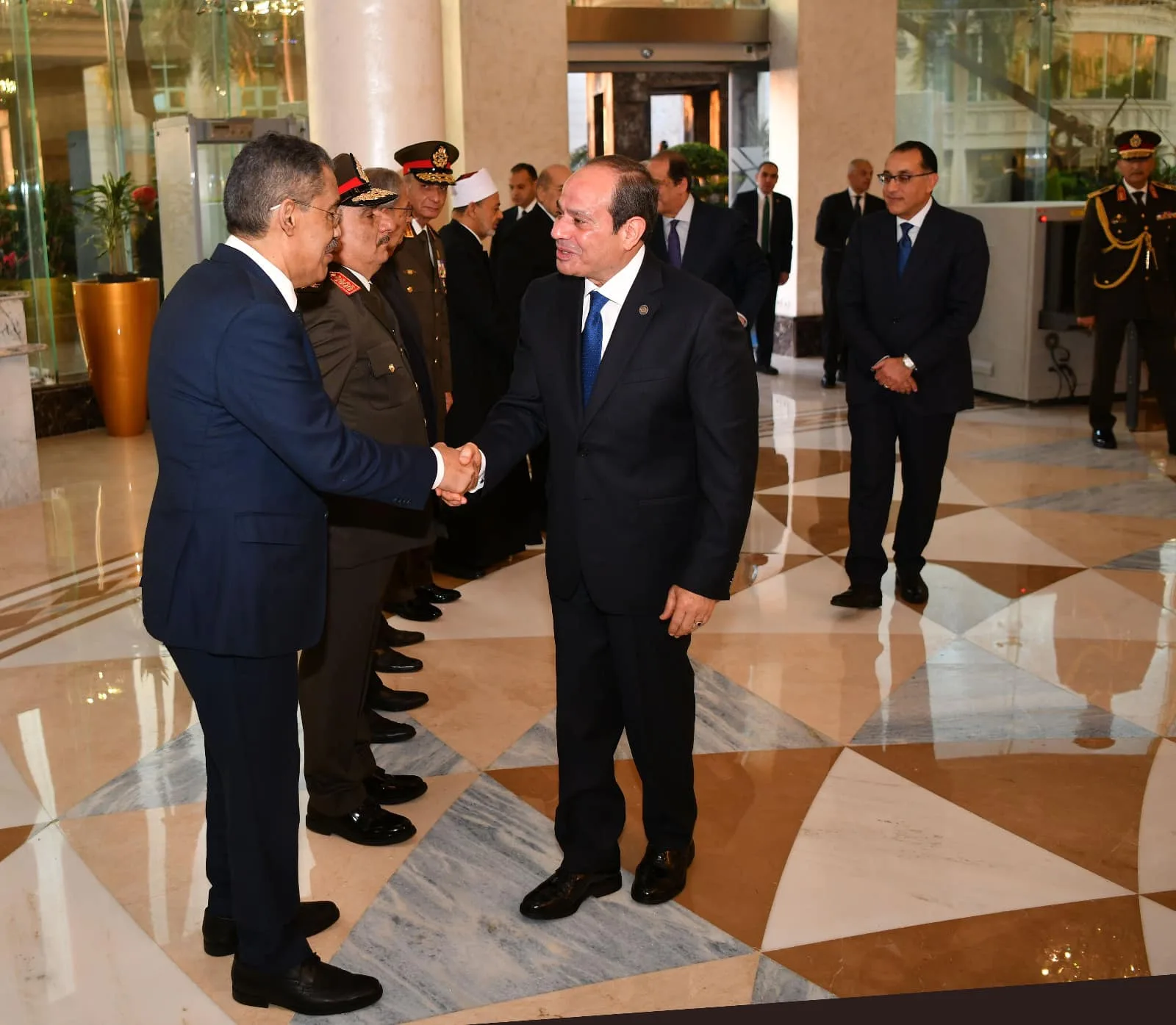
The Egyptian government’s decision to reinstate the Ministry of Information to the cabinet lineup following approval by the House of Representatives in its Tuesday session on February 10 has reopened a wide-ranging debate within media circles and across segments of public opinion.

The move was not perceived as a routine administrative adjustment; for many, it signaled a political message that extends well beyond the mere creation of a new ministerial portfolio.

Since the January 2011 uprising, the position of minister of information has remained a persistent flashpoint. Some view it as a national necessity amid the state’s internal and external challenges an essential mechanism for managing the media landscape and reinforcing the official narrative.

Others, however, associate the role with historical guardianship over the public sphere, warning that it could evolve into a tool for restricting freedoms and undermining media independence. Between these competing visions, the post has remained one of the most divisive in Egypt’s political life.

The position was removed from the governmental structure in 2014, when the cabinet of engineer Ibrahim Mahlab abolished the ministry while retaining oversight of the sector through alternative bodies: the Supreme Council for Media Regulation, the National Press Authority, and the National Media Authority.

Over more than seventy years, the media portfolio has undergone multiple transformations in both name and mandate from the Ministry of National Guidance established after the 1952 revolution, to the Ministry of Information, and later the Ministry of State for Information.

These shifts unfolded amid an enduring debate over the appropriate role of the state in media affairs and the boundaries between regulation and oversight, control and independence.

Today, with the ministry returning to the forefront even as regulatory bodies continue their work, the same questions reemerge albeit in a different context: What prompted the restoration of this post? How will its powers be divided vis-à-vis the already established institutions? And does its return signal a redefinition of the state’s role in managing media, or merely a reordering of its tools?

Does Egypt’s Media Sector Need a Ministry?

Under the 2014 Constitution, Egypt established an institutional framework to manage the media sphere through three principal bodies tasked with organizing and supervising the sector, each with defined mandates intended to delineate the relationship between the state and media outlets.

The first is the Supreme Council for Media Regulation, a legally recognized body with technical, financial, and administrative independence, as well as its own budget. It oversees broadcast and audiovisual media, in addition to print and digital journalism and other platforms.

The constitution assigns it responsibility for safeguarding press and media freedoms, preserving independence, neutrality, and pluralism, preventing monopolistic practices, and monitoring funding sources within media institutions.

The second is the National Press Authority, which manages state-owned press institutions and works to develop them, maximize their revenues, and preserve their assets to ensure sustainability and continued performance.

Third is the National Media Authority, responsible for managing and developing state-owned audiovisual and digital media institutions, while also seeking to enhance their assets and operational efficiency.

Given this institutional architecture, the system appears already equipped to supervise all branches of the media landscape print, audio, and visual. This raises a fundamental question: What is the rationale for reinstating the Ministry of Information, if these three bodies theoretically oversee the entire sector?

Why Now?

According to a statement by the presidential spokesperson, the ministry’s return comes as part of directives issued by President Abdel Fattah el-Sisi to ensure that public opinion is fully informed of the facts “through a national media capable of reaching all segments of Egyptian society and delivering a responsible professional discourse that shapes collective awareness in the face of the challenges we confront and the rumors being circulated, while promoting a culture of constructive dialogue, sound thinking, and respect for differing views.”

In this context, Diaa Rashwan was appointed to lead the portfolio, deemed well suited to the task. Since 2017, Rashwan has served as head of the State Information Service under the presidency. He also acted as coordinator of the National Dialogue initiative launched by the presidency and last year participated in founding the National Front Party, which emerged from the Union of Arab Tribes led by businessman Ibrahim al-Argani.

Observers suggest that restoring the ministry reflects a conviction within decision-making circles that a more centralized mechanism is needed to manage the media sphere—particularly amid what the state sees as rapidly evolving challenges in the communications environment and the flow of information.

Despite substantial investments in the sector over recent years, including the establishment of a private company United Media Services tasked with overseeing much of the media landscape and reportedly linked in various ways to the General Intelligence Service, media performance has remained subject to ongoing evaluation and debate. It has frequently been described as an area requiring recalibration or development.

President el-Sisi has repeatedly expressed admiration for the media model of Gamal Abdel Nasser characterized by a single voice and unified message achieved through dominance over all channels of intellectual and societal influence a model he has sought to emulate at various points since assuming office.

What Could It Add?

With the three constitutionally mandated bodies still operational, some voices argue that reinstating the Ministry of Information signals a tilt toward greater centralization in managing the media system. From this perspective, introducing a new ministerial layer may indicate a desire to tighten control over public and private platforms alike, facilitating greater unity of decision-making and message coordination under direct political supervision.

Similarly, the move may reflect an effort to articulate a more cohesive media strategy aimed at reducing disparities in official messaging, particularly in response to domestic and international criticism, especially on political and human rights issues. Rather than allowing multiple centers of initiative, this view favors privileging a unified voice—even if expressed through varied channels.

Within this framework, Rashwan’s appointment carries particular significance, given his tenure at the helm of the State Information Service, which for years has served as a primary interface with international media and responded to what authorities describe as inaccurate narratives.

According to proponents of this analysis, the ministry could effectively evolve into an advanced defensive platform tasked with managing the state’s image, repairing reputational damage, and countering critical campaigns at home and abroad.

Accordingly, some observers interpret the ministry’s return less as a mere administrative addition and more as a recalibration of influence and control over the media sphere.

From Guidance to Control

Over more than seven decades, the Ministry of Information’s image and function in Egypt’s public consciousness have evolved from a formal channel for conveying state policy and fostering national sentiment to an institution increasingly associated with expanding governmental influence over cultural and media domains, shaping messages to affect public opinion.

This functional evolution placed the ministry at the center of recurring debate, particularly during pivotal moments in Egypt’s modern history, when it played a significant role in directing public opinion in ways critics argue diverged from realities on the ground notably during the June 1967 defeat and the January 2011 uprising.

The ministry’s roots trace back to the aftermath of the July 23, 1952 revolution, when it was established as the Ministry of National Guidance to manage official discourse domestically and abroad. Over successive eras, its name and structure changed; culture was at times separated from information and later reintegrated, while the declared aim remained organizing public messaging and building institutions capable of articulating the state’s orientation.

During the presidencies of Anwar Sadat and Hosni Mubarak, the ministry became entrenched as a central apparatus overseeing radio, television, and the national press, with growing attention to Egypt’s image abroad and the development of broadcasting tools. Over time, it came to be seen by critics as a “well-dressed policeman” defending and promoting the state’s narrative.

After the January 2011 uprising, the ministry entered a new phase of instability, oscillating between abolition and reinstatement under the title “Ministry of State for Information,” with multiple officials assuming leadership amid sharp political transitions. It was eventually abolished again until its current return to the cabinet under Diaa Rashwan.

In sum, the ministry’s reemergence revives longstanding concerns among segments of observers who see in the move the potential for further centralization and a narrowing of already constrained media freedoms. They question whether reinstating the portfolio will effectively mark the end of the limited relative independence still enjoyed by some platforms, or whether a different vision might emerge in practice.

Others, however, contend that accelerating transformations and mounting internal and external challenges may compel a new approach one that redefines the relationship between state and media and opens the door to roles distinct from those entrenched in public memory.

Between these two possibilities, the question remains suspended: Will the trajectory lean toward tighter control, or toward a new equilibrium? The ministry’s practical conduct in the coming days will provide the answer.

Download this article as PDF
Share this Article
Facebook Twitter Whatsapp Whatsapp Telegram Email Copy Link
فريق التحرير
By فريق التحرير تقارير يعدها فريق تحرير نون بوست.
Follow:
Previous Article نون بوست Israeli Applause… Why Did Kuwait Label Eight Lebanese Hospitals as “Terrorist” Entities?
Next Article نون بوست On Its Fifteenth Anniversary: Does the February Revolution Still Guide Yemenis?

Read More

  • U.S. Regime‑Change Policies: Why They Are Destined to Fail U.S. Regime‑Change Policies: Why They Are Destined to Fail
  • The Gulf’s Balancing Act: Iran, Israel, and Hidden Links
  • Iraq–Turkey Oil Export Treaty: Why Did Ankara Cancel It After 52 Years?
  • Syria’s Northeast on Edge: QSD Between Ankara and Damascus
  • Has Europe Changed Its Stance on Israel… or Just Its Language?
part of the design
NoonPost Weekly Newsletter

You May Also Like

U.S. Regime‑Change Policies: Why They Are Destined to Fail

U.S. Regime‑Change Policies: Why They Are Destined to Fail

إسراء سيد Esraa sayed 8 April ,2026
The Gulf’s Balancing Act: Iran, Israel, and Hidden Links

The Gulf’s Balancing Act: Iran, Israel, and Hidden Links

فريق التحرير Noon Post 8 April ,2026
Iraq–Turkey Oil Export Treaty: Why Did Ankara Cancel It After 52 Years?

Iraq–Turkey Oil Export Treaty: Why Did Ankara Cancel It After 52 Years?

فريق التحرير Noon Post 8 April ,2026

من أين يحصل متمردو العالم على أسلحتهم؟

إلياس جرول
إلياس جرول Published 3 June ,2015
Share
457501068crop

ترجمة وتحرير نون بوست

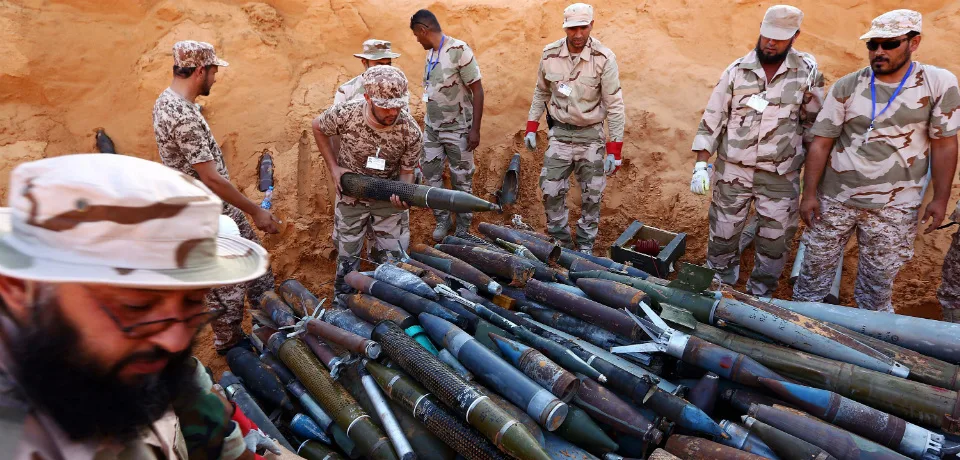
عالم اليوم متخم بالأسلحة، من سورية والعراق إلى صحراء الساحل وصولًا إلى الأدغال النيجيرية، إنه الوقت المناسب تمامًا لتصبح مقاتلًا في حرب عصابات، لأنه يسهل بشكل سافر الحصول على النوع اللازم من الأسلحة لتنفيذ حرب التمرد.

حقيقة الحياة في القرن الـ 21 ظهرت واضحة في النسخة الأخيرة لمسح الأسلحة الخفيفة المسمى “الأسلحة والعالم”، حيث يوضح هذا التقرير الاستقصائي أن قيمة تجارة الأسلحة الخفيفة العالمية قد تضاعفت تقريبًا بين عامي 2001 و2011، ومنذ ذلك الحين، استمرت أرقام هذه التجارة بالإطراد، ووصلت حسب الإحصائيات إلى مبلغ 5 مليارات دولار ثمنًا للأسلحة المنقولة في عام 2012، وبسبب الطبيعة الخفية والسرية لسوق الأسلحة الخفيفة العالمي، فإن المجموع الكامل الحقيقي قد يفوق هذا الرقم بمليارات أخرى.

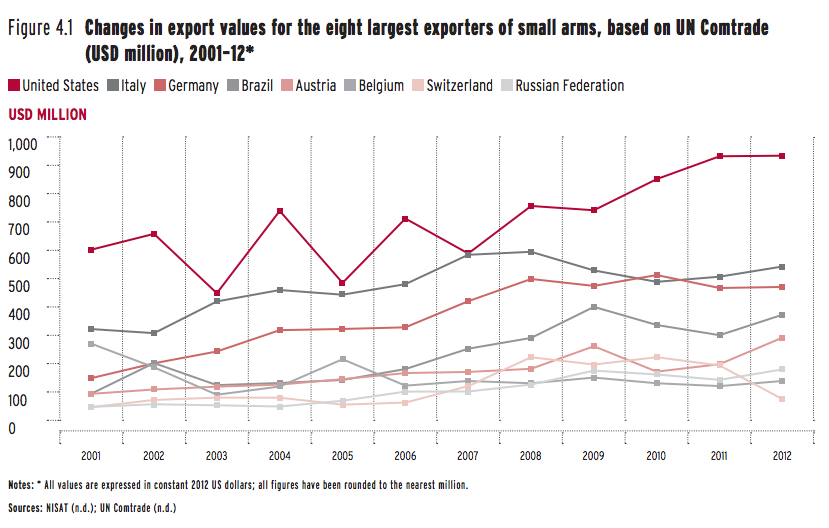
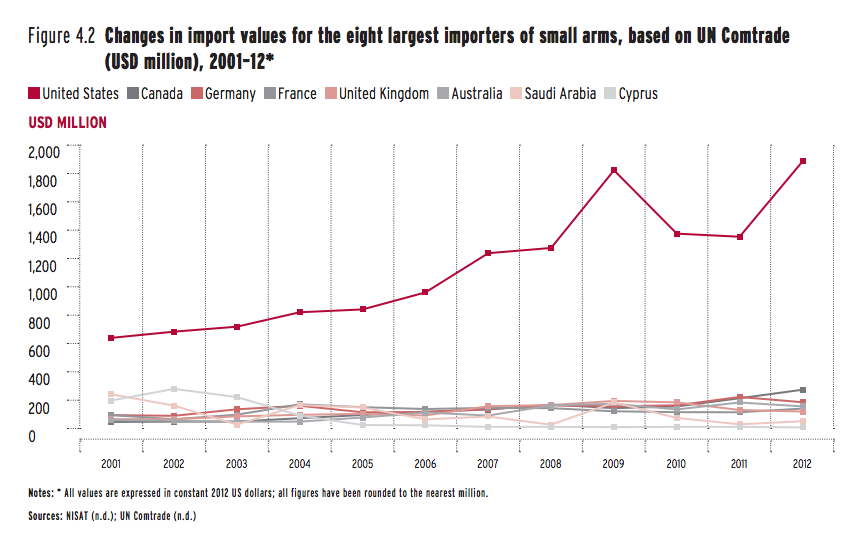
بشكل عام، واصلت الولايات المتحدة سيطرتها على سوق الأسلحة الخفيفة العالمي، سواء من حيث التصدير، أم من حيث الاستيراد:

نون بوست

توضح الصورة أعلاه التغيرات في قيمة صادرات الأسلحة (محددة بملايين الدولارات) منذ عام 2001 وحتى 2012، لدى كبرى دول العالم المصدرة للسلاح (أمريكا، إيطاليا، ألمانيا، البرازيل، النمسا، بلجيكا، سويسرا، روسيا).

نون بوست

توضح الصورة أعلاه التغيرات في قيمة استيراد الأسلحة (محددة بملايين الدولارات) منذ عام 2001 وحتى 2012، لدى كبرى دول العالم المستوردة للسلاح (أمريكا، كندا، ألمانيا، فرنسا، المملكة المتحدة، استراليا، السعودية، قبرص).

تفرض الأسلحة الخفيفة تحديات خطيرة تقف في وجه الجهود الرامية إلى السيطرة على تدفق الأسلحة في جميع أنحاء العالم، وتضم فئة الأسلحة الخفيفة المسدسات الدوارة، المسدسات ذاتية التلقيم، البنادق العادية، المدافع الرشاشة، البنادق الهجومية، والرشاشات الخفيفة، وما يجمع بين أنواع هذه الأسلحة، هي أنها جميعها على حد سواء سهلة النقل نسبيًا، وتشكل الجزء الأكبر من الأسلحة المستخدمة من قِبل حركات التمرد في عالم اليوم، فيكفي أن تقوم بتسليح عصابة مؤلفة من بعض المقاتلين المدربين تدريبًا معقولًا ببنادق هجومية، وبضعة رشاشات، وبضع شاحنات بيك أب، وسيكون لديك في نهاية المطاف عصابة تمتلك قوة حربية جيدة.

المقاتلون من هذه الأصناف، هم الذين ساعدوا على انتشار عدم الاستقرار والاضطراب عبر الشرق الأوسط وشمال أفريقيا في أعقاب الربيع العربي، وكان حصولهم على كميات كبيرة من الأسلحة والذخيرة هو السبب الرئيس لانتشارهم وظهورهم في العراق وسورية وليبيا ومالي، ووسط هذه الاضطرابات، وجدت الدراسة الاستقصائية للأسلحة الخفيفة، أن الدول تواصل توريد الأسلحة إلى هذه البلدان المضطربة، على الرغم من تصاعد المخاطر حول إساءة استخدامها أو وقوعها في الأيدي الخاطئة.

في حالة مصر، على سبيل المثال، يسلط التقرير الضوء على تسليم طلبية كبيرة من المسدسات تشيكية الصنع، في أعقاب حظر الاتحاد الأوروبي تصدير الأسلحة التي يمكن استخدامها في حالات القمع الداخلي، حيث عمدت الشركة المصنعة التشيكية إلى توقيع عقود مع وزارة الداخلية المصرية لتسليم أكثر من 50.000 مسدس خدمة و10 ملايين طلقة لمسدسات عيار 9 مم.

فالحظر الذي تعوزه الحماسة من قِبل الاتحاد الأوروبي، والجهود المماثلة التي حاولت واشنطن القيام بها لممارسة ضغط على القاهرة من خلال إيقاف تسليم شحنات الأسلحة المتطورة، توضح كيف يمكن لدولة مثل مصر أن تعزل نفسها عن الضغط السياسي الذي يحاول موردي الأسلحة تطبيقه عليها، حيث يشير التقرير، أن جهود العواصم الغربية أسفرت عن بحث مصر عن مصدر آخر للأسلحة، بما في ذلك استكشاف إمكانية التوصل إلى اتفاق تسليح مع روسيا.

ولكن الجهود الرامية لدراسة الدور الذي يلعبه نقل الأسلحة الدولية في تأجيج العنف في دول أخرى تعاني أيضًا من عواقب الربيع العربي، تم تقويضها بشدة جرّاء انعدام الشفافية والسرية التي تحيط بصفقات الأسلحة؛ فمنذ اندلاع الحرب الأهلية في سورية في عام 2011، حاولت العديد من القوى العالمية الحد من وصول شحنات الأسلحة المتجهة إلى القوات الموالية للرئيس بشار الأسد، ولكن مع ذلك، يشير التقرير إلى أن تقارير وسائل الإعلام تشير إلى أن روسيا وإيران وكوريا الشمالية يستمرون في تزويد النظام السوري بالأسلحة، وفي الوقت الذي فرض فيه الاتحاد الأوروبي حظرًا على توريد الأسلحة، وقفت روسيا بوجه تمرير قرار مماثل في الأمم المتحدة.

في الوقت الذي يدعو فيه استقصاء الأسلحة الخفيفة إلى ضبط النفس في توريد الأسلحة إلى الدول والمناطق المضطربة وغير المستقرة، تعمل العديد من الحكومات الغربية رغم ذلك، على إمداد الجماعات المتمردة بالأسلحة، وحيث يُنظر إلى هذه الجماعات على أنها حليفة في محاربة الجماعات المتطرفة أو الأنظمة القمعية، وهذه اللامبالاة تهدد بإحداث مخاطر كبيرة، مثلما حدث بشحنات الأسلحة الغربية التي تم تسليمها لقوات البيشمركة الكردية، على سبيل المثال، حيث هددت هذه الممارسة بمخاطر سوء استخدام هذه الأسلحة، أو وقوعها في نهاية المطاف في الأيدي الخطأ، والمثال الأوضح على ذلك ما حصل عندما أسقطت مقاتلات أمريكية صناديقًا من الأسلحة موجهة إلى القوات الكردية المحاصرة في مدينة كوباني السورية، وحينها اغتنم عناصر تنظيم الدولة الإسلامية بعضًا من هذه الإمدادات المميتة، وفي حالات أخرى، حصلت الجماعات المتمردة السورية على الأسلحة الأمريكية، بعد أن تم طرحها في السوق السوداء من قِبل القوات العراقية، التي كانت الأسلحة مخصصة لها بالأساس.

بعض من الأسلحة الأخرى التي تم توريدها إلى متمردي سورية، كان مصدرها مخزونات الأسلحة الضخمة التي خلّفها الاتحاد السوفييتي عقب انهياره، حيث تنتشر مخزونات الأسلحة من الحقبة السوفياتية في جميع أنحاء جنوب شرق أوروبا، مهددة بمخاطر متعددة، فمن جهة، يفسح وجود مخزونات الأسلحة الفرصة أمام تصديرها؛ فعلى سبيل المثال، تم شراء الأسلحة الكرواتية وتحويلها إلى المتمردين المقربين من الولايات المتحدة، ومن جهة أخرى، هذه المخزونات تعتبر قنابل موقوتة تهدد حياة السكان المحليين، فوفقًا لمسح الأسلحة الخفيفة، ما بين عامي 1980 و2014، وقع 51 انفجارًا في مواقع للذخيرة في جنوب شرق أوروبا موديًا بحياة أكثر من 700 ضحية.

العديد من دول البلقان اتخذت إجراءات للحد من حجم مخزونات الأسلحة التي توجد لديها منذ العهد السوفييتي، والتي تفتقر إلى الصيانة والحفظ والترتيب بطريقة ملائمة، ولكن هذه الجهود تأثرت بشكل سلبي بالأولويات التجارية؛ فالعديد من الدول، وفقًا للاستقصاء، مستعدة لتدمير الأسلحة قبل اختبار قيمتها السوقية، ولكن الدول الأخرى لا تعرف ببساطة الكميات الدقيقة للذخيرة والأسلحة في مخزوناتها، بسبب عدم خضوع هذه المخزونات للإجراءات المحاسبية، وانعدام الرقابة يجعل هذه الأسلحة عرضة للسرقة أو للبيع بطرق غير مشروعة، وفقًا لما جاء في التقرير.

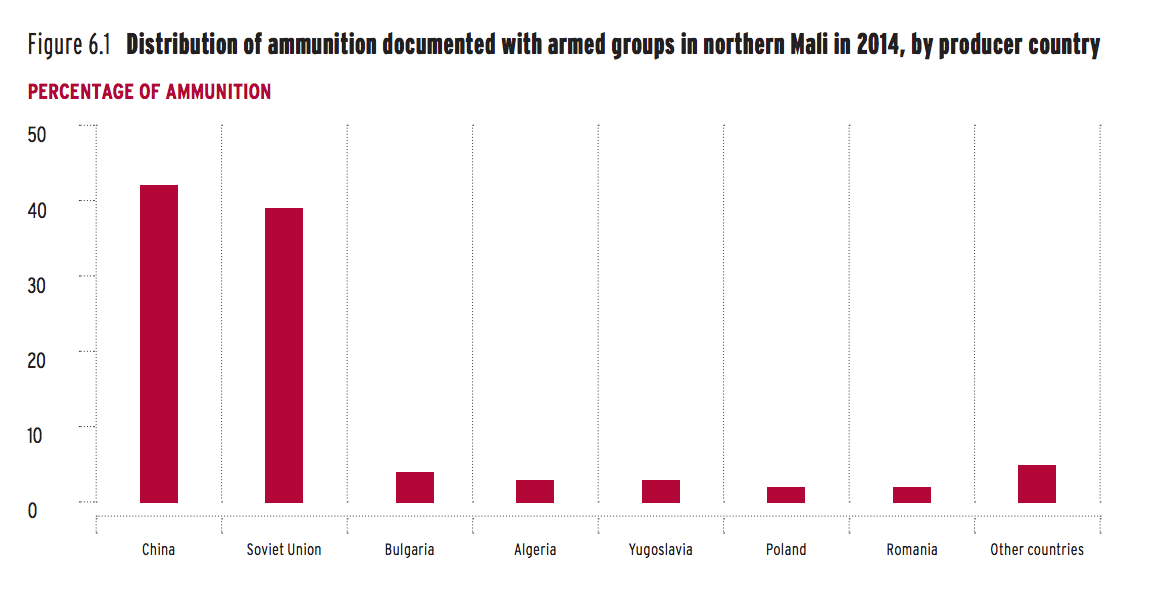
ربما لا يوجد مكان تنتشر فيه الأسلحة القادمة من حقبة الحرب الباردة، أكثر من مالي، حيث تسعى الحكومة هناك، بدعم من فرنسا، على مدى السنوات الثلاث الماضية، لإخماد التمرد الانفصالي الذي تشهده الدولة، والذي تأجج نتيجة لتدفق المقاتلين والجهاديين والجماعات الإسلامية، وكثيرًا ما يُقال إن الصراع في مالي تمت تغذيته أساسًا بالأسلحة التي تم اغتنامها من مخازن الديكتاتور الليبي معمر القذافي، ولكن على الرغم من أن المقاتلين المتمردين في مالي اكتسبوا خبرة قتالية جرّاء اشتراكهم في الصراع الذي أدى إلى سقوط القذافي، وعادوا إلى مالي مع كميات كبيرة من الأسلحة، بيد أن الدراسة الاستقصائية للأسلحة الخفيفة وجدت أن الجزء الأكبر من الأسلحة المستخدمة في مالي قادم أساسًا من مخازن الحكومة المالية، وليس من مخازن الأسلحة الليبية، وتشير الصورة التالية إلى أن النسبة العظمى من السلاح الذي تم توثيق وجوده بيد الفصائل المسلحة في شمال مالي قادم من الصين والاتحاد السوفييتي:

نون بوست

ويشير التقرير أن مخازن أسلحة القذافي اقتصر دورها على توفير أسلحة التفوق النوعي لدى المقاتلين المتمردين في مالي، حيث جاء في التقرير “ندرة الرشاشات الثقيلة وذخيرتها، تم التغلب عليها من خلال العتاد القادم من المخازن الليبية، حيث تظهر ليبيا كمصدر بارز للأسلحة الثقيلة التي تم توثيق وجودها في أيدي المتمردين في عام 2012، بما في ذلك السيارات المزودة بمدفع ZU-23-2 المضاد للطائرات، والذي يتم استخدامه في المقام الأول للاشتباك مع الأهداف الأرضية، وبالمثل، عملت ليبيا كمصدر هام لمنظومات الدفاع الجوي المحمولة (MANPADS)، وصواريخ هذه المنظومات هي الآن في حوزة الجهاديين في شمال مالي”.

أخيرًا، إذا كان هنالك درس يتعين علينا فهمه من الدراسة الاستقصائية للأسلحة الخفيفة، فيمكن تلخيصه بالآتي: إن الأسلحة التي نمد البلدان الصديقة بها اليوم، ستعود للظهور في أيدي أعدائنا بشكل غير متوقع بعد 10 أو 20 أو 30 سنة من الآن.

المصدر: فورين بوليسي

TAGGED: الأسلحة ، الأسلحة الخفيفة ، تجارة السلاح ، تصدير السلاح ، سوق الأسلحة الخفيفة
TAGGED: التسليح
Download this article as PDF
Share this Article
Facebook Twitter Whatsapp Whatsapp Telegram Email Copy Link
إلياس جرول
By إلياس جرول سويدي خريج جامعة هارفارد، محرر في مجلة فورين بوليسي الأمريكية، كتب في عدد من المواقع والصحف الأمريكية
Follow:
Next Article نون بوست The Stigma of “ISIS”: A Heavy Legacy Haunting Women and Children of Former Members

Read More

  • U.S. Regime‑Change Policies: Why They Are Destined to Fail U.S. Regime‑Change Policies: Why They Are Destined to Fail
  • The Gulf’s Balancing Act: Iran, Israel, and Hidden Links
  • Iraq–Turkey Oil Export Treaty: Why Did Ankara Cancel It After 52 Years?
  • Syria’s Northeast on Edge: QSD Between Ankara and Damascus
  • Has Europe Changed Its Stance on Israel… or Just Its Language?
part of the design
NoonPost Weekly Newsletter
dark

An independent media platform founded in 2013, rooted in slow journalism, producing in-depth reports, analysis, and multimedia content to offer deeper perspectives on the news, led by a diverse young team from several Arab countries.

  • Politics
  • Society
  • Rights & Liberties
  • Opinions
  • History
  • Sports
  • Education
  • Technology
  • Economy
  • Media
  • Arts & Literature
  • Entrepreneurship
  • Travel
  • Cinema & Drama
  • Food
  • Health
  • Culture
  • Latest Reports
  • Files
  • Long Reads
  • Interviews
  • Podcast
  • Interactive
  • Encyclopedia
  • In Pictures
  • About Us
  • Our Writers
  • Write for Us
  • Editorial Policy
  • Advanced Search
Some rights reserved under a Creative Commons license

Removed from favorites

Undo
Go to mobile version