




NoonPost NoonPost

NoonPost

  • Home
  • Politics
  • Economy
  • Society
  • Culture
  • Files
  • Long Reads
  • Podcast
AR
Notification Show More
نون بوست
“There Are Nights I Can’t Close My Eyes”: How Gazans Are Living in Homes on the Brink of Collapse
نون بوست
From al-Jolani to Ahmad al-Shara: The Evolution of Syria’s New Leader
نون بوست
When Political Islam Receded in Egypt: Who Filled the Void?
نون بوست
An Extension of Genocide: Gaza’s Detainees Speak Out
نون بوست
A Tightrope Between Survival and Sovereignty: The Syrian Government Faces Normalization Pressures
نون بوست
American Aircraft Carriers: Has the Era of “100,000 Tons of Diplomacy” Ended?
نون بوست
U.S. Regime‑Change Policies: Why They Are Destined to Fail
نون بوست
Transformations of Israeli Judaism: Between the Victim Complex and the Colonizer’s Doctrine
نون بوست
The Gulf’s Balancing Act: Iran, Israel, and Hidden Links
نون بوست
Iraq–Turkey Oil Export Treaty: Why Did Ankara Cancel It After 52 Years?
نون بوست
Syria’s Northeast on Edge: QSD Between Ankara and Damascus
نون بوست
Has Europe Changed Its Stance on Israel… or Just Its Language?
NoonPost NoonPost
AR
Notification Show More
نون بوست
“There Are Nights I Can’t Close My Eyes”: How Gazans Are Living in Homes on the Brink of Collapse
نون بوست
From al-Jolani to Ahmad al-Shara: The Evolution of Syria’s New Leader
نون بوست
When Political Islam Receded in Egypt: Who Filled the Void?
نون بوست
An Extension of Genocide: Gaza’s Detainees Speak Out
نون بوست
A Tightrope Between Survival and Sovereignty: The Syrian Government Faces Normalization Pressures
نون بوست
American Aircraft Carriers: Has the Era of “100,000 Tons of Diplomacy” Ended?
نون بوست
U.S. Regime‑Change Policies: Why They Are Destined to Fail
نون بوست
Transformations of Israeli Judaism: Between the Victim Complex and the Colonizer’s Doctrine
نون بوست
The Gulf’s Balancing Act: Iran, Israel, and Hidden Links
نون بوست
Iraq–Turkey Oil Export Treaty: Why Did Ankara Cancel It After 52 Years?
نون بوست
Syria’s Northeast on Edge: QSD Between Ankara and Damascus
نون بوست
Has Europe Changed Its Stance on Israel… or Just Its Language?
Follow US

Between Law and Security: Refugees in Egypt Face a New Wave of Crackdowns

فريق التحرير
Noon Post Published 26 March ,2026
Share
نون بوست
نون بوست

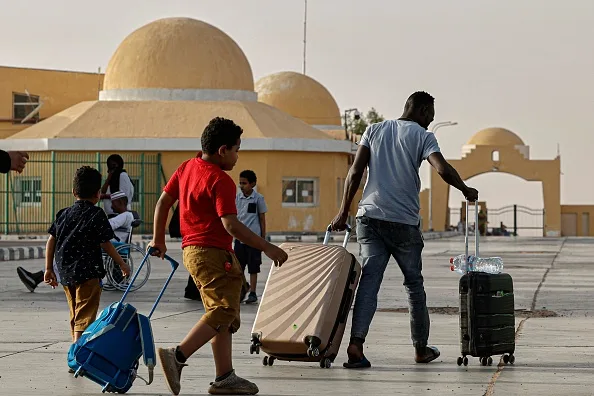
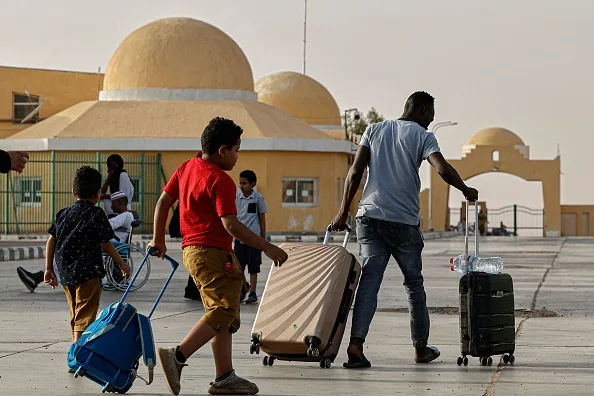
In recent days, human rights platforms and organizations have documented a significant escalation in repressive measures targeting refugees, asylum seekers, and migrants in Egypt. This escalation marked by broader scope and official decisions appears to exceed the patterns of previous years, sparking serious concerns over its potential consequences for tens of thousands of individuals, particularly regarding their physical safety, legal standing, and access to livelihoods.

According to monitoring reports, Sudanese and Syrian nationals have borne the brunt of these crackdowns, which now extend beyond Cairo to several governorates. This shift suggests an emerging pattern that transcends individual or situational actions, hinting at a more systematic policy that could effectively amount to informal, forced expulsions.

This development follows major legislative and institutional shifts in Egypt’s asylum system, particularly the enactment of Law No. 165 of 2024 on asylum. The law transferred core responsibilities for managing refugee affairs from the UN High Commissioner for Refugees (UNHCR) to national government agencies with expanded powers.

The move has triggered a wave of criticism and warnings from rights advocates and refugee community representatives, who fear it could undermine protection guarantees and due process.

UNHCR data shows Egypt currently hosts over 914,000 registered refugees and asylum seekers from 61 nationalities. By contrast, Egyptian government estimates cited by Prime Minister Mostafa Madbouly put the number of foreign residents at around nine million, with an annual cost exceeding $10 billion. The government cites these figures as evidence of the burden it carries amid ongoing economic challenges.

Intensified Arrest Campaigns

Sudanese human rights advocate Marwa Hegazy, a volunteer working with UNHCR in Egypt to monitor detainee conditions, describes recent Interior Ministry raids on migrant communities as “unprecedented.”
نون بوست

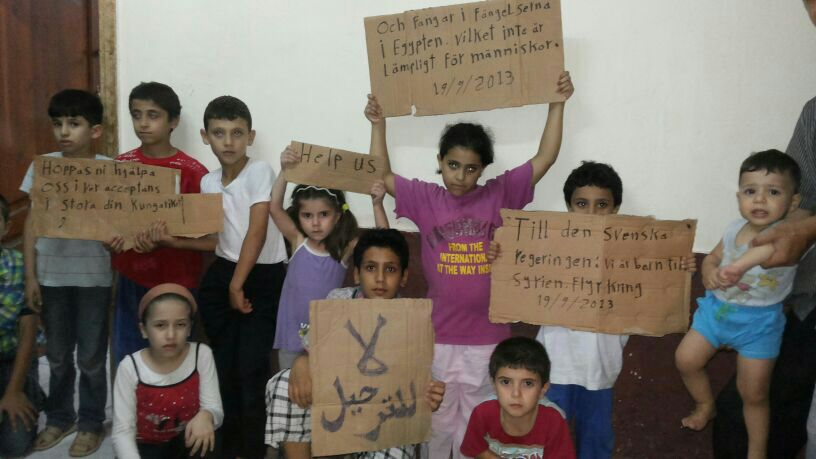
Speaking to the press, Hegazy said the operations have been indiscriminate, affecting the elderly, the sick, and children alike. What were previously seen as occasional or seasonal actions have now turned into a sustained campaign, particularly targeting Sudanese and Syrian nationals. These practices, she emphasized, violate international protection obligations, especially the principle of non-refoulement.

Based on her daily rounds of police stations in Alexandria where many refugees are currently detained—Hegazy noted that the frequency of arrests has surged, even against holders of valid UNHCR cards. “These actions used to happen annually at lower intensity. Now, we’re seeing random arrests,” she said.

“There are mass detentions across more than ten police stations in Alexandria. The situation is dire—most detainees have UNHCR cards and are simply waiting for renewal appointments. I visit police stations every day to monitor detainees and report to UNHCR lawyers, but unfortunately, the embassy and UNHCR’s presence is barely visible.”

UNHCR’s role, according to Hegazy, is typically limited to dispatching a lawyer to accompany detainees during prosecution hearings. However, she criticized the convoluted administrative release process, where detainees are referred between police, immigration, national security, and even the embassy, often stuck in this loop for up to ten days.

Notably, Hegazy added that the crackdown isn’t limited to adults. “Just days ago, I learned that children under sixteen were detained, even though they held valid residency permits. This is the first time we’ve seen refugees with legal status still being apprehended.”

Tariq, a young Syrian who has lived in Sixth of October City for over a decade, echoed these concerns. He told Noon Post that inspection raids in public spaces targeting Sudanese and Syrians have intensified so severely that many have opted to remain at home to avoid arrest.

Despite having proper documentation, he said he does not feel safe. “The complications around renewing residency or temporary cards mean many end up in legal limbo—making them easy targets for arrest under the guise of law enforcement.”

A Parallel Digital Campaign

Alongside the physical crackdowns, a digital campaign has gained traction on social media, tracked by the “Sahih Masr” platform, which analyzed online activity and hashtags between January 20 and 26.

Their findings suggest a coordinated effort: posting volume surged dramatically over short periods, then dropped just as abruptly. The analysis revealed a network of accounts playing specific roles some driving traffic by tagging official government handles like the Ministry of Interior and the Cabinet, others amplifying messages to keep them trending.

Sentiment analysis by TalkWalker showed that over 43% of posts conveyed negative sentiments toward refugees, while only 14% expressed supportive views. A significant portion of the discourse focused on criticizing businesses run by Syrians, accusing them of selling substandard goods or undercutting economic opportunities for Egyptians. Instances of hate speech and discriminatory language targeting both Syrians and Sudanese were also recorded.

The hashtag cloud revealed that #DeportAllRefugeesIsAPublicDemand led the conversation, averaging around 1,200 posts per day during the monitoring period. Other widely used hashtags included #EgyptForEgyptiansNotForGuests, #DeportAllSyrians, and #DeportingRefugeesIsANationalDuty.

Patterns of Abuse and Restriction

The violations reported against refugees, asylum seekers, and migrants in Egypt have taken many forms, according to the “Refugees in Egypt” platform, which issued a report covering December 20, 2025, to January 31, 2026.

The report highlighted recurring abuses affecting multiple nationalities, suggesting a systemic rather than isolated trend. One tactic involves exploiting residency renewal delays and chronic registration backlogs at UNHCR and Egyptian agencies, placing many individuals in technical “violation” of the law even when structural barriers prevent timely compliance.

The report also documented repeated instances of authorities confiscating protection documents, including UNHCR cards, during detentions. This effectively strips refugees of their legal status and facilitates deportations outside the bounds of international protection and non-refoulement guarantees.

The scope of these detentions has also widened from border regions to urban areas, including checkpoints, transportation hubs, residential neighborhoods, and workplaces engulfing everyday life in a climate of fear.

The pressure extends to refugee community institutions themselves. Some schools and grassroots initiatives especially those run by vulnerable groups—have faced closures or restrictions, cutting off critical educational and support services for wide swaths of the population.

Escalating Risks for Syrians and Sudanese

The report outlines dual escalations affecting Syrians and Sudanese. For Syrians, recent months have brought increasingly stringent residency rules, including the halting of tourist visa renewals and the imposition of burdensome, costly procedures. This has forced many into “involuntary irregularity,” exposing them to detention at any moment.

For Sudanese nationals, the crackdown reached a peak in late 2025. Investigative reports confirmed that large numbers were detained in preparation for transfer to Aswan and repatriation to Sudan. The platform reported hundreds of detentions over recent months, including more than 1,500 deportations since August 2025 the sharpest spike yet.

Europe’s Gatekeeper

The timing of these crackdowns coincides with deepening Egyptian–European cooperation on migration and border control. Observers argue the crackdown cannot be separated from this context. It signals a shift in how Egypt manages the presence of refugees and migrants paired with a noticeable decline in protection guarantees.

Viewed through this lens, the campaigns are tied to the political and financial benefits Egypt could secure by positioning itself as Europe’s frontline migration partner. Between 2024 and 2027, over €7 billion in aid is earmarked for Egypt, a portion of which supports migration control programs, border surveillance, and at least €200 million allocated for combating irregular migration and funding “return and reintegration” efforts.

Rights groups and international organizations have warned that outsourcing “gatekeeping” roles to transit states like Egypt risks making the EU complicit in potential abuses, including arbitrary detention, inhumane conditions, or forcible return to war-torn countries like Sudan.

Coercive Return Pressures

Many analysts argue that the recent escalation in deportation campaigns is driven by more than just migration diplomacy. Refugees interviewed by Noon Post pointed to possible political pressure from Sudan’s government to encourage returns potentially as a symbolic gesture amid the collapse of the “voluntary return” process.

Others suggest that slight improvements in conditions in Damascus and Khartoum may have encouraged Egyptian authorities to promote repatriation.

This narrative is compounded by Egypt’s economic crisis, where public discourse has increasingly blamed migrants for imposing fiscal burdens. Yet, alternative assessments highlight the positive economic contributions of certain communities especially Syrians to Egypt’s market.

Ultimately, rights advocates argue that managing a complex issue like migration through purely security-driven policies exposes critical gaps in public policy particularly when blanket actions fail to distinguish between legally settled individuals and those caught in bureaucratic limbo. Continuing down this path, they warn, will only deepen criticism of Egypt’s human rights record and heighten international pressure.

Download this article as PDF
Share this Article
Facebook Twitter Whatsapp Whatsapp Telegram Email Copy Link
فريق التحرير
By فريق التحرير تقارير يعدها فريق تحرير نون بوست.
Follow:
Previous Article نون بوست On Its Fifteenth Anniversary: Does the February Revolution Still Guide Yemenis?
Next Article نون بوست How “Israel” Has Detained 24 Lebanese Citizens Since the Onset of Its War

Read More

  • U.S. Regime‑Change Policies: Why They Are Destined to Fail U.S. Regime‑Change Policies: Why They Are Destined to Fail
  • The Gulf’s Balancing Act: Iran, Israel, and Hidden Links
  • Iraq–Turkey Oil Export Treaty: Why Did Ankara Cancel It After 52 Years?
  • Syria’s Northeast on Edge: QSD Between Ankara and Damascus
  • Has Europe Changed Its Stance on Israel… or Just Its Language?
part of the design
NoonPost Weekly Newsletter

You May Also Like

U.S. Regime‑Change Policies: Why They Are Destined to Fail

U.S. Regime‑Change Policies: Why They Are Destined to Fail

إسراء سيد Esraa sayed 8 April ,2026
The Gulf’s Balancing Act: Iran, Israel, and Hidden Links

The Gulf’s Balancing Act: Iran, Israel, and Hidden Links

فريق التحرير Noon Post 8 April ,2026
Iraq–Turkey Oil Export Treaty: Why Did Ankara Cancel It After 52 Years?

Iraq–Turkey Oil Export Treaty: Why Did Ankara Cancel It After 52 Years?

فريق التحرير Noon Post 8 April ,2026

رسائل القسام من الطريق التي يشقها على حدود غزة

هدى عامر
هدى عامر Published 3 June ,2015
Share
view_1432404127

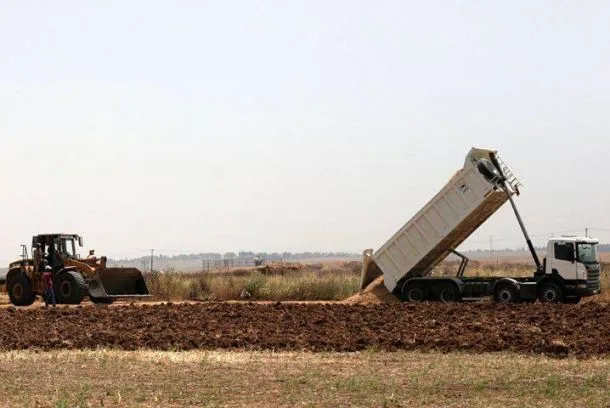
أثار قيام كتائب القسام قبل أيام، بشق شارع موازٍ للحدود الشرقية مع الأراضي المحتلة، والذي يقطع غزة من أقصى الشمال وصولًا إلى رفح جنوبًا، جدلًا واسعًا في أوساط الفلسطينيين، مشوبًا بالتساؤلات عن هدف كتائب القسام من شق هذا الشارع بهذه الدرجة من القوة في مواجهة آليات الاحتلال المتمركزة خلف الحدود منذ سنوات طويلة.

وكانت آليات تابعة لكتائب القسام بدأت منذ أسبوعين تقريبًا بتعبيد طريق محاذٍ للشريط الحدودي لقطاع غزة على بعد 250 إلى 300 متر من السياج الفاصل عن الأراضي المحتلة عام 1948.

وكان الحديث عن البدء في شق الشارع شغل وسائل الإعلام خلال الأيام الأخيرة، وسط مشاهدة عناصر قسامية تستخدم جرافات وآليات في عملية تنفيذ الشارع بدءًا من شرق غزة وشمالها، دون أن يصدر تأكيد رسمي عن ماهيته من حركة حماس أو جناحها العسكري.

القيادي في حركة حماس فتحي حماد قال أمس إن “كتائب القسام بدأت تشق طريقًا بمحاذاة السياج الأمني الصهيوني الفاصل شرق قطاع غزة، وتتحين الفرصة للانقضاض على الاحتلال، في أول إعلان رسمي عن الشارع”.

وأكد حماد – خلال كلمته في حفل تأبين الشهيد أحمد سهمود، أحد قادة كتائب القسام في المنطقة الشرقية بخان يونس، الذي استشهد في معركة العصف المأكول العام الماضي – أن هذا الطريق يمتد على طول السياج الأمني الفاصل، وعلى مسافة تتراوح بين 250 إلى 300 متر من منطقة إلى أخرى.

وحول الهدف من هذا الطريق، قال حماد “إن الهدف منه هو للانقضاض على العدو عندما تكون الفرصة مواتية”.

ودعا القيادي بحماس جميع أبناء الشعب الفلسطيني ليجتمعوا على كلمة المقاومة وتحت ظلال كتائب القسام، مؤكداً أن “القسام الآن يعد لمعركة التحرير”.

على الجانب الآخر، عقب وزير خارجية حكومة الاحتلال السابق أفيغدور ليبرمان على تصريحات القيادي حماد، داعيًا حكومة نتنياهو لدفن رأسها في الرمال، وأنه من الأفضل لنتنياهو أن يفوق الآن قبل فوات الأوان وأن يفعل كل ما بوسعه لتدمير حكم حماس في قطاع غزة.

واجتهد محللون فلسطينيون في البحث عن أسباب إقدام المقاومة على شق هذا الشارع، قرب الحدود الشرقية للقطاع وقبالة آليات التي ترصد كل ساكن ومتحرك قربها.

الإعداد للمواجهة

المحلل السياسي مصطفى الصواف، اعتبر أن قيام كتائب القسام بإنشاء طريق حدودي يأتي في سياق الإعداد للمواجهة القادمة، مؤكدًا أنه من حق المقاومة أن تعد نفسها لمواجهة حتمية مع الاحتلال، استكمالًا لطريق الإعداد الذي بدأته منذ انتهاء العدوان الأخير على غزة.

وأوضح الصواف، أن المقاومة معنية بإرسال رسائل كثيرة إلى كافة الأطراف وعلى رأسها حكومة الاحتلال، مفادها أن المقاومة لن تصمت وهي مستمرة في إجراء استعداداتها على قدم وساق، وأضاف أن المقاومة لم تتوقف عن إرسال رسائلها للاحتلال، ليس فقط في إنشاء الطريق الحدودي الجديد، بل في التجارب الصاروخية المستمرة، للقول للاحتلال إن إعادة التفكير في شن عدوان جديد يعني أنه سيتكبد الخسائر وسيلقى أكثر مما لاقاه في صيف 2014 الماضي.

وحول التوقيت الحالي الذي اختارته القسام لإنشاء الطريق، أشار الصواف أنه لا عبرة بالتوقيت الحالي بالتحديد، لكنها أمور تراكمية ومرحلية، وأن القسام أنهى استعدادات سابقة حتى نفذ إنشاء الطريق الحدودي ضمن استعداداته الأخيرة.

وفيما يختص بصمت الاحتلال وتمنعه عن الرد على ما يمكن وصفه باستفزازات المقاومة له، أوضح أن الاحتلال غير معني بالانجرار وراء الاستفزازات الآن لأن الوضع الداخلي الإسرائيلي لا يؤهل لشن عدوان جديد في هذا الوقت، مضيفًا “الاحتلال يسعى لتحقيق مصلحة ويقرر الحرب بموازين الربح والخسارة”.

واعتبر أن رد وزير خارجية الاحتلال السابق أفيغدور ليبرمان، يأتي في سياق الهجوم الطبيعي على نتنياهو ضمن سياسة المناكفات السياسية الإسرائيلية، مؤكدًا أن نتنياهو ليس غافلًا عما يجري وأن قادته العسكريين يراقبون بشكل يومي وبدقة.

انتقال من السرية للعلنية

الكاتب عماد توفيق يجمل أسبابًا أخرى لإنشاء كتائب القسام الطريق المحاذي للحدود الشرقية، منها التأكيد على انتقال المقاومة وبقوة من مرحلة السرية والمطاردة إلى العلنية والتجنيد العلني، كما المساهمة في تعزيز شرعيتها وقدمها الثقيلة في أي ترتيبات سياسية، بالإضافة إلى تعزيز كبير لمعنويات الشعب والمقاومة على السواء، ورسالة تطمين للشعب أن المقاومة لا زالت بخير وأنها في الخطوط المتقدمة للدفاع عن أبناء شعبها، فيما يعتبر كذلك، إعلان بالوقائع أن الاحتلال لم يعد مطلق اليد في قطاع غزة، وإغلاق أحد أهم قنوات جمع المعلومات لدى دوائر استخبارات الاحتلال، وإنهاء لظاهرة تسلل الشباب بحجة البحث عن عمل.

وأضاف توفيق، أن إنشاءه يعد رسالة وجدانية للشعب الفلسطيني باقتراب حلم التحرير، وتسهيل جمع المعلومات الاستخبارية عن تحركات العدو ومواقعه خلف الحدود، وكذلك تسهيل تسيير دوريات لكتائب القسام على الحدود في مقابل دوريات الاحتلال.

كما تهدف المقاومة إلى تثبيت ثكنات عسكرية إلكترونية لمراقبة الحدود والتصدي لأي محاولة للتسلل إلكترونيًا، إضافة إلى إنهاء واقعي للحزام الأمني الذي يفرضه العدو ويمنع الاقتراب منه على مسافة 300 متر، وتأمين للمزارعين في أراضيهم للاستفادة منها في الزراعة وغيرها.

المصدر: قدس الإخبارية

TAGGED: الاحتلال الإسرائيلي ، المقاومة الفلسطينية ، حركة حماس ، قطاع غزة ، كتائب القسام
Download this article as PDF
Share this Article
Facebook Twitter Whatsapp Whatsapp Telegram Email Copy Link
هدى عامر
By هدى عامر صحفية مهتمة بالقضايا الإنسانية والاجتماعية
Follow:
Next Article نون بوست The Stigma of “ISIS”: A Heavy Legacy Haunting Women and Children of Former Members

Read More

  • U.S. Regime‑Change Policies: Why They Are Destined to Fail U.S. Regime‑Change Policies: Why They Are Destined to Fail
  • The Gulf’s Balancing Act: Iran, Israel, and Hidden Links
  • Iraq–Turkey Oil Export Treaty: Why Did Ankara Cancel It After 52 Years?
  • Syria’s Northeast on Edge: QSD Between Ankara and Damascus
  • Has Europe Changed Its Stance on Israel… or Just Its Language?
part of the design
NoonPost Weekly Newsletter

You May Also Like

U.S. Regime‑Change Policies: Why They Are Destined to Fail

U.S. Regime‑Change Policies: Why They Are Destined to Fail

إسراء سيد Esraa sayed 8 April ,2026
The Gulf’s Balancing Act: Iran, Israel, and Hidden Links

The Gulf’s Balancing Act: Iran, Israel, and Hidden Links

فريق التحرير Noon Post 8 April ,2026
Iraq–Turkey Oil Export Treaty: Why Did Ankara Cancel It After 52 Years?

Iraq–Turkey Oil Export Treaty: Why Did Ankara Cancel It After 52 Years?

فريق التحرير Noon Post 8 April ,2026
dark

An independent media platform founded in 2013, rooted in slow journalism, producing in-depth reports, analysis, and multimedia content to offer deeper perspectives on the news, led by a diverse young team from several Arab countries.

  • Politics
  • Society
  • Rights & Liberties
  • Opinions
  • History
  • Sports
  • Education
  • Technology
  • Economy
  • Media
  • Arts & Literature
  • Entrepreneurship
  • Travel
  • Cinema & Drama
  • Food
  • Health
  • Culture
  • Latest Reports
  • Files
  • Long Reads
  • Interviews
  • Podcast
  • Interactive
  • Encyclopedia
  • In Pictures
  • About Us
  • Our Writers
  • Write for Us
  • Editorial Policy
  • Advanced Search
Some rights reserved under a Creative Commons license

Removed from favorites

Undo
Go to mobile version