



NoonPost NoonPost

NoonPost

  • Home
  • Politics
  • Economy
  • Society
  • Culture
  • Files
  • Long Reads
  • Podcast
AR
Notification Show More
نون بوست
“There Are Nights I Can’t Close My Eyes”: How Gazans Are Living in Homes on the Brink of Collapse
نون بوست
From al-Jolani to Ahmad al-Shara: The Evolution of Syria’s New Leader
نون بوست
When Political Islam Receded in Egypt: Who Filled the Void?
نون بوست
An Extension of Genocide: Gaza’s Detainees Speak Out
نون بوست
A Tightrope Between Survival and Sovereignty: The Syrian Government Faces Normalization Pressures
نون بوست
American Aircraft Carriers: Has the Era of “100,000 Tons of Diplomacy” Ended?
نون بوست
U.S. Regime‑Change Policies: Why They Are Destined to Fail
نون بوست
Transformations of Israeli Judaism: Between the Victim Complex and the Colonizer’s Doctrine
نون بوست
The Gulf’s Balancing Act: Iran, Israel, and Hidden Links
نون بوست
Iraq–Turkey Oil Export Treaty: Why Did Ankara Cancel It After 52 Years?
نون بوست
Syria’s Northeast on Edge: QSD Between Ankara and Damascus
نون بوست
Has Europe Changed Its Stance on Israel… or Just Its Language?
NoonPost NoonPost
AR
Notification Show More
نون بوست
“There Are Nights I Can’t Close My Eyes”: How Gazans Are Living in Homes on the Brink of Collapse
نون بوست
From al-Jolani to Ahmad al-Shara: The Evolution of Syria’s New Leader
نون بوست
When Political Islam Receded in Egypt: Who Filled the Void?
نون بوست
An Extension of Genocide: Gaza’s Detainees Speak Out
نون بوست
A Tightrope Between Survival and Sovereignty: The Syrian Government Faces Normalization Pressures
نون بوست
American Aircraft Carriers: Has the Era of “100,000 Tons of Diplomacy” Ended?
نون بوست
U.S. Regime‑Change Policies: Why They Are Destined to Fail
نون بوست
Transformations of Israeli Judaism: Between the Victim Complex and the Colonizer’s Doctrine
نون بوست
The Gulf’s Balancing Act: Iran, Israel, and Hidden Links
نون بوست
Iraq–Turkey Oil Export Treaty: Why Did Ankara Cancel It After 52 Years?
نون بوست
Syria’s Northeast on Edge: QSD Between Ankara and Damascus
نون بوست
Has Europe Changed Its Stance on Israel… or Just Its Language?
Follow US

How Egypt Secured Submarines with Israeli Consent

عماد عنان
Emad Anan Published 26 March ,2026
Share
نون بوست
نون بوست

On January 25, Israel’s Haaretz newspaper published an in-depth investigation based on the findings of a governmental committee established in 2022 to examine what became publicly known as the Submarine Affair 3000 currently under review by the Israeli judiciary.

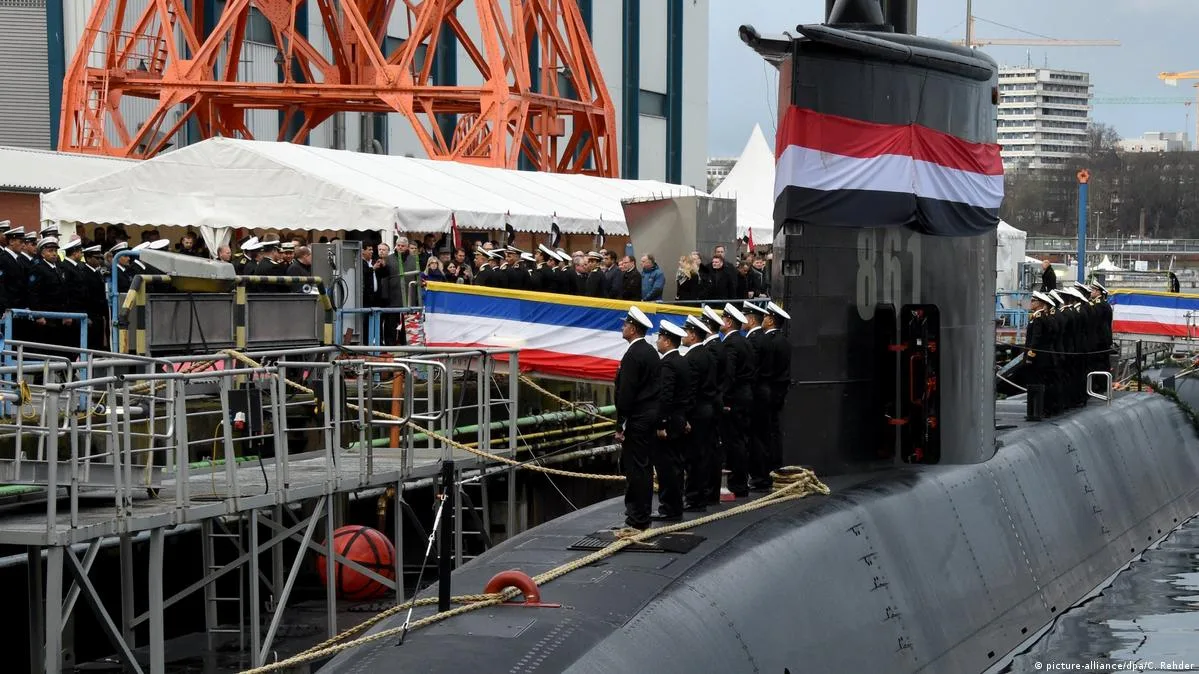
A key focus of the case concerns Egypt’s acquisition of German submarines through a deal signed with Berlin in 2011. According to the report, Prime Minister Benjamin Netanyahu and several close associates gave the green light for the sale—an approval the committee found dangerously lacking in institutional oversight, thereby exposing Israeli national security to significant risk.

Crucially, the report revealed that Germany did not finalize the sale without prior Israeli approval. This revelation revives a long-standing debate about Tel Aviv’s influence in European decision-making circles, and how such influence can effectively amount to an unofficial veto power over arms deals in the region.

The findings raise broader and more sensitive questions about the intricate web of political and strategic calculations shaping Israel’s relations with Europe and key Middle Eastern powers.

Why was the deal approved at that specific moment? And why did Tel Aviv exhibit rare flexibility toward arming Egypt despite Israel’s prevailing security discourse, which frames Cairo’s growing military capacity as a potential threat?

The Submarine Affair: A Controversial Chapter

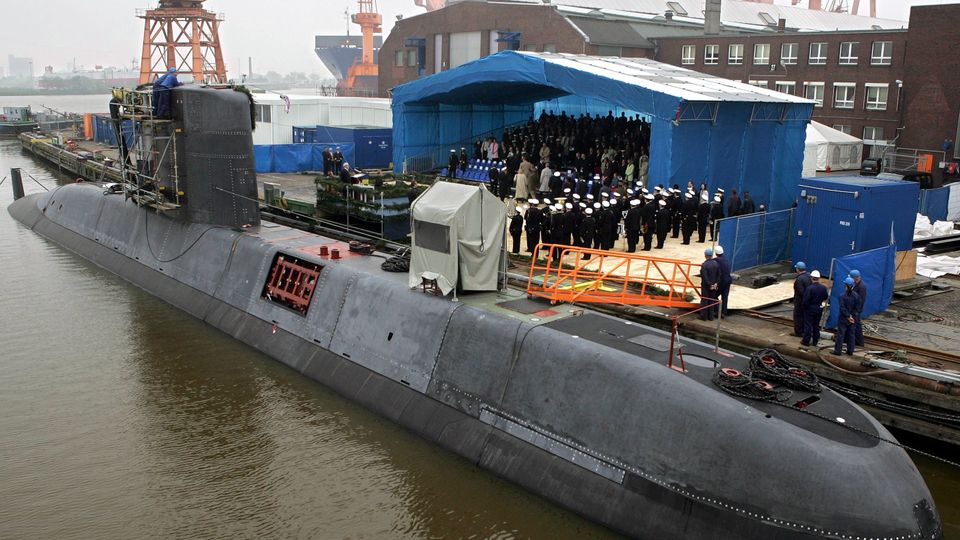
Case 3000, now before Israeli courts, is one of the most contentious defense procurement scandals in the country’s modern history. It involves a series of submarine and warship deals between Israel and Germany from 2009 to 2017, tainted by years of corruption allegations, conflicts of interest, and bribery making it a constant source of political friction.
نون بوست

At the heart of the controversy lies the 2011 Egyptian deal for four German submarines. Notably, Netanyahu and other top Israeli officials raised no objection to the sale. Egypt received its first submarine in 2016, prompting sharp criticism from the Israeli opposition.

Opposition leaders accused Netanyahu of compromising Israel’s qualitative military edge and claimed that personal interests influenced his decisions. As the uproar intensified, a wide-ranging investigation was launched along two tracks.

The first, initiated in February 2017, focused on corruption allegations surrounding Israel’s own submarine acquisitions from Germany, ultimately leading to charges against several Netanyahu associates.

The second track was a governmental review established in 2022 to assess whether strategic decision-making in naval procurement, including the Egyptian deal, met required professional and security standards.

While Netanyahu maintained public caution, former government witness Miki Ganor who acted as a broker in the deals gave controversial testimony, claiming Israeli approval was tied to financial incentives from Germany, including substantial discounts on warships intended for Israel.

After three years of deliberations, the committee concluded that the process lacked orderly decision-making, was marred by systemic failures, and managed in a way that could have jeopardized national security.

Why Netanyahu Approved the Sale

Netanyahu and the committee argued that the submarine sale was part of a broader strategic package. Beyond military considerations, Germany reportedly offered nearly half a billion shekels in discounts on naval vessels for Israel in exchange for Tel Aviv’s silence over Egypt’s deal. German media valued Cairo’s contract at around €1 billion.
نون بوست

However, financial benefits were only part of the calculus. The regional context between 2011 and 2013—marked by turbulence—offered additional motives. Israel saw Egypt’s military enhancement as a means to achieve several strategic goals.

Key among them: confronting armed groups in Sinai and pressuring Cairo to clamp down on the Gaza border, including demolishing tunnel networks long used by Palestinian factions. President Abdel Fattah el-Sisi has previously acknowledged this effort.

In this light, Israeli flexibility was not gratuitous it aligned with a vision of long-term gains. The improved Egyptian military posture, it was believed, would restrict adversaries in Gaza, a dynamic that became evident during the two-year siege that left Palestinian resistance severely cornered.

Israel’s Unofficial Veto Over Western Arms Deals

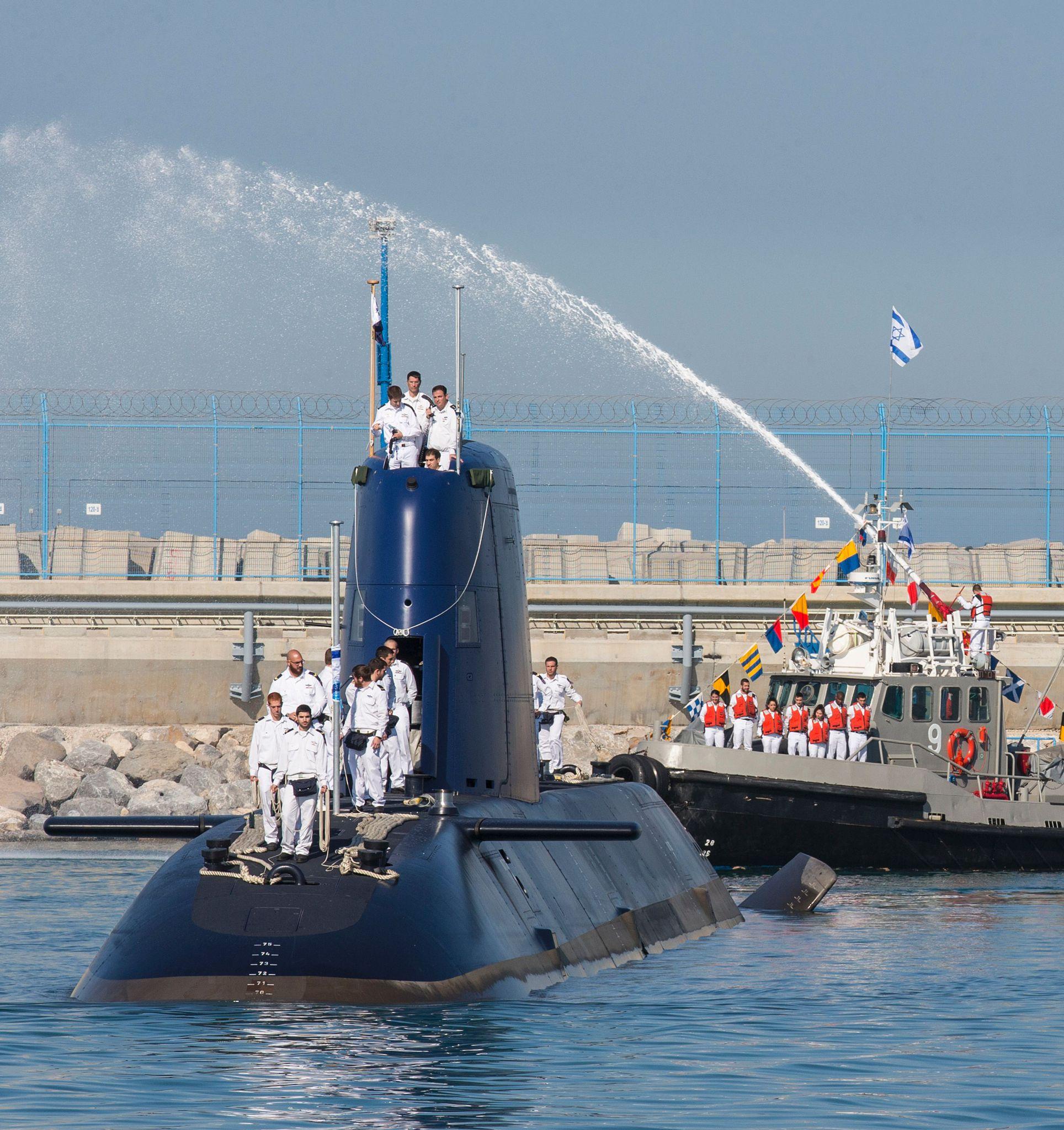
The affair revives scrutiny of Israel’s de facto sway over Western arms decisions, especially regarding sales to Middle Eastern states. Though Tel Aviv lacks formal veto power, its extensive political alliances and lobbying clout often yield influence that rivals official objection mechanisms.
نون بوست

At the core of this influence is the concept of Israel’s Qualitative Military Edge (QME) a strategic doctrine enshrined in U.S. law mandating the maintenance of Israel’s military and technological superiority over potential regional threats.

Major arms deals are thus subject to meticulous review to ensure they don’t erode Israel’s edge. The U.S. Congress has moved over the years to reinforce this principle, giving Israel broad—if unofficial—oversight over regional sales.

QME covers more than just hardware quantities; it encompasses advanced technologies, command systems, cyber warfare, intelligence, and customized platforms. In some cases, Israel receives modified versions of weapons systems like the F-35I fighter jet enhanced with proprietary technology.

This strategy is also used to limit other regional actors’ access to sensitive technologies, thereby preserving Israel’s military freedom of operation, particularly in the air domain.

Pro-Israel lobbies in Washington play a key role in safeguarding this edge, actively monitoring arms arrangements that could narrow the gap. These efforts often ripple into European decision-making, where close defense industry links prompt European capitals to informally seek Israeli acquiescence before finalizing arms deals with Middle Eastern states.

In practice, Israel has become a gatekeeper shaping what deals are deemed acceptable, while leaving room for shifting political calculations that determine when to be flexible or firm.

Why Egypt? A Strategic Calculus

Two overlapping contexts provide an answer: political alignment and security cooperation.

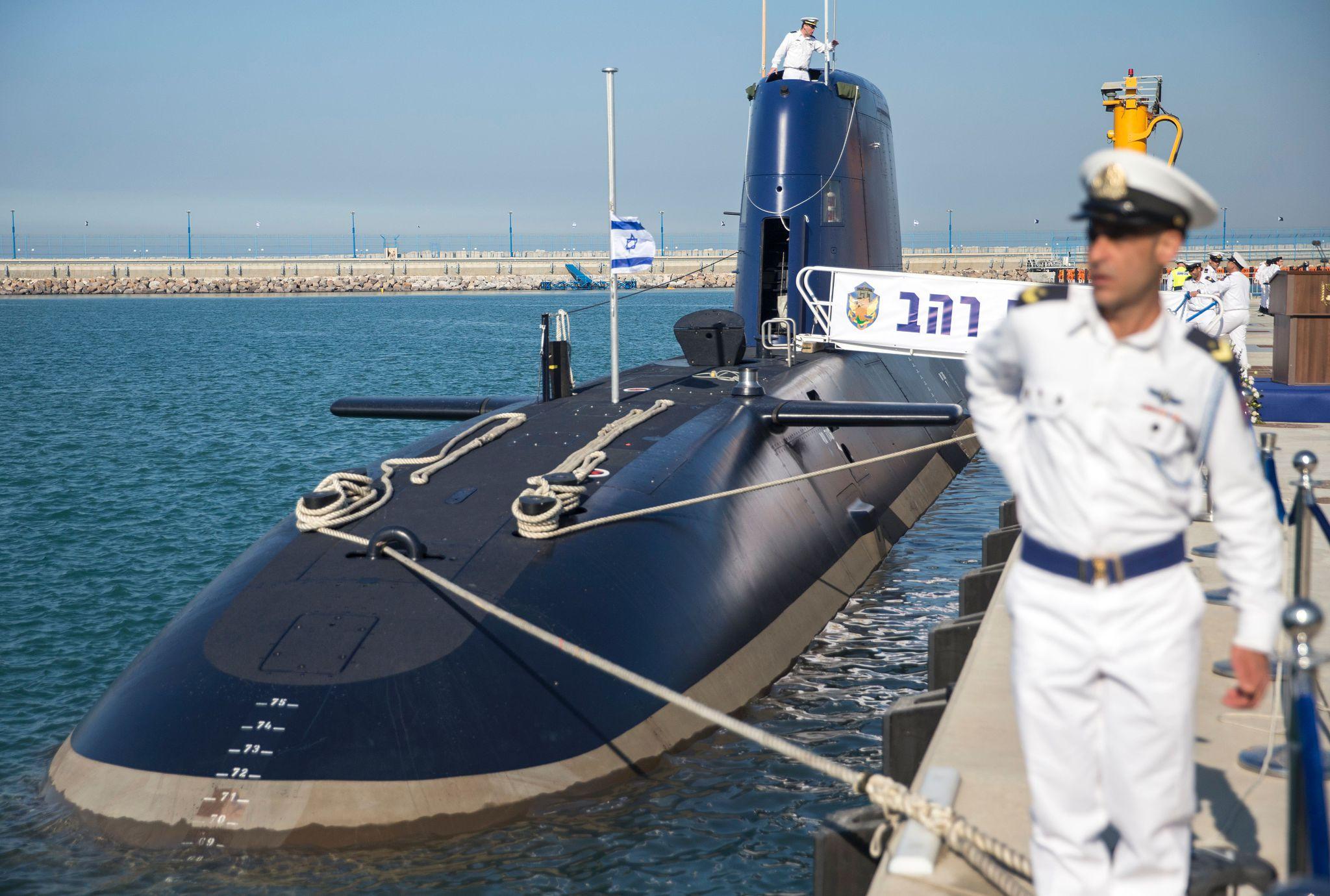
During the years when the submarine deal was greenlit, Egypt and Israel drew closer despite occasional divergences. Following the ousting of Mohamed Morsi, Israel viewed bolstering the Egyptian military as a way to stabilize the new regime and deepen ties with a leadership more amenable to coordination.
نون بوست

Security cooperation, especially in Sinai and Gaza, further justified such flexibility. Egypt’s role as an intermediary with Palestinian factions and its crackdown on tunnels aligned with Israeli interests. Arms deals, in this view, were part of a larger tradeoff to cement field-level coordination.

Another consideration was strategic containment: keeping Egypt’s military procurement within the Western sphere. Continued reliance on U.S. and European arms helps ensure a level of transparency, allowing Israel and its allies to track Egypt’s military capabilities.

Conversely, blocking deals might have driven Cairo toward Russia or China, reducing Western oversight. From this angle, the submarine deal wasn’t merely a financial transaction, but a calibrated balancing act strengthening a key partner while maintaining strategic control.

Flexible, But Within Red Lines

Despite its occasional flexibility, Israel’s approval for regional arms sales remains constrained by strict red lines. No Middle Eastern power is allowed to possess capabilities that surpass those of Israel.
نون بوست

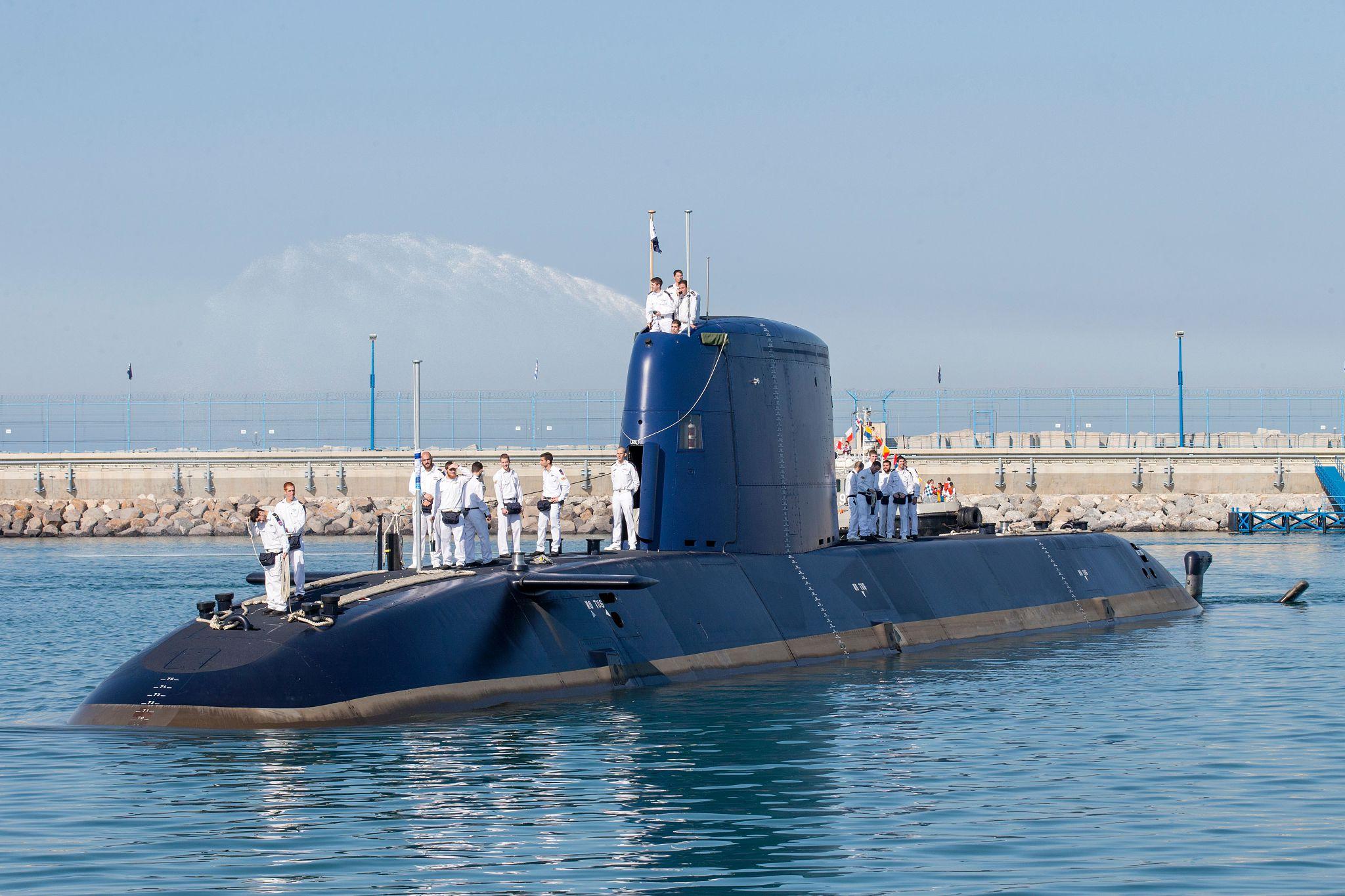
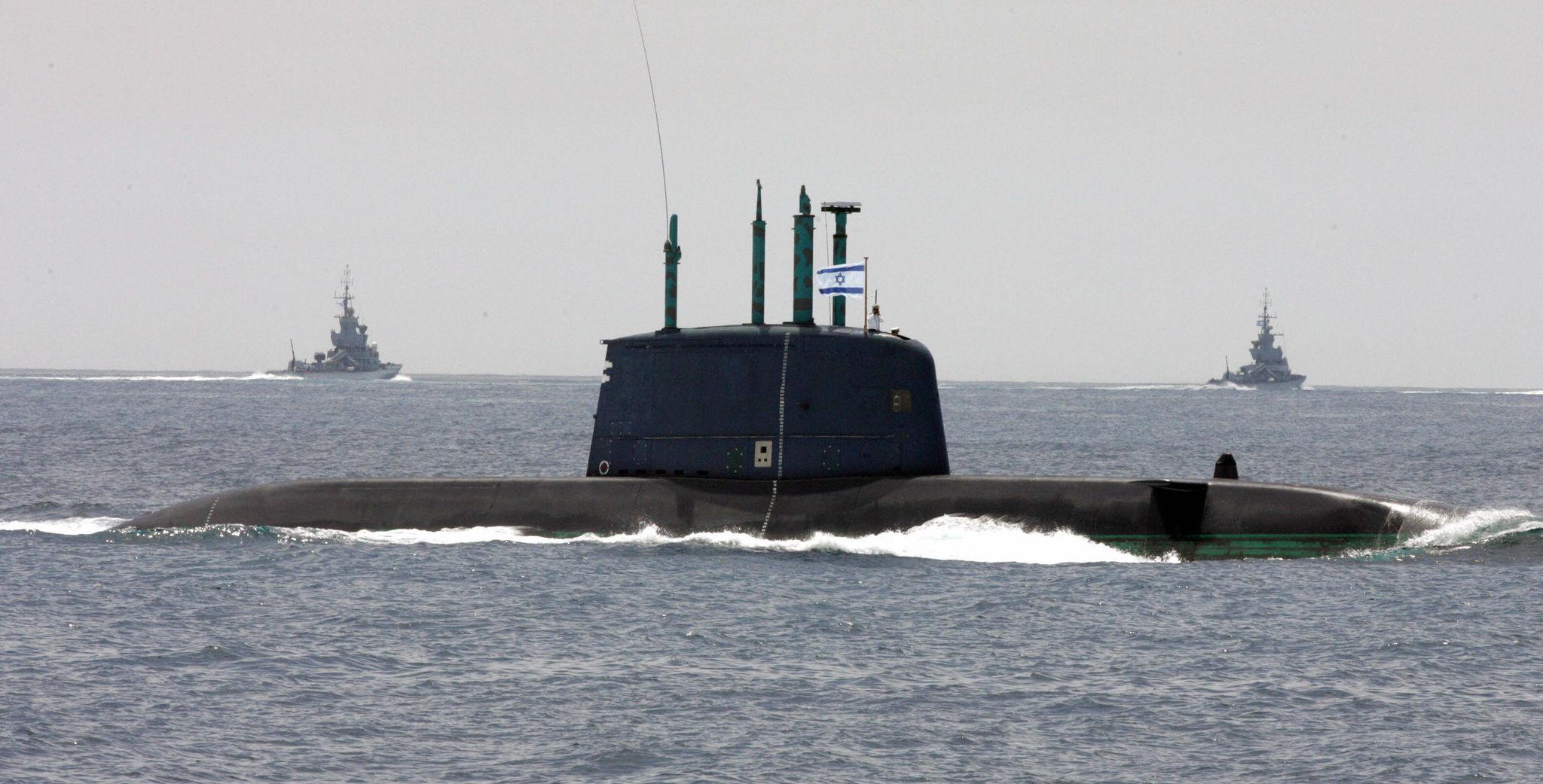
The German submarines delivered to Egypt Type 209 diesel-electric attack models were specifically built for export and date back to 1960s designs. Though they can launch torpedoes and are in use by 14 navies worldwide, they fall short of the sophistication of Israel’s Dolphin-class submarines.

Israel’s Dolphins are nuclear-capable, with long-range cruise missiles and stealth features, giving them a decisive edge in surveillance and deterrence. They can patrol for weeks and support operations critical to securing Israel’s maritime interests.

Through this dual policy, Israel manages to both reassure regional allies via selective arms approvals and protect its defense primacy upholding a strategic framework reinforced by legal and institutional support from the West.

Download this article as PDF
Share this Article
Facebook Twitter Whatsapp Whatsapp Telegram Email Copy Link
عماد عنان
By عماد عنان كاتب صحفي وباحث في الإعلام الدولي
Follow:
Previous Article نون بوست Israel’s Death Penalty Bill: 6 Key Questions
Next Article نون بوست West Bank: What Does Revealing Landowners’ Names Mean?

Read More

  • U.S. Regime‑Change Policies: Why They Are Destined to Fail U.S. Regime‑Change Policies: Why They Are Destined to Fail
  • The Gulf’s Balancing Act: Iran, Israel, and Hidden Links
  • Iraq–Turkey Oil Export Treaty: Why Did Ankara Cancel It After 52 Years?
  • Syria’s Northeast on Edge: QSD Between Ankara and Damascus
  • Has Europe Changed Its Stance on Israel… or Just Its Language?
part of the design
NoonPost Weekly Newsletter

You May Also Like

U.S. Regime‑Change Policies: Why They Are Destined to Fail

U.S. Regime‑Change Policies: Why They Are Destined to Fail

إسراء سيد Esraa sayed 8 April ,2026
The Gulf’s Balancing Act: Iran, Israel, and Hidden Links

The Gulf’s Balancing Act: Iran, Israel, and Hidden Links

فريق التحرير Noon Post 8 April ,2026
Iraq–Turkey Oil Export Treaty: Why Did Ankara Cancel It After 52 Years?

Iraq–Turkey Oil Export Treaty: Why Did Ankara Cancel It After 52 Years?

فريق التحرير Noon Post 8 April ,2026

مصائر سورية

بشير موسى
بشير موسى Published 5 June ,2015
Share
image

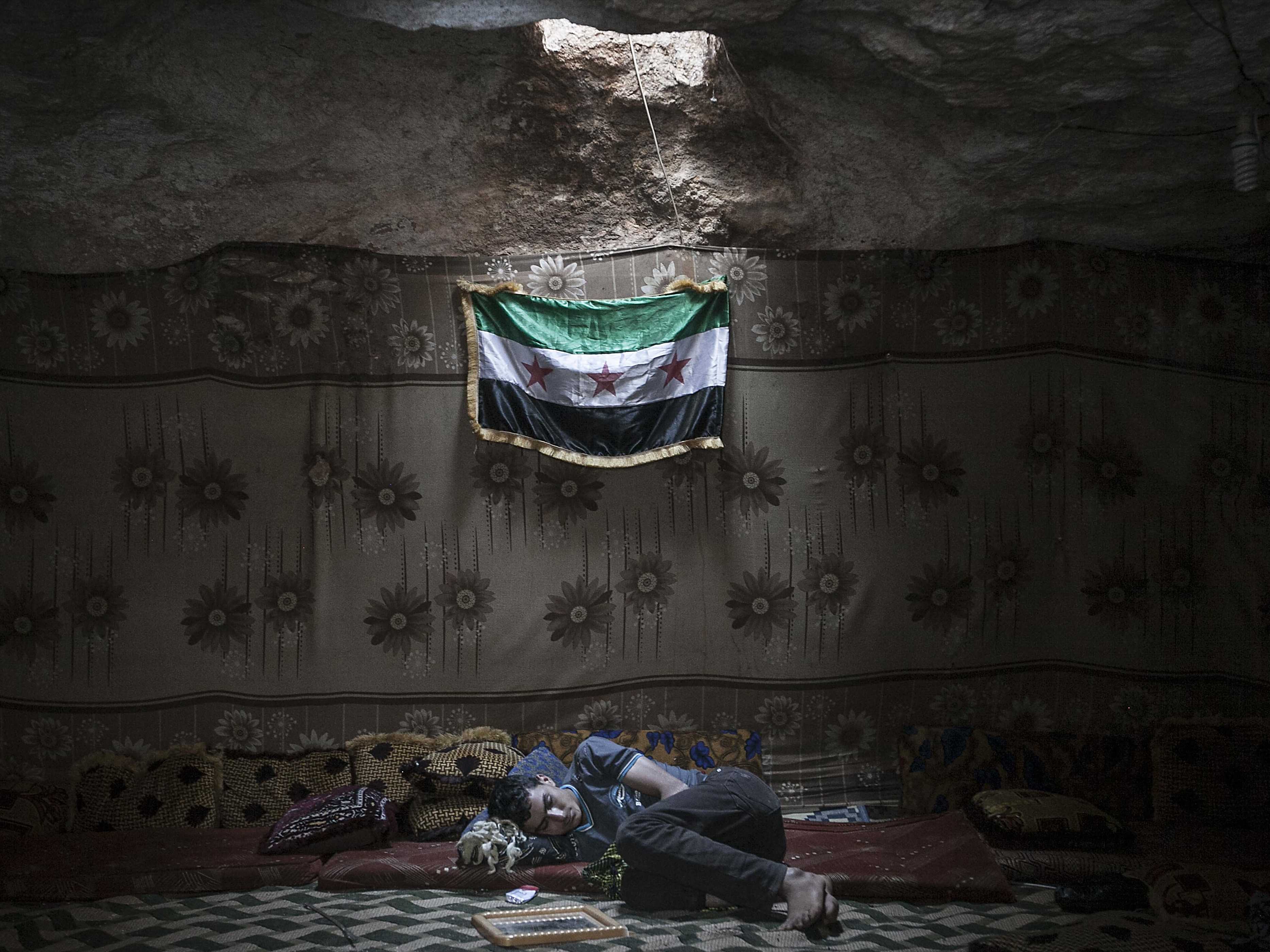
لم يعد ثمة شك أن نظام دمشق، وبعد أربع سنوات من الثورة، يعاني انكساراً عسكرياً حقيقياً. دفع النظام، باستخدامه أقصى درجات القمع والعنف الدموي، ثورة الشعب السوري إلى العسكرة، ظاناً أن المواجهة العسكرية ستنتهي لصالحه وإلى تلقين الشعب درساً يفوق درس مطلع الثمانينات. ما غاب عن النظام أن ثورة الشعب السوري هذه المرة شأن مختلف، وأنها جزء من حركة تحول تاريخي، يطال المجال العربي كله. الدور الكبير الذي لعبه الدعم الإيراني والروسي، والتدخل واسع النطاق الذي قام به حزب الله، وما تعهده من حشد طائفي، عراقي وأفغاني وباكستاني، لدعم النظام، ما كان له أن يغير من نتيجة المعركة. ما فعله الدعم والتدخل الخارجيان كان أن أطال زمن المعركة وفاقم من حجم الدمار والمعاناة. الصراع على سوريا ومستقبلها، كما الصراع على مصر وليبيا واليمن وتونس والعراق، ومهما بلغت الآلام والدمار، لا يمكن له أن ينتهي إلا إلى نتيجة واحدة، طال زمن المعركة أو قصر. وهذا ما أصبح واضحاً في سوريا اليوم. ولكن هذا لا يعني أن ثمة طريقاً واحداً للوصول إلى هذه النتيجة. وربما كان هذه هو التحدي الأكبر أمام أطراف الصراع اليوم.

خسارة النظام وتراجعه الحثيث في جبهتي الشمال والجنوب، وأمام تنظيم الدولة في الشرق، لم تعرفها مجريات المواجهة منذ أربع سنوات. تتخلى قوات النظام، وبصورة غير مخططة، عن بعض من أهم مواقعها، بعد خسائر فادحة في المعارك مع الثوار السوريين. وليس ثمة من مؤشر أن بإمكان قوات النظام استرداد هذه المواقع، بالرغم من ادعاءات أنصار النظام بأن ما يجري ليس سوى حرب طويلة من الكر والفر، وأن التراجعات ليست سوى إعادة انتشار تكتيكي. هناك من يرى أن القوة الرئيسية خلف هذا المتغير في الوضع يعود إلى الدعم المتزايد التي تقدمه دول مؤيدة للثورة، مثل تركيا والسعودية وقطر، وإلى الضغوط التي مارستها هذه الدول على الثوار لتوحيد جهودهم في ساحة الحرب. وهناك من يرى أن السبب يعود إلى الإنهاك المستمر للقوات الموالية للنظام، بشرياً ومعنوياً، وتراجع قدرة النظام على الحشد، سيما بعد الخسائر الفادحة التي أوقعت بالمناطق العلوية، الخزان البشري لجيش النظام وأجهزته الأمنية. آخرون يرون أن أربع سنوات من الحرب تسببت في استنزاف فادح لمقدرات إيران المالية والعسكرية، واستزاف بشري مؤلم لحزب الله، وأن الأخير بصورة خاصة لم تعد لدية القدرة على الدفع بقوات كبيرة لمساندة النظام في جبهات القتال المختلفة.

مهما كان الأمر، والأرجح أن متغيرات الحرب تعود إلى كل هذه الأسباب مجتمعة، فالواضح أن النظام لم يعد قادراً على الحفاظ على مواقعه، وأن قواته في حالة انسحاب بطيء، ولكنه مستمر. فأي طريق يمكن أن تنتهجه سوريا في المرحلة المقبلة؟

إحدى الطرق أن تدرك الأطراف المعنية، التي وقفت ولم تزل إلى جانب النظام، سيما روسيا وإيران، أن ميزان القوى على أرض المعركة قد تغير، وأن نهاية نظام دمشق، وشيكة كانت أو لا، أصبحت مؤكدة. بعد سنوات من الموت والدمار واسع النطاق للمدن والبلدات السورية، بات من الضروري بدء مفاوضات جادة وذات معنى، تضع نهاية للصراع، وتنقل السلطة بأسرع صورة ممكنة من المجموعة الحاكمة، التي ارتكبت كل هذه الجرائم الفادحة بحق سورية والسوريين، ولم يعد ثمة شك في خسارتها المعركة، إلى ممثلين لكافة طوائف وفئات الشعب السوري، بما في ذلك البعثيون غير الملوثين والعلويون. هذا طريق تقليل الخسائر، والحفاظ على ما تبقى من الآلة البيروقراطية للدولة السورية، ومساعدة السوريين على الانتقال من مناخ الحرب الأهلية إلى مناخ إعادة بناء اللحمة الوطنية، ومواجهة تحديات الحرية، سواء على مستوى انقسام الوطن والشعب، مساعدة ملايين المهجرين السوريين على بناء حياتهم من جديد، ومواجهة التهديد الذي تمثله القوى المسلحة المتطرفة. في سياق هذا الانتقال التفاوضي، يمكن بالتأكيد التعامل مع متطلبات الإقليم من سوريا الجديدة، كما مع متطلبات سوريا من الإقليم، ومقابلة التوازنات الاستراتيجية لكافة الأطراف مع ما يمكن أن تقدمه هذه الأطراف لمساعدة السوريين على استئناف حياتهم ومعالجة جراحهم.

الطريق الثاني، أن يستمر النظام في عناده وحربه على شعبه، وأن يستمر داعموه في مساعدته على استمرار الحرب. المآل المحتمل لهذا الخيار هو تدمير ما تبقى من سوريا، بما في ذلك عاصمتها، بذات الصورة الانتقامية التي دمرت بها حمص وحلب ومدن درعا وإدلب، في تعبير أقصى لما قاله أحد أركان النظام في بداية الثورة: «إن اضطررنا إلى ترك الحكم والسلطة، فسنترك سوريا خلفنا بدون أن يتبقى فيها حجر على حجر.» لن يغير هذا الخيار من مصير النظام النهائي، وإن كان سيطيل مدى سقوطه واقتلاعه؛ وفي هذه الأثناء، ستتراكم الأحقاد الطائفية والمذهبية بين فئات الشعب، وتتسع الفجوة الدموية بين السوريين وكل من ساعد النظام في حربه على شعبه، وتتعمق حالة الانقسام السياسي والجهوي داخل البلاد، وتصبح عملية إعادة بناء سوريا مسألة بالغة التعقيد والتكاليف. ولن ينعكس هذا الوضع على سوريا والسوريين وحسب، ولكنه أيضاً سيطال الأقليم في كافة الاتجاهات، سيما إن تعززت قدرة تنظيم الدولة على السيطرة على المناطق التي تقع الآن تحت سيطرته، وقدرة القوى الكردية على السيطرة على ما تسيطر عليه، وأصبح من الصعب التحكم في حدود سوريا الطويلة مع جوارها.

أما الطريق الثالث، وهو ما باتت تدندن به بعض الدوائر القريبة من النظام وحلفائه، فهو التحصن في دمشق بصورة ثانوية، ومناطق الساحل ذات الأغلبية العلوية بصورة أساسية، والمراهنة على بروز ظروف إقليمية ودولية مواتية لتقسيم البلاد وولادة دولة علوية. وسيكون للخط الواصل بين حمص والحدود مع لبنان، عبر القلمون، المحدد الرئيسي لما إن كان النظام سيستطيع الصمود في دمشق طويلاً والحفاظ على الاتصال الجغرافي بين دمشق والساحل. مشروع تقسيم سوريا إلى كيانات مذهبية ليس جديداً، ويعود إلى بداية الانتداب الفرنسي. وبالرغم من أن الحركة الوطنية السورية نجحت في هزيمة المشروع خلال الأربعينات، فليس من المستبعد، على الأقل في ضوء الصعود القومي الكردي، وتعبيرات القلق الغربية على مصير الأقليات، أن يتصور البعض اليوم أن الدولة العلوية خيار ممكن للتخلص مما يطلق عليه أحياناً بالهيمنة السنية في المشرق. وإن أخذ العامل الطائفي في الحشد الذي اصطف خلف النظام خلال السنوات الأربع الماضية في الاعتبار، فالأرجح أن هناك في بعض الدوائر الطائفية الإقليمية من يرى أن دولة علوية أفضل بكثير من سوريا موحدة، تسيطر عليها الأغلبية السنية.

الحقيقة، أن هذا خيار وهمي، وهو مثل سابقه، لن يؤدي إلا إلى المزيد من الخسائر والآلام، ويؤول في النهاية إلى الفشل. لم يكن ثمة ركيزة جغرافية أو سياسية – اقتصادية واحدة لبروز دولة علوية في سوريا، لا في عهد الانتداب، ولا اليوم. إن كان نظام ما بعد الحرب العالمية الأولى جعل من سوريا نفسها كياناً إشكالياً، فكيف إن قسمت سوريا إلى كيانات أصغر؟ الدول الإقليمية الرئيسية، مثل السعودية وتركيا، وحتى الأردن، لن تقبل بتقسيم سوريا. من جهة أخرى، لن يستطيع العراق، الذي يعاني من انهيار داخلي، ولا حزب الله، الذي يواجه معارضة جمة داخل لبنان، توفير دعم كاف لبقاء الدويلة العلوية. إن سقط النظام في دمشق وواصل التحصن في منطقة الساحل ذات الأغلبية العلوية، فسينتهي إلى جر كارثة تاريخية كبرى على وجود العلويين في سوريا ومصيرهم. مهما كانت الأوهام المؤسسة لمثل هكذا خيار، فإن الحقيقة المجردة أن ليس ثمة حصن علوية في سوريا.

تفاوض سريع لانتقال السلطة هو الخيار الأفضل لكل الأطراف، وهو الخيار الذي تفرضه حسابات العقل والقيم الإنسانية، على السواء.

TAGGED: إجرام النظام السوري ، إسقاط النظام السوري ، داعش
TAGGED: الثورة السورية
Download this article as PDF
Share this Article
Facebook Twitter Whatsapp Whatsapp Telegram Email Copy Link
بشير موسى
By بشير موسى كاتب وباحث عربي في التاريخ الحديث
Follow:
Next Article نون بوست The Stigma of “ISIS”: A Heavy Legacy Haunting Women and Children of Former Members
part of the design
NoonPost Weekly Newsletter
dark

An independent media platform founded in 2013, rooted in slow journalism, producing in-depth reports, analysis, and multimedia content to offer deeper perspectives on the news, led by a diverse young team from several Arab countries.

  • Politics
  • Society
  • Rights & Liberties
  • Opinions
  • History
  • Sports
  • Education
  • Technology
  • Economy
  • Media
  • Arts & Literature
  • Entrepreneurship
  • Travel
  • Cinema & Drama
  • Food
  • Health
  • Culture
  • Latest Reports
  • Files
  • Long Reads
  • Interviews
  • Podcast
  • Interactive
  • Encyclopedia
  • In Pictures
  • About Us
  • Our Writers
  • Write for Us
  • Editorial Policy
  • Advanced Search
Some rights reserved under a Creative Commons license

Removed from favorites

Undo
Go to mobile version