NoonPost NoonPost

NoonPost

  • Home
  • Politics
  • Economy
  • Society
  • Culture
  • Files
  • Long Reads
  • Podcast
AR
Notification Show More
نون بوست
“There Are Nights I Can’t Close My Eyes”: How Gazans Are Living in Homes on the Brink of Collapse
نون بوست
From al-Jolani to Ahmad al-Shara: The Evolution of Syria’s New Leader
نون بوست
When Political Islam Receded in Egypt: Who Filled the Void?
نون بوست
An Extension of Genocide: Gaza’s Detainees Speak Out
نون بوست
A Tightrope Between Survival and Sovereignty: The Syrian Government Faces Normalization Pressures
نون بوست
American Aircraft Carriers: Has the Era of “100,000 Tons of Diplomacy” Ended?
نون بوست
U.S. Regime‑Change Policies: Why They Are Destined to Fail
نون بوست
Transformations of Israeli Judaism: Between the Victim Complex and the Colonizer’s Doctrine
نون بوست
The Gulf’s Balancing Act: Iran, Israel, and Hidden Links
نون بوست
Iraq–Turkey Oil Export Treaty: Why Did Ankara Cancel It After 52 Years?
نون بوست
Syria’s Northeast on Edge: QSD Between Ankara and Damascus
نون بوست
Has Europe Changed Its Stance on Israel… or Just Its Language?
NoonPost NoonPost
AR
Notification Show More
نون بوست
“There Are Nights I Can’t Close My Eyes”: How Gazans Are Living in Homes on the Brink of Collapse
نون بوست
From al-Jolani to Ahmad al-Shara: The Evolution of Syria’s New Leader
نون بوست
When Political Islam Receded in Egypt: Who Filled the Void?
نون بوست
An Extension of Genocide: Gaza’s Detainees Speak Out
نون بوست
A Tightrope Between Survival and Sovereignty: The Syrian Government Faces Normalization Pressures
نون بوست
American Aircraft Carriers: Has the Era of “100,000 Tons of Diplomacy” Ended?
نون بوست
U.S. Regime‑Change Policies: Why They Are Destined to Fail
نون بوست
Transformations of Israeli Judaism: Between the Victim Complex and the Colonizer’s Doctrine
نون بوست
The Gulf’s Balancing Act: Iran, Israel, and Hidden Links
نون بوست
Iraq–Turkey Oil Export Treaty: Why Did Ankara Cancel It After 52 Years?
نون بوست
Syria’s Northeast on Edge: QSD Between Ankara and Damascus
نون بوست
Has Europe Changed Its Stance on Israel… or Just Its Language?
Follow US

West Bank: What Does Revealing Landowners’ Names Mean?

فريق التحرير
Noon Post Published 26 March ,2026
Share
نون بوست
نون بوست

In what Israeli officials are hailing as a “revolution” in the West Bank, Finance Minister Bezalel Smotrich and Defense Minister Israel Katz unveiled a sweeping set of new measures aimed at deepening settlement expansion and effectively burying the prospect of a Palestinian state.

The two ministers announced that the Israeli security cabinet had approved a series of decisions designed to entrench Israeli control over the West Bank by altering its legal and civil landscape, and by nullifying remaining laws from the Jordanian era. What are these decisions, and what do they mean for Palestinians?

Structure and Details of the New Policies

1. Unmasking Landowners to Facilitate Land Grabs

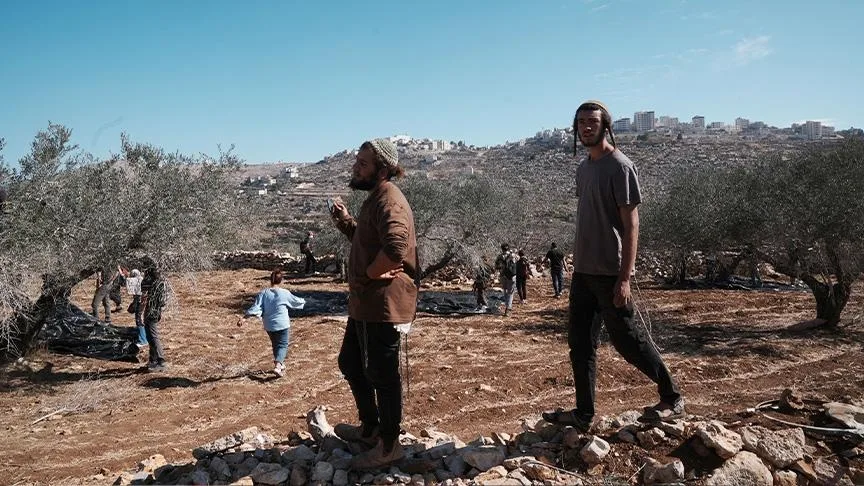
Perhaps the most alarming measure is the lifting of confidentiality on land registries in the West Bank. After decades of withholding such information, settlers, real estate firms, and intermediaries can now access the names of Palestinian landowners. This opens the door to intimidation, coercion, and pressure tactics.

In addition, an old Jordanian law from 1967 that prohibited land sales to non-Arabs has been nullified. Settlers can now buy land directly as individuals without relying on registered companies or requiring prior approval from Israel’s Civil Administration.

Israel also plans to reactivate the long-dormant “Land Acquisition Committee” to purchase “strategic” parcels for settlement expansion.

2. Seizing Planning Authority and Nullifying the 1997 Hebron Protocol

The Israeli government has taken full control over planning and construction in the Jewish neighborhood of Hebron and around the Ibrahimi Mosque, stripping those powers from the Palestinian-run municipality.

Until now, any construction modifications required joint approval from the Palestinian municipality and Israel’s Civil Administration. Under the new measures, Israeli security authorities alone will issue permits, effectively annulling the 1997 Hebron Protocol and paving the way for rapid settlement expansion.

A separate decision establishes an independent municipal authority to manage Rachel’s Tomb (Bilal Ibn Rabah Mosque) in Bethlehem, transferring control from the local Palestinian municipality to Israeli ministries.

3. Encroaching into Areas A and B — Undermining Oslo

The new policies go beyond Area C which is under full Israeli control per the Oslo Accords by extending Israeli authority into Areas A and B, which are nominally under Palestinian civil and security control.

Israel has granted itself powers to enforce laws related to water, the environment, and antiquities in these areas, and to demolish Palestinian homes deemed “illegal” or “damaging to heritage,” according to the new directives.

4. Direct Settlement Channeling

Until February 8, land sales to settlers required a layered approval process involving the Israeli military, Civil Administration, and military courts. Now, that process has been streamlined. Land transfers will go through a bureaucratic procedure that strips land of its legal protections, no longer requiring military approval effectively creating a direct channel for settlers to acquire land with minimal oversight.

This further limits the Palestinian Authority’s ability to protect private property.

The Israeli Narrative and Explicit Intentions

Smotrich described the changes as a deliberate effort to “bury the idea of a Palestinian state,” presenting the new policies as part of “normalizing life” in the West Bank.

Defense Minister Israel Katz referred to the decisions as a “permanent strategic anchor” for Israel’s settlement policy.

The Yesha Council, the main settler umbrella organization, called these decisions the most significant in 60 years. Right-wing group Regavim praised the annulment of Jordanian laws and demolition permissions in Palestinian-administered areas, saying it would make land records “transparent.”

Yedioth Ahronoth reported that the Israeli government is racing to apply de facto sovereignty over the West Bank before the next elections, as the new measures will be legally difficult to reverse.

i24NEWS labeled the moves a “revolution” in civil administration, expanding Israeli authority into previously off-limits areas.

In contrast, left-wing Israeli organizations like Peace Now warned of a legal coup that enables mass land confiscations and undermines any prospects for a negotiated solution.

A Wider Strategy of Expansion

A report by the Washington Institute for Near East Policy contextualized the decisions as part of a broader plan to fragment Palestinian territorial continuity in Area C and preclude the establishment of a Palestinian state.

The same report noted that the Israeli government is planning to build over 3,400 housing units in the controversial “E1” area between Jerusalem and Jericho. Smotrich himself described the project as a way to “kill the idea of a Palestinian state” and achieve the goal of reaching “one million settlers” in the West Bank.

The Israeli Policy Forum echoed these concerns, citing a bureaucratic “revolution” led by Smotrich to replace military rule in the West Bank with direct Israeli civil control.

Demographic and Political Implications

1. Demography Under Pressure

Population data underscores the stakes. According to the Palestinian Central Bureau of Statistics, by the end of 2025, about 5.56 million Palestinians lived in the Palestinian territories, including 3.43 million in the West Bank.

In contrast, official Palestinian reports estimate the settler population reached 770,000 by the end of 2024, spread across more than 180 settlements and 256 outposts. Their numbers are steadily growing, aided by land grabs and legal cover.

A key goal of the settlement plan is to establish a massive settler bloc in the West Bank and double the settler population to one million a goal Smotrich publicly stated while discussing the E1 plan.

2. Geographic Fragmentation and Entrenched Control

By extending Israeli control into Areas A and B, which comprise 40% of the West Bank’s area, Israel is enabling demolitions and land seizures in regions previously under Palestinian governance.

The International Crisis Group warns that Israel is shifting West Bank administration from military to civilian control, making formal annexation a mere formality. This policy pushes Palestinians into isolated enclaves, stripping them of access to land and resources, and nudging them toward displacement.

The Washington Institute’s report stresses that ongoing settlement activity is squeezing Palestinians in a vice grip, leading to forced displacement. Settler militias alone committed 440 attacks in the first half of 2025.

3. Economic and Social Fallout

Settlement expansion is also accelerating the confiscation of agricultural land and water resources, deepening the economic crisis in the West Bank.

A recent report by the Palestinian Central Bureau of Statistics revealed that unemployment in the West Bank hit 28% in 2025, while GDP fell by 13% due to Israeli restrictions.

With home demolitions on the rise and more areas cordoned off, investment and development are grinding to a halt. This is fueling both internal and external migration and triggering demographic shifts under duress.

In the absence of meaningful international deterrence, 2026 appears poised for a volatile showdown over the future of the West Bank pitting an Israeli government accelerating annexation against a Palestinian population facing demographic and political erasure.

Download this article as PDF
Share this Article
Facebook Twitter Whatsapp Whatsapp Telegram Email Copy Link
فريق التحرير
By فريق التحرير تقارير يعدها فريق تحرير نون بوست.
Follow:
Previous Article نون بوست How Egypt Secured Submarines with Israeli Consent
Next Article نون بوست “Geographic Proximity Must Translate into Strategic Proximity” An Interview with Housni Abidi

Read More

  • U.S. Regime‑Change Policies: Why They Are Destined to Fail U.S. Regime‑Change Policies: Why They Are Destined to Fail
  • The Gulf’s Balancing Act: Iran, Israel, and Hidden Links
  • Iraq–Turkey Oil Export Treaty: Why Did Ankara Cancel It After 52 Years?
  • Syria’s Northeast on Edge: QSD Between Ankara and Damascus
  • Has Europe Changed Its Stance on Israel… or Just Its Language?
part of the design
NoonPost Weekly Newsletter

You May Also Like

U.S. Regime‑Change Policies: Why They Are Destined to Fail

U.S. Regime‑Change Policies: Why They Are Destined to Fail

إسراء سيد Esraa sayed 8 April ,2026
The Gulf’s Balancing Act: Iran, Israel, and Hidden Links

The Gulf’s Balancing Act: Iran, Israel, and Hidden Links

فريق التحرير Noon Post 8 April ,2026
Iraq–Turkey Oil Export Treaty: Why Did Ankara Cancel It After 52 Years?

Iraq–Turkey Oil Export Treaty: Why Did Ankara Cancel It After 52 Years?

فريق التحرير Noon Post 8 April ,2026

لماذا تُصر الكنيسة المصرية على المبيت في أحضان الأنظمة؟

أسامة الصياد
أسامة الصياد Published 5 June ,2015
Share
210091

الأمر أثاره منشور على موقع التواصل الاجتماعي “فيس بوك” لناشط قبطي يدعى “شادي منير” ، أراد به فقط أن يُفعّل مقارنة بين نظام الرئيس السابق محمد مرسي والذي انقلب عليه الجيش بمساعدة الكنيسة القبطية في انقلاب الثالث من يوليو، وبين النظام الحالي الذي أعقب ذلك الانقلاب ليتولى الرئاسة عبدالفتاح السيسي وزير الدفاع السابق. الحادثين الذي تحدث عنهما منير وقع أحدهم في عهد مرسي والآخر منذ أيام قليلة في عهد السيسي.

في يوم الجمعة 27 يناير 2012 تجمهر عشرات من شباب قرية شربات المسلمين التابعة لمنطقة النهضة بمركز العامرية في محافظة الإسكندرية، أمام منزل مواطن مسيحي يدعى “سامي جرجس”، مطالبين بمغادرته القرية فورًا هو وأسرته، وذلك على خلفية انتشار مقاطع مصورة لعلاقة جنسية تجمع بين ابنه مراد سامي جرجس وسيدة مسلمة في القرية.

الأمر تصاعد بمحاولات لشباب غاضبين دون معرفة حقيقة هذه المقاطع حرق منازل بعض المواطنين المسيحيين في القرية، وذلك تزامنًا مع تأخر التدخل الأمني إلى ساعات متأخرة من الليل، وعلى إثر هذا قامت قيادات شعبية بالتدخل لوقف أعمال الشغب والاعتداء على منازل المسيحيين، فقوا بضرورة مغادرة الأسر المسيحية التي تورطت في الأحداث منعًا لمزيد من الاشتعال وقد كان.

الناشط شادي منير ذكر موقف الرئيس السابق محمد مرسي حينما علم بالأمر وتدخله الفوري لإعادة الأسر التي تم تهجيرها من منطقة العامرية بالإسكندرية وتعويضها عن التلفيات التي لاحقت بمنازلها، ومصدر هذه المعلومة هو القس “بولس جورج” راعي كنيسة “مارمرقس” بمصر الجديدة، حسبما أورد شادي منير.

في مايو 2015 نشر الشاب المسيحي المقيم في الأردن “أيمن يوسف مرقص” رسوم وعبارات مسيئة للدين الإسلامي والمسلمين، وهو اعتبره مسلمون في قرية كفر درويش الواقعة بجنوب محافظة بني سويف سببًا كافيًا لاشتعال غضبهم، إذ أن هذا الشاب وأسرته يسكنون هذه القرية، وبعد نشر الشاب المسيحي لهذا المنشور الذي أغضب شباب المسلمين في القرية، حاول البعض حينها مهاجمة منزل سكن أسرة الشاب حتى اضطرت قوات الأمن لفرض كردون أمني أمام منزلهم لحمايتهم.

الجلسات العرفية لم تفلح في رأب الصدع بالتزامن مع الحديث مع تدخل عناصر بعينها لإشعال الموقف أكثر فأكثر، وهو ما اضطر القيادات الأمنية بالمحافظة لإجلاء أسرة الشاب “سبب الأزمة”، وقد تدوال البعض أخبارًا عن تهجير خمسة أسر مسيحية من القرية وهو ما نفته قيادات أمنية، ولكن الثابت أن أسرة الشاب سبب الأزمة الرئيسي غادرت القرية حقنًا للدماء، يروي شادي هذا الموقف الثاني موضحًا موقف السيسي من الأزمة والذي ترك القيادات الأمنية على الأرض تواجه الموقف بينما يرتب الرئيس زيارة الفنانين لألمانيا.

هذا هو مثال بسيط لا يمكن أن نختزل الحالة القبطية المسيحية في مصر فيه، لكنه يُعطي دلائل وإشارات لا بأس بها، كما أن علينا ألا نُطلق الأحكام معممة، فليس كل الأقباط في مصر موالين لهذا النظام الحالي، ولكن لا يمكن إغفال الدور الرسمي للكنيسة في السياسة بمصر، وهو ما تستغله الأنظمة أسوء استغلال.

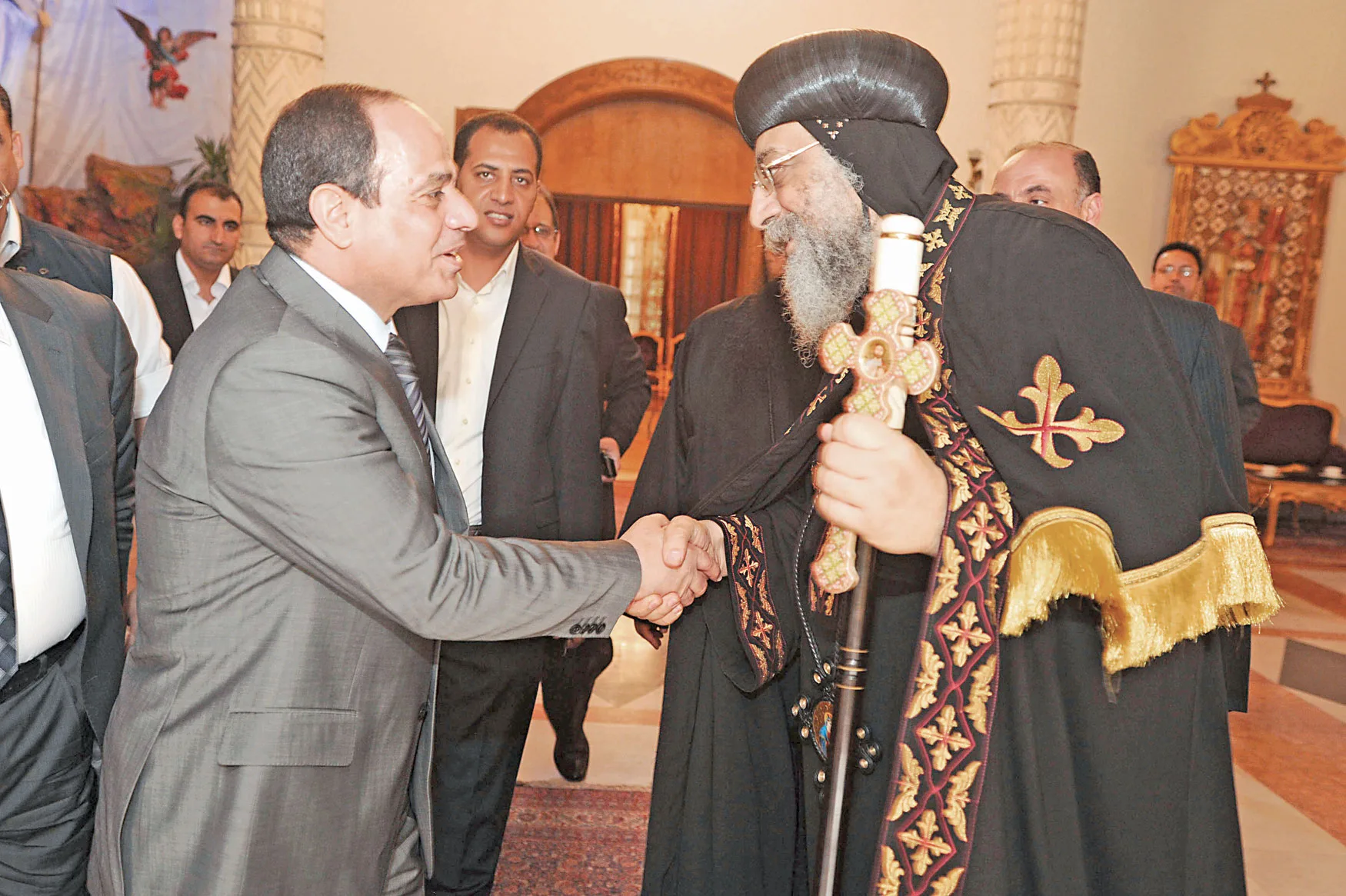
لا ندعي أن نظام مرسي السابق أوجد حلًا لقضية الأقباط في مصر لكنه لم يكن بالطبع مرعبًا بالصورة التي حاول بعض المسيحين تصوريها للغرب، فمرسي لم يتعامل مع الأقباط خارج خط الكنيسة وقد كان الخطأ الأكبر منه، لأنه استلهم التجربة المباركية في التعامل مع الأقباط، بحيث أنه استمر في اعتبار الكنيسة دولة داخل الدولة، يجب أن تكون ممثلة للأقباط في كل موقف سياسي، وهو ما سيجعل الكنيسة محتفظة بهذه الميزة السياسية ولن تتخلى عنها.

وفود حزب الحرية والعدالة الجناح السياسي لجماعة الإخوان المسلمين إلى الكنائس لم تنقطع في مختلف المحافظات منذ سقوط المخلوع لمبارك، محاولين بث الطمأنينة في داخل الكنائس المصرية، لكن ما لم يدركه الإخوان ونظامهم أن الكنيسة تريد أن تكون شريكة في الحكم وتأخذ حصتها بحكم الأقباط وتشريعاتهم، وباستطلاع رأيها في كل كبيرة وصغيرة تخص الشأن العام، وهو ما يعني اعتمادها كممثل رسمي للأقباط ومحتكرة لرأيهم دون وجه حق، وغير ذلك.

 ستظهر بالطبع نغمة اضطهاد الأقباط والرعب من الجماعات الإسلامية وما إلى آخرة من ابتزازات قديمة، وعلى الرغم من تنفيذ نظام مرسي لرغبات الكنيسة آملين أن يتجنبوا بوائقها، فقد تآمرت عليهم شأنها شأن المؤسسة الرسمية الإسلامية الأزهرية في مصر، التي تريد أن تبني دولتها داخل الدولة باحتكار الحديث عن الدين الإسلامي وأهله، ظهر ذلك جليًا في الممثلين للجهتين في لجنة وضع الدستور إبان حكم مرسي، وتهديداتهم المستمرة بالانسحاب منها إذا لم يتم الاستجابة لطلباتهم.

النظام الحالي الذي انقلب على الرئيس السابق مرسي حافظ على كل ما تريده الكنيسة المصرية بل وبالغ في استرضائها، حتى وضعت الكنيسة نفسها طرفًا في جانب النظام وربطت مصيرها بمصيره، وذلك في مقابل استمرار هيبة الكنيسة كدولة داخل الدولة، دولة فوق القانون لا تنفذ الأحكام القضائية الخاصة بالمسيحيين، فهي المتحدث باسم الرب وباسم كافة المسيحيين، حتى لو أراد بعض المسيحيين الخروج من تلك العباءة، فإنه سيتم التعامل معه معاملة المارق عن الكنيسة.

دفعت الكنيسة ثمن هذا دعمًا سياسيًا ودينيًا للسيسي وحاشيته، وقبل ذلك تجييش الحشود القبطية المسيحية لتكون جزء في صالح النظام من كل العمليات الانتخابية السابقة، وقبلها لتكون جزء من العملية الاحتجاجية في الشارع حتى الانقلاب، ولتكون جزء آخر في العملية التأييدية التفويضية في الشارع أيضًا ولكن بعد الانقلاب لدعم خارطة الطريق، بذلك حافظت الكنيسة على إرثها القديم من دولة مبارك، وحافظت على كون القضية المسيحية في مصر قضية أمنية بيد جهاز أمن الدولة، وهو ما يساعد الكنيسة على كبح جماح بعض شباب الأقباط إذا ما اعترضوا على مبيت كنيستهم في أحضان الأنظمة المستبدة بداية من مبارك وصولًا إلى النظام الحالي.

هناك تحركات حالية داخل الكنيسة نظمها المتضررون الأقباط من قوانين الأحوال الشخصية، الذين شاركوا في الاحتجاج الذي حدث بالكاتدرائية المرقسية بالعباسية، وذلك خلال بداية العظة الإسبوعية للبابا تواضروس الثاني، بابا الإسكندرية وبطريرك الكرازة المرقسية، قبل إلغائها بسبب احتجاجهم، الأمر الذي أثار غضب البابا الذي قرر إلغاء عظته.

هذا الحراك يطالب بتطبيق قانون مدني للأحوال الشخصية للأقباط، حيث إعطائهم حرية الطلاق، وهو ما ترفضه الكنيسة رفضًا قاطعًا حتى بعد صدور أحكام قضائية لبعضهم، ولكن الدولة في هذه الحالة لن تقف في صف المواطنين الأقباط المتضررين ولكن وقفت بجانب رأي الكنيسة كشريك لها، ورفضت تنفيذ الأحكام القضائية، لذلك فالأمر يعد منفعة متبادلة بين الدولة والكنيسة.

بالتزامن مع هذا الحراك الخاص بقانون الأحوال المدنية للأقباط، هناك حراك من نوع آخر يدور بين شباب الأقباط الناشطين في المجال العام، حيث أعلنوا رفضهم لتدخل الكنيسة في الشأن العام وتأييدها لأطراف الأزمات السياسية، وقد نادوا بترك الحرية للأقباط لتحديد مواقفهم السياسية الشخصية دون السعي لإنشاء جيتو مسيحي خاص يؤيد الدولة على طول الخط، هذه الطبقة التي خرجت هي نتاج الحراك السياسي في آخر خمس سنوات في مصر، حيث ظهر نشطاء خالفوا الكنيسة بداية من ثورة يناير حتى الأحداث الأخيرة في المواقف السياسية، لكن بالبطع فإن الكنيسة تستقوي عليهم بالدولة حماية لمملكتها الخاصة، إذ يُنادي هؤلاء بتحييد الكنيسة، وإذا ما تم هذه الأمر فإن الكنيسة ستفقد هيلمانها أمام النظام الذي سيتخلى عنها في أول لحظة من هذا.

إذا أراد أي مشروع سياسي حل مشكلة الأقباط بشكل جذري في مصر فعليه أولًا بفك الارتباط بين الدولة والكنيسة، بالتعامل مع المسيحيين كتيارات متنوعة ومختلفة، بحيث تنزع من الكنيسة سلطتها السياسية، وتظل في مكانتها الروحية لدى الأقباط، لكن الحقيقة أن الأنظمة الديكتاتورية في مصر والكنيسة لديهم هدف واحد مشترك وهو إبقاء الكنيسة صوت الأقباط الوحيد، لذلك لن تنجح أي محاولات لإنهاء هذه المعضلة بدون التعامل مع الأقباط كمواطنيين غير مميزين بسلطة الكنيسة، ويتم حل مشاكلهم بالقانون وليس بسلطة الكنيسة، وذلك يستوجب تشجيع هذه الحراكات التي تريد أن تتخلص من سلطة الكنيسة السياسية والقانونية، وهذا سيعتبر بداية اندماج حقيقي للأقباط في الدولة المصرية، وليس تزواج دولة الكنيسة بالدولة المصرية.

TAGGED: الأقباط في مصر ، الكنيسة المصرية ، المسيحيين في مصر ، تهجير أقباط بني سويف
TAGGED: انقلاب مصر
Download this article as PDF
Share this Article
Facebook Twitter Whatsapp Whatsapp Telegram Email Copy Link
أسامة الصياد
By أسامة الصياد صحفي مصري، عمل في نون بوست كـ"محرر أول".
Follow:
Next Article نون بوست The Stigma of “ISIS”: A Heavy Legacy Haunting Women and Children of Former Members
part of the design
NoonPost Weekly Newsletter
dark

An independent media platform founded in 2013, rooted in slow journalism, producing in-depth reports, analysis, and multimedia content to offer deeper perspectives on the news, led by a diverse young team from several Arab countries.

  • Politics
  • Society
  • Rights & Liberties
  • Opinions
  • History
  • Sports
  • Education
  • Technology
  • Economy
  • Media
  • Arts & Literature
  • Entrepreneurship
  • Travel
  • Cinema & Drama
  • Food
  • Health
  • Culture
  • Latest Reports
  • Files
  • Long Reads
  • Interviews
  • Podcast
  • Interactive
  • Encyclopedia
  • In Pictures
  • About Us
  • Our Writers
  • Write for Us
  • Editorial Policy
  • Advanced Search
Some rights reserved under a Creative Commons license

Removed from favorites

Undo
Go to mobile version