NoonPost NoonPost

NoonPost

  • Home
  • Politics
  • Economy
  • Society
  • Culture
  • Files
  • Long Reads
  • Podcast
AR
Notification Show More
نون بوست
“There Are Nights I Can’t Close My Eyes”: How Gazans Are Living in Homes on the Brink of Collapse
نون بوست
From al-Jolani to Ahmad al-Shara: The Evolution of Syria’s New Leader
نون بوست
When Political Islam Receded in Egypt: Who Filled the Void?
نون بوست
An Extension of Genocide: Gaza’s Detainees Speak Out
نون بوست
A Tightrope Between Survival and Sovereignty: The Syrian Government Faces Normalization Pressures
نون بوست
American Aircraft Carriers: Has the Era of “100,000 Tons of Diplomacy” Ended?
نون بوست
U.S. Regime‑Change Policies: Why They Are Destined to Fail
نون بوست
Transformations of Israeli Judaism: Between the Victim Complex and the Colonizer’s Doctrine
نون بوست
The Gulf’s Balancing Act: Iran, Israel, and Hidden Links
نون بوست
Iraq–Turkey Oil Export Treaty: Why Did Ankara Cancel It After 52 Years?
نون بوست
Syria’s Northeast on Edge: QSD Between Ankara and Damascus
نون بوست
Has Europe Changed Its Stance on Israel… or Just Its Language?
NoonPost NoonPost
AR
Notification Show More
نون بوست
“There Are Nights I Can’t Close My Eyes”: How Gazans Are Living in Homes on the Brink of Collapse
نون بوست
From al-Jolani to Ahmad al-Shara: The Evolution of Syria’s New Leader
نون بوست
When Political Islam Receded in Egypt: Who Filled the Void?
نون بوست
An Extension of Genocide: Gaza’s Detainees Speak Out
نون بوست
A Tightrope Between Survival and Sovereignty: The Syrian Government Faces Normalization Pressures
نون بوست
American Aircraft Carriers: Has the Era of “100,000 Tons of Diplomacy” Ended?
نون بوست
U.S. Regime‑Change Policies: Why They Are Destined to Fail
نون بوست
Transformations of Israeli Judaism: Between the Victim Complex and the Colonizer’s Doctrine
نون بوست
The Gulf’s Balancing Act: Iran, Israel, and Hidden Links
نون بوست
Iraq–Turkey Oil Export Treaty: Why Did Ankara Cancel It After 52 Years?
نون بوست
Syria’s Northeast on Edge: QSD Between Ankara and Damascus
نون بوست
Has Europe Changed Its Stance on Israel… or Just Its Language?
Follow US

From Drought to Deluge: Morocco Faces the Climate Test

فريق التحرير
Noon Post Published 26 March ,2026
Share
نون بوست
نون بوست

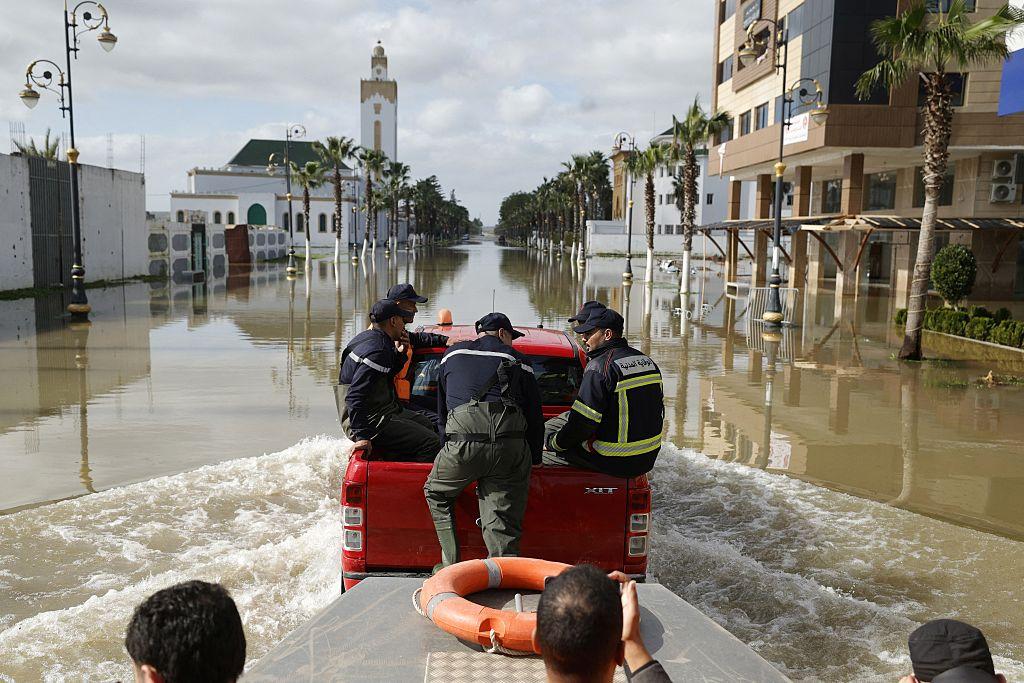
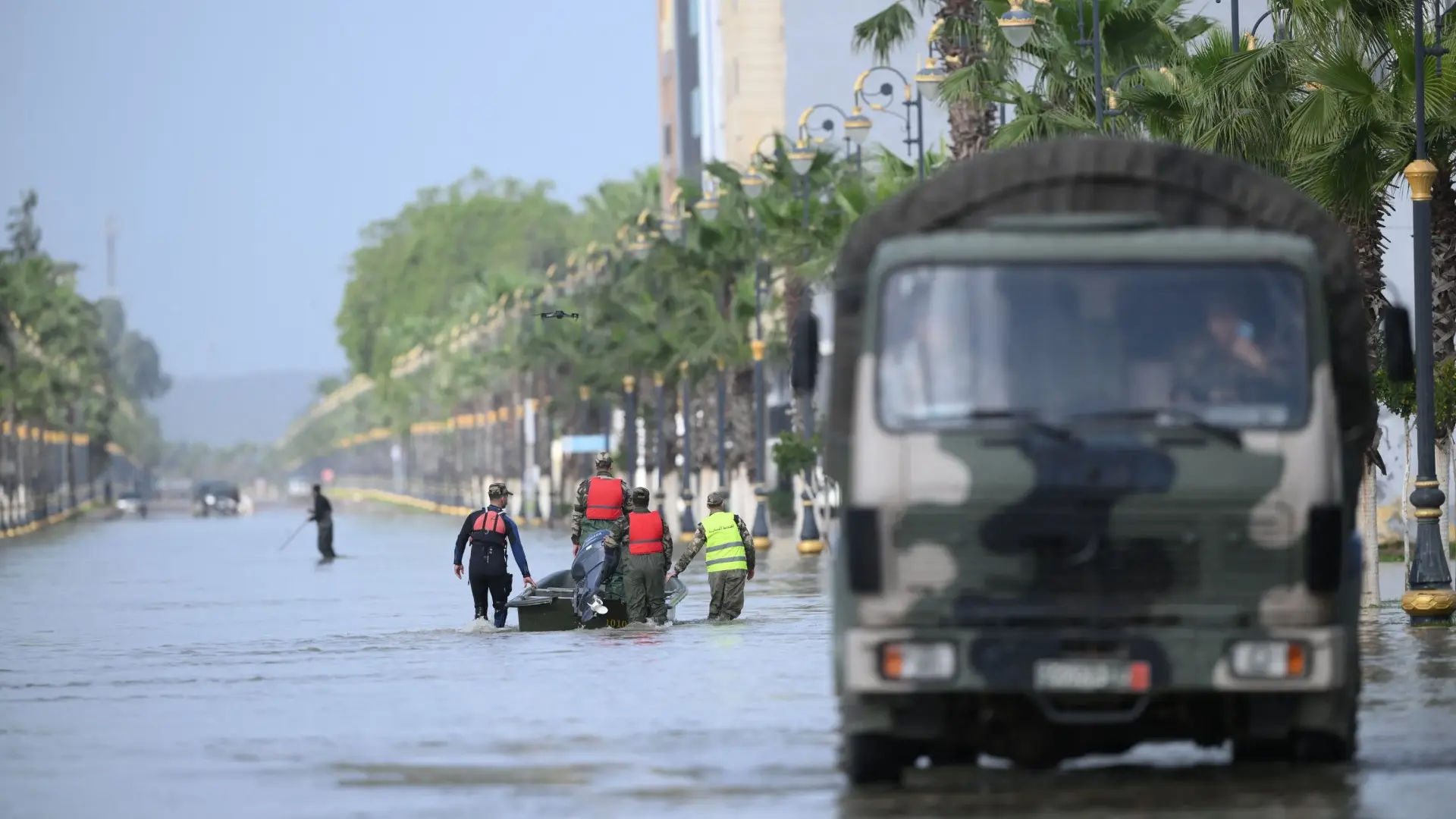
In recent days (February 2026), Morocco has been battered by floods in the city of Ksar El Kebir, following similar devastation in Safi. These downpours mark a sharp break from the prolonged drought that has plagued the country for years. The floods have not only caused deadly damage but also raised urgent questions about Morocco’s preparedness for abrupt climate shifts and the weaknesses exposed in the urban infrastructure of its most affected cities.

Between Morocco’s success in maintaining high-standard stadiums that withstood heavy rainfall during the 2025 Africa Cup of Nations and the failures in urban planning that contributed to the Safi tragedy despite ample warning signs the recent rainfall marks a turning point.

Morocco must now shift from crisis management during drought to forward-looking strategies for coping with unprecedented precipitation, the likes of which have not been seen since 1996.

With the 2030 FIFA World Cup on the horizon, Morocco’s investment priorities are under scrutiny. It is no longer sufficient to prepare only sports infrastructure; the country must undertake comprehensive infrastructure upgrades to ensure not only the success of this global event but also the protection of citizens from the growing risks of extreme weather.

Years of Drought Before the Floods

An official report published in July 2025 labeled Morocco a severe drought hotspot. While the floods have caused destruction and loss of life, the rains were also welcomed as a reprieve after months of water scarcity. Environmental expert Mostafa Al Issat described the 2018–2024 period as the longest drought Morocco has faced in modern history, with 2023 being the driest year in 80 years.
نون بوست

Speaking to Noon Post, Al Issat emphasized that the drought is not a passing anomaly but a sign of deep-rooted climate change. Studies show a rise of 0.2°C per decade in average temperatures since the 1960s and a 20% decline in rainfall since 1980.

“Morocco recorded a 29.22% rainfall deficit compared to normal levels, with just 134 mm recorded in the 2022–2023 agricultural season,” he explained. This led to dam reserves falling below 30% in early 2025 and a steep drop in natural water resources from 12 billion cubic meters annually to just 5 billion in 2023.

To address this crisis, Morocco launched the 2020–2027 National Program for Drinking and Irrigation Water Supply, with a budget exceeding 115 billion dirhams. The initiative focuses on rationalizing agricultural water use, reusing treated wastewater, and encouraging water-efficient crops.

However, researcher Ayoub Krir noted that the reality outpaced expectations. Morocco endured seven consecutive harsh drought years (2016–2024), with a 35% decline in rainfall, drastically impacting dam storage, aquifers, agriculture, and rural employment.

“The per capita share of renewable water dropped sharply to around 565 cubic meters per year, with projections suggesting a further decline to 480 cubic meters by 2030 if current pressures persist,” Krir warned. This scenario has accelerated Morocco’s shift toward desalination projects, inter-basin water transfers, rainwater harvesting, and wastewater reuse.

Why Certain Cities Suffered More

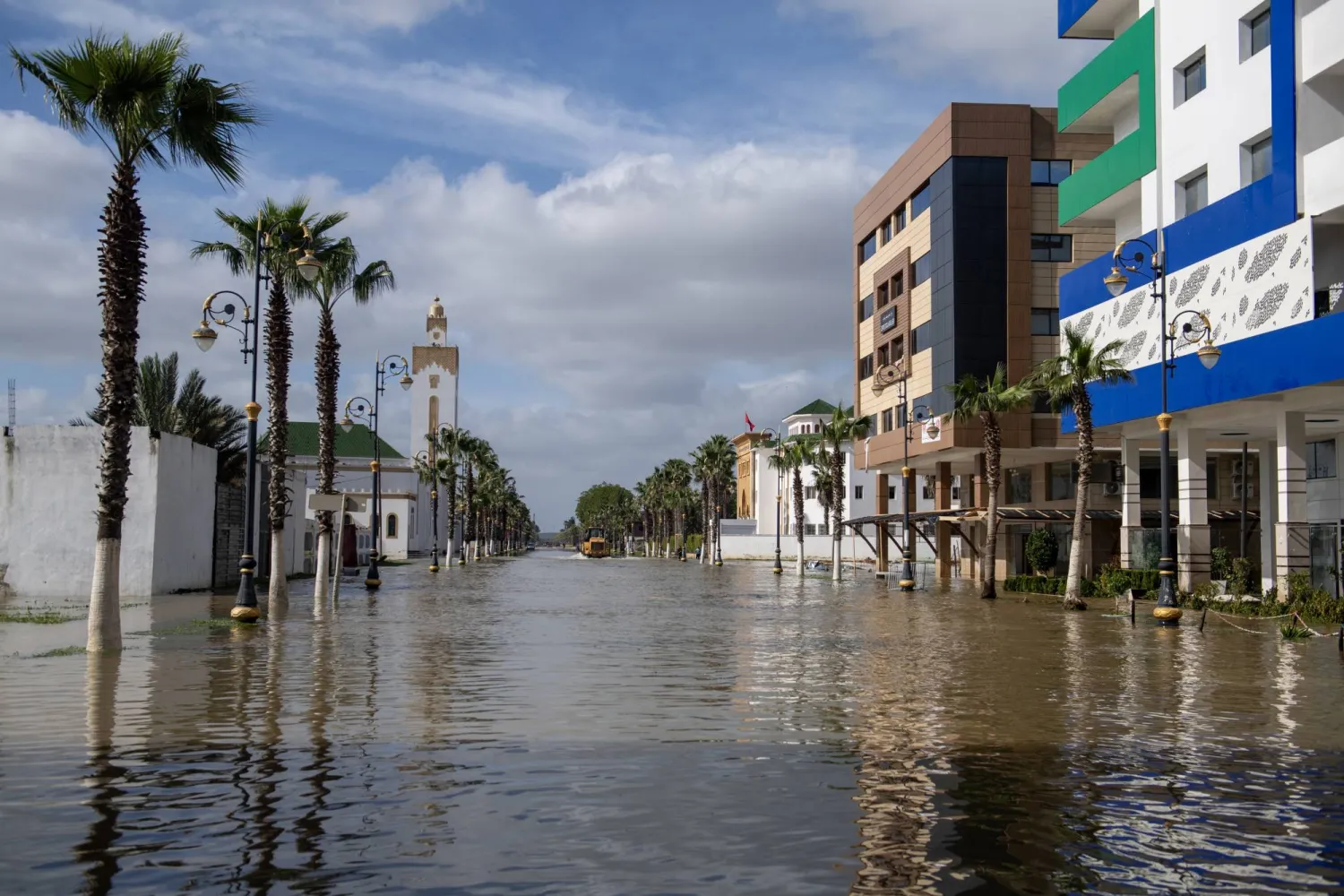
In recent months, floods have swept through several Moroccan cities and valleys, particularly Oued Sebou and Oued Wergha. Safi and Ksar El Kebir stood out as examples of urban centers paying the price for vulnerable geography and unsustainable planning.
نون بوست

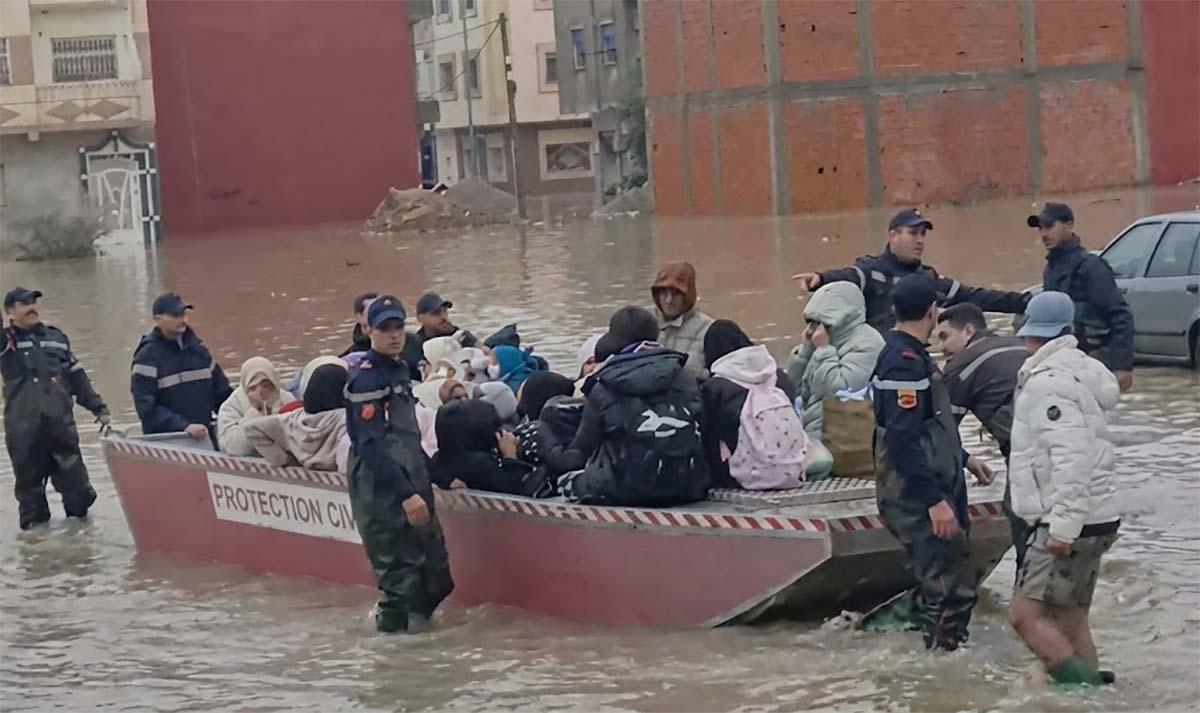
In December 2025, flash floods in Safi killed at least 37 people. The following month, flooding in Ksar El Kebir displaced residents and forced the city to close its borders.

Environmental expert Said Choukri told Noon Post that cities like Safi and Ksar El Kebir are especially prone to flooding due to their geographic location and a long history of risk.

“Ksar El Kebir sits in a low-lying floodplain within the Loukkos River basin one of Morocco’s most abundant yet volatile watersheds. Historical records document repeated disasters here in the 1960s, 1990s, and in 2001, 2013, 2014, and most recently, January 2026,” he said.

Choukri explained that sediment buildup in the Loukkos due to upstream soil erosion, destruction of natural wetlands, tidal siltation at the river mouth, and unchecked urban sprawl in flood-prone areas all contribute to the city’s vulnerability.

In Safi, the issue stems from its location between coastal valleys and the Atlantic Ocean, where floodwaters intersect with tides, creating a “hydraulic blockade” that traps water in low-lying neighborhoods. Weak drainage systems and expansion into old riverbeds only worsen the risk.

Post-Drought, Post-Flood: What Now?

Despite the tragic toll, the floods serve as a wake-up call. After seven brutal years of drought, Morocco now faces a dual challenge: transforming short-term water abundance into long-term reserves and preventing future humanitarian disasters.
نون بوست

Choukri outlined the need for proactive planning: “We must strengthen early warning systems and model for extreme rainfall. Reservoirs should not be filled to 100% before peak rainfall; instead, preemptive releases should be made when forecasts predict floods.”

He also stressed the importance of reforestation, erosion control, and zoning laws that prohibit construction in flood-prone zones. Urban drainage systems must be overhauled in both capacity and maintenance.

Strategically, Morocco must turn excess rain into strategic reserves using smart storage basins, aquifer replenishment, and floodwater capture transforming climate challenges into opportunities for national water security.

Climate-Smart Infrastructure for the 2030 World Cup

Morocco envisions the 2030 World Cup as a springboard for climate-resilient development, designing roads, airports, and hotels to withstand extreme climate scenarios. The goal is to leave a lasting legacy of climate adaptation beyond the tournament.

According to Choukri, the host cities Casablanca, Rabat, Tangier, Marrakesh, Fez, Meknes, and Agadir are all equipped with FIFA-standard stadiums built to endure extreme conditions, a fact proven during the 2025 Africa Cup of Nations.

Yet he warns that the real threat lies in supporting infrastructure. Roads, power, and communications linking these cities remain vulnerable to flood-prone zones like the highway between Casablanca and Marrakesh.

Critics, including Moroccan economist Najib Akesbi, have questioned the allocation of billions toward sports infrastructure while cities like Safi and Ksar El Kebir suffer from deficient sewage and drainage systems that exacerbated the recent floods.

Researcher Ayoub Krir emphasized that a city’s readiness for the World Cup is about more than stadiums: “It’s about roads, bridges, tunnels, stormwater drainage, public transport, and essential services. We need engineering standards that reflect high-rainfall scenarios, routine pre-winter maintenance, and stronger infrastructure resilience.”

He called for comprehensive simulations involving civil defense, municipalities, and the public to prepare communities for extreme weather emergencies, turning preparedness into a civic skill.

Download this article as PDF
Share this Article
Facebook Twitter Whatsapp Whatsapp Telegram Email Copy Link
فريق التحرير
By فريق التحرير تقارير يعدها فريق تحرير نون بوست.
Follow:
Previous Article نون بوست Where landmines are spread and how widely across Syria
Next Article نون بوست Venezuela’s Oil and Trump’s Friends: Who Gets a Slice of the Pie?

Read More

  • U.S. Regime‑Change Policies: Why They Are Destined to Fail U.S. Regime‑Change Policies: Why They Are Destined to Fail
  • The Gulf’s Balancing Act: Iran, Israel, and Hidden Links
  • Iraq–Turkey Oil Export Treaty: Why Did Ankara Cancel It After 52 Years?
  • Syria’s Northeast on Edge: QSD Between Ankara and Damascus
  • Has Europe Changed Its Stance on Israel… or Just Its Language?
part of the design
NoonPost Weekly Newsletter

You May Also Like

U.S. Regime‑Change Policies: Why They Are Destined to Fail

U.S. Regime‑Change Policies: Why They Are Destined to Fail

إسراء سيد Esraa sayed 8 April ,2026
The Gulf’s Balancing Act: Iran, Israel, and Hidden Links

The Gulf’s Balancing Act: Iran, Israel, and Hidden Links

فريق التحرير Noon Post 8 April ,2026
Iraq–Turkey Oil Export Treaty: Why Did Ankara Cancel It After 52 Years?

Iraq–Turkey Oil Export Treaty: Why Did Ankara Cancel It After 52 Years?

فريق التحرير Noon Post 8 April ,2026

العالم قلق بعد أن صدرت السعودية “كورونا” لكوريا

جوليا بيلوز
جوليا بيلوز Published 7 June ,2015
Share
GettyImages-475813088

ترجمة وتحرير نون بوست

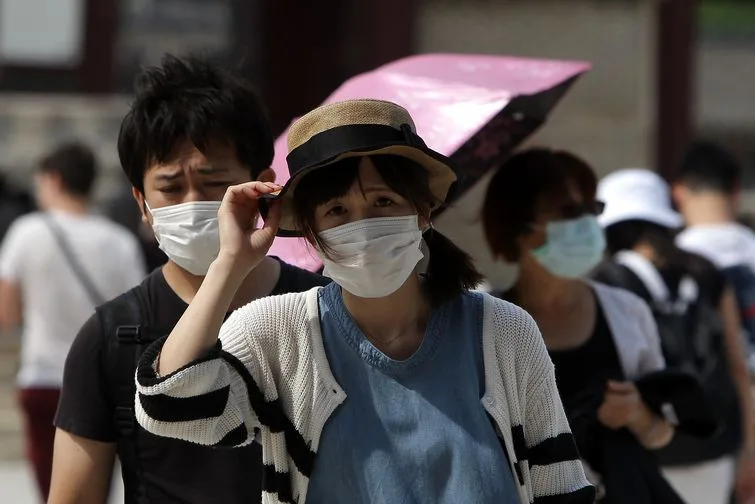
فيروس الكورونا أو متلازمة الشرق الأوسط التنفسية واختصارًا “MERS”، والذي يودي بحياة أكثر من 30% من المصابين به، تم وصفه من قِبل مدير منظمة الصحة العالمية بـ “تهديد للعالم بأسره”، وحتى شهر مايو، كان معظم ضحايا الفيروس يقعون في المملكة العربية السعودية، ومن ثمّ قفز الفيروس فجأة إلى كوريا الجنوبية، التي أصبحت تقاتل الآن أكبر تفشي للفيروس خارج منطقة الشرق الأوسط.

على مدى الأسبوعين الماضيين، أصيب أكثر من 40 شخصًا في كوريا الجنوبية بالفيروس، وأغلقت المدارس أبوابها، وتم وضع حوالي 2000 شخص في الحجر الصحي أو تحت المراقبة، وعندما توفي رابع شخص نتيجة للفيروس هذا الأسبوع، أعلنت بلدية سيول “الحرب” ضد الكورونا.

حتى الآن، فيروس الكورونا أصاب في الغالب الأشخاص الذين يعملون في المستشفيات، أو الأسر التي كانت على اتصال وثيق جدًا مع المصابين، والمصاب الواحد عادة ما يعدي شخص واحد آخر، أو لا يعدي أحدًا على الإطلاق، ولكننا مازالنا نجهل الكثير عن فيروس الكورونا الذي تم اكتشافه في عام 2012، والخبراء لا يفهمون حتى الآن بالضبط كيف ينتقل من شخص إلى آخر، ولكن من المعروف أنه فيروس تنفسي قاتل، من عائلة فايروس السارس، الذي أصاب أكثر من 8000 شخص خلال الوباء العالمي لعام 2003، وبالتالي فإن احتمالية انتشاره خارج كوريا الجنوبية، وضع مسؤولي الصحة في العالم على أهبة الاستعداد.

خطورة الفيروس تكمن في قدرته الكبيرة على القتل

نون بوست

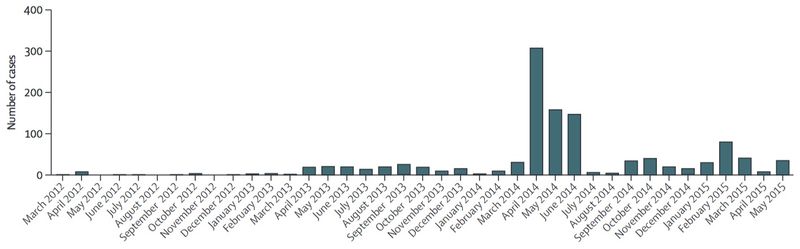
الصورة: معدلات الإصابة بفيروس كورونا منذ مارس 2012 وحتى مايو 2015

تم عزل فيروس الكورونا لأول مرة في مريض توفي في يونيو 2012، في جدة بالمملكة العربية السعودية، وحتى الآن انحصرت معظم حالات الإصابة بالفيروس داخل المملكة العربية السعودية، حيث يُعتقد أنه يعيش في مضيف حيواني متمثل بالخفافيش والإبل، ونادرًا ما ينتقل إلى البشر.

عندما يصيب الفيروس البشر، فقد يكون قاتلًا، ويبدو أن المرض ينتشر من خلال الاتصال الوثيق جدًا مع المريض، ولا سيما عن طريق السعال أو العطس، ومرضى الفيروس عادة ما يعانون من حمى، سعال، قشعريرة، التهاب الحلق، وألم في العضلات، وخلال الأسبوع الأول للإصابة، يمكن للمرض أن يتطور بسرعة إلى التهاب رئوي، وفي 40% من الحالات، تنتج الوفاة عن الإصابة بالفيروس، وعلى وجه التحديد من الحمى الشديدة والالتهاب الرئوي الذي يسببه.

حتى الآن، حالات الإصابة بالفيروس لم تتجاوز حدود المستشفيات أو العائلات التي تجمعها علاقة وثيقة مع المريض، حيث أشارت إحدى الدراسات، أن 26 مريضًا بالفيروس تم زيارتهم من قِبل 280 شخصًا استطاعوا نقل الفيروس إلى 4% فقط منهم، ويعتقد الخبراء أن السبب بذلك راجع إلى أن الإصابة بالفيروس تتطلب التعرض له لفترة طويلة من الزمن، ويبدو أيضًا أنه يصيب بالغالب كبار السن، أو أولئك الأشخاص الضعفاء تجاهه مناعيًا بسبب ظروف أخرى، مثل مرض السكري، أو السمنة، أو مشاكل في الجهاز التنفسي.

ولكن رغم كل هذه الإحصائيات، لا بد من الاعتراف بأن الفيروس مازال جديدًا نسبيًا بالنسبة للباحثين الذين لم يتعرفوا عليه إلا منذ بضع سنوات، وفي السنوات الثلاث الماضية، أصاب ما ينوف عن 1000 شخص، متسببًا بوفاة حوالي 400 حالة منهم، وتبقى الكيفية التي يقوم من خلالها الفيروس بالانتشار، والكيفية التي سيتحول ويتطور فيها جينيًا عندما يصيب عددًا أكبر من البشر موضع تساؤل مفتوح وبرسم الإجابة.

كوريا الجنوبية أحصت أكبر عدد إصابات بالكورونا خارج الشرق الأوسط

نون بوست

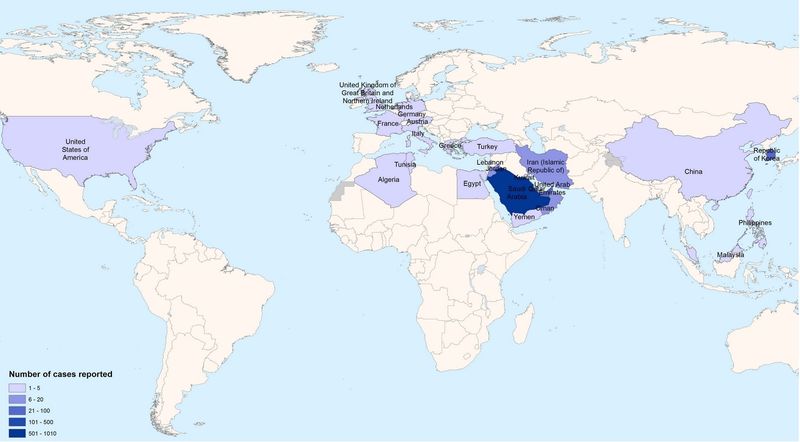
الصورة: مخطط انتشار فيروس كورونا في دول العالم يوضح أن كوريا تحمل أكبر عدد إصابات بالفيروس خارج الشرق الأوسط

ما يحدث في كوريا الجنوبية جذب الاهتمام الدولي، لأنها المرة الأولى التي يتفشى بها فيروس الكورونا خارج المملكة العربية السعودية بهذا الشكل الكبير؛ ففي مايو، عاد رجل يبلغ من العمر 68 عامًا كان يسافر في جميع أنحاء الشرق الأوسط إلى سيول، وطور بسرعة هائلة أعرض المرض، وتم تشخيص حالته بأنه مصاب بالفيروس في 20 مايو.

على الرغم من ظهور إصابات فردية أو ضمن مجموعات الصغيرة خارج منطقة الشرق الأوسط سابقًا، حيث تم تحديد إصابات بالفيروس في 25 بلدًا، بيد أن هذه المرة وصلت فيها الإصابات إلى أكبر عدد لها منذ أول ظهور للفيروس خارج منطقة الشرق الأوسط، حيث وصل عدد المصابين في كوريا الجنوبية إلى أكثر من 40 شخصًا، لقي أربعة حتفهم نتيجة لهذه الإصابة.

لم يقف الأمر عند كوريا، حيث تم الإعلان عن مريض مصاب بفيروس الكورونا سافر من كوريا الجنوبية إلى الصين أثناء مرضه، وفي 29 مايو، أكدت الصين أن المريض أظهر نتيجة إيجابية لاختبار فيروس الكورونا، وحتى الآن، لم يتم الإعلان عن أي حالة أخرى بالصين، ولكن مع ذلك، عمد مسؤولو الصحة هناك إلى وضع بعض الأشخاص الذين يشتبه بتعاملهم مع المريض تحت الحجر الصحي كإجراء احترازي.

الآن كوريا والصين وجيرانهما في حالة تأهب قصوى لمنع انتشار الفيروس؛ ففي كوريا الجنوبية، تم وضع حوالي 2000 شخص تحت الحجر الصحي أو المراقبة، وأُغلقت أكثر من 1000 مدرسة، كإجراءات لوقف انتشار الفيروس، كما يحاول المسؤولون الحكوميون تعقب جميع الذين كانوا على اتصال مع المرضى المصابين، ومازال المئات من المصابين المحتملين بانتظار نتائج تحليل الفيروس.

من جهتها، حذرت منظمة الصحة العالمية من وجوب توقع حصول المزيد من الإصابات، ولكن في الوقت الراهن، لم تفرض المنظمة أي قيود على السفر أو التجارة ضمن كوريا الجنوبية.

لماذا ظهر الفيروس في كوريا الجنوبية؟

الكثير من الأشخاص جلبوا معهم فيروس الكورونا إلى بلدان كثيرة في العالم من قبل، ولكن هذه الحالات لم تتفشَ بشكل كبير، وتم احتواءها بسرعة، فلماذا كوريا الجنوبية لديها الآن أكثر من 40 حالة إصابة؟

أحد الأسباب هو أن المريض الأول الذي وصل إلى كوريا وهو يحمل هذا المرض، بقي بدون تشخيص لمدة أسبوع، وفي هذه الفترة زار أربعة مرافق رعاية صحية، ونشر الفيروس ضمنها، وبالإضافة إلى ذلك، يبدو أن مجموعة من الهفوات في ممارسات مكافحة العدوى حدثت في المراكز التي عولج بها هذا المصاب، حيث تشير الإحصائيات على وجه التحديد، أن 30 حالة من أصل 41 حالة في كوريا الجنوبية، أصيب بها مرضى في المستشفى حيث مكث المصاب الأول، وكما جاء في مقال طبي بمجلة ساينس “هذا المزيج من العوامل يساعد الفيروسات مثل فيروس كورونا على الانتشار، ففيروس السارس، الذي يرتبط بشكل بعيد مع الكورونا، انتشر على نطاق واسع في عام 2003، نتيجة لوضع أنابيب الشعب الهوائية في صدر المرضى لتنفيذ التنفس الصناعي، وهو الإجراء الذي سبب انتشار الفيروس حينها”.

بالإضافة إلى ما تقدم، لعبت عوامل الثقافة الاجتماعية أيضًا دورًا في انتشار المرض بكوريا الجنوبية، ففي هذه البلاد، من الشائع بالنسبة لأفراد عائلة المرضى أن يقيموا بالقرب من غرف المستشفى للمساعدة في تمريض مرضاهم.

بشكل عام، لا يستبعد الخبراء احتمالية أن يكون الفيروس قد تطور ليصبح معدٍ بشكل أكبر بين البشر، وفي الوقت الراهن، يبدو أن المرض لم ينتشر أبعد من المستشفيات في كوريا الجنوبية، علمًا أن المستشفيات هي مكان الانتشار النموذجي لهذا الفيروس، ووفقًا لمنظمة الصحة العالمية “ليس هناك أدلة تشير إلى الانتقال المستدام للفيروس بين البشر في المجتمعات المحلية، كما لا يوجد أي دليل على انتقاله عن طريق الهواء، ولكن مع ذلك، فيروس الكورونا هو مرض حديث نسبيًا، لذا فإن ثغرات المعلومات في هذا المجال يجب أخذها بعين الاعتبار”.

فيروس الكورونا لا يزال غامضًا، ويوجد إمكانية لتحوله إلى وباء عالمي

عندما تم اكتشاف فيروس الكورونا، فزع المجتمع الصحي العالمي لثلاثة أسباب رئيسية، لأنه فيروس فتاك وقاتل والكثير من المعلومات حوله لاتزال غامضة ومجهولة، ولأنه يصيب الجهاز التنفسي، وبالتالي ليس من المستبعد أن ينتقل عن طريق الهواء، ولأن الدول التي تأوي معظم الحالات لم تُظهر شفافية كافية في تبادل المعلومات حول تفشي المرض، ولم تبلّغ المجتمع الصحي العالمي عن الإصابات على وجه السرعة؛ فعلى سبيل المثال، الحالة الأولى لفيروس الكورونا حدثت في يونيو 2012، ولكن السعودية لم تفصح عنها حتى سبتمبر، وهو تأخير أزلي في عالم الأمراض المعدية.

جميع المخاوف مازالت مستمرة حتى اليوم، أي بعد ثلاث سنوات من اكتشاف الفيروس، حيث لم يستطع المجتمع الطبي العالمي إيجاد طريقة علاج محددة أو دواء معين لإيقاف انتشار الفيروس.

الباحثون مازالوا حتى اليوم غير قادرين على فهم بعض الأساسيات عن الفيروس، فهم لا يعرفون على وجه التحديد كيفية انتشاره، ولم يحددوا بعد مضيفه الحيواني، على الرغم من أنه يوجد شكوك حول كون الخفافيش والإبل تحمل هذا الفيروس، كما أن طريقة الانتقال الدقيقة للفيروس ما بين الحيوان إلى الإنسان لاتزال غير واضحة، وهذا يعني أنه يمكن أن يكون التعرض البسيط للحيوان قادر على نقل هذه الإصابة، أو قد يكون التعرض المكثف للحيوان هو سبب الإصابة، مثل شرب حليب الإبل المصابة.

بالإضافة إلى ما تقدم، لايزال من غير المعروف المدة التي يبقى فيها المصابون البشر قادرين على نقل العدوى إلى غيرهم، كما أنه من المعروف أيضًا قوة الفيروس، وأفضل السبل للتعامل مع الأشخاص الذين يعانون من المرض، زد على ذلك عدم معرفة الطريقة التي قد يتطور ويتحول بها الفيروس جينيًا عندما ينتشر بين مجموعات كبيرة من البشر؛ لذا، فإن فيروس الكورونا من الناحية النظرية، قد يكون أكثر قابلية للانتقال بين البشر، مما يزيد خطر تحوله إلى وباء فيروسي عالمي.

أخيرًا، ولتقييم خطورة الموقف، أعلنت منظمة الصحة العالمية عن إجراء مهمة مشتركة مع مسؤولي الصحة في كوريا الجنوبية، كما أعضاء من المجتمع الصحي العالمي سيراقبون موسم الحج في سبتمبر المقبل، حيث سيجتمع حوالي 3 ملايين مسلم من جميع أنحاء العالم في مكة المكرمة بالمملكة العربية السعودية، فإذا استطاع فيروس الكورونا التحول جينيًا ليصبح أكثر قابلية للانتشار بين البشر، يمكن لموسم الحج أن يكون بمثابة حدث مرعب لزيادة انتشار الفيروس عالميًا.

المصدر: فوكس

TAGGED: الشرق الأوسط ، فيروس كورونا ، كورونا ، منظمة الصحة العالمية
TAGGED: الصحة
Download this article as PDF
Share this Article
Facebook Twitter Whatsapp Whatsapp Telegram Email Copy Link
جوليا بيلوز
By جوليا بيلوز مراسة الصحة في موقع فوكس
Follow:
Next Article نون بوست The Stigma of “ISIS”: A Heavy Legacy Haunting Women and Children of Former Members

Read More

  • U.S. Regime‑Change Policies: Why They Are Destined to Fail U.S. Regime‑Change Policies: Why They Are Destined to Fail
  • The Gulf’s Balancing Act: Iran, Israel, and Hidden Links
  • Iraq–Turkey Oil Export Treaty: Why Did Ankara Cancel It After 52 Years?
  • Syria’s Northeast on Edge: QSD Between Ankara and Damascus
  • Has Europe Changed Its Stance on Israel… or Just Its Language?
part of the design
NoonPost Weekly Newsletter
dark

An independent media platform founded in 2013, rooted in slow journalism, producing in-depth reports, analysis, and multimedia content to offer deeper perspectives on the news, led by a diverse young team from several Arab countries.

  • Politics
  • Society
  • Rights & Liberties
  • Opinions
  • History
  • Sports
  • Education
  • Technology
  • Economy
  • Media
  • Arts & Literature
  • Entrepreneurship
  • Travel
  • Cinema & Drama
  • Food
  • Health
  • Culture
  • Latest Reports
  • Files
  • Long Reads
  • Interviews
  • Podcast
  • Interactive
  • Encyclopedia
  • In Pictures
  • About Us
  • Our Writers
  • Write for Us
  • Editorial Policy
  • Advanced Search
Some rights reserved under a Creative Commons license

Removed from favorites

Undo
Go to mobile version