NoonPost NoonPost

NoonPost

  • Home
  • Politics
  • Economy
  • Society
  • Culture
  • Files
  • Long Reads
  • Podcast
AR
Notification Show More
نون بوست
“There Are Nights I Can’t Close My Eyes”: How Gazans Are Living in Homes on the Brink of Collapse
نون بوست
From al-Jolani to Ahmad al-Shara: The Evolution of Syria’s New Leader
نون بوست
When Political Islam Receded in Egypt: Who Filled the Void?
نون بوست
An Extension of Genocide: Gaza’s Detainees Speak Out
نون بوست
A Tightrope Between Survival and Sovereignty: The Syrian Government Faces Normalization Pressures
نون بوست
American Aircraft Carriers: Has the Era of “100,000 Tons of Diplomacy” Ended?
نون بوست
U.S. Regime‑Change Policies: Why They Are Destined to Fail
نون بوست
Transformations of Israeli Judaism: Between the Victim Complex and the Colonizer’s Doctrine
نون بوست
The Gulf’s Balancing Act: Iran, Israel, and Hidden Links
نون بوست
Iraq–Turkey Oil Export Treaty: Why Did Ankara Cancel It After 52 Years?
نون بوست
Syria’s Northeast on Edge: QSD Between Ankara and Damascus
نون بوست
Has Europe Changed Its Stance on Israel… or Just Its Language?
NoonPost NoonPost
AR
Notification Show More
نون بوست
“There Are Nights I Can’t Close My Eyes”: How Gazans Are Living in Homes on the Brink of Collapse
نون بوست
From al-Jolani to Ahmad al-Shara: The Evolution of Syria’s New Leader
نون بوست
When Political Islam Receded in Egypt: Who Filled the Void?
نون بوست
An Extension of Genocide: Gaza’s Detainees Speak Out
نون بوست
A Tightrope Between Survival and Sovereignty: The Syrian Government Faces Normalization Pressures
نون بوست
American Aircraft Carriers: Has the Era of “100,000 Tons of Diplomacy” Ended?
نون بوست
U.S. Regime‑Change Policies: Why They Are Destined to Fail
نون بوست
Transformations of Israeli Judaism: Between the Victim Complex and the Colonizer’s Doctrine
نون بوست
The Gulf’s Balancing Act: Iran, Israel, and Hidden Links
نون بوست
Iraq–Turkey Oil Export Treaty: Why Did Ankara Cancel It After 52 Years?
نون بوست
Syria’s Northeast on Edge: QSD Between Ankara and Damascus
نون بوست
Has Europe Changed Its Stance on Israel… or Just Its Language?
Follow US

Muscat Talks: Nuclear File Only or a Broader Deal Covering Missiles and Proxies?

فريق التحرير
Noon Post Published 26 March ,2026
Share
نون بوست
نون بوست
A fundamental disagreement exists between the two sides regarding the agenda and whether it will include non-nuclear issues.

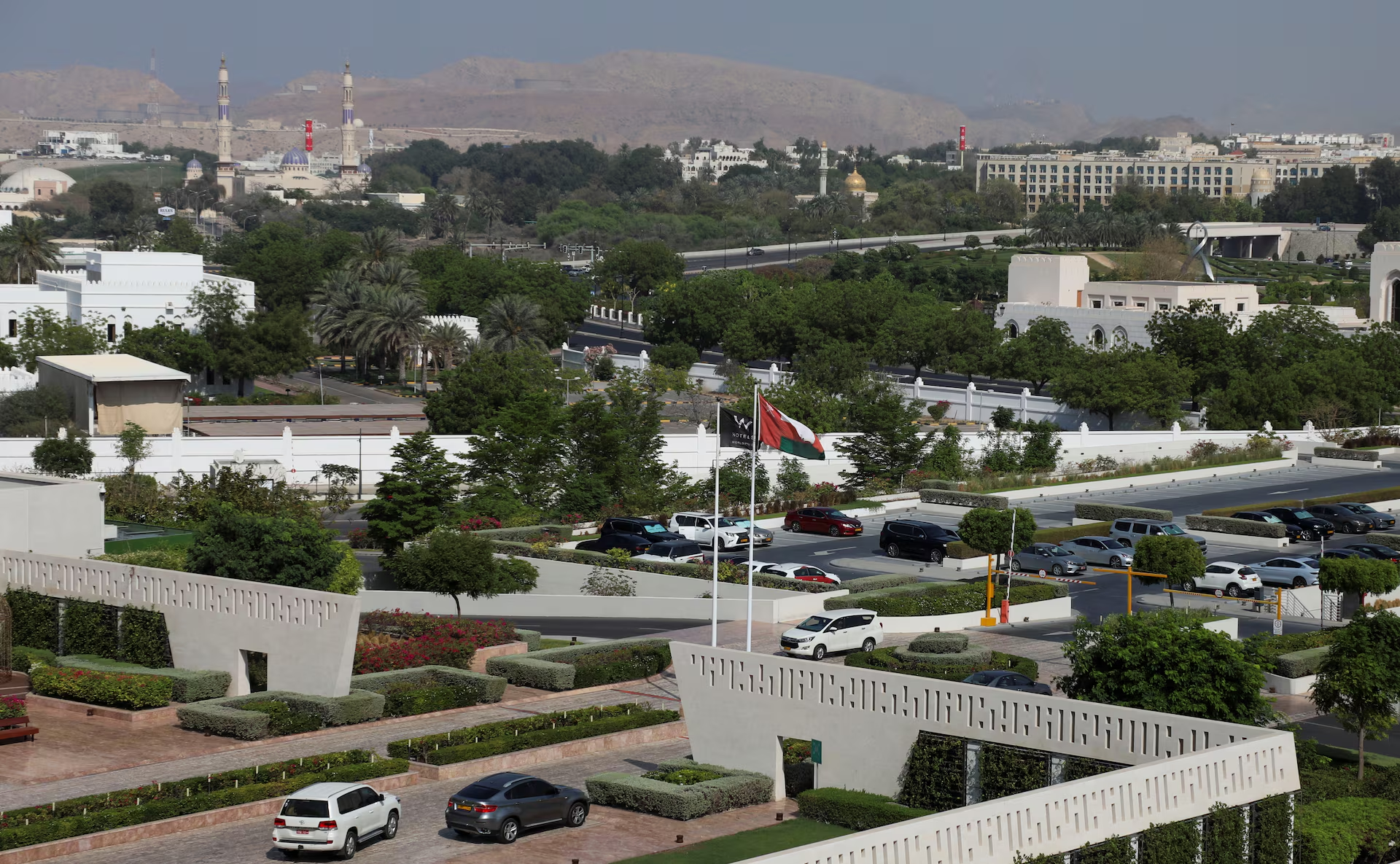
The United States and Iran are preparing to resume negotiations in the Omani capital, Muscat, on February 6, 2026, after the round had been on the brink of cancellation amid sharp disagreements over the venue initially slated to be held in Turkey and the scope of the agenda.

These diplomatic efforts come against the backdrop of severe regional tension. Washington has deployed significant naval and air forces to the region, as fears mount that a military confrontation could erupt should diplomatic avenues fail.

U.S. President Donald Trump warned Iran’s Supreme Leader Ali Khamenei that he “should be deeply concerned” if the talks falter an unmistakable signal of the seriousness of Washington’s threat of military action.

Scope and Terms of the Negotiations

Although the talks are formally framed as an effort to revive the nuclear agreement, a fundamental dispute has emerged over the agenda and whether it should extend beyond the nuclear file. Tehran has repeatedly stressed that discussions must be limited strictly to the nuclear issue and the lifting of related sanctions.

A senior Iranian official told Reuters that Iran’s ballistic missile program is “off the table” and will not be discussed, warning that Washington’s insistence on broadening the talks to include non-nuclear issues could derail the negotiations altogether.

The official added that while Iran rejects any preconditions for talks, it is prepared to take “flexible steps” regarding uranium enrichment levels if sanctions are lifted.

Tehran had announced a complete halt to uranium enrichment following U.S. military strikes on its nuclear facilities last June a move widely seen as an attempt to de-escalate tensions and open the door to a settlement in exchange for lifting Western sanctions that have battered Iran’s economy.

Washington, by contrast, has adopted a far broader vision of what should be addressed. The stark divergence in agendas nearly caused the talks to collapse before they even began. The Jerusalem Post quoted sources as saying the gap was “unbridgeable” when Iran insisted on confining discussions to the nuclear file, while the United States demanded the inclusion of missiles and Iran’s regional proxies.

The temporary compromise that allowed the Muscat meeting to go ahead came after Washington—under mediator pressure—agreed that this round would focus solely on the nuclear issue. Even so, the Trump administration has continued to emphasize that all of these files will eventually be addressed in any comprehensive negotiating process.

In parallel, informed sources say the preliminary framework delivered by mediating states already includes restrictions on Iran’s missile program and its regional role within the clauses of a prospective final agreement suggesting that postponing these issues may be a tactical delay rather than a definitive concession.

Iran enters the talks under suffocating domestic pressure. Its sanctions-hit economy has been a key driver of the recent wave of widespread protests against the regime, which authorities suppressed with deadly force leaving the leadership in urgent need of economic relief to stem further deterioration and absorb popular anger.

Washington, meanwhile, arrives at the table armed with leverage: the revival of a “maximum pressure” sanctions policy, recently intensified, alongside a visible readiness to resort to military strikes if diplomacy fails.

U.S. Secretary of State Mike Rubio has hinted that Washington may be open to partial arrangements at the “margins” if Iran commits to the core demand of not acquiring a nuclear weapon raising the possibility that issues such as regional activities and missiles could be deferred or addressed outside the nuclear framework.

Israel’s Role in the Process

Although Israel is not formally represented at the negotiating table, it looms large behind the scenes in shaping the contours of any potential agreement between Washington and Tehran.

The U.S. administration has made a point of coordinating closely with Israel ahead of renewed contacts with Iran. In recent days, U.S. special envoy Steve Witkoff met with Israeli Prime Minister Benjamin Netanyahu, alongside senior security officials including IDF Chief of Staff Eyal Zamir and Mossad Director Mossad chief David Barnea.

Israel has openly demanded that any final deal with Iran dismantle what it describes as “strategic threats” directed at it foremost among them long-range ballistic missiles and Tehran’s precision-weapons arsenal, as well as those of its proxies.

The Netanyahu government has made no secret of its opposition to any arrangement that fails to eliminate what it calls the “Iranian threat in its entirety.”

In June 2025, Tel Aviv launched extensive airstrikes on Iran, claiming the aim was to prevent Tehran from nearing the threshold of military nuclear capability. The campaign escalated into a direct confrontation, culminating in U.S. strikes on multiple Iranian nuclear sites.

That round of escalation inflicted heavy damage on Iran’s nuclear and missile infrastructure, but it also demonstrated Tehran’s ability to retaliate on multiple fronts, as it fired missiles and drones deep into Israeli-held territory.

As talks resume, concern is growing within Israel over Washington’s current approach. Israeli analysts have warned that Trump may pursue a deal that serves U.S. interests and delivers a personal political win, without necessarily satisfying all of Israel’s security demands.

Former Netanyahu aides have suggested that Trump’s electoral and personal priorities could push him toward accepting a deal “less than ideal” from Israel’s perspective particularly if it ensures Iran does not produce a nuclear weapon during his term.

In response, the Netanyahu government insists it has received U.S. assurances that no sanctions will be lifted and no concessions granted to Tehran before addressing the risks that “worry Israel.”

Israel has also raised its military readiness, with reports indicating its forces are on heightened alert for a potential confrontation with Iran’s proxies such as the Houthi movement should Washington opt for military action against Iran.

Prospects for an Agreement

With the venue dispute resolved and both sides finally seated at the table, many hope the Muscat talks can defuse the fuse of an imminent military clash.

Yet the deep gaps between the two sides raise serious questions about the prospects for a comprehensive and durable agreement in this round. It appears that the immediate objective is to avert an outright collapse and calm the cycle of military escalation.

The most realistic best-case scenario may be the extraction of preliminary understandings—or a partial deal—focused on reimposing constraints on Iran’s nuclear program in exchange for limited sanctions relief, buying time and keeping diplomacy alive.

Mediator proposals suggest it may be possible to reach agreement on a tangible reduction in Iran’s enrichment levels and assurances that no weapons-grade material is produced.

They also include reciprocal commitments to avoid regional escalation for instance, Iran restraining its allies’ activities in return for a U.S. pledge to refrain from military action as long as Tehran complies with the agreement.

Even if such a preliminary formula is reached, the broader deferred issues remain the greatest challenge. Files such as Iran’s missile program and regional influence may have been frozen temporarily to salvage the talks, but they are certain to return to the fore in negotiations over a longer-term deal.

Herein lies the risk of renewed deadlock. If Iran maintains its categorical refusal to discuss these files, while Washington insists on resolving them comprehensively, the result may be a negotiating impasse that postpones the crisis rather than resolving it.

Download this article as PDF
Share this Article
Facebook Twitter Whatsapp Whatsapp Telegram Email Copy Link
فريق التحرير
By فريق التحرير تقارير يعدها فريق تحرير نون بوست.
Follow:
Previous Article نون بوست Venezuela’s Oil and Trump’s Friends: Who Gets a Slice of the Pie?
Next Article نون بوست Cairo and Ankara: Pragmatic Interests Shape the Contours of a New Phase

Read More

  • U.S. Regime‑Change Policies: Why They Are Destined to Fail U.S. Regime‑Change Policies: Why They Are Destined to Fail
  • The Gulf’s Balancing Act: Iran, Israel, and Hidden Links
  • Iraq–Turkey Oil Export Treaty: Why Did Ankara Cancel It After 52 Years?
  • Syria’s Northeast on Edge: QSD Between Ankara and Damascus
  • Has Europe Changed Its Stance on Israel… or Just Its Language?
part of the design
NoonPost Weekly Newsletter

You May Also Like

U.S. Regime‑Change Policies: Why They Are Destined to Fail

U.S. Regime‑Change Policies: Why They Are Destined to Fail

إسراء سيد Esraa sayed 8 April ,2026
The Gulf’s Balancing Act: Iran, Israel, and Hidden Links

The Gulf’s Balancing Act: Iran, Israel, and Hidden Links

فريق التحرير Noon Post 8 April ,2026
Iraq–Turkey Oil Export Treaty: Why Did Ankara Cancel It After 52 Years?

Iraq–Turkey Oil Export Treaty: Why Did Ankara Cancel It After 52 Years?

فريق التحرير Noon Post 8 April ,2026

ماذا تعني نتيجة الانتخابات التركية؟

نهى خالد
نهى خالد Published 10 June ,2015
Share
000

في هذا المقال نناقش النتائج التي حصلت عليها الأحزاب الأربعة وما تعنيه لكل منهما وللشرائح الاجتماعية التي يمثلونها، (يمكن للقارئ أن ينتقل إلى الجزء الأخير والذي يُعَد ملخصًا للمقال كله)، بعد أن حصل حزب العدالة والتنمية في انتخابات السابع من يونيو على 40.8٪ من أصوات الناخبين، في تراجع له لأول مرة كلفه الأغلبية البرلمانية وبالتالي تشكيل الحكومة، حيث انخفضت مقاعده إلى 258 مقعدًا، وهبطت أصواته من حوالي 21 مليون إلى 18.8 مليون ناخب، بينما دخل البرلمان لأول مرة حزب الشعوب الديمقراطي الكردي بستة ملايين صوت تمثل 13٪، ليحصل على 80 مقعدًا، وهو نفس عدد المقاعد الذي حصل عليه حزب الحركة القومية التركي المحافظ، بعد أن قفز من 13٪ في الانتخابات السابقة إلى 16٪، ومن 5.5  إلى 7.5 ملايين صوت، وأخيرًا استقرار أصوات مؤيدي حزب الشعب الجمهوري العلماني عند 15 مليون ناخب، بحوالي 25٪ و132 مقعدًا.

المسلمون المحافظون وشبح الماضي

نون بوست

نائبات بالبرلمان التركي

يخشى الكثيرون الآن، سواء من أنصار الحزب في الداخل أو محبيه في الخارج، أن تكون تلك بداية العودة إلى ما قبل 2002، والكُل في الواقع يتذكر جيدًا كيف كانت الأوضاع السياسية والاجتماعية حتى وقت قريب، بدءًا من اضطهاد المحجبات وخريجي مدارس الإمام خطيب الدينية، وحتى تعليق القادة العسكريين باستمرار على ما لا يعجبهم في أداء الحكومة، وإغلاق المحكمة الدستورية لأي حزب يُخِل بمبادئ الجمهورية، وهي مخاوف مفهومة بالطبع، ولكن مبالغ فيها نظرًا لعدم واقعية العودة للخلف.

أولًا لأن مؤسسات الدولة تحوّلت بعد رئاسة عبد الله غُل بشكل حيّد كثيرًا من طابعها الأيديولوجي العلماني، أضف لذلك أن هناك مجموعات تغلغلت فيها محاولة تشكيل نخبة جديدة، وأبرزها حركة كولن، وهو ما يعني أن المخاوف قد تكون من تحالف جديد من المحافظين المختلفين مع الحزب والموجودين داخل الدولة، كما حدث بالفعل في أزمة ديسمبر 2013 بين أردوغان وكولن، وسيناريو كهذا إن حدث لن يقوّض من المكتسبات الاجتماعية للمحافظين نظرًا لأن تلك المجموعات لا تتبنى العلمانية، بل هي من داخل الطيف الإسلامي التركي ولكن تختلف سياسيًا مع العدالة والتنمية، وعلاوة على كل ذلك، يبدو بوضوح من النتيجة أن تراجع العدالة لم يكن لحساب العلمانية القديمة ممثلة في حزب الشعب، ولكن لصالح حزب الحركة القومية، وهو حزب محافظ أيضًا وإن لم تكن جذوره إسلامية، ولصالح الحزب الكردي، وهي اتجاهات لا تعادي الشرائح المحافظة والإسلامية بأي حال ولا يمكنها ذلك.

أما الحزب ومستقبله فلا يزال أمرًا مستبعدًا أن يخرج من السلطة، ليس فقط لأن الأحزاب الحالية لا تملك القدرة على تسيير دفة البلاد، ولكن لأن التوسع الكبير على مستوى المؤسسات والاقتصاد والدور الخارجي للدولة التركية اعتمد على مدار العقد المنصرم على كوادر الحزب، وسيكون صعبًا أن ينتقل ذلك الدور بسهولة إلى حزب آخر، وعلى الأرجح فإن أي حزب سيُكتَب له أن يخلف حزب العدالة في الساحة يومًا ما (ما لم تحدث انشقاقات بالحزب)، لن يظهر فجأة، وسيكون ظهوره بطيئًا وطويلًا لكي تستوعب كوادره المنظومة التركية التي اتسعت كثيرًا على كافة الأحزاب الموجودة الآن، بل وربما على الجيش نفسه، والذي لم يعد يستطيع تولي الأمور بسهولة كما في السابق نظرًا لتركيبية النخب السياسية والاقتصادية الموجودة حاليًا، والتي تنتمي لشرائح مختلفة، منها العلماني القديم، ومنها الأناضولي المحافظ، ومنها الإسلامي الصِرف، ومنها حركة كولن، وغيرها.

ركود الحزب العلماني

العلمانيون التقليديون الممثلون في حزب الشعب الجمهوري يواجهون ركودًا كما هو واضح من النتائج، بل وانخفاضًا تدريجيًا في أرصدتهم، فهُم لم يعودوا قادرين على جذب الأتراك، والحزب في الحقيقة لم يستعد عافيته أبدًا منذ وفاة أتاتورك، والذي ارتكزت لشخصه فكرة الحزب بالكامل، فبعد وفاته أوكلت الأمور لعصمت إينونو فقط لأنه كان مساعده الرئيسي، ثم ظهر بولنت أجاويد وأعطى الحزب طابعًا يساريًا في السبعينيات حتى وقع انقلاب 1980، والذي اختفى من بعده اسم الحزب من على الساحة باتجاه أجاويد لحزبه اليساري الخاص، ثم ظهر مجددًا كمعارض ضعيف بعد صعود حزب العدالة ليجذب الطبقات الوسطى التي بدأت تخشى من “تقويض أسس الجمهورية” فقط لا غير، وهي الشريحة المرتكزة في المحافظات الساحلية على المتوسط، وطوال تلك العقود لم ينجح الحزب في إدارة المشهد السياسي.

بصعود حزب الشعوب الديمقراطي كممثل لليسار، يكون حزب الشعب قد تلقى ضربة قوية ستقلل كثيرًا من قدرته على طرح نفسه كحزب معارض قوي أو ممثل ليسار الوسط كما كان يفعل دومًا، بغض النظر عن أن ذلك الطرح أصلًا متناقض مع القومية والعلمانية المتطرفة التي يتبناها الحزب، كما أن نهاية الهوس بقيم الجمهورية أيضًا يجعله بدون أي قيمة على الساحة ولا حلفاء داخل الدولة كما في السابق، وهو ما يعني أن المستقبل لن يحمل أي تقدم للحزب، والذي ستخرج من بينه أيديه شريحة الـ25٪ التي يحصل عليها كل مرة تدريجيًا إما يمينًا لصالح الحركة القومية، أو يسارًا لصالح حزب الشعوب، وهو ما يفسّر لنا انتقاد الحزب لفكرة الانتخابات المبكرة التي ستؤدي على الأرجح للمزيد من تراجعه.

لماذا تقدّم القوميون المحافظون؟

نون بوست

دولت بغشلي زعيم حزب الحركة القومية مع أنصاره

حاليًا، وبين الأتراك الذين لا يميلون للخيار الإسلامي الصريح، والذي يتمثل بالنسبة لهم في حزب العدالة والتنمية، توجد شريحة تميل لليسار وتتعاطف مع القضية الكردية، وقد وجدت ضالتها في حزب الشعوب الديمقراطي بشكل يجعله بالفعل حزبًا تركيًا على مستوى الجمهورية، وندًا قويًا لحزب العدالة والتنمية، وإن كانت ملامحه ومعاقله الكردية ستظل بالطبع حاجزًا أمام قبوله كلاعب “عادي” من كافة الأتراك، على الأقل في المرحلة الراهنة، مما يمنعه من الحصول على نتائج كبيرة.

على الناحية الأخرى، توجد شريحة قومية متحفظة تميل ناحية حزب الحركة القومية، الذي تحول على مدار العقدين الماضيَّين من القومية العرقية العنيفة والعلمانية، كما أراد مؤسسه ألب أرسلان توركش، إلى قومية أكثر اعتدالًا تميل إلى الإسلام التركي المحافظ اجتماعيًا، تحت قيادة دولت بغشلي رئيس الحزب منذ التسعينيات، والحزب بالفعل قد تعرض لانشقاقات سابقًا تمخض عنها ظهور حزب الوحدة الكبرى المحافظ ذي التوجهات الإسلامية الأكثر وضوحًا وإن لم يكن رائجًا في الوقت الحالي، وهو ما يعني أن الحزب قد يلتقى مع حركة كولن من ناحية، بل ويخصم من رصيد العدالة والتنمية.

لعل ذلك يفسّر لنا صعود أرصدة الحركة القومية في هذه الانتخابات، والذي ارتفع نصيبه من الأصوات أحيانًا بنفس النسبة التي انخفضت بها أصوات العدالة في الكثير من الولايات (يمكن متابعة النتائج لكل ولاية هنا)، وهو ما يشير بالفعل إلى أن هبوط أصوات العدالة ليس فقط بسبب صعود الصوت الكردي، ولكن لتحول بعض الشرائح المحافظة ناحية الحركة القومية، مما يجعله مرشحًا للعب دور قوي في المرحلة المقبلة، فالبعض ممن اتجه للحركة القومية يشعر بالغضب من “تساهل” أردوغان مع الأكراد، ويشعر أن هناك تعارضًا في المصالح بين الأكراد والأتراك في هذه اللحظة بعد ما جرى في كوباني.

علاوة على ذلك، وكما أشارت أحد المصادر المقربة من حركة كولن، اعتمدت سياسة الحركة في التصويت هذه المرة، وبعد الافتراق عن العدالة والتنمية، على أن يعطي الأكراد أصواتهم لحزب الشعوب الديمقراطي، في حين يعطي الأتراك أصواتهم للحركة القومية، وبالنظر لكون الحركة بالأساس حركة تركية، فإن ميلها ناحية الحركة القومية يُعَد سببًا آخر في الارتفاع المفاجئ في أصوات الحزب.

الملف الكردي بين أربيل ودياربكر

نون بوست

لطالما كان حزب العدالة راغبًا في المضي قدمًا في عملية السلام عن طريق طرح أربيل كمركز أساسي للقوة الكردية، وكان الدليل على ذلك الاهتمام بتوطيد العلاقات مع مسعود البرزاني على حساب المجموعات الموالية لحزب العمال داخل تركيا، أولًا لأن إنهاء القضية الكردية عبر أربيل يعني أن يظل الحزب محتفظًا بقواعده في الداخل التركي، أي ألا تستطيع القوة الكردية الأولى في المنطقة أن تجد لها موطئ قدم مباشر في تركيا، على عكس حزب العمال وحزب الشعوب، وثانيًا لأن هذا يجعل من شمال العراق شريكًا قريبًا لتركيا لا لإيران على المدى البعيد.

كانت تلك الشراكة على الناحية الأخرى هامة جدًا للبرزاني وحزبه (الحزب الديمقراطي الكردستاني)، والذي يجد في حزب العمال غريمًا رئيسيًا له ولطموحاته هو الآخر في أن تكون آربيل هي مركز الثقل الكردي، لا ديار بكر، وهو ما يفسر بالطبع التقاء الرجلين في السنوات الأخيرة، والكثير من المصالح المشتركة التي جمعت الحكومة التركية مع حكومة شمال كردستان، لا سيما وأن حزب العمال قد بدأ يتوسع في معاقله بسوريا، مهددًا البشمركة بأن يكون ندًا كرديًا له، وهو ما دفع البشمركة إلى محاولة تسويق دورها على نطاق واسع في مواجهة داعش، للتمتع بمزايا الدعم الدولي بالطبع، ولكن أيضًا لترسيخ تمثيلها للقوة الكردية في المنطقة.

تلقت تلك الاستراتيجية التركية ضربة قاصمة بالطبع مع بدء المسار الذي اتخذته الثورة السورية، وبالتحديد صعود داعش، مما عقّد الحسابات التركية كثيرًا، حيث لم، ولن، تجد تركيا الآن مصلحة مباشرة في ضرب داعش والتي تشكل تهديدًا لحزب العمال، وبالتالي حدث ما حدث في كوباني، واستغل حزب الشعوب، قريب الصلة بحزب العمال، سقوط العدالة والتنمية في نظر غالبية الأكراد بعد تلك الأزمة لشن حملته المضادة على أردوغان وحزبه، والتي نجحت في هذه الانتخابات في إدخاله البرلمان كما رأينا، ورفعت من أرصدة رئيس الحزب صلاح الدين دميرطاش على حساب البرزاني، والذي كانت تهلل له جموع الأكراد في تركيا منذ فترة ليست بعيدة.

رسالة الصندوق

إجمالًا، لا يُعَد تراجع العدالة والتنمية عودة للخلف في تركيا، فمسار ما بعد الأتاتوركية مستمر في مسح الخريطة السياسية القديمة، أولًا بتضاؤل أرصدة الحزب العلماني وتلاشي الأيديولوجية الأتاتوركية تقريبًا من الحوار السياسي الدائر، وثانيًا ببروز منافسين ما كانوا ليلعبوا الأدوار التي يلعبوها الآن منذ سنوات، فالعدالة والتنمية والشعوب الديمقراطي، واللذين سيشكلان الساحة السياسية في الفترة المقبلة، يمثلان تركيا ما بعد الأتاتوركية بكافة أشكالها، فأحدهم إسلامي الجذور كما نعرف، ويضرب صعوده الأساس العلماني للجمهورية، والآخر كردي ويُنهي صعوده ورواجه بين الليبراليين من الأتراك القومية العرقية كأساس آخر للجمهورية، كما أن شكل حزب الحركة القومية يغيّر من طبيعة القومية التركية، بإكسابها ملمحًا محافظًا قد يتيح لها منافسة العدالة والتنمية، لتصبح القومية التركية ذاتها ما بعد أتاتوركية.

إن لم يكن تراجع العدالة والتنمية عودة للماضي فما هو إذن؟ هو تحوّل في المسيرة نحو المستقبل الذي أراد الحزب أن يرسمه منفردًا، والنتيجة تقول بوضوح أنه لن يتمكن من ذلك، فالجمهورية الجديدة ليست رهن خطط الحزب الذي يجد نفسه الآن في موقف هو الأصعب منذ تأسيسه، بين شقي رحى المحافظين الأتراك الغاضبين والمتجهين نحو الحركة القومية، والأكراد المتجهين نحو حزب الشعوب، والذين خصموا من رصيده حوالي ثلاثة ملايين صوت رفعت من أرصدة حزبيهما في البرلمان، والمفارقة هنا هي أن هذا يجعل حزب العدالة في القلب من النظام السياسي نتيجة المسافة الشاسعة بين الحزب الكردي اليساري والحزب القومي التركي اليميني، ولكنه في نفس الوقت وضعٌ فقد معه الحزب التمتع بمزايا الأغلبية البرلمانية، مما يعني أن الطريق نحو الجمهورية الجديدة لن يكون معبدًا بالورود ورهن إشارة الرئيس كما ظن البعض سابقًا، ولكن نتاج عملية طويلة ومعقدة قد تمتد لما بعد 2023، وسيكون للأكراد والمحافظين القوميين دور مهم فيها.

مع كل ذلك، سيظل حزب العدالة والتنمية هو الحزب المركزي سياسيًا، ولكنه على الأرجح سيحتاج هو نفسه إلى مرحلة تأسيسية ثانية قبل أن يُعيد تأسيس الجمهورية كما يريد، فالحزب، على عكس ما يظن البعض، لم يكن أبدًا مكافئًا لعملية التغيير والتحول من مرحلة لأخرى، بل مجرد ذروة ذلك التحول الحتمي إلى منظومة ما بعد أتاتوركية مع مطلع القرن الجديد، والتي بدأت نواتها منذ نهاية الحرب الباردة كما ذكرنا في استعراضنا لتاريخ تركيا السياسي، وكل ما هنالك أن البعض في الحزب ربما قد اعتقد أن التغيير مرهون بقوة الحزب ليس إلا، في حين أن التغيير ليس مرهونًا بوجود الحزب من عدمه، ولكنه بالطبع سيصبح أكثر تعقيدًا ويجلب سنوات أكثر اضطرابًا بدون الحزب، مما يجعل نتيجة تلك الانتخابات هامة لتذكيره بأن الجمهورية الجديدة تعتمد عليه ولكن ليست ملكًا له، وأن التغيير الذي مثّل هو ذروته يومًا ما، يمكن أن يتجاوزه ما لم يتسوعب رسائل الصندوق.

بالنظر للتصريحات الصادرة عن قيادات الحزب ووزراء الحكومة، والتي قالت أنها فهمت “رسالة الشعب”، وستعيد مراجعة أخطائها، ولما قاله أردوغان من أن حكومة الحزب الواحد أصبحت غير ممكنة، وأن إرادة الشعب فوق كل اعتبار، تبدو الإشارات القادمة من العدالة والتنمية إيجابية بشأن تلقيه الرسالة جيدًا.

TAGGED: الانتخابات التركية ، الجمهورية التركية ، المسألة الكردية ، الملف الكردي ، حزب الشعوب الديمقراطي
TAGGED: الانتخابات التركية
Download this article as PDF
Share this Article
Facebook Twitter Whatsapp Whatsapp Telegram Email Copy Link
نهى خالد
By نهى خالد باحثة وكاتبة مصرية ومترجمة
Follow:
Next Article نون بوست The Stigma of “ISIS”: A Heavy Legacy Haunting Women and Children of Former Members

Read More

  • U.S. Regime‑Change Policies: Why They Are Destined to Fail U.S. Regime‑Change Policies: Why They Are Destined to Fail
  • The Gulf’s Balancing Act: Iran, Israel, and Hidden Links
  • Iraq–Turkey Oil Export Treaty: Why Did Ankara Cancel It After 52 Years?
  • Syria’s Northeast on Edge: QSD Between Ankara and Damascus
  • Has Europe Changed Its Stance on Israel… or Just Its Language?
part of the design
NoonPost Weekly Newsletter
dark

An independent media platform founded in 2013, rooted in slow journalism, producing in-depth reports, analysis, and multimedia content to offer deeper perspectives on the news, led by a diverse young team from several Arab countries.

  • Politics
  • Society
  • Rights & Liberties
  • Opinions
  • History
  • Sports
  • Education
  • Technology
  • Economy
  • Media
  • Arts & Literature
  • Entrepreneurship
  • Travel
  • Cinema & Drama
  • Food
  • Health
  • Culture
  • Latest Reports
  • Files
  • Long Reads
  • Interviews
  • Podcast
  • Interactive
  • Encyclopedia
  • In Pictures
  • About Us
  • Our Writers
  • Write for Us
  • Editorial Policy
  • Advanced Search
Some rights reserved under a Creative Commons license

Removed from favorites

Undo
Go to mobile version