NoonPost NoonPost

NoonPost

  • Home
  • Politics
  • Economy
  • Society
  • Culture
  • Files
  • Long Reads
  • Podcast
AR
Notification Show More
نون بوست
“There Are Nights I Can’t Close My Eyes”: How Gazans Are Living in Homes on the Brink of Collapse
نون بوست
From al-Jolani to Ahmad al-Shara: The Evolution of Syria’s New Leader
نون بوست
When Political Islam Receded in Egypt: Who Filled the Void?
نون بوست
An Extension of Genocide: Gaza’s Detainees Speak Out
نون بوست
A Tightrope Between Survival and Sovereignty: The Syrian Government Faces Normalization Pressures
نون بوست
American Aircraft Carriers: Has the Era of “100,000 Tons of Diplomacy” Ended?
نون بوست
U.S. Regime‑Change Policies: Why They Are Destined to Fail
نون بوست
Transformations of Israeli Judaism: Between the Victim Complex and the Colonizer’s Doctrine
نون بوست
The Gulf’s Balancing Act: Iran, Israel, and Hidden Links
نون بوست
Iraq–Turkey Oil Export Treaty: Why Did Ankara Cancel It After 52 Years?
نون بوست
Syria’s Northeast on Edge: QSD Between Ankara and Damascus
نون بوست
Has Europe Changed Its Stance on Israel… or Just Its Language?
NoonPost NoonPost
AR
Notification Show More
نون بوست
“There Are Nights I Can’t Close My Eyes”: How Gazans Are Living in Homes on the Brink of Collapse
نون بوست
From al-Jolani to Ahmad al-Shara: The Evolution of Syria’s New Leader
نون بوست
When Political Islam Receded in Egypt: Who Filled the Void?
نون بوست
An Extension of Genocide: Gaza’s Detainees Speak Out
نون بوست
A Tightrope Between Survival and Sovereignty: The Syrian Government Faces Normalization Pressures
نون بوست
American Aircraft Carriers: Has the Era of “100,000 Tons of Diplomacy” Ended?
نون بوست
U.S. Regime‑Change Policies: Why They Are Destined to Fail
نون بوست
Transformations of Israeli Judaism: Between the Victim Complex and the Colonizer’s Doctrine
نون بوست
The Gulf’s Balancing Act: Iran, Israel, and Hidden Links
نون بوست
Iraq–Turkey Oil Export Treaty: Why Did Ankara Cancel It After 52 Years?
نون بوست
Syria’s Northeast on Edge: QSD Between Ankara and Damascus
نون بوست
Has Europe Changed Its Stance on Israel… or Just Its Language?
Follow US

Northeastern Syria and the Final Chapter of the SDF Militia Project

زين العابدين العكيدي
Zain Al-Abdin Published 26 March ,2026
Share
نون بوست
نون بوست

Amid sweeping political and military shifts reshaping the map of northeastern Syria, Hasakah province is undergoing a painful transition toward a new reality one governed by fresh understandings between the Syrian government and what remains of the Syrian Democratic Forces (SDF) militia.

In practical terms, the SDF has reverted to its pre-2015 core structure: the Kurdish People’s Protection Units (YPG), following major defeats it recently suffered in Deir ez-Zor and Raqqa.

These understandings, reached under intensive international and regional sponsorship to avert a military confrontation, aim to close the penultimate chapter of Syria’s prolonged administrative and military fragmentation an outcome of the January 18 agreement.

At the same time, they raise pressing questions about the agreement’s durability and the consequences of its potential failure, foremost among them the future of coexistence among local communities in northeastern Syria and the nature of sovereignty in the region.

Hasakah and Qamishli: The Epicenter of Events

On Monday and Tuesday, February 2 and 3, the cities of Hasakah and Qamishli experienced an atmosphere of extreme tension and anticipation. Qamishli’s streets were transformed into a ghost town after the SDF announced a total curfew via loudspeakers, warning residents that any movement would be met with “direct targeting,” particularly in Arab neighborhoods. Snipers were deployed on rooftops in the Tayy and Zunoud districts, as well as atop schools and hospitals.

Simultaneously, internet services both satellite and the local Rcell network were cut across Hasakah province, while electricity was severed from large swaths of Hasakah city. Bakeries were also shut down in the Ghuwayran neighborhood.

On the same day, SDF forces carried out mass arrest campaigns in Hasakah, detaining dozens of Arab residents, including children, after they went out to welcome convoys of Syrian internal security forces entering the city. According to local sources, the arrests were accompanied by racist insults and physical abuse.

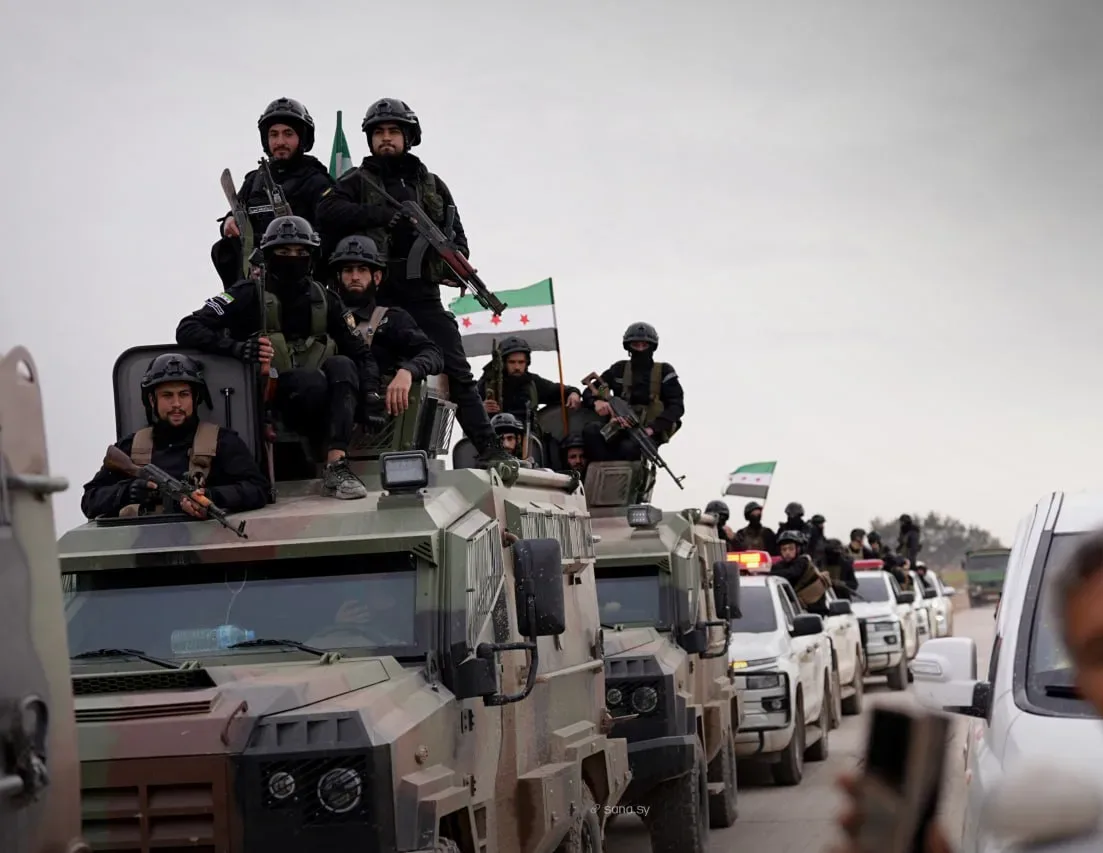
Convoys from Syria’s Ministry of Interior approximately 15 armored vehicles carrying around 100 personnel per city entered both Hasakah and Qamishli, deploying to security squares and government institutions as an initial step toward assuming security responsibilities in the province.

January Agreements: A Roadmap for Institutional Integration

The current developments are grounded in a series of understandings signed between the Syrian government, led by Ahmad al-Sharaa, and the SDF leadership. These understandings have since unraveled, leaving behind only the militia’s true backbone fighters of the Kurdish YPG/YPJ. The key provisions can be summarized as follows:

  • Military and security integration: SDF fighters are to be merged into a Syrian army division composed of three brigades, with a fourth brigade dedicated to the Ain al-Arab (Kobani) forces under a division administratively affiliated with Aleppo province.

  • Security forces integration: The Asayish forces are to be incorporated into Syria’s Ministry of Interior.

  • Institutional handover: The Syrian government is to assume control of all institutions in city centers, including traffic police.

  • Demilitarization: Armed manifestations are to be removed, with the army withdrawing to military barracks outside cities and dismantling checkpoints in residential neighborhoods.

  • Administrative integration: Institutions of the so-called Autonomous Administration are to be merged into state structures, with guarantees for civilian employees’ rights and job security.

  • Civil and cultural rights: Kurdish civil and educational rights are to be settled, ensuring recognition of cultural specificity within the framework of national sovereignty.

  • Appointments: A governor of Hasakah is to be appointed upon SDF nomination, along with a deputy minister of defense.

The agreement reflects the SDF’s success in presenting itself as the sole representative of the Kurds an outcome made possible by its forceful marginalization of other Kurdish parties, most notably the Kurdish National Council. On February 3, some KNC leaders met President al-Sharaa in Damascus. Consequently, all nominations for senior posts including Hasakah governor and deputy defense minister came from within the YPG/PKK orbit.

The SDF nominated Azad Simi, known as Jiya Kobani, for the post of deputy Syrian defense minister. A senior PKK figure wanted by Turkish authorities, Simi is accused of involvement in multiple attacks against the Turkish army that resulted in the deaths of numerous soldiers, including operations in Van, Hakkari, Şırnak, Çukurca, and Dağlıca.

He previously served as an operations commander in Iraq’s Zagros region and in Hakkari, Turkey, before becoming head of intelligence for the YPG in Ain al-Arab (Kobani) after the Syrian uprising.

For the post of Hasakah governor, the SDF nominated engineer Nour al-Din Ahmad al-Issa, known as Abu Omar Khanika, born in Qamishli in 1969. A former employee of the Hasakah Telecommunications Directorate, he later became a senior figure in the Autonomous Administration and head of public relations for the SDF.

He hails from a family known for its loyalty to the PKK; several of his relatives were killed fighting alongside the group against the Turkish army.

His only son, Omar, was killed while fighting with the SDF against ISIS. Despite preliminary consensus on his nomination, Khanika carries a heavy local legacy of accusations, with critics attributing to him exclusionary policies and repressive practices during his oversight of the Alaya prison and the tribal relations portfolio.

Will the Agreement Hold?

The agreement between Damascus and the SDF represents a “marriage of necessity,” imposed by international pressure, the looming U.S. withdrawal, the sensitive issue of ISIS detainees, and Damascus’s need to reunify the country and reclaim the economic resources of the northeast.

Yet its success hinges on dismantling accumulated security and political obstacles chief among them allegations of exclusion, the SDF’s separatist tendencies, and the Arab community’s security concerns in Hasakah.

Turkey’s fixed parameters also remain central to the equation: rejecting parallel military entities outside a unified Syrian army, preventing the agreement from providing cover for PKK elements, and supporting any step that dismantles “mini-state” projects while ensuring stability along its 911-kilometer land border.

The new agreement marks a pivotal attempt to transform a fragile truce into an executable path toward implementing the January 18, 2026 accord. While Damascus seeks a field breakthrough to counter international political pressure, unresolved logistical and political complexities threaten to reduce the rapprochement to little more than an “updated version” of past control models.

At the heart of the agreement lies the mechanism for integrating the SDF into Syria’s military and security institutions: a division composed of three brigades in Hasakah and a fourth in Ain al-Arab, Aleppo countryside. While significant, this step underscores the SDF’s waning influence.

The current proposal offers brigades rather than the three full divisions presented in March and rejected at the time a refusal that ultimately cost the group vast areas of control. In return, the agreement stipulates the withdrawal of military forces from contact lines and the deployment of Interior Ministry security forces in the centers of Hasakah and Qamishli.

Despite the fanfare, critical gaps remain. The fate of the Autonomous Administration’s internal security forces (Asayish) remains unresolved, amid SDF statements insisting they will remain in place—raising the specter of a return to the “joint checkpoint” model seen previously in Aleppo’s Sheikh Maqsoud district.

The agreement also omits any concrete mechanism for removing non-Syrian PKK leaders and fighters, long a cornerstone of earlier understandings and a chronic obstacle to implementation.

Meanwhile, the integration of Autonomous Administration institutions remains vague: border crossings and oil fields are to be handed over to Damascus, while autonomy is retained in education and services suggesting a postponement of confrontation over core sovereignty issues.

Between “Security Squares” and Full Sovereignty

Fears are mounting that the agreement could devolve into a revamped version of the “security squares” that existed under the former Syrian regime. While today’s situation differs particularly in the absence of independent government security control in cities like Ain al-Arab the ambiguity surrounding timelines and shared responsibilities risks producing overlapping and unstable security pockets.

Damascus appears to be betting on time: testing political solutions, averting war, closing the ISIS prisons file, and ultimately arranging a full U.S. military withdrawal.

The road ahead is far from smooth. PKK-linked cadres view the agreement as a tactical maneuver to preserve what remains of the Autonomous Administration project after losing Deir ez-Zor and Raqqa. Yet the gradual return of government security presence may fuel local rejection of YPG policies, potentially leading to their eventual expulsion from the region even if the agreement collapses politically.

Statements from Kurdish militia leaders further underscore the divergence from integration. Roxen Mohammed, spokesperson for the Women’s Protection Units (YPJ), declared that her forces would not relinquish their weapons or autonomy.

“We do not see Damascus merely as a political partner,” she said, “but as an existential threat to Kurdish women’s gains. Our struggle goes beyond territory; it is a battle for identity and women’s rights that we have won with blood.”

These remarks highlight a fundamental rift in interpreting the agreement: Damascus views it as a full restoration of state sovereignty, while some Kurdish factions see it as a tactical arrangement that must preserve broad self-rule and a counterweight to any future government moves.

Turkey’s position continues to oscillate between warnings and a commitment to “one Syria.” Most recently, Turkish President Recep Tayyip Erdoğan issued a direct warning to the SDF during a speech following a cabinet meeting on Monday, February 3, cautioning against attempts to “undermine the agreements” and stressing that any backtracking would return the region to square one.

Download this article as PDF
Share this Article
Facebook Twitter Whatsapp Whatsapp Telegram Email Copy Link
زين العابدين العكيدي
By زين العابدين العكيدي صحفي من دير الزور
Follow:
Previous Article نون بوست Cairo and Ankara: Pragmatic Interests Shape the Contours of a New Phase
Next Article نون بوست Conflating Anti-Semitism with Anti-Zionism: How Israel’s Immunity Was Engineered

Read More

  • U.S. Regime‑Change Policies: Why They Are Destined to Fail U.S. Regime‑Change Policies: Why They Are Destined to Fail
  • The Gulf’s Balancing Act: Iran, Israel, and Hidden Links
  • Iraq–Turkey Oil Export Treaty: Why Did Ankara Cancel It After 52 Years?
  • Syria’s Northeast on Edge: QSD Between Ankara and Damascus
  • Has Europe Changed Its Stance on Israel… or Just Its Language?
part of the design
NoonPost Weekly Newsletter

You May Also Like

U.S. Regime‑Change Policies: Why They Are Destined to Fail

U.S. Regime‑Change Policies: Why They Are Destined to Fail

إسراء سيد Esraa sayed 8 April ,2026
The Gulf’s Balancing Act: Iran, Israel, and Hidden Links

The Gulf’s Balancing Act: Iran, Israel, and Hidden Links

فريق التحرير Noon Post 8 April ,2026
Iraq–Turkey Oil Export Treaty: Why Did Ankara Cancel It After 52 Years?

Iraq–Turkey Oil Export Treaty: Why Did Ankara Cancel It After 52 Years?

فريق التحرير Noon Post 8 April ,2026

يحيى حامد: على الغرب أن يضع حدًا لدعم السيسي

فايس نيوز
فايس نيوز Published 9 June ,2015
Share
BN-IS704_geregy_J_20150603103224

ترجمة وتحرير نون بوست

في 3 يوليو المقبل، ستمر سنة كاملة على ذكرى الإطاحة بأول رئيس منتخب في تاريخ مصر، محمد مرسي، الذي أُطيح به في انقلاب قام به قائد الجيش السابق عبد الفتاح السيسي، وأتبع انقلابه هذا بحملة شرسة على مرسي وحزبه الإسلامي، الإخوان المسلمين، حيث قتلت قوات الأمن المصرية نحو 1000 شخص من أنصار الإخوان أثناء الاحتجاجات، وتم اعتقال عشرات الآلاف، جنبًا إلى جنب مع النشطاء اليساريين وغيرهم من معارضي النظام المصري، وفقًا لجماعات حقوق الإنسان.

وفي 16 يونيو الجاري، ستصدر المحكمة حكمها النهائي بشأن عقوبة الإعدام التي حكمت بها مؤخرًا على مرسي و100 قائد وعضو آخرين من جماعة الإخوان المسلمين، في قضية تتعلق بالهروب الجماعي من السجن في عام 2011.

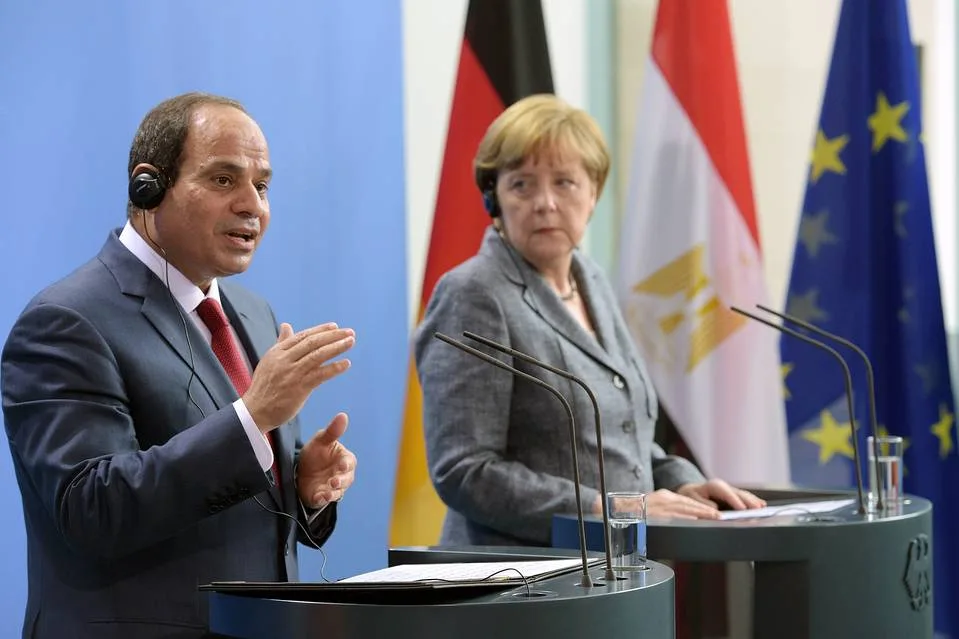
وفي ذات الوقت لاقت زيارة السيسي إلى ألمانيا ترحيبًا رسميًا من قِبل المستشارة الألمانية أنجيلا ميركل والرئيس الألماني يواخيم غاوك، ويستعد السيسي لتوقيع صفقة بمليارات الدولارات مع مجموعة سيمنز الصناعية الألمانية، وفي مؤتمر صحفي يوم الأربعاء، كررت ميركل معارضة حكومتها لعقوبة الإعدام، لكنها قالت إن العمل مع السيسي، هو المفتاح لضمان الأمن الإقليمي.

يحيى حامد، وزير الاستثمار تحت حكم مرسي، أشار في لقاء أجريناه معه، أن العكس هو الصحيح، كون استمرار الغرب بدعمه للسيسي، سيزعزع استقرار المنطقة بأسرها، وسيضعها مباشرة في أيدي الدولة الإسلامية (داعش)، حامد الذي تحدث إلينا من جنيف قبل مغادرته إلى بروكسل التي سيسافر منها إلى الولايات المتحدة، هو أحد كبار شخصيات الإخوان المسلمين، ومسؤول عن ترويج رسالة الإخوان خارج حدود مصر، وإليكم تفاصيل الحوار الذي أجريناه معه.

فايس نيوز: ما هي هيكلة الإخوان المسلمين اليوم، بعد أن تم تصنيفها كمنظمة إرهابية في مصر؟

يحيى حامد: قبل أربعة أشهر أجرينا انتخابات جديدة، وتم انتخاب أعضاء جدد في المكتب الخارجي لجماعة الإخوان المسلمين، الغاية من هذا المكتب هي إدارة الأزمة الناجمة عن انقلاب السيسي، وهو مشروع سياسي طموح، ينسق مع بقية القوى السياسية ومع الثورة، والتي نعمل من خلالها على عدة جبهات، ونحن نتحدث هنا عن القوى التي انبثقت عن ثورة يناير 2011، وعلى الرغم من أنها ليست حركة منظمة إلا أنها قوى لاتزال موجودة، فهناك منظمات صغيرة، وإذا اتحدوا معًا، فقد يتمكنوا من تحقيق شيئًا عظيمًا، الثورة أكبر من الإخوان المسلمين أو من أي منظمة أخرى، الثورة ملك للجميع.

فايس نيوز: كيف يعمل حزبكم في مصر الآن، بعد أن تم تفكيك جميع أعمالكم وجمعياتكم الخيرية؟

يحيى حامد: الإخوان المسلمون هي منظمة تبلغ من العمر 80 عامًا، ونجاحها لا يكمن في قدرتها على تأسيس أعمال أو جمعيات خيرية، ولكن في انتشارها ضمن المجتمع، واندماجها الحقيقي داخل الشعب، يمكنهم إغلاق 1200 جمعية خيرية قضت أكثر من 60 عامًا في مساعدة المجتمع المصري للتغلب على وضعه الصعب، ولكنهم لا يستطيعون زحزحة الإخوان المسلمين من مكانهم الطبيعي الذي يتربعون فيه بالمجتمع، وهذا ما يحافظ على حياة منظمتنا، كما قمنا بتنشيط الكوادر الإدارية للمنظمة خلال السنة والنصف الماضية، حيث أصبح الشباب يشكلون أكثر من 65% من القيادات الجديدة.

فايس نيوز: هل يشعر أتباعكم بالخيبة بعد فشل العملية الديمقراطية؟ وهل يفكرون الآن في خيارات أكثر عنفًا؟

يحيى حامد: من المهم جدًا أن ندرك أن الإخوان المسلمين كانوا وسيظلون مؤمنين بالإستراتيجية السلمية، النظام هو من يسعى لإقحامنا في العنف، وإذا تم جرنا ودخلنا ضمن هذه اللعبة، فسوف نُعقد الأمور فقط لا أكثر، لقد رأينا ما جرى في سورية وليبيا واليمن، ورغم أن لكل دولة منهم خصوصيتها، بيد أن الشعب لم ينجح في إحداث الثورة عن طريق العنف، نحن لدينا إستراتيجية لا تتزعزع قائمة على نبذ العنف، ولكن من الواضح أن الناس قد اتجهوا نحو التطرف نتيجة لممارسات القمع والتعذيب والوفيات في السجون، لقد حذرنا من أن هذا قد يحدث، ويجلب معه الشر إلى مصر.

يجب على المجتمع الدولي أن يدرك أن هؤلاء الشباب هم أرض خصبة مثالية لدعاة الدولة الإسلامية، فهؤلاء هم الشباب الذين ذهبوا إلى صناديق الاقتراع، وشاهدوا بأم أعينهم كيف تم تفكيك النظام الديمقراطي واستبداله بالقمع والاعتقالات، دون أن يرمش جفن للغرب.

نحن نؤمن أن هذا النظام سيسقط ضمن المدى المنظور، ولكن قبل ذلك سوف يولّد المزيد من عدم الاستقرار والفوضى، ليس فقط في مصر، بل في جميع أنحاء المنطقة، وإذا واصلت أوروبا دعمها لهذا النظام المستبد، وسماحها باستمرار ما يحدث في مصر الآن، فإنها ستدفع الثمن على شكل قوارب الموت، التي ستحمل الآلاف من المهاجرين كل شهر إليها، فارين من مستقبلهم المظلم، وأعتقد أن ما يحدث بين ليبيا وإيطاليا اليوم، هو مثال جيد على ما سيحدث إذا استمر الوضع على ما هو عليه.

فايس نيوز: هل يمكن أن يحدث في مصر ما حصل في العراق، حيث استفادت الدولة الإسلامية من الفوضى التي خلقها قمع الحكومة المركزية للمتظاهرين السلميين؟

يحيى حامد: منذ اليوم الأول من حكم نظام السيسي، تم انتهاج إستراتيجية قائمة على محاولة تصوير أن النظام المصري يحارب الإرهاب، ولكن في واقع الأمر، إن هذا النظام يخلق المزيد من الإرهاب، فقط في سيناء، قتلت الحكومة المصرية أكثر من 1200 مواطن مصري، بما في ذلك نساء وأطفال وكبار بالسن، وهدمت أكثر من 1600 منزل، وهذه هي الرسالة التي ترسلها حكومة السيسي وأوروبا لأبناء سيناء، الشيء الوحيد الذي يمكن أن يتولد عن هذه السياسة هو خلق أرضيات مثالية وخصبة لنمو التطرف.

إذا واصلت أوروبا والولايات المتحدة دعمها للسيسي، فإن هذا سيعمل على توليد المزيد من عدم الاستقرار والفوضى في المنطقة، الشعب المصري يسعى للديمقراطية الحقيقية، ولكن إذا استمر الوضع هكذا، ستتحول مصر إلى دولة فاشلة، بدون أي مشروع اقتصادي أو سياسي لهذا البلد، بالإضافة إلى انعدام الأمن الداخلي.

فايس نيوز: إذا أصبحت مصر دولة فاشلة، فهل يمكن للوضع السوري أن يتكرر هناك؟

يحيى حامد: هو احتمال مطروح على الطاولة، والإخوان المسلمون ضد هذا التطور، ولكن هناك أصوات متطرفة بدأت تتعالى في هذه الفترة، وبالطبع هناك أشخاص يغادرون منظمتنا لأنهم يعتقدون أن سياستنا المعتدلة أثبتت فشلها أمام هذا المستوى المرتفع من القمع.

نحن نؤمن بأن الانقلاب سيسقط، ولكن هذا الانقلاب دفع الكثير من الأشخاص لتجاوز حدود المنطق، ونحن نواصل محاولاتنا لإقناع مؤيدينا، وجميع الأشخاص الذين يصغون إلينا، بالبقاء على الطريق السلمي، ولكن لكم من الوقت سوف نكون قادرين على ضبط هؤلاء الأشخاص؟

نحن نتجه نحو سيناريو من الفوضى، لن تستطيع الدولة ولا الإخوان المسلمين السيطرة عليه، ومصر قد تصل إلى حالة، لن أقول مثل العراق أو سورية لأن لكل بلد خصوصيته، ولكن بعبارة لطيفة يمكن أن أقول، حالة من عدم الاستقرار التي قد تنسحب إليها المنطقة بأسرها.

فايس نيوز: ما هو البديل الذي تطرحونه للخروج من الوضع الحالي؟ وهل صحيح أن لديكم اتصالات داخل الحكومة؟

يحيى حامد: لا، هذا ليس صحيحًا، نحن لا نتعامل مع مؤيدي الانقلاب، بل فقط مع أحرار مصر، وفي البداية، يجب أن يخرج مؤيدو الانقلاب على الفور، ومن ثم يجب علينا أن نمارس الانفتاح السياسي الحقيقي، ونفتح الباب أمام الحريات والديمقراطية الحقيقية، تمامًا كما فعلنا بعد ثورة 2011، ويجب علينا تنفيذ المطالب الحقيقية للثورة، ابتداءً من رد الحريات للشعب.

المصدر: فايس نيوز

TAGGED: الإخوان المسلمون في مصر ، الانقلاب العسكري في مصر ، القمع في مصر
TAGGED: انقلاب مصر
Download this article as PDF
Share this Article
Facebook Twitter Whatsapp Whatsapp Telegram Email Copy Link
فايس نيوز
By فايس نيوز مقالات مترجمة من موقع فايس نيوز الأمريكي
Follow:
Next Article نون بوست The Stigma of “ISIS”: A Heavy Legacy Haunting Women and Children of Former Members

Read More

  • U.S. Regime‑Change Policies: Why They Are Destined to Fail U.S. Regime‑Change Policies: Why They Are Destined to Fail
  • The Gulf’s Balancing Act: Iran, Israel, and Hidden Links
  • Iraq–Turkey Oil Export Treaty: Why Did Ankara Cancel It After 52 Years?
  • Syria’s Northeast on Edge: QSD Between Ankara and Damascus
  • Has Europe Changed Its Stance on Israel… or Just Its Language?
part of the design
NoonPost Weekly Newsletter
dark

An independent media platform founded in 2013, rooted in slow journalism, producing in-depth reports, analysis, and multimedia content to offer deeper perspectives on the news, led by a diverse young team from several Arab countries.

  • Politics
  • Society
  • Rights & Liberties
  • Opinions
  • History
  • Sports
  • Education
  • Technology
  • Economy
  • Media
  • Arts & Literature
  • Entrepreneurship
  • Travel
  • Cinema & Drama
  • Food
  • Health
  • Culture
  • Latest Reports
  • Files
  • Long Reads
  • Interviews
  • Podcast
  • Interactive
  • Encyclopedia
  • In Pictures
  • About Us
  • Our Writers
  • Write for Us
  • Editorial Policy
  • Advanced Search
Some rights reserved under a Creative Commons license

Removed from favorites

Undo
Go to mobile version