

NoonPost NoonPost

NoonPost

  • Home
  • Politics
  • Economy
  • Society
  • Culture
  • Files
  • Long Reads
  • Podcast
AR
Notification Show More
نون بوست
“There Are Nights I Can’t Close My Eyes”: How Gazans Are Living in Homes on the Brink of Collapse
نون بوست
From al-Jolani to Ahmad al-Shara: The Evolution of Syria’s New Leader
نون بوست
When Political Islam Receded in Egypt: Who Filled the Void?
نون بوست
An Extension of Genocide: Gaza’s Detainees Speak Out
نون بوست
A Tightrope Between Survival and Sovereignty: The Syrian Government Faces Normalization Pressures
نون بوست
American Aircraft Carriers: Has the Era of “100,000 Tons of Diplomacy” Ended?
نون بوست
U.S. Regime‑Change Policies: Why They Are Destined to Fail
نون بوست
Transformations of Israeli Judaism: Between the Victim Complex and the Colonizer’s Doctrine
نون بوست
The Gulf’s Balancing Act: Iran, Israel, and Hidden Links
نون بوست
Iraq–Turkey Oil Export Treaty: Why Did Ankara Cancel It After 52 Years?
نون بوست
Syria’s Northeast on Edge: QSD Between Ankara and Damascus
نون بوست
Has Europe Changed Its Stance on Israel… or Just Its Language?
NoonPost NoonPost
AR
Notification Show More
نون بوست
“There Are Nights I Can’t Close My Eyes”: How Gazans Are Living in Homes on the Brink of Collapse
نون بوست
From al-Jolani to Ahmad al-Shara: The Evolution of Syria’s New Leader
نون بوست
When Political Islam Receded in Egypt: Who Filled the Void?
نون بوست
An Extension of Genocide: Gaza’s Detainees Speak Out
نون بوست
A Tightrope Between Survival and Sovereignty: The Syrian Government Faces Normalization Pressures
نون بوست
American Aircraft Carriers: Has the Era of “100,000 Tons of Diplomacy” Ended?
نون بوست
U.S. Regime‑Change Policies: Why They Are Destined to Fail
نون بوست
Transformations of Israeli Judaism: Between the Victim Complex and the Colonizer’s Doctrine
نون بوست
The Gulf’s Balancing Act: Iran, Israel, and Hidden Links
نون بوست
Iraq–Turkey Oil Export Treaty: Why Did Ankara Cancel It After 52 Years?
نون بوست
Syria’s Northeast on Edge: QSD Between Ankara and Damascus
نون بوست
Has Europe Changed Its Stance on Israel… or Just Its Language?
Follow US

Washington Vs Beijing: Europe Redraws Its Alliance Map in a Shifting World

عماد عنان
Emad Anan Published 26 March ,2026
Share
نون بوست
نون بوست

In a revealing political moment that defied diplomatic norms, Canadian Prime Minister Mark Carney declared at the recent Davos Forum the demise of the old world order built on rules and stable alliances. The international scene, he asserted, is now governed by raw power, with the strong imposing their will and the weak left to face the fallout with no real alternatives.

This reality, he warned, demands a reconfiguration of alliances to shield mid-tier powers from reckless, destabilizing bipolarity.

Carney’s warning feels like a precise diagnosis of today’s geopolitical landscape. The global alliance map is undergoing swift and unprecedented shifts. Longtime allies of the United States since World War II are now reassessing their ties with China, spurred by rising concerns over the volatility of U.S. foreign policy under President Donald Trump.

Since Trump’s re-election in January 2025, the global order has entered a phase of political fluidity, reshaping the foundations of the Western alliance. This shift became especially clear at the start of 2026, as Beijing emerged as an attractive economic partner not just for Europe, but across the Global South signaling a profound reorientation of global alignments.

A Rush Toward Beijing

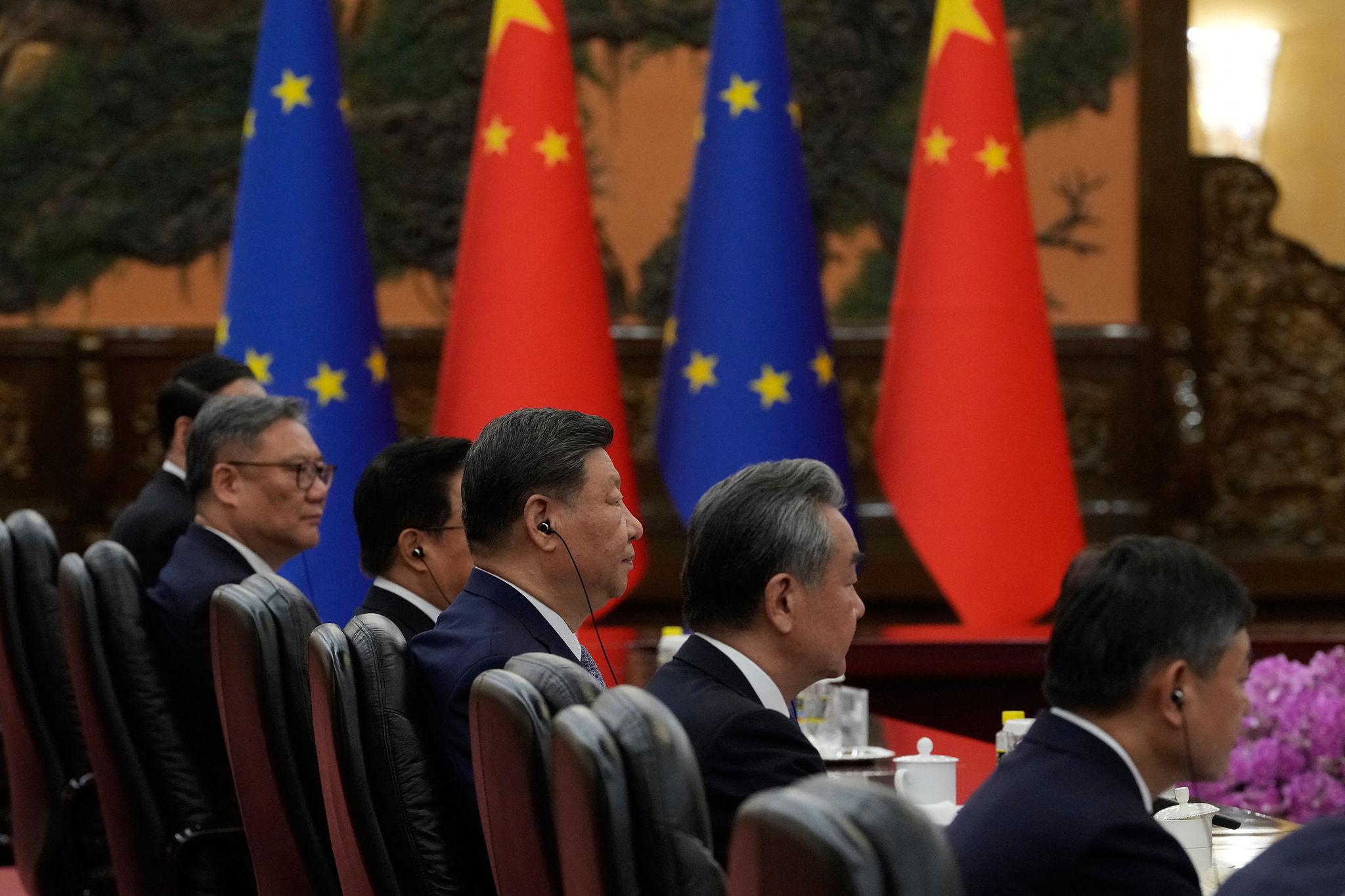
The start of 2026 has seen a noticeable European pivot toward China, primarily economic in nature but underscored by strong diplomatic signaling. This recalibration reflects Europe’s response to deep shifts in the international system.

This shift possibly a form of leverage against Washington was embodied in a string of high-level European visits to Beijing in January. These visits signal a growing acknowledgment of China’s role in the evolving global equation.

Most notable was British Prime Minister Keir Starmer’s January 28–31 visit his country’s first such visit in eight years. It centered on expanding the “comprehensive strategic partnership” and strengthening bilateral economic cooperation. “The more the world changes around us, the more valuable this kind of stability becomes,” Starmer said during a meeting with Chinese Premier Li Qiang.

Li, in turn, welcomed what he described as Britain’s renewed openness to China, saying, “I appreciate your public remarks affirming that China is an opportunity, and engagement is essential.”

Prior to Starmer’s trip, Finnish Prime Minister Petteri Orpo led a delegation to Beijing aimed at boosting exports and improving market access. Ten days earlier, Irish Prime Minister Micheál Martin paid a similar visit the first by an Irish leader in 14 years seeking to reinvigorate Dublin-Beijing ties.

French President Emmanuel Macron had visited China in late 2025, in line with France’s “third path” approach aimed at steering clear of the US-China binary. A second visit is reportedly in the works.

At the EU level, European Commissioner Jessica Roswall held high-level talks with Chinese officials on climate and water issues, part of an ongoing series of reciprocal technical and political visits aimed at deepening EU-China ties.

Beyond Europe, South Korean President Lee Jae-myung visited Beijing on January 4 the first such visit since 2017 accompanied by a business delegation of over 200 executives from giants like Samsung and Hyundai, underscoring the visit’s economic weight.

German Chancellor Friedrich Merz is also expected to visit China in February or March 2026, as Berlin seeks to balance its commercial ties amid intensifying global trade pressures.

Why the Shift?

This pivot to Beijing is neither spontaneous nor incidental. It stems from mounting pressures that are forcing many nations to redraw their strategic maps. As Carney put it, missing a seat at the table means becoming what’s served on it.

The most prominent driver is a desire to hedge against the unpredictability of U.S. trade policy—especially Trump’s threats to slap tariffs of 25% or more on European exports.

Many traditional U.S. allies have come to view tariffs as a tool of political coercion. Seeking greater economic stability, they are turning to China as a key alternative.

Beyond trade, the drive for strategic autonomy looms large. Europe is increasingly unwilling to tether its future to Washington’s political whims. At Davos, Macron made this clear, warning that Europe must not submit to the “law of the strongest.” He even floated the idea of deploying trade countermeasures against the U.S. a stark measure that reflects the scale of current risks.

European Commission President Ursula von der Leyen echoed this sentiment, describing the moment as “seismic” and calling for swift European action. She framed the present as a rare opportunity to build a “new, independent Europe” capable of defending its interests beyond great-power rivalries.

China’s Strategic Patience

China is approaching this global inflection point with measured pragmatism, capitalizing on European unease over Trump’s protectionism. It is extending economic overtures—particularly in clean energy and AI tailored to Europe’s evolving priorities.

Beijing has kept the focus squarely on economics, avoiding contentious political and security issues. This strategy aims to build a functional, interest-based partnership rather than one defined by ideological confrontation.

Chinese policymakers are betting that the post-WWII order won’t collapse overnight but will evolve gradually. In their view, we’re witnessing not the fall of the West, but the emergence of a polycentric world where new security and economic guarantees are forged through negotiation and balance not U.S. hegemony.

In doing so, China offers Europe what it seeks: diversified revenues and investment flows, reducing its dependence on Washington while expanding Beijing’s economic footprint across the European core.

Europe, for its part, is adopting an openly pragmatic posture. The EU recently signed a landmark free-trade deal with India that slashes tariffs by over 95%. It also finalized a similar agreement with Latin American Mercosur nations, cutting duties by around 92% signaling a major push to globally redistribute its economic bets.

Washington Sounds the Alarm

Europe’s growing ties with Beijing have raised alarm bells in Washington. In response, Trump has issued stark public warnings to London and Ottawa following their recent overtures to China.

He called Starmer’s China trip a “serious overstep” and described Canada’s potential deal with Beijing as “the worst and most dangerous.” He lambasted Canada’s economic management, warning Ottawa against seeking salvation through Chinese markets.

Trump has even threatened steep new tariffs on Canada if it moves toward a free trade pact with China. Prime Minister Carney was quick to deny any such plans, in a clear attempt to calm the White House’s ire.

Washington’s anxiety stems not only from fears of weakened transatlantic ties but also from a deeper concern: Europe’s embrace of China, its primary geopolitical rival. Beijing’s growing presence in the Western bloc strengthens its strategic hand and reshapes the balance of global power.

Europe’s Tightrope

Caught between a protectionist U.S. and an assertive China, Europe faces a precarious strategic test. America remains central to European security, yet China offers economic engagement on more flexible terms.

The numbers lay bare the dilemma. In 2024, the EU’s foreign trade volume reached $5.4 trillion, with exports at $2.8 trillion and imports at $2.6 trillion, generating a surplus of $174 billion. But over 35% of that trade involved just two players: the U.S. ($976B) and China ($896B).

That means any escalation with either country threatens a third of Europe’s external trade.

Europe is thus trying to walk a tightrope favoring diversification over rupture, balance over alignment. But this fine-tuned strategy is fraught with peril, especially under a volatile U.S. administration. One misstep could carry lasting strategic costs.

Final Thoughts

Washington now faces a world it no longer fully recognizes. The tools that once secured its dominance may no longer suffice. Overreliance on tariffs and wavering on security commitments risks alienating Europe its historic strategic anchor.

Meanwhile, China is playing the long game capitalizing on Western discord to deepen economic links with Europe and stake its claim in the heart of the Western alliance.

More broadly, the cumulative signals point to a world order in flux. The post-WWII system is giving way to a new era of multipolarity and interwoven blocs an era governed more by pragmatism than ideology, where divergent political models sit at the same table, and national interests chart the new global compass.

Download this article as PDF
Share this Article
Facebook Twitter Whatsapp Whatsapp Telegram Email Copy Link
عماد عنان
By عماد عنان كاتب صحفي وباحث في الإعلام الدولي
Follow:
Previous Article نون بوست Turkish-Saudi Rapprochement: A New Alliance Reshaping Regional Power
Next Article نون بوست The Gaza Genocide and the Epstein Scandals: How Long Will We Believe in the West’s Moral Authority?

Read More

  • U.S. Regime‑Change Policies: Why They Are Destined to Fail U.S. Regime‑Change Policies: Why They Are Destined to Fail
  • The Gulf’s Balancing Act: Iran, Israel, and Hidden Links
  • Iraq–Turkey Oil Export Treaty: Why Did Ankara Cancel It After 52 Years?
  • Syria’s Northeast on Edge: QSD Between Ankara and Damascus
  • Has Europe Changed Its Stance on Israel… or Just Its Language?
part of the design
NoonPost Weekly Newsletter

You May Also Like

U.S. Regime‑Change Policies: Why They Are Destined to Fail

U.S. Regime‑Change Policies: Why They Are Destined to Fail

إسراء سيد Esraa sayed 8 April ,2026
The Gulf’s Balancing Act: Iran, Israel, and Hidden Links

The Gulf’s Balancing Act: Iran, Israel, and Hidden Links

فريق التحرير Noon Post 8 April ,2026
Iraq–Turkey Oil Export Treaty: Why Did Ankara Cancel It After 52 Years?

Iraq–Turkey Oil Export Treaty: Why Did Ankara Cancel It After 52 Years?

فريق التحرير Noon Post 8 April ,2026

حملة “عشان لو جه ميتفاجئش”.. عين على الفساد في مصر

فريق التحرير
Noon Post Published 10 June ,2015
Share
ts

عادة معروفة سلفًا في مصر عند زيارة أي مسؤول لمؤسسة حكومية، هذه المؤسسة صاحبة الحظ العثر التي وقع عليها الاختيار ليمارس عليها نوع من الرقابة الحكومية تعلم بهذه الزيارة قبلها بأيام لتقوم بالاستعدادات الكاملة، من استجلاب لأكاليل الزهور والورد وتمهيد الأرض بالبُسط الحمراء في انتظار المسؤول الحكومي، حتى إذا غادر عاد كل شئ إلى سيرته الأولى.

هذا السيناريو لم يجدي هذه المرة في الزيارة المفاجئة التي نفذها رئيس الوزراء المصري “إبراهيم محلب” ووزير الصحة في حكومته “عادل العدوي” لمؤسستين طبيتين في مصر وهما معهد القلب ومعهد تيدور بلهارس، المؤسستان لم يكونا على أهبة الاستعداد لاستقبال هذا الوفد الرسمي بالسيناريو المحفوظ، يبدو أن خبر الزيارة هذه المرة لم يُسرب كالعادة إلى إدارة المؤسستين، فلم تصدر الأوامر إلى عُمال النظافة للعمل بجدية أكثر لمنع دخول حيوانات كالقطط التي صادفت رئيس الحكومة أثناء مروره في الأدوار، فضلا عن عشرات حالات المخالفات والإهمال في أكبر مؤسسات علاجية شعبية في مصر.

الأمر الذي نتج عنه توبيخ مسؤول على الهواء مباشرة أمام كاميرات الإعلام من قبل إبراهيم محلب رئيس الوزراء كما أُقيل مسؤول آخر بسبب هذه المخالفات، وهو أمر لم يعتده المصريون من قبل، وهو احتفت به أيضًا الدوائر الإعلامية المقربة من النظام، محاولة لترويج صورة جيدة عن رئيس الوزراء الذي يحمله رئيس الجمهورية الفشل في عامه الأول.

في الحقيقة أن ما حدث في هذه الزيارة لهو خير تكذيب عملي لتصريحات سابقة لوزير التعليم العالي في حكومة محلب الذي قال فيها أن مصر تمتلك مستشفيات عالية الجودة وبالغ في الأمر ووصفها بأنها أفضل من تلك الموجودة في بريطانيا، ولكن يبدو أن رئيس الوزراء ووزير الصحة لديهم رأي آخر.

المنظومة الصحية في مصر متردية منذ زمن بعيد وظهرت تجلياتها في الأوانة الأخيرة مع تجاهل الحكومات لكل استغاثات الأطباء العاملين في الحقل الطبي الحكومي المصري، وهو الأمر الذي استثار مجموعة من شباب الأطباء عقب زيارة محلب التي أثارت ضجة بعد تحميل الأطباء المسؤولية الكاملة عما ظهر أمام رئيس الوزراء ووزير الصحة من فساد وإهمال، دون أن يدان الوزير في شئ، وكأن الإهمال من الموظفين والأطباء في المستشفيات فقط، مع عدم وجود أي مسؤولية لوزير الصحة عن هذا.

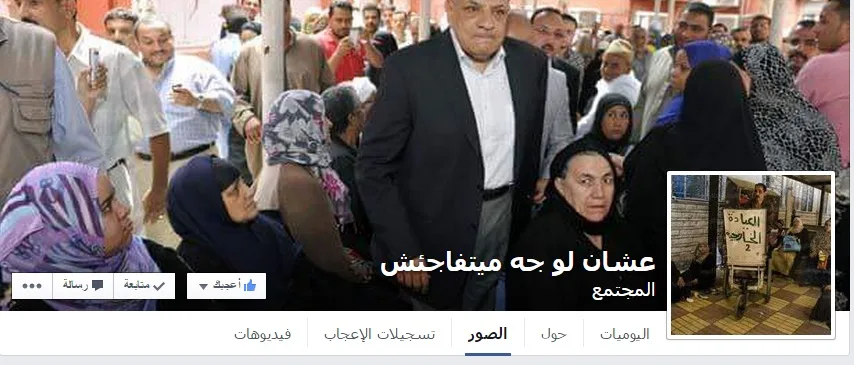
وهو الأمر الذي دفع بعض من شباب الأطباء لتدشين صفحة على موقع التواصل الاجتماعي “فيس بوك” لرفع صور الإهمال والفساد وغياب النظافة في العديد من مقار المؤسسات الصحية في مصر وغياب الإمكانيات المطلوبة، حتى لا يتفاجئ بهذا الأمر أي مسؤول رسمي في الدولة إذا ما قرر أن يذهب في زيارات مفاجئة، لتعمل هذه الصفحة على رفع واقع المؤسسات الطبية المصرية الحقيقي الذي يجهله رئيس الوزراء ووزير الصحة في حكومته، أو هكذا يدّعو.

الصحفة التي حملت اسم بالعامية المصرية “عشان لو جه ميتفاجئش” أخذت في الانتشار السريع بين رواد مواقع التواصل الاجتماعي في مصر، كما تفاعل معها العديد من الأطباء الذين نقلوا واقع مؤسساتهم الطبية التي يعملون بها ممزوجة ببعض من روايات الفساد والإهمال التي يواجهونها في المنظومة الصحية المصرية.
نون بوست

نون بوست
حصدت الصفحة أكثر من ربع مليون عضو معجب بمحتواها وذلك في أقل من ثلاثة أيام فقط من تدشينها، وقد أعلن المسؤولون عن إدارتها أن الهدف من إنشاء الصفحة هو رصد عيوب المنظومة الصحية في مصر، وذلك من أجل علاجها والسعي لمحاسبة المسؤولين الحقيقيين لصالح المواطن المصري قبل مطالب الاطباء، حيث شعر شباب الاطباء أن اللوم عليهم وحدهم في مسألة تردي الخدمات الصحية، وهو ما يرونه جور وظلم بحقهم، وفق ما نشرت الصفحة.

https://www.facebook.com/lawgehnosurprise/posts/1460795674218709

إذا قرر أحد رواد مواقع التواصل الاجتماعي أخذ جولة في الصفحة وفيما تنشره من محتوى فإنك سوف ترى ما لم يراه المسؤولون عن الصحة في مصر، فالقطة التي رأها رئيس الوزراء تتجول في المستشفى يبدو أنها ليست الأولى أو الأخيرة فهو عرف وتقليد حتى أصبحت في مستشفيات أخرى تخالط المرضى كالتي ظهرت في الصور التي بثتها الصفحة.

نون بوست

نون بوست

أما عن الإمكانيات المتاحة فالصور تظهر أن بعض المستشفيات والمؤسسات الطبية لا تصلح للاستخدام الآدمي من فرط الإهمال وعدم النظافة في صروح طبية مفترض أنها تُعالج المرضى ولكن يبدو من هذه المنظومة الصحية أنها تزيد من آلام وأمراض من يدخلونها بهذه الصورة.

نون بوست

نون بوست

نون بوست

البعض أبدى رأيه في هذه الصور وقال إنها الواقع الأليم الذي يلا يراه المسؤولين في مصر وذلك بسبب عدم التحامهم مع الشعب، فهؤلاء المسؤولين من وجهة نظره لا يستخدمون هذه المرافق من الأساس وهي مقتصرة على الفقراء من الشعب لا أكثر، أما الوزراء وأبنائهم فلهم المستشفيات الخاصة التي لا تعرف هذه الصور مطلقًا، ولا يعرفها هؤلاء الوزراء بالتبيعة.
نون بوست

نون بوست
وهذا ما يؤكده رد الفعل الأولي الذي صدر من وزارة الصحة المصرية على هذه الصور التي نشرتها الصفحة، حيث علق حسام عبد الغفار المتحدث باسم وزارة الصحة المصرية، على الصفحة المتداولة “عشان لو جه ميتفاجئش” وما ورد بها من وقائع الإهمال بالمستشفيات  بقوله: “أن الصفحة بها مبالغات لم تحدث”، مؤكدًا أن الوزارة ستتابع كل ما ينشر بها للتأكد من صحته، وهو الأمر الذي ردت عليه إدارة الصفحة بأن جميع الصور حديثة، وتم التقاطها من جانب أطباء مصريين يعملون بمستشفيات حكومية  بجميع محافظات الجمهورية وأن هذه الصور ليست من دول أخرى كما تعتقد الوزارة.

حيث يرى شباب الأطباء بفكرتهم هذه أن مشكلة منظومة الصحة في مصر تعاني منذ زمن بداية من النقص الحاد في الإمكانيات مرورًا بالأجور المتدينة التي يتلقاها الأطباء في المؤسسات الطبية الحكومية، مؤكدين أن الأطباء لا يعلمون إلا وفق الإمكانات المتاحة لديهم في هذه المستشفيات.

نون بوست

نون بوست
هذه المشاهد تعيد للأذهان المقطع المصور الذي بثه نشطاء على الانترنت لسيدة مصرية تلد على قارعة الطريق أمام مستشفى كفر الدوار العام بمحافظة البحيرة، بعدما قالت أسرتها أن طبيبًا من داخل المستشفى رفض توليدها طبيعيًا وأصر على عملية قيصرية للحصول على مزيد من الأموال، سبقت هذه الواقعة قيام الإسعاف في مستشفى طنطا الجامعي بإلقاء مريض وسط القمامة أمام بوابات المستشفى، وهي مخالفات كانت على مرأى ومسمع من الحكومة لكن رئيس الوزراء أصر على أنه متفاجئ من الوضع.

المادة 18 من الدستور المصري تنص على أن “لكل مواطن الحق في الصحة وفي الرعاية الصحية المتكاملة، وتكفل الدولة الحفاظ على مرافق الخدمات الصحية العامة التي تقدم خدماتها للشعب”، كما يشار إلى أن المنظومة الصحية في مصر لا تنال سوى 5% من الإنفاق الحكومي وهي نسبة مخالفة للتي أقرها الدستور الذي وضع عقب الانقلاب العسكري، وهو الدستور نفسه الذي يُجرم الامتناع عن تقديم العلاج لكل إنسان في حالات الطوارئ أو الخطر على الحياة، ولكن ما أكثر حالات الامتناع عن تقديم العلاج للفقراء في مصر.

الأمر الذي تحدثت عنه منظمة الصحة العالمية العام الماضي في تقرير لها أوردت فيه أن جانبًا من القصور في الرعاية الصحية في مصر يتمثل بشكل رئيسي في نفقات العلاج الكبيرة التي تطلبها المستشفيات الخاصة من المرضى، بما يجعلها خارج القدرة المالية للفقراء، يقابله الإنفاق الحكومي الضئيل على المستشفيات العامة التي هي أقل كفاءة من الخاصة.

من جانبها أيدت نقابة الأطباء وجهة نظر الصفحة وتعجبت النقابة على لسان المتحدث الرسمي باسمها “حسام كمال” من اندهاش رئيس وزراء مصر إبراهيم محلب مما رأه، حيث هاجم كمال زيارة محلب وافًا إياها أن هدفها الـ “شو الإعلامي” والتنصل من العواقب الوخيمة التي أصابت المنظومة الصحية في مصر على يد الحكومة.

الصفحة أصبحت مبادرة مثيرة للجدل، كما اتخذت مثالا للرقابة الشعبية، فقد استنسخت الصفحة في عدة مجالات خدمية أخرى في مصر بتدشين صفحة تحمل نفس الاسم لكن في قطاعات أخرى كقطاع التعليم، وهي بادرة مقلقة للحكومة المصرية وللنظام الذي يقع في مأزق الآن بسبب الضغط الاقتصادي والسياسي عليه، وهي تعد آلية احتجاجية جديدة لفضح الفساد والإهمال داخل الحكومة على نطاق واسع.

نون بوست

TAGGED: الإهمال في المستشفيات ، الصحة في مصر ، الفساد في مصر ، تردي الأوضاع الصحية ، رئيس وزراء مصر
TAGGED: انقلاب مصر
Download this article as PDF
Share this Article
Facebook Twitter Whatsapp Whatsapp Telegram Email Copy Link
فريق التحرير
By فريق التحرير تقارير يعدها فريق تحرير نون بوست.
Follow:
Next Article نون بوست The Stigma of “ISIS”: A Heavy Legacy Haunting Women and Children of Former Members

Read More

  • U.S. Regime‑Change Policies: Why They Are Destined to Fail U.S. Regime‑Change Policies: Why They Are Destined to Fail
  • The Gulf’s Balancing Act: Iran, Israel, and Hidden Links
  • Iraq–Turkey Oil Export Treaty: Why Did Ankara Cancel It After 52 Years?
  • Syria’s Northeast on Edge: QSD Between Ankara and Damascus
  • Has Europe Changed Its Stance on Israel… or Just Its Language?
part of the design
NoonPost Weekly Newsletter
dark

An independent media platform founded in 2013, rooted in slow journalism, producing in-depth reports, analysis, and multimedia content to offer deeper perspectives on the news, led by a diverse young team from several Arab countries.

  • Politics
  • Society
  • Rights & Liberties
  • Opinions
  • History
  • Sports
  • Education
  • Technology
  • Economy
  • Media
  • Arts & Literature
  • Entrepreneurship
  • Travel
  • Cinema & Drama
  • Food
  • Health
  • Culture
  • Latest Reports
  • Files
  • Long Reads
  • Interviews
  • Podcast
  • Interactive
  • Encyclopedia
  • In Pictures
  • About Us
  • Our Writers
  • Write for Us
  • Editorial Policy
  • Advanced Search
Some rights reserved under a Creative Commons license

Removed from favorites

Undo
Go to mobile version