NoonPost NoonPost

NoonPost

  • Home
  • Politics
  • Economy
  • Society
  • Culture
  • Files
  • Long Reads
  • Podcast
AR
Notification Show More
نون بوست
“There Are Nights I Can’t Close My Eyes”: How Gazans Are Living in Homes on the Brink of Collapse
نون بوست
From al-Jolani to Ahmad al-Shara: The Evolution of Syria’s New Leader
نون بوست
When Political Islam Receded in Egypt: Who Filled the Void?
نون بوست
An Extension of Genocide: Gaza’s Detainees Speak Out
نون بوست
A Tightrope Between Survival and Sovereignty: The Syrian Government Faces Normalization Pressures
نون بوست
American Aircraft Carriers: Has the Era of “100,000 Tons of Diplomacy” Ended?
نون بوست
U.S. Regime‑Change Policies: Why They Are Destined to Fail
نون بوست
Transformations of Israeli Judaism: Between the Victim Complex and the Colonizer’s Doctrine
نون بوست
The Gulf’s Balancing Act: Iran, Israel, and Hidden Links
نون بوست
Iraq–Turkey Oil Export Treaty: Why Did Ankara Cancel It After 52 Years?
نون بوست
Syria’s Northeast on Edge: QSD Between Ankara and Damascus
نون بوست
Has Europe Changed Its Stance on Israel… or Just Its Language?
NoonPost NoonPost
AR
Notification Show More
نون بوست
“There Are Nights I Can’t Close My Eyes”: How Gazans Are Living in Homes on the Brink of Collapse
نون بوست
From al-Jolani to Ahmad al-Shara: The Evolution of Syria’s New Leader
نون بوست
When Political Islam Receded in Egypt: Who Filled the Void?
نون بوست
An Extension of Genocide: Gaza’s Detainees Speak Out
نون بوست
A Tightrope Between Survival and Sovereignty: The Syrian Government Faces Normalization Pressures
نون بوست
American Aircraft Carriers: Has the Era of “100,000 Tons of Diplomacy” Ended?
نون بوست
U.S. Regime‑Change Policies: Why They Are Destined to Fail
نون بوست
Transformations of Israeli Judaism: Between the Victim Complex and the Colonizer’s Doctrine
نون بوست
The Gulf’s Balancing Act: Iran, Israel, and Hidden Links
نون بوست
Iraq–Turkey Oil Export Treaty: Why Did Ankara Cancel It After 52 Years?
نون بوست
Syria’s Northeast on Edge: QSD Between Ankara and Damascus
نون بوست
Has Europe Changed Its Stance on Israel… or Just Its Language?
Follow US

“Israel” Eyes the “Lebanese Model” for Gaza: A Ceasefire in Name Only?

فريق التحرير
Noon Post Published 26 March ,2026
Share
نون بوست
نون بوست

On February 2, 2026, Israel’s Army Radio revealed that military leaders are considering adopting what they call the “Lebanese model” for Gaza carrying out ongoing airstrikes in the Strip despite an existing ceasefire agreement.

This comes in spite of U.S. President Donald Trump’s announcement in mid-January that Phase Two of the agreement had begun, a phase which explicitly includes a full cessation of hostilities.

What Is the “Lebanese Model”?

This approach avoids launching a full-scale ground invasion and instead relies on sustained aerial bombardment under the pretext of “thwarting the growing capabilities” of resistance forces. It mirrors Israel’s policy in Lebanon under the current ceasefire understandings with Hezbollah.

In essence, Israeli military leadership believes it can continue bombing Gaza at will without officially violating the truce just as it does in Lebanon. The justification: preventing Hamas from rebuilding its military infrastructure.

The strategy draws from Israel’s experience in Lebanon, where its airstrikes have not ceased despite a ceasefire agreement with Hezbollah reached in late 2024. Since then, the Israeli military has escalated daily air raids in southern Lebanon and the Bekaa Valley.

While Israel claims to be targeting Hezbollah infrastructure, civilians have frequently been caught in the crossfire. In a recent strike on the village of Kfour, for example, two civilians were killed including a schoolteacher. Meanwhile, Tel Aviv continues to occupy five Lebanese hills captured during its last war, as well as other territories it has held for decades.

The result is what amounts to a one-sided ceasefire in Lebanon: Israel carries out near-daily strikes with impunity, and Hezbollah, weakened by the 2024 war, largely refrains from responding. This model described in Israeli circles as a “functional ceasefire” is now being eyed for implementation in Gaza.

Army Radio described the plan airstrikes “whenever necessary” as a contingency blueprint, in case the military receives a green light to resume full-scale operations in Gaza.

According to senior Israeli officials quoted by the outlet, “Within a few weeks, we can regain full control of Gaza. This time, the operation will be faster and more forceful, since there are no longer constraints like the presence of hostages.”

Despite the Palestinian resistance’s freeze on military activity since the truce, Israeli attacks on civilians continue unabated.

Systematic Violations Under “Truce”

The “Lebanese model” has already been put into practice in Gaza since the ceasefire went into effect on October 10, 2025. Though the war was officially declared over, Israeli violations including airstrikes, shootings, and limited incursions have continued daily.
نون بوست

An infographic from Gaza’s Government Media Office documents the extent of Israeli ceasefire breaches over 111 days, up to the end of January 2026. The numbers are grim: most casualties occurred far from known frontlines, in residential neighborhoods supposedly safe from harm.

Israel’s violations aren’t limited to the military dimension. During the ceasefire’s first phase, it allowed just 28,927 aid trucks to enter Gaza out of the 66,600 agreed upon, or about 43%. This left the Strip under suffocating siege conditions with severe shortages of food, fuel, and medicine.

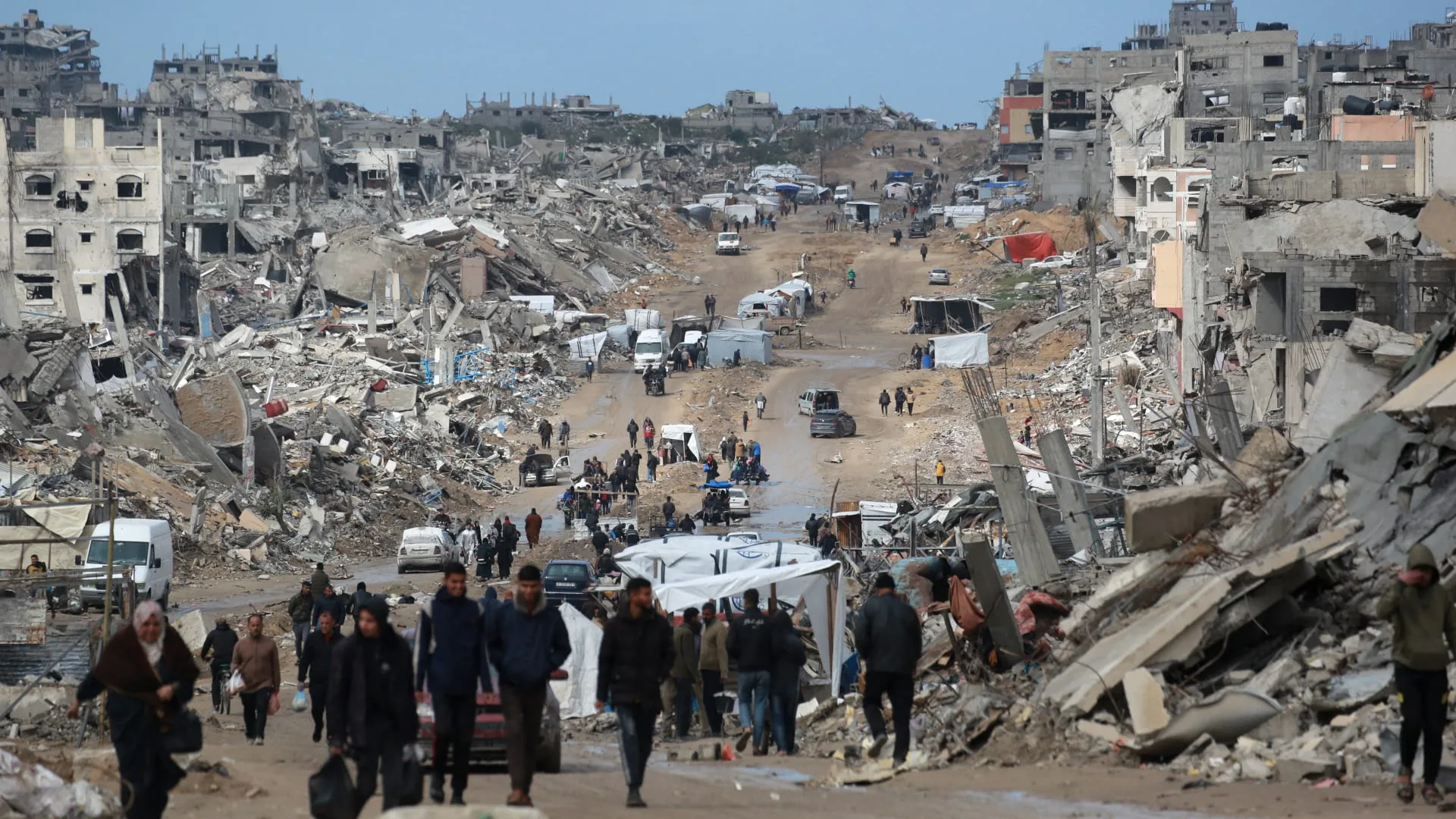
Border crossings remain largely shut, and the entry of mobile homes and shelter materials is still banned. As a result, hundreds of thousands of displaced people continue to live in tents. Meanwhile, the Israeli military has launched arrest campaigns inside Gaza, detaining 50 Palestinians from areas far removed from any combat zones.

For Gazans, the ceasefire has amounted to little more than a fragile facade. While fighting has officially stopped, daily bombardments, hunger, and siege tactics persist.

A Bloody January

In recent weeks, Israeli violations have escalated dramatically. On January 31, 2026, the Strip witnessed one of the deadliest nights in recent memory.

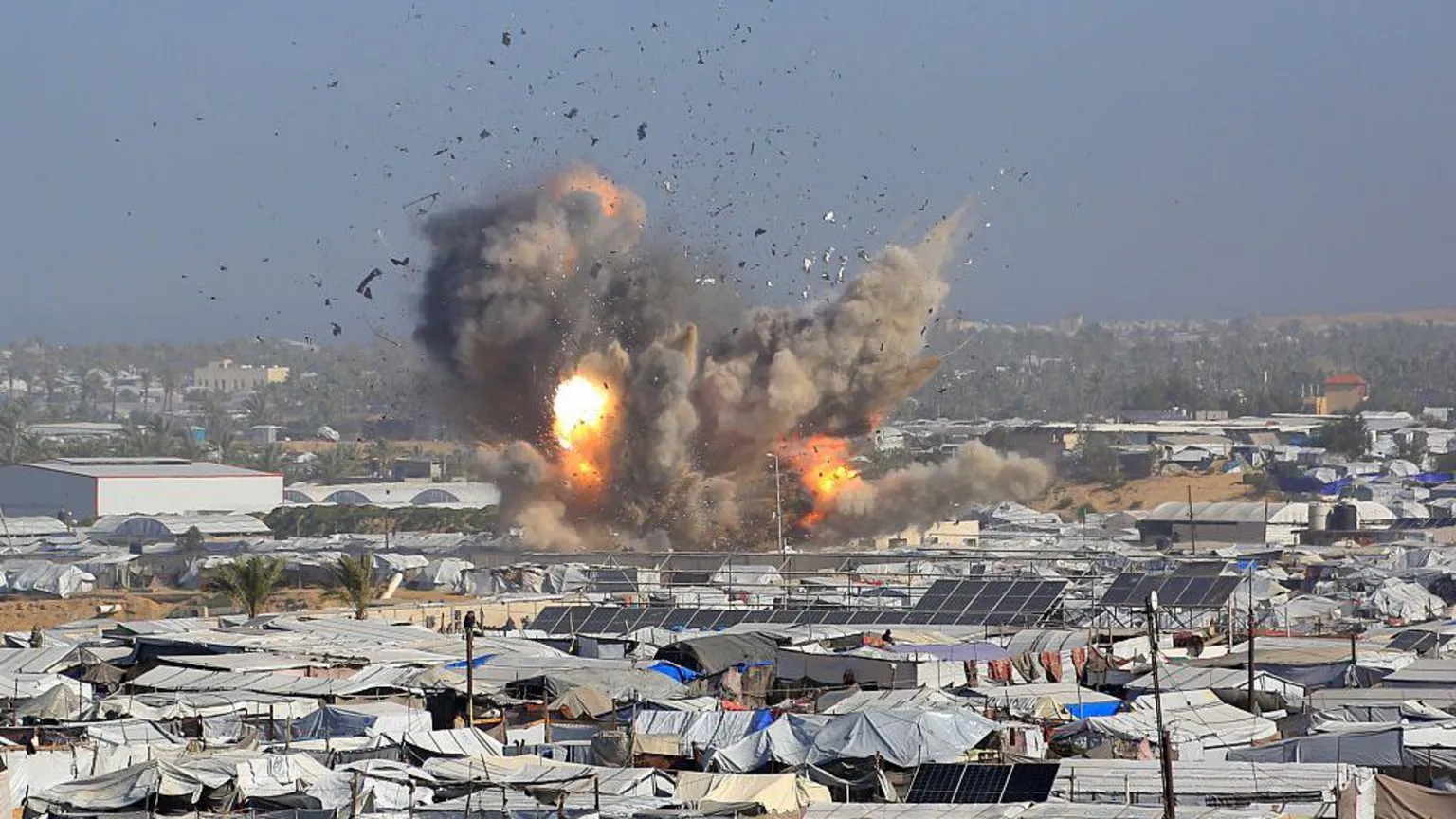
At dawn, Israeli fighter jets bombed a temporary refugee camp in the Asdaa area of Khan Younis, killing seven members of a single family a man, his three children, and three young grandchildren while they slept in a tent.
نون بوست

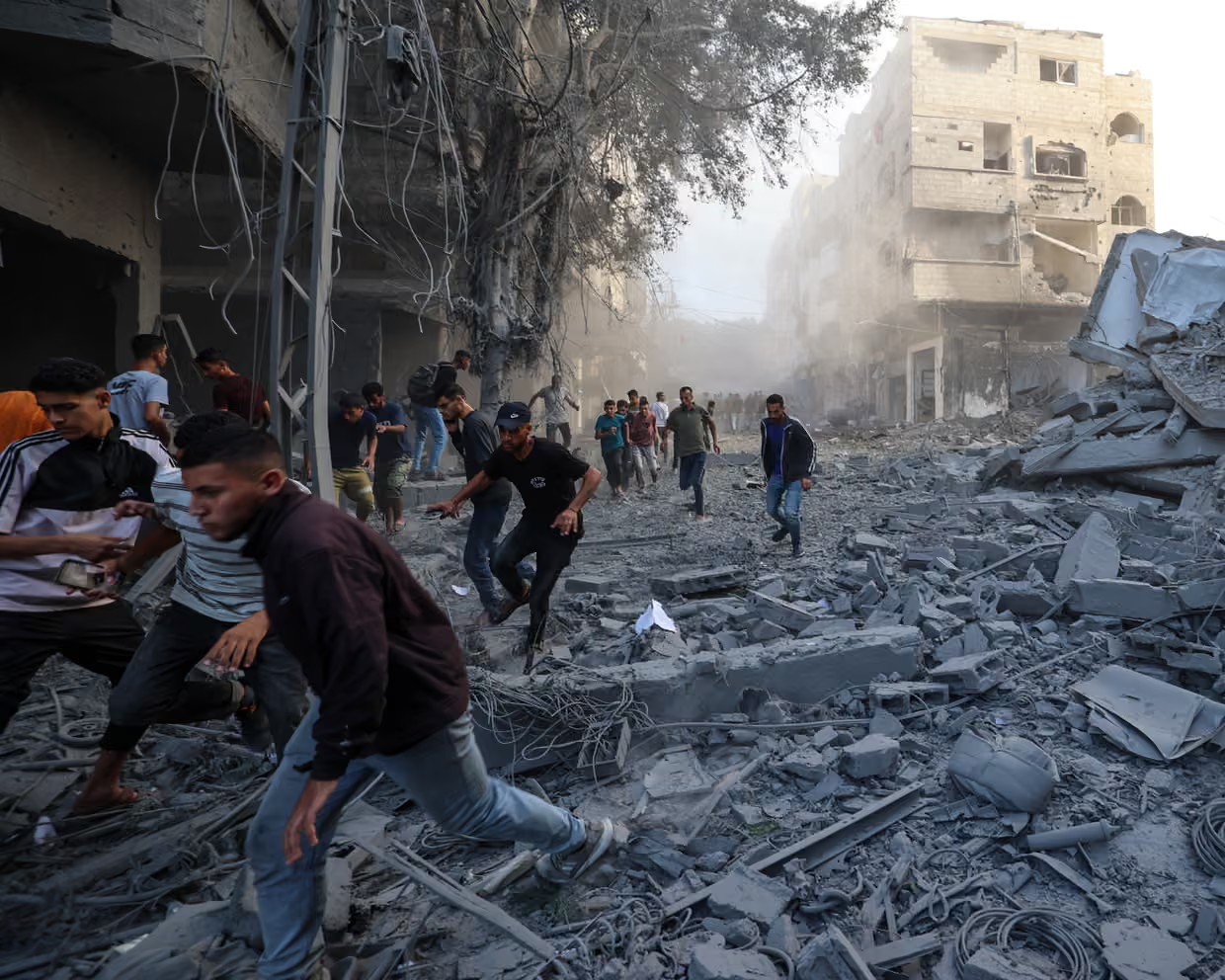
That same day, an Israeli strike on a crowded apartment in Gaza City’s Al-Rimal neighborhood killed five Palestinians, including two women and three children. Another strike leveled the Sheikh Radwan police station in northern Gaza, leaving at least 13 dead and dozens injured.

In total, the night’s death toll reached 31, including six children and three women all in just 24 hours sending shockwaves through Gaza and intensifying calls for international intervention.

Ceasefire on the Brink

Each time Israel intensifies its attacks, it claims to be responding to violations by Palestinian resistance groups. Hamas has categorically denied these accusations, calling them “false pretenses and lies” used to justify continued aggression.

The movement maintains that Israel has been systematically violating the agreement by committing daily crimes against civilians, most of them in supposedly safe areas.

Eyewitness accounts and independent reports support this claim. Ambulance and civil defense crews routinely document indiscriminate strikes on homes and shelters, with no sign of fighters present.

Israel’s narrative about “responding” to Hamas violations thus appears to be little more than a public relations cover for its new strategy. In practice, the ceasefire is being repeatedly breached by one side: the Israeli military.

This raises a crucial question: Will the Lebanese model take root in Gaza, or will it lead to the collapse of the ceasefire?

So far, both sides have refrained from officially declaring the truce dead. According to Yedioth Ahronoth, Hamas and other factions have abided strictly by the ceasefire despite the mounting casualties. Meanwhile, Israel continues its aerial assaults and daily violations. Yet this fragile balance may not last.

Israeli officials themselves admit the situation amounts to a “tenuous ceasefire.” The ongoing civilian toll is placing immense pressure on Hamas, creating a dangerous equation. The movement has warned that its patience is not limitless and that the sustained Israeli violations threaten to unravel the deal entirely.

Hamas leader in Gaza, Khalil al-Hayya, has held urgent talks with regional and international mediators, delivering a clear message: “The guarantors must rein in the Israeli occupation immediately, or the situation could spiral out of control.”

Palestinian factions collectively hold Israel fully responsible for any breakdown of the truce, warning that continued bloodshed could provoke a broader and more intense return to armed confrontation.

Even within Tel Aviv, doubts are growing about the sustainability of this approach. Some analysts caution that Gaza is far more complex than Lebanon, and that transplanting the “Lebanese model” could prove disastrous. Despite the sustained strikes, Hamas still retains underground military capabilities.

In recent days, Israel has ramped up its rhetoric and announced emergency plans for a potential return to full-scale war should diplomatic efforts to demilitarize Hamas fail.

According to Yedioth Ahronoth, these plans include a lightning ground assault “more brutal than previous ones,” followed by forced evacuations, systematic clearing of weapons and tunnels, and tightly controlled reentry of residents through inspection checkpoints.

While the “Lebanese model” may offer Israeli leaders a short-term illusion of control, it risks imperiling the ceasefire’s future. If the bombings persist, Hamas may feel compelled to revise the rules of engagement raising the specter of renewed and potentially wider conflict.

Download this article as PDF
Share this Article
Facebook Twitter Whatsapp Whatsapp Telegram Email Copy Link
فريق التحرير
By فريق التحرير تقارير يعدها فريق تحرير نون بوست.
Follow:
Previous Article نون بوست Forced Labor, Ransom, and Terror: Why Is the Rapid Support Forces Abducting Children?
Next Article نون بوست Washington and Tehran: Approaching the Moment of Reckoning

Read More

  • U.S. Regime‑Change Policies: Why They Are Destined to Fail U.S. Regime‑Change Policies: Why They Are Destined to Fail
  • The Gulf’s Balancing Act: Iran, Israel, and Hidden Links
  • Iraq–Turkey Oil Export Treaty: Why Did Ankara Cancel It After 52 Years?
  • Syria’s Northeast on Edge: QSD Between Ankara and Damascus
  • Has Europe Changed Its Stance on Israel… or Just Its Language?
part of the design
NoonPost Weekly Newsletter

You May Also Like

U.S. Regime‑Change Policies: Why They Are Destined to Fail

U.S. Regime‑Change Policies: Why They Are Destined to Fail

إسراء سيد Esraa sayed 8 April ,2026
The Gulf’s Balancing Act: Iran, Israel, and Hidden Links

The Gulf’s Balancing Act: Iran, Israel, and Hidden Links

فريق التحرير Noon Post 8 April ,2026
Iraq–Turkey Oil Export Treaty: Why Did Ankara Cancel It After 52 Years?

Iraq–Turkey Oil Export Treaty: Why Did Ankara Cancel It After 52 Years?

فريق التحرير Noon Post 8 April ,2026

أسرار الإصدار الأخير لداعش “عام على الفتح”

أحمد الملاح
أحمد الملاح Published 13 June ,2015
Share
11154223_am-alajfateh

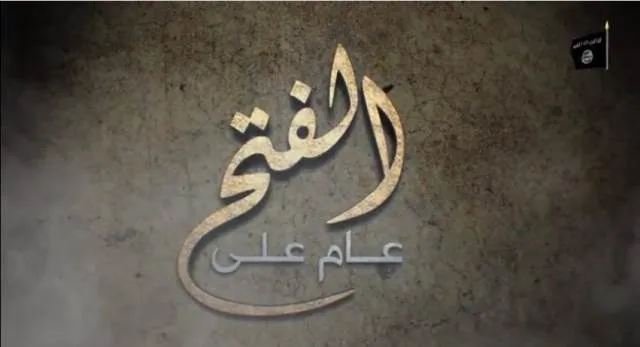
ظهر الإصدار الأخير لإعلام ولاية نينوى التابع لتنظيم الدولة “داعش” في ذكرى سقوط الموصل بيد التنظيم تحت شعار “عام على الفتح”، هذا الإصدار الذي يتكلم عن قصة دخول التنظيم للموصل كان طبيعيًا من الظاهر لكنه حمل أسرارًا كبيرة بين ثنياه، 29 دقيقة تفحصناها بعناية لنخرج أسرار هذا الإصدار لنضع تحليلاً لما يطرحه التنظيم في أبرز إصداراته.

احتفال دون محتفلين

نون بوست

على غير المتوقع ظهر الإصدار دون مشاهد احتفالية أو استعراضية في مدينة الموصل، فقد مرت الـ 29 دقيقة دون صور لاحتفالات أو استعراضات في الذكرى السنوية لما أسماه التنظيم “الفتح” وهذا يدل على  أمور رئيسة وهي:

عدم قدرة التنظيم على حشد جموع من الناس لتنظيم احتفالات حقيقية تظهر حجم التعاطف، وهذا دليل على انحصار شعبية التنظيم بشكل كبير جدًا عن بداية دخوله للمدينة بعد أن كشر الليث عن أنيابه فيها وتوضح الأمر بشكل كبير للناس الذي حاول مسايرتهم في الأسابيع الأولى لدخوله المدينة، ولكن العام الماضي كان كفيلاً بطرد أي فكرة لمساندة التنظيم من رؤوس أهالي المدينة.

الأمر الثاني والأكثر أهمية هو الخوف الحقيقي من استهداف أي استعراض عسكري، حيث كان من المتوقع أن قوات التحالف أو القوات العراقية تنتظر هذا الأمر الذي يعد فرصة إعلامية كبيرة في حالة استهداف استعراض لداعش في احتفالهم بسنتهم الأولى التي يسيطرون فيها على ثاني أكبر مدن العراق؛ الأمر الذي دفع التنظيم لعدم الظهور للشارع مكشوفين أمام سلاح التحالف الجوي.

نحن من يمثل السنة في العراق

نون بوست

منذ لحظته الأولى وحتى نهاية دقائق الإصدار ركز التنظيم على إبراز نفسه أنه ممثل السنة الحقيقي وهو المدافع عن حقوقهم، فظهر في الدقائق الأولى صور لما أسماهم بأذناب الرافضة المرتدين، وركز على ثلاث شخصيات وهم (طارق الهاشمي، أثيل النجيفي، عبد الله الياور) الأمر الذي جعل التنظيم يعترف ضمنيًا أن هؤلاء هم منافسوه على تمثيل الساحة السنية؛ مما دفعه بشكل أو بآخر لاستهداف تلك الشخصيات واستمر التنظيم إلى دقائقه الأخيرة ليقول المعلق إن الأنبار ونينوى وكركوك وديالى وشمال وجنوب بغداد والبصرة هي مناطق التنظيم وهي مناطق تواجد السنة في العراق ليؤكد للمتابع أنه من يمثل سنة العراق وهذا ما يريده فعلاً الطائفيون المتطرفون من كل الأطراف.

النخر من الداخل: طريق التنظيم إلى بغداد

نون بوست

دقائق الإصدار الخامسةالى الثامنة تحتوي على عدد من العمليات التي قام بها التنظيم قبل دخوله المدينة من تفجير واغتيال كان أغلبها في داخل الأحياء السكنية في الموصل وعلى أفراد من شرطة المرور غير العسكريين المنظمين لحركة السيارات في المدينة، الأمر الذي يجعل الجميع يفكر أن القتل لم يكن يطال جهة محددة وإنما كان يصل للجميع بغرض زعزعة أمن المدينة ومنع سير الحياة فيها بشكل طبيعي وهذا يخالف ما يحاول تصديره أنه يقاتل الجيش الصفوي فهل هي هفوة إعلامية أم رسالة أن الجميع مستهدف عسكري أو مدني فقط لأنه لا ينسجم مع التنظيم بالتوجه، إن هذا الأمر يدل أيضًا أن طريقة التنظيم تعمل على ضرب المدن من الداخل ثم محاولة اقتحامها من الخارج بعد أن تنتهي قواها وهو مشهد يحاول تصديره إلى بغداد بالتحديد وهذا ماغرد به اليوم عدد من حسابات الفيس بوك القريبة من التنظيم.

اعتراف التنظيم أن الموصل سلمت له

نون بوست

في الدقيقة السابعة للإصدار يذكر المعلق “لم يكن في البال أن التقدم سيكون أكبر بكثير مما خطط له”، وهذا يعزز القول إن المدينة سُلِمت للتنظيم على طبق من ذهب فلا يعقل أن بين 300 إلى 400 مقاتل، كما ذكر المعلق “أكثر من عدد المسلمين يوم بدر بقليل” استطاعوا إسقاط ثاني أكبر مدن العراق التي تحتوي على تشكيلات من الجيش العراقي وقوات سوات والشرطة المحلية وشرطة الأفواج والشرطة الوطنية التي يصل تعدادها لعشرات الألوف.

ليستمر الإصدار بعرض ما يسميه “غزوة أبو عبد الرحمن البيلاوي” أو معركة تحرير الموصل ويظهر وهو يتحرك في صحراء الجزيرة وهو بكامل عدته وعتاده دون أن يعترضهم أحد، حتى يدخلوا أطراف المدينة، تظهر المعارك كمسرحية هزيلة عبارة عن اشتباك من طرف واحد عقبه تفجير انتحاري قرب فندق الموصل لينسحب الجيش ويترك معداته وآلياته بطريقة غريبة جدًا وهذا ما يبين أن الإصدار لم يكن في نهايته صور لقتلاه التي ظهرت في بقية الإصدارات للتنظيم، إضافة لكون مقاتلوه كانوا يقومون برمي الأرتال دون رد من قِبل تلك الأرتال على المقاتلين، فقط انسحاب دون قتال!

وقود داعش والقنبلة الموقوته في المجتمع

نون بوست

يظهر الإصدار تأثر الأطفال والصبية في التنظيم منذ اللحظة الأولى لدخوله وحتى اللحظة الأخيرة؛ فنشاهد أن الخطاب العاطفي التحريضي اللحظي الذي استخدمه التنظيم في تجيشه للناس استقطب الأطفال والفتيان من أصحاب العواطف ولم يستطع استقطاب الرجال والشيوخ لوجود الحكمة والنظر في العواقب، يظهر المشهد الأول عند بداية اقتحام المدينة عدد من الصبيان يرحبون بمقاتلين التنظيم ولعل أبرز ما دفع هؤلاء الصبيان هو الإعلام المسبق أنهم مقاتلون لأجل الدين وحماية الناس ومساعدة بطش الجيش والتهميش لزرع هذا الأمر بشكل أكبر، نشاهد أحد الأطفال يقبل رأس أحد المقاتلين بينما يقف أحد الرجال بعيدًا لا يقترب.

لحظة ثانية في الدقيقة الـ 22 يظهر الأطفال حماسهم في الصراخ لتشجيع أرتال التنظيم في استعراض عسكري بينما لا يوجد للرجال والشيوخ وجود في ذلك المشهد.

يتكرر المشهد في خطبة في أحد المساجد جمع من الأطفال بخطيب من التنظيم ويختفي أيضًا الرجال والشيوخ.

لحظة أخيرة تختزل المشهد؛ مقاتلو التنظيم يسوقون آمر فوج شرطة طوارئ نينوى وهو بلباسه المدني بعد أن تم تأمينه أن التنظيم قبل توبته وأنه لن يُقتل ليأتي أحد الأطفال فيسبه ويتوعده أن الدولة الاسلامية ستقوم بقتله ليقوم أحد أفراد التنظيم بتنفيذ ما توعد به الطفل؛ فيطلق مجموعة من الرصاصات تودي بآمر الفوج قتيلاً أمام عيون مجموعة من الأطفال بينه المتوعد لعيسى.

هذا التحشيد والتدريب والاستقطاب الذي يحدث لعدد غير قليل من الأطفال سيجعلهم قنبلة موقوته للجيل القادم والمستقبل، أكاد أجزم أنها ستحرق ليس فقط الأراضي التي تحت حكم التنظيم اليوم ولكن ستمتد إلى أكثر من ذلك بكثير.

الاعتراف بمقتل والي الموصل

نون بوست

أبو ليث الأنصاري صاحب الصورة الشهيرة في استعراض التنظيم في يوم 11 يونيو في الموصل وهو يمتطي حصان ويضع علم التنظيم خلف ظهره ويقود الرتل المستعرض، لم يذكر التنظيم أنه والي الموصل فقط كتب في الصور “أبو ليث الأنصادي تقبله الله” وهي دلالة على مقتله، أفادت مصادر أن أبي ليث قُتل في الأشهر الثلاثة الأولى من دخول التنظيم للموصل بقصف استهدف موكبه ولم ينف أو يؤكد التنظيم هذا إلى أن ظهر اليوم تأكيد الأمر من خلال هذا الإصدار.

نحن دولة ولسنا تنظيم

نون بوست

يحاول التنظيم إظهار نفسه أنه دولة حقيقية لديها مؤسسات وتعمل على البناء والتطوير؛ فيظهر آليات لوضع مناهج للمدراس والكليات وتعمر وتخطط محاولاً القفز على الحقائق أنه خلال عام لم يقم غير بتفجير المساجد التاريخية والكنائس والمتاحف وحرق المكتبات والمخطوطات وقطع الأطراف والرؤوس، وأن عمليات كنس الشوارع وصبغ الدوائر باللون الأسود أو بناء مسجد صغير في وسط المدينة لن يجعل التنظيم دولة، فماتزال رواتب الموظفين تصل من بغداد ولم يستطع التنظيم حتى توفير الأدوية والمستلزمات العاجلة والمواد الغذائية للناس ناهيك عن بناء المشاريع الحقيقية وتسيير أعمال الناس، فما تزال إحدى أبرز جامعات العراق متوقفة بسبب سيطرة التنظيم على المدينة، ومايزال مليون ونصف نازح من أهالي المحافظة خارج المدينة؛ كل هذه الامور حاول التنظيم القفز عليها في إصداره متجاهلاً كل تلك الحقائق.

هذا أبرز ما ظهر خلال الإصدار الذي اختزل التنظيم احتفالات عام على دخوله الموصل والسيطرة عليها ليكون بمثابة بديل إلكتروني عن التواجد على الأرض.

TAGGED: أمريكا تقصف داعش ، إعلام داعش ، الانحرافات الفكرية لداعش ، الدولة الإسلامية في العراق والشام ، سقوط الموصل
TAGGED: داعش
Download this article as PDF
Share this Article
Facebook Twitter Whatsapp Whatsapp Telegram Email Copy Link
أحمد الملاح
By أحمد الملاح كاتب وباحث عراقي، دكتوراه في تاريخ القانون، محرر أول في نون بوست
Follow:
Next Article نون بوست The Stigma of “ISIS”: A Heavy Legacy Haunting Women and Children of Former Members

Read More

  • U.S. Regime‑Change Policies: Why They Are Destined to Fail U.S. Regime‑Change Policies: Why They Are Destined to Fail
  • The Gulf’s Balancing Act: Iran, Israel, and Hidden Links
  • Iraq–Turkey Oil Export Treaty: Why Did Ankara Cancel It After 52 Years?
  • Syria’s Northeast on Edge: QSD Between Ankara and Damascus
  • Has Europe Changed Its Stance on Israel… or Just Its Language?
part of the design
NoonPost Weekly Newsletter
dark

An independent media platform founded in 2013, rooted in slow journalism, producing in-depth reports, analysis, and multimedia content to offer deeper perspectives on the news, led by a diverse young team from several Arab countries.

  • Politics
  • Society
  • Rights & Liberties
  • Opinions
  • History
  • Sports
  • Education
  • Technology
  • Economy
  • Media
  • Arts & Literature
  • Entrepreneurship
  • Travel
  • Cinema & Drama
  • Food
  • Health
  • Culture
  • Latest Reports
  • Files
  • Long Reads
  • Interviews
  • Podcast
  • Interactive
  • Encyclopedia
  • In Pictures
  • About Us
  • Our Writers
  • Write for Us
  • Editorial Policy
  • Advanced Search
Some rights reserved under a Creative Commons license

Removed from favorites

Undo
Go to mobile version