






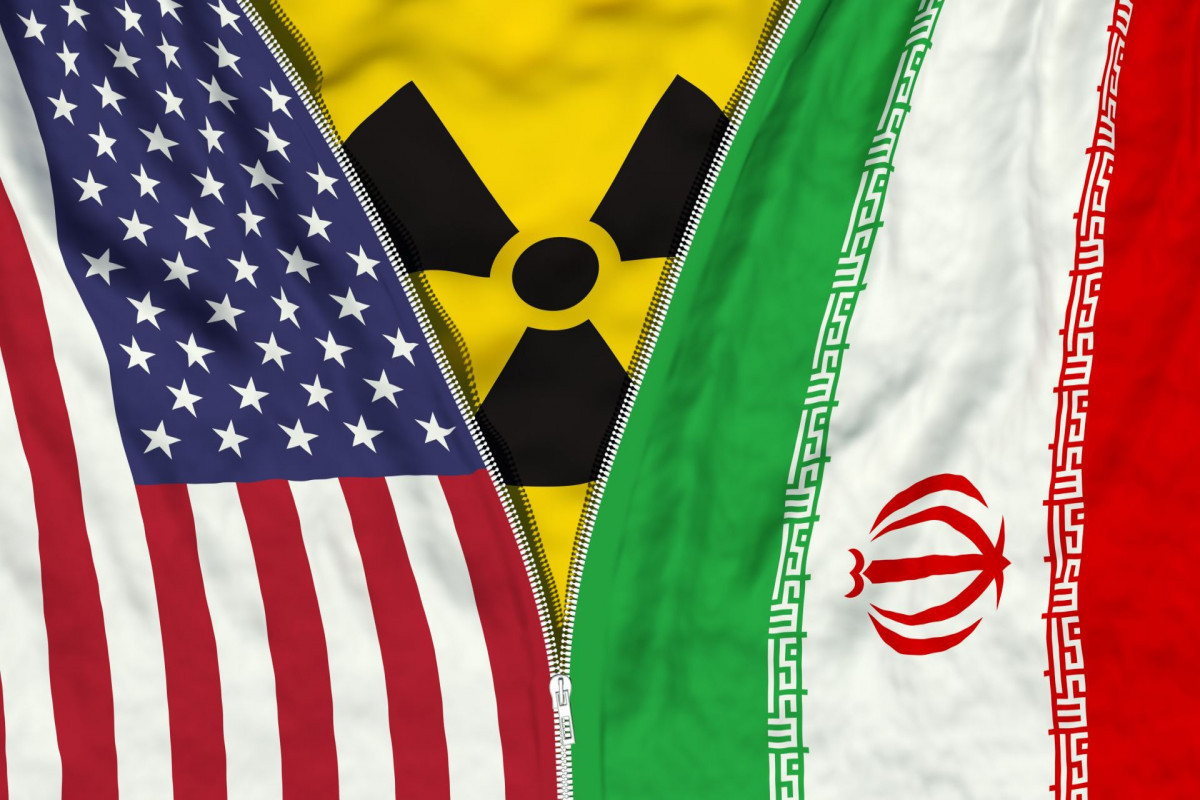
The relationship between Iran and the United States has transcended the bounds of chronic tension, evolving into a precarious standoff that can no longer be managed through traditional containment or indirect diplomacy. The current landscape signals that both parties are nearing a critical juncture one where maneuvering space is shrinking in favor of sharper, risk-laden choices, with consequences that could prove perilous.
At the heart of this confrontation lies a zero-sum logic: a contest where compromise is seen as weakness, and only one side can emerge dominant while the other pays a potentially existential price.
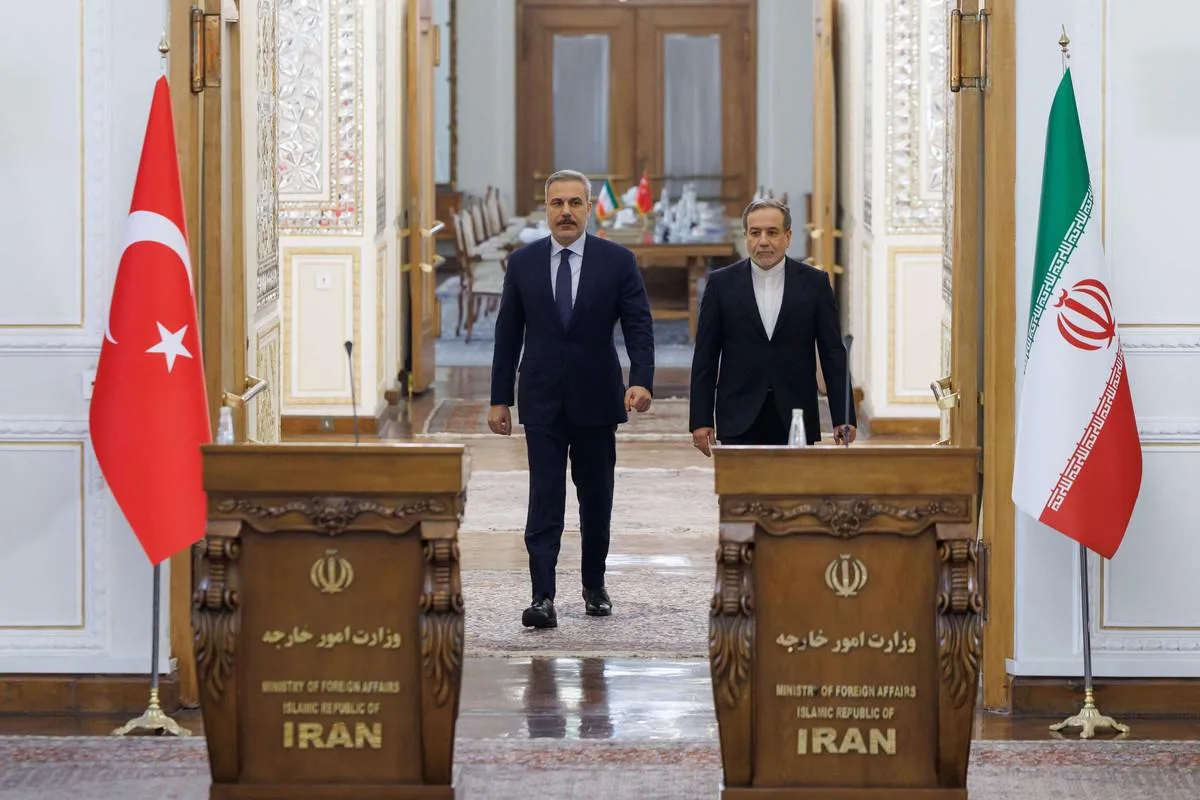
Despite ongoing Turkish diplomatic efforts, they appear to serve more as a temporary balm than a reflection of any real progress toward resolution. The core danger lies in the fact that this standoff is no longer confined to a single issue or theater.
Instead, it has morphed into a tangled web of military, economic, political, and domestic pressures. The deeper this entanglement becomes, the harder it is to isolate individual escalation paths, increasing the risk of accidental descent into direct conflict.
A Zero-Sum Game
US-Iran relations are now governed by mutual suspicion and a deep structural mistrust. Washington views Tehran as a disruptive force bent on undermining the regional order and threatening its allies, while Iran sees the US as a hostile power working systematically to weaken or even topple the Islamic Republic.
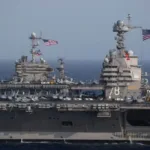
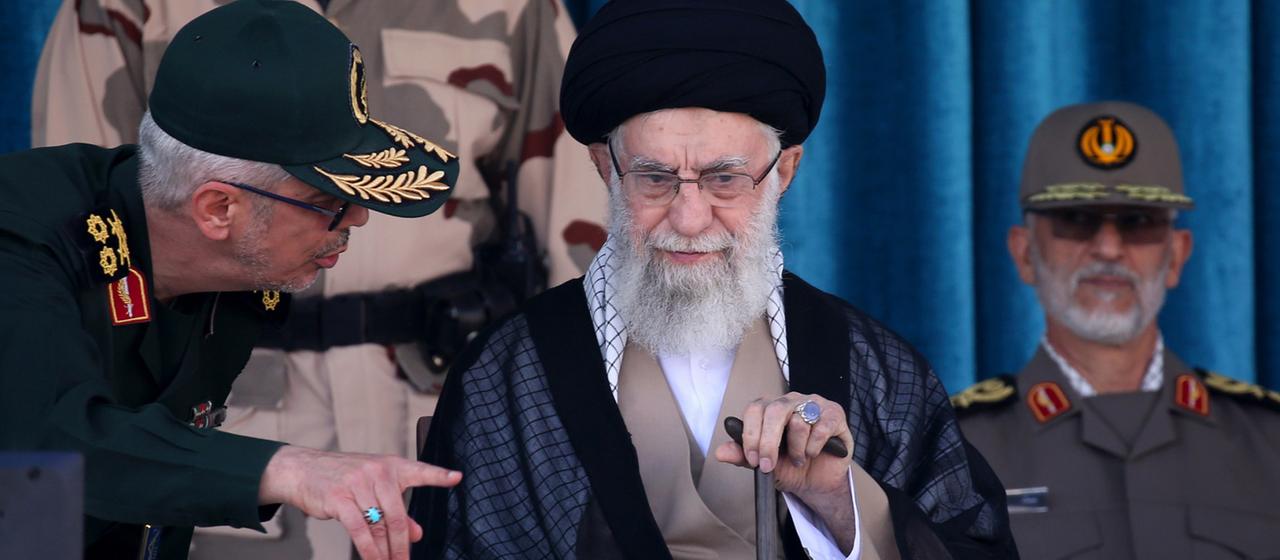
In this environment, concessions carry domestic strategic risks. Iran’s leadership fears that any retreat may be interpreted as weakness an idea recently reinforced by Supreme Leader Ali Khamenei in a public address at Imam Khomeini Hosseiniyeh in Tehran, where he dismissed concerns over US military deployments in the region and pledged a forceful Iranian response to any American aggression.
On the other side, the Biden administration fears that unconditional engagement would only embolden Iran’s regional ambitions. Mutual benefit has all but vanished, replaced by short-term calculations and the prioritization of dominance over lasting stability.
Iran now frames its current escalation as part of a broader strategic narrative: not a series of isolated crises but a multi-front existential struggle. From US pressure to domestic protests and regional turmoil, Tehran sees a unified threat targeting the regime’s survival.
This fusion of internal and external challenges is more than rhetorical it is embedded in policymaking. Iranian leaders view external compromise as a potential spark for domestic unrest. Thus, hardline foreign policy becomes a tool to preserve internal cohesion, even at the cost of deepening international isolation.
The Conflict as an Existential Test
The Supreme Leader plays a central role in shaping this worldview. For him, the conflict with the United States is not just a political or security dispute, but a litmus test for the future of Iran’s ideological project. Accordingly, red lines are drawn lines that cannot be crossed without endangering the regime’s legitimacy.
This makes political compromise highly sensitive. Conceding on ideological pillars could be perceived as the beginning of an irreversible decline. In this view, enduring severe economic or military costs is seen as less dangerous than making concessions that might erode the system’s foundations.
Iran isn’t aiming for decisive victory as much as it is demonstrating endurance. Withstanding pressure is a badge of honor—proof of defiance and the ability to thwart enemy goals. This rationale provides political and psychological space for brinkmanship, rooted in the belief that the United States is unwilling to bear the cost of full-scale war.
This belief is reinforced by past experiences showing that Washington, despite its superior military capabilities, often avoids direct long-term engagements especially in the Middle East. The defining feature of Iran’s strategy today is this paradox of weakness and rigidity: the more its options narrow, the more uncompromising its posture becomes.
Statements from Iranian military and political leaders underscore this approach. They see retreat as more dangerous than escalation. This logic drives Iran’s preference for asymmetric tools and calculated risk-taking, seeking to prevent adversaries from dictating new terms or exploiting vulnerabilities.
US Calculations and the Limits of Power
The United States faces a multifaceted strategic dilemma one that goes beyond how to handle Iran as a regional adversary. On one hand, it aims to contain Tehran’s influence and prevent the development of capabilities that pose a direct threat to US and allied interests. On the other, it wants to avoid a large-scale war that could carry outsized political, military, and economic costs.
This dilemma reflects the current limits of American power. Despite its military dominance, the US no longer enjoys the strategic freedom it once did. Fatigue from protracted Middle East wars and emerging global challenges especially in Asia and Europe—have imposed a more cautious calculus in Washington. Military action is now seen as a costly gamble rather than a default instrument of policy.
As a result, Washington has adopted a strategy of pressure without resolution, employing economic sanctions, military presence, and diplomatic coercion. While partially effective, this approach creates a dangerous gray zone between deterrence and escalation. In the absence of mutually understood red lines, the risk of miscalculation remains high from both sides.
Complicating matters further is the proliferation of actors and arenas involved. This is not a bilateral conflict but a sprawling confrontation that spans the Gulf, Iraq, the Red Sea, and other flashpoints. This dispersion makes it harder for the US to manage escalation dynamics, as a minor incident in one theater could rapidly spiral into a broader crisis.
Additionally, Washington faces the challenge of maintaining credible deterrence without triggering war. Excessive restraint may be read in Tehran as weakness, while a forceful response could unleash an escalation spiral. Between these narrow options, US policy is left threading a needle: signaling strength without committing to full-scale confrontation.
Ultimately, American calculations reflect the limits—not the absence—of power. The US can inflict significant harm on Iran, but it cannot fully control the aftermath. It remains caught in a delicate equation: deterrence without resolution, pressure without guarantees, and risk management in lieu of a viable solution.
The Absence of a Negotiating Horizon
Further complicating the situation is the lack of a clear and sustainable diplomatic pathway. Mutual distrust and domestic political constraints in both countries render any meaningful diplomatic initiative vulnerable to breakdown. In the absence of a political horizon, escalation becomes the default, not the exception.
There are some faint signals of a new round of negotiations under Turkish auspices, but expectations for a breakthrough are low. At best, they may yield one of three outcomes: first, the continuation of a fragile balance, where both sides exchange pressure without tipping into direct confrontation, relying increasingly on mutual deterrence.
Second, accidental escalation triggered by a misread signal or localized clash. Or third, a limited and temporary political settlement that freezes, but doesn’t resolve, the conflict always one crisis away from collapse.
In the end, the current US-Iran confrontation is governed by a zero-sum equation that leaves little room for compromise. Both sides are more focused on avoiding catastrophic defeat than achieving decisive victory. Without a fundamental shift in perceptions, the conflict will remain open-ended, with high costs and elusive stability.


