NoonPost NoonPost

NoonPost

  • Home
  • Politics
  • Economy
  • Society
  • Culture
  • Files
  • Long Reads
  • Podcast
AR
Notification Show More
نون بوست
“There Are Nights I Can’t Close My Eyes”: How Gazans Are Living in Homes on the Brink of Collapse
نون بوست
From al-Jolani to Ahmad al-Shara: The Evolution of Syria’s New Leader
نون بوست
When Political Islam Receded in Egypt: Who Filled the Void?
نون بوست
An Extension of Genocide: Gaza’s Detainees Speak Out
نون بوست
A Tightrope Between Survival and Sovereignty: The Syrian Government Faces Normalization Pressures
نون بوست
American Aircraft Carriers: Has the Era of “100,000 Tons of Diplomacy” Ended?
نون بوست
U.S. Regime‑Change Policies: Why They Are Destined to Fail
نون بوست
Transformations of Israeli Judaism: Between the Victim Complex and the Colonizer’s Doctrine
نون بوست
The Gulf’s Balancing Act: Iran, Israel, and Hidden Links
نون بوست
Iraq–Turkey Oil Export Treaty: Why Did Ankara Cancel It After 52 Years?
نون بوست
Syria’s Northeast on Edge: QSD Between Ankara and Damascus
نون بوست
Has Europe Changed Its Stance on Israel… or Just Its Language?
NoonPost NoonPost
AR
Notification Show More
نون بوست
“There Are Nights I Can’t Close My Eyes”: How Gazans Are Living in Homes on the Brink of Collapse
نون بوست
From al-Jolani to Ahmad al-Shara: The Evolution of Syria’s New Leader
نون بوست
When Political Islam Receded in Egypt: Who Filled the Void?
نون بوست
An Extension of Genocide: Gaza’s Detainees Speak Out
نون بوست
A Tightrope Between Survival and Sovereignty: The Syrian Government Faces Normalization Pressures
نون بوست
American Aircraft Carriers: Has the Era of “100,000 Tons of Diplomacy” Ended?
نون بوست
U.S. Regime‑Change Policies: Why They Are Destined to Fail
نون بوست
Transformations of Israeli Judaism: Between the Victim Complex and the Colonizer’s Doctrine
نون بوست
The Gulf’s Balancing Act: Iran, Israel, and Hidden Links
نون بوست
Iraq–Turkey Oil Export Treaty: Why Did Ankara Cancel It After 52 Years?
نون بوست
Syria’s Northeast on Edge: QSD Between Ankara and Damascus
نون بوست
Has Europe Changed Its Stance on Israel… or Just Its Language?
Follow US

Fragile Asylum in Egypt: A Reality No One Cares About

فريق التحرير
Noon Post Published 26 March ,2026
Share
نون بوست
نون بوست

In a Facebook post dated January 28, 2026, Sudanese citizen Nancy Amer Mullah pleaded with her country’s government to intervene and stop the mistreatment of Sudanese refugees in Egypt. She claimed to have personally witnessed fellow Sudanese being rounded up “like sheep,” handcuffed and prepared for deportation without regard for age, gender, or vulnerability.

Such a post is rare. Sudanese refugees in Egypt are virtually voiceless, and when they do speak, they are expected to show gratitude or risk being accused by nationalist groups of lying or inciting unrest. Amer’s post, which includes no photos or video evidence, could easily be dismissed as fabricated another casualty of a silenced reality.

Yet a closer look at the increasingly precarious conditions of asylum in Egypt reveals a pattern backed by government actions, particularly targeting Sudanese refugees since 2023. This intensified in 2024 with Egypt’s controversial new asylum law. Though officially framed as protective, it has worsened the refugee experience, as confirmed by developments throughout 2025.

Sudanese Refugees: Presumed Guilty

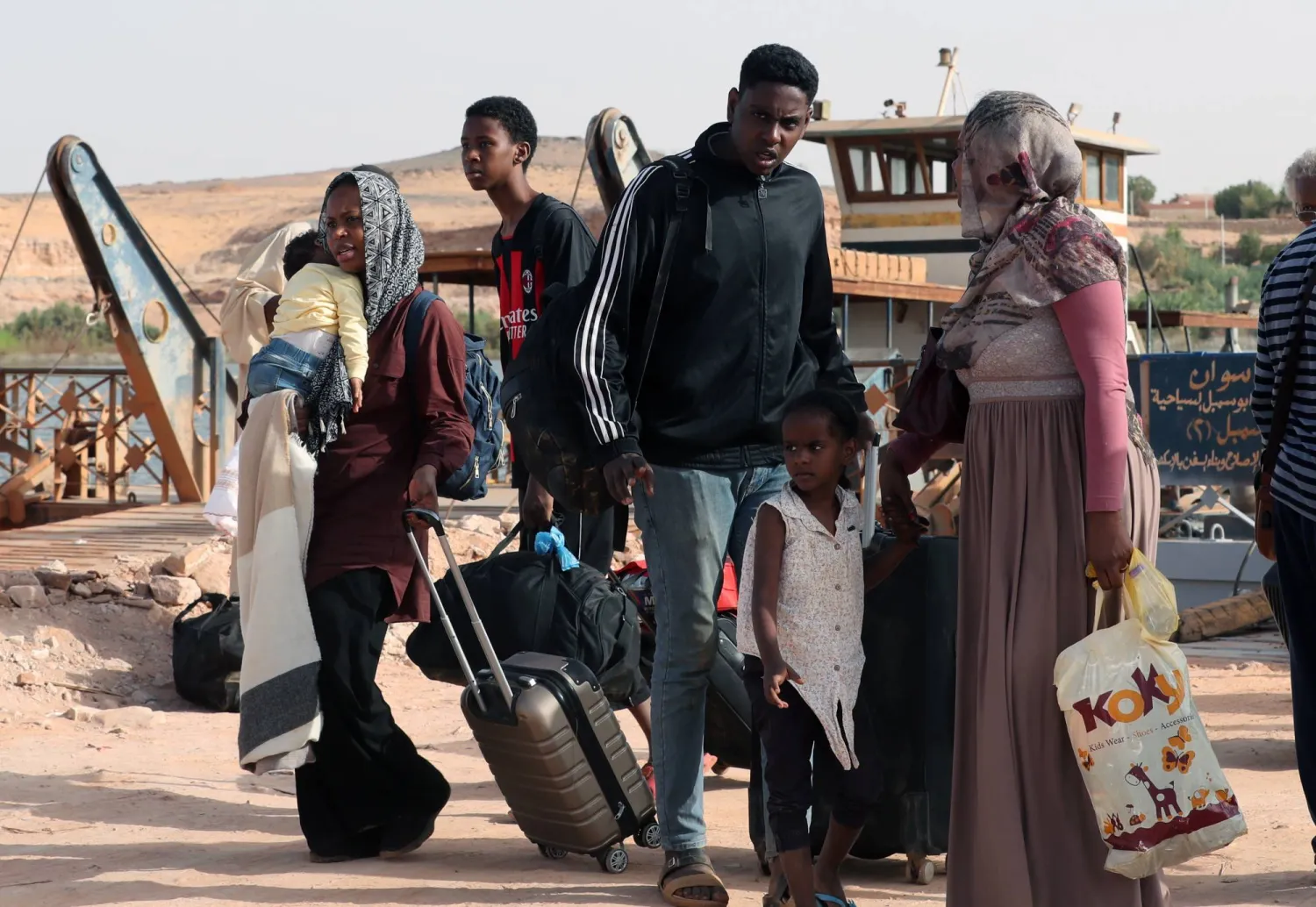
Of the 3 million Sudanese who fled war, Egypt absorbed the largest share about 1.2 million, with nearly 600,000 classified as refugees. Initially, Egypt was seen as a more hospitable destination due to shared historical and cultural ties. Neighborhoods like Sayeda Zeinab, Faisal, Maadi, and Heliopolis hosted thriving Sudanese communities.

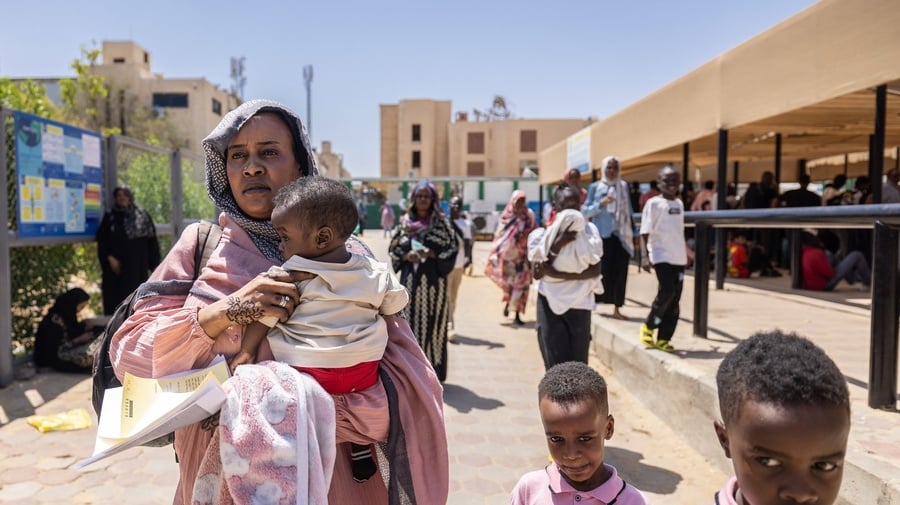
But that relative safety has deteriorated. Increasingly, refugees face a Kafkaesque bureaucratic system, legal limbo, disrupted healthcare and education, arbitrary arrests, and deportations. In Cairo and other major cities, security raids instill daily fear among Sudanese communities.
نون بوست

According to a 2024 Amnesty International letter to the Egyptian government, exact deportation figures are unclear, but over 5,000 cases were documented between April and September 2023 alone. These included individuals whose legal documents had expired or were still awaiting residency approval. In November 2023, some 1,600 Sudanese—many registered refugees—were deported.

Amnesty’s documentation of 27 Sudanese detainees, among a larger group of 260 arrested between October 2023 and March 2024, reveals that 800 people were expelled between January and March 2024.

Their report, titled “They Shackled Us Like Dangerous Criminals”, details dire conditions in Egypt’s border detention centers: overcrowded, unsanitary, and infested with rats.

Bureaucracy as a Weapon of Expulsion

By the end of 2024, Egypt had forcibly deported nearly 20,000 Sudanese, exploiting their legal vulnerability. The campaign escalated in 2025, targeting areas like Faisal, once considered a safe haven. In early 2025, more than 100 were arrested there in one sweep.

Even children were not spared: 21 minors were arrested, 42% of detainees held valid UNHCR cards, and 12% had upcoming appointments with the agency none of which protected them.

Many deportations cited a lack of valid residence permits. While this applies to all foreign nationals, Sudanese refugees face unique obstacles: severe delays in application processing, registration centers closed due to lack of funding, and appointments pushed to as late as 2029.

Moreover, even those holding valid asylum papers have had them confiscated. One 17-year-old student was stripped of his refugee card at a police checkpoint and deported days later, separated from his parents. Between January and March 2025, 54 children were forcibly removed 25 of them torn from their families.

Coerced “Voluntary” Departures

The Refugees Platform in Egypt (RPE) reported cases where refugees were forced to sign “voluntary departure” papers. In one example, four Sudanese were deported this way after their UNHCR cards were seized. Amnesty’s report describes detention centers where detainees sleep on the floor in freezing conditions without blankets or beds, consume meager food, and endure appalling sanitation.

Sudanese refugees are not the only targets. Eritreans and South Sudanese also face similar fates. One 16-year-old Eritrean girl was detained for five months without medical care and pressured into signing a voluntary exit form. A 19-year-old South Sudanese student and caregiver was deported despite being a registered refugee.

Syria’s Exiles Under Threat

Syrian refugees in Egypt—numbering over 100,000—face growing insecurity. Since the fall of Bashar al-Assad’s regime, Egypt has enforced a sweeping policy: any Syrian arrested is to be deported, regardless of legal status. This has already led to deportations, including three individuals expelled simply for celebrating Assad’s downfall.
نون بوست

After 2011, Syrians were initially allowed visa-free entry to Egypt. That changed after the 2013 ousting of President Mohamed Morsi. Further restrictions were imposed after Assad’s fall, requiring prior security clearance for all Syrian entrants, including those from the US, UK, or Schengen zone reversing earlier exemptions.

By late 2024, Egypt tied Syrian residency to rigid tracks like UN registration, study, or investment, creating what RPE described as a state of “forced legal irregularity.” This led to mass raids in Syrian-majority neighborhoods, especially in major cities.

In January 2026, several arrests were reported in Hurghada, even of registered refugees or those with upcoming permit appointments. While courts released many for lack of evidence, security services continued holding them, pressuring families to book exit flights.

Slow, Silent, Systematic

Refugee deportations in Egypt follow a distinct pattern: they are gradual, persistent, and largely ignored by media, the public, and even the refugees’ home governments. With Egypt facing economic turmoil, refugees have become scapegoats for unrelated crises, often targeted by right-wing propaganda.

This silence has pushed refugee advocacy to the margins, limited to elite circles and human rights NGOs like Amnesty International and RPE groups with little public backing. The absence of democratic mechanisms further weakens efforts to defend refugee rights, as access to data, archives, and documentation remains tightly controlled by the state.

The Egyptian government claims to host nine million refugees a number it manipulates as leverage with Europe. In contrast, the UNHCR records barely a million. Accurate deportation figures are elusive, leaving many injustices undocumented.

As researchers Neve Gordon and Nicola Perugini note in Human Rights as Domination, human rights defenders paradoxically rely on the very state they accuse of violations.

In Egypt’s case, the state plays judge and accused, undermining justice from the start. And without meaningful international pressure often blunted by EU migration deals refugees in Egypt are left to endure a bleak and uncertain future.

Download this article as PDF
Share this Article
Facebook Twitter Whatsapp Whatsapp Telegram Email Copy Link
فريق التحرير
By فريق التحرير تقارير يعدها فريق تحرير نون بوست.
Follow:
Previous Article نون بوست “Israel Exploits Palestinian Antiquities to Serve Its Settlement Agenda” An Interview with Mohammad Jaradat
Next Article نون بوست From Epstein’s Cell to the Middle East: What’s Behind the Timing of the Latest Leaks?

Read More

  • U.S. Regime‑Change Policies: Why They Are Destined to Fail U.S. Regime‑Change Policies: Why They Are Destined to Fail
  • The Gulf’s Balancing Act: Iran, Israel, and Hidden Links
  • Iraq–Turkey Oil Export Treaty: Why Did Ankara Cancel It After 52 Years?
  • Syria’s Northeast on Edge: QSD Between Ankara and Damascus
  • Has Europe Changed Its Stance on Israel… or Just Its Language?
part of the design
NoonPost Weekly Newsletter

You May Also Like

U.S. Regime‑Change Policies: Why They Are Destined to Fail

U.S. Regime‑Change Policies: Why They Are Destined to Fail

إسراء سيد Esraa sayed 8 April ,2026
The Gulf’s Balancing Act: Iran, Israel, and Hidden Links

The Gulf’s Balancing Act: Iran, Israel, and Hidden Links

فريق التحرير Noon Post 8 April ,2026
Iraq–Turkey Oil Export Treaty: Why Did Ankara Cancel It After 52 Years?

Iraq–Turkey Oil Export Treaty: Why Did Ankara Cancel It After 52 Years?

فريق التحرير Noon Post 8 April ,2026

فورين آفيرز: الأزهر غير قادر على حرب داعش

فورين آفيرز
فورين آفيرز Published 16 June ,2015
Share
hellyerbrown_islamicauthority_lead

ترجمة وتحرير نون بوست

كتب إتش إي هيلير وناثان براون:

عمل الارتفاع السريع للدولة الإسلامية أو ما يعرف بداعش، على تأجيج النقاش حول مدى إسلامية هذه المجموعة، وما إذا كان يمكن لأي سلطة دينية إسلامية أن تجابه وتواجه أيديولوجيتها المتطرفة، وحتى الآن، أسفرت الجهود الإسلامية لمحاربة أيديولوجية داعش، عن إجماع العلماء المسلمين على أنه على الرغم من أن داعش تعول على بعض المراجع الإسلامية السنية، بيد أن تفسيراتها وتطبيقها لمحتويات هذه المراجع، تقبع خارج النطاق الإسلامي المقبول.

ولكن عندما يتعلق الأمر بوجود شخصية موثوقة أو هيئة إسلامية قادرة على مواجهة داعش دينيًا، فإن الأمور تصبح أكثر تعقيدًا؛ فمن المعروف أنه لا يوجد دولة أوهيئة شاملة، مثل الكنيسة أو مجموعة من الشخصيات الدينية، تعمل على تفسير وفرض مجموعة واحدة وموحدة من التعاليم الإسلامية، كما لا وجود لمؤسسة رسمية مثل الفاتيكان أو أي جسم آخر يمثل المسلمين جميعًا.

ولكن على الرغم مما تقدم، ولعدة قرون خلت، كان المسلمون السنة ينظرون إلى مجموعات من العلماء ،على أنهم يحوزون السلطة الدينية، وغالبًا ما كان هؤلاء العلماء يجتمعون تحت لواء مؤسسات دينية معينة، والتي أصبحت بدورها مؤسسات مقبولة مجتمعيًا باعتبارها مختبر لما يمكن اعتباره أو ما لا يمكن اعتباره إسلاميًا، وإدراكًا منها للأهمية التي تلعبها هذه المؤسسات، حاولت الدول والسلطات السياسية في كثير من الأحيان ضم هذه المؤسسات الدينية أو الشخصيات الدينية تحت جناح الدولة، وحاولت التأثير عليهم في خضم هذه العملية.

هذه المؤسسات الدينية منتشرة ومشهورة في جميع أنحاء العالم الإسلامي السني، فهناك القرويون في المغرب، والقيروان في تونس، ونهضة العلماء في إندونيسيا، ودار المصطفى أو رباط تريم في محافظة حضرموت اليمنية، ولكن أيًا من هذه المؤسسات لا تضاهي الهيبة التي يتمتع بها الأزهر في مصر، وهو المجمع الإسلامي الذي أسسه الفاطميون في القاهرة منذ أكثر من ألف سنة.

السلطة التي تحوزها جميع هذه المؤسسات، وهي سلطة أخلاقية أكثر منها سياسية، ترتكز على فاعليتها لمدة قرن من الزمان لتضاهي بذلك أقرانها الأكاديميين، والنظام السائد في هذه المؤسسات قائم على الاستمرارية، ولكنه بذات الوقت مفتوح أمام تطور التطبيقات الإيمانية، ونتيجة لذلك، سمح العلماء عمومًا بمستوى معين من التعددية الإيمانية داخل هذه المؤسسات، ولكنهم بذات الوقت، حددوا المعايير التي تكون التفسيرات الصادرة عن هذه التعددية مقبولة.

ضمن الإسلام السني الكلاسيكي، هناك أربع مدارس فقهية تشريعية، وثلاثة أساليب رئيسية في النظرية الدينية، وعدد كبير من الطرق الصوفية التي تركز على جوانب الإسلام الباطني، تاريخيًا، الأزهر، الذي يتبع المذهب السني الكلاسيكي، كان تعدديًا للغاية، ليس فقط بالاعتراف باتساع المذهب السني باعتباره مذهبًا صالحًا، ولكن أيضًا فيما يدرسه، وفي القرن العشرين، كان هناك محاولة صغيرة داخل الأزهر لدمج التشيع، وإن كان ذلك في ظل ظروف معينة، وهي خطوة ربما تعتبر مستحيلة اليوم، في ظل البيئة الطائفية التي نعيشها، وفي ذات الوقت، القرويين والقيروان اعترفا بصحة مجمل التعاليم السنية، ولكنهما اقتصرا على تعليم مذهب واحد فقط، والأمر سيان أيضًا بالنسبة لنهضة العلماء ودار المصطفى.

النهج الأزهري النموذجي في الإسلام السني، يصوغ نوعًا آخر من الانفتاح، يقوم على أساس أن فهم الإسلام وتطبيقه يختلف بالضرورة باختلاف الظروف، وهذا النهج هو الذي وضع الأزهر في أسبقية الموقف السني الكلاسيكي، حيث كانت وجهة نظره العامة للممارسة الإسلامية، تعتمد على تسهيل حياة المؤمنين بدلًا من فرض المشقة، وبذات الوقت عمل الأزهر تاريخيًا، على مراجعة تفسيرات وتطبيقات الإسلام ووضعها ضمن قالب وسطي، عن طريق شخصيات دينية محترمة ومثقفة.

هذا النهج السني الكلاسيكي الموّحد الذي يتبناه الأزهر، كان يشكل قلب الحروب الثقافية السنية على مدى السنوات الـ200 الماضية، فعلى سبيل المثال، السلفي محمد بن عبد الوهاب، مؤسس المذهب الوهابي الذي انتشر في  أواخر القرن الثامن عشر، والإخوان المسلمون، مؤسسو الحركة السلفية الحداثية، والتي انتشرت في أوائل القرن المنصرم، يعتبران ردا فعل متناقضان على المذهب السني الكلاسيكي للأزهر؛ فالمذهب السلفي الوهابي يرفض النهج الموّحد، ويؤكد على القراءة الحرفية للنصوص الدينية، ويرفض قبول وجود هيئة من المفسرين المؤهلين لتفسير الدين الإسلامي، وهذا المذهب يشكك بالتفسيرات المتحررة والمرونة المفرطة داخل الأزهر ومنهاج السنة الكلاسيكي، أما السلفيون الحداثيون، فلديهم اعتراضات أخرى، تتمثل باعتبار السنية الكلاسيكية التي صاغها النهج الأزهري، ظلامية ومتخلفة، وردًا على هذين المنهجين المتناقضين، يرى أنصار المنهج الأزهري التاريخي أن الأصوليين والحداثيين يفتقرون للقراءة الصحيحة لتعقيدات التراث السني.

ولكن، عندما يتعلق الأمر بالسلطة الإسلامية والقدرة على محاربة التطرف، فإن العديد من هذه المؤسسات الدينية تعاني من الانخفاض العام في درجة الشرعية، وأحد الأمثلة على ذلك هو الأزهر؛ فعلى الرغم من أنه لا يزال يتمتع بدرجة كبيرة من الاحترام في الأوساط الدينية، بيد أنه لا يستطيع الظهور بمظهر المستقل سياسيًا، خصوصًا بين أولئك الذين يرونه ناطقًا باسم الدولة، ولم تتغير هذه النظرة، حتى عندما عمد الرئيس المصري عبد الفتاح السيسي إلى توجيه كلمة في يناير الماضي من الأزهر، يطلب فيها من العلماء الأزهريين المباشرة بثورة دينية لمكافحة التطرف.

على مدى القرن الماضي، شهدت المؤسسات التعليمية في مصر، بما في ذلك الأزهر، تضاؤلًا في استقلاليتها، واستنزافًا في مواردها، وبالتالي تدهورًا في معاييرها، حيث تم تغيير الهيكل التعليمي الأزهري بشكل هائل، ولأسباب كثيرة لم يعد الأزهر يخرّج عددًا من العلماء على مستوى عالٍ من الثقافة والرصانة، وجامعة الأزهر، التي يُنظر لها باعتبارها المدرسة الدينية السنية الأبرز، تكافح الآن من أجل الحفاظ على نهجها التاريخي في العلوم الدينية، ليس فقط بين طلابها، ولكن أيضًا بين العديد من أعضاء هيئتها التدريسية.

وعلاوة على ذلك، المنهج الأزهري لا يتم تمريره بين الأجيال بذات المستوى الجوهري والشمولي الذي كان عليه سابقًا، بل في الواقع، غالبًا ما لا يتم تدريسه على الإطلاق، مما يلقي بتداعياته الواسعة على خريجي الأزهر، كون فشل الأزهر في اتباع معايير التعليم الديني الدقيق، مكّن داعش من العثور على مجندين من بين طلاب الأزهر، رغم أن هذه المجموعة بالذات من المجتمع المصري، يفترض أن تكون في مأمن حتمي من هذا الفكر المتطرف؛ فطالب الأزهر الذي يتعاطف مع داعش، هو أكثر غرابة من طالب الجامعة الكاثوليكية البابوية الغريغورية في روما الذي يختار أن يعيش حياة واعظ بروتستانتي معمداني، ولكن هذا الواقع يمكن أن يحدث، طالما كانت المعايير التعليمية الدينية التي يتم تقديمها تعاني من نقص حاسم.

إلى جانب انخفاض المعايير التعليمية، فإن السلطة الداخلية للأزهر آخذة بالانخفاض أيضًا، فعلى الرغم من أن الأزهر لا يزال مؤسسة محترمة في أوساط كثيرة، بيد أن الكثيرين يسخرون من مزاعم تحييده سياسيًا، حتى من قِبل الأشخاص الموجودين ضمن صفوف هذه المؤسسة، والجزء الأكبر من المشكلة، يكمن في حقيقة أن الأزهر هو في الأساس جزء من الدولة المصرية، فحينما تم تأميم الأوقاف، أصبح الأزهر يعتمد ماليًا على الحكومة المصرية، وأصبح القانون المصري هو الذي يحكم هيكلته الداخلية، حتى أن شيخ الأزهر الحالي، الشيخ أحمد الطيب، تم تعيينه من قِبل الرئيس المخلوع حسني مبارك، علمًا بأن شيخ الأزهر القادم سيتم اختياره من قِبل المجلس الأعلى للعلماء وليس من قِبل رئيس الجمهورية، كما أن دعوة السيسي للثورة الدينية، قد تبدو صريحة ومنعشة لآمال استقلال الأزهر بالنسبة للبعض، ولكنها بالنسبة للبعض الآخر، بدت دعوة سلطوية مألوفة جدًا، خاصة بالنسبة لمن يعملون ضمن الأزهر ويشعرون بالامتعاض من الكيفية التي تطعن بها الدولة باستقلالية هذه المؤسسة الدينية.

بالإضافة إلى ما تقدم، يفتقر الأزهر إلى الصوت السلطوي، حيث يتم انتقاد الطيب في بعض الأحيان داخل المؤسسة، بأنه معزول أو بمنأى عن علماء الأزهر الآخرين، والأزهر في حد ذاته، أصبح إلى حد كبير أكثر تنوعًا، فالهيئة التدريسية والطلاب تضم أعضاءً من السلفيين، وأنصار الإخوان المسلمين، وذوي الرؤى الدينية الأقل صرامة، وهذا الواقع يختلف تمامًا عن الطريقة التي اعتاد الأزهر أن يكون عليها، وقد أدى هذا الواقع التعددي، إلى حدوث انقسام وتشتت أيديولوجي ما بين أعضاء هيئة التدريس؛ فمعظم أعضاء الهيئة من أصحاب المناصب العليا في الأزهر، يميلون إلى النظر للإخوان المسلمين بنظرة من التعالي والتشكك لاستخدامهم للدين لأغراض سياسية، كما أن هذا التعدد أدى إلى انقسام العلماء الأزهريين ما بين مروّج للمنهج الأزهري التقليدي، وما بين منتقد له؛ ونتيجة لذلك، الأزهر لا يتكلم بصوت واحد، حتى بمواجهة الأشخاص الذين يقبلون بسلطته.

وحتى عندما يحاول الأزهر التحدث بصوت واحد، فإنه عادة ما يحاول من خلال ذلك أن يستعرض سلطته بدون أن يطالب بها مباشرة، وهذه السلطة تتضاءل بشكل أكبر، عندما يكون الأشخاص الذين يطلقون الفتاوى، ليسوا من الفقهاء المدربين، بل من المتخصصين في المجالات الدينية الأخرى، ومع ذلك، مازال الأزهر يعتقد بأن المسلمين المصريين العاديين، يجب أن يتبعوا تفسيرات علمائهم في أمور فهم الشريعة الإسلامية، كون فهم تعقيدات الفكر الديني الإسلامي، يتطلب تدريبًا مكثفًا لا يخضع له أغلبية المسلمين.

إذن، نتيجة لتشتت الأزهر ما بين شعوره بجوهرية مهمته كقطب من أقطاب العالم السني، ورغبات القيادة السياسية في مصر، بالإضافة إلى تشتته ما بين أصواته التعددية المربكة في بعض الأحيان، ونهجه التقليدي في العلوم الدينية، أصبح الأزهر عاجزًا عن التحدث بصوت واحد يتمتع بمصداقية، وفي العالم الإسلامي اليوم، حيث يستطيع مستهلكو التعاليم الدينية الولوج إلى العديد من الخيارات الدينية، بشكل أكثر تنوعًا مما كان عليه في الماضي، تكون النتيجة هي وجود سلطة إسلامية حقيقية، ولكنها سلطة مشتتة، وهذا الانقسام، قد يُنظر إليه من جهة على أنه تعددية صحية وإثراء للدين الإسلامي، ولكنه على الجهة الأخرى، قد يكون مربكًا للمؤمنين العاديين، ومحبطًا لعلماء الدين المتخصصين.

أخيرًا، وطالما استمر التشرذم، وسوء استخدام السلطة الدينية، فإنه سيكون من الصعب الوصول إلى نتيجة تتجاوز ما تم تحقيقه الآن، والتي تتمثل بإجماع النسبة الأكبر من علماء الدين الإسلامي بأن داعش هي انحراف عن الدين القويم، وتفسيراتها متباينة – عمدًا – عن المنهج والتراث السني الكلاسيكي، ولكن بعيدًا عن داعش، ستبقى قضايا السلطة الدينية والتعليم الديني قائمة ومستمرة، ومن المرجح أن تستمر بإنتاج النشازات ما بين المسلمين السنة في المستقبل.

المصدر: فورين أفيرز

TAGGED: الأزهر ، الدولة الإسلامية في العراق والشام ، السلطة الدينية ، المؤسسات الدينية ، المسلمون السنة
TAGGED: الإسلام
Download this article as PDF
Share this Article
Facebook Twitter Whatsapp Whatsapp Telegram Email Copy Link
فورين آفيرز
By فورين آفيرز مقالات وتحليلات تُنشر في مجلة فورين أفيرز الأمريكية
Follow:
Next Article نون بوست The Stigma of “ISIS”: A Heavy Legacy Haunting Women and Children of Former Members

Read More

  • U.S. Regime‑Change Policies: Why They Are Destined to Fail U.S. Regime‑Change Policies: Why They Are Destined to Fail
  • The Gulf’s Balancing Act: Iran, Israel, and Hidden Links
  • Iraq–Turkey Oil Export Treaty: Why Did Ankara Cancel It After 52 Years?
  • Syria’s Northeast on Edge: QSD Between Ankara and Damascus
  • Has Europe Changed Its Stance on Israel… or Just Its Language?
part of the design
NoonPost Weekly Newsletter
dark

An independent media platform founded in 2013, rooted in slow journalism, producing in-depth reports, analysis, and multimedia content to offer deeper perspectives on the news, led by a diverse young team from several Arab countries.

  • Politics
  • Society
  • Rights & Liberties
  • Opinions
  • History
  • Sports
  • Education
  • Technology
  • Economy
  • Media
  • Arts & Literature
  • Entrepreneurship
  • Travel
  • Cinema & Drama
  • Food
  • Health
  • Culture
  • Latest Reports
  • Files
  • Long Reads
  • Interviews
  • Podcast
  • Interactive
  • Encyclopedia
  • In Pictures
  • About Us
  • Our Writers
  • Write for Us
  • Editorial Policy
  • Advanced Search
Some rights reserved under a Creative Commons license

Removed from favorites

Undo
Go to mobile version