NoonPost NoonPost

NoonPost

  • Home
  • Politics
  • Economy
  • Society
  • Culture
  • Files
  • Long Reads
  • Podcast
AR
Notification Show More
نون بوست
“There Are Nights I Can’t Close My Eyes”: How Gazans Are Living in Homes on the Brink of Collapse
نون بوست
From al-Jolani to Ahmad al-Shara: The Evolution of Syria’s New Leader
نون بوست
When Political Islam Receded in Egypt: Who Filled the Void?
نون بوست
An Extension of Genocide: Gaza’s Detainees Speak Out
نون بوست
A Tightrope Between Survival and Sovereignty: The Syrian Government Faces Normalization Pressures
نون بوست
American Aircraft Carriers: Has the Era of “100,000 Tons of Diplomacy” Ended?
نون بوست
U.S. Regime‑Change Policies: Why They Are Destined to Fail
نون بوست
Transformations of Israeli Judaism: Between the Victim Complex and the Colonizer’s Doctrine
نون بوست
The Gulf’s Balancing Act: Iran, Israel, and Hidden Links
نون بوست
Iraq–Turkey Oil Export Treaty: Why Did Ankara Cancel It After 52 Years?
نون بوست
Syria’s Northeast on Edge: QSD Between Ankara and Damascus
نون بوست
Has Europe Changed Its Stance on Israel… or Just Its Language?
NoonPost NoonPost
AR
Notification Show More
نون بوست
“There Are Nights I Can’t Close My Eyes”: How Gazans Are Living in Homes on the Brink of Collapse
نون بوست
From al-Jolani to Ahmad al-Shara: The Evolution of Syria’s New Leader
نون بوست
When Political Islam Receded in Egypt: Who Filled the Void?
نون بوست
An Extension of Genocide: Gaza’s Detainees Speak Out
نون بوست
A Tightrope Between Survival and Sovereignty: The Syrian Government Faces Normalization Pressures
نون بوست
American Aircraft Carriers: Has the Era of “100,000 Tons of Diplomacy” Ended?
نون بوست
U.S. Regime‑Change Policies: Why They Are Destined to Fail
نون بوست
Transformations of Israeli Judaism: Between the Victim Complex and the Colonizer’s Doctrine
نون بوست
The Gulf’s Balancing Act: Iran, Israel, and Hidden Links
نون بوست
Iraq–Turkey Oil Export Treaty: Why Did Ankara Cancel It After 52 Years?
نون بوست
Syria’s Northeast on Edge: QSD Between Ankara and Damascus
نون بوست
Has Europe Changed Its Stance on Israel… or Just Its Language?
Follow US

What Options Does the Coordination Framework Have in the Face of the U.S. Rejection of Nouri al-Maliki?

فريق التحرير
Noon Post Published 26 March ,2026
Share
نون بوست
نون بوست

As we attempt to decipher Iran’s future options in Iraq and to explore its efforts to install a trusted ally at the helm of power in preparation for what could be its final showdown with the United States Washington is preparing for that confrontation by amassing fleets and military forces in the region.

The goal: a potential strike on Iran that could seal the fate of its regime, erase its influence, and bring its regional role especially in Iraq to an end.

It is clear to all observers that developments in the region are unfolding at such a rapid pace that it is becoming increasingly difficult to construct a clear, forward-looking vision.

No one can yet ascertain what Iran truly intends to do in its confrontation with the United States and Israel, nor what plans it is weaving to preserve its last significant sphere of influence Iraq.

Will Iran lose everything with the fall of its regime? Or will it scatter the region’s political deck—especially in Iraq—in a desperate maneuver to save itself from the looming fate drawn up by Donald Trump?

An Iran-Aligned Iraqi Government Is the Need of the Hour

Since the last parliamentary elections in Iraq, many observers predicted a smooth path for Mohammed Shia’ al-Sudani to form his second government. His coalition secured the highest number of parliamentary seats, and he enjoys favor from both the U.S. and Iran a rare balancing act that allows him to skillfully accommodate the interests of both powers in Iraq.

However, as the deadline to nominate a new prime minister approached, Iran ramped up its behind-the-scenes efforts with the Shiite Coordination Framework, urging its leaders to replace al-Sudani with none other than Nouri al-Maliki. For Tehran, the priority now is preventing the collapse of its regime, and it seeks to rally all efforts toward this goal.

Iran’s fall would mean the collapse of Shiite rule in Iraq, the erosion of influence held by Shiite parties and factions, and the end of their political era.

Should the Iranian regime fall, a domino effect could quickly sweep through Baghdad. Iraq’s political system was built on Iranian support; any disruption to that foundation will shake the loyalties of Tehran’s allies within Iraq.

Indeed, Iraq’s ruling Shiite elite have already burned their bridges with nearly all actors both domestic and foreign in a display of loyalty to Iranian interests. They are acutely aware that if their regime falls, it will bring with it a reckoning: a moment of accountability long awaited by the victims of sectarian governance, backed this time by the formidable weight of the United States. Washington now sees Iraq’s ruling class and its allied militias as having crossed every red line, under Iran’s cover.

Armed Factions: Survival Hinges on a Government That Confronts the U.S.

For Iran-linked militias, the stakes are even higher. Forming a government aligned with Iran is not merely a matter of ideological loyalty it is a final opportunity to escape mounting domestic and U.S. pressure calling for their dissolution and disarmament.

While Shiite parties might survive an Iranian regime collapse by rebranding and adopting new rhetoric, such political maneuvering is not an option for the militias. The U.S. holds them responsible for the deaths of American soldiers and accuses them of targeting Israel following October 7. Before that, they were deeply involved in Iraqi bloodshed. Washington and Tel Aviv are unlikely to forgive or forget.

For these factions, then, it is essential that Iraq’s next prime minister be a figure whose loyalty to Iran is beyond doubt someone sectarian enough to ensure their protection, resist disarmament efforts, and prioritize their survival above all else, even if it comes at Iraq’s expense.

The Coordination Framework’s Dilemma

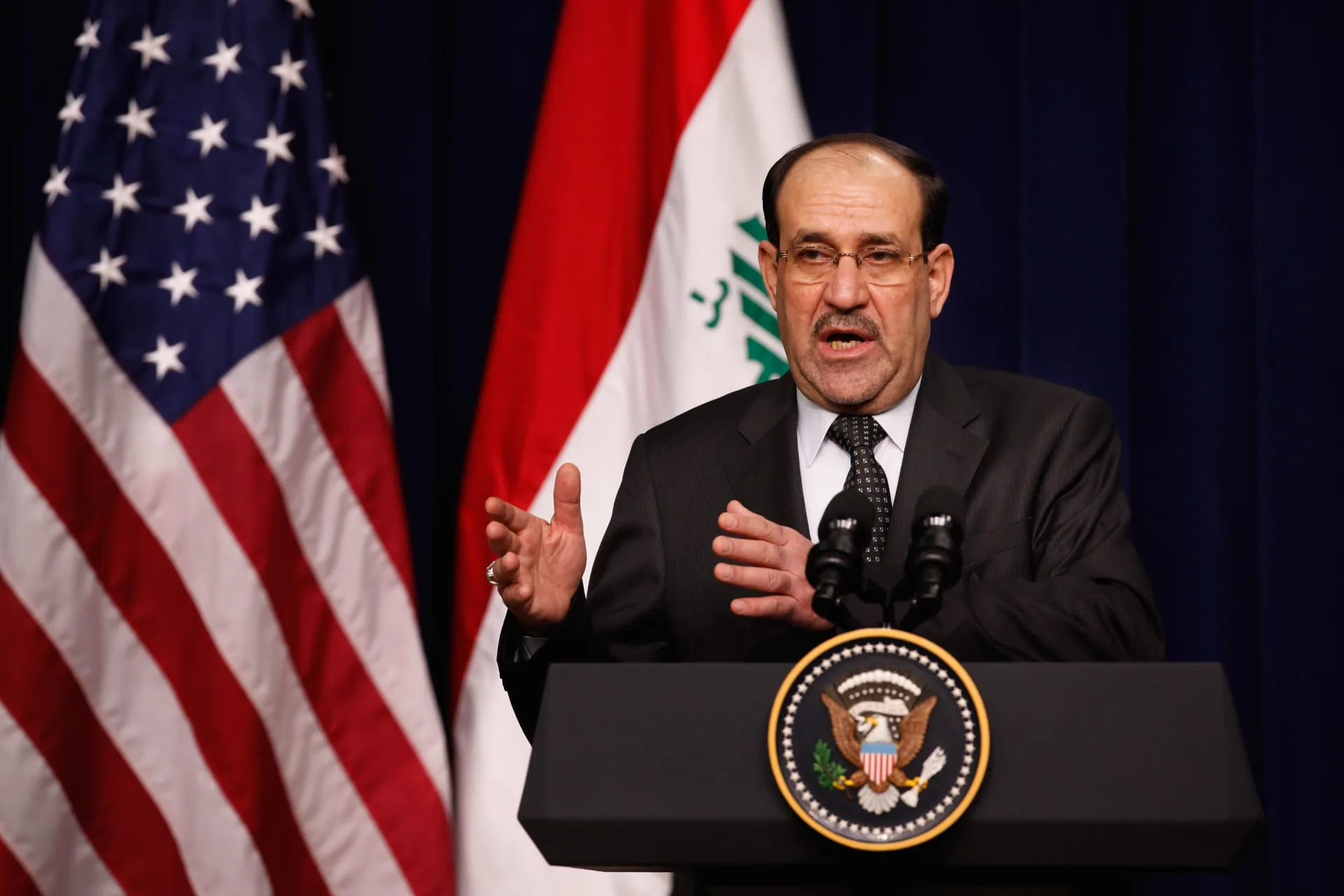
Former President Donald Trump’s explicit rejection of Nouri al-Maliki’s candidacy for prime minister has left the Shiite Coordination Framework in disarray. All available options seem unfavorable.

If they yield to U.S. demands and nominate an alternative to al-Maliki, they risk setting a humiliating precedent openly bowing to American dictates after years of claiming independence. Such a move would undermine their credibility among their base.

But if they insist on al-Maliki, the consequences could be disastrous: a government under heavy U.S. sanctions, incapable of functioning, and dragging the country into political, economic, and security crises.

Backing down may, paradoxically, be more perilous than pressing ahead. The constitutional timeline is tight, and al-Maliki remains steadfast in his bid. Trump, for his part, has warned that the U.S. will not provide any support to Iraq if al-Maliki becomes prime minister.

Most likely, the Coordination Framework will acquiesce and select another candidate perhaps Mohammed Shia’ al-Sudani or Iraq’s intelligence chief, Hamid al-Shatri swallowing the bitter pill of American interference to preserve their grip on power.

Their guiding slogan has been clear: “Don’t let it slip away.” This encapsulates their determination to cling to power at all costs even if it means making painful concessions to avoid seeing it pass to the Sunnis.

But the issue doesn’t end with rejecting al-Maliki. Washington has reportedly vetoed any candidate closely tied to Iran, which poses another serious challenge for the Coordination Framework: nearly all its members have longstanding connections to Tehran.

Even if they manage to nominate someone who is not explicitly linked to Iran’s regime, Washington is expected to impose additional conditions. Chief among them is excluding from any future cabinet individuals affiliated with, or sympathetic to, the Iran-aligned militias.

This would effectively nullify the electoral gains those factions made in the last election, denying them entry into the government and stripping them of influence over Iraq’s executive institutions. In this way, Washington hopes to sideline and ultimately dismantle the militias.

Given these complications, forming a new government is likely to face significant delays. Already, the U.S. has made its first move by urging Kurdish party leaders to postpone the parliamentary session to elect a new president thereby preventing the next president from tasking al-Maliki with forming a government. More U.S. interventions are expected.

Pro-U.S. Kurdish and Sunni blocs may replicate the Coordination Framework’s tactics against the Sadrists, who were previously blocked from forming a government through parliamentary obstruction.

Even if the presidency is filled and the new president tasks al-Maliki or any U.S.-rejected figure with forming a government, such a nominee would likely struggle to secure a vote of confidence.

Parliament could simply fail to meet quorum, reject ministerial candidates, or indefinitely postpone sessions. This political deadlock could ultimately lead to growing calls for new elections calls Washington would back.

In that case, the Shiite parties and armed factions would lose the advantage they gained from the Sadrist boycott of the last elections. The Sadrists are widely expected to return in force in the next round possibly shifting Iraq’s political landscape once again.
Download this article as PDF
Share this Article
Facebook Twitter Whatsapp Whatsapp Telegram Email Copy Link
فريق التحرير
By فريق التحرير تقارير يعدها فريق تحرير نون بوست.
Follow:
Previous Article نون بوست Israeli Blackmail: The New Travel Mechanism at Rafah Crossing
Next Article نون بوست Crisis Diplomacy: Can It Prevent War with Iran?

Read More

  • U.S. Regime‑Change Policies: Why They Are Destined to Fail U.S. Regime‑Change Policies: Why They Are Destined to Fail
  • The Gulf’s Balancing Act: Iran, Israel, and Hidden Links
  • Iraq–Turkey Oil Export Treaty: Why Did Ankara Cancel It After 52 Years?
  • Syria’s Northeast on Edge: QSD Between Ankara and Damascus
  • Has Europe Changed Its Stance on Israel… or Just Its Language?
part of the design
NoonPost Weekly Newsletter

You May Also Like

U.S. Regime‑Change Policies: Why They Are Destined to Fail

U.S. Regime‑Change Policies: Why They Are Destined to Fail

إسراء سيد Esraa sayed 8 April ,2026
The Gulf’s Balancing Act: Iran, Israel, and Hidden Links

The Gulf’s Balancing Act: Iran, Israel, and Hidden Links

فريق التحرير Noon Post 8 April ,2026
Iraq–Turkey Oil Export Treaty: Why Did Ankara Cancel It After 52 Years?

Iraq–Turkey Oil Export Treaty: Why Did Ankara Cancel It After 52 Years?

فريق التحرير Noon Post 8 April ,2026

الانتصارات في سوريا وتحدياتها

محمد علي
محمد علي Published 17 June ,2015
Share
94701ac46d80e66cfb69e910bcb0f79e

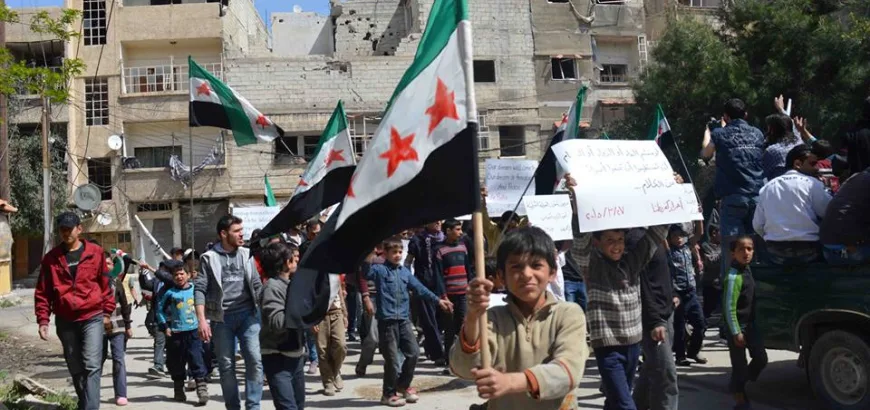
شهدت الأشهر الأخيرة في سوريا انتصارات كبيرة لقوات المعارضة على اختلاف توجهاتها وذلك في مناطق متعددة في الشمال والجنوب السوري، كانت غالب هذه الانتصارات نتيجة لمعارك ضارية قدم فيها المقاتلون مثالًا قل نظيره خلال سنوات الثورة الأربع من التنسيق المشترك والتحالف العسكري بين مختلف الكتائب والتيارات العسكرية في سبيل التحرير، وقد كان جزء من عمليات التحرير عبارة عن عمليات سيطرة بعد انسحاب مفاجئ وكامل لقوات النظام السوري من مناطق سيطرته؛ مما جعل المقاتلين المنتصرين وبعد ذهاب نشوة النصر يواجهون تحديات كبيرة.

من أبرز هذه التحديات اهتزاز الحاضنة الشعبية للمعارضة في المناطق المحررة اجتماعيًا، فقد عمد النظام إلى إبادة ممنهجة للمناطق التي خرجت من سيطرته فقد أمطر النظام على مدى الأيام الأولى من تحرير إدلب مثلًا بعشرات البراميل المتفجرة فهدم جزءًا كبيرًا من أحيائها وهجر سكانها، وكذلك فعل مع قرى سهل حوران في بصرى الشام وفي المنطقة الوسطى؛ فقد تعرضت مدينة تدمر الأثرية لعمليات قصف مكثفة في الأيام الأولى لتحريرها، وبدأ الأهالي بعد تلك العمليات الانتقامية وبتحريض واضح من النظام عبر إعلامه وشبكات التواصل الاجتماعي بتحميل المعارضة مسؤولية ذلك وأن المعارضة إن كانت غير قادرة على تحرير الأرض والسماء معًا فهي تسع لتدمير مدن سوريا بإخراجها من يد النظام وجعلها عرضة للقصف اليومي ببراميل الموت.

إضافة إلى أن المناطق الواسعة التي سيطرت عليها المعارضة أصبحت بحاجة إلى دعم إداري ولوجستي في البنى التحتية من حيث توفير المياه والكهرباء والخدمات الطبية للأهالي، ومع التحرير لمناطق واسعة شهدت مؤسسات المعارضة زيادة في العبء الإداري والاقتصادي للحفاظ على الخدمات الأساسية وتأمين الإمدادات الغذائية للمناطق المحررة، فقد شهدت تلك المناطق في الأيام الأولى من التحرير شحًا في المواد الأساسية إضافة إلى ارتفاع شديد في الأسعار قبل أن تتدارك المعارضة الأمر وتعيد جزء من الخدمات الأساسية لها.

التحدي الأكبر الذي تواجهه قوات المعارضة في انتصاراتها أيضًا أنها أصبحت مضطرة لنشر قواتها على مساحة واسعة من الأراضي لحفظ الأمن والتخلص من بعض الجيوب التي تركها النظام خلفه كما حصل في مشفى جسر الشغور فقد تحررت كامل المدينة وما حولها إلا أن تحصن ما يقارب من 300 عنصر من قوات النظام السوري وعناصر حزب الله في المشفى عطل تقدم المعارضة إلى مناطق أخرى حتى تم تحرير المشفى المحن الذي احتمت به قوات النظام، بل إنها في بعض المناطق أصبحت في مواجهة على أكثر من جبهة مع داعش من جهة وقوات النظام من جهة أخرى وقوات الحماية الكردية التي تتبع حزب العمال الكردستاني من جهة كما في حلب.

من جانب آخر فإن النظام بانسحابه من المناطق الواسعة يستفيد بتجميع قواته للدفاع عن المناطق الإستراتيجية لأمنه ولأمن حاضنته الشعبية ويقلل من الخسائر التي يتكبدها عبر خطوط الإمداد الطويلة، بينما تستقبل المعارضة ومؤسساتها الخدمية والسيادية والإغاثية تلك المناطق مع أعباء كبيرة جدًا على مستوى الخدمات والأمن والإدارة خصوصًا في موضوع المعابر الحدودية مع دول الجوار.

ومما لا شك فيه أن المجتمع مهتم جدًا بطريقة تعامل قوات المعارضة مع الأقليات في المناطق المحررة، فالأشهر الأخيرة شهدت تحرير لمناطق تقطن فيها أقليات في سهل الغاب شمالاً وجبل العرب جنوبًا وقد ضمت هذه المناطق أقليات من الدروز والعلويين والشيعة والإسماعيلية غالب هذه الأقليات آثرت الانسحاب من المناطق مع انسحاب قوات النظام، لكن من بقي منها تحت سيطرة قوات المعارضة وخصوصًا الإسلامية منها ظل تحت نظر المجتمع الدولي يراقب أوضاعها وقد ظهرت بعض التجاوزات من قِبل المعارضة كما حصل من مقتل عدد من الدروز في قلب اللوزة في ريف إدلب، والآن وفي ظل هذه الظروف والمجريات الميدانية فإن على المعارضة بجانبها العسكري والسياسي والخدماتي أن تكون على أتم الاستعداد للسيطرة والإدارة الفاعلة للمناطق المحررة ومواجهة تحديدات التحرير القادمة، فالمناطق القادمة في التحرير هي المدن الرئيسية والطبيعة الديموغرافية والطائفية والمعيشية لتلك المدن هي أكثر تعقيدًا من تلك في المناطق الريفية في الشمال والجنوب وتفرض على المعارضة مواجهة التحديات بمستوى أعلى من التنسيق والحنكة والتنسيق والخبرة الإدارية على نطاق أوسع.

TAGGED: آثار سورية ، أصدقاء سوريا ، إصلاح الثورة السورية ، الأكراد في سوريا ، المعارضة السورية
TAGGED: الثورة السورية
Download this article as PDF
Share this Article
Facebook Twitter Whatsapp Whatsapp Telegram Email Copy Link
محمد علي
By محمد علي صحفي متخصص بتغطية أخبار مدينة درعا
Follow:
Next Article نون بوست The Stigma of “ISIS”: A Heavy Legacy Haunting Women and Children of Former Members
part of the design
NoonPost Weekly Newsletter
dark

An independent media platform founded in 2013, rooted in slow journalism, producing in-depth reports, analysis, and multimedia content to offer deeper perspectives on the news, led by a diverse young team from several Arab countries.

  • Politics
  • Society
  • Rights & Liberties
  • Opinions
  • History
  • Sports
  • Education
  • Technology
  • Economy
  • Media
  • Arts & Literature
  • Entrepreneurship
  • Travel
  • Cinema & Drama
  • Food
  • Health
  • Culture
  • Latest Reports
  • Files
  • Long Reads
  • Interviews
  • Podcast
  • Interactive
  • Encyclopedia
  • In Pictures
  • About Us
  • Our Writers
  • Write for Us
  • Editorial Policy
  • Advanced Search
Some rights reserved under a Creative Commons license

Removed from favorites

Undo
Go to mobile version