






NoonPost NoonPost

NoonPost

  • Home
  • Politics
  • Economy
  • Society
  • Culture
  • Files
  • Long Reads
  • Podcast
AR
Notification Show More
نون بوست
“There Are Nights I Can’t Close My Eyes”: How Gazans Are Living in Homes on the Brink of Collapse
نون بوست
From al-Jolani to Ahmad al-Shara: The Evolution of Syria’s New Leader
نون بوست
When Political Islam Receded in Egypt: Who Filled the Void?
نون بوست
An Extension of Genocide: Gaza’s Detainees Speak Out
نون بوست
A Tightrope Between Survival and Sovereignty: The Syrian Government Faces Normalization Pressures
نون بوست
American Aircraft Carriers: Has the Era of “100,000 Tons of Diplomacy” Ended?
نون بوست
U.S. Regime‑Change Policies: Why They Are Destined to Fail
نون بوست
Transformations of Israeli Judaism: Between the Victim Complex and the Colonizer’s Doctrine
نون بوست
The Gulf’s Balancing Act: Iran, Israel, and Hidden Links
نون بوست
Iraq–Turkey Oil Export Treaty: Why Did Ankara Cancel It After 52 Years?
نون بوست
Syria’s Northeast on Edge: QSD Between Ankara and Damascus
نون بوست
Has Europe Changed Its Stance on Israel… or Just Its Language?
NoonPost NoonPost
AR
Notification Show More
نون بوست
“There Are Nights I Can’t Close My Eyes”: How Gazans Are Living in Homes on the Brink of Collapse
نون بوست
From al-Jolani to Ahmad al-Shara: The Evolution of Syria’s New Leader
نون بوست
When Political Islam Receded in Egypt: Who Filled the Void?
نون بوست
An Extension of Genocide: Gaza’s Detainees Speak Out
نون بوست
A Tightrope Between Survival and Sovereignty: The Syrian Government Faces Normalization Pressures
نون بوست
American Aircraft Carriers: Has the Era of “100,000 Tons of Diplomacy” Ended?
نون بوست
U.S. Regime‑Change Policies: Why They Are Destined to Fail
نون بوست
Transformations of Israeli Judaism: Between the Victim Complex and the Colonizer’s Doctrine
نون بوست
The Gulf’s Balancing Act: Iran, Israel, and Hidden Links
نون بوست
Iraq–Turkey Oil Export Treaty: Why Did Ankara Cancel It After 52 Years?
نون بوست
Syria’s Northeast on Edge: QSD Between Ankara and Damascus
نون بوست
Has Europe Changed Its Stance on Israel… or Just Its Language?
Follow US

Crisis Diplomacy: Can It Prevent War with Iran?

عماد عنان
Emad Anan Published 26 March ,2026
Share
نون بوست
نون بوست

In recent hours, several regional capitals have launched a flurry of diplomatic activity in an urgent attempt to contain mounting tensions between Tehran and Washington. These efforts seek to dissuade President Donald Trump’s administration from launching a military strike against Iran, amid serious concerns that any escalation could spiral into a wider conflict threatening the region’s collective security and stability.

From Cairo to Riyadh, with stops in Doha, Abu Dhabi, and Ankara, key regional players have intensified communications with Iranian Foreign Minister Abbas Araghchi and U.S. Middle East envoy Steve Whitcoff. The goal: to forge a path toward negotiations that could open the door to a political resolution and avert the consequences of a potentially uncontrollable military confrontation.

This surge in diplomacy comes at a time of exceptional sensitivity. President Trump has sharply escalated his rhetoric, warning that “time is running out” and threatening that Iran’s failure to promptly engage in serious talks over its nuclear program would be met with a military response “far harsher” than past strikes. These threats were accompanied by the mobilization of a significant U.S. naval force toward Iran.

In this volatile and uncertain atmosphere, where all outcomes remain on the table, a critical question emerges: Can last-minute diplomacy rein in the escalation and defuse the crisis before the point of no return is crossed?

Washington’s Demands to Step Back from War

According to reports in The New York Times, the Trump administration has presented Iran with three core demands described as “strict conditions” to avoid military action. Citing American and European officials, the paper outlined these as follows:

1. A Complete Halt to Uranium Enrichment:
While Iran’s key enrichment sites at Natanz and Fordow sustained significant damage during the recent 12-day war making their immediate reactivation unlikely Washington remains concerned that Tehran could resume enrichment activities at small, undisclosed facilities that are harder to detect.

The newspaper noted that Iran’s stockpile of uranium enriched to 60% close to weapons-grade could, if recovered from beneath the rubble, be enough for a few nuclear warheads. However, American and European intelligence agencies currently see no indication that Iran has retrieved this material, at least in the short term.

2. Severe Restrictions on Iran’s Ballistic Missiles:
This demand aims to strip Tehran of a key pillar of its deterrent capability. Washington and its allies believe curbing Iran’s missile program would limit its ability to target Israeli territory in the event of an attack. Although American and European officials doubt Iran is planning an imminent strike on Israel, Prime Minister Benjamin Netanyahu has hinted at the possibility of new preemptive strikes should Iran attempt to rebuild its military capabilities.

3. An End to Support for Regional Proxies:
The final demand centers on cutting off funding and arms to Iranian-aligned groups in Lebanon, Iraq, and Yemen. This long-standing U.S. condition is seen as essential to curbing Tehran’s regional influence.

Trump reportedly views this strategy mirroring his aggressive stance on Venezuela as a pressure tactic to compel both Iran’s leadership and the Revolutionary Guard to back down. Yet notably absent from the list is any mention, explicit or implicit, of protecting Iranian protesters from state repression a justification previously invoked for potential military action.

Regional Diplomatic Push Gains Momentum

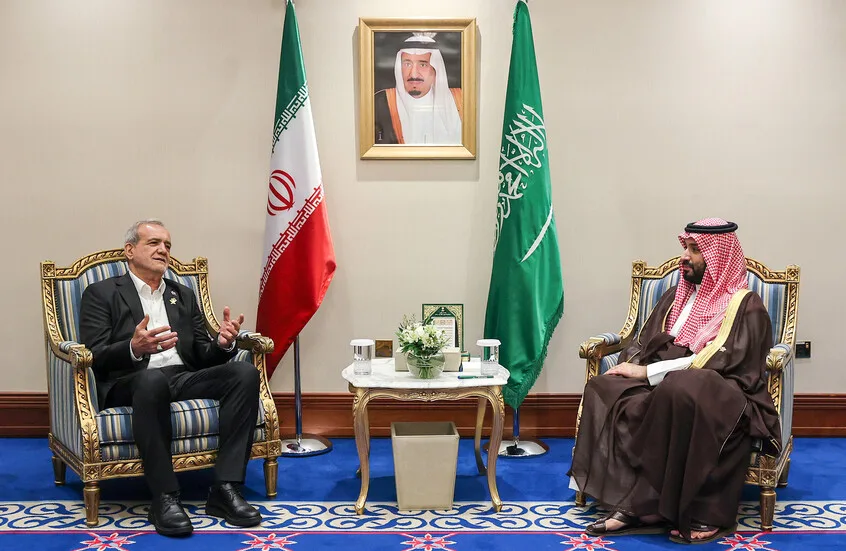
In a significant development, Saudi Crown Prince Mohammed bin Salman spoke by phone with Iranian President Masoud Pezeshkian, stressing Riyadh’s categorical opposition to the use of its airspace or territory for any military action against Iran. He reaffirmed the Kingdom’s respect for Iran’s sovereignty and its support for resolving disputes through political dialogue to bolster regional security and prevent open conflict.

Meanwhile, Egyptian Foreign Minister Badr Abdel Aaty led an intensive round of diplomacy, holding calls with officials in Iran, the U.S., Qatar, and Oman. In his discussions with Araghchi and Whitcoff, Abdel Aaty underscored the urgent need to de-escalate tensions and avoid dragging the region into new cycles of instability.

He emphasized creating favorable conditions for a return to diplomacy chiefly, reviving U.S.-Iran talks on the nuclear file that address the interests of all parties.

This flurry of diplomacy included parallel moves by Qatar and the UAE. Qatari Prime Minister and Foreign Minister Sheikh Mohammed bin Abdulrahman Al Thani expressed Doha’s full support for all de-escalation efforts in conversations with Iranian officials.

Abu Dhabi, in a formal statement, reaffirmed its commitment to preventing the use of its airspace, land, or waters for any hostile military actions against Iran, and rejected providing logistical support for such operations.

The statement emphasized that dialogue, sovereignty, and adherence to international law are the most effective tools for resolving crises and safeguarding regional security.

Tehran’s Open-Door Strategy

Despite Washington’s military posturing and aggressive rhetoric, Tehran is seeking to keep lines of communication open part of what Iranian officials refer to as an “open-door policy.” This was subtly echoed by Foreign Minister Araghchi during a press briefing after the weekly cabinet meeting on Wednesday, January 28.

Although Araghchi denied any recent direct contact with Whitcoff or a formal request from Iran to initiate talks, he confirmed that mediation efforts remain ongoing and that Iran is communicating with intermediaries through indirect channels. He noted that several countries are playing a mediating role and emphasized Tehran’s “good faith” in engaging with these efforts to contain the current tension.

Iran’s broader regional reading suggests a near-unanimous consensus among its neighbors against military escalation. Tehran believes any disruption to regional stability could have far-reaching consequences. Araghchi warned that any military action given the heavy U.S. military presence could destabilize the region and unleash uncontrollable security threats.

At the same time, he offered reassurances, saying Iran still welcomes “a fair nuclear agreement that safeguards its right to peaceful technology and ensures it does not pursue nuclear weapons.”

Trump’s Demands vs. Iran’s Red Lines

Despite ongoing contacts through mediators and backchannels, there has been no real breakthrough in overcoming the entrenched positions on both sides. American and European assessments suggest Iran is unlikely to fully meet the three U.S. demands, although tactical flexibility could be possible on some points.

On uranium enrichment, Iran is likely to reject a total halt but might consider temporary freezes or reductions in enrichment levels as part of a phased approach. The recent damage to enrichment facilities could hinder U.S. monitoring efforts, offering Tehran a window to slow-roll its program while maintaining long-term objectives.

On ballistic missiles, Iran sees these as a strategic red line its last deterrent against potential Israeli attacks. Thus, any significant concessions are unlikely. At most, Tehran might offer non-binding political assurances possibly brokered by mediators that its missiles will not target U.S. or Israeli interests, especially as Western analysts currently rule out any imminent Iranian strike.

On support for regional allies, this may be the area where Iran shows the most flexibility, at least temporarily. With mounting economic pressure and ongoing domestic unrest, sustaining its network of regional proxies has become increasingly costly. Scaling back support could be a calculated move to preserve regime stability a message underscored by the latest wave of protests inside Iran.

Will Crisis Diplomacy Prevail?

Regional diplomacy is driven by the recognition that a full-scale war would not be confined to Iran it would reverberate across the entire Middle East. Hence, the urgent moves to avert an explosion and protect the shared interests of regional states.

Tehran, for its part, is using the threat of broader retaliation to pressure international actors and deter Washington from initiating a new military conflict that could jeopardize its core interests in the region.

Some stakeholders believe diplomacy might yet extract limited Iranian concessions that Trump could frame as a political win domestically. In exchange, Washington might be persuaded that the costs of military action outweigh any strategic gains.

As Israel continues to push for a decisive U.S. strike, the final decision in Washington remains unresolved. Despite unprecedented military mobilization, the question lingers: Can last-minute diplomacy truly defuse the crisis before the fireball rolls forward and plunges the region into an unpredictable new chapter?

Download this article as PDF
Share this Article
Facebook Twitter Whatsapp Whatsapp Telegram Email Copy Link
عماد عنان
By عماد عنان كاتب صحفي وباحث في الإعلام الدولي
Follow:
Previous Article نون بوست What Options Does the Coordination Framework Have in the Face of the U.S. Rejection of Nouri al-Maliki?
Next Article نون بوست Europe to Permanently Ban Russian Gas by 2027—Two Arab Winners Emerge

Read More

  • U.S. Regime‑Change Policies: Why They Are Destined to Fail U.S. Regime‑Change Policies: Why They Are Destined to Fail
  • The Gulf’s Balancing Act: Iran, Israel, and Hidden Links
  • Iraq–Turkey Oil Export Treaty: Why Did Ankara Cancel It After 52 Years?
  • Syria’s Northeast on Edge: QSD Between Ankara and Damascus
  • Has Europe Changed Its Stance on Israel… or Just Its Language?
part of the design
NoonPost Weekly Newsletter

You May Also Like

U.S. Regime‑Change Policies: Why They Are Destined to Fail

U.S. Regime‑Change Policies: Why They Are Destined to Fail

إسراء سيد Esraa sayed 8 April ,2026
The Gulf’s Balancing Act: Iran, Israel, and Hidden Links

The Gulf’s Balancing Act: Iran, Israel, and Hidden Links

فريق التحرير Noon Post 8 April ,2026
Iraq–Turkey Oil Export Treaty: Why Did Ankara Cancel It After 52 Years?

Iraq–Turkey Oil Export Treaty: Why Did Ankara Cancel It After 52 Years?

فريق التحرير Noon Post 8 April ,2026

من هو سليمان ديميريل الذي أحزنت وفاته الأتراك؟

فريق التحرير
Noon Post Published 18 June ,2015
Share
1212

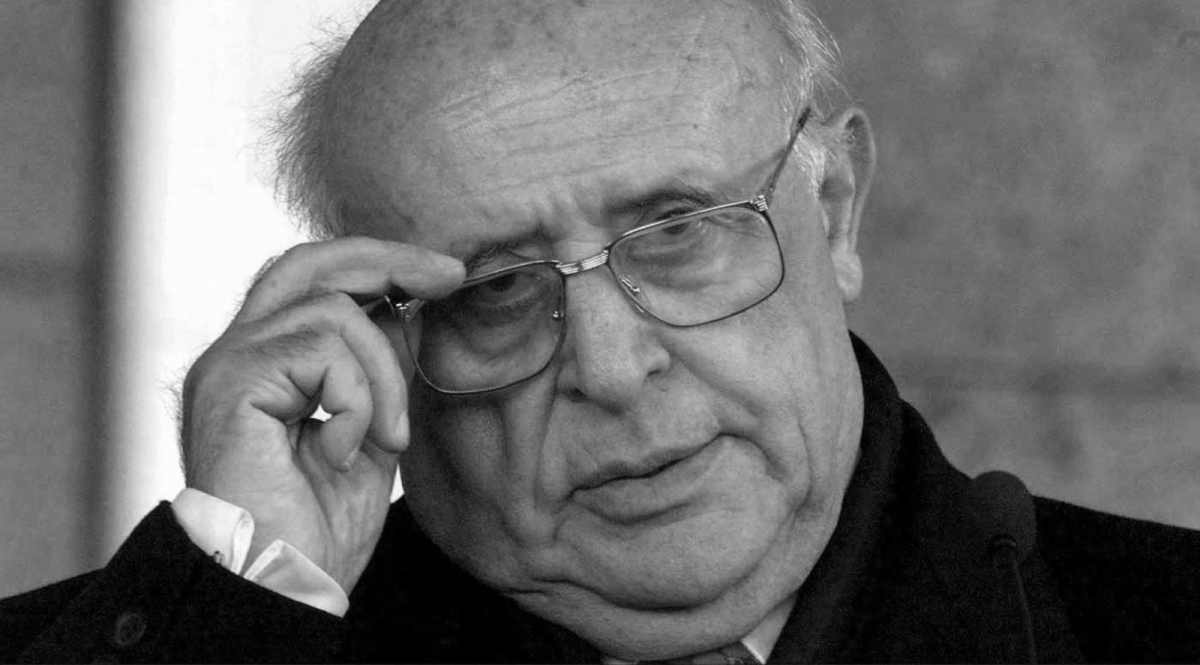
هو “بابا” كما عرفته الغالبية العظمى من سكان الأناضول بعد أن أوصلوه إلى رئاسة الوزراء عام 1965، مرسلين إلى العسكر التركي آنذاك رسالة مفادها أنهم مصممون على المضي قدمًا في الطريق الذي بدأه مندرس بل وربما أصبحوا أكثر إصرارًا، إذ أن دميرل أصبح بتوليه المنصب أول رئيس وزراء للجمهورية التركية ينحدر من الريف، في تحدٍ صريح للنخبة الأتاتوركية التي ارتكزت للمدن الكبرى.

بالطبع لم يكن دميرل على وفاق مع العسكر الذي هيمن على السياسة التركية في نفس الفترة التي بزغ فيها نجمه، ليشهد بنفسه مرتين تدخل الجيش التركي وإزاحته عن السلطة، مرة بالانقلاب الناعم عام 1971، حين كان في أوج قوته، ومرة عام 1980 في الانقلاب الشهير الذي أزاح به الجيش حكومة دميرل المشكلة حديثًا بعد سلسلة من الحكومات الائتلافية الفاشلة التي مرت على تركيا في سنوات السبعينيات المضطربة.

لم يكن الانقلاب بالطبع نهاية لمشواره السياسي، ولا حتى صعود توركوت أوزال القوي في الثمانينات، حيث نجح دميرل في الفوز بانتخابات 1991 وتولي الحكومة من جديد، ثم شغل منصب رئيس الجمهورية كثاني محافظ يجلس على مقعد أتاتورك بين عامي 1993 و2000، بعد وفاة أوزال المفاجئة، ليُنهي بذلك مسيرته السياسية والطويلة، تاركًا الساحة للنخبة الجديدة التي انطلقت مع دخول العدالة والتنمية إلى السلطة عام 2002.

بعد 15 عامًا من خروجه رسميًا من السياسة، لفظ دميرل أنفاسه الأخيرة في مستشفى جوفَن في العاصمة التركية أنقرة بالأمس، 17 يونيو، عن عُمر يناهز 91 عامًا، بعد أن أصيب بالتهاب في الشعب الهوائية وخضع لعملية جراحية هناك، طبقًا لما نقلته وكالة الأناضول الإعلامية الرسمية.

ابن الريف

نون بوست

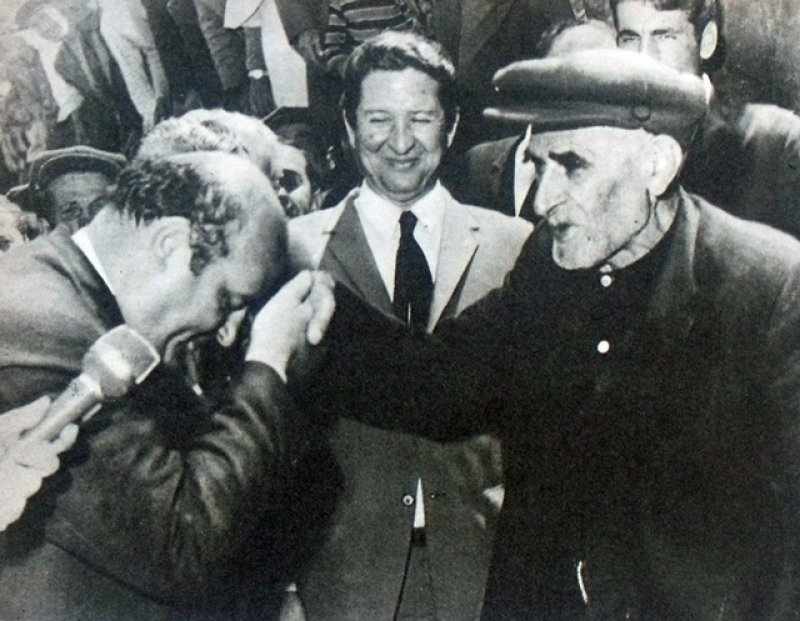
هو سليمان گون دوغدو دميرل المولود في نوفمبر من العام 1924 بقرية إسلام كوي في مدينة إسبرطة الصغيرة الواقعة غربي الأناضول التي لا يتجاوز تعدادها رُبع مليون، ليقضى فيها سنوات دراسته الأساسية قبل أن ينتقل إلى مدينة أفيون (أو أفيون قره حصار) المجاورة ويدخل المدرسة الثانوية هناك، ثم ينتقل إلى إسطنبول لدراسة الهندسة المدنية بجامعة إسطنبول التقنية، ويحصل على البكالريوس عام 1949، قبل عام واحد من الانتخابات الحرة الأولى في تاريخ تركيا والتي اكتسح فيها عدنان مندرس آنذاك.

في ذلك العام، اتجه دميرل إلى الولايات المتحدة ليُكمِل الدراسات العليا في مجال الري وبناء السدود، ليعود إلى تركيا ويجذب انتباه رئيس الوزراء آنذاك مندرس ويصبح مديرًا لمشروع سد سيهان، ورئيسًا لقسم السدود منذ عام 1954، ثم المدير العام لهيئة المشاريع المائية التابعة للدولة عام 1955، لينتهي دوره مع الانقلاب العسكري الأول عام 1960، ويدخل الجيش التركي لتأدية الخدمة العسكرية، ويتجه للعمل الخاص كمهندس حر تابع لشركة موريسون الأمريكية وإلقاء محاضرات الهندسة الهيدروليكية في جامعة الشرق الأوسط التقنية بأنقرة.

دميرل سياسيًا

نون بوست

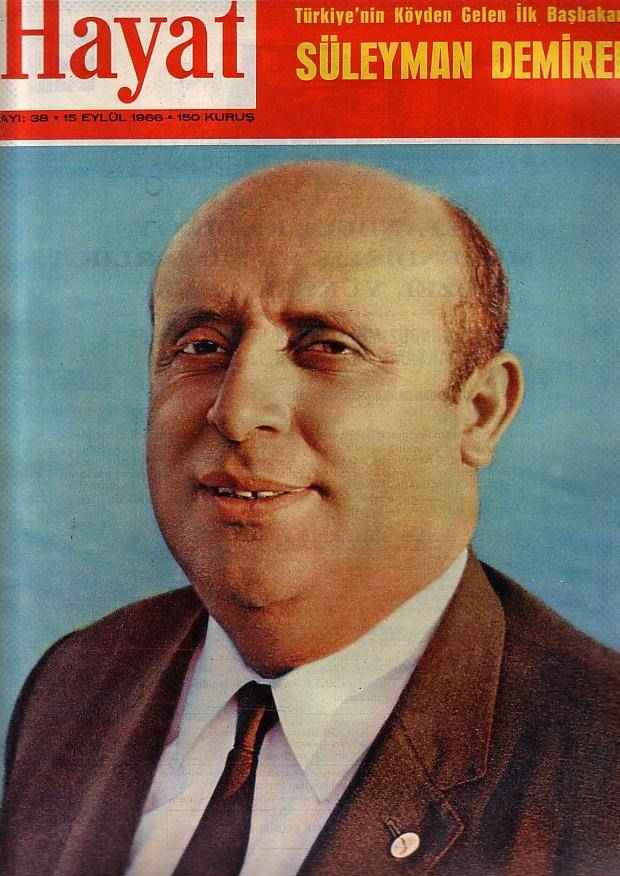
دميرل على غلاف مجلة حيات عام 1966 وعنوانها “أول رئيس ورزاء من الريف”

كان الجيش التركي بعد انقلاب 1960 قد أدرك أنه لا يستطيع أن يلغي بجرة قلم الشبكات الاجتماعية الواسعة التي قام عليها الحزب الديمقراطي بقيادة مندرس، وأن قمع تمثيلها السياسي ودورها في المجال العام سيخلق المتاعب للنخبة الحاكمة، بل وسيؤثر على شرعية المنظومة القائمة، وهو ما دفعه إلى فتح باب السياسة من جديد خلال أعوام قليلة ظهر فيها حزب العدالة كوريث لتلك الشبكات بقيادة الجنرال المتقاعد راغب كوموشپالا.

توفي راغب عام 1964 تاركًا فراغًا في الحزب المحافظ الصاعد، لتبدأ المنافسة بين أسماء جديدة كان أبرزها سليمان دميرل، والذي حظى بدعم قائد الانقلاب جمال گورسل نظرًا لكونه أكثر المرشحين المحافظين انفتاحًا كما قيل آنذاك، لينجح في الفوز بانتخابات رئاسة الحزب، ويصبح رئيسًا للوزراء بين عامي 1965 و1971، ثم بين عامي 1975 و1977، وعامي 1977 و1978، وأخيرًا عامي 1979 و1980 قبل الانقلاب.

بعد الانقلاب الشديد عام 1980، تم حل جميع الأحزاب وسجن معظم القيادات السياسية، ولم يتبقى على الساحة سوى توركوت أوزال الذي وصل إلى تفاهم مع الجيش لقيادة البلاد نحو انفتاحها الاقتصادي، بينما ظل دميرل وزملاؤه في الحزب بعيدين عن السياسة بموجب الحظر السياسي الذي طال سياسيي ما قبل 1980، والذي ما إن رُفِع عام 1987، حتى عاد بقوة في انتخابات 1991 حاصلًا على المركز الأول بقيادة حزبه الجديد، الطريق القويم.

دميرل رئيسًا

توج دميرل مسيرته السياسية، كما يحلم كافة السياسيون الأتراك عادة، بمقعد رئاسة الجمهورية بقصر تشانقايا، وقد كان القرار الأبرز والأكثر إثارة للجدل أثناء رئاسته إقناع نجم الدين أربكان بالاستقالة من منصبه كرئيس للوزراء عام 1997، في مقابل بدء مفاوضات لدخوله في ائتلاف جديد، وهو ما لم يحدث حيث قام دميرل بدعوة حزب آخر إلى تشكيل الحكومة في ضربة لقوة الإسلاميين الصاعدة في التسعينيات، والتي لم تتعافي حتى ظهر حزب العدالة والتنمية.

يقول أنصار دميرل أن القرار في هذا الصدد لم يكن بيده، وأن الجيش التركي كان قد قرر بالفعل أن أربكان لن يدخل الحكومة مرة أخرى، ليضطر دميرل إلى الاختيار بين الوجوه المحافظة الأخرى الموجودة على الساحة، بيد أن البعض يعتقد أن قرار تنحية أربكان بهذه الحركة كان خياره الشخصي، وهو الذي يعرف أربكان من سنوات دراسته المبكرة ولم يرى فيه الكفاءة الكافية لقيادة تركيا أو تمثيل التيار المحافظ على غرار مندرس وأوزال.

***

ظل دميرل شاهدًا على كل ما مرت به تركيا، بدءًا من انقلاب 1960 والذي وقع وهو مدير بالقطاع العام، وحتى انقلاب 1980 الذي أزاحه عن رئاسة الوزراء، وانقلاب 1997 الناعم على أربكان وحكومته بينما كان هو رئيسًا، ثم صعود حزب العدالة والتنمية بينما خرج هو من السياسة وظل يلقي المحاضرات هنا وهناك كواحد من أبرز الشخصيات التي عاصرت تركيا الحديثة في مراحلها المختلفة، وفي كافة أشكالها، بدءًا من الريف الذي أتى منه، وحتى النخب الأكاديمية والإدارية في الجامعات والشركات.

برئاسته للوزراء خمس مرات ورئاسته للجمهورية مدة كاملة، تصبح سنوات خدمة دميرل ثاني أطول مدة لسياسي في منصب قيادي، بعد عصمت إينونو مساعد مؤسس الجمهورية مصطفى كمال أتاتورك.


TAGGED: الإسلام السياسي ، الإسلاميون ، التاريخ التركي ، السياسة التركية ، العثمانيون الجدد
Download this article as PDF
Share this Article
Facebook Twitter Whatsapp Whatsapp Telegram Email Copy Link
فريق التحرير
By فريق التحرير تقارير يعدها فريق تحرير نون بوست.
Follow:
Next Article نون بوست The Stigma of “ISIS”: A Heavy Legacy Haunting Women and Children of Former Members

Read More

  • U.S. Regime‑Change Policies: Why They Are Destined to Fail U.S. Regime‑Change Policies: Why They Are Destined to Fail
  • The Gulf’s Balancing Act: Iran, Israel, and Hidden Links
  • Iraq–Turkey Oil Export Treaty: Why Did Ankara Cancel It After 52 Years?
  • Syria’s Northeast on Edge: QSD Between Ankara and Damascus
  • Has Europe Changed Its Stance on Israel… or Just Its Language?
part of the design
NoonPost Weekly Newsletter

You May Also Like

U.S. Regime‑Change Policies: Why They Are Destined to Fail

U.S. Regime‑Change Policies: Why They Are Destined to Fail

إسراء سيد Esraa sayed 8 April ,2026
The Gulf’s Balancing Act: Iran, Israel, and Hidden Links

The Gulf’s Balancing Act: Iran, Israel, and Hidden Links

فريق التحرير Noon Post 8 April ,2026
Iraq–Turkey Oil Export Treaty: Why Did Ankara Cancel It After 52 Years?

Iraq–Turkey Oil Export Treaty: Why Did Ankara Cancel It After 52 Years?

فريق التحرير Noon Post 8 April ,2026
dark

An independent media platform founded in 2013, rooted in slow journalism, producing in-depth reports, analysis, and multimedia content to offer deeper perspectives on the news, led by a diverse young team from several Arab countries.

  • Politics
  • Society
  • Rights & Liberties
  • Opinions
  • History
  • Sports
  • Education
  • Technology
  • Economy
  • Media
  • Arts & Literature
  • Entrepreneurship
  • Travel
  • Cinema & Drama
  • Food
  • Health
  • Culture
  • Latest Reports
  • Files
  • Long Reads
  • Interviews
  • Podcast
  • Interactive
  • Encyclopedia
  • In Pictures
  • About Us
  • Our Writers
  • Write for Us
  • Editorial Policy
  • Advanced Search
Some rights reserved under a Creative Commons license

Removed from favorites

Undo
Go to mobile version