







NoonPost NoonPost

NoonPost

  • Home
  • Politics
  • Economy
  • Society
  • Culture
  • Files
  • Long Reads
  • Podcast
AR
Notification Show More
نون بوست
“There Are Nights I Can’t Close My Eyes”: How Gazans Are Living in Homes on the Brink of Collapse
نون بوست
From al-Jolani to Ahmad al-Shara: The Evolution of Syria’s New Leader
نون بوست
When Political Islam Receded in Egypt: Who Filled the Void?
نون بوست
An Extension of Genocide: Gaza’s Detainees Speak Out
نون بوست
A Tightrope Between Survival and Sovereignty: The Syrian Government Faces Normalization Pressures
نون بوست
American Aircraft Carriers: Has the Era of “100,000 Tons of Diplomacy” Ended?
نون بوست
U.S. Regime‑Change Policies: Why They Are Destined to Fail
نون بوست
Transformations of Israeli Judaism: Between the Victim Complex and the Colonizer’s Doctrine
نون بوست
The Gulf’s Balancing Act: Iran, Israel, and Hidden Links
نون بوست
Iraq–Turkey Oil Export Treaty: Why Did Ankara Cancel It After 52 Years?
نون بوست
Syria’s Northeast on Edge: QSD Between Ankara and Damascus
نون بوست
Has Europe Changed Its Stance on Israel… or Just Its Language?
NoonPost NoonPost
AR
Notification Show More
نون بوست
“There Are Nights I Can’t Close My Eyes”: How Gazans Are Living in Homes on the Brink of Collapse
نون بوست
From al-Jolani to Ahmad al-Shara: The Evolution of Syria’s New Leader
نون بوست
When Political Islam Receded in Egypt: Who Filled the Void?
نون بوست
An Extension of Genocide: Gaza’s Detainees Speak Out
نون بوست
A Tightrope Between Survival and Sovereignty: The Syrian Government Faces Normalization Pressures
نون بوست
American Aircraft Carriers: Has the Era of “100,000 Tons of Diplomacy” Ended?
نون بوست
U.S. Regime‑Change Policies: Why They Are Destined to Fail
نون بوست
Transformations of Israeli Judaism: Between the Victim Complex and the Colonizer’s Doctrine
نون بوست
The Gulf’s Balancing Act: Iran, Israel, and Hidden Links
نون بوست
Iraq–Turkey Oil Export Treaty: Why Did Ankara Cancel It After 52 Years?
نون بوست
Syria’s Northeast on Edge: QSD Between Ankara and Damascus
نون بوست
Has Europe Changed Its Stance on Israel… or Just Its Language?
Follow US

Widows and Orphans: The Most Enduring Face of the War on Gaza

فريق التحرير
Noon Post Published 26 March ,2026
Share
نون بوست
نون بوست

Since October 7, 2023, and over the course of 27 weeks, families in Gaza have been losing loved ones one after another. What remains are stories told with hearts weighed down by grief and minds still struggling to comprehend the scale of the loss. Behind every martyr is a family reeling from absence a wife suddenly turned widow, and children stripped of their fathers, now known simply as orphans.

Since the outbreak of war, the lives of thousands of women and children in Gaza have been upended, their roles and identities forcibly redefined in the midst of an unbearably harsh reality. The ongoing campaign of extermination continues to shape their daily lives, even after a nominal ceasefire came into effect.

A Humanitarian Catastrophe in Numbers

Children make up approximately 47% of Gaza’s population around 980,000. According to data from the Palestinian Central Bureau of Statistics, nearly 39,384 children have lost one or both parents since October 2023. Among them, an estimated 17,000 have lost both parents, leaving them without support or caregivers. The bureau describes this as the worst orphan crisis in Gaza’s modern history.
نون بوست

The same data reveals that more than 14,300 women have lost their husbands in the ongoing war, becoming widows under severe humanitarian and economic strain.

Beyond the Headlines…

In the heart of Gaza, families who lost their sole breadwinner now face an excruciating reality. The person who once provided for them, who ensured a minimum level of stability, is gone leaving these families in direct confrontation with loss, need, and deep uncertainty.

To better understand the reality faced by these women and children, Noon Post spoke with Nour Abu Nada, the widow of martyr Bilal.

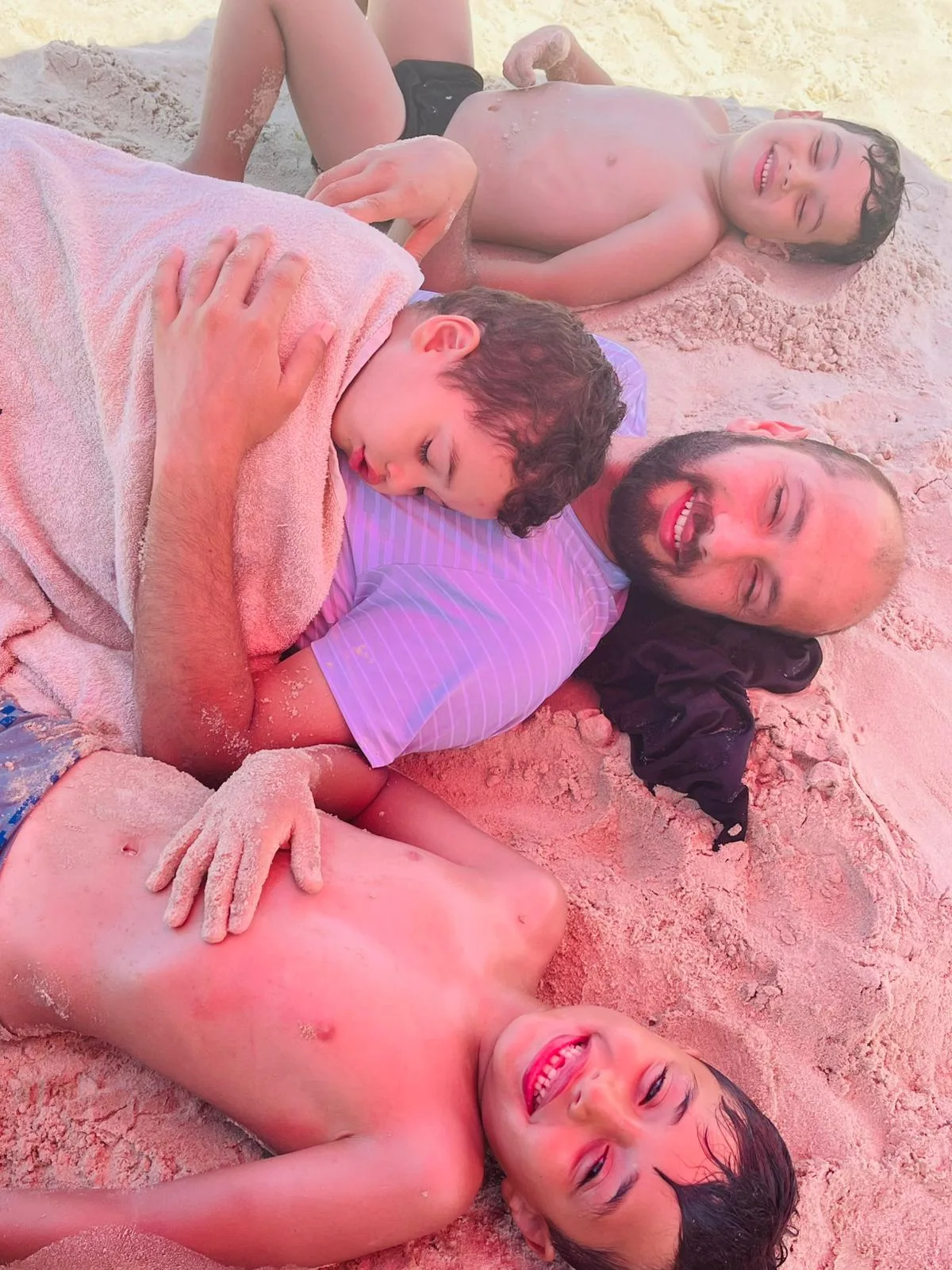
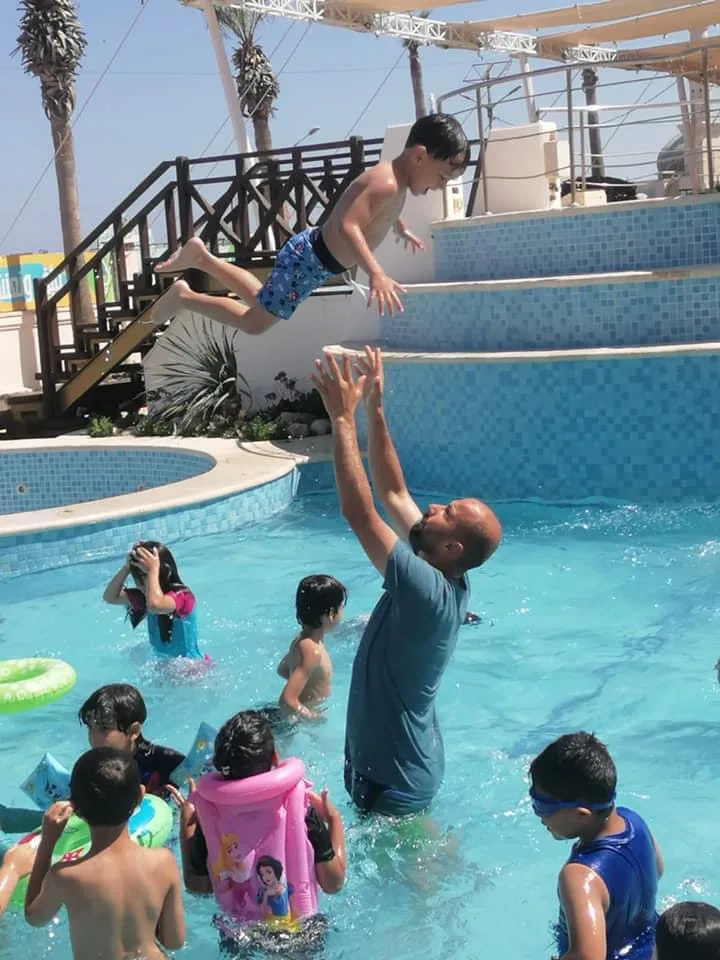
Nour begins by describing her husband: “When he was around, hardships never felt as hard. His presence made everything easier. I never saw him angry he was calm, gentle, unlike any partner or father. He was always our safe haven, for me and our children. That’s why losing him was so devastating.”
نون بوست

She recalls the day he was killed: “On December 17, 2023, in Khan Younis in southern Gaza, after the first strike, bodies were scattered everywhere young and old. Bilal rushed to help the wounded. Minutes later, a second, more violent strike hit. I ran outside just to find him and make sure he was okay. I saw them putting him into an ambulance, blood covering parts of his body. The bombardment intensified, and we were told to evacuate.”

She continues: “Bilal went in the ambulance. I returned home alone. I had never needed to depend solely on myself while he was alive. Suddenly, I was alone with three children and my paralyzed father-in-law, in the midst of relentless bombing and destruction.”

Nour adds: “Someone came and whispered something. Then everyone around me began to cry. Their faces told me something terrible had happened. That’s when I realized Bilal was gone. I made ablution and prayed. My only prayer was: ‘Oh Lord, reward me in this calamity.’”

She explains: “My children’s life after losing their father has been extremely difficult. I hid my sorrow from them, because losing a father is no small thing. Their presence helped me cope. Their father was their whole world, and I had to fill that gap. I talk to them often, encourage them to draw and color.

Even during the war, they continued school for two years. I constantly remind them of their father and his bravery. If they do something wrong, I tell them: ‘Your father is a martyr this is a badge of honor.’”

She concludes: “Now I live in northern Gaza, at my parents’ house. The hardest thing I lost in this war was my husband. Today, I lead this family. I provide for my children with help from individuals and charities. It’s been two years and two months since he was martyred, and his absence is still the greatest loss of my life.
نون بوست

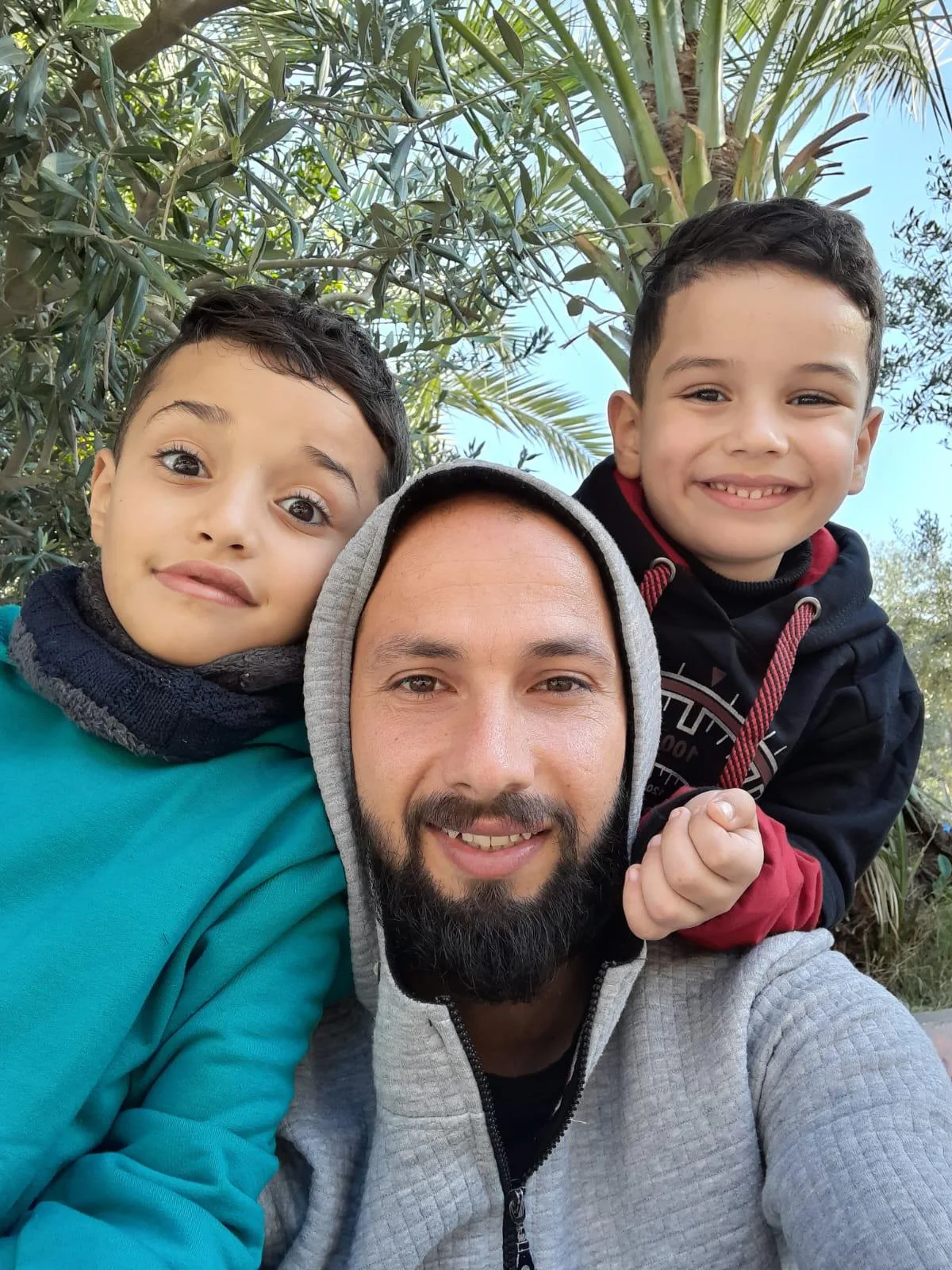
One of the hardest moments is waking up to find my son quietly crying under the covers. I ask what’s wrong, and he says, ‘I miss Dad.’ The most painful thing is seeing your child sad and being unable to help. Loss is excruciating a difficult chapter. But not the last one. Thank God.”

Nour ends her story with a final thought: “We’ll never truly heal from what we’ve seen. But we keep going because our children deserve to live.”

The war does not end with the last airstrike, nor does its impact stop at the edge of visible destruction. The years that follow marked by grief and rebuilding will be the ultimate test for those left behind.

The stories of widows and orphans may fade from the headlines, but they represent one of the heaviest and most enduring legacies of war. As life carries on at its bare minimum, the responsibility to support these survivors and to question what led them to this fate remains. It’s a question that extends far beyond Gaza, demanding reflection from anyone who witnesses these horrors and refuses to look away from their profound human cost.

Download this article as PDF
Share this Article
Facebook Twitter Whatsapp Whatsapp Telegram Email Copy Link
فريق التحرير
By فريق التحرير تقارير يعدها فريق تحرير نون بوست.
Follow:
Previous Article نون بوست Silent Displacement: How “Israel” Is Quietly Emptying the West Bank
Next Article نون بوست Where Are the Political Actors of the January Revolution?

Read More

  • "There Are Nights I Can’t Close My Eyes": How Gazans Are Living in Homes on the Brink of Collapse "There Are Nights I Can’t Close My Eyes": How Gazans Are Living in Homes on the Brink of Collapse
  • From al-Jolani to Ahmad al-Shara: The Evolution of Syria’s New Leader
  • When Political Islam Receded in Egypt: Who Filled the Void?
  • An Extension of Genocide: Gaza’s Detainees Speak Out
  • A Tightrope Between Survival and Sovereignty: The Syrian Government Faces Normalization Pressures
part of the design
NoonPost Weekly Newsletter

You May Also Like

“There Are Nights I Can’t Close My Eyes”: How Gazans Are Living in Homes on the Brink of Collapse

“There Are Nights I Can’t Close My Eyes”: How Gazans Are Living in Homes on the Brink of Collapse

فريق التحرير Noon Post 8 April ,2026
From al-Jolani to Ahmad al-Shara: The Evolution of Syria’s New Leader

From al-Jolani to Ahmad al-Shara: The Evolution of Syria’s New Leader

أحمد سيف النصر Ahmed Seif EL-Nasr 8 April ,2026
When Political Islam Receded in Egypt: Who Filled the Void?

When Political Islam Receded in Egypt: Who Filled the Void?

أحمد عبد الحليم أحمد عبد الحليم 8 April ,2026

هل يشكل المايكروويف خطرًا صحيًا بالفعل؟

فريق التحرير
Noon Post Published 22 June ,2015
Share
1232

فُرن المايكروويف الصغير، إنه الجهاز الثمين الذي يتزايد انتشاره بين الملايين، بل وأصبح أكثر أهمية في المطابخ من آلات ثانوية أخرى كالخلاط وغيرها، نتيجة طهيه السريع للأطعمة، بيد أن الكثير من الأقاويل تنتشر حول الأضرار الجسيمة التي قد يلحقها بالأطعمة التي نتناولها، بدءًا من تحويل المركبات الكيميائية الموجودة في الطعام بشكل يزيد احتمال إصابتنا بالسرطان، وحتى تسببه في العُقم.

هل هناك أي أساس علمي لهذه المخاوف والنظريات؟ في الحقيقة لا، ولننظر بالضبط إلى العمليات الفيزيائية التي تُحدثها الأشعة الكهرومغنطيسية التي تقوم بطهي الطعام داخل ذلك الفرن الصغير لنعرف بدقة ماهية الضرر الذي يُمكن أن يؤدي له ووجوده من عدمه.

كيف يعمل فرن المايكروويف؟

توجد في داخل الفرن دائرة كهربية تُسمى الماجنترون Magnetron، وهي التي تبدأ في العمل حين تعطيها إشارة البدء بالضغط على زر الطهي، لتُطلق موجات مايكروويف (شبيهة بتلك التي يلتقطها جهاز الراديو الخاص بك) تتذبذب 2.45 مليار مرة في الثانية الواحدة، ومثلها مثل كافة الأشعة الكهرومغنطيسية، تمتلك تلك الموجات مجالات مغنطيسية وكهربية، الأولى منها لا جدوى لها نظرًا لعدم وجود أي مكون مغنطيسي في طعامنا.

أما المجالات الكهربية فهي مربط الفرس هنا، إذ أنها تحرّك جزيئات المياه في الطعام نظرًا لطبيعتها الكيميائية، حيث تتسم جزيئات المياه بوجود طرف سالب وطرف موجب بسبب توزيع الشحنات بين ذرتي الهيدروجين وذرة الأكسجين التي تشكلها H2O، وبالتالي تبدأ بالاستجابة للمجال الكهربي القوي وترتطم بالجزيئات الأخرى الموجودة في الطعام، مما يؤدي إلى تسخينه بشكل سريع.

أين الضرر في هذه العملية إذن؟ يقول البعض أن موجات المايكروويف تلك تؤثر على الخلايا والجزيئات الموجودة بالطعام وتغيّر من تكوينها الجيني (أو الكيميائي) ولكن تلك النظرية خاطئة تمامًا لسبب بسيط، هو أن هذه موجات هي واحدة من أضعف أنواع الموجات الكهرومغنطيسية، وهي واحدة من الأطول في الحقيقة (من حيث طول الموجة، وهي وحدة قياس معروفة في علوم الموجات)، ونتيجة لذلك فإن تأثيرها شبه معدوم على الخلايا والأحماض النووية الموجودة فيها، ناهيك عن أن تصل للجزيئات الكيميائية نفسها.

لنقارن ذلك مثلًا بالأشعة السينية، X-Rays، والتي تتذبذب بطاقات أعلى مليار مرة من موجات المايكروويف، وتصل أطوالها الموجية إلى أحجام صغيرة للغاية مما يتيح لها أن تؤثر بالفعل على الخلايا وتدخل إلى النواة لتعبث بالتكوين الجيني لها، وهو ما يجعلها خطيرة جدًا، كما أثبتت الدراسات، وبالتالي لا نلجأ لها إلا بشكل عابر في حياتنا، مثل الكشف على ساق أو يد مكسورة.

أما موجات المايكروويف فهي أطول مليار مرة وأضعف كثيرًا، وأطوالها الموجية قد تصل لبضعة سنتيمترات، مما يجعل الخلايا والجزيئات الكيميائية شديدة الصغر مقارنة بها، وبالتالي يصبح الادعاء بأن تلك الموجات تغيّر من تركيبة الطعام الجينية أو الكيميائية أشبه بالادعاء بأن العواصف الرملية تؤثر على ترتيب الكتب المصفوفة بعناية في المكتبات الموجودة بمنازلنا.

أشعة المايكروويف والطيف الكهرومغنطيسي

نون بوست

الطيف الكهرومغنطيسي

أشعة المايكروويف هي جزء من الطيف الكهرومغنطيسي الذي يضم الضوء المرئي بألوانه السبعة، وأشعة جاما النووية، والأشعة السينية، وموجات الراديو، والطيف بالطبع ينقسم إلى موجات ذات طاقة (وترددات) عالية في مقابل أطوال موجية قصيرة، وموجات ذات طاقة (وترددات) منخفضة في مقابل أطوال موجية طويلة.

موجات الراديو والمايكروويف هي الأقل طاقة من بين هذه الموجات، وحين يرتفع ترددها قليلًا فإنها تنتقل إلى نطاق الأشعة تحت الحمراء، ثم اللون الأحمر المرئي وما يليه وصولًا إلى البنفسجي، قبل أن ننتقل إلى الأشعة فوق البنفسجية، وهي الأشعة عالية الطاقة والتي ثبت ضررها بالفعل وتسببها في سرطان الجلد، وهي تأتي بالأساس من الشمس وتحجبها عنّا بشكل كبير طبقة الأوزون.

من بعد الأشعة فوق البنفسجية تأتي الطاقات الأعلى في الأشعة السينية، وأشعة جاما التي لا نعرف لها مصدرًا سوى المواد المشعة نوويًا والأجسام عالية الطاقة في الفضاء، وهي بالطبع أشد خطرًا من فوق البنفسجية، أما ما يقل طاقة وترددًا عن هذه الثلاثة، فإنه لم يثبت ضرره على البشر بأي شكل، ناهيك عن أن المايكروويف تحديدًا أقل طاقة بكثير من الضوء المرئي الذي تلتقطه أعيننا يوميًا لنرى الكون من حولنا.

ماذا تقول الدراسات عن أشعة المايكروويف؟

تقول منظمة الصحة العالمية أنه تم نشر أكثر من 25 ألف مقال بحثي خلال العقود الثلاثة الماضية عن الأشعة الكهرومغنطيسية في النطاق المستخدم بأفران المايكروويف والهواتف المحمولة وخطوط نقل الكهرباء، وأنه ما من دليل قاطع وواضح على أن هناك تأثير صحي سلبي من التعرّض لهذه الموجات، بل إن الخطر الأول الذي يتعرض له مستخدمي المايكروويف لا يعدو التضرر من درجة الحرارة شديدة الارتفاع للطعام وهو خارج لتوه من الفرن ليس إلا.

لذلك، قررت المنظمة في عام 2011 أنه ما من أضرار صحية مثبتة علميًا حتى الآن للتعرض لأشعة المايكروويف، في حين قامت الوكالة الدولية لبحوث السرطان بتصنيف تلك الأشعة كموجات قد تؤدي نظريًا إلى السرطان possibly carcinogenic وهو التصنيف 2B قليل الخطورة، في مقابل التصنيف 2A الذي يشير عادة إلى احتمال فعلي لأن يؤدي للسرطان probably carcinogenic، وأخيرًا التصنيف الأخطر 1.

في الحقيقة، يبدو أن الخطر الأساسي من الهواتف المحمولة حتى الآن، طبقًا لإحصائيات الوفيات والحوادث، هو الخطر الذي يسببه الاستخدام الآدمي له، حيث يُعَد استخدام الهاتف أثناء القيادة السبب الأول في الوفيات الناتجة عن الهواتف المحمولة، على العكس مما يظن البعض من أن الأشعة المباشرة للهواتف قد تكون أشد خطرًا على حياتنا.

***

في النهاية، ومن الدراسات والإحصائيات المتاحة حاليًا، لا يبدو أن هناك أي ضرر من استخدام فرن المايكروويف، بل إن بعض الآلات البسيطة والابتكارات التقليدية قد تكون أشد خطرًا رُغم اعتيادنا لها وعدم قدرتنا على التخلي عنها، على سبيل المثال، يموت سنويًا 700 شخص في بريطانيا نتيجة الوقوع من على السلالم! وهو رقم أعلى بالطبع من الوفيات الناتجة عن استخدام المايكروويف أو النوم مع الهاتف المحمول في غرفة واحدة.

إن كنا لا نقلق من الصعود والنزول على السلم يوميًا، فليس من المنطقي – حتى الآن – أن نقلق من تلك الأجهزة التي تعتمد على أشعة المايكروويف بشكل عام، حتى يثبت لنا العلم ما ينافي ذلك.

TAGGED: أشعة المايكروويف ، الأشعة الكهرومغنطيسية ، الإشعاعات ، الفرن الكهربائي ، المايكروويف
TAGGED: علوم وتكنولوجيا
Download this article as PDF
Share this Article
Facebook Twitter Whatsapp Whatsapp Telegram Email Copy Link
فريق التحرير
By فريق التحرير تقارير يعدها فريق تحرير نون بوست.
Follow:
Next Article نون بوست The Stigma of “ISIS”: A Heavy Legacy Haunting Women and Children of Former Members

Read More

  • U.S. Regime‑Change Policies: Why They Are Destined to Fail U.S. Regime‑Change Policies: Why They Are Destined to Fail
  • The Gulf’s Balancing Act: Iran, Israel, and Hidden Links
  • Iraq–Turkey Oil Export Treaty: Why Did Ankara Cancel It After 52 Years?
  • Syria’s Northeast on Edge: QSD Between Ankara and Damascus
  • Has Europe Changed Its Stance on Israel… or Just Its Language?
part of the design
NoonPost Weekly Newsletter
dark

An independent media platform founded in 2013, rooted in slow journalism, producing in-depth reports, analysis, and multimedia content to offer deeper perspectives on the news, led by a diverse young team from several Arab countries.

  • Politics
  • Society
  • Rights & Liberties
  • Opinions
  • History
  • Sports
  • Education
  • Technology
  • Economy
  • Media
  • Arts & Literature
  • Entrepreneurship
  • Travel
  • Cinema & Drama
  • Food
  • Health
  • Culture
  • Latest Reports
  • Files
  • Long Reads
  • Interviews
  • Podcast
  • Interactive
  • Encyclopedia
  • In Pictures
  • About Us
  • Our Writers
  • Write for Us
  • Editorial Policy
  • Advanced Search
Some rights reserved under a Creative Commons license

Removed from favorites

Undo
Go to mobile version