







NoonPost NoonPost

NoonPost

  • Home
  • Politics
  • Economy
  • Society
  • Culture
  • Files
  • Long Reads
  • Podcast
AR
Notification Show More
نون بوست
“There Are Nights I Can’t Close My Eyes”: How Gazans Are Living in Homes on the Brink of Collapse
نون بوست
From al-Jolani to Ahmad al-Shara: The Evolution of Syria’s New Leader
نون بوست
When Political Islam Receded in Egypt: Who Filled the Void?
نون بوست
An Extension of Genocide: Gaza’s Detainees Speak Out
نون بوست
A Tightrope Between Survival and Sovereignty: The Syrian Government Faces Normalization Pressures
نون بوست
American Aircraft Carriers: Has the Era of “100,000 Tons of Diplomacy” Ended?
نون بوست
U.S. Regime‑Change Policies: Why They Are Destined to Fail
نون بوست
Transformations of Israeli Judaism: Between the Victim Complex and the Colonizer’s Doctrine
نون بوست
The Gulf’s Balancing Act: Iran, Israel, and Hidden Links
نون بوست
Iraq–Turkey Oil Export Treaty: Why Did Ankara Cancel It After 52 Years?
نون بوست
Syria’s Northeast on Edge: QSD Between Ankara and Damascus
نون بوست
Has Europe Changed Its Stance on Israel… or Just Its Language?
NoonPost NoonPost
AR
Notification Show More
نون بوست
“There Are Nights I Can’t Close My Eyes”: How Gazans Are Living in Homes on the Brink of Collapse
نون بوست
From al-Jolani to Ahmad al-Shara: The Evolution of Syria’s New Leader
نون بوست
When Political Islam Receded in Egypt: Who Filled the Void?
نون بوست
An Extension of Genocide: Gaza’s Detainees Speak Out
نون بوست
A Tightrope Between Survival and Sovereignty: The Syrian Government Faces Normalization Pressures
نون بوست
American Aircraft Carriers: Has the Era of “100,000 Tons of Diplomacy” Ended?
نون بوست
U.S. Regime‑Change Policies: Why They Are Destined to Fail
نون بوست
Transformations of Israeli Judaism: Between the Victim Complex and the Colonizer’s Doctrine
نون بوست
The Gulf’s Balancing Act: Iran, Israel, and Hidden Links
نون بوست
Iraq–Turkey Oil Export Treaty: Why Did Ankara Cancel It After 52 Years?
نون بوست
Syria’s Northeast on Edge: QSD Between Ankara and Damascus
نون بوست
Has Europe Changed Its Stance on Israel… or Just Its Language?
Follow US

Frenemies: What’s Changed in Riyadh’s Rhetoric Toward Abu Dhabi?

فريق التحرير
Noon Post Published 26 March ,2026
Share
نون بوست
نون بوست

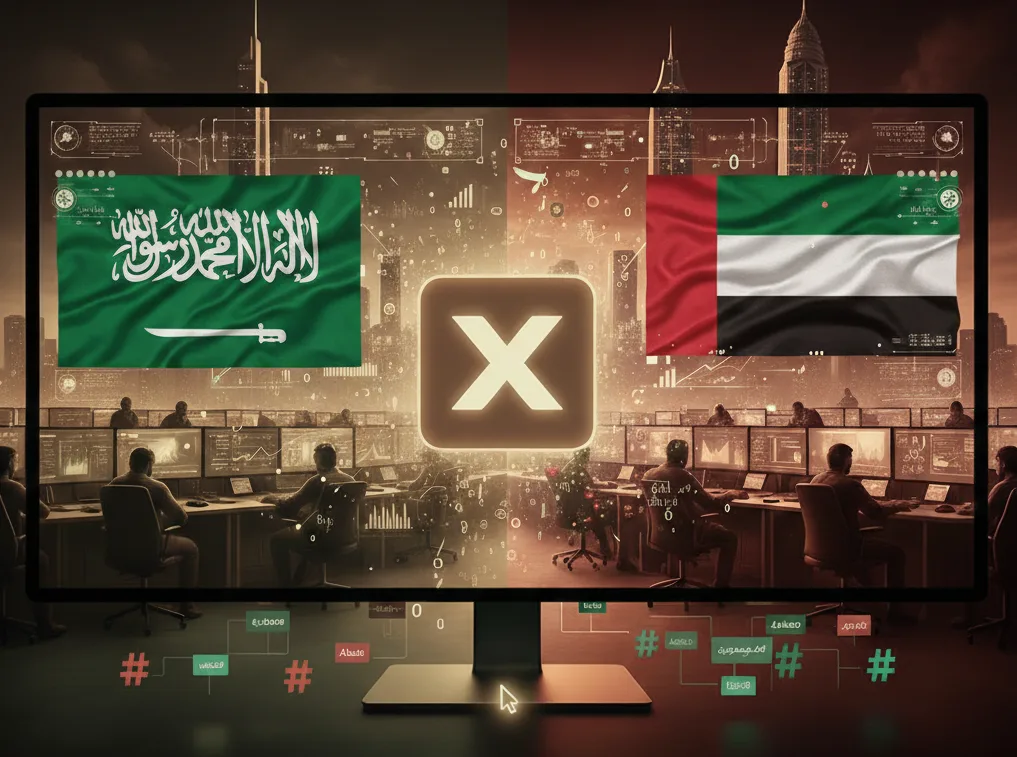
In recent days, X (formerly Twitter) has been a battlefield for hashtags calling for a boycott of the UAE’s goods and tourism sector. What sets this campaign apart is not its nature but its origin: it was launched from inside Saudi Arabia. In a peculiar twist, the luxury perfume brand “Dukhoon Al Emarat,” which is Saudi-owned despite its name, announced an upcoming rebrand that omits any reference to the Emirates.

In the context of recurring sibling rivalries among Gulf states, it’s become increasingly clear that digital armies and bot accounts are integral to regional political disputes domestically and abroad. Yet what is more noteworthy than the usual squabbles on X is the tone emerging from official Saudi media.

It has reached such a pitch that many are beginning to wonder whether the once-solid Saudi-UAE alliance is entering a new phase one reminiscent of the Gulf crisis with Qatar in 2017.

Such speculation is tempting, particularly as the fragmentation of the Saudi-Emirati alliance an outcome more damaging to the UAE than to Saudi Arabia would benefit many causes and actors across the Middle East. But are the recent Saudi media campaigns against the UAE sufficient to justify this forecast?

From “Violations” to “Human Rights”: The Language of Condemnation

Observers of UAE-aligned digital campaigns on X will find them largely focused on deflecting accusations of human rights abuses particularly relating to the country’s alleged role in fueling genocides and famines in Sudan, as previously reported by Noon Post.

The irony of the current brotherly feud lies in who’s leading the charge against Abu Dhabi: not NGOs or rights organizations, but Saudi Arabia itself via its official media channels. In recent days, Saudi state media has escalated its rhetoric to a level that resembles a legal dossier fit for The Hague.

Take, for example, a week’s worth of programming on Al Ekhbariya, a Saudi state-run news channel. On January 18, 2026, the channel aired a report portraying the UAE no longer as a mischievous sibling but as a destabilizing force in Yemen. The report accused Abu Dhabi of backing Southern Transitional Council leader Aiderous al-Zubaidi and his faction, going as far as to label the UAE a national security threat to the Kingdom.

Within just 48 hours, the tone grew even harsher. A new investigative segment titled “UAE Prisons in Hadhramaut Reveal Abu Dhabi’s Dark Face” aired on January 20, opening with terms like “terrifying prison” and “lack of basic human rights.” The report included footage of bare, cramped cells where detainees were unable to sit or lie down. It relied on official testimonies and left little to interpretation.

That same day, another Al Ekhbariya segment titled “Al-Zubaidi’s Gang: Crimes with Emirati Cover” revisited older human rights reports linking the UAE to the torture and murder of a Hadhrami citizen allegations dating back seven years, during a period when the UAE was still a coalition partner in Yemen and such accusations were unthinkable on Saudi airwaves.

The shift is stark: Saudi media’s current onslaught not only highlights UAE misconduct, but also raises questions about Saudi Arabia’s own complicity whether through active partnership or silent endorsement.

On January 21, Al Ekhbariya humanized the narrative further, airing interviews with Yemeni victims of Emirati torture in Hadhramaut. In a 15-minute exposé, survivors shared harrowing stories of abuse, marking the campaign’s most explicit turn yet.

By January 25, the network continued its blitz with a report on the “disappeared,” alleging 300 victims of UAE-run detention centers. The Saudi coverage has now grown into a scandalous archive of UAE violations not just in Yemen but in Libya and the Horn of Africa, where Abu Dhabi is accused of supporting militias and sowing chaos.

Absorbing the Blows: Strategic Silence or Strategic Weakness?

American historian Daniel Chirot advises us to take political leaders’ statements seriously. In “You Say You Want a Revolution?” he writes: “We should pay close attention to what political leaders say and write… any endorsement of violence should be viewed as a prediction of future policy, not mere posturing.”

While Chirot was addressing revolutionary ideologies, his advice offers a useful lens to understand the UAE’s response to Saudi Arabia’s media onslaught not through media proxies, but from the leadership itself.

At the 2026 Billion Followers Summit, Abdullah bin Mohammed bin Butti Al Hamed, head of the UAE’s National Media Office, declared that Abu Dhabi had no intention of engaging in social media squabbles over Yemen. He described this approach as a “studied and systematic method to avoid futile conflicts” a strategy of strategic silence.

“UAE media does not follow political whims or emotional reactions,” Al Hamed said. “Strategic silence is not absence it is a deliberate presence that chooses when, how, and why to speak, or not to speak.” He blamed the Muslim Brotherhood for spreading discord between the two countries and emphasized the role of content creators as digital ambassadors of the UAE’s constructive vision.

In practice, his words ring true. Major UAE outlets like Sky News Arabia have not mirrored the aggressive tone of Saudi coverage. Instead, they have adopted a defensive posture, focusing on rebutting accusations rather than launching counterattacks.

This reflects a recognition that Saudi Arabia is still the “elder sibling” in the Gulf, and direct escalation may jeopardize the UAE’s numerous regional projects and ongoing diplomatic frameworks.

Even in the UAE’s digital ecosystem previously described as a hub of “electronic flies” we now see a restrained narrative. Influencers praised the UAE’s restraint using Islamic parables, like a viral clip referencing Saad ibn Abi Waqqas as a model for piety in times of fitna (discord).

The video, ending with the line, “The best you can do is to avoid lighting the fire,” was widely shared by pro-UAE voices like Mira Zayed and Majed Al Saadi.

In the same vein, influencer “Bojasim” posted a 4.5-minute video on January 21 touting the UAE’s constructive role in Yemen just a day after Al Ekhbariya labeled the country Yemen’s primary destabilizer. Other lesser-known Emirati accounts have tried flipping the script, tying Saudi Arabia to Israel employing the same scare tactic Saudi media has used against Abu Dhabi in recent days.

Al Hamed dismissed these fringe voices as Brotherhood-linked agitators unaffiliated with the official Emirati position. However, the mixed messaging is most evident in figures like Amjad Taha. One moment, he praises Saudi-Emirati brotherhood and posts celebratory tributes to the UAE military on Saudi channels; the next, he shares reports accusing Saudi Arabia and Turkey of funding jihadist groups committing war crimes in Sudan.

These reports, particularly a Daily Mail article alleging Saudi-Turkish involvement in Sudanese atrocities, were amplified in English by Emirati influencers like Taha and Khamis Al-Hosani perhaps to better reach a Western audience.

Notes and Red Lines

As this media feud grows more intense, several observations stand out:

Saudi Arabia appears stronger, bolder, and more assertive both in media and geopolitics. Yet its messaging is erratic, reflecting the undefined “red lines” in this fraught bilateral relationship. Will tensions boil over into open rupture, or is this merely a passing storm?

Take, for instance, the now-deleted article by Saudi journalist Al-Tuwaijri, published in Al Jazirah newspaper. It accused the UAE of “falling into Israel’s lap,” likening it to a Zionist Trojan horse driven by an inferiority complex toward Saudi Arabia. The article went as far as addressing the Emirati people rather than their leadership a break from the traditional respect afforded to Gulf monarchs. It credited Saudi King Faisal with the very creation of the UAE and accused Abu Dhabi of playing a destructive role in the war on Gaza.

The article was initially removed after backlash from both Israeli media and Emirati influencers, who decried it as antisemitic. It was later republished, likely as an effort to reaffirm Saudi Arabia’s stance after appearing to have crossed a line.

Meanwhile, the UAE’s media response remains more cautious tinged with fear of crossing those same lines. Its digital operatives oscillate between veiled insinuations, lofty appeals for calm, and even expressions of admiration for Saudi nationalism.

Ultimately, Al Hamed’s claim that “strategic silence” is more beneficial than confrontation seems plausible not out of noble intent, but due to Abu Dhabi’s limited leverage. The UAE has long feared being seen as a geographical appendage an upstart state vulnerable to the dominance of its larger, older sibling.

Most Western observers, including Gulf security analyst Anna Jacobs, tend to downplay the current tensions, viewing them as minor irritants in a relationship bound by deep economic and strategic ties. But in today’s volatile world, the only certainty is uncertainty. The fate of Saudi-UAE relations may well rest in the hands of time.

“The days will reveal what you once did not know.”

Download this article as PDF
Share this Article
Facebook Twitter Whatsapp Whatsapp Telegram Email Copy Link
فريق التحرير
By فريق التحرير تقارير يعدها فريق تحرير نون بوست.
Follow:
Previous Article نون بوست The Fate of Egypt’s January Generation in a Lost Decade
Next Article نون بوست “We Were Cut Off from the World”: Testimonies from Hadramaut’s Secret Prisons

Read More

  • U.S. Regime‑Change Policies: Why They Are Destined to Fail U.S. Regime‑Change Policies: Why They Are Destined to Fail
  • The Gulf’s Balancing Act: Iran, Israel, and Hidden Links
  • Iraq–Turkey Oil Export Treaty: Why Did Ankara Cancel It After 52 Years?
  • Syria’s Northeast on Edge: QSD Between Ankara and Damascus
  • Has Europe Changed Its Stance on Israel… or Just Its Language?
part of the design
NoonPost Weekly Newsletter

You May Also Like

U.S. Regime‑Change Policies: Why They Are Destined to Fail

U.S. Regime‑Change Policies: Why They Are Destined to Fail

إسراء سيد Esraa sayed 8 April ,2026
The Gulf’s Balancing Act: Iran, Israel, and Hidden Links

The Gulf’s Balancing Act: Iran, Israel, and Hidden Links

فريق التحرير Noon Post 8 April ,2026
Iraq–Turkey Oil Export Treaty: Why Did Ankara Cancel It After 52 Years?

Iraq–Turkey Oil Export Treaty: Why Did Ankara Cancel It After 52 Years?

فريق التحرير Noon Post 8 April ,2026

الانقلاب العسكري والشدة السيساوية

محمود المنير
محمود المنير Published 23 June ,2015
Share
a0305a1b-20df-4bf8-a7b9-c4384b3a05fc_16x9_600x338

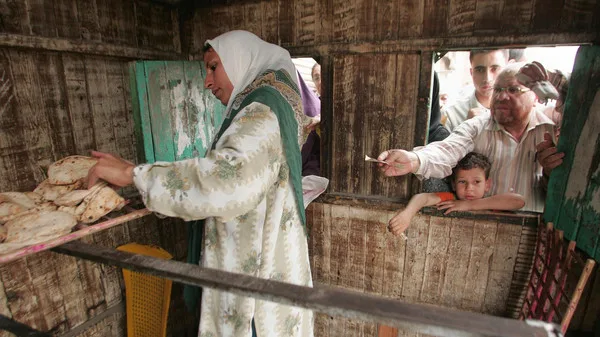
إبان حكم المستنصر بالله الخليفة الخامس من خلفاء الدولة العبيدية الفاطمية في مصر والثامن منذ نشأتها بالمغرب، وقعت بمصر ما يعرف في كتب المؤرخين بـ “الشدة العظمى”، وهي مصطلح يطلق على المجاعة والخراب الذى حل بمصر لمدة سبع سنوات عجاف (457هـ – 464هـ/ 1065م – 1071م).

حيث شهد أواخر عهد المستنصر (427هـ – 487هـ) عدة اضطرابات وحوادث عظيمة في البلاد، منها:  أن الجند السودانيين أثاروا الاضطرابات في الوجه القبلي، وأغار نحو أربعين ألف فارس من قبيلة لواتة والأعراب، تحت زعامة ناصر الدولة التغلبي، على الوجه البحري ونهبوا خيراته وحطموا الجسور والقنوات؛ مما ترتب عليه انقطاع المؤونة عن القاهرة والفسطاط، وذكر ابن الأثير أنه اشتد الغلاء، حتى حكي أن امرأة أكلت رغيفًا بألف دينار، واشتد الغلاء والوباء حتى أن أهل البيت كانوا يموتون في ليلة واحدة، وكان يموت كل يوم على الأقل ألف نفس، ثم ارتفع العدد إلى 10 آلاف وفي يوم مات 18 ألفًا، وكان المستنصر يتحمل نفقات تكفين 20 ألفًا على حسابه، حتى فنى ثلث أهل مصر، وقيل إنه مات مليون وستمائة ألف نفس، ونزل الجند لزراعة الأرض بعد أن هلك الفلاحون.

وشاءت الأقدار ألا تقتصر معاناة البلاد على اختلال الإدارة والفوضى السياسية، فجاء نقص منسوب مياه النيل ليضيف إلى البلاد أزمة عاتية، وتكرر هذا النقصان ليصيب البلاد بكارثة كبرى ومجاعة داهية امتدت لسبع سنوات متصلة (457هـ – 464هـ / 1065م – 1071م)، فزاد الغلاء وأعقبه الوباء، حتى تعطلت الأرض عن الزراعة، وشمل الخوف وخيفت السبل برًا وبحرًا.

وقد تخلل تلك المجاعة أعمال السلب والنهب وعمت الفوضى، واشتدت تلك المجاعة حتى لم يجد فيها الناس شيئًا يأكلوه فأكلوا الميتة والبغال والحمير، وبيع رغيف الخبز الواحد بخمسين دينارًا.

وذكر ابن إياس من العجائب التي لا يصدقها عقل زمن تلك المجاعة، أن الناس أكلوا الكلاب والقطط، وكان ثمن الكلب الواحد خمسة دنانير والقط ثلاثة، وقيل كان الكلب يدخل البيت فيأكل الطفل الصغير وأبواه ينظران إليه فلا يستطيعان النهوض لدفعه عن ولدهما من شدة الجوع والضعف، ثم اشتد الأمر حتى صار الرجل يأخذ ابن جاره ويذبحه ويأكله ولا ينكر ذلك عليه أحد من الناس، وصار الناس في الطرقات إذا قوى القوي على الضعيف يذبحه ويأكله.

وذكر كذلك أن طائفة من الناس جلسوا فوق أسقف البيوت وصنعوا الخطاطيف والكلاليب لاصطياد المارة بالشوارع من فوق الأسطح، فإذا صار عندهم ذبحوه في الحال وأكلوه بعظامه.

ويروي إياس أن وزير البلاد لم يكن يمتلك سوى بغل واحد يركبه، فعهد بالبغل إلى غلام ليحرسه، إلا أن الغلام من شدة جوعه كان ضعيفًا فلم يستطع أن يواجه اللصوص الذين سرقوا البغل، وعندما علم الوزير بسرقة بغله غضب غضبًا شديدا، وتمكن من القبض على اللصوص، وقام بشنقهم على شجرة، وعندما استيقظ الصباح وجد عظام اللصوص فقط؛ لأن الناس من شدة جوعهم أكلوا لحومهم.

وقيل: إنه كان بمصر حارة تعرف بحارة الطبق، وهي معروفة بمدينة الفسطاط، كان فيها عشرون دارًا، كل دار تساوي ألف دينار، فبيعت كلها بطبق خبز، كل دار برغيف، فسميت من يومئذ بحارة الطبق.

كانت هذه بعض أخبار ووقائع الشدة المستنصرية، أما الآن في زمن الانقلاب العسكري تشير الأرقام والوقائع ومجريات الأحداث في مصر منذ وقوع الانقلاب الذي قاده عبد الفتاح السيسي أن مصر تعيش شدة سيساوية أعنف من الشدة المستنصرية ومن دلائلها ومؤشراتها ما يلي:

– كشف تقرير أصدره موقع “ويكي ثورة” الذي يرصد أحداث الثورة المصرية أن عدد المعتقلين والملاحقين أمنيًا وصل خلال عهد انقلاب السيسي  منذ 3 يوليو 2013 حتي 15 مايو 2014 إلى 41.163 مقبوضًا عليه أو متهمًا في واقعة أو قضية في جميع محافظات مصر، وهو أكبر عدد معتقلين في تاريخ مصر حتى الآن ومرشح للزيادة بعد حصر حملات الاعتقال الأخرى المستمرة، وقال إنه كذلك تم حصر 299 طالبًا قتيلًا و3657 طالبًا مقبوضًا عليه وملاحقًا في مختلف أنواع الوقائع في 23 محافظة مختلفة حتى 15 أبريل 2014 فقط، منهم 19 طالبًا قتلوا داخل أو بمحيط منشآت جامعية.

وذكر “ويكي ثورة” أنه حتي 31 ديسمبر الماضي كان قد تم حصر 36.478 من المقبوض عليهم والملاحقين والمتهمين خلال أحداث سياسية، 142 في احتجاجات اجتماعية، 87 على خلفية احتجاجات لمطالب عمالية، 415 تم القبض عليهم خلال أحداث طائفية، و1.714 على خلفية أعمال إرهابية، وهناك أيضًا 1.453 تم القبض عليهم خلال وقائع خرق حظر تجوال على غير خلفية جنائية، 874 مدنيًا تعرضوا لإجراءات المحاكمة العسكرية على خلفية جنائية (وهذا القسم لا يشمل المحاكمين أمام محاكم عسكرية على خلفية سياسية والذين يبلغ عددهم 376 ومتضمنين في حصر آخر).

– شهدت فترة العام الأول من حكم قائد الانقلاب انتهاكات صارخة في مجال تسييس القضاء وتطويعه لخدمة السلطة حيث بلغ عدد أحكام الإعدام خلال عام 408 حكم.

– “موت وخراب ديار”.. جملة تتردد كثيرًا في عهد الانقلاب على ألسنة الآلاف من أهالي المعتقلين الرافضين للانقلاب، بسبب حمى الغرامات الباهظة التي يفرضها قضاة الانقلاب على المعتقلين، إمعانًا في القمع والظلم لقرابة 45 ألف معتقل في سجون الانقلاب، منهم من صدر بحقهم أحكام بالحبس، مع غرامات بعشرات الآلاف من الجنيهات دون أي سبب واضح، ومنهم من صدرت بحقهم إخلاء السبيل مع دفع 50 أو 100 ألف جنيه غرامة، وهو ما يعجز عنه أغلبهم، فبعضهم يلجأ للاستئناف لتخفيف المبلغ أو إلغائه، ومنهم من يمتنع عن دفع الكفالة من الأساس ويفضل بقاء 3 أشهر داخل سجون الانقلاب بدلًا من دفع الكفالة، رفضًا لدعم سلطات الانقلاب.

– إفلاس شركات، إغلاق مصانع، وتسريح آلاف العمال؛ مسلسل لم يتوقف عرضه على مدار عام من عمر الانقلاب العسكري الذي قضى على الأخضر واليابس وانحدر باقتصاد البلاد إلى الهاوية إلى الحد الذي فقد معه مسؤولو الانقلاب والمؤسسات التابعة لهم القدرة على تجميل الصور القبيحة للوضع الاقتصادي المنهار؛ فقد أصدر مؤخرًا مركز المعلومات ودعم اتخاذ القرار التابع لمجلس الوزراء، تقريره الأخير والذي أكد فيه ارتفاع حالات الإفلاس للشركات والأفراد حتى شهر مايو الماضي من عام 2014 لتصل 84 حالة؛ حيث سجلت القضايا بالمحاكم الابتدائية 84 حالة بسبب الأوضاع السيئة التي تمر بها البلاد في ظل الانقلاب العسكري.

– صنفت كل من مؤسسة “طومسون رويترز” ومؤسسة “فيتش الدولية للتصنيف الائتماني الألمانية” في شهر يونيو الماضي لعام 2014 مصر ضمن 18 دولة مهددة بالإفلاس بسبب انهيار الأوضاع الاقتصادية بعد الانقلاب العسكري، حيث حصلت مصر على المركز الخامس بين الدول المهددة بالإفلاس بعد الأرجنتين وأوكرانيا وفنزويلا واليونان.

– بحسب الاتحاد العام لنقابات عمال مصر تم إغلاق 3500 شركة صغيرة ومتوسطة.

– بجانب إغلاق الشركات العالمية والمحلية تم إغلاق مئات المصانع، حيث بلغ عدد المصانع التي أُغلقت عقب الانقلاب العسكري 855 مصنعًا وذلك وفقًا للخطابات المقدمة من أصحاب تلك المصانع لمركز تحديث الصناعات، هذا فضلًا عن الأزمات الطاحنة التي يمر بها العاملون في العديد من المصانع نتيجة توقف العديد من خطوط الإنتاج وتقليل عدد الورديات إلى جانب اتجاه عدد من مستثمرين إلى تسريح العمالة لعدم قدرتها على الوفاء بالالتزامات المطلوبة منها.

– تم إغلاق 230 مصنعًا بمنطقة برج العرب فيما يعمل 150 مصنعًا بنصف طاقتهم بعد تسريح العمالة، كما أغلقت قوات أمن الانقلاب في مارس الماضي أكبر مصنع تجفيف للبصل في سوهاج دون إبداء أي أسباب لهذا القرار، ويعتبر المصنع من أكبر المصانع التي تقوم بتجفيف البصل في الشرق الأوسط بل وفي أفريقيا ويضم 3600 عامل.

– بحسب التقارير الرسمية لهيئة التنمية الاقتصادية توقف 120 مصنعًا من إجمالي 600 مصنع بدمياط الجديدة، وتعثر 200، كما توقف 200 مصنع بالمدينة الصناعية بأنشاص الرمل، و159 مصنعًا بالعاشر من رمضان، وتعثر 350 مصنعًا، وتوقف أيضًا 27 مصنعًا وتعثر 90 مصنعًا من إجمالي 150 بالمنطقة الصناعية بالفيوم، كذلك توقف 50 مصنعًا وتعثر 150 من إجمالي 315 مصنعًا بقويسنا، و70 مصنعًا بمدينة السادات كما تعثر 200 من 600 مصنع، وتوقف 46 مصنعًا وتعثر 120 مصنعًا بسوهاج، وكذلك 26 مصنعًا وتعثر 85 بمدينة 15 مايو، وتوقف 150 مصنعًا من إجمالي 400 مصنع ببلبيس.

– أعلن الاتحاد المصري للغرف السياحية، عن إغلاق 190 فندقًا، منها نحو 97 فندقًا في محافظة البحر الأحمر و47 فندقًا ومنتجعًا في جنوب سيناء بسبب توقف السياحة، والتي شهدت انخفاضًا شديدًا منذ مجزرة فض اعتصامي رابعة والنهضة بلغ 80%.

– ارتفاع كبير في معدلات البطالة خلال عام من الانقلاب والذي بلغ بحسب الجهاز المركزي للتعبئة والإحصاء 13.4% أي بزيادة قدرها 33 ألف عامل عن العام الماضي، وبحسب إحصائيات أخرى غير رسمية بلغت نسبة البطالة 24%.

– كشفت تقارير للبنك المركزي، أن الدين الداخلي لمصر في عهد الانقلاب وصل إلى 1924.7 مليار جنيه بنهاية ديسمبر 2014، منه 87.9% مستحق على الحكومة، و0.3% على الهيئات العامة الاقتصادية، و11.8% على بنك الاستثمار القومي، وأكد المركزي أن صافي رصيد الدين المحلي المستحق على الحكومة بلغ نحو 1691.8 مليار جنيه في نهاية ديسمبر 2014، بزيادة قدرها 153.4 مليار جنيه خلال الفترة يوليو- ديسمبر من السنة المالية 2014/ 2015، وبلغ صافي رصيد مديونية الهيئات العامة الاقتصادية نحو 6.6 مليار جنيه بانخفاض قدره نحو 51.8 مليار جنيه، أما مديونية بنك الاستثمار القومي، فقد بلغت نحو 226.3 مليار جنيه بزيادة قدرها 6.6 مليار جنيه.

– ارتفاع فوائد خدمة الدين الداخلي والخارجي حيث قدرت وفقًا للأرقام الرسمية بنحو 165.405 مليار جنيه خلال الفترة من يوليو إلى نوفمبر من العام المالي الجاري 2014/ 2015، وذلك مقارنة بنحو 280.6 مليار جنيه خلال العام المالي السابق 2013/ 2014، وارتفعت خدمة الدين من 71.123 مليار جنيه في عام 2008/ 2009، إلى 98.9 مليار جنيه عام 2009/ 2010، فيما ارتفعت إلى 117.256 مليار جنيه عام 2010/ 2011، لتصل إلى 140 مليار جنيه عام 2011/ 2012 لتسجل نحو 218.2 مليار جنيه عام 2012/ 2013، فيما بلغت فوائد الدين الداخلي نحو 66 مليار جنيه، والخارجي 2.375 مليار جنيه.

– ارتفاع إجمالي الدين العام المحلي خلال يونيو الماضي بنحو 1.7 تريليون جنيه بنسبة 82.6% من الناتج المحلي الإجمالي، مقابل 1.544 تريليون جنيه بنسبة 77.3% في مارس الماضي، ومقارنة 1.41 تريليون جنيه بنسبة 80.5% من نفس الناتج خلال يونيو من العام السابق عليه، بزيادة بلغت 310 مليار جنيه.

– قال الدكتور محمد شاكر وزير الكهرباء بحكومة الانقلاب إن العجز النقدي في القطاع وصل إلى 18 مليار جنيه، ومديونيات بـ52 مليار جنيه لوزارتي المالية والبترول.

– رصدت التقارير أكثر من 100 كارثة أو يزيد خلال عام واحد في عهد قائد الانقلاب العسكري، وآلاف القتلى وعشرات الآلاف من المصابين والمعتقلين، ونكبات اجتماعية واقتصادية وعسكرية غير مسبوقة، وقال البرلماني السابق والقيادي بحزب الوسط حاتم عزام، عبر حسابه على تويتر “مظاهر الفشل والكوارث الطبيعية في عهد سلطة السيسي وعسكره بالأربعة – مش بالثلاثة – فضاءً ونهرًا وأرضًا وأنفاقًا”، وتابع “قمر صناعي يضيع مستعصيًا على التحكم فيه، كوارث بيئية في مياه النيل من فوسفات إلى مواد بترولية، كباري تنهار بشكل عجيب وحوادث طرق مفزعة وبشر ينتحرون، والذي لن تجده سوى في مصر السيسي تصادم  يصعب تخيل حدوثه لقطاران بمترو الأنفاق”، وتابع “إن كم الدماء والظلم والفساد في مصر جعلت الكون من هولها يئن ولعنة جريمة عصابة الانقلاب ضد الإنسانية في رابعة وأخواتها ستطارده حتى يسقط قريبًا”.

– وحدة رصد انتهاكات حقوق الإنسان في سيناء أصدرت تقريرها حول رصد الانتهاكات التي ارتكبت بحق المدنيين في شمال سيناء من قِبل قوات الجيش والشرطة والتي بدأت في 25 أكتوبر 2014، وأشارت التقارير إلى ما يلي:

· القتل خارج إطار القانون: 681 حالةً.

· الاعتقال التعسفي: 1481 حالة اعتقال.

· اعتقال تحت بند الاشتباه: 2667 حالةً.

· حرق عشش للبدو: 1740 عشةً.

· تدمير وحرق منقولات مادية للمدنيين: 1837 (566 سيارةً- 1271 دراجة بخارية).

· المنازل المهدمة: 2084 منزلًا.

· عدد الأسر المهجرة: 3056 أسرةً.

· عدد الأفراد المهجرين: 21 ألفًا و392 فردًا ما بين طفل وشاب وامرأة وشيخ.

· مساحة المنطقة المهجرة: 1000م عرض × 13.5 كم طول.

· أُخلي قسرًا قرابة 3056عائلةً من منازلها، بمعدل أكثر من 21 ألف شخص نزح العديد منهم إلى مدينة العريش.

وبعد، فالأرقام والكوارث والخسائر والمصائب على كل مستويات في زمن الانقلاب العسكري استعصت على الحصر، ولا تكفيها مئات التقارير، فلك الله يا مصر من هذه الشدة السيساوية التي فاقت الشدة المستنصرية، وندعو الله أن يكشف هذه الشدة عن أرض الكنانة، إنه ولى ذلك والقادر عليه.


المصادر:

– المقريزي: المواعظ والاعتبار بذكر الخطط والآثار، الناشر: دار الكتب العلمية، بيروت، الطبعة: الأولى، 1418هـ.

– المقريزي: إغاثة الأمة بكشف الغمة، تحقيق: كرم حلمي فرحات، عين للدراسات والبحوث الإنسانية والاجتماعية، مصر، ط 1، 1427هـ – 2007م.

– ابن تغري بردي: النجوم الزاهرة في ملوك مصر والقاهرة، الناشر: وزارة الثقافة والإرشاد القومي، دار الكتب، مصر.

– ابن خلكان: وفيات الأعيان وأنباء أبناء الزمان، تحقيق: إحسان عباس، الناشر: دار صادر – بيروت، الطبعة الأولى للجزء الخامس 1994م.

– الذهبي: سير أعلام النبلاء، تحقيق : مجموعة من المحققين بإشراف الشيخ شعيب الأرناؤوط، الناشر: مؤسسة الرسالة، الطبعة: الثالثة 1405هـ/ 1985م.

– ابن إياس: المختار من بدائع الزهور في وقائع الدهور، كتاب الشعب، مطبعة الشعب 1960م.

– ابن الأثير: الكامل في التاريخ، تحقيق: عمر عبد السلام تدمري، الناشر: دار الكتاب العربي، بيروت – لبنان، الطبعة: الأولى، 1417هـ / 1997م.

– إفلاس 84 شركة وإغلاق 855 مصنعًا .. حصاد عام من تخربيب الانقلاب لمصر!، موقع نافذة مصر.

– ديون مصر تتفاقم في عهد الانقلاب.. والبنك المركزي يواصل الاقتراض، قناة مصر الآن.

– ديون مصر الداخلية في عهد الانقلاب تتعدى 1924 مليار جنيه، جريدة الشعب.

– ديون مصر الخارجية ترتفع في عهد الانقلاب 45.3 مليار دولار، شبكة رصد.

– 41 ألف معتقل في عهد انقلاب السيسي حتى 15 مايو الجاري، ويكي ثورة.

– موت وخراب ديار.. قضاة الانقلاب يستنزفون جيوب أهالي المعتقلين، بوابة الحرية والعدالة.

– كوارث في عهد الانقلاب .. 52 مليار جنيه مديونيات الكهرباء، جريدة الشعب.

– الخراب حل على يد الغراب.. 100 كارثة في عهد «السيسي البومة»، البدرشين اليوم.

TAGGED: الاقتصاد المصري ، الانقلاب العسكري في مصر ، السياحة في مصر ، القضاء المصري ، المعتقلون في السجون المصرية
TAGGED: انقلاب مصر
Download this article as PDF
Share this Article
Facebook Twitter Whatsapp Whatsapp Telegram Email Copy Link
محمود المنير
By محمود المنير كاتب مصري
Follow:
Next Article نون بوست The Stigma of “ISIS”: A Heavy Legacy Haunting Women and Children of Former Members
part of the design
NoonPost Weekly Newsletter
dark

An independent media platform founded in 2013, rooted in slow journalism, producing in-depth reports, analysis, and multimedia content to offer deeper perspectives on the news, led by a diverse young team from several Arab countries.

  • Politics
  • Society
  • Rights & Liberties
  • Opinions
  • History
  • Sports
  • Education
  • Technology
  • Economy
  • Media
  • Arts & Literature
  • Entrepreneurship
  • Travel
  • Cinema & Drama
  • Food
  • Health
  • Culture
  • Latest Reports
  • Files
  • Long Reads
  • Interviews
  • Podcast
  • Interactive
  • Encyclopedia
  • In Pictures
  • About Us
  • Our Writers
  • Write for Us
  • Editorial Policy
  • Advanced Search
Some rights reserved under a Creative Commons license

Removed from favorites

Undo
Go to mobile version