NoonPost NoonPost

NoonPost

  • Home
  • Politics
  • Economy
  • Society
  • Culture
  • Files
  • Long Reads
  • Podcast
AR
Notification Show More
نون بوست
“There Are Nights I Can’t Close My Eyes”: How Gazans Are Living in Homes on the Brink of Collapse
نون بوست
From al-Jolani to Ahmad al-Shara: The Evolution of Syria’s New Leader
نون بوست
When Political Islam Receded in Egypt: Who Filled the Void?
نون بوست
An Extension of Genocide: Gaza’s Detainees Speak Out
نون بوست
A Tightrope Between Survival and Sovereignty: The Syrian Government Faces Normalization Pressures
نون بوست
American Aircraft Carriers: Has the Era of “100,000 Tons of Diplomacy” Ended?
نون بوست
U.S. Regime‑Change Policies: Why They Are Destined to Fail
نون بوست
Transformations of Israeli Judaism: Between the Victim Complex and the Colonizer’s Doctrine
نون بوست
The Gulf’s Balancing Act: Iran, Israel, and Hidden Links
نون بوست
Iraq–Turkey Oil Export Treaty: Why Did Ankara Cancel It After 52 Years?
نون بوست
Syria’s Northeast on Edge: QSD Between Ankara and Damascus
نون بوست
Has Europe Changed Its Stance on Israel… or Just Its Language?
NoonPost NoonPost
AR
Notification Show More
نون بوست
“There Are Nights I Can’t Close My Eyes”: How Gazans Are Living in Homes on the Brink of Collapse
نون بوست
From al-Jolani to Ahmad al-Shara: The Evolution of Syria’s New Leader
نون بوست
When Political Islam Receded in Egypt: Who Filled the Void?
نون بوست
An Extension of Genocide: Gaza’s Detainees Speak Out
نون بوست
A Tightrope Between Survival and Sovereignty: The Syrian Government Faces Normalization Pressures
نون بوست
American Aircraft Carriers: Has the Era of “100,000 Tons of Diplomacy” Ended?
نون بوست
U.S. Regime‑Change Policies: Why They Are Destined to Fail
نون بوست
Transformations of Israeli Judaism: Between the Victim Complex and the Colonizer’s Doctrine
نون بوست
The Gulf’s Balancing Act: Iran, Israel, and Hidden Links
نون بوست
Iraq–Turkey Oil Export Treaty: Why Did Ankara Cancel It After 52 Years?
نون بوست
Syria’s Northeast on Edge: QSD Between Ankara and Damascus
نون بوست
Has Europe Changed Its Stance on Israel… or Just Its Language?
Follow US

“We Were Cut Off from the World”: Testimonies from Hadramaut’s Secret Prisons

بشرى الحميدي
Bushra Alhomidy Published 26 March ,2026
Share
نون بوست
نون بوست

The issue of unofficial prisons in Yemen’s eastern Hadramaut governorate has once again come under the spotlight, following unprecedented official accusations against the United Arab Emirates of operating secret detention centers in the area most notably, suspected sites within the Riyan Airport military base in the city of Mukalla.

These allegations, made by Yemen’s official authorities, have reopened one of the country’s most sensitive and complex files. For years, there was official denial, media silence, and fear among victims, despite persistent reports from rights organizations about detention sites operating outside state authority.

On January 19, 2026, Salem Al-Khanbashi, a member of the Presidential Leadership Council and the governor of Hadramaut, stated in a press conference that civilians were being detained extrajudicially in locations previously controlled by Emirati forces places that operated without oversight from prosecutors or official institutions.

Victims’ Testimonies

Beneath the official statements lies a disturbing chorus of testimonies from former detainees, many of whom were silenced by fear or threats. These accounts point to undisclosed detention facilities, extralegal practices, and a total absence of accountability.

One such testimony comes from Aseel, who was just 15 years old when he was arrested in 2016. Speaking to Noon Post, he recounted a nearly two-year detention at a military site near Riyan Airport—then under Emirati control—without any legal process.

“I was arrested without a warrant, without explanation,” he said. “I had no idea why or where I was being taken. I simply disappeared, and no court ever saw my case.”

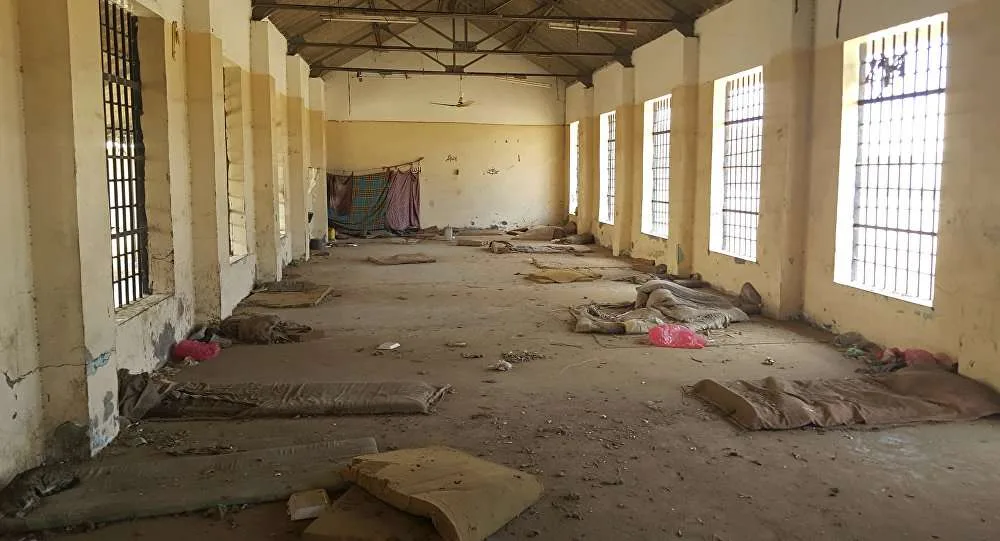
Aseel wasn’t held in an official prison, but rather in a sealed metal container used as a makeshift cell. “The moment I was placed inside, I felt completely cut off from the world,” he recalled. “I had no idea when or if I would get out.”

He spent two years in the container under horrific conditions. “In the summer, it was suffocatingly hot. In the winter, unbearably cold. There was no regard for the fact that I was just a child,” he said.

During his detention, Aseel was subjected to various forms of mistreatment during interrogations, including physical assault and psychological pressure, without any legal oversight. “They would call me for questioning without telling me what they wanted. I was beaten, insulted, and intimidated. I was a child with no protection,” he said.

Aseel’s health deteriorated after undergoing emergency surgery for appendicitis. “Immediately after surgery, they took me back to the container. I was still in pain and vulnerable. I was beaten again, and my condition worsened.”

Throughout the two years, Aseel was never allowed to contact his family. “The hardest part was thinking about my parents. Did they know where I was? Was I even alive in their eyes?”

In 2018, Aseel was released alongside other detainees, without trial. “Before they let us go, we were told clearly not to speak about what had happened. We were forced to sign pledges, as if those two years had to be erased,” he said.

Now, seven years after his release, Aseel says the psychological and physical toll remains. “My story isn’t unique. It happened to others too including children.”

Aseel’s case echoes that of Rashad, another former detainee who endured years of abuse inside the Riyan facility. Arrested in 2017 without a warrant or charges, Rashad was held incommunicado and subjected to prolonged abuse, amounting to enforced disappearance.

“My family had no idea where I was. I wasn’t brought before any authority,” he told Noon Post. “It was as if my life had been erased.”

Rashad described his detention site as a small space within a military compound, not a formal prison. He was tortured, deprived of food, sleep, and even access to a bathroom. “I was dragged on the ground, starved, denied rest, and subjected to sexual torture using tools,” he said.

He added that his family was extorted for information and false promises of release. “They exploited my mother’s anguish. They demanded large sums of money in exchange for lies.”

After his eventual release, Rashad faced social and professional difficulties and was targeted with trumped-up charges. “I left the prison, but the trauma and scars stayed with me,” he said.

Extralegal Detention

Abdulrahman Barman, executive director of the American Center for Justice, told Noon Post that secret detention sites without judicial oversight constitute arbitrary detention, explicitly criminalized under Yemen’s constitution and penal laws.

Barman explained that Yemeni law allows no more than 24 hours of detention without formal charges. Any violations are both domestic and international law infractions. These practices also breach the International Covenant on Civil and Political Rights and the Convention Against Torture.

Given the context of armed conflict, these violations fall under international humanitarian law, compounding their severity.

Attorney Majed Ahmed Bin Jaa, representing victims in Hadramaut, confirmed that facilities like Riyan and Al-Dhaba Port operated under Emirati military control, away from Yemeni state oversight.

These locations became closed military zones, housing secret detention sites where civilians from Hadramaut and Shabwah were held without legal justification. Emirati officers and allied local forces oversaw arrests and interrogations.

Some detainees were never registered or were listed under aliases, further obstructing legal redress. The UAE-Yemen security cooperation agreement was misused, he noted, to bypass judicial oversight.

These prisons emerged from a breakdown of central authority and the rise of foreign-backed forces. Local actors facilitated and protected these operations for political or security gains.

Bin Jaa emphasized that detainees had no access to legal representation or family, and were interrogated by foreign officers. The system involved widespread enforced disappearances, torture, solitary confinement, threats, and forced confessions.

Later investigations uncovered hidden cells and erased records, underscoring a systematic effort to conceal evidence and evade accountability.

Grave Violations

Eshraq Al-Maqtari, a member of Yemen’s National Commission to Investigate Alleged Violations of Human Rights, called the abuses in Hadramaut among the most serious violations of international human rights law.

She emphasized that these acts infringed on fundamental rights to life, dignity, and physical and mental well-being. The detainees were held in unhealthy, illegal facilities and subjected to torture using sharp tools and psychological punishment.

According to Al-Maqtari, many perpetrators were not Yemenis, but members of the UAE military, stationed at sites like Riyan Base in Mukalla.

She noted that from 2016 to 2021, a vacuum in judicial oversight enabled rampant abuse. The Commission documented lasting physical and psychological harm among victims, including permanent disabilities and trauma.

Many pieces of evidence were destroyed, particularly at Riyan, and reports of anonymous burials near detention sites demand further investigation. “The victims want dignity restored and an official UAE apology,” she said.

Victims still face social stigma, job discrimination, and threats. Al-Maqtari urged swift psychological and legal support and labeled the Hadramaut prisons file as an urgent priority for justice.

Crime Scenes

Barman further stressed that such facilities must be treated as crime scenes under the law, where grave offenses like enforced disappearance and extrajudicial killings took place.

He called for legal preservation of evidence and access for independent investigators. “These are not ordinary cases—they are war crimes and crimes against humanity,” he stated.

Criminal responsibility extends not just to perpetrators but also to commanders who ordered or concealed the abuses. Institutional liability also applies to any armed group or official body that knowingly participated or remained silent.

Such crimes are not subject to statutes of limitation, and victims have the right to pursue justice indefinitely.

Emirati Oversight

Deputy Justice Minister Faisal Al-Majeedi told Noon Post that Yemen’s security file during this period was run outside formal institutions, under direct UAE supervision and allied militias, bypassing the ministries of Interior and Defense.

Official inspection teams, including Governor Khanbashi, found torture tools and signs of evidence tampering at these sites. Presidential orders have since mandated the closure of such facilities and the release of all unlawfully held detainees.

The Attorney General’s Office is now coordinating with the Ministry of Justice to launch legal investigations, supported by interior ministry teams. Al-Majeedi stressed that enforced disappearance is among the most severe crimes, demanding urgent redress and reparations.

The legal process will begin with evidence collection and proceed through prosecution and trial.

Tawfiq Al-Humeidi, head of SAM for Rights and Liberties, said the UAE’s role in Yemen has deviated dangerously since 2015. He linked the secret prisons to a broader project aimed at dismantling state institutions and targeting opposition groups.

According to Al-Humeidi, the UAE established a network of secret prisons in Aden, Abyan, Shabwah, Hadramaut, Mocha, and Socotra. SAM documented these facilities and issued multiple reports since May 25, 2017.

He said Hadramaut was not an isolated case, but part of a structured system involving militias, torture squads, and networks of impunity. Common practices included electric shocks, beatings, suspension, sleep deprivation, and even transferring detainees abroad.

While recent official actions are a step forward, Al-Humeidi insisted that the abuses qualify as war crimes and demand international judicial mechanisms to ensure justice.

The reality long denied can no longer be ignored. Yemen’s path to justice must begin with the full exposure of what happened in Riyan and accountability for those responsible.

Download this article as PDF
Share this Article
Facebook Twitter Whatsapp Whatsapp Telegram Email Copy Link
بشرى الحميدي
By بشرى الحميدي
Follow:
Previous Article نون بوست Frenemies: What’s Changed in Riyadh’s Rhetoric Toward Abu Dhabi?
Next Article نون بوست January 25: A Revolution That Shook “Israel”

Read More

  • U.S. Regime‑Change Policies: Why They Are Destined to Fail U.S. Regime‑Change Policies: Why They Are Destined to Fail
  • The Gulf’s Balancing Act: Iran, Israel, and Hidden Links
  • Iraq–Turkey Oil Export Treaty: Why Did Ankara Cancel It After 52 Years?
  • Syria’s Northeast on Edge: QSD Between Ankara and Damascus
  • Has Europe Changed Its Stance on Israel… or Just Its Language?
part of the design
NoonPost Weekly Newsletter

You May Also Like

U.S. Regime‑Change Policies: Why They Are Destined to Fail

U.S. Regime‑Change Policies: Why They Are Destined to Fail

إسراء سيد Esraa sayed 8 April ,2026
The Gulf’s Balancing Act: Iran, Israel, and Hidden Links

The Gulf’s Balancing Act: Iran, Israel, and Hidden Links

فريق التحرير Noon Post 8 April ,2026
Iraq–Turkey Oil Export Treaty: Why Did Ankara Cancel It After 52 Years?

Iraq–Turkey Oil Export Treaty: Why Did Ankara Cancel It After 52 Years?

فريق التحرير Noon Post 8 April ,2026

دولة حزب العمال الكردستاني: تأتيكم برعاية أمريكا

آرون شتين
آرون شتين Published 23 June ,2015
Share
190620141102590890352_2

في الأسبوع الماضي، استعادت القوات الكردية، التي تحارب تحت لواء حزب الاتحاد الديمقراطي (PYD)، السيطرة على بلدة تل أبيض الحدودية من أيدي الدولة الإسلامية، وبهذا تم قطع خط الإمداد الرئيسي إلى عاصمة الدولة الإسلامية الفعلية في الرقة، كما أن استعادة تل أبيض، سمحت بتوحيد أراضي الكانتونات التي يسيطر عليها الأكراد، كانتون كوباني، وكانتون الجزيرة، حيث تقع تل أبيض كنقطة وسط ما بين هاتين المنطقتين.

جاء هذا الانتصار بعد المعركة الشرسة التي خاضتها القوات الكردية في بلدة كوباني في أكتوبر الماضي، حيث كادت هذه القوات أن تتلقى هزيمة شنعاء على يد عناصر الدولة الإسلامية، لولا الزيادة الهائلة في الغارات الجوية لقوات التحالف التي ساعدت على تحويل دفة الأمور، وأثناء حصار الدولة الإسلامية لكوباني، قامت الولايات المتحدة أيضاً بفتح ممر للقوات الكردية التابعة للـPYD لتزويد غرفة العمليات العسكرية في أربيل بأهداف الدولة الإسلامية، والتي عمل طيران التحالف على قصفها فيما بعد، ومنذ ذلك الحين، اعتمدت قوات الـPYD بشدة على القوة الجوية الأمريكية لتساعدهم في تقدمهم، واستعادة السيطرة على المناطق من أيدي تنظيم الدولة.

الجارة التركية تجنبت مساعدة الـPYD، بسبب علاقة الأخير الوثيقة مع حزب العمال الكردستاني (PKK)، وهو حزب مصنف على أنه إرهابي من قِبل تركيا والولايات المتحدة والاتحاد الأوروبي، لشنه لهجمات متكررة ومنفصلة ضد الدولة التركية منذ أكثر من ثلاثة عقود؛ وأنقرة لا تفرق ما بين الـPYD والـPKK، وتؤكد أن تصرفات الـPYD في سورية هي بمثابة حملة للتطهير العرقي، وجزء من جهد أوسع يسعى لإقامة دولة حليفة لحزب العمال الكردستاني، على طول الحدود البرية السورية – التركية.

من جهتها، تجاهلت الولايات المتحدة المخاوف التركية، مبررة دعمها المتواصل للجماعات الكردية، بنجاحاتها ضد الدولة الإسلامية، ونأيها بنفسها عن الجماعات الإسلامية المتمردة، المدعومة بمعظمها من قِبل تركيا، وهكذا ساعدت السياسة الأمريكية على خلق جيب يسيطر عليه الأكراد في سورية معادٍ للمصالح التركية، وأصبح الأكراد يشكلون خطراً على المصالح التركية سواء في الداخل التركي أو على الحدود في شمال شرق سورية وشمال غرب العراق، وإضافة إلى ذلك، أعلنت الولايات المتحدة بشكل غير مباشر أنها سوف تعمل على حماية المكاسب الكردية، خشية أن تجتاح الدولة الإسلامية المناطق التي حررتها القوات الكردية في هجوم مضاد منظم.

هذا الواقع يطرح مشكلة بالنسبة لتركيا، حيث تواصل أنقرة مباشرتها وإيقافها لمفاوضات السلام مع حزب العمال الكردستاني منذ عام 2006، ويعمد حزب العدالة والتنمية الحاكم إلى قيادة عملية تهدف في المقام الأول إلى وضع حد للعنف، وخلق مسار قانوني قابل للاستمرار أمام حزب العمال الكردستاني، ليعتمد على السياسة الديمقراطية لطرح قضاياه، بدلاً من تعويله على العنف، وبناء عليه، اتفق الجانبان على وقف لإطلاق النار في 2013، لكن المحادثات توقفت في نهاية المطاف بعد أن طالب حزب العدالة والتنمية من حزب العمال الكردستاني نزع سلاحه قبل انتقال المفاوضات إلى المرحلة التالية، وفي المقابل، اشترط حزب العمال الكردستاني على حزب العدالة والتنمية لنزع سلاحه أن يتخذ مزيداً من الخطوات الهادفة إلى منح الأكراد حقوقهم في تركيا.

منذ بداية المفاوضات، كانت الحكومة التركية ممثلة بحزب العدالة والتنمية، تسعى لتحقيق هدفين متلازمين، أولاً إنهاء العنف، وثانياً تقويض قاعدة الدعم الشعبي لحزب العمال الكردستاني، حيث حرص حزب العدالة والتنمية على خلق توازن مع شعبية حزب العمال الكردستاني لدى القوميين الأكراد، وذلك عن طريق سعيه للظفر بالدعم السياسي للأكراد المتدينين في تركيا، ومن خلال القيام بذلك، كان يأمل حزب العدالة والتنمية أن يؤدي إنهاء العنف، وإعادة دمج الأكراد في المجتمع التركي، وتحسين الأوضاع الاقتصادية في المناطق الكردية الجنوبية الشرقية، إلى إنهاء عهد سيطرة وشعبية حزب العمال الكردستاني، وبذات الوقت إلى توفير دفعة كبيرة في القاعدة الانتخابية للحزب، حزب العدالة والتنمية.

استطاع حزب العدالة والتنمية تحقيق بعض النجاح في مسعاه لتهميش حزب العمال الكردستاني، حيث ساعد تخفيف القيود الثقافية، وتحسّن المناخ الاقتصادي في المناطق الجنوبية الشرقية ذات الأغلبية الكردية في تركيا، على تلميع صورة حزب العدالة والتنمية ما بين الأكراد المتدينين، ولكن خلال معركة  كوباني، تبنى الحزب خطاباً معادياً للأكراد، مما عمل على تقويض الدعم الذي حصل عليه في المناطق ذات الأغلبية الكردية، ومع استمرار مناصبة العداء من قِبل أنقرة نحو الـPYD، استمر حزب العدالة والتنمية بخسارة الناخبين، وفي نهاية المطاف أدت سياساته المعادية للمصالح الكردية في سورية، إلى تحول القاعدة الانتخابية بشكل جماعي من دعم  حزب العدالة والتنمية، إلى دعم حزب الأكراد، حزب الشعوب الديمقراطي، المرتبط بحزب العمال الكردستاني.

حزب العدالة والتنمية وحزب الشعوب الديمقراطي الكردي كانا حليفين طبيعيين، حيث عملا معاً بشكل وثيق للتقدم بعملية السلام التركية – الكردية، قبل أن تؤدي الخلافات السالف ذكرها إلى تجميد المفاوضات، ومنذ ذلك الوقت اطردت الانشقاقات والاختلافات ما بين الطرفين وتوسعت، ولا سيّما بسبب القضية الكردية- السورية؛ فعلى سبيل المثال، رحب حزب الشعوب الديمقراطي بسقوط تل أبيض، قائلاً إن كل انتصار للـPYD ضد الدولة الإسلامية هو تعزيز للأمن الإقليمي، وعلى النقيض، جاء موقف حزب العدالة والتنمية متهماً حزب الاتحاد الديمقراطي PYD بتشريد أهالي القرية العرب والتركمان، كما انتقد قيام الولايات المتحدة بتوفير الغطاء والدعم الجوي لحزب الـPYD الإرهابي.

أثارت هذه الانقسامات مخاوفاً من انهيار اتفاق وقف إطلاق النار الهش، وعودة حزب العمال الكردستاني والدولة التركية إلى ساحة الصراع الدموي، ولكن على أرض الواقع، هذه المعادلة غير واردة على المدى القريب، كون التغيير في المواقف الأميركية، جنباً إلى جنب مع التغطية الإعلامية المترافقة والملائمة للموقف الأمريكي الجديد، خلقا حافزاً لدى حزب العمال الكردستاني للامتناع عن مهاجمة الدولة التركية، حيث تحسنت صورة الحزب العالمية بشكل كبير في الأشهر الأخيرة، وكسبت كتائبه النسائية اهتمام وسائل الإعلام الدولية، التي أشادت بالحزب باعتباره القوة الوحيدة القادرة على هزيمة الدولة الإسلامية، وهذه التغطية الإعلامية المؤيدة نوعاً ما للحزب، أنعشت جهود الضغط على الاتحاد الأوروبي وصنّاع السياسة الأمريكيين لإزالة حزب العمال الكردستاني من قوائم المنظمات الإرهابية.

إزالة الحزب من قوائم الإرهاب هي عملية غير واردة، نظراً للمقاومة المطروحة من تركيا وهي حليف لحلف الناتو، ومع ذلك، فإن الـPYD يمتلك مصلحة في الإبقاء على الدعم الغربي، وخاصة الآن بعد أن قام بتوحيد كانتوناته في سورية، وبالتأكيد سوف يفكر الحزب الآن في كسب التأييد لمساعيه في الحكم الذاتي، أو حتى الاستقلال التام، في سورية ما بعد بشار الأسد، ومن المؤكد أن تركيا ستقاوم هذه الجهود، ولكن حتى الآن، يبدو أن الولايات المتحدة ترى أن حزب الاتحاد الديمقراطي هو قوة قتالية قادرة على الاستمرار والبقاء، وتستحق الدعم الجوي المباشر.

إن تمكين حزب الاتحاد الديمقراطي PYD، له تداعيات محلية وسياسية على الدولة التركية، وسيطرة الحزب على الأراضي في سورية، تشكل مصدر قلق كبير للمسؤولين الأمنيين الأتراك ولاعبي السياسة الخارجية التركية، في الوقت الراهن، فإن كلا من الـPYD  والحكومة التركية، لديهما حافز يدفعهما للامتناع عن تصعيد الموقف، كون التصعيد سيؤدي إلى فقدان الـ PYD لمصداقيته الدولية، في حين أن تركيا ستخاطر بإنجرارها ضمن داومة الصراع السوري، ولكن، إذا ما نظرنا إلى ما بعد النزاع الحالي، فإن أنقرة يجب الآن أن تتعامل مع ما لا يمكن تصوره، وهو دويلة حزب العمال الكردستاني المدعومة أمريكياً والقائمة على امتداد أطول حدود برية تمتلكها، وبشكل طبيعي، فإن تركيا وهذه الدويلة ستناصبان العداء لبعضهما البعض، وهنا على أنقرة أن تختار، إما تنشيط عملية السلام ومحاولة عقد السلام مع حزب العمال الكردستاني، أو محاولة القضاء على هذا التهديد، وهذا الخيار الأخير، في حال اختياره، سيضمن استمرار الاضطرابات في سورية، وهي نتيجة غير مقصودة ربما للقرار الأميركي بالتدخل في النزاع السوري.

المصدر: وار اون ذي روكس

TAGGED: داعش
TAGGED: الأكراد
Download this article as PDF
Share this Article
Facebook Twitter Whatsapp Whatsapp Telegram Email Copy Link
آرون شتين
By آرون شتين باحث دكتوراة متخصص في حل النزاعات وكاتب في الشأن التركي
Follow:
Next Article نون بوست The Stigma of “ISIS”: A Heavy Legacy Haunting Women and Children of Former Members

Read More

  • U.S. Regime‑Change Policies: Why They Are Destined to Fail U.S. Regime‑Change Policies: Why They Are Destined to Fail
  • The Gulf’s Balancing Act: Iran, Israel, and Hidden Links
  • Iraq–Turkey Oil Export Treaty: Why Did Ankara Cancel It After 52 Years?
  • Syria’s Northeast on Edge: QSD Between Ankara and Damascus
  • Has Europe Changed Its Stance on Israel… or Just Its Language?
part of the design
NoonPost Weekly Newsletter
dark

An independent media platform founded in 2013, rooted in slow journalism, producing in-depth reports, analysis, and multimedia content to offer deeper perspectives on the news, led by a diverse young team from several Arab countries.

  • Politics
  • Society
  • Rights & Liberties
  • Opinions
  • History
  • Sports
  • Education
  • Technology
  • Economy
  • Media
  • Arts & Literature
  • Entrepreneurship
  • Travel
  • Cinema & Drama
  • Food
  • Health
  • Culture
  • Latest Reports
  • Files
  • Long Reads
  • Interviews
  • Podcast
  • Interactive
  • Encyclopedia
  • In Pictures
  • About Us
  • Our Writers
  • Write for Us
  • Editorial Policy
  • Advanced Search
Some rights reserved under a Creative Commons license

Removed from favorites

Undo
Go to mobile version