NoonPost NoonPost

NoonPost

  • Home
  • Politics
  • Economy
  • Society
  • Culture
  • Files
  • Long Reads
  • Podcast
AR
Notification Show More
نون بوست
“There Are Nights I Can’t Close My Eyes”: How Gazans Are Living in Homes on the Brink of Collapse
نون بوست
From al-Jolani to Ahmad al-Shara: The Evolution of Syria’s New Leader
نون بوست
When Political Islam Receded in Egypt: Who Filled the Void?
نون بوست
An Extension of Genocide: Gaza’s Detainees Speak Out
نون بوست
A Tightrope Between Survival and Sovereignty: The Syrian Government Faces Normalization Pressures
نون بوست
American Aircraft Carriers: Has the Era of “100,000 Tons of Diplomacy” Ended?
نون بوست
U.S. Regime‑Change Policies: Why They Are Destined to Fail
نون بوست
Transformations of Israeli Judaism: Between the Victim Complex and the Colonizer’s Doctrine
نون بوست
The Gulf’s Balancing Act: Iran, Israel, and Hidden Links
نون بوست
Iraq–Turkey Oil Export Treaty: Why Did Ankara Cancel It After 52 Years?
نون بوست
Syria’s Northeast on Edge: QSD Between Ankara and Damascus
نون بوست
Has Europe Changed Its Stance on Israel… or Just Its Language?
NoonPost NoonPost
AR
Notification Show More
نون بوست
“There Are Nights I Can’t Close My Eyes”: How Gazans Are Living in Homes on the Brink of Collapse
نون بوست
From al-Jolani to Ahmad al-Shara: The Evolution of Syria’s New Leader
نون بوست
When Political Islam Receded in Egypt: Who Filled the Void?
نون بوست
An Extension of Genocide: Gaza’s Detainees Speak Out
نون بوست
A Tightrope Between Survival and Sovereignty: The Syrian Government Faces Normalization Pressures
نون بوست
American Aircraft Carriers: Has the Era of “100,000 Tons of Diplomacy” Ended?
نون بوست
U.S. Regime‑Change Policies: Why They Are Destined to Fail
نون بوست
Transformations of Israeli Judaism: Between the Victim Complex and the Colonizer’s Doctrine
نون بوست
The Gulf’s Balancing Act: Iran, Israel, and Hidden Links
نون بوست
Iraq–Turkey Oil Export Treaty: Why Did Ankara Cancel It After 52 Years?
نون بوست
Syria’s Northeast on Edge: QSD Between Ankara and Damascus
نون بوست
Has Europe Changed Its Stance on Israel… or Just Its Language?
Follow US

Deporting ISIS Detainees from Syria to Iraq: The End of a Crisis?

فريق التحرير
Noon Post Published 26 March ,2026
Share
نون بوست
نون بوست

The US Central Command has announced the launch of a new operation in Syria aimed at transferring ISIS detainees from the country’s northeast to Iraq a move that has sparked questions over whether it is a necessary security measure or merely the relocation of a ticking time bomb.

According to a statement issued on January 21, 2026, 150 ISIS fighters held at a detention facility in the Syrian city of Hasakah were transferred to a “secure” holding site in Iraq. The US added that up to 7,000 detainees could eventually be moved from Syria to facilities under Iraqi government control.

The move comes amid major military and political developments in Syria, particularly the rapid collapse of control by the US-backed Syrian Democratic Forces (SDF) in parts of the northeast following recent clashes with the Syrian government forces in Damascus.

While Washington insists that the transfer is intended to ensure detainees remain in secure facilities and to prevent any immediate security threat to the region or the US, observers question whether this approach truly resolves the underlying issue or simply shifts the danger to another country.

A Network of Prisons and Camps

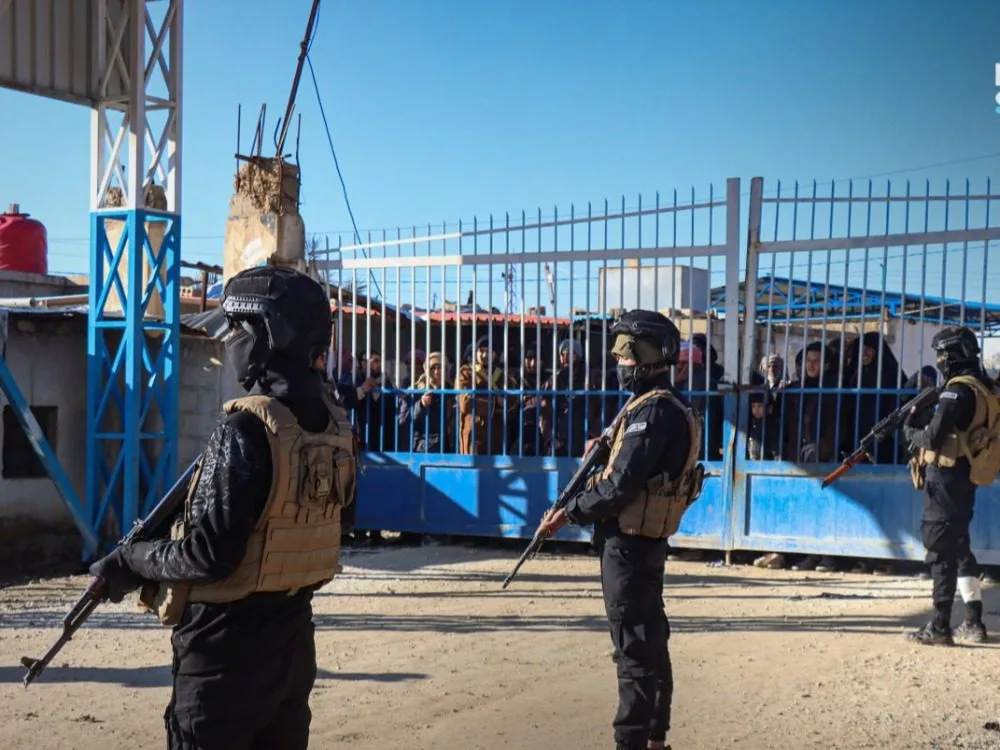
In the years following ISIS’s territorial defeat in 2019, the SDF established a sprawling network of prisons and camps across its areas of control to detain ISIS fighters and their families.

According to media sources, the SDF was holding approximately 9,000 ISIS militants in over a dozen detention centers across northern and eastern Syria, including hundreds of foreign fighters whose home countries refused to repatriate them.

The largest of these facilities is Ghuwayran Prison in Hasakah, housing around 4,500 detainees. Parallel to that, the notorious al-Hol camp has hosted tens of thousands of ISIS fighters’ family members—mostly women and children—living in dire conditions.

Al-Hol currently shelters about 24,000 people, mostly Syrians and Iraqis, but also around 6,500 nationals from more than 40 countries considered hardline ISIS loyalists, who are housed in a high-security section of the camp.

These prisons and camps have often been described as ticking time bombs, posing both security and humanitarian risks. They have witnessed repeated violence, including murders within the camps, in addition to extreme overcrowding and catastrophic living conditions circumstances that risk turning these sites into breeding grounds for future extremism if no sustainable solution is found.

Transferring thousands of detainees to Iraq was not possible without intricate political and security arrangements between Baghdad and Washington, given the sensitivity and implications of such a move. On the Iraqi side, the official stance has cautiously supported the transfer following a reassessment of the evolving situation in Syria.

Iraq’s National Security Council announced its approval to receive “terrorist detainees holding Iraqi and other nationalities who were previously held in SDF-run prisons.”

Spokesperson for the Iraqi Armed Forces, Sabah al-Numan, confirmed that the detainees—both Iraqi and foreign nationals who were “involved in spilling the blood of innocent Iraqis,” would be placed in official government-run correctional facilities.

Iraq’s Supreme Judicial Council emphasized that all transferred individuals would fall under the jurisdiction of the Iraqi judiciary, stating: “We will take legal action against them.”

This cooperation marks a significant shift in Baghdad-Washington relations. For years, Iraq resisted accepting such large numbers of ISIS affiliates and even demanded billions of dollars in financial compensation to shoulder the responsibility.

The Burden of Security and Detention Costs

Managing and securing these facilities has placed a heavy burden on the SDF and its backers. The Kurdish-led Autonomous Administration has relied heavily on international coalition support—particularly from the US for funding, training, and logistical assistance.

Washington has repeatedly stressed it cannot continue financing these operations indefinitely. In a January 2025 UN Security Council session, Acting US Ambassador to the UN Dorothy Shea remarked: “The United States has borne this burden for far too long… Ultimately, these camps cannot remain a direct financial responsibility of the US,” referencing al-Hol and Roj camps.

Shea urged countries to take responsibility by repatriating their nationals detained in those facilities.

Iraq has been among the most responsive, repatriating over 10,000 of its citizens from al-Hol and Roj in recent years as part of a gradual rehabilitation and reintegration program.

Still, tens of thousands of foreign detainees remain stuck in Syria, with most Western governments unwilling to bring them back and prosecute them on home soil.

In light of this, the cost—both financial and security-related—of continuing to detain these individuals has continued to rise, prompting the US to view the deportation agreement with Iraq as an urgent necessity.

The Fate of the Camps After SDF Withdrawal

Recent developments on the ground in Syria have radically altered the future of camps previously controlled by the SDF especially al-Hol.

Following two weeks of clashes between Syrian government forces and the SDF in Aleppo and Hasakah provinces, both parties reached a temporary ceasefire in late January 2026, brokered by Washington.

As part of the agreement, the SDF withdrew from al-Hol and handed over control to the Syrian government. On January 21, Damascus announced the deployment of military and security units into the camp, assuming full responsibility.

This move ended years of Kurdish administration of the camp, supported by the international community, and transferred the issue to Syrian state control, which vowed to restore order and prevent chaos inside the camp.

Syrian officials described al-Hol as having been a “pressure card” used by the SDF, accusing the Kurdish forces of exploiting the presence of ISIS families for political leverage.

Nonetheless, Damascus now faces the immense challenge of managing the sprawling camp, which experts consider one of the region’s most dangerous security concerns due to recurring murders and disappearances inside.

UN reports point to extremely poor humanitarian conditions in al-Hol, including a lack of services, healthcare, and education for children making it a potential breeding ground for a new generation of extremists if left unaddressed.

And al-Hol is not the only concern: smaller camps like Roj still house hundreds of foreign families and around 2,400 to 2,600 fighters. Damascus is expected to coordinate with concerned countries to either repatriate their nationals or integrate them locally.

As for ISIS prisons still inside Syria, most remain under SDF control for now, based on a temporary arrangement to keep the detainees in Kurdish custody until they are either transferred to Iraq or handed over to the Syrian military in future deals.

Escape Attempts and the Resurgence Threat

In recent years, ISIS detainees have launched several coordinated prison breaks, reinforcing concerns that keeping them in minimally secure facilities poses a significant regional and global threat.

The most notorious of these occurred in January 2022, when ISIS staged a massive, coordinated attack on Ghuwayran Prison in Hasakah the group’s largest operation since its territorial collapse.

The assault began with a car bomb and an internal prison riot, sparking fierce battles that raged for ten days between ISIS fighters and prison guards, backed by SDF forces with US air and ground support.

The fighting killed at least 500 people, including ISIS fighters, guards, and civilians. Amid the chaos, hundreds of detainees managed to escape.

Although most escapees were later recaptured with American support, the incident raised serious alarms about the group’s ability to exploit weaknesses in detention infrastructure.

Similar concerns reemerged during recent clashes between the Syrian army and the SDF in early 2026. US sources reported that about 200 ISIS fighters escaped from al-Shaddadi prison amid the turmoil, though many were later apprehended by Syrian government forces.

These developments have heightened fears that any security collapse in detention zones could allow ISIS remnants to free thousands of comrades—just as occurred in Iraq in 2012–2013, when the group stormed Abu Ghraib and Taji prisons and released hundreds of extremists, sparking a renewed insurgency.

In this context, the new head of US Central Command, Admiral Brad Cooper, stated that the orderly and secure transfer of ISIS detainees is “crucial to preventing a mass prison break that could directly threaten the US and regional security.”

But the question remains: will deporting ISIS detainees to Iraq truly enhance regional stability and eliminate the group’s lingering threat or will it simply relocate the crisis to a new arena, delaying the inevitable explosion?

Download this article as PDF
Share this Article
Facebook Twitter Whatsapp Whatsapp Telegram Email Copy Link
فريق التحرير
By فريق التحرير تقارير يعدها فريق تحرير نون بوست.
Follow:
Previous Article نون بوست Why Gulf States Fear the Fall of the Iranian Regime
Next Article نون بوست Davos 2026: Trump Pens the Obituary of the Global Order

Read More

  • U.S. Regime‑Change Policies: Why They Are Destined to Fail U.S. Regime‑Change Policies: Why They Are Destined to Fail
  • The Gulf’s Balancing Act: Iran, Israel, and Hidden Links
  • Iraq–Turkey Oil Export Treaty: Why Did Ankara Cancel It After 52 Years?
  • Syria’s Northeast on Edge: QSD Between Ankara and Damascus
  • Has Europe Changed Its Stance on Israel… or Just Its Language?
part of the design
NoonPost Weekly Newsletter

You May Also Like

U.S. Regime‑Change Policies: Why They Are Destined to Fail

U.S. Regime‑Change Policies: Why They Are Destined to Fail

إسراء سيد Esraa sayed 8 April ,2026
The Gulf’s Balancing Act: Iran, Israel, and Hidden Links

The Gulf’s Balancing Act: Iran, Israel, and Hidden Links

فريق التحرير Noon Post 8 April ,2026
Iraq–Turkey Oil Export Treaty: Why Did Ankara Cancel It After 52 Years?

Iraq–Turkey Oil Export Treaty: Why Did Ankara Cancel It After 52 Years?

فريق التحرير Noon Post 8 April ,2026

الاستعداد لرمضان.. قراءة في عقل حازم أبو إسماعيل

محمد إلهامي
محمد إلهامي Published 27 June ,2015
Share
7309

لئن كان محذورًا أن نمدح أحدًا بما ليس أهله أو نضع أحدًا فوق مكانه، فمن المحذور كذلك أن نغمط أقدار الرجال وأن نحط من مكانتهم!

وعلى طول ما كتبت عن الشيخ حازم أبو إسماعيل من مدح إلا أن المستقر في يقيني، والله يعلم، أني لم أوفيه حقه، فلم يزل الرجل في ظني ورغم ما بلغه من شهرة طبقت الآفاق وما حازه من إعجاب غير مسبوق لاسيما بعدما صحت نظرته في العسكر ومآل الثورة، أقول: لم يزل مجهولاً لا يقدر حق قدره.

للشيخ حازم وجهان قليل من رآهما: وجهه كشيخ يسوق ويشرح معاني الدين وأفكاره، ووجهه كسياسي ظهر بعد الثورة فكان أحدَّ الناس بصرًا وفهمًا بما حدث ويحدث، وها هي الحوادث قد صدَّقت ما يقول.

لقد عرفت الشيخ شيخًا قبل أن أعرفه سياسيًا، وكنت شديد الإعجاب به، أفكاره مبتكرة لم أسمعها من غيره، وتوجيهاته عميقة ومتقدمة، وقد دُهِشت حين عرفت أنه ينوي الترشح للرئاسة وظننته يريد مجرد رفع السقف من بعد ما كان المطروح حينها: أبو الفتوح وسليم العوا فقط، لكني منذ سمعت لقاءه الأول (كان مع عمرو أديب ومحمد شردي) إلا وأيقنت أن فهم الرجل في السياسة كفهمه في أمر الدين والشريعة.

***

لنأخذ على هذا مثالاً بسيطًا واضحًا ومتكررًا وكم أفاض الدعاة من الكلام فيه، وهو: الاستعداد لرمضان!

عادة ما يقوله الدعاة في هذا المقام وقبل حلول الشهر الكريم هو ضرورة الاستعداد له، الاستعداد بالإكثار من الصلاة والصيام والصدقة كي تتعود النفس على العبادة فتستطيع أن تبلغ في رمضان أقصى حالاتها دون أن يصيبها التعب أو الفتور.

أما الشيخ حازم فقد جاء بالجديد، ومختصر ما جاء به هو الآتي:

إن الاستعداد لرمضان لا يكون أساسًا بكثرة الصلاة والصيام وعبادات الجوارح، وذلك أن الإنسان إذا فعل ذلك فهو إنما يُحمِّل القلب عبئًا مضافًا، والقلب لن يحتمل هذا العبء إن لم يكن مستعدًا ومنفتحًا لهداية الله، فأما إذا لم يكن كذلك فإنه يسقط وينهار مع الإكثار من عبادات الجوارح التي لا يطيقها، ومن هنا يصاب المرء بالفتور بعد أيام أو حتى بعد انتهاء رمضان، حتى لتجد إنسانًا قد اجتهد في العبادة في رمضان ثم يفوته صلاة الصبح لأول أيام شوال! وقد يحرص على صلاة العيد – وهي سنة – أكثر من صلاة الصبح وهي فرض.

لهذا، فإن الحل لا يكون في الإكثار من عبادات الجوارح، بل لا بد من إيقاظ القلب، ذلك أن القلب الغافل، أو القلب المشغول بأمور الدنيا: الرزق، درجة في مجموع الدراسة، النظر إلى الآخرين، مطالب الأهل، مشكلات العمل، التعلق بالدنيا (والتعلق بالدنيا هو كل ما يهتم به المرء ويشغل باله، ولو كان قميصًا يريد شراءه أو نوع أثاث يريده لبيته)، هذا القلب بهذا الانشغال ليس فيه متسع، ليس مستعدًا ولا مهيئًا ولا صالحًا لتحمل عبادات الجوارح.

والمسألة على الحقيقة ليست تهيئة الجوارح بل تهيئة القلب، إيقاظ القلب!

وإيقاظ القلب لا يكون إلا بحلٍّ: فكري قلبي، أو بلفظ آخر: حل عقدي عبادي!

والحل الفكري هو أن أعلم يقينًا أن كل ما في هذه الدنيا هي أمور بيد الله، يرسلها أو يقبضها، يعطيها أو يمنعها، وقد أخبر الله بوضوح أن هذا امتحان، فإذا رأيت جارًا ثريًا أو صديقًا غنيًا علمت أن هذا امتحان، قال تعالى {وجعلنا بعضكم لبعض فتنة، أتصبرون؟!}، فإن الله ينزل ما يشاء {بقدر معلوم}، ولله في الرزق والعطاء وتقديره بين الناس عجائب ولطائف كثيرة.

لكن الحل الفكري وحده لن يكون مفيدًا، لأن مجرد المعرفة العقلية الذهنية لا تغني شيئًا، لا ينقذ الإنسان مجرد وجود المعلومة، بل ينقذه أن “يذوق” معناها، إن ثمة أناس يعرفون الإسلام ويستطيعون أن يتحدثوا عنه بفهم في منتهى الدقة، وهم مع ذلك لا يصلون لله ركعة!

ولهذا فينبغي أن تفعل الآتي:

1. انزل غدًا إلى المستشفيات وانظر إلى أهل الابتلاء، أولئك كانوا يمتلئون تنافسًا على الدنيا، ويحرصون على الكسب ويتابعون الأموال ويراقبون مؤشرات البورصة، انظر حين يسقط هذا المرء في قسم العناية المركزة حين لا يملك من أمر نفسه شيئًا وتتصل به الأنابيب والخراطيم، هذه النظرة إلى هذا الإنسان هي التي تفرغ القلب من الانشغال بالدنيا وتوسع فيه مكانًا لاستقبال العبادة.

2. انزل بعد غد واشهد واقعة “الدفن”، وتأمل كيف ترعى الحشرات في تراب القبور، وبينما تبكي الأم أو الزوجة أو الابنة فإنهم يدخلون هذا الميت إلى القبر الذي يرون الحشرات تسعى فيه ويغلقون عليه ويتركونه وهم يعلمون أنه معرض لهذا، هؤلاء المقبورون كانوا ملء السمع والبصر، كانوا سادة بين الناس.

3. انظر بعد بعد غد إلى المآلات، تأمل فيمن فرغ من الجمال أو من الصحة، تأمل في حال ممثلة ذهب جمالها وصارت قعيدة في بيتها من بعد ما كانت تملأ الشاشات، أو إلى رجل ذهب عنه النفوذ فتغير حاله، ولقد رأيتُ (والكلام للشيخ حازم) رجلاً يصفع بوابًا لأنه لم يقم له حين مرَّ به، ثم رأيته بعد عشرين أو ثلاثين سنة وهو مقعد يسير على كرسي متحرك لا يؤبه له وهو يوزع الابتسامات على الناس يستجدي بها ودهم.

إن النظر إلى المآلات يُعَرِّف العبد أن كل ما في هذه الدنيا إنما هي عوارض كاذبة، أرسلها الله تعالى للعبد لفترة ليختبره بها ثم قبضها.

4. لقد أوصانا النبي بأمور لإيقاظ القلب، في ذات الوقت الذي كان منشغلاً فيه بالجهاد وإقامة أمر الأمة ورفع شأن الدين وغيرها من الأمور الكبيرة، من هذه الأمور مثلاً:

– تغسيل الموتى: لأن معالجة الجسد الخاوي موعظة بليغة.

– زيارة المبتلى والمريض والمحتاج.

– النظر إلى الفقير والمسكين واليتيم.

بهذه الأعمال يفرغ القلب ويتسع لاستقبال وتحمل العبادات في رمضان.

5. معايشة أنباء الآخرة تفصيلاً، أن يعرف المرء من فعل كذا فدخل الجنة ومن فعل كذا فدخل النار ومن الذي زلت قدمه من على الصراط ومن الذي أوشك أن يلقى به في النار فجاء عمل من أعماله فأنقذه، من الذي كاد أن يشرب من يد النبي فحالت الملائكة بينه وبين النبي، من الذي كادت تلفحه النار فأنقذه عمل، من الذي أوشك أن يدخل الجنة فأغلقت دونه؛ ذلك أن الانشغال بتفاصيل ما يحدث في شأن الآخرة هو الذي يفرغ القلب من شؤون الدنيا فيُوجَد في القلب متسع لاستقبال رمضان.

6. معايشة أنباء الصالحين، كي يخلص المرء من ضغط بيئته التي ليس فيها أحد سوى أصحابه وجيرانه الذين هم على ذات الشاكلة، ويكون هذا بقراءة الكتب أو بسماع الدروس عنهم.

مهما حاول الإنسان أن يكثر من العبادة والقلب ممتلئ بالتورمات فلن يفلح في هذا!

وسيواجهك في هذه المسيرة عدوّان:

* الأهل والأولاد ومطالبهم التي تذكر بالدنيا، فلا بد أن تذيق من حولك ما تذوقه حتى لا تسير في طريق مُصَادَم.

* أن ترتب كيف ستنفذ هذا البرنامج، ترتيبًا واضحًا ومفصلاً وبالمواعيد، لكي لا يتوه الأمر في ظل برنامجك الدنيوي الثابت والمستقر.

***

انتهى مجمل ما قاله الشيخ حفظه الله وفك أسره.

والفائدة المقصودة هي بيان تعمقه في النظر والبحث عن المشكلة، ثم سبقه في وصف الحل، ثم حرصه على صياغة هذا الحل في خطوات عملية، وهو في كل ذلك لم يهاجم أحدًا ممن قال بالإكثار من العبادات ولم يعب عليه وإنما صاغ فكرته كأنها إكمال لما يُقال وتنبيه على ما فات منه!

وهذا شأن الشيخ في كافة أموره، ولئن بدت لهجته الرفيقة الرقيقة كأنها لهجة شيخ درويش فإن من عاين وعانى صياغة المعاني الدعوية إنما يدرك ما فيها من نفاسة وجِدَّة وابتكار، وعلى كل حال فهذا أمر لا حاجة للإطالة فيه، خصوصًا بعدما ظهر منه في شأن السياسة وبعد الثورة.

إن الذي يسمع سلسلة السيرة النبوية للشيخ حازم أبو إسماعيل ليبهره ما فيها من معانٍ جديدة ونظر سديد، ثم إنه سيدهش أكثر وأكثر حين يعلم أنه شرح هذه السلسلة وهو في أواخر العشرينات ومطلع الثلاثينات من عمره!!

وها هو الشيخ يمضي في زنزانته الانفرادية رمضانه الثالث على التوالي، محققًا بذلك لمرة جديدة قول الأمريكي روبير جاكسون قبل سبعين عامًا: “هذا الشرق، لا يستطيع أن يحتفظ كثيرًا بالكنز الذي يقع بين يديه”.

TAGGED: الاستعداد لرمضان ، رمضان في السجون ، رمضان في مصر
TAGGED: رمضان
Download this article as PDF
Share this Article
Facebook Twitter Whatsapp Whatsapp Telegram Email Copy Link
محمد إلهامي
By محمد إلهامي باحث في التاريخ والحضارة الإسلامية
Follow:
Next Article نون بوست The Stigma of “ISIS”: A Heavy Legacy Haunting Women and Children of Former Members
part of the design
NoonPost Weekly Newsletter
dark

An independent media platform founded in 2013, rooted in slow journalism, producing in-depth reports, analysis, and multimedia content to offer deeper perspectives on the news, led by a diverse young team from several Arab countries.

  • Politics
  • Society
  • Rights & Liberties
  • Opinions
  • History
  • Sports
  • Education
  • Technology
  • Economy
  • Media
  • Arts & Literature
  • Entrepreneurship
  • Travel
  • Cinema & Drama
  • Food
  • Health
  • Culture
  • Latest Reports
  • Files
  • Long Reads
  • Interviews
  • Podcast
  • Interactive
  • Encyclopedia
  • In Pictures
  • About Us
  • Our Writers
  • Write for Us
  • Editorial Policy
  • Advanced Search
Some rights reserved under a Creative Commons license

Removed from favorites

Undo
Go to mobile version