NoonPost NoonPost

NoonPost

  • Home
  • Politics
  • Economy
  • Society
  • Culture
  • Files
  • Long Reads
  • Podcast
AR
Notification Show More
نون بوست
“There Are Nights I Can’t Close My Eyes”: How Gazans Are Living in Homes on the Brink of Collapse
نون بوست
From al-Jolani to Ahmad al-Shara: The Evolution of Syria’s New Leader
نون بوست
When Political Islam Receded in Egypt: Who Filled the Void?
نون بوست
An Extension of Genocide: Gaza’s Detainees Speak Out
نون بوست
A Tightrope Between Survival and Sovereignty: The Syrian Government Faces Normalization Pressures
نون بوست
American Aircraft Carriers: Has the Era of “100,000 Tons of Diplomacy” Ended?
نون بوست
U.S. Regime‑Change Policies: Why They Are Destined to Fail
نون بوست
Transformations of Israeli Judaism: Between the Victim Complex and the Colonizer’s Doctrine
نون بوست
The Gulf’s Balancing Act: Iran, Israel, and Hidden Links
نون بوست
Iraq–Turkey Oil Export Treaty: Why Did Ankara Cancel It After 52 Years?
نون بوست
Syria’s Northeast on Edge: QSD Between Ankara and Damascus
نون بوست
Has Europe Changed Its Stance on Israel… or Just Its Language?
NoonPost NoonPost
AR
Notification Show More
نون بوست
“There Are Nights I Can’t Close My Eyes”: How Gazans Are Living in Homes on the Brink of Collapse
نون بوست
From al-Jolani to Ahmad al-Shara: The Evolution of Syria’s New Leader
نون بوست
When Political Islam Receded in Egypt: Who Filled the Void?
نون بوست
An Extension of Genocide: Gaza’s Detainees Speak Out
نون بوست
A Tightrope Between Survival and Sovereignty: The Syrian Government Faces Normalization Pressures
نون بوست
American Aircraft Carriers: Has the Era of “100,000 Tons of Diplomacy” Ended?
نون بوست
U.S. Regime‑Change Policies: Why They Are Destined to Fail
نون بوست
Transformations of Israeli Judaism: Between the Victim Complex and the Colonizer’s Doctrine
نون بوست
The Gulf’s Balancing Act: Iran, Israel, and Hidden Links
نون بوست
Iraq–Turkey Oil Export Treaty: Why Did Ankara Cancel It After 52 Years?
نون بوست
Syria’s Northeast on Edge: QSD Between Ankara and Damascus
نون بوست
Has Europe Changed Its Stance on Israel… or Just Its Language?
Follow US

The Last American Soldier Leaves Ayn al-Asad: What Comes Next?

فريق التحرير
Noon Post Published 26 March ,2026
Share
نون بوست
نون بوست

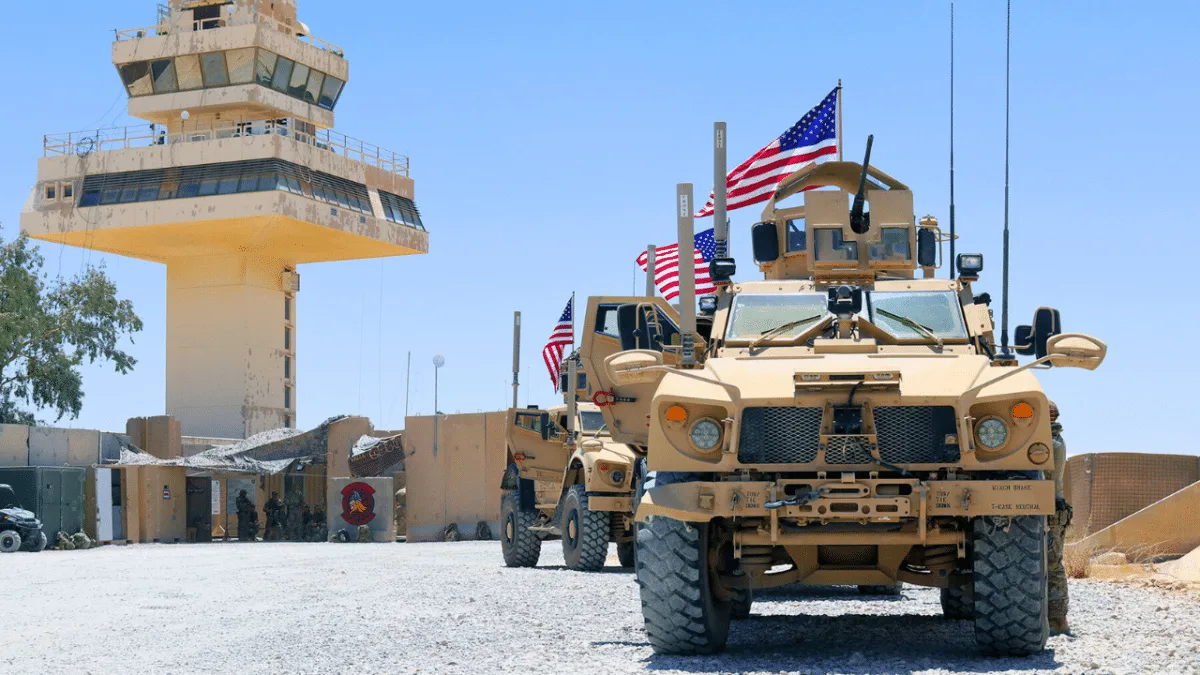
At the outset of 2026, Baghdad ushered in a new chapter by announcing the withdrawal of the last international coalition troops from Ayn al-Asad Airbase in Iraq’s western Anbar province, officially handing over full control to the Iraqi army.

For years, the base had symbolized the American military presence in Iraq and served as a hub for coalition operations against the Islamic State. It also became a frequent target of Iran-backed militias during periods of heightened regional tension, especially after the assassination of Iranian General Qassem Soleimani in early 2020.

Now, the Iraqi government is portraying the withdrawal as marking the end of the “international coalition” era and the beginning of a bilateral security partnership with Washington. The move reinforces Baghdad’s internal messaging on the state’s exclusive control over arms and eliminates any justification for the continued existence of armed groups outside official institutions.

Why Does It Matter?

Ayn al-Asad is one of the largest military bases in Iraq and the most significant logistical and training hub in the vast desert region of western Iraq.

It has hosted American and international forces throughout the campaign against ISIS and afterward, functioning as a central point of coordination between coalition and Iraqi forces in the border province of Anbar.

The base held symbolic weight in the confrontation between Washington and Tehran, having come under repeated attacks by Iran-aligned factions opposed to the US military presence.

Among the most notable incidents was the January 2020 Iranian ballistic missile strike, which came in retaliation for Soleimani’s killing. The strike caused traumatic brain injuries among dozens of US troops, though no fatalities were reported.

Other attacks followed in 2020 and 2021, as Iraqi militias loyal to Iran launched sporadic rocket assaults to pressure for a full American withdrawal.

Ayn al-Asad also carried political and public symbolism. High-level American officials visited the site during their trips to Iraq including then-President Donald Trump in late 2018 solidifying the base’s status as an icon of US presence.

As such, the transfer of Ayn al-Asad to Iraqi control is a pivotal indicator of shifting military dynamics in the country. It closes a chapter that began with the return of US forces to Iraq in 2014 to combat ISIS.

While the withdrawal of the last US troops garnered much attention, it was the culmination of a years-long process of gradually reducing foreign military presence in Iraq. The following is a timeline of key milestones in the US drawdown.

Domestic Implications

The American departure from Ayn al-Asad has immediate political and security implications within Iraq. For years, Iran-backed militias justified retaining their weapons outside state control by citing the US “occupation.”

With foreign forces now vacated from Iraqi bases, these groups face growing pressure to disarm or integrate their fighters into official institutions.

Prime Minister Mohammed Shia’ al-Sudani has repeatedly stated that the government is committed to ensuring that only the state holds arms. He also noted that this objective was contingent upon the full withdrawal of coalition forces.

In late 2025, al-Sudani reaffirmed that the coalition exit would continue through September 2026 due to the diminished ISIS threat. He stated, “There’s no longer a justification for the presence of foreign forces now that security and stability have been achieved. At that point, there will be a clear program to eliminate all weapons outside state institutions this is a demand shared by all.”

The government’s framing of the withdrawal as a sovereignty win has bolstered its position in confronting the militias. Signs of this shift have already emerged: in the final weeks of 2025, several senior militia leaders expressed at least rhetorical willingness to accept state control over arms.

Qais al-Khazali, leader of Asaib Ahl al-Haq, declared support for the principle of exclusive state control over weapons, saying: “We are now part of the state.”
Other groups, including Ansar Allah al-Awfiya and Kataib Imam Ali, issued statements endorsing a shift to political activity and the demilitarization of their roles.

Even leaders within the Popular Mobilization Forces (PMF) the umbrella organization encompassing most of these militias voiced support for regulating arms under state command in accordance with the constitution.

Nevertheless, divisions remain within the factions, especially regarding the practical implementation of disarmament. Powerful groups like Kataib Hezbollah and other Iran-aligned formations continue to approach the issue cautiously.

Analysts suggest some militias may seek new justifications for maintaining their arsenals citing lingering ISIS threats or the ongoing US presence in the Kurdistan Region particularly if they perceive their political influence as threatened or their weaponry as a regional bargaining chip.

What Remains of the US Presence?

Despite the announcement of a “full withdrawal,” the reality on the ground is more complex. A limited number of US troops remain in Iraq though not under the purview of the federal government specifically in the semi-autonomous Kurdistan Region in the north.

According to Pentagon officials, several American advisers and trainers will continue operating from bases in Erbil and Duhok at the request of the Kurdistan Regional Government (KRG).

One of the most prominent of these is Harir Airbase in Erbil province, where US personnel provide support to Kurdish Peshmerga forces and monitor ISIS remnants across the Syrian border.

The Iraqi committee overseeing the end of the coalition mission noted that “coordination with the international coalition will continue regarding the elimination of ISIS remnants in Syria, through their presence at a base in Erbil.”

Iraq’s security remains closely linked to developments in neighboring Syria. Approximately 2,000 US troops are stationed in eastern Syria, relying in part on bases in Iraq especially in Kurdistan for logistics and resupply.

This interconnectedness contributed to the delay in the full US exit from Ayn al-Asad. According to al-Sudani, “Developments in Syria” necessitated the temporary retention of a small American unit at the base until early 2026. As long as US forces remain across the border, the withdrawal file will continue to stir political debate.

For Iran-backed militias, the mission may not be considered complete while American troops are still present anywhere on Iraqi soil. Observers expect such groups to escalate demands for a “total” withdrawal a stance that may not command national consensus given the sensitive nature of Kurdish-US relations.

In the end, the transfer of Ayn al-Asad marks a historic milestone for Iraq: the close of a turbulent era that began with the 2003 invasion, followed by the ISIS war, and years of maneuvering between Washington and Tehran on Iraqi soil.

Yet what follows is just as critical. In the coming months, Baghdad will face a major test — can it assert a new reality: a sovereign state, free of foreign combat troops, capable of disarming its militias, and safeguarding its security through balanced cooperation with the international community?

Download this article as PDF
Share this Article
Facebook Twitter Whatsapp Whatsapp Telegram Email Copy Link
فريق التحرير
By فريق التحرير تقارير يعدها فريق تحرير نون بوست.
Follow:
Previous Article نون بوست Pakistan Sheds Its Neutral Cloak: Repositioning Itself in the Middle East
Next Article نون بوست Al-Zindani’s Government: Why It Marks a Turning Point for Yemeni Unity

Read More

  • U.S. Regime‑Change Policies: Why They Are Destined to Fail U.S. Regime‑Change Policies: Why They Are Destined to Fail
  • The Gulf’s Balancing Act: Iran, Israel, and Hidden Links
  • Iraq–Turkey Oil Export Treaty: Why Did Ankara Cancel It After 52 Years?
  • Syria’s Northeast on Edge: QSD Between Ankara and Damascus
  • Has Europe Changed Its Stance on Israel… or Just Its Language?
part of the design
NoonPost Weekly Newsletter

You May Also Like

U.S. Regime‑Change Policies: Why They Are Destined to Fail

U.S. Regime‑Change Policies: Why They Are Destined to Fail

إسراء سيد Esraa sayed 8 April ,2026
The Gulf’s Balancing Act: Iran, Israel, and Hidden Links

The Gulf’s Balancing Act: Iran, Israel, and Hidden Links

فريق التحرير Noon Post 8 April ,2026
Iraq–Turkey Oil Export Treaty: Why Did Ankara Cancel It After 52 Years?

Iraq–Turkey Oil Export Treaty: Why Did Ankara Cancel It After 52 Years?

فريق التحرير Noon Post 8 April ,2026

اليونان أقرب من أي وقت مضى للخروج من اليورو

جان كاتريمر
جان كاتريمر Published 29 June ,2015
Share
c9223a8fc70b0306897a90cea06705df

ترجمة وتحرير نون بوست

إذا اعتقد ألكسيس تسيبراس أنه سيثني شركاءه في منطقة اليورو، أو على الأقل يفرقهم، من خلال إعلانه، ليلة الجمعة، عن إجراء استفتاء في الخامس من يوليو القادم حول تسوية لا وجود لها، فإن هذه المناورة لا تعدو أن تكون مجرد إضاعة للوقت، فقد حدث عكس ما كان منتظرًا خلال اجتماع مجموعة اليورو (وزراء المالية التسعة عشر)، الذي عُقد يوم السبت على أمل إبرام اتفاق مع اليونان لتقديم مساعدة مالية جديدة لها، بقيمة أكثر من 15 مليار يورو مع خطة استثمارية بين 30 و35 مليار يورو، مصحوبة بجدول زمني متعلق بإعادة التفاوض حول الديون اليونانية في مقابل القيام بإصلاحات هيكلية مؤلمة، مع زيادة الضرائب على المواطنين والشركات والقيام بتخفيضات في الإنفاق العام.

وقد اعتبر رئيس مجموعة اليورو ووزير المالية الهولندي جيرون ديسلبلوم، أن هذا الاستفتاء “سيغلق الباب أمام المزيد من المناقشات”، ومرر مجلس النواب اليوناني القانون الذي يجيز إجراء الاستفتاء ليلة السبت بأغلبية ساحقة 178 صوتًا مقابل 120 (من 300 مقعدًا)، وهكذا فإن خروج اليونان من منطقة اليورو يبدو أنه أصبح أمرًا شبه حتمي في نهاية هذا الأسبوع، إلا في حالة تراجع اليونان في آخر لحظة.

ما الذي حدث؟

لا أحد يفهم التشنج المفاجئ لألكسيس تسيبراس، حيث قال مصدر مقرب من المفاوضات، “كنا على وشك التوصل إلى اتفاق”، مضيفًا “الجميع كانوا يعتقدون أننا سنصل إلى اتفاق، بناء على طلب من اليونانيين، عقدت قمة لمجموعة اليورو يوم الإثنين، ثم من جديد يومي الأربعاء والخميس، وتمكن المجلس الأوروبي من تسجيل بعض التقدم يومي الخميس والجمعة، وهذا هو السبب الذي كان وراء عقد مجموعة اليورو اجتماع جديد يوم السبت”.

ولكن وسط دهشة الجميع، أعلن تسيبراس، في منتصف الليل من يوم الجمعة إلى يوم السبت، إجراء استفتاء على النص التوافقي الذي تم التوصل إليه يوم الخميس، وذلك بعد دقائق من إرسال تحذير، لكل من فرانسوا هولاند وأنجيلا ميركل بينما كان رئيس المفوضية الأوربية، جان كلود يونكر، نائمًا ولم يجب على مكالمة رئيس الوزراء اليوناني.

وقال مصدر مطلع على المفاوضات، “تم تغيير هذا النص يوم الجمعة ليأخذ بعين الاعتبار المطالب اليونانية، وهكذا فإن هذا الاستفتاء أصبح من دون جدوى”، والأسوأ من ذلك أن اليونانيين قاموا بهذا الإجراء في أسوأ وقت، قبل التحدث عن القدرة على تسديد الديون، وتمديد البرنامج (إلى ما بعد 30 يونيو) مع تغيير الخطة الاستثمارية، وكان النص الذي تفاوضت بشأنه “مجموعة بروكسل” (ممثلي المفوضية الأوروبية والبنك المركزي الأوروبي وصندوق النقد الدولي) “على الطاولة من أجل التوصل إلى تسوية شاملة ودائمة”، بحسب ميشال سابين، وزير المالية الفرنسية، الذي أضاف أن “الحكومة اليونانية لم ترغب في مواصلة المفاوضات الجارية”.

خلال الاجتماع المتوتر التي بدأ في فترة ما بعد الظهر، لم يكن هناك أي بلد من منطقة اليورو، باستثناء فرنسا، يرغب في الدعوة إلى مواصلة برنامج المساعدة المالية إلى ما بعد 30 يونيو، هذا الموعد المتفق عليه مع اليونان في 24 فبراير، والذي سبق وأن طالب به تسيبراس على أساس أن تقوم اليونان بجملة من الإصلاحات لتعديل ميزانيتها، وحتى يتمكن البنك المركزي الأوروبي من مواصلته توفير السيولة للبنوك اليونانية.

وتعب الأوروبيون من طول هذه المفاوضات الفاشلة التي بدأت منذ خمسة أشهر، مما جعلهم يرفضون الطلب اليوناني، وهو ما دفع برئيس الوزراء اليوناني إلى الإسراع بإعلان إجراء الاستفتاء الذي لن يلقى الدعم الأوروبي، ما قد يؤدي باليونان إلى الوقوع في أزمة بنكية واقتصادية، فما الجدوى من مواصلة المفاوضات في الوقت الذي قررت فيه الحكومة اليونانية إجراء استفتاء على نص بتاريخ يوم الخميس في حين أنها دعت إلى التصويت عليه بـ”لا”؟

وبرر ميشيل سابين، وزير المالية الفرنسية ذلك بأنه “لا يمكننا التمديد في البرنامج الذي لم توافق عليه الحكومة اليونانية والذي دعت إلى التصويت عليه بلا”.

وهكذا كانت القطيعة سريعة، وعلّق عمل مجموعة اليورو إلى حين مغادرة الوزير اليوناني القاعة، ليستأنف الاجتماع لمناقشة الآثار المترتبة على عدم دفع الديون اليونانية الذي بات أمرًا لا مفر منه، والتدابير اللازمة لتجنب العدوى في بقية منطقة اليورو، ولأول مرة، تم اعتماد بيان لمجموعة اليورو، ينهي برنامج المساعدات اليونانية، من قِبل ثمانية عشر وزيرًا للمالية، والذي جاء فيه التذكير “بالتحويلات المالية الكبيرة والمساعدات التي تم تقديمها لليونان في السنوات الأخيرة”، وقد أصبح خروج اليونان من منطقة اليورو، والذي رغّب فيه عديد الوزراء، بما في ذلك وزير المالية الألماني فولفجانج شويبله، واقعًا يراه الجميع قريبًا.

 ماذا سيحدث في الأسبوع المقبل؟

يجتمع البنك المركزي الأوروبي يوم الأحد، وفي جميع الاحتمالات، وفي ظل غياب برنامج عمل، فإنه سيتقرر (بأغلبية ثلثي أعضائه 25) قطع إمداد البنوك اليونانية بالسيولة، وبحسب مصدر أوروبي فإن “مواصلة هذه المساعدات سيشجع على سحب الأموال من قِبل اليونانيين، على حساب دافعي الضرائب الأوروبيين، فخلال هذا الأسبوع فقط، تم سحب قرض بقيمة 1.6 مليار يورو من البنوك اليونانية من قِبل المدخرين”.

وإذا ما مررت اليونان قانونًا، هذا الأحد، يلزم بإغلاق البنوك يوم الإثنين، وإقامة رقابة صارمة على رؤوس الأموال، يمكن وقتها للبنك المركزي الأوروبي التدخل مرة أخرى لمنع انهيار البنوك اليونانية، في ظل عجز الحكومة اليونانية عن القيام بذلك بسبب نقص الأموال؛ لأنها لا تستطيع الوصول إلى الأسواق وخزائنها فارغة، ولكن هذا ليس مؤكدًا، ويرى المتشددون في البنك المركزي الأوروبي أن موقف تسيبراس يستبعد العودة إلى الوضع الطبيعي قبل فترة طويلة، خاصة وأن البنوك اليونانية لم تعد قادرة على سداد ديونها بعد سحب كميات ضخمة من الأموال في الأشهر الأخيرة.

وإذا لم تقم اليونان باعتماد ضوابط على رؤوس الأموال، ستضطر منطقة اليورو إلى غلق جميع القنوات التي تربط نظامها المالي باليونان لمنع انتقال عدوى انهيار النظام المالي اليوناني، وبتعبير آخر، إذا لم تعزل اليونان نفسها فإن منطقة اليورو هي من ستقوم بعزلها.

في الحالة الثانية، فإن النظام المصرفي اليوناني سينهار قريبًا لعدم وجود سيولة، ووفقًا لعدد من الخبراء، فإن هذا سيكون في غضون أيام وليس أسابيع؛ ما سيكون له تأثير فوري على النسيج الاقتصادي اليوناني، في الوقت الذي تعيش فيه البلاد حالة ركود (وكان من المتوقع نسبة نمو 3٪ هذا العام)، وستتزايد حالات إفلاس الشركات، ولن يستطيع اليونانيون سحب أموالهم، وهذا الاختناق المبرمج للنظام المصرفي اليوناني سيكون له تأثير كبير على الموسم السياحي، ويمكن وقتها تخيل حالة الركود والذعر التي سيجرى فيها الاستفتاء.

ومع ذلك، فإن منطقة اليورو تصر على أن المفاوضات يمكنها أن تستأنف في أي لحظة، “الأبواب مفتوحة” كما جاء على لسان جيرون ديسلبلوم، وكان موقف الحكومات الأوروبية أنه “ليست المؤسسات اليونانية هي من غادرت طاولة المفاوضات الليلة الماضية، وإنما هي الحكومة اليونانية “، مؤكدة على أن الاتفاق قريب، ولن يحتاج إلا لبضع ساعات للانتهاء منه.

 ما هي المسائل التي سيجرى من أجلها الاستفتاء؟

يبدو أن المسألة تتعلق بمشروع التسوية الذي تم التوصل إليه يوم الخميس، ولكن المشكلة أن هذا النص تم تجاوزه؛ على سبيل المثال، وافق الدائنون، يوم الجمعة، على الحد من زيادة الضريبة على القيمة المضافة على حسن الضيافة لتكون 13٪ بدلا من 23٪، كما أن هذا النص لم يعد لديه أي وجود قانوني منذ يوم السبت الماضي، لأن البرنامج ينتهي يوم 30 يونيو، وهو ما يعني أن عرض الدائنين لم يعد منه فائدة.

وحتى لو كانت النتيجة إيجابية، فسوف تستأنف المفاوضات من دون وجود أي ضمان بأن النص النهائي سيكون هو نفسه نص يوم الجمعة، خاصة وأن اليونانيين سيصوتون على النص الذي لن يتناول لا هيكلة الديون ولا مشاريع الخطة الاستثمارية ولا حتى تمديد برنامج الديون (مع مضاعفة القيمة لتصل إلى 7.2 مليار دولار)، وهكذا فلن تكون لهذا الاستفتاء أية فائدة، والسؤال الصحيح الوحيد، في الواقع، سيبقى تحديد مصير عضوية اليونان في منطقة اليورو.

هل سيتم التصويت “بنعم”؟

على الرغم من أن أغلبية اليونانيين مرتبطون باليورو (ما بين 70 و80٪)، إلا أن نتيجة التصويت غير مضمونة، وقال دبلوماسي من دولة كبيرة “إذا كنت يونانيًا، سأصوت بلا على هذا النص، لأنه لا يشمل سوى زيادات ضريبية وتخفيضات في الإنفاق العام، هذا النص في حد ذاته لا يعني شيئًا، لأنه ليس مصحوبًا بتدابير توفر أفقًا واضحًا للبلاد، وهكذا سيكون على الحكومة اليونانية توضيح ذلك، وهو ليس من مشمولات منطقة اليورو للقيام بهذه الحملة”، وإذا تم وبمعجزة التصويت “بنعم” على نص الاتفاق، سيكون تسيبراس في وضع غير مريح وربما ينبغي عليه أن يدعو إلى انتخابات جديدة بعد هذا الإنكار، وعندها يصبح كل شيء ممكنًا.

 نحو خروج اليونان من منطقة اليورو؟

بحسب مصدر أوروبي “لا توجد إجراءات واضحة متعلقة بخروج دولة من منطقة اليورو، لأنه لا أحد توقع مثل هذه الحالة، وهكذا فنحن أمام حرية في اتخاذ القرار”، يمكن للمرء أن يتصور أن اليونان لا تزال رسميًا في منطقة اليورو، ولكن ليس لديها أي يورو مُقدم من البنك المركزي الأوروبي، وهكذا سيكون عليها بالتوازي إصدار عملتها الخاصة بها لدفع رواتب موظفي الخدمة المدنية والمعاشات التقاعدية، ولكن هذه العملة الجديدة، التي ستعمل جنبًا إلى جنب مع اليورو، لن تكون لها قيمة إلا بالنسبة للبضائع والخدمات التي تنتجها اليونان، ما سيحد بشكل كبير من قدرتها الشرائية؛ كل الواردات ستكون بالعملة الصعبة (اليورو).

وتورّد اليونان الكثير من المنتجات الزراعية والتكنولوجية مرورًا بالأدوية، وهكذا ستكون اليونان في وضع كوبا التي تعرف أيضًا تداول مزدوج للعملة، البيزو المحلي الذي لا قيمة له، والبيزو القابل للتحويل والذي قيمته قريبة من الدولار، وهكذا سيكون من الصعب وصول اليونان إلى الأسواق المالية العالمية قبل فترة طويلة وستضطر لأن تعيش بما تنتجه.

هل هناك خطر انتشار عدوى الانسحاب من اليورو؟

شدد جيرون ديسلبلوم على صلابة منطقة اليورو، والتي سيكون لها إمكانية “الحفاظ على سلامتها”، على وجه الخصوص، من خلال آلية الاستقرار الأوروبي، بسعة قرض تصل قيمته إلى 750 مليار يورو، والذي سيوفر إمكانية التدخل لمساعدة البلاد التي تتعرض لهجوم من قِبل الأسواق.

وقال مصدر أوروبي، “تم اتخاذ الإجراءات اللازم توخيها في صورة خروج اليونان من منطقة اليورو، ولكننا لا نعرف كيف ستكون نتائج هذه الاجراءات”، وقررت مجموعة اليورو تسريع اندماجها من خلال إتباع توصيات تقرير الرؤساء الخمسة (اللجنة الأوروبية، البرلمان الأوروبي، مجموعة اليورو، البنك المركزي الأوروبي، والمجلس الأوروبي)، هذا التقرير الذي اطلع عليه رؤساء الدول والحكومات يوم الجمعة.

المصدر: صحيفة ليبراسيون الفرنسية

TAGGED: اقتصاد اليونان ، الأزمة الاقتصادية في أوروبا ، الاتحاد الأوروبي ، الديون اليونانية
Download this article as PDF
Share this Article
Facebook Twitter Whatsapp Whatsapp Telegram Email Copy Link
جان كاتريمر
By جان كاتريمر مراسل وصحفي في جريدة ليبراسيون الفرنسية لشؤون الاتحاد الأوروبي
Follow:
Next Article نون بوست The Stigma of “ISIS”: A Heavy Legacy Haunting Women and Children of Former Members

Read More

  • U.S. Regime‑Change Policies: Why They Are Destined to Fail U.S. Regime‑Change Policies: Why They Are Destined to Fail
  • The Gulf’s Balancing Act: Iran, Israel, and Hidden Links
  • Iraq–Turkey Oil Export Treaty: Why Did Ankara Cancel It After 52 Years?
  • Syria’s Northeast on Edge: QSD Between Ankara and Damascus
  • Has Europe Changed Its Stance on Israel… or Just Its Language?
part of the design
NoonPost Weekly Newsletter

You May Also Like

U.S. Regime‑Change Policies: Why They Are Destined to Fail

U.S. Regime‑Change Policies: Why They Are Destined to Fail

إسراء سيد Esraa sayed 8 April ,2026
The Gulf’s Balancing Act: Iran, Israel, and Hidden Links

The Gulf’s Balancing Act: Iran, Israel, and Hidden Links

فريق التحرير Noon Post 8 April ,2026
Iraq–Turkey Oil Export Treaty: Why Did Ankara Cancel It After 52 Years?

Iraq–Turkey Oil Export Treaty: Why Did Ankara Cancel It After 52 Years?

فريق التحرير Noon Post 8 April ,2026
dark

An independent media platform founded in 2013, rooted in slow journalism, producing in-depth reports, analysis, and multimedia content to offer deeper perspectives on the news, led by a diverse young team from several Arab countries.

  • Politics
  • Society
  • Rights & Liberties
  • Opinions
  • History
  • Sports
  • Education
  • Technology
  • Economy
  • Media
  • Arts & Literature
  • Entrepreneurship
  • Travel
  • Cinema & Drama
  • Food
  • Health
  • Culture
  • Latest Reports
  • Files
  • Long Reads
  • Interviews
  • Podcast
  • Interactive
  • Encyclopedia
  • In Pictures
  • About Us
  • Our Writers
  • Write for Us
  • Editorial Policy
  • Advanced Search
Some rights reserved under a Creative Commons license

Removed from favorites

Undo
Go to mobile version