NoonPost NoonPost

NoonPost

  • Home
  • Politics
  • Economy
  • Society
  • Culture
  • Files
  • Long Reads
  • Podcast
AR
Notification Show More
نون بوست
“There Are Nights I Can’t Close My Eyes”: How Gazans Are Living in Homes on the Brink of Collapse
نون بوست
From al-Jolani to Ahmad al-Shara: The Evolution of Syria’s New Leader
نون بوست
When Political Islam Receded in Egypt: Who Filled the Void?
نون بوست
An Extension of Genocide: Gaza’s Detainees Speak Out
نون بوست
A Tightrope Between Survival and Sovereignty: The Syrian Government Faces Normalization Pressures
نون بوست
American Aircraft Carriers: Has the Era of “100,000 Tons of Diplomacy” Ended?
نون بوست
U.S. Regime‑Change Policies: Why They Are Destined to Fail
نون بوست
Transformations of Israeli Judaism: Between the Victim Complex and the Colonizer’s Doctrine
نون بوست
The Gulf’s Balancing Act: Iran, Israel, and Hidden Links
نون بوست
Iraq–Turkey Oil Export Treaty: Why Did Ankara Cancel It After 52 Years?
نون بوست
Syria’s Northeast on Edge: QSD Between Ankara and Damascus
نون بوست
Has Europe Changed Its Stance on Israel… or Just Its Language?
NoonPost NoonPost
AR
Notification Show More
نون بوست
“There Are Nights I Can’t Close My Eyes”: How Gazans Are Living in Homes on the Brink of Collapse
نون بوست
From al-Jolani to Ahmad al-Shara: The Evolution of Syria’s New Leader
نون بوست
When Political Islam Receded in Egypt: Who Filled the Void?
نون بوست
An Extension of Genocide: Gaza’s Detainees Speak Out
نون بوست
A Tightrope Between Survival and Sovereignty: The Syrian Government Faces Normalization Pressures
نون بوست
American Aircraft Carriers: Has the Era of “100,000 Tons of Diplomacy” Ended?
نون بوست
U.S. Regime‑Change Policies: Why They Are Destined to Fail
نون بوست
Transformations of Israeli Judaism: Between the Victim Complex and the Colonizer’s Doctrine
نون بوست
The Gulf’s Balancing Act: Iran, Israel, and Hidden Links
نون بوست
Iraq–Turkey Oil Export Treaty: Why Did Ankara Cancel It After 52 Years?
نون بوست
Syria’s Northeast on Edge: QSD Between Ankara and Damascus
نون بوست
Has Europe Changed Its Stance on Israel… or Just Its Language?
Follow US

Demolition of UNRWA Headquarters in Jerusalem: How Does It Affect Palestinian Lives?

فريق التحرير
Noon Post Published 26 March ,2026
Share
نون بوست
نون بوست

In an unprecedented move and a direct challenge to international law, Israeli occupation forces stormed the headquarters of the United Nations Relief and Works Agency for Palestine Refugees (UNRWA) in the Sheikh Jarrah neighborhood of East Jerusalem, forcibly evacuating it before Israeli bulldozers began demolishing its facilities.

Israeli soldiers hoisted the Israeli flag over the UN building after removing the United Nations banner, while far-right Israeli ministers celebrated the scene, calling it a “historic day.”

This development marks a culmination of escalating measures against the agency, including the passage of legislation banning its operations in Jerusalem and pursuing its employees raising serious questions about the immunity of UN sites and ushering in a new chapter that threatens the future of UNRWA’s services to Palestinian refugees.

What Was Demolished?

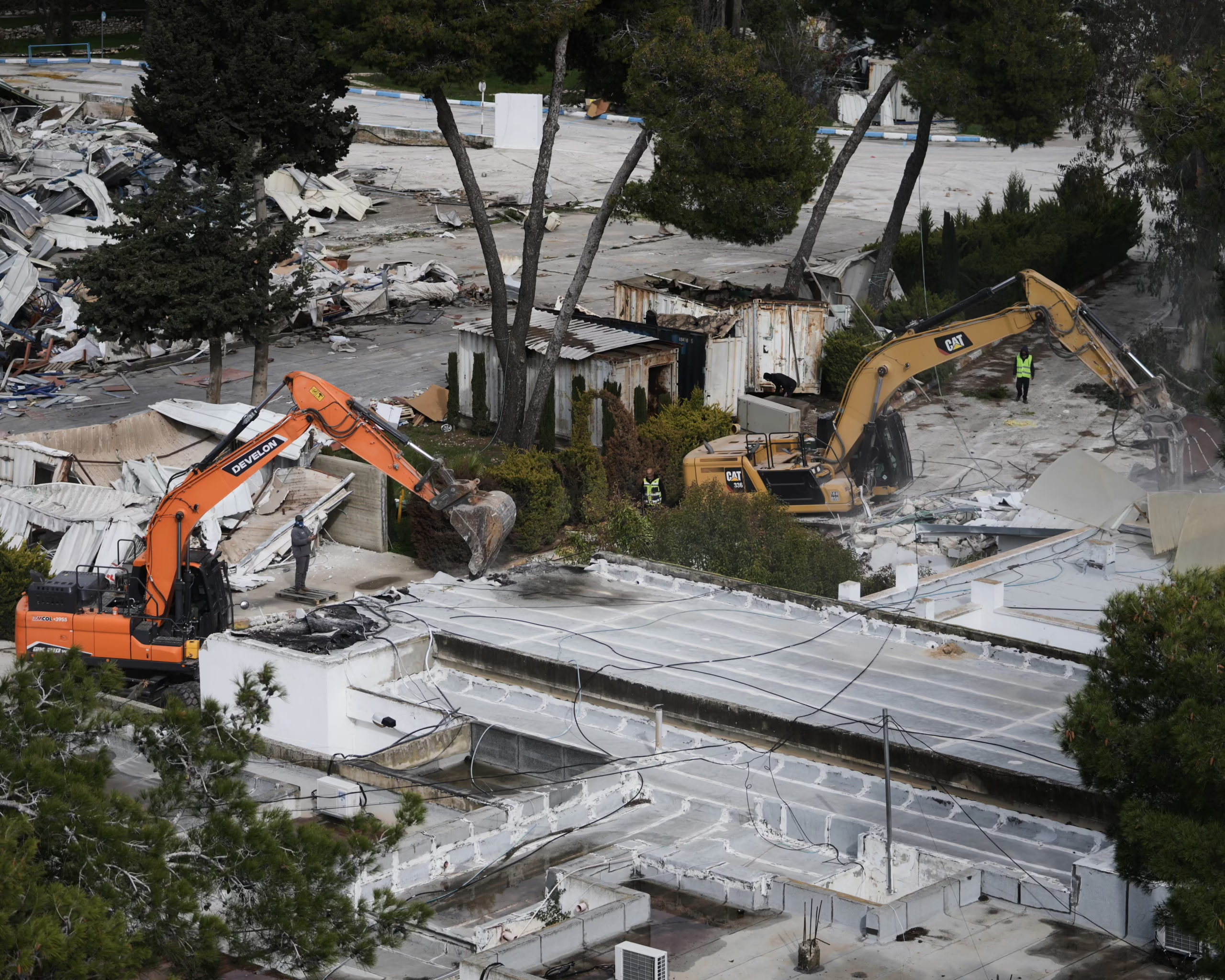
The targeted UNRWA headquarters was located in the Ammunition Hill area of northern Jerusalem. Heavy machinery flattened several large buildings and smaller facilities within the compound, which the agency had used for storing aid and managing operations.

Video footage revealed the scale of destruction at the UN compound, with piles of rubble and remains of buildings that once housed offices for dozens of staff.

UNRWA officials confirmed that the destroyed facilities included warehouses used to prepare aid for the West Bank and Gaza Strip, as well as administrative buildings that served as the heart of the agency’s operations in Jerusalem.

The site had not been in active use for about a year, as the agency was forced to vacate it in January 2025 after receiving Israeli orders to cease all operations in the city.

Despite this, Israeli authorities claimed ownership of the property, asserting that the complex lacked immunity an assertion UNRWA firmly rejected, stating the site was legally leased from Palestinian owners under formal agreements.

Israeli National Security Minister Itamar Ben-Gvir personally accompanied the bulldozers during the demolition and released a video from the ruins celebrating what he called a “festive day… with the expulsion of terror supporters,” in his words.

This marked the second raid on the compound in less than a month; the first occurred on December 23, 2025, and also involved Israeli forces raising their flag, drawing sharp condemnation from the UN agency.

Immunity Under Scrutiny

The demolition of a UNRWA facility presumed to be protected as a UN site sparked an international outcry and legal questions surrounding the diplomatic immunity of United Nations premises.

According to the 1946 Convention on the Privileges and Immunities of the United Nations, member states are obligated to respect and protect the inviolability of UN buildings.

International law experts view the storming and demolition of the UNRWA facility as a flagrant breach of these commitments, emphasizing that the convention clearly prohibits unauthorized entry into or interference with UN premises.

UN Secretary-General António Guterres denounced the Israeli action as “completely unacceptable” and a violation of Israel’s clear obligations under international law and the UN Charter. He called on Israeli authorities to halt the demolition immediately and return all confiscated property to the organization without delay.

Days before the demolition, Guterres sent an official letter to Israeli Prime Minister Benjamin Netanyahu, warning of legal action at the International Court of Justice (ICJ) unless Israel reversed its laws and measures targeting UNRWA and restored the seized UN sites.

In October 2025, the ICJ issued an advisory opinion affirming that obstructing the operations of UN institutions in occupied territories is illegal.

Conversely, the Israeli government attempted to justify its actions based on domestic legislation passed by the Knesset in late 2024 banning UNRWA activities within areas it claims as under its “sovereignty.”

In response, UNRWA warned that undermining the United Nations’ immunity in Jerusalem sets a dangerous precedent that could be replicated against other diplomatic missions and international organizations if not deterred.

Direct Impact on Services

For decades, UNRWA has operated schools and clinics in East Jerusalem and the refugee camps of Shu’fat and Qalandiya. The demolition of its headquarters and forced expulsion from the city has had immediate consequences for thousands of Palestinians.

1. Education

UNRWA oversaw seven independent curriculum schools in Jerusalem, serving approximately 1,800 refugee students.

However, in May 2025, under pressure from the new Israeli law, police raided UNRWA-run schools and shut down six of them in Shu’fat Camp and other neighborhoods, leaving around 550 students without classrooms.

Police also issued notices banning any educational activity under UNRWA’s auspices in Jerusalem and arrested at least one educational staff member.

This closure deprived hundreds of children of their right to education, forcing families to seek scarce alternatives.

Most Palestinian public schools (run by the Ministry of Awqaf) in Jerusalem are already overcrowded. Many families had no choice but to enroll their children in Israeli municipal schools that teach the Israeli curriculum.

Parents fear these schools will strip their children of their national identity, expose them to discrimination, and pose logistical hardships due to their distance from refugee communities.

2. Health and Social Services

UNRWA operates essential healthcare clinics relied upon by refugees, including a central clinic in the Old City and another in Shu’fat Camp, offering general medicine, maternal care, and vaccinations to large numbers of patients.

According to agency data, its health program serves thousands of Palestinian refugees in Jerusalem annually, many of whom cannot afford private care or are not covered by Israeli health insurance.

UNRWA also manages a vocational training center in Qalandiya, which provides annual technical and trade training for over 300 young men and women, helping them enter the job market.

This center was also targeted during the raid on the headquarters: Israeli forces stormed the facility and fired tear gas to disperse students, claiming to be searching for UNRWA staff. Several students suffered from tear gas inhalation, and a 15-year-old boy was shot in the eye with a rubber bullet.

UNRWA warned that continued Israeli pressure may force the Qalandiya center to close, depriving hundreds of youth of essential livelihood skills.

In total, about 110,000 Palestinian refugees are registered with UNRWA in Jerusalem and surrounding areas, living across various parts of the city and its camps.

Shu’fat and Qalandiya camps alone are home to over 32,000 Palestinians (approximately 16,500 in each), many of whom depend heavily on the agency’s services in education, health, and relief.

Weakening or eliminating UNRWA’s presence in Jerusalem would thus have profound humanitarian repercussions for this vulnerable population.

What’s Next?

Observers believe the demolition of UNRWA’s headquarters and its expulsion from Jerusalem may mark the beginning of the end for the agency’s role in Palestine or at the very least, a final warning to the international community.

Across the West Bank and Gaza, UNRWA has long provided essential services to millions of refugees, but Israel’s latest actions cast doubt on the future of these operations.

In the West Bank, the Israeli ban does not apply directly, as the territory remains, at least in theory, outside Israeli legal sovereignty. Nonetheless, recent months have seen growing Israeli obstacles to UNRWA’s work, including camp raids, staff harassment, and permit revocations.

In Gaza, while Israel has no direct presence in UNRWA’s areas of operation, it employs other means of obstruction, such as restricting the entry of supplies and targeting the agency’s facilities during the ongoing war.

Since the war on Gaza began in 2023, 382 UNRWA staff members have been killed in the line of duty the agency’s highest-ever death toll. Dozens of schools and facilities have also been destroyed, further crippling its ability to provide aid and exacerbating displacement.

In light of this reality, UNRWA is exploring emergency contingency plans to continue delivering core services. In Jerusalem, it is attempting to relocate operations to nearby West Bank areas, such as Ramallah or Jericho, to manage the files of Jerusalem’s refugees from afar.

However, this approach faces logistical and political challenges, particularly the difficulty of Palestinian refugees in Jerusalem accessing these offices due to Israeli checkpoints.

Palestinian officials and UNRWA fear the ultimate goal is to erase the refugee issue by dismantling the sole institution that safeguards their legal status. Commissioner-General Philippe Lazzarini said the latest demolition follows Israeli efforts “to erase the identity of Palestine refugees.”

At the international level, the outlook remains bleak—but not yet irreversible. UNRWA’s mandate continues to be renewed by the United Nations, and the agency still receives significant funding from the European Union, Arab, and Asian countries to offset the shortfall caused by the cessation of U.S. funding in 2018 and again in 2024.

The UN has reiterated its commitment to Palestinian refugees in Jerusalem despite mounting obstacles, calling for legal mechanisms to uphold UNRWA’s protected status.

The demolition of the UNRWA headquarters in Jerusalem stands as a critical test of UN immunity in occupied Palestinian territory. The coming phase could bring either Israeli retreat under international pressure or further escalation, with dire humanitarian and political consequences.

Download this article as PDF
Share this Article
Facebook Twitter Whatsapp Whatsapp Telegram Email Copy Link
فريق التحرير
By فريق التحرير تقارير يعدها فريق تحرير نون بوست.
Follow:
Previous Article نون بوست Al-Zindani’s Government: Why It Marks a Turning Point for Yemeni Unity
Next Article نون بوست Producing 120,000 Drones a Year: How Is Turkey Rethinking Its Military Power?

Read More

  • U.S. Regime‑Change Policies: Why They Are Destined to Fail U.S. Regime‑Change Policies: Why They Are Destined to Fail
  • The Gulf’s Balancing Act: Iran, Israel, and Hidden Links
  • Iraq–Turkey Oil Export Treaty: Why Did Ankara Cancel It After 52 Years?
  • Syria’s Northeast on Edge: QSD Between Ankara and Damascus
  • Has Europe Changed Its Stance on Israel… or Just Its Language?
part of the design
NoonPost Weekly Newsletter

You May Also Like

U.S. Regime‑Change Policies: Why They Are Destined to Fail

U.S. Regime‑Change Policies: Why They Are Destined to Fail

إسراء سيد Esraa sayed 8 April ,2026
The Gulf’s Balancing Act: Iran, Israel, and Hidden Links

The Gulf’s Balancing Act: Iran, Israel, and Hidden Links

فريق التحرير Noon Post 8 April ,2026
Iraq–Turkey Oil Export Treaty: Why Did Ankara Cancel It After 52 Years?

Iraq–Turkey Oil Export Treaty: Why Did Ankara Cancel It After 52 Years?

فريق التحرير Noon Post 8 April ,2026

أي علاقة لمُسلح القنطاوي بقطيع الذئاب المنفردة؟

هيثم سليماني
هيثم سليماني Published 30 June ,2015
Share
image240

بلغت الحصيلة النهائية للهجوم الإرهابي الذي شهدته منطقة القنطاوي السياحية بمحافظة سوسة في تونس 39 قتيلًا و39 جريحًا حسب آخر تحديث لوزارة الصحة.

وكما جرت العادة في تونس، انطلق الجميع في التفكيك والتحليل، بين من يتهم بسياسوية مقرفة أطرافًا أخرى ويحملها وزر ظاهرة عابرة للقارات، وآخر ينادي بالرجوع إلى كابوس الدولة الأمنية التي أنتجت الإرهاب ذاته، وغيرهم ممن يحمّل قوات الأمن تقصيرها.

ومما شد الانتباه، هو أن أغلب من أثثوا الحوارات في وسائل الإعلام أشاحوا عن عدم تمكن من معاجم “الإرهاب الحديث” وسياقاته، حيث اجتمعوا كلهم تقريبا على إدراج الحادثة ضمن عمليات الذئاب المنفردة.

ما الذي تعنيه “الذئاب المنفردة”؟

“الذئاب المنفردة” هو تكتيك إرهابي تم نسبة هندسته للقيادي في تنظيم القاعدة في اليمن، أنور العولقي، وخاصة عبر مقالات كتبها بين سنتي 2010 و2011 في المجلة الناطقة بالإنجليزية، باسم تنظيم القاعدة، “INSPIRE”، حيث تضمن عدد صيف 2010 للمجلة تركيزًا على هذا النوع من العمليات، حيث تقرر خلية لا يزيد عناصرها على بضعة أفراد المبادرة باختيار الهدف والتوقيت والمكان دون الرجوع إلى المركز (القيادة المركزية)، واستعمال أبسط الوسائل المتاحة لتحقيق هذا الهدف كالسكاكين وما يمكن أن يتحول إلى متفجرات منزلية الصنع، وقد تحدث العولقي في مقال آخر عن تحديد قائمة أهداف اغتيالات تخص من أساء للرسول، وخص بالذكر الرسامين، وكان رشيد الكواشي، أحد المتهمين بعملية “شارلي إيبدو” قد صرّح في حوار صحافي، نشر يوم ملاحقته وتصفيته بعد العملية، بأنه تلقى تعليمات وتمويلًا مباشرًا من العولقي للقيام بعملية بهذا الصدد، قبل اغتيال الأخير في سبتمبر 2011. 

هو إرهاب “الحد الأدنى” كما يطلق عليه بعض المفكرين، والذي تم تعريفه باختصار في تغريدة منسوبة لحساب “تويتر” موال للقاعدة إثر أحداث شارلي إيبدو: “#الذئاب_المنفردة خطط اضرب واهرب واحرص أن تستكشف المنطقة، أولًا، وأن تغطي لوحات السيارة، وانتبه من وجود كاميرات مراقبة”.

وقد تمثل هذا التكتيك واقعًا تقريبًا وبرز في تونس يوم 4 يناير الجاري، بعد اغتيال عون أمن في ريف مدينة الفحص في محافظة زغوان، فبعد القبض على ثلاثة شبان، اعترفوا أنهم قرروا، بشكل منفرد، اختيار هدف واستعمال أبسط الوسائل (أسلحة بيضاء)، واختيار التوقيت والمكان للقيام بذلك.

في المحصلة، الذئاب المنفردة هم أشخاص يقومون بهجمات بشكل منفرد دون أن تربطهم علاقة واضحة بتنظيم ما، وبات يطلق هذا الوصف أيضًا على هجمات فردية تنفذها مجموعات صغيرة من شخصين أو ثلاثة كحد أقصى، وهي إستراتيجية جديدة تعتمدها الجماعات الجهادية وخصوصًا تنظيم الدولة في المناطق التي لا يسيطر عليها.

حول منفذ العملية الإرهابية الأخيرة في القنطاوي

من جهة أخرى، وبحسب يومية الشروق التي بحثت في تاريخ منفذ عملية القنطاوي، فإن سيف الدين الرزقي، الإرهابي الذي نفّذ العملية الإرهابية في نزل “إمبريال مرحبا” بسوسة يوم الجمعة 26 يونيو 2015 متخرّج في اختصاص الإلكترونيك من المعهد العالي للعلوم التطبيقية والتكنولوجيا بالقيروان سنة 2014 ،وهو أصيل منطقة قعفور، وكانت تربطه صلة بأشخاص من القيروان خلال فترة سنة 2014، وكان في صيف 2013 مقيمًا بطريق حفّوز بالقيروان، وتفيد مصادر أنه حضر لقاءات أشرف عليها سيف الدين الرايس الناطق الرسمي السابق لتنظيم أنصار الشريعة الذي تم تصنيفه على أنه تنظيم ارهابي بجامع عبد الرحمن بن عوف بمنطقة “الصحابي1″،

ويشير ذات المصدر إلى أنه تردد في فترة على عدد من المساجد الخارجة عن سيطرة الدولة، في طريق حفوز، وتفيد المعطيات أنه أقام في حي القرقابية بالقيروان كما أقام في فترة ما بطريق حفوز، ثم ابتعد عن تلك المناخات، وفي أكتوبر 2014 التحق بالدراسة بالماجستير، ولم تكن له علاقات خارجية، وكان منزويًا يرفض الاتصال بالآخرين.

وتشير أغلب المعطيات إلى أن حياته عرفت العديد من الاضطرابات، ثم تعرّف لاحقًا على فتاة لها سوابق أخلاقية وانتقل بها إلى مدينة قعفور، وحسب المعطيات فلقد تم استقطابه منذ مدة قصيرة لا تتجاوز السنة على الأرجح من قِبل تنظيمات إرهابيةـ وتفيد بعض المعطيات أنه بدأ بالارتباط بتنظيم داعش الإرهابي خلال المدة الأخيرة، رغم أنه لم يكن معروفًا بالقيام بأي نشاط عام، وقد تم استقطابه عبر شبكات الإنترنت، حيث تم ربطه بمواقع وصفحات إلكترونية، تمكّن المشرفون عليها من تأطيره.

ولم يكن سيف الدين الرزقي معروفًا لدى القضاء ولدى الأجهزة الأمنية، وحتى المعطيات المتوفرة عنه تفيد بأنه مستهلك للمخدرات وعلى صلة بفتاة لها سوابق أخلاقية ومن المترددين على المناطق السياحية في سوسة وسبق أن عمل في ميدان التنشيط السياحي.

أي علاقة لمُسلح القنطاوي بقطيع الذئاب المنفردة؟

تزامنت عملية القنطاوي مع تفجير استهدف مسجدًا شيعيًا في الكويت وأحد مصانع الغاز في فرنسا واندرجت ضمن ما أطلق عليه #غزوة_رمضان من طرف حسابات تويتر يدعي أصحابها الانتماء لداعش، بل “بشرت” بعملية في تونس وسوسة سويعات قبل تنفيذها.

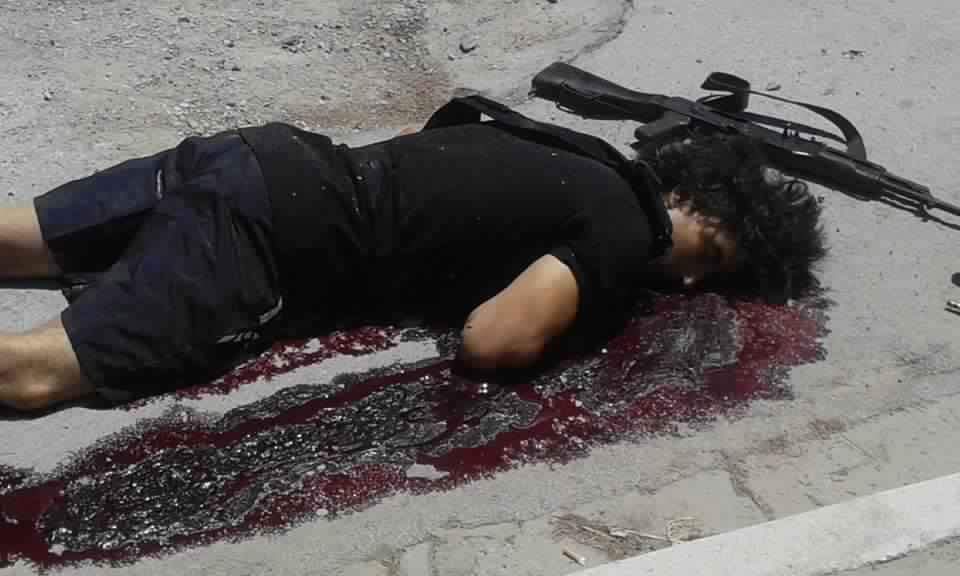
وبحسب شهادات من واكبوا الحادثة الإرهابية، لم يكن الرزقي هاويًا في قنص السياح واستعمال السلاح، ولا أدل من ذلك العدد الكبير والقياسي لضحايا الهجوم الإرهابي.

ومن جهة أخرى، أنبنت العملية الإرهابية على استعمال سلاح كلاشينكوف، ولم تبحث عن التنفيذ السريع ثم الهروب كما حدث سابقًا في حادثة شارلي إيبدو أو في حادثة الفحص، بقدر بحثها عن إيقاع أكبر عدد من الضحايا بشكل انتحاري.

توفر الأسلحة ليس أمرًا يسيرًا في تونس ويحتاج دعمًا لوجستيًا، كما أن حجم العملية وسياقها لا يجعلها عملاً فرديًا ارتجاليًا، إن المسارعة لوضع العملية الإرهابية في خانة الذئاب المنفردة قد يُراد به تغطية الفشل الاستخباراتي والخلل على مستوى المعالجة الأمنية أثناء اندلاعها.

نحن إزاء عملية إرهابية نموذجية ثقيلة الحصيلة، بيّنت حجم التقصير الأمني في تونس، ومسارعة داعش لتبني العملية وتنزيل صورة مرتكبها مستندًا لسلاحه دليل آخرعلى أنه وقع الإعداد لها وبشكل جيد، ومن المهم ألا يكون الركون للتصنيف الآلي “ذئاب منفردة” مدخلاً للتبرير باستعمال استحالة التعاطي مع عنصر المفاجأة وما لف لفه.

TAGGED: أزمة تونس ، الإرهاب ، الإرهاب في تونس ، الذئاب المنفردة
TAGGED: الحرب على الإرهاب
Download this article as PDF
Share this Article
Facebook Twitter Whatsapp Whatsapp Telegram Email Copy Link
هيثم سليماني
By هيثم سليماني باحث في الشأن المغاربي
Follow:
Next Article نون بوست The Stigma of “ISIS”: A Heavy Legacy Haunting Women and Children of Former Members

Read More

  • U.S. Regime‑Change Policies: Why They Are Destined to Fail U.S. Regime‑Change Policies: Why They Are Destined to Fail
  • The Gulf’s Balancing Act: Iran, Israel, and Hidden Links
  • Iraq–Turkey Oil Export Treaty: Why Did Ankara Cancel It After 52 Years?
  • Syria’s Northeast on Edge: QSD Between Ankara and Damascus
  • Has Europe Changed Its Stance on Israel… or Just Its Language?
part of the design
NoonPost Weekly Newsletter
dark

An independent media platform founded in 2013, rooted in slow journalism, producing in-depth reports, analysis, and multimedia content to offer deeper perspectives on the news, led by a diverse young team from several Arab countries.

  • Politics
  • Society
  • Rights & Liberties
  • Opinions
  • History
  • Sports
  • Education
  • Technology
  • Economy
  • Media
  • Arts & Literature
  • Entrepreneurship
  • Travel
  • Cinema & Drama
  • Food
  • Health
  • Culture
  • Latest Reports
  • Files
  • Long Reads
  • Interviews
  • Podcast
  • Interactive
  • Encyclopedia
  • In Pictures
  • About Us
  • Our Writers
  • Write for Us
  • Editorial Policy
  • Advanced Search
Some rights reserved under a Creative Commons license

Removed from favorites

Undo
Go to mobile version