NoonPost NoonPost

NoonPost

  • Home
  • Politics
  • Economy
  • Society
  • Culture
  • Files
  • Long Reads
  • Podcast
AR
Notification Show More
نون بوست
“There Are Nights I Can’t Close My Eyes”: How Gazans Are Living in Homes on the Brink of Collapse
نون بوست
From al-Jolani to Ahmad al-Shara: The Evolution of Syria’s New Leader
نون بوست
When Political Islam Receded in Egypt: Who Filled the Void?
نون بوست
An Extension of Genocide: Gaza’s Detainees Speak Out
نون بوست
A Tightrope Between Survival and Sovereignty: The Syrian Government Faces Normalization Pressures
نون بوست
American Aircraft Carriers: Has the Era of “100,000 Tons of Diplomacy” Ended?
نون بوست
U.S. Regime‑Change Policies: Why They Are Destined to Fail
نون بوست
Transformations of Israeli Judaism: Between the Victim Complex and the Colonizer’s Doctrine
نون بوست
The Gulf’s Balancing Act: Iran, Israel, and Hidden Links
نون بوست
Iraq–Turkey Oil Export Treaty: Why Did Ankara Cancel It After 52 Years?
نون بوست
Syria’s Northeast on Edge: QSD Between Ankara and Damascus
نون بوست
Has Europe Changed Its Stance on Israel… or Just Its Language?
NoonPost NoonPost
AR
Notification Show More
نون بوست
“There Are Nights I Can’t Close My Eyes”: How Gazans Are Living in Homes on the Brink of Collapse
نون بوست
From al-Jolani to Ahmad al-Shara: The Evolution of Syria’s New Leader
نون بوست
When Political Islam Receded in Egypt: Who Filled the Void?
نون بوست
An Extension of Genocide: Gaza’s Detainees Speak Out
نون بوست
A Tightrope Between Survival and Sovereignty: The Syrian Government Faces Normalization Pressures
نون بوست
American Aircraft Carriers: Has the Era of “100,000 Tons of Diplomacy” Ended?
نون بوست
U.S. Regime‑Change Policies: Why They Are Destined to Fail
نون بوست
Transformations of Israeli Judaism: Between the Victim Complex and the Colonizer’s Doctrine
نون بوست
The Gulf’s Balancing Act: Iran, Israel, and Hidden Links
نون بوست
Iraq–Turkey Oil Export Treaty: Why Did Ankara Cancel It After 52 Years?
نون بوست
Syria’s Northeast on Edge: QSD Between Ankara and Damascus
نون بوست
Has Europe Changed Its Stance on Israel… or Just Its Language?
Follow US

Producing 120,000 Drones a Year: How Is Turkey Rethinking Its Military Power?

زياد ابحيص
ZAID Published 26 March ,2026
Share
نون بوست
نون بوست

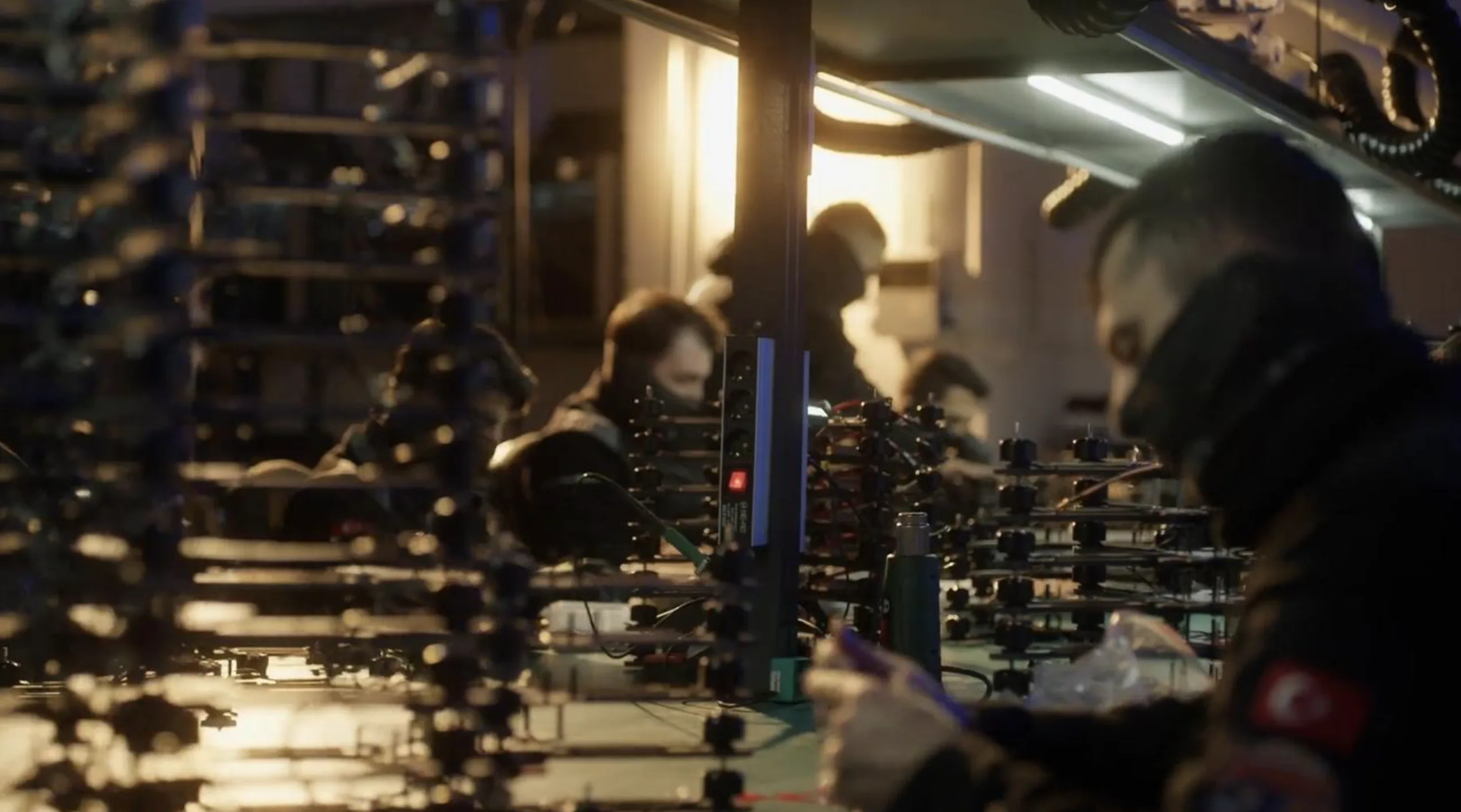
Haluk Bayraktar, CEO of Turkey’s Baykar company, announced that the production line for the Sky Dagger loitering munitions has reached an annual capacity of 120,000 drones a figure that signals a significant shift in Turkey’s drone industry, from limited-scale systems to mass production on an industrial scale.

In a post published on the Turkish platform InSocial, Bayraktar stated that the company had rapidly developed a family of drones in various sizes and with different operational capabilities. Backed by intensive investment, this leap has boosted production capacity to unprecedented levels.

He emphasized that the system is entirely composed of locally made, indigenous components from the electric motor and flight control computer to the warhead.

This development raises questions that go beyond the impressive number itself: What does it mean, militarily, to possess such a vast production capability?

How might this shape the Turkish military’s approach to combat particularly in terms of intensity, attrition, and risk management? And does localization alone guarantee genuine defense autonomy if it doesn’t translate into qualitative superiority? Lastly, where are these drones headed for export?

Sky Dagger and the Logic of Protracted Wars

Turkey’s ability to produce up to 120,000 drones annually isn’t just a noteworthy figure in defense manufacturing it represents a deeper transformation in how military power is conceived. Producing nearly 10,000 drones a month suggests that drones are no longer auxiliary tools used sporadically.
نون بوست

Instead, they have become readily available weapons, deployed continuously rather than sparingly, giving Ankara greater room for maneuver in any potential conflict.

In modern warfare, military superiority is no longer measured solely by the size of arsenals or the cost of combat platforms, but by a military’s ability to deliver maximum impact at minimum cost.

A small, relatively inexpensive drone capable of disabling or destroying a high-cost military asset explains why mass production has itself become a deterrent. With such industrial capacity, the Turkish military can deploy swarms of drones for surveillance, attacks, and electronic warfare, reducing human casualties and lowering the financial burden of operations.

Crucially, these numbers point to the sustainability of supply in the theater of war. Drones are no longer treated as exceptional assets but as expendable munitions rapidly replenishable and boldly deployable along the front lines.

Recent conflicts, especially since 2022, have shown how small drones can serve as effective tools of attrition, disorienting adversaries and steadily eroding their capabilities over the medium and long term.

From this perspective, producing 120,000 drones annually enhances Turkey’s ability to endure long-term conflicts. In many scenarios, quantity becomes a practical advantage able to offset qualitative gaps through saturation, diversion, and overwhelming enemy defenses.

Implications for Turkish Military Doctrine

This dramatic surge in drone production cannot be separated from its direct impact on Turkish military thinking. Over recent years, Ankara has gained extensive field experience in drone operations. Now, the role of drones has evolved from a supportive element for specific missions to a permanent fixture in daily military planning.
نون بوست
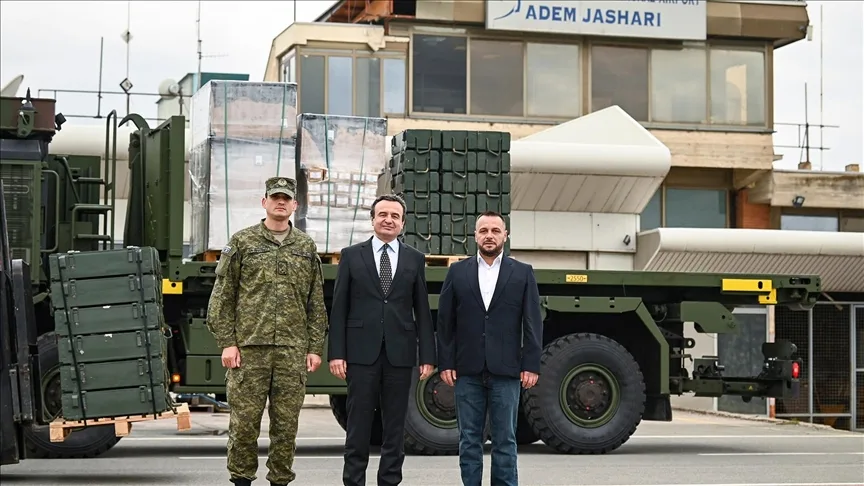
Kosovo’s acting prime minister, Albin Kurti.

With large numbers of low-cost, highly effective loitering munitions at its disposal, the Turkish Armed Forces are recalibrating their tactics around the constant presence of this weapon across all operational levels.

This shift mirrors broader trends in contemporary battlefields, where drones now occupy a central position in military doctrines due to their ability to penetrate defenses, conduct precision strikes, and manage engagements from a safe distance.

Military experts agree that the widespread, synchronized deployment of unmanned systems has reshaped the rules of engagement shifting warfare away from direct confrontation and toward tactics of saturation, jamming, and disorientation, rather than costly reliance on manpower and heavy equipment.

Within this context, a clear trend has emerged in Turkey’s military establishment: growing reliance on drone power as a core tool for reconnaissance, attack, and defense in both conventional warfare and asymmetric conflicts.

Ankara’s model has become a reference point for allied nations seeking to modernize their armed forces. The Prime Minister of Kosovo captured this sentiment after his country received a shipment of Sky Dagger drones, describing the effort as part of building an armed force equipped with modern technologies and contemporary combat tactics signaling a clear integration of drones into military doctrine.

Turkey’s experience is no longer just a national endeavor; it is evolving into an exportable model that places drones at the heart of new-era combat strategies both at home and abroad.

Localization and Military Autonomy

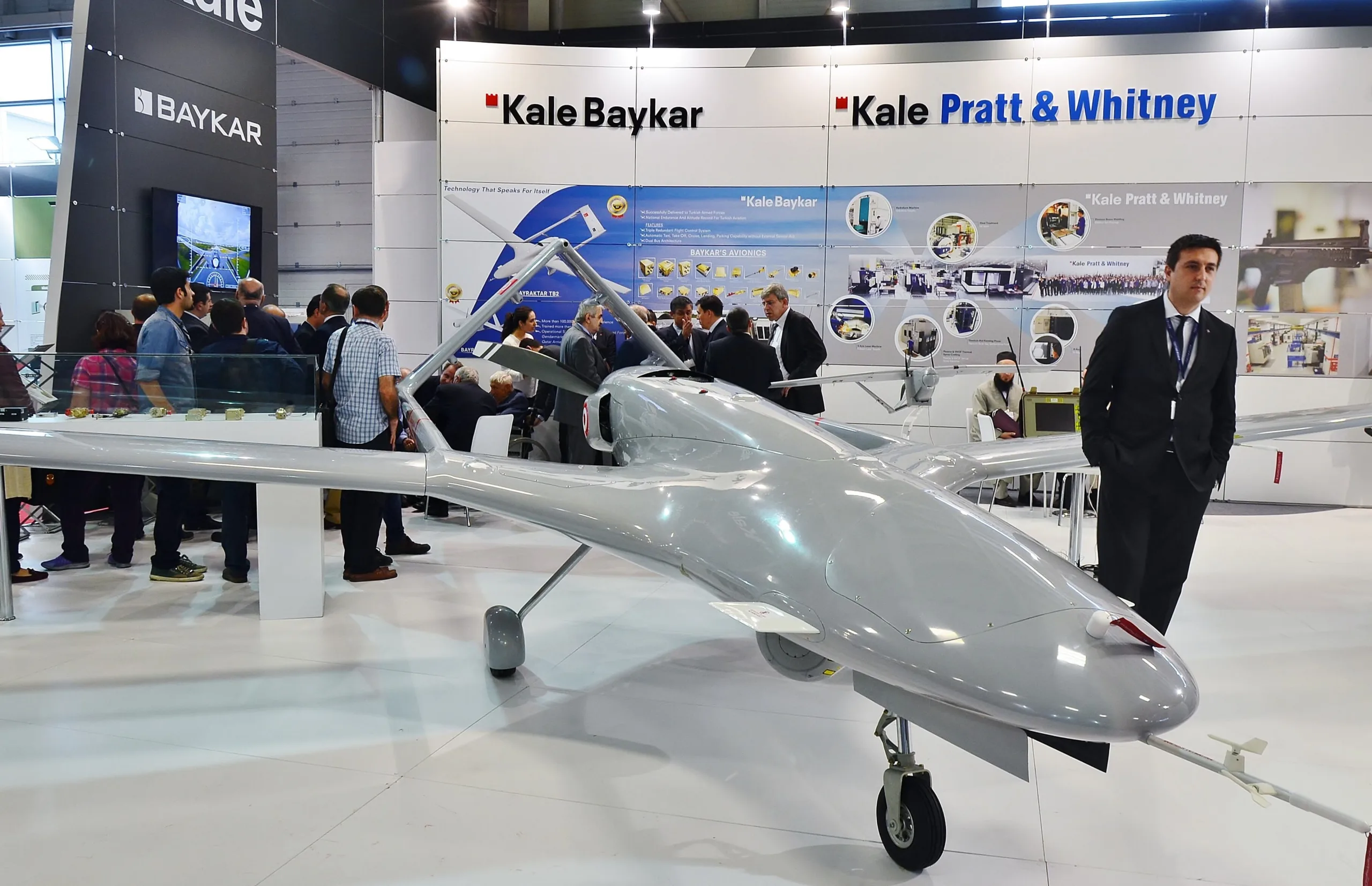
In developing the Sky Dagger, Turkey placed its strategic bet on full localization a move designed to insulate its defense capabilities from export restrictions, political pressures, and potential sanctions.
نون بوست

According to publicly available data, the company has succeeded in producing or sourcing more than 80% of the drone system’s components domestically from engines and batteries to communications systems and warheads. Plans are in place to reach full self-sufficiency by the end of the year.

This localization approach has become increasingly common among Turkish defense firms, reducing the risks of supply chain disruptions during crises and granting the military a wider margin of independence from foreign suppliers.

Baykar also notes that vertical integration in manufacturing has helped lower costs and increase efficiency. By moving the production of sensitive components in-house, localization has become not just a political slogan but a source of both military and economic strength.

Nevertheless, this progress invites a valid debate: Can quantity alone guarantee military superiority if it isn’t matched by quality? While localization offers strategic freedom of action, it doesn’t eliminate the technological race. High-volume production of small loitering drones—however impressive—cannot fully compensate for the absence of advanced platforms capable of penetrating heavily defended airspace or matching major powers in cutting-edge technology.

To address this, Ankara is pursuing a dual-track strategy. Alongside its focus on mass production, it is investing in high-end projects like the Kızılelma stealth drone fighter and the development of air-to-air missiles and advanced domestic radar systems.

Even within the tactical drone category, quality hasn’t been overlooked. Sky Dagger units are equipped with anti-jamming communication systems using frequency-hopping technology, along with multi-layered safety systems to reduce the risk of accidental detonation and enhance battlefield readiness.

This approach reflects a vision that combines quantity and quality where numbers are not seen as a substitute for excellence, but as a means to reinforce it.

The Expanding Market for Turkish Drones

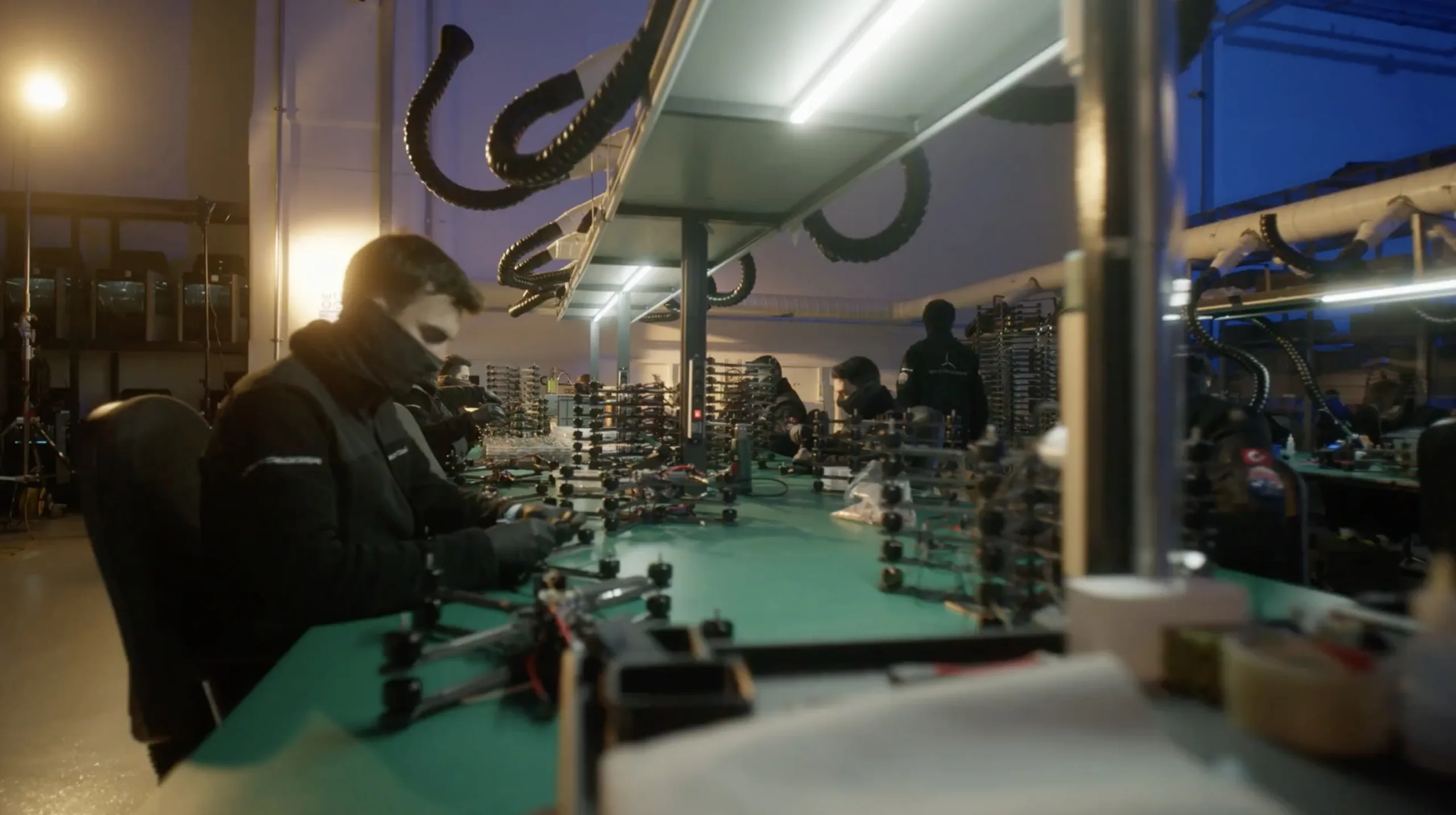
Within just one year, the Sky Dagger company alone exported nearly 30,000 loitering drones to 14 countries, while also integrating the system into Turkey’s own armed forces. This rapid spread reflects a growing international demand for Turkish drones fueled by their battlefield-proven record across numerous conflict zones, from Syria and Libya to Nagorno-Karabakh and Ukraine, where the Bayraktar TB2 became emblematic of the shift toward unmanned warfare.
نون بوست

The appeal of Turkish drones lies in their practical combination of battlefield effectiveness, affordability, and ease of use. This balance makes them a preferred choice for countries seeking to modernize their militaries without entering costly arms races or becoming dependent on complex and expensive Western systems.

As a result, the client base has expanded to include Eastern European and Balkan countries like Kosovo which received thousands of Sky Dagger drones in 2025 as well as Middle Eastern and Central Asian nations with security partnerships with Turkey or facing similar challenges.

The reach has also extended to African countries engaged in ongoing battles with armed groups and seeking rapid, cost-effective solutions.

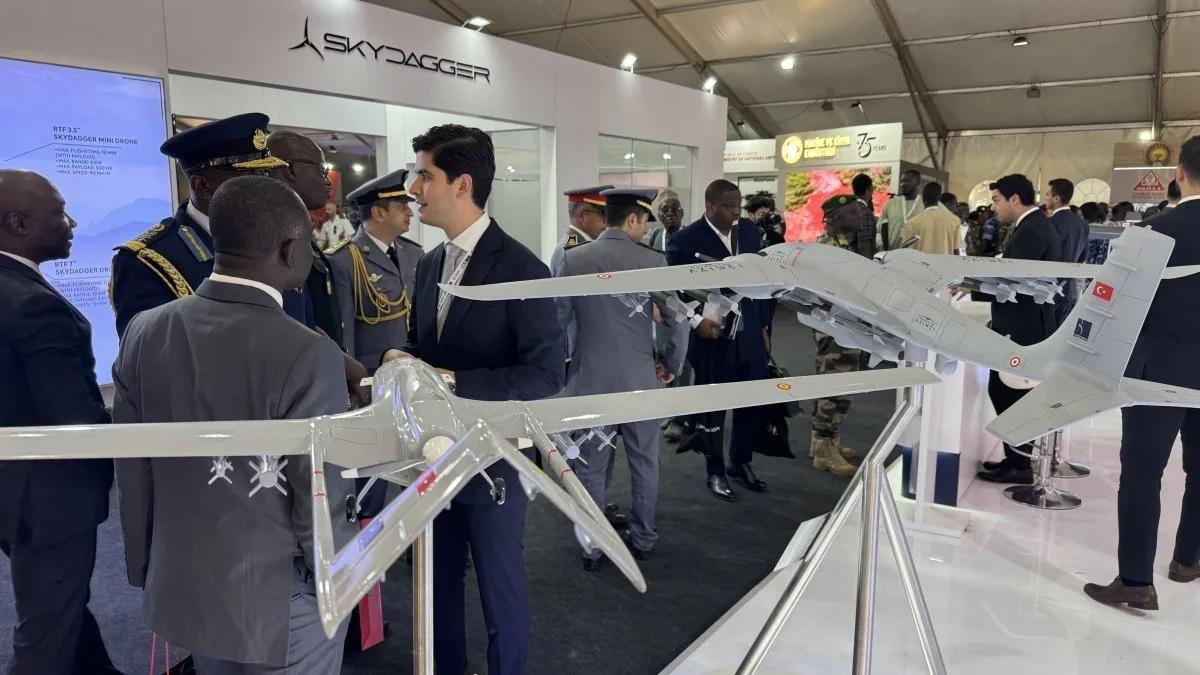
Sky Dagger’s debut at the Bamax 2025 exhibition in Mali sent a clear signal about the next frontier for Turkish drone exports. Africa, where demand for low-cost, high-impact weaponry is steadily growing, has become a key arena of competition one in which Ankara is keen to establish an early foothold.

Sky Dagger: An Exception or Part of a Broader Trend?

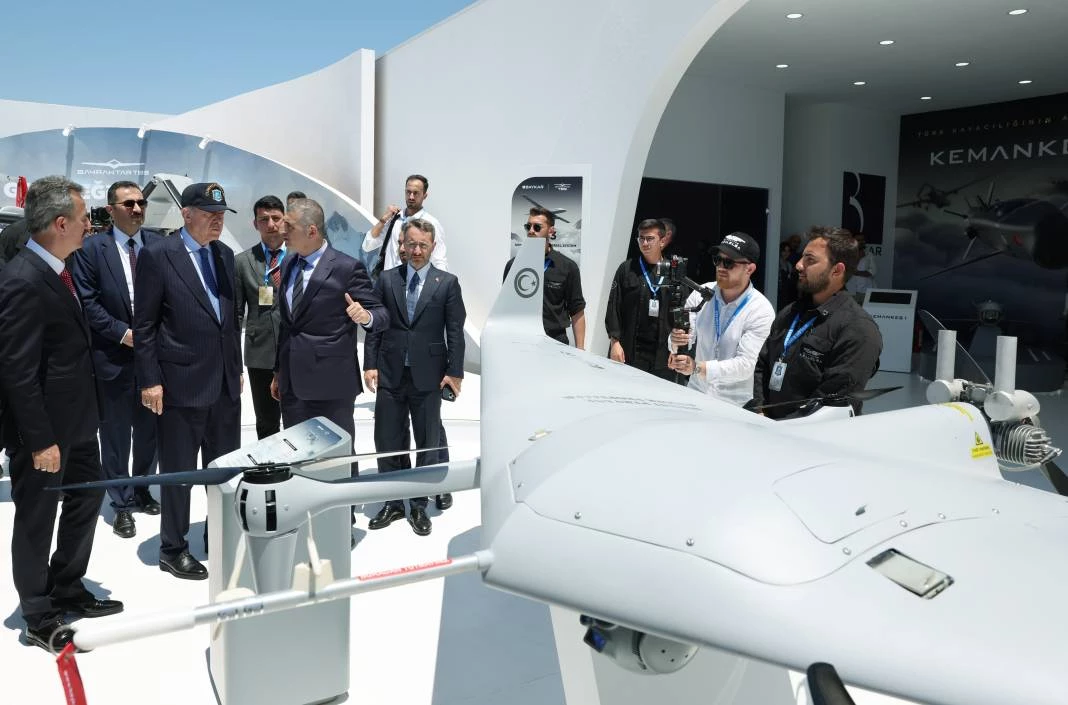
The rise of Sky Dagger is not an isolated case it is emblematic of a larger trajectory within Turkey’s defense industry. The year 2025 closed with a series of notable achievements, both in system development and international market penetration. Defense and aerospace exports approached $7.5 billion in the first 11 months, with expectations of surpassing $8 billion by year’s end.
نون بوست

That same year, Turkey signed several major contracts, including a $3 billion deal to supply Spain with Hürjet advanced trainer jets, and another agreement to provide Poland with electronic warfare systems developed by ASELSAN.

Against this backdrop, the Sky Dagger model appears to be a natural extension of this trend. Founded in 2024 with direct support from Baykar, the company quickly assembled a complete range of drones in varying sizes and functions, raised local content to over 80%, and achieved unprecedented production capacity within the sector.

This rapid pace of development and manufacturing reflects broader dynamism within Turkey’s defense industry, where accelerated innovation cycles have become the norm. These developments also align with a long-standing national strategy of defense self-sufficiency, marked by increasing localization of critical technologies and reduced dependence on foreign sources.

What sets Sky Dagger apart is its sheer production capacity figures that are rare even by global drone industry standards. But this exceptionalism also fits neatly into Turkey’s broader strategy of mass production, aggressive exporting, and a determined push into the global military tech race.

In that light, Sky Dagger represents less an anomaly and more a symbol of a new era in Turkish defense manufacturing one in which Ankara is positioning itself not merely as self-sufficient, but as a competitive global player.

Download this article as PDF
Share this Article
Facebook Twitter Whatsapp Whatsapp Telegram Email Copy Link
زياد ابحيص
By زياد ابحيص
Follow:
Previous Article نون بوست Demolition of UNRWA Headquarters in Jerusalem: How Does It Affect Palestinian Lives?
Next Article نون بوست Pluralism, Memory, and Citizenship in a New Syria: An Interview with Writer Haitham Hussein

Read More

  • U.S. Regime‑Change Policies: Why They Are Destined to Fail U.S. Regime‑Change Policies: Why They Are Destined to Fail
  • The Gulf’s Balancing Act: Iran, Israel, and Hidden Links
  • Iraq–Turkey Oil Export Treaty: Why Did Ankara Cancel It After 52 Years?
  • Syria’s Northeast on Edge: QSD Between Ankara and Damascus
  • Has Europe Changed Its Stance on Israel… or Just Its Language?
part of the design
NoonPost Weekly Newsletter

You May Also Like

U.S. Regime‑Change Policies: Why They Are Destined to Fail

U.S. Regime‑Change Policies: Why They Are Destined to Fail

إسراء سيد Esraa sayed 8 April ,2026
The Gulf’s Balancing Act: Iran, Israel, and Hidden Links

The Gulf’s Balancing Act: Iran, Israel, and Hidden Links

فريق التحرير Noon Post 8 April ,2026
Iraq–Turkey Oil Export Treaty: Why Did Ankara Cancel It After 52 Years?

Iraq–Turkey Oil Export Treaty: Why Did Ankara Cancel It After 52 Years?

فريق التحرير Noon Post 8 April ,2026

المنع من صيام رمضان فصل من قصة معاناة مسلمي الإيجور في الصين

شيماء الحديدي
شيماء الحديدي Published 29 June ,2015
Share
seen

رمضان الفرحة التي تتمثل لدى عموم المسلمين بأجوائه المميزة، حرم منها هذا العام العديد من المسلمين في العالم، وبرز الحرمان من هذه الفرحة في الوطن العربي لدى السوريين الذين يقضون عامهم الخامس على التوالي في ظل أزمات الموت التي تلاحقهم، وكذا اليمنين المهجرين خارج وداخل أراضيهم بسبب الصراع الدائر بين الحوثيين وعاصفة الحزم بقيادة السعودية، والمصريين الذين يقضي أكثر من 50 ألف منهم رمضان في المعتقلات وغيرهم آلاف يقضون الشهر مطاردين أمنيًا أو خارج بلادهم، وأسرهم التي تقضي الشهر ينقصها عدد من أفرادها، وفلسطين التي يقضي أبناؤها الشهر في ظل حملات أمنية للاحتلال عليهم ربما يكونوا قد تعودوا على مرور رمضان أثناء نكبتهم المستمرة، ولم يختلف الأمر في العراق كثيرًا فالمعارك على الأرض بين المليشيات الشيعية المدعومة حكوميًا وبين تنظيم الدولة تسيطر أجوائها على العراق بدلاً من رمضان.

جل هذه المشاهد في تلك البلدان ربما أنقصت من روح هذا الشهر الكريم ولكن أهلها لعلهم قادرين على أداء فريضة الصيام، فمعاناة مسلمي الإيجور في الصين تختلف عن كل تلك المآسي، فحتى فريضة الصيام لم يتمكن هؤلاء المسلمون من أدائها بسبب تنكيل السلطات الصينية بكل من يُضبط متلبسًا بصيام حتى أصبح جريمة يُعاقب فاعلها.

 فمع منع السلطات الصينية المسلمين في مقاطعة، شنجيانج، الواقعة أقصى غربي البلاد، من الصيام وممارسة شعائرهم الدينية ومعاقبة من يخالف ذلك بالسجن أو التغريم، وإصدار الحزب الشيوعي الصيني بالتعاون مع الإدارة المحلية تعميمًا بمنع موظفي الخدمة المدنية والطلاب والمعلمين من الصيام، في حين قالت الحكومة الصينية على موقعها على الإنترنت أن مسؤولي سلامة الغذاء يطالبون مطاعم الأطعمة الحلال والواقعة بالقرب من الحدود مع كازاخستان بالبقاء مفتوحة خلال ساعات النهار في رمضان، بالإضافة إلى توجيه تعليمات للمحال والمطاعم التي يمتلكها المسلمون ببيع السجائر والخمور خلال رمضان أو مواجهة الإغلاق النهائي، يُجبر مسلمو الصين على قضاء الشهر في تنكيل مستمر وحرمان من صومه وأداء مناسكه.

المسلمون بالمقاطعة المعروفون باسم الإيجور وصفوا على لسان زعيمهم، ديلكسات راكسيت، الأزمة بأنها محاولة من الصين للسيطرة على العقيدة الإسلامية، وحذّر من كون التضييق سيدفع أبناء طائفة الإيجور، إلى مقاومة نفوذ الحكومة الصينية، وأشار راكسيت أن القضية مسيسية، ولفت زعيم الإيجور القول إلى استخراج الحكومة الصينية ضمانات من الآباء والأمهات بأن أطفالهم لن يصوموا في رمضان.

سبق شهر رمضان عدد من الأحداث التي أشعلت واستفزت مشاعر المسلمين بمقاطعة شينجيانج، فقبيل بدء الشهر بأيام أقام نحو 60 مزاعًا وراعيًا مهرجانًا للبيرة في قرية بمقاطعة “نيا في” أقصى جنوب مقاطعة “شينجيانج” التي تقطنها أغلبية مسلمة، عرض في المهرجان مشاهد لنساء يرقصن أمام مسرح وصف من الرجال وهم يحتسون أكبر قدر ممكن من البيرة في دقيقة واحدة، وكانت الحكومة الصينية قد خرجت لتعلن عن إقامة المهرجان؛ مما استفز مشاعر غالبية المسلمين في المقاطعة.

القمع المستمر للأقلية المسلمة بالصين مدعم بقرارات رسمية من الدولة منها إصدارالمجلس التشريعي  للمقاطعة قرارًا يحظر ارتداء النقاب في الأماكن العامة بالعاصمة المحلية أورومتشي، مطلع العام الجاري، وموافقة مجلس نواب الشعب عليه وتأكيده على أن القرار سيدخل حيز التنفيذ، تتزامن القرارات مع تزايد وتيرة العنف الممارس بحق مسلمي الإيجور، فتقوم السلطات الصينية باعتقال أصحاب الأصول الإيجورية بشكل دوري، ينتهي الاعتقال أحيانًا بالقتل، فلاقت هذا المصير امرأتان تنتميان لأصول إيجورية قتلتا بالرصاص في مارس الماضي أثناء محاولة رجال الأمن القبض عليهما في قرية تابعة لمدينة غوانغ جو.

الصراع بين الإيجور والسلطة بالمقاطعة ممتد، فبين السلطات التي تلقي باللوم على الإيجور بالوقوف وراء تفجيرات في مبانٍ حكومية وتجمعات مدنية وتبرر قمعها تحت مسمى محاربة “التطرف الديني”، ينفي سكان منطقة الإيجور تلك الاتهامات ويعانون ويلاتها ويعاقبون عليه بالتنكيل والتضييق المستمر عليهم مؤكدين أن التوصيف الأدق للأحداث هو “القمع الديني”.

زيادة التضييق الممارس من قِبل السلطات بالأرجح يعود إلى منطلق السياسات العامة للحزب الحاكم الذى يرى وجوب أن يبقى الدين والتعليم منفصلان لكي لا يخضع الطلاب للتأثيرات الدينية، لكن يبدو جليًا أن هذا المنطلق يطبق فقط على الديانة الإسلامية، فالأمر هذا لا يطبق على أبناء قومية “الهان” إحدى قوميات الصين الـ 56 التي تمثل نسبة 92% من الشعب الصيني، حيث يغلب على القومية الديانات الصينية والبوذية والطاوية مع أقلية مسيحة ومسلمة.

ليست تلك المرة الأولى التي تمنع فيها الحكومة الصينية المسلمين في المقاطعة من أداء الشعائر الدينية في شهر رمضان، فالحكومة الصينية منعت المسلمين من أداء فريضة الصيام خاصةً خلال شهر رمضان عقب انتفاضة كبيرة خرج بها مسلمو الإيجور في أبريل عام 1990 منددين بتزايد أعمال العنف وتزايد عمليات الاعتقال والقتل الممارسة بحقهم من قِبل السلطات الصينية.

مقاطعة شينجيانج الواقعة على الحدود مع منغوليا وروسيا وكازاخستان وقيرغيزستان وطاجيكستان وأفغانستان وباكستان والهند، كانت تسمى تركسان الشرقية قبل الاحتلال الصيني لها منذ 66 عامًا، حيث كانت دولة مسلمة منذ دخولها الإسلام في عهد الخليفة الأموي عبد الملك بن مروان (86 هـ -705 م)، ولازالت تحوي بعض الآثار الإسلامية مثل مسجد عيد كاه، وضريح ملك مملكة هامي من قومية هوي، وبرج سوقونغ، يبلغ عدد المسلمين فيها نحو 9 مليون نسمة بحسب إحصاءات الصين الرسمية، فيما أشارت مصادر غير رسمية إلى أن عدد المسلمين بها يبلغ 25 مليون نسمة، وهم جزء من مسلمي الصين البالغ عددهم 100 مليون نسمة بحسب إحصاءات غير رسمية، بينما تؤكد الصين أن العدد 60 مليون فقط، وعلى أية حال فهو عدد ليس بالقليل.

حاولت الصين مرات عديدة احتلال تركستان الشرقية ذات الغالبية المسلمة المرتبطة لغتهم باللغة التركية، حيث احتلت الصين بقيادة العائلة الحاكمة الصينية، الماتشو، تركستان الشرقية في العام 1759، وسرعان ما استردها الأتراك، قبل استعانة العائلة الصينية الحاكمة ببريطانيا لإعادة احتلال الإقليم في العام 1876، وفي منتصف القرن العشرين عقب الحرب اليابانية الصينية أًنشأت جمهورية تركستان الشرقية كجمهورية إسلامية في شمال الصين لكنها لم تستمر طويلًا حتى أعاد الزعيم الصيني، ماوتسي تونج، فرض سيطرته على المنطقة في العام 1949، وأطلق عليها اسم شينجيانج والتي تعني الحدود الجديدة لتظل من وقتها مقاطعة تابعة للصين.

المحتل الصيني اعتمد سياسة التنكيل بمسلمي الإيجور، حيث قام بترحيل 240 ألف من مسلمات الإيجور عنوةً إلى المصانع في شرق الصين للعمل بالسخرة وإجبارهن على الزواج من غير المسلمين، كما شرع في توطين مئات الآلاف من الصينين من عرق الهان الذين سيطروا على كافة الوظائف الرئيسة والنشاط السياسي للإقليم حتى أصبحوا يسيطرون على غالبية المصانع والشركات ولا يقبلون توظيف غير أبناء عرقهم فيها، ما اضطر أبناء البلد الأصلي من الإيجور لامتهان مهن متدنية، كما منع المحتل الصيني أبناء الإيجور من التمثيل ولو بنسبة ضئيلة في الهيئات الحكومية وحرموا أيضًا من استخدام لغتهم في المدارس، واستمر في محاربة هويتهم من خلال إغلاق المساجد بحجة عدم وجود تراخيص ومنع الشباب دون 18 من الصلاة بالمساجد، كل هذا بالإضافة إلى مهاجمة مسلمي الإيجور من آن لآخر وقتل عدد منهم.

كان من بين تلك المجازر التي أًقيمت بحق مسلمي الإيجور مهاجمة عمال في مصنع للألعاب في مقطاعة كونجدوج الواقعة جنوب الصين بواسطة صيني الهان في يونيو من العام 2009، الحادث الذي أسفر عن قتل وجرح ما لا يقل عن 1000 من مسلمي الإيجور، وتلاها عدد من الأحداث الدامية التي يقوم بها الصينيون من عرق الهان دون مساءلة رسمية من الدولة التي كانت تساعد في سن القوانين التي تزيد من اضطهاد مسلمي الإيجور، وكان سكان المنطقة طالبوا مرارًا بالاستقلال عن الصين منذ عام 2009، وخرجوا في تظاهرات قوبلت بالقمع والكبت والقتل وأصيب فيها الآلاف، فيما ترفض الصين طلب الاستقلال لأهمية المنطقة إستراتيجيًا بالنسبة إليها، فهي بلد غنية بالثروات المعدنية من الذهب والزنك واليورانيوم وبها مخزون ضخم من البترول.

يعاني مسلمو الإيجور الاضطهاد بشتى أشكاله منذ أكثر من 66 عامًا، والأمر ليس بمستحدث في ظل صمت دولي على الجرائم الممارسة بحقهم من قِبل الحكومة الصينية رغم مطالبات عدة بتدخل أممي للوقوف على حجم المعاناة التي يعانيها هؤلاء، وكذا لا تحظي القضية بشهرة في الأوساط العربية والإسلامية ربما لقلة المعلومات أو المتابعات الآتية من هناك، لكن تظل حقوق مسلمي الإيجور تعاني من الإهدار على يد آلة القمع السلطوية الصينية، فأمر المنع من ممارسة الشعائر الدينية كالصيام هو أحد أبرز تجليات هذه المعاناة اليومية للسكان المسلمين في مقاطعة شينجيانج.

TAGGED: الأقليات ، التمييز ضد المسلمين ، مسلمو الإيجور ، مقاطعة شنجيانج
TAGGED: الحقوق والحريات
Download this article as PDF
Share this Article
Facebook Twitter Whatsapp Whatsapp Telegram Email Copy Link
شيماء الحديدي
By شيماء الحديدي صحافية مصرية وباحثة في الشأن الحقوقي
Follow:
Next Article نون بوست The Stigma of “ISIS”: A Heavy Legacy Haunting Women and Children of Former Members

Read More

  • U.S. Regime‑Change Policies: Why They Are Destined to Fail U.S. Regime‑Change Policies: Why They Are Destined to Fail
  • The Gulf’s Balancing Act: Iran, Israel, and Hidden Links
  • Iraq–Turkey Oil Export Treaty: Why Did Ankara Cancel It After 52 Years?
  • Syria’s Northeast on Edge: QSD Between Ankara and Damascus
  • Has Europe Changed Its Stance on Israel… or Just Its Language?
part of the design
NoonPost Weekly Newsletter
dark

An independent media platform founded in 2013, rooted in slow journalism, producing in-depth reports, analysis, and multimedia content to offer deeper perspectives on the news, led by a diverse young team from several Arab countries.

  • Politics
  • Society
  • Rights & Liberties
  • Opinions
  • History
  • Sports
  • Education
  • Technology
  • Economy
  • Media
  • Arts & Literature
  • Entrepreneurship
  • Travel
  • Cinema & Drama
  • Food
  • Health
  • Culture
  • Latest Reports
  • Files
  • Long Reads
  • Interviews
  • Podcast
  • Interactive
  • Encyclopedia
  • In Pictures
  • About Us
  • Our Writers
  • Write for Us
  • Editorial Policy
  • Advanced Search
Some rights reserved under a Creative Commons license

Removed from favorites

Undo
Go to mobile version