NoonPost NoonPost

NoonPost

  • Home
  • Politics
  • Economy
  • Society
  • Culture
  • Files
  • Long Reads
  • Podcast
AR
Notification Show More
نون بوست
“There Are Nights I Can’t Close My Eyes”: How Gazans Are Living in Homes on the Brink of Collapse
نون بوست
From al-Jolani to Ahmad al-Shara: The Evolution of Syria’s New Leader
نون بوست
When Political Islam Receded in Egypt: Who Filled the Void?
نون بوست
An Extension of Genocide: Gaza’s Detainees Speak Out
نون بوست
A Tightrope Between Survival and Sovereignty: The Syrian Government Faces Normalization Pressures
نون بوست
American Aircraft Carriers: Has the Era of “100,000 Tons of Diplomacy” Ended?
نون بوست
U.S. Regime‑Change Policies: Why They Are Destined to Fail
نون بوست
Transformations of Israeli Judaism: Between the Victim Complex and the Colonizer’s Doctrine
نون بوست
The Gulf’s Balancing Act: Iran, Israel, and Hidden Links
نون بوست
Iraq–Turkey Oil Export Treaty: Why Did Ankara Cancel It After 52 Years?
نون بوست
Syria’s Northeast on Edge: QSD Between Ankara and Damascus
نون بوست
Has Europe Changed Its Stance on Israel… or Just Its Language?
NoonPost NoonPost
AR
Notification Show More
نون بوست
“There Are Nights I Can’t Close My Eyes”: How Gazans Are Living in Homes on the Brink of Collapse
نون بوست
From al-Jolani to Ahmad al-Shara: The Evolution of Syria’s New Leader
نون بوست
When Political Islam Receded in Egypt: Who Filled the Void?
نون بوست
An Extension of Genocide: Gaza’s Detainees Speak Out
نون بوست
A Tightrope Between Survival and Sovereignty: The Syrian Government Faces Normalization Pressures
نون بوست
American Aircraft Carriers: Has the Era of “100,000 Tons of Diplomacy” Ended?
نون بوست
U.S. Regime‑Change Policies: Why They Are Destined to Fail
نون بوست
Transformations of Israeli Judaism: Between the Victim Complex and the Colonizer’s Doctrine
نون بوست
The Gulf’s Balancing Act: Iran, Israel, and Hidden Links
نون بوست
Iraq–Turkey Oil Export Treaty: Why Did Ankara Cancel It After 52 Years?
نون بوست
Syria’s Northeast on Edge: QSD Between Ankara and Damascus
نون بوست
Has Europe Changed Its Stance on Israel… or Just Its Language?
Follow US

Yemen: Will the Eastern Provinces Catch the Contagion of Political Ambitions?

بشرى الحميدي
Bushra Alhomidy Published 26 March ,2026
Share
نون بوست
نون بوست
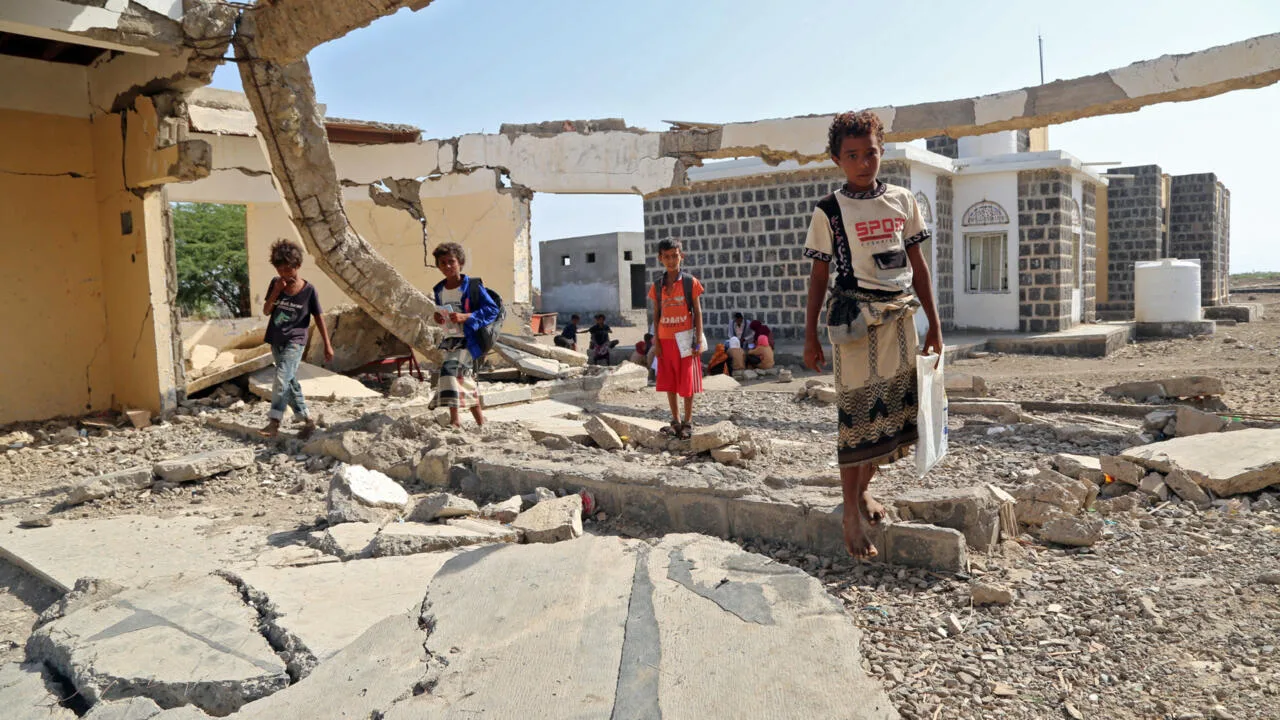
© Khaled Ziad, AFP

Yemen is currently experiencing one of the most complex periods in its modern history since the outbreak of war. Political, security, and social crises are intersecting in a deeply entangled scene, where it’s difficult to isolate any single component.

The rapid developments in the southern provinces, accompanied by political and military escalation and shifting positions among local and regional actors, have rekindled essential questions about the future of the Yemeni state, the boundaries of competing political projects, and the extent to which other regions can remain neutral in the face of these growing tensions.

At the heart of these questions lie the eastern provinces —Hadhramaut, Al-Mahrah, and Shabwah— areas that have so far remained somewhat insulated from the political turmoil gripping parts of the south. As such, they have become a focal point for various stakeholders and a real test of the state’s ability to manage diversity and maintain stability in an exceedingly fragile environment.

While these provinces have not been immune to rising political rhetoric, they have remained, up to this point, less directly involved in violent confrontations. This can be attributed to their unique social and historical fabric and a community structure that favors civil peace and public service demands over divisive political agendas.

However, this relative calm does not imply the absence of challenges; rather, it suggests a temporary phase that could shift if polarization deepens or if the state fails to offer a distinct model for engaging with these regions.

A Unique Social Fabric Requires a Tailored Approach

In an official assessment of the situation, Deputy Minister of Information Dr. Fayadh Al-Nu’man told Noon Post that the government is closely and responsibly monitoring developments in the southern and eastern provinces. He emphasized that what is unfolding in the south cannot be separated from the broader national context or the consequences of the ongoing war.
نون بوست
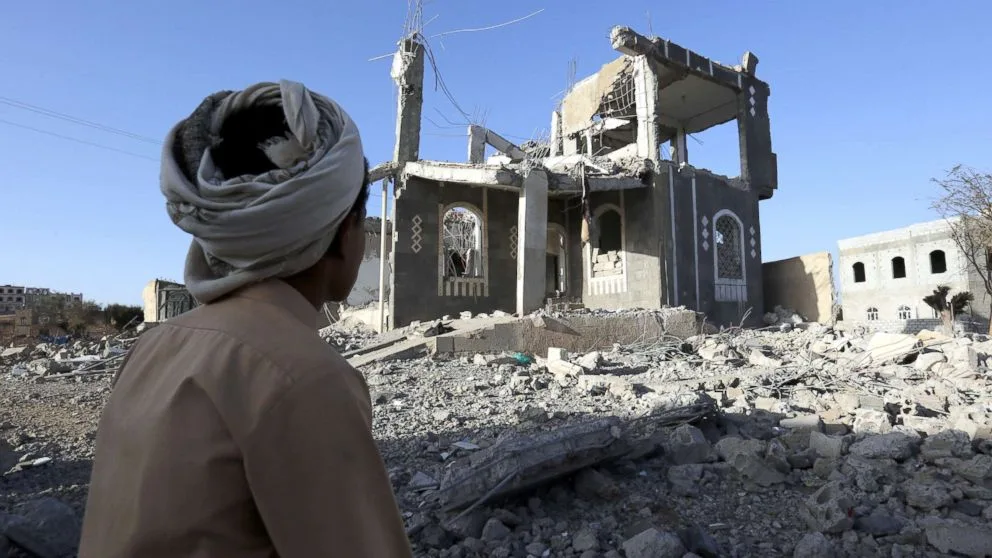
Yahya Arhab / EPA Agency via Shutterstock

Al-Nu’man noted that the eastern provinces represent a different model in dealing with the crisis, where social cohesion and political awareness have helped prevent the conflict from spilling over. Despite attempts to influence these areas through political rhetoric or partisan polarization, Hadhramaut, Al-Mahrah, and Shabwah have so far chosen to focus on service delivery and development, rejecting any descent into conflict that could endanger communal peace.

He argued that this reality necessitates a different political approach one based on partnership rather than dominance, dialogue instead of imposition, and acknowledgment of local specificities within the framework of a unified Yemeni state. Managing diversity, he stressed, does not weaken the state but can become a strength when addressed through equitable and participatory policies.

Al-Nu’man emphasized that preventing the political conflict from spreading to liberated provinces begins with addressing the root causes of the crisis in the south through serious, inclusive dialogue and by empowering local authorities to play a central role in security, service delivery, and development. This, he said, constitutes the first line of defense for stability.

The State’s Most Vital Stability Line

Despite the relative calm in the eastern provinces, this stability remains fragile amid ongoing war and competing political agendas. Recent events in Aden and other parts of the south have reignited debates about the role of these provinces in any future political settlement and their relationship to the broader “southern cause.”

Yemeni Shura Council member Salah Batis believes recent developments have negatively impacted the national scene, nearly undermining the state’s legal center and threatening social cohesion and regional security especially given these provinces’ ties to the security of neighboring countries and international maritime routes in the Arabian Sea, Gulf of Aden, and Bab al-Mandab Strait.

Batis told Noon Post that historically, the eastern provinces have not been part of the confrontational political projects that emerged in the south in recent years. He noted that these regions view themselves as partners in the anticipated federal state, as envisioned in national frameworks and the outcomes of the National Dialogue Conference—not as subordinate or marginal entities.

He warned against attempts to impose political models by force, whether those seen in Aden or Sanaa, arguing that applying such models broadly would only complicate the situation and deepen divisions. While recent events have bolstered the demands of eastern populations, Batis stressed that these demands remain legitimate within the framework of the state. They are based on equitable power and resource sharing not violence or exclusion.

Political Polarization and the Crisis’s Deeper Roots

Developments in the south also reflect a deep-seated political and social crisis, rooted in decades of absent justice and the state’s failure to effectively manage diversity. This has generated a range of demands from expanded local governance to outright self-determination making the southern issue one of Yemen’s most intricate challenges.

Political analyst Hassan Mughlis told Noon Post that the rising rhetoric around independence cannot be understood in isolation from its underlying causes. He explained that separatism was never a standalone goal but rather a direct outcome of accumulated grievances and the central government’s failure to deliver social justice.

Mughlis noted that Yemenis embraced unification in the hope of building a state grounded in equality and guaranteed rights. Yet, the lack of justice both before and after unification has fueled widespread feelings of marginalization. He asserted that geography is not the core issue justice is. And achieving justice could be enough to reverse separatist calls.

He criticized the reduction of the southern issue to certain political entities, arguing that monopolizing representation in such a diverse society only exacerbates division. He called for a comprehensive national dialogue inclusive of all Yemenis and warned of the dangers posed by regionalist discourse to the country’s social fabric.

A New Political Approach and Potential Shifts

For his part, Mohammed Omar Moamen, head of the Political Bureau of the Peaceful Tihami Movement, said recent southern developments have directly influenced the general political mood. He stressed that southern Yemen plays a critical role in both regional and international geopolitical dynamics.
نون بوست
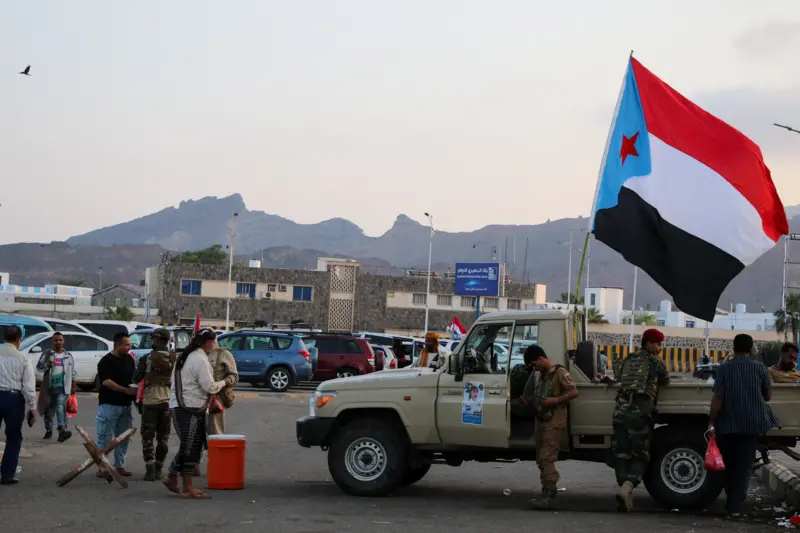
The flag of the Southern Transitional Council flies on a military vehicle during a rally of the council’s supporters in Aden, Yemen – January 1, 2026 – Reuters

In an interview with Noon Post, Moamen said the events revealed major conflicts of interest within the Arab Coalition sometimes reaching the point of confrontation. He noted that Yemen’s strategic location means that any internal development carries immediate regional repercussions.

Regarding the eastern provinces, Moamen emphasized Hadhramaut’s distinct social, cultural, and economic character. He predicted the coming phase could see the emergence of political rhetoric expressing local aspirations for self-governance, particularly as regional actors shift positions and local stakeholders gain more freedom of movement.

Regional and International Dimensions and the STC’s Position

The significance of the southern and eastern provinces transcends domestic politics due to their strategic location along international shipping lanes, making any instability there a matter of growing regional and global concern. In this context, Southern Transitional Council (STC) spokesperson Anwar Al-Tamimi stated that the Council adheres to a political discourse that rejects monopolizing the southern cause or using it to promote unilateral visions that disregard collective southern aspirations.

Al-Tamimi told Noon Post that the STC’s project is a mass movement reflecting the aspirations of all southerners. He added that key southern strongholds including Hadhramaut and Al-Mahrah have always been the backbone of the southern project. The southern movement’s early sparks were ignited there, and they hosted the largest mobilization events.

He stressed that Hadhramaut and Al-Mahrah are acutely aware of the exploitation they have endured, particularly by wealth-plundering networks and systematic attempts to erase their identity and engineer forced demographic changes. As a result, these regions have become even more committed to the federal southern project as a framework that guarantees rights, resources, and identity.

Al-Tamimi said the STC not only recognizes local particularities but actively promotes them as a counter to any efforts to impose unity by force, political maneuvering, or external pressure. He argued that local identities are not in conflict with the southern project they are a foundational pillar of the envisioned federal southern state.

He added that military and media campaigns against the STC have not weakened it. On the contrary, they have strengthened its popular base, as evidenced by the massive public rallies seen in cities like Mukalla, Socotra, and the southern capital, Aden.

Al-Tamimi concluded by emphasizing that the south is home to genuine political pluralism, unlike other parts of Yemen. He stated clearly that the STC represents the political voice calling for the restoration of a southern state, while welcoming any other political initiative so long as it explicitly acknowledges the right to self-determination. Ultimately, he said, it is up to the southern people to decide.

Download this article as PDF
Share this Article
Facebook Twitter Whatsapp Whatsapp Telegram Email Copy Link
بشرى الحميدي
By بشرى الحميدي
Follow:
Previous Article نون بوست Pluralism, Memory, and Citizenship in a New Syria: An Interview with Writer Haitham Hussein
Next Article نون بوست Cautious Calm and Unproven Assurances: Where Is Iran Headed?

Read More

  • U.S. Regime‑Change Policies: Why They Are Destined to Fail U.S. Regime‑Change Policies: Why They Are Destined to Fail
  • The Gulf’s Balancing Act: Iran, Israel, and Hidden Links
  • Iraq–Turkey Oil Export Treaty: Why Did Ankara Cancel It After 52 Years?
  • Syria’s Northeast on Edge: QSD Between Ankara and Damascus
  • Has Europe Changed Its Stance on Israel… or Just Its Language?
part of the design
NoonPost Weekly Newsletter

You May Also Like

U.S. Regime‑Change Policies: Why They Are Destined to Fail

U.S. Regime‑Change Policies: Why They Are Destined to Fail

إسراء سيد Esraa sayed 8 April ,2026
The Gulf’s Balancing Act: Iran, Israel, and Hidden Links

The Gulf’s Balancing Act: Iran, Israel, and Hidden Links

فريق التحرير Noon Post 8 April ,2026
Iraq–Turkey Oil Export Treaty: Why Did Ankara Cancel It After 52 Years?

Iraq–Turkey Oil Export Treaty: Why Did Ankara Cancel It After 52 Years?

فريق التحرير Noon Post 8 April ,2026

كيف يستثمر النظام المصري حادثة اغتيال النائب العام؟

فريق التحرير
Noon Post Published 30 June ,2015
Share
441

عقب اغتيال النائب العام المصري المستشار هشام بركات عبر تفجير استهدف موكبه بالأمس حدثت حالة من البلبلة في المشهد المصري، فبين المعسكر الرافض للانقلاب في مصر الذي اتهم البعض منه أجهزة سيادية في الدولة بتدبير حادثة الاغتيال لإلصاق التهمة بالمعارضين للسلطة لا سيما جماعة الإخوان المسلمين، وآخرين لم يخفوا فرحتهم باغتيال الرجل الذي أصدر قرارًا لتقنين فض اعتصامي رابعة العدوية والنهضة  الذي نتج عنه مقتل قرابة 2000 من المعتصمين، معتبرينه المسؤول الأول عن شرعنة احتجاز و تعذيب أكثر من 40 ألف معتقل من المعارضين.

على الجانب الآخر في معسكر الدولة الذي سرعان ما كشف عن المنفذين للحادث ومن يقف خلفهم دون مرور 24 ساعة على الحادث ودون إجراء أي تحقيقات قضائية، النظام سرعان ما اتخذ موقفًا رسميًا عن طرق الهيئة العامة للاستعلامات التي قامت بتوزيع منشورات على السفارات المصرية بالخارج والسفارات الأجنبية في مصر ووكالات الأنباء على مستوى العالم تتهم فيها جماعة الإخوان المسلمين بالوقوف خلف هذا الحادث.

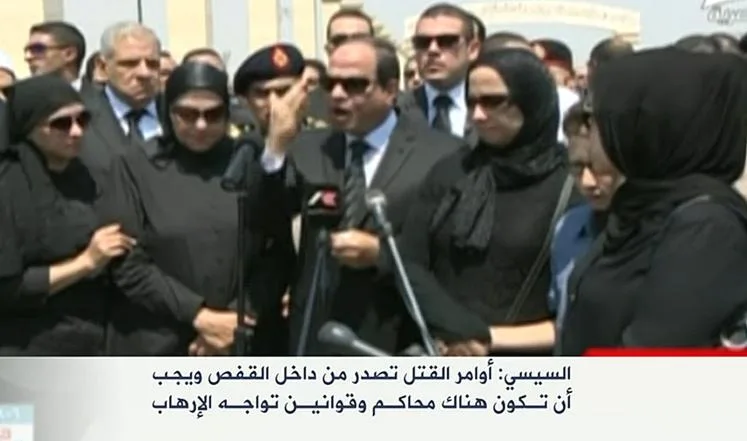
بل إن رئيس الدولة الجنرال عبدالفاح السيسي مقتنع بأن الرئيس السابق محمد مرسي أعطى إشارة من داخل محبسه لتصفية النائب العام بالرغم من كونه ممنوعًا من الزيارة ويقبع داخل حبسه الانفرادي، وهو الأمر الذي أشار إليه أثناء حديثه في تشييع الجنازة العسكرية التي أقيمت اليوم لبركات، الأمر لا يخلُ من الاستغلال السياسي الفج للحدث دون ظهور أي نتائج أولية للتحقيقات حتى ازداد المعسكر الرافض للانقلاب من الإسلاميين يقينًا أن الأمر لا يبتعد كثيرًا عن أجواء المؤامرة لتنفيذ مزيد من أحكام الإعدامات ضدهم ولتبرير مزيدًا من حملات القمع والتنكيل.   


إذا كان هذا الموقف الرسمي الصادر عن رئيس الجمهورية فموقف الإعلام المصري الذي هو انعكاس لما تراه السلطة ليس إلا، فقد أشعل إعلاميو النظام طاحونة التحريض ضد المعارضين للسلطة بشكل عام وخاصةً الإسلاميين منهم، داعين إلى تصفيتهم داخل السجون دون محاكمات، بالإضافة للمزيد من ترديد كلمة “الإرهاب” وبالتأكيد لا صوت يعلو فوق صوت المعركة.

الأمر لن يمر دون ذكر ثورة يناير ووصفها بـ”النكسة” كما يروق للإعلام المصري أن يردد في هذه العهد الجديد، ولا مانع من الزج باسم شباب الثورة وبعض الحركات الشبابية التي ساندت ثورة يناير وتحمليها مآلات الأمور الحالية في البلاد، في مواقف مناقض تمامًا لما كان عليه هذا الإعلام وموقفه من هؤلاء الذي كان يحفد إليهم لاستضافتهم في عهد سابق، ما يعكس حالة التلون التي أصابت المنظومة الإعلامية المصرية برمتها.

الأمر الذي وجده عبدالمجيد محمود النائب العام الأسبق المعين من قبل المخلوع مبارك فرصة مواتية للخروج على الإعلام مطالبًا الرئيس عبدالفتاح السيسي، بفرض حالة الطوارئ أو أي إجراءات استثنائية للقضاء على ما يسميه “التطرف”، كما يرى عبدالمجيد محمود أن هذا التطرف ينمو في المجتمع المصري بسبب ما أسماه “ستار الحفاظ على حقوق الإنسان”، ودعا عبد المجيد محمود إلى سرعة تنفيذ أحكام الإعدام الصادرة في حق قيادات “الإخوان” وعناصر المعارضة بعد حادث اغتيال النائب العام لردع هذه الاغتيالات من وجهة نظره.

عبدالمجيد محمود الذي يعد رجل قانون فيما يبدو محسوب على المنظومة القضائية المصرية لا يجد حرجًا في المطالبة بإعدام مجموعة من المواطنين دون استنفاد درجات التقاضي، حيث يرى أن الحل لمواجهة الإرهاب في مصر هو مزيد من القتل لخصومه.

لم يكن عبدالمجيد محمود وحده من داخل منظومة القضاء المصرية الذي يخرج ويعلق على الأمر مطالبًا بمزيد من الدموية ضد جماعة الإخوان المسلمين وأفرادها في السجون، بل إن الطامة الكبرى خروج القاضي ناجي شحاتة الذي يُحاكم العديد من قيادات جماعة الإخوان المسلمين في عدة قضايا وأصدر بحقهم أحكام إعدامات بالجملة، متهمًا الجماعة بالوقوف وراء مقتل بركات، وواصفًا العملية بـ”الإرهابية”، فكيف يحمل القاضي اتهمًا كهذا لمعتقلين دون أن تخرج أي تحقيقات رسمية حتى الآن؟، وكيف سيستمر في النظر بقضاياه وهو يحمل صفتي الخصم والحكم في نفس الوقت؟

طالب القاضي ناجي شحاتة والنائب العام الأسبق عبدالمجيد محمود بتغيير القوانين وتسريع عملية تطبيق أحكام الإعدام الصادرة بحق قيادات جماعة الإخوان المسلمين، وجعل تلك الأحكام تحت بند أحكام طوارئ جنايات أمن الدولة لتسريع تنفيذ الأحكام، وهذا الأمر إشارة وتأكيدًا لرغبة نظام السيسي في ذلك وانعكاسًا له، حيث أكد السيسي هو الآخر على نفس الأمر بقوله: “إن يد العدالة مغلولة بالقوانين، وإن هناك حاجة الآن -أكثر من أي وقت مضى- إلى محاكم وقوانين تحارب الإرهاب”.

كما أكد السيسي على ضرورة تعديل القوانين هذه التي ستجعل تنفيذ الأحكام أسرع من الوقت الحالي، مضيفًا أنه “خلال أيام سيتم تعديل القوانين والإجراءات القضائية التي تواكب هذه الظروف”، فالسيسي والسلطة القضائية في النظام باتوا في جانب واحد ضد المعارضين، وأصبح لديهم يقين أن إجراءات التقاضي العادية لن تؤدي إلى الانتقام المطلوب.

فوزير العدل الحالي القاضي أحمد الزند المعروف بعدائه الشديد للإسلاميين طوال فترة حكم الرئيس السابق محمد مرسي يرى أن الكرة في ملعبهم الآن للأخذ بثأر هشام بركات، فالقانون في مصر تحول إلى أداة قتل للأخذ بالثأر لا لتحقيق العدالة في وجهة نظر وزير “العدل” المصري، فالأنباء تؤكد أن الرجل سيحيل مجموعة من التعديلات إلى مجلس الوزراء تخدم هدف الثأر الذي يتحدث عنه.

أبرز تلك التعديلات المتوقعة في القوانين المتعلقة بالمحاكمات الجارية الآن هي أن المصادقة على أحكام قضايا أمن الدولة ستتم من رئيس الجمهورية  دون نقض وسيشمل ذلك أحكام الإعدام، بحيث سيكون النقض على الأحكام الجنائية درجة واحدة فقط لا غير، كما سيتم التعديل بحيث يكون سماع شهود النفي بالنسبة للقاضي الذي ينظر في القضية هو أمر اختياري، أي أن فرصة نفي المتهم للتهمة باتت شبه منعدمة، كل ذلك سيكون تصديقًا لتصريح السيسي الذي أطلقه اليوم أن أحكام الأعدام والمؤبد ستنفذ بـ”القانون”.

تأتي تلك التصريحات والتعديلات المتوقعة  في ظل صدور أحكام بالإعدام بحق العشرات من أنصار جماعة الإخوان المسلمين، من محاكم أول درجة، وينتظر أن تتم إجراءات الطعن عليها أمام محكمة النقض، مما يطيل من أمد المحاكمات التي ستقوم بالفصل فيها إما بقبول الطعن وإعادتها لدائرة جنايات جديدة لنظرها، أو بتأييد الأحكام الصادرة، ومما يُلاحظ أن النظام قد أخذ قرارًا بتصفية هؤلاء القيادات المحكوم عليهم بالإعدام بعد الحديث عن مثل هذه التعديلات.

فعبد الفتاح السيسي هو الشخص الوحيد القادر علي تعديل القوانين والتشريعات منفردًا في الدولة بدون الخضوع لأي نوع من أنواع الرقابة التشريعية بسبب عدم وجود برلمان منتخب الذي قالت عنه بعض القوى السياسية في الداخل والتي قرررت أن تشارك في الانتخايات أن ثمة تأخير متعمد لهذه الانتخابات لضمان بقاء السلطة التشريعية في يد النظام.

هذه الأجواء التي وصفها البعض بالجنونية حيث يُرفع الآن شعار “اقتل يا سيسي” ربما بالفعل هي تمهيد لتنفيذ أحكام الأعدام في مجموعة من قيادات الإخوان المسلمين ربما يكون في مقدمتهم الرئيس السابق محمد مرسي لإنهاء مرحلة الشرعية والشرعية المقابلة لها بعد إخفاء مرسي من المشهد تمامًا، وقد يكون حادث اغتيال النائب العام هو الأمثل في استثماره للتعجيل بالخلاص من أحد أكبر معضلات السيسي وهي الرئيس السابق محمد مرسي.

هناك القليل من معسكر النظام يرى أن اتساع دائرة الدم لن تكون في صالح النظام بأي حال من الأحوال وأن عمليات العنف ستزداد وتيرتها إذا أصر النظام على الولوج في هذه المعادلة التي يدفعه إليها الجناح المتطرف بداخله وهي مرحلة تصفية الإسلاميين داخل السجون وخارجها، وهو الأمر الذي فطتنه منظمة العفو الدولية التي قالت في بيان لها أنها ” تحث السلطات بعدم الرد علي حادث مقتل النائب العام بمزيد من القمع يستهدف المتظاهرين السلميين و النشطاء, وقد عبرت عن قلقها عن الأعداد المحتجزة حاليًا ضمن موجة القمع على المعارضة”.

فالجميع يدرك أن هناك حالة من الاستثمار من جانب النظام المصري لإحداث مزيد من الخنق للمجال العام المصري تحت ذريعة الحرب على الإرهاب، ناهيك عن استغلاله في دخول مرحلة جديدة من التصفية لخصومه من الإخوان المسلمين، بيد أن هذا القمع يراه البعض سيطال كافة الأنشطة السياسية المعارضة للنظام في البلاد وليس الإخوان المسلمين فحسب، عبر مزيد من التشريعات التي تخدم النظام في إحكام قبضته الأمنية دون أي رقابة أو محاسبة.

TAGGED: أحكام الإعدام ، اغتيال النائب العام ، الإخوان المسلمين ، النائب العام المصري ، جنازة النائب العام
TAGGED: انقلاب مصر
Download this article as PDF
Share this Article
Facebook Twitter Whatsapp Whatsapp Telegram Email Copy Link
فريق التحرير
By فريق التحرير تقارير يعدها فريق تحرير نون بوست.
Follow:
Next Article نون بوست The Stigma of “ISIS”: A Heavy Legacy Haunting Women and Children of Former Members

Read More

  • U.S. Regime‑Change Policies: Why They Are Destined to Fail U.S. Regime‑Change Policies: Why They Are Destined to Fail
  • The Gulf’s Balancing Act: Iran, Israel, and Hidden Links
  • Iraq–Turkey Oil Export Treaty: Why Did Ankara Cancel It After 52 Years?
  • Syria’s Northeast on Edge: QSD Between Ankara and Damascus
  • Has Europe Changed Its Stance on Israel… or Just Its Language?
part of the design
NoonPost Weekly Newsletter
dark

An independent media platform founded in 2013, rooted in slow journalism, producing in-depth reports, analysis, and multimedia content to offer deeper perspectives on the news, led by a diverse young team from several Arab countries.

  • Politics
  • Society
  • Rights & Liberties
  • Opinions
  • History
  • Sports
  • Education
  • Technology
  • Economy
  • Media
  • Arts & Literature
  • Entrepreneurship
  • Travel
  • Cinema & Drama
  • Food
  • Health
  • Culture
  • Latest Reports
  • Files
  • Long Reads
  • Interviews
  • Podcast
  • Interactive
  • Encyclopedia
  • In Pictures
  • About Us
  • Our Writers
  • Write for Us
  • Editorial Policy
  • Advanced Search
Some rights reserved under a Creative Commons license

Removed from favorites

Undo
Go to mobile version