NoonPost NoonPost

NoonPost

  • Home
  • Politics
  • Economy
  • Society
  • Culture
  • Files
  • Long Reads
  • Podcast
AR
Notification Show More
نون بوست
“There Are Nights I Can’t Close My Eyes”: How Gazans Are Living in Homes on the Brink of Collapse
نون بوست
From al-Jolani to Ahmad al-Shara: The Evolution of Syria’s New Leader
نون بوست
When Political Islam Receded in Egypt: Who Filled the Void?
نون بوست
An Extension of Genocide: Gaza’s Detainees Speak Out
نون بوست
A Tightrope Between Survival and Sovereignty: The Syrian Government Faces Normalization Pressures
نون بوست
American Aircraft Carriers: Has the Era of “100,000 Tons of Diplomacy” Ended?
نون بوست
U.S. Regime‑Change Policies: Why They Are Destined to Fail
نون بوست
Transformations of Israeli Judaism: Between the Victim Complex and the Colonizer’s Doctrine
نون بوست
The Gulf’s Balancing Act: Iran, Israel, and Hidden Links
نون بوست
Iraq–Turkey Oil Export Treaty: Why Did Ankara Cancel It After 52 Years?
نون بوست
Syria’s Northeast on Edge: QSD Between Ankara and Damascus
نون بوست
Has Europe Changed Its Stance on Israel… or Just Its Language?
NoonPost NoonPost
AR
Notification Show More
نون بوست
“There Are Nights I Can’t Close My Eyes”: How Gazans Are Living in Homes on the Brink of Collapse
نون بوست
From al-Jolani to Ahmad al-Shara: The Evolution of Syria’s New Leader
نون بوست
When Political Islam Receded in Egypt: Who Filled the Void?
نون بوست
An Extension of Genocide: Gaza’s Detainees Speak Out
نون بوست
A Tightrope Between Survival and Sovereignty: The Syrian Government Faces Normalization Pressures
نون بوست
American Aircraft Carriers: Has the Era of “100,000 Tons of Diplomacy” Ended?
نون بوست
U.S. Regime‑Change Policies: Why They Are Destined to Fail
نون بوست
Transformations of Israeli Judaism: Between the Victim Complex and the Colonizer’s Doctrine
نون بوست
The Gulf’s Balancing Act: Iran, Israel, and Hidden Links
نون بوست
Iraq–Turkey Oil Export Treaty: Why Did Ankara Cancel It After 52 Years?
نون بوست
Syria’s Northeast on Edge: QSD Between Ankara and Damascus
نون بوست
Has Europe Changed Its Stance on Israel… or Just Its Language?
Follow US

Cautious Calm and Unproven Assurances: Where Is Iran Headed?

عماد عنان
Emad Anan Published 26 March ,2026
Share
نون بوست
نون بوست

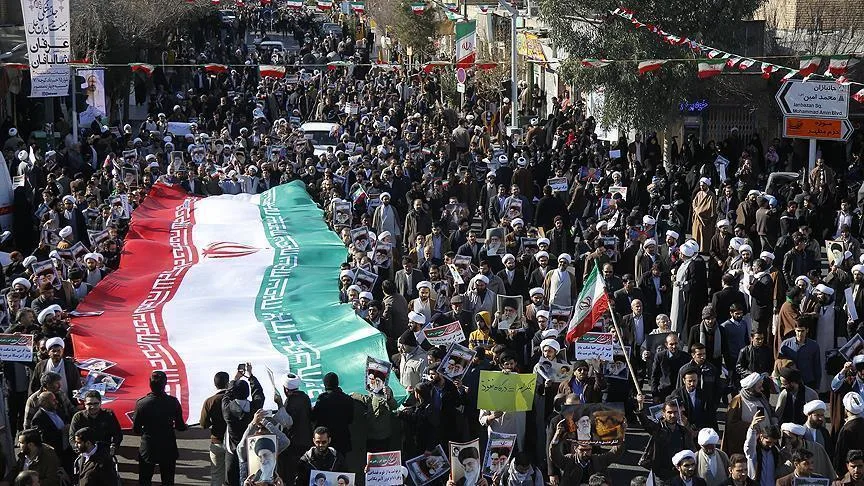
The situation on the streets of Iran appears to be moving toward a degree of calm following more than twenty days of protests, described as the most widespread and violent since the 1979 Islamic Revolution. In recent hours, the protest movement has shown signs of losing momentum compared to the intensity witnessed across the country since late December.

There has been a relative decline in the intensity of the demonstrations, which initially erupted over economic and livelihood grievances before swiftly escalating into political slogans demanding regime change. The protests extended to at least 26 of the country’s 31 provinces and over 20 universities.

The authorities responded with a combination of on-the-ground repression and political delegitimization, accusing protesters of serving foreign agendas an attempt to strip their demands of legitimacy. This reflects a deep structural crisis within the Iranian regime, which continues to struggle under the weight of international sanctions and a record of administrative failures.

As options dwindled, the authorities appeared to fall back on security-based measures as their last resort to contain the public outrage, which has gone beyond economic concerns to challenge the very core of state policies and governance.

In a sign of a possible shift in strategy, Iran’s three branches of government the executive, legislative, and judiciary issued a joint statement pledging broad reforms to improve living conditions.

They emphasized the need to “give justice to the protesters” who took to the streets in peaceful expression of economic grievances, while also vowing to punish those labeled as “saboteurs.”

Acknowledgment and a Dual Message

The statement from Iran’s three branches of government cannot be seen as isolated or detached from the directives of the Supreme Leader’s office. Rather, it reflects a centralized political decision and signals that Iran’s ruling elite both religious and political now officially recognize the sensitivity and danger of the moment.

This statement implicitly acknowledges deep-rooted structural dysfunction in economic and administrative performance. It represents an admission that ignoring public demands is no longer a viable or sustainable option. The authorities are effectively conceding to mismanagement and the rising influence of sustained protest.

Viewed in this light, the statement appears to be a political maneuver aimed at containing the wave of anger before it spreads further and threatens internal cohesion especially amid compounding economic and social crises, and the apparent inadequacy of security responses alone to manage unrest.

The promise of reform thus serves a dual purpose: one directed inward to calm the streets and absorb protest momentum, and another outward to assert that the regime remains in control and capable of managing crises within a calculated political framework.

Unprecedented Toll of Bloody Repression

It has become increasingly clear that this ostensible alignment with protester demands is less a product of genuine reformist intent and more a consequence of the security strategy’s failure to quell unrest. Iran’s decision-makers now realize that force alone is insufficient to suppress public fury even if the streets experience temporary calm.

This is evidenced by the mounting death toll and the growing resolve among citizens to continue demonstrating in various forms.

In a recent update on the toll of the unrest, the head of Iran’s parliamentary National Security and Foreign Policy Committee, Ebrahim Azizi, announced at a January 19 press conference that more than 3,700 police officers had been injured during the protests.

He also reported damage to over 2,200 security vehicles, 250 schools, and 300 mosques, without providing any official figures on civilian or security forces killed.

Meanwhile, Iran’s semi-official Tasnim news agency reported that 111 security personnel were killed. In stark contrast, the US-based human rights organization HRANA reported 3,919 civilian deaths and more than 24,600 arrests numbers that underscore the wide gap between official narratives and rights groups’ estimates.

International human rights organizations, most notably Amnesty International, have warned that Iranian security forces used excessive and unlawful force against largely peaceful demonstrators.

They cited credible evidence of widespread killings and linked the internet shutdowns with peak periods of repression moves seemingly aimed at preventing the dissemination of information and obscuring the scale of abuses.

The continued impunity for perpetrators, Amnesty noted, has emboldened authorities to persist in their systematic use of violence, deepening the crisis and expanding domestic anger.

Simultaneously, the United Nations issued a stern warning against Iran’s use of executions as a “state terror tool,” condemning the sharp rise in global executions during 2025.

UN High Commissioner for Human Rights Volker Türk stated that Iran carried out approximately 1,500 executions last year, based on credible reports contributing directly to a worrisome global surge, in his words.

Scramble to Contain the Anger

Iranian authorities are racing against time to quell the wave of popular anger before it reaches a tipping point that could uproot the regime entirely an implicit acknowledgment of their waning capacity to control the situation through traditional security approaches. In this context, the state has turned to a series of initiatives intended to project stability and strike a balance between force and conciliation.

The government reopened schools following several days of closure, a clear attempt to pacify the streets and restore normalcy, alongside relatively tight security control in key areas.

This mix of threat and appeasement has helped de-escalate the protests and prevent them from spiraling into further escalation. Public response to repeated calls for mass demonstrations has also diminished, particularly as some opposition figures have come under scrutiny from within Iranian society most notably Reza Pahlavi, whose recent statements supporting normalization with Israel and ending the nuclear program sparked widespread outrage.

Simultaneously, the regime has attempted to reassure the public by pledging improvements to living conditions as echoed in the joint statement from the three branches of government and by working to restore normal life and key services, most notably telecommunications and internet access.

Iranian President Masoud Pezeshkian confirmed his decision to restore international internet access swiftly. Parliamentarian Ebrahim Azizi added that top security agencies would soon rule on the full restoration of services once stability is reestablished.

This comes after strict limitations were imposed on internet and international phone services following the outbreak of protests in late December.

Easing International Pressure

The regime’s measured approach to managing the unrest would not have been possible without a perceived decline in international—particularly American—pressure. The Trump administration’s apparent retreat from launching a military strike on Iran lifted what many inside the regime had felt was a sword hanging over their heads, granting the leadership a much-needed window to regroup both internally and externally.

In this vein, Tehran sought to send both conciliatory and reassuring messages to Washington. The Washington Post revealed two days ago that Iran’s foreign minister had sent a “secret” text message to US Special Envoy Steve Witkoff, pledging an immediate halt to the killing of protesters and the cancellation of pending executions for around 800 protest leaders. The move appeared to signal a willingness to de-escalate and make limited concessions.

According to the Post, this gesture played a role in Trump’s decision to hold off on the planned strike—even though the US had completed full military preparations, including repositioning strike ships within CENTCOM and raising alert levels at Al Udeid Air Base in Qatar. The president had also reviewed field reports and videos documenting violations against demonstrators.

Regardless of whether this was the decisive factor in delaying the strike, the nature of the US response has arguably placed the Iranian regime under more pressure than a military assault would have. The constant anticipation of a potential attack has generated a state of prolonged uncertainty arguably more destabilizing than an actual strike.

A Fragile Calm and Deceptive Retreat

Despite the relative calm currently prevailing on Iran’s streets, the protest movement has not disappeared entirely. Public suffering continues, and few if any of the demonstrators’ demands have been met. The scene remains a political volcano, ready to erupt again should the underlying causes of discontent resurface.

As for the US decision to postpone a strike, the real issue is not the reasons—declared or hidden—but rather that the cancellation is far from permanent. In essence, this is a form of maximum pressure, keeping the regime in a state of perpetual anticipation and strategic paralysis, which comes at a high cost to its internal stability and political maneuvering.

It could be argued that Trump—unlike Tel Aviv—may not be aiming to topple the regime outright but rather to coerce it into submission on his own terms. However, he could still opt for military action at any moment, based on pragmatic calculations. Iranian officials are keenly aware of this.

Thus, all options remain on the table. The current calm and Washington’s apparent de-escalation may merely represent a temporary breather a moment to catch one’s breath and reassess. Whether this fragile equilibrium holds will depend on the regime’s ability to genuinely absorb public anger while avoiding open confrontation with the United States, at least for now.

Download this article as PDF
Share this Article
Facebook Twitter Whatsapp Whatsapp Telegram Email Copy Link
عماد عنان
By عماد عنان كاتب صحفي وباحث في الإعلام الدولي
Follow:
Previous Article نون بوست Yemen: Will the Eastern Provinces Catch the Contagion of Political Ambitions?
Next Article نون بوست From Al-Mahrah to Socotra: Saudi Arabia’s New Map of Influence in Southern Yemen

Read More

  • U.S. Regime‑Change Policies: Why They Are Destined to Fail U.S. Regime‑Change Policies: Why They Are Destined to Fail
  • The Gulf’s Balancing Act: Iran, Israel, and Hidden Links
  • Iraq–Turkey Oil Export Treaty: Why Did Ankara Cancel It After 52 Years?
  • Syria’s Northeast on Edge: QSD Between Ankara and Damascus
  • Has Europe Changed Its Stance on Israel… or Just Its Language?
part of the design
NoonPost Weekly Newsletter

You May Also Like

U.S. Regime‑Change Policies: Why They Are Destined to Fail

U.S. Regime‑Change Policies: Why They Are Destined to Fail

إسراء سيد Esraa sayed 8 April ,2026
The Gulf’s Balancing Act: Iran, Israel, and Hidden Links

The Gulf’s Balancing Act: Iran, Israel, and Hidden Links

فريق التحرير Noon Post 8 April ,2026
Iraq–Turkey Oil Export Treaty: Why Did Ankara Cancel It After 52 Years?

Iraq–Turkey Oil Export Treaty: Why Did Ankara Cancel It After 52 Years?

فريق التحرير Noon Post 8 April ,2026

لماذا لا يتخلى الإخوان عن سلميتهم إذا؟

هشام دغمش
هشام دغمش Published 1 July ,2015
Share
20137241930758

جاءت الذكرى الثالثة لانقلاب يونيو الذي قاده الجنرال عبد الفتاح السيسي على حكم الإخوان المسلمين والتي تتزامن مع تأكيد القضاء المصري وتصديق الإفتاء المصري على أحكام إعدام تطال الرئيس السابق مرسي والمرشد والعديد من القيادات، ومما لا شك فيه أنه من السهل لنا أن نلاحظ أن إستراتيجية الإخوان المسلمين في إدارة الصراع ضد الانقلاب العسكري قد باءت بالفشل، إن السلمية المفرطة التي ينتهجها معارضو الانقلاب العسكري التي وئدت منذ فض اعتصام رابعة قد اُختزلت في آخر الأمر في مربع صغير أسفل الشاشة في نشرة عابرة على قناة الجزيرة يوم الجمعة، وإن كانت الحياة قد اقتضت ألا يكون النصر حليف من يوجه الضربات بل من يتحملها، كما يرى الرافعي، فالسياسة لا تقتضي ذلك بالضرورة وإن كان غاندي قد نجح في درء المستعمر دون أن يطلق رصاصة واحدة إلا أنه لم ينجح في ذلك لأنه كان سلميًا فقط ولأنه على أقل تقدير لم يكن يقف وحيدًا وحائرًا بل ومشتتًا مثلما يقف الإخوان اليوم، وربما يحق لنا أن نتساءل بعد مضي ثلاثة أعوام على الانقلاب إن كانت السلمية لا تجدي فلماذا لا يتخلى الإخوان عن سلميتهم إذا؟

إن ما نريد معرفته حقًا هو ما الذي يربط الإخوان المسلمين بالدولة القومية الحديثة وأن ندرس تجربة الإخوان المسلمين في حمل السلاح تاريخيًا لفهم إصرارهم على التمسك بالسلمية كما لو أنها طوق النجاة الوحيد بالرغم من استباحة الدماء والأعراض والقتل وكشوف العذرية، وبالرغم من نصب المشانق والاعتقالات التي بلا تهمة، وبالرغم من الاستهانة بقيمة الإنسان، وبالرغم من الحياة العارية التي يعيشها المعتقلون.

نشأت جماعة الإخوان المسلمين في العالم العربي وبدأت تنمو وتتطور جنبًا إلى جنب مع كيانات ما بعد كولونيالية التي سميت دول عربية قومية حديثة، وكانت هذه النشأة محاولة نوعية لحل مشكلة غياب الاجتماع السياسي بعد سقوط الخلافة، ثم تكيفت الجماعة مع الدولة وأصبحت جزءًا حرجًا من بنيتها وكينونيتها الاجتماعية والسياسية؛ مما أدى لتأثرها الشديد بتطور الدولة ونموها، واليوم حين تشهد هذه الدول المحدثة الممسوخة تراجعًا أمام الاندفاع الهوياتي القائم على أساس أيديولوجي أو تحت مظلة الهويات الطائفية، فإننا لا يمكن إلا أن نلاحظ تراجع دور الحركات الإسلامية المنخرطة في هذه الدول أو غيابها.

لقد أسس الشيخ حسن البنا جماعة الإخوان المسلمين لحل أكبر مشكلة واجهت المسلمين بعيد سقوط الخلافة ألا وهي غياب الاجتماع السياسي الإسلامي، وبالرغم من أن الجماعة استطاعت أن تقدم الكثير على الصعيد الاجتماعي، إلا أنها لم تقدم ما يمكن التعويل عليه سياسيًا، لقد عرفت الجماعة حراكًا سياسيًا، بل إن الإمام سبق وأن ترشح بنفسه للانتخابات البرلمانية وعقدت الجماعة تحالفات سياسية بل ونظمت مظاهرات واحتجاجات واسعة وكان لها ما كان من المخاطبات السياسية مع الملكية الحاكمة ورئاسة وزارتها خصوصًا في المرحلة التي كان تغول المستعمر الإنجليزي ماثلاً للعيان ولا يخفى على أحد وفي الوقت الذي شكلت فيه الجماعة توازنًا سياسيا للوفد، إلا أن الإمام البنا لم ينظر أو يقدم تصورًا كاملاً لحكم إسلامي أو لكيفية إعادة تشكيل حكم إسلامي، ولم يقدم موقفًا واضحًا سواء من الملكية أو الدولة الحديثة يمكن البناء عليه.

لقد امتازت الشخصية السياسية للبنا بالآنية والتخطيط للحظة الراهنة، لقد كانت تجربة البنا السياسية تمتاز بالمرونة والدينامية لأن الجماعة في ذلك الوقت كانت لا تزال في طور التكوين.

لم يدم الوقت طويلاً حتى انهارت هذه العلاقة ونشبت قطيعة طويلة بين الإخوان والدولة، على إثر خروج النظام الخاص عن السيطرة في الحقبة التي  حصلت فيها حادثتي اغتيال الخازندار والنقراشي وقضية الجيب السوداء التي بدأت بحل الإخوان وانتهت باغتيال البنا.

لم يكن امتلاك الإخوان لجناح مسلح أمرًا مستهجنًا في تلك الحقبة حيث كانت الحركات والأحزاب فصائل مستقلة عن إرادة وسلطة الدولة التي لم تكن قد اكتملت كدولة ذات سلطات متعددة ومنفصلة ولم يكن المجتمع منظمًا بعقد مدني واضح، لقد كانت الدولة لا تزال ما بعد كولونيالية – دولة ما بعد استعمارية – إلا أن النظام الخاص كان مستقلاً بشكل تام عن إدارة ودراية الإمام البنا، ولا يمكن لوم البنا على أنه لم يكن يريد بناء جماعة تعتمد بالكلية على شخصه، بل إن الإمام البنا كان قد صرح في أحد رسائله بأن الإخوان المسلمين لا يفكرون بالثورة ولا باستخدام القوة في أي شأن سياسي، بل وحذر في السياق ذاته من مخاطر قيام الثورة وتداعيات استعمال العنف.

لقد كان الهدف الأول من إنشاء الجهاز الخاص هو حماية الدعوة من أعدائها في الداخل والخارج وهم بحسب أديب الإخوان الكبير الأستاذ القدير جابر قميحة، اليهود الذين كانوا قد بدأوا يتوافدون إلى فلسطين، والإنجليز في مصر الذين يطبقون على كل شيء ويهيمن عساكرهم على كل مفاصل الحياة السياسية والأمنية، إلا أن تبعية الحكومة المصرية والقضاء للمستعمر أثر في الشباب المتحمس الذي لم يحظ بالتوجيه الواعي والراشد لاستخدام العنف، ونتيجة لتفرد عبد الرحمن السندي في إدارة الجهاز دون الرجوع لأحد؛ فقد دفعت الجماعة وعلى رأسها الإمام الشهيد الثمن غاليًا.

وعلى الرغم من المحنة التي كان الإخوان يعانون منها في الداخل المصري إلا أن كتائب الإخوان المسلمين من مصر والأردن وسوريا قد شاركت في الحرب ضد اليهود في 48، ومن الجدير بالذكر أن الإخوان المسلمين قد حاربوا ضد المستعمر الأجنبي وأن الموروث النظري للإخوان المسلمين كان واضحًا ومحددًا فيما يتعلق بقتال المحتل وجهاد الدفع بقدر ما كان غائبًا موقف الجماعة من العنف تجاه تغول الدولة أو ما عرف فيما بعد بالعدو القريب في الأدبيات العامة للحركة الجهادية العالمية.

أعوام قليلة تلك التي تلت اغتيال البنا حتى قام انقلاب 52 يوليو الذي أنهى الملكية في مصر وبدأ عصر العسكر، وبالرغم من أن الإخوان قد شاركوا بفاعلية في الانقلاب، إلا أن حقبة جديدة حملت المزيد من التدهور بين الإخوان والدولة تجلت في موقف سيد قطب من الدولة الحديثة أو بعبارة أدق تجاه مركزية السلطة، ويمكن القول بأن سيد لم يكن أناركيًا في نقده للدولة إنما كان له موقف من تمركز السلطة وتجسدها في شخص عبد الناصر الذي أصبح ربًا يُعبد من دون الله واستخدام الفلسفة السياسية للديمقراطية التي تنادي بحكم الشعب للشعب لاستهداف القيم الإسلامية للشعب المصري.

إن موقف سيد قطب هو أوضح موقف في تاريخ الجماعة تجاه الدولة الحديثة ومفرزاتها والذي دفع سيد قطب ثمنًا له حياته.

في بداية السبعينيات وفي فترة الإصلاح السياسي للسادات خرج الإخوان المسلمون من السجن ولم يكن أمامهم سوى خيار واحد فقط هو الإصلاح من داخل منظومة الدولة نفسها وهو الذي تجلى فيما بعد بإقبال الإخوان والحركات التي خرجت عن أطرها التقليدية على الترشح للسلطة في عصر الربيع العربي لقيادة مشاريع إصلاحية تعتمد على الدولة القومية الحديثة.

إذا وكنتيجة هامة لهذا الاستطراد الاستقصائي الطويل يمكننا القول بأن الإخوان قد ذاقوا مرارة حمل السلاح ودفعوا أثمانًا غالية نتيجة لاتخاذ الكفاح المسلح وأبرزها هو تفكك الجماعة الذي يناقض أحد أهم سياسات الإخوان بعد الخروج من الاعتقالات السياسية ألا وهو البقاء مهما كلف الثمن، ثانيًا يمكننا القول أيضًا إن الإخوان يهمهم أيضًا الحفاظ على مؤسسات وبنية الدولة الحديثة التي تشكل بالنسبة لهم السبيل الوحيد المتبقي للوجود الحقيقي للإسلام السياسي ولتحقيق المنشود الذي نشأت الجماعة لأجله وهو إحياء مشروع الخلافة أو أستاذية العالم بتعبير الإمام البنا؛ الأمر الذي يجعل فكرة حمل السلاح مستبعدة تمامًا مهما كلف الأمر حفاظًا على تماسك الدولة جغرافيًا  وحتى لا تنهار مؤسساتها الرئيسية، وحفاظًا على الجماعة من الزوال مثلما حدث في سوريا بعد أحداث حماة الدامية.

TAGGED: إصلاح الإخوان ، الإخوان المسلمون في مصر ، السلمية
TAGGED: الإخوان المسلمون
Download this article as PDF
Share this Article
Facebook Twitter Whatsapp Whatsapp Telegram Email Copy Link
هشام دغمش
By هشام دغمش مدون وكاتب
Follow:
Next Article نون بوست The Stigma of “ISIS”: A Heavy Legacy Haunting Women and Children of Former Members
part of the design
NoonPost Weekly Newsletter
dark

An independent media platform founded in 2013, rooted in slow journalism, producing in-depth reports, analysis, and multimedia content to offer deeper perspectives on the news, led by a diverse young team from several Arab countries.

  • Politics
  • Society
  • Rights & Liberties
  • Opinions
  • History
  • Sports
  • Education
  • Technology
  • Economy
  • Media
  • Arts & Literature
  • Entrepreneurship
  • Travel
  • Cinema & Drama
  • Food
  • Health
  • Culture
  • Latest Reports
  • Files
  • Long Reads
  • Interviews
  • Podcast
  • Interactive
  • Encyclopedia
  • In Pictures
  • About Us
  • Our Writers
  • Write for Us
  • Editorial Policy
  • Advanced Search
Some rights reserved under a Creative Commons license

Removed from favorites

Undo
Go to mobile version