NoonPost NoonPost

NoonPost

  • Home
  • Politics
  • Economy
  • Society
  • Culture
  • Files
  • Long Reads
  • Podcast
AR
Notification Show More
نون بوست
“There Are Nights I Can’t Close My Eyes”: How Gazans Are Living in Homes on the Brink of Collapse
نون بوست
From al-Jolani to Ahmad al-Shara: The Evolution of Syria’s New Leader
نون بوست
When Political Islam Receded in Egypt: Who Filled the Void?
نون بوست
An Extension of Genocide: Gaza’s Detainees Speak Out
نون بوست
A Tightrope Between Survival and Sovereignty: The Syrian Government Faces Normalization Pressures
نون بوست
American Aircraft Carriers: Has the Era of “100,000 Tons of Diplomacy” Ended?
نون بوست
U.S. Regime‑Change Policies: Why They Are Destined to Fail
نون بوست
Transformations of Israeli Judaism: Between the Victim Complex and the Colonizer’s Doctrine
نون بوست
The Gulf’s Balancing Act: Iran, Israel, and Hidden Links
نون بوست
Iraq–Turkey Oil Export Treaty: Why Did Ankara Cancel It After 52 Years?
نون بوست
Syria’s Northeast on Edge: QSD Between Ankara and Damascus
نون بوست
Has Europe Changed Its Stance on Israel… or Just Its Language?
NoonPost NoonPost
AR
Notification Show More
نون بوست
“There Are Nights I Can’t Close My Eyes”: How Gazans Are Living in Homes on the Brink of Collapse
نون بوست
From al-Jolani to Ahmad al-Shara: The Evolution of Syria’s New Leader
نون بوست
When Political Islam Receded in Egypt: Who Filled the Void?
نون بوست
An Extension of Genocide: Gaza’s Detainees Speak Out
نون بوست
A Tightrope Between Survival and Sovereignty: The Syrian Government Faces Normalization Pressures
نون بوست
American Aircraft Carriers: Has the Era of “100,000 Tons of Diplomacy” Ended?
نون بوست
U.S. Regime‑Change Policies: Why They Are Destined to Fail
نون بوست
Transformations of Israeli Judaism: Between the Victim Complex and the Colonizer’s Doctrine
نون بوست
The Gulf’s Balancing Act: Iran, Israel, and Hidden Links
نون بوست
Iraq–Turkey Oil Export Treaty: Why Did Ankara Cancel It After 52 Years?
نون بوست
Syria’s Northeast on Edge: QSD Between Ankara and Damascus
نون بوست
Has Europe Changed Its Stance on Israel… or Just Its Language?
Follow US

From Al-Mahrah to Socotra: Saudi Arabia’s New Map of Influence in Southern Yemen

فريق التحرير
Noon Post Published 26 March ,2026
Share
نون بوست
نون بوست

In the wake of dramatic developments reshaping the balance of power in southern Yemen, Saudi Arabia has unveiled an ambitious development package worth nearly $500 million, targeting the war-torn region. The initiative includes building hospitals and schools, paving roads, and supplying fuel to power stations across ten provinces.

The announcement comes just weeks after the UAE was expelled from Yemen and internationally recognized Yemeni government forces backed by Saudi Arabia launched a counteroffensive that reclaimed vast territories previously controlled by the Emirati-backed Southern Transitional Council (STC), a separatist movement.

The timing of Saudi Arabia’s generous pledges has sparked questions about the true objectives behind them: Are they a genuine response to urgent developmental needs in a country ravaged by war, or a strategic tool Riyadh is using to redraw the map of influence and consolidate its presence at the expense of former allies?

Where Are the Saudi Projects Concentrated?

The announced projects are focused on southern and eastern provinces of strategic significance, many of which were until recently strongholds of the UAE-aligned STC. Highlights of the initiative include:

  • Construction of new hospitals in several provinces, and the expansion of key roads, such as the Al-Abr road that links Marib to Saudi Arabia through Hadhramaut.

  • Support for the electricity sector through fuel provision and new generation stations, including a 30-megawatt plant in Taiz, to ensure uninterrupted power and improve basic services.

  • The construction of a grand mosque on the island of Socotra named after King Salman a strategic island long under direct Emirati influence.

  • Completion and launch of the King Salman Medical and Educational City in Al-Mahrah, near the Omani border, bolstering the province’s healthcare capacity.

The choice of these locations is far from arbitrary. They are resource-rich, strategically located with access to coasts, seaports, or borders or have been contested zones among rival factions.

Through these projects, Riyadh seeks to stabilize areas that have returned to government control and rebuild them in a way that earns the trust of local populations, long neglected amid war and turmoil.

The development drive also sends an implicit message: Saudi Arabia is positioning itself as the principal patron of reconstruction, at a time when the influence of regional rivals appears to be waning.

Government Support and STC Containment

These initiatives also reveal a great deal about Riyadh’s evolving relationship with local southern forces, particularly following recent events that saw the UAE and the STC lose ground. The STC had significantly expanded militarily in late 2025, signaling a renewed push for southern secession.

Saudi Arabia responded decisively, issuing an ultimatum to STC forces demanding immediate withdrawal. When ignored, it carried out limited airstrikes, followed by a swift advance by government forces, supported logistically and politically by Riyadh, to reclaim those areas within days.

The result: a complete rollback of the STC’s presence in southeastern Yemen, and its effective dissolution as both a political and military entity. Its leader, Aidarous al-Zubaidi, fled to Abu Dhabi, accused of treason by the Yemeni Presidential Leadership Council.

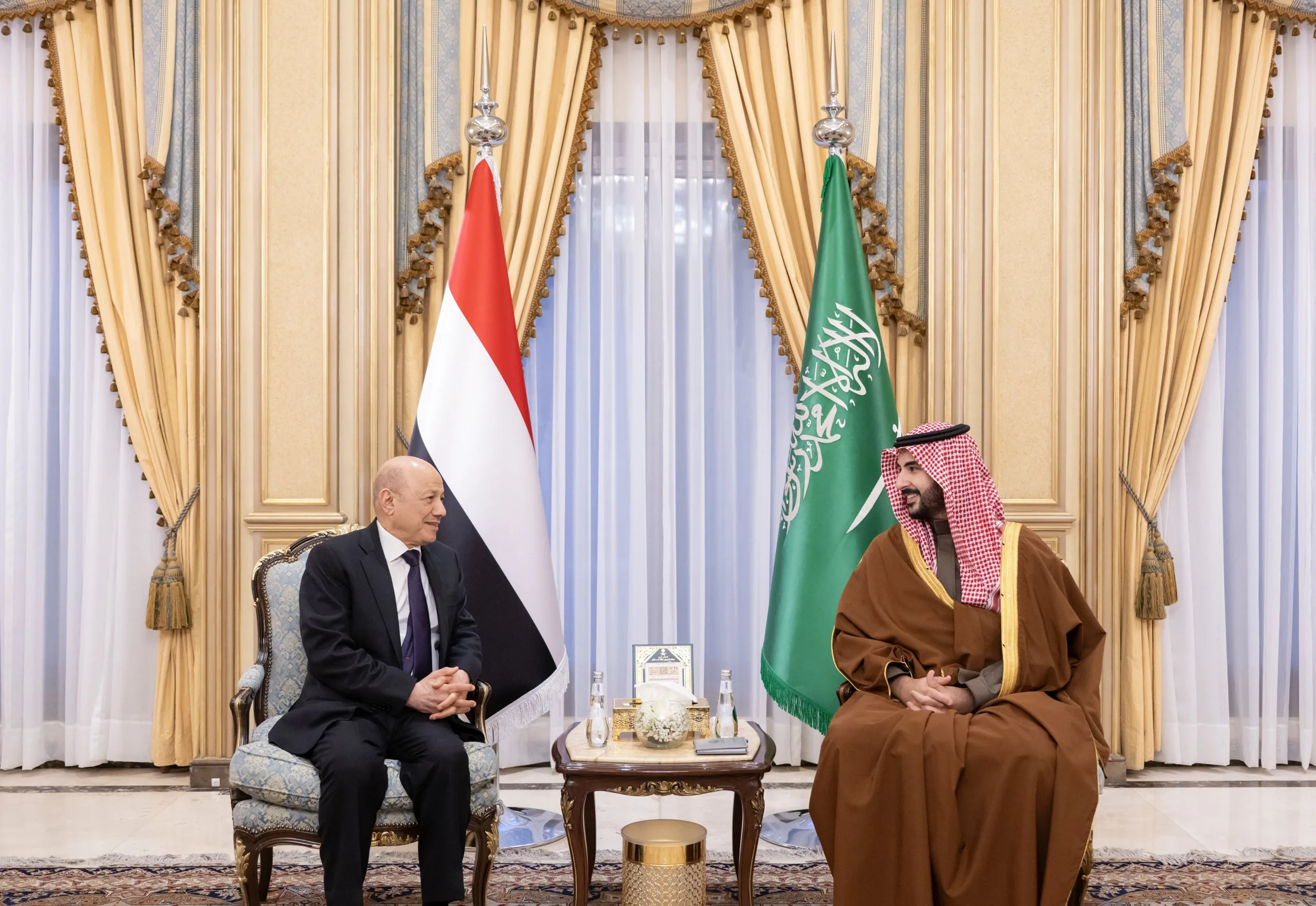
Following the STC’s containment, Riyadh moved quickly to co-opt remaining southern leaders and channel their energy into political dialogue rather than conflict. On January 18, 2026, Saudi Arabia hosted the first public gathering of southern leaders including former STC members to discuss the future of southern Yemen.

The group issued a joint statement affirming the “unity of southern will” and a commitment to a just and peaceful resolution to the southern issue within a comprehensive national framework. The event marked Riyadh’s success in bringing together a broad spectrum of southern actors under its sponsorship after dismantling the STC’s unilateral structure.

At the same time, Presidential Leadership Council Chairman Rashad al-Alimi announced the formation of a supreme military committee to unify armed forces under state control in preparation for a potential confrontation with the Houthis.

Al-Alimi praised the “strategic partnership” with Saudi Arabia and its “promising” support for rebuilding institutions and restoring stability in Yemen. He described the new development projects as the cornerstone of the country’s recovery and reconstruction phase.

These developments underscore Saudi Arabia’s intent to restructure the pro-government camp in the south, eliminating rival power centers and fostering new loyalties grounded in direct Saudi patronage whether through political dialogue or economic support.

Development for Loyalty and Security

Saudi Arabia’s decision to inject half a billion dollars into projects in another country reflects a strategy akin to what might be called a “patronage economy,” where development and service provision become tools for securing loyalty and ensuring security.

In its official announcement, Riyadh explicitly linked development aid to security, stating that its support reflects the Kingdom’s commitment to strengthening stability and building a better future for Yemen and its people.

In practice, this means Saudi Arabia expects political and security returns on its substantial investments. On one hand, improving essential services such as electricity, water, healthcare, and transportation aims to alleviate public discontent in long-neglected provinces.

On the other, the Kingdom expects local authorities in these areas to remain loyal to the Saudi-led coalition and align with its priorities particularly in fighting the Houthis and maintaining Yemen’s unity.

This approach is not new in Yemen. During the war years, the STC and its Emirati allies pursued a similar strategy of winning public support by funding humanitarian and development projects in Aden, Socotra, and other areas, in exchange for establishing loyal ground forces.

Today, with the UAE and its allies having exited the southern scene, Riyadh is moving quickly to fill the vacuum through its “Rebuild Yemen” program.

Analysts note that Saudi Arabia has shifted away from its traditional, behind-the-scenes role in Yemen toward direct engagement in state-building and service provision a strategy aimed at entrenching lasting influence.

Rather than leave a vacuum that could be exploited by adversarial forces, the Kingdom is investing in infrastructure and human development to ensure that liberated areas remain aligned with its political orbit.

In effect, Saudi aid is evolving into a form of new social contract in the south: roads, hospitals, and fuel in exchange for political loyalty and the creation of a secure environment free from separatist or extremist threats on the Kingdom’s southern border.

What Comes Next?

This strategy raises questions about its long-term sustainability and effectiveness. Will improved public services be enough to persuade southern factions to abandon secessionist aspirations and integrate into a unified Yemeni state under Saudi sponsorship? Or will loyalties based on material benefits prove fragile if support wanes or political tensions re-emerge?

The reality is that the idea of southern independence still resonates deeply in places like Aden and Hadhramaut, even if its political representation has weakened with the dissolution of the STC. Riyadh has tried to reassure southerners that their aspirations are not being ignored, promising to sponsor a southern dialogue conference aimed at reaching a “comprehensive vision and just solutions” to the southern issue.

As Saudi Arabia’s political and economic role in southern Yemen continues to grow, the landscape appears poised for a significant reshaping of the country’s war-and-peace dynamics. In the short term, Saudi support has enabled the Yemeni government to unify its southern front and secure its strategic depth, giving it a stronger hand in future peace talks with the Houthis or in a potential decisive military confrontation.

What is increasingly clear is that Riyadh has reordered its priorities in Yemen. After years of military stalemate, it has come to see development as a more effective tool for asserting influence than hard power alone.

The Kingdom’s massive investments also carry a broader strategic goal: to block the return of rival influence in southern Yemen, whether from Abu Dhabi or other global players seeking a foothold through post-war reconstruction.

Yet the challenges remain immense. Yemen continues to suffer one of the world’s worst humanitarian and economic crises, and rebuilding its shattered infrastructure will require far more than the currently pledged funds.

Download this article as PDF
Share this Article
Facebook Twitter Whatsapp Whatsapp Telegram Email Copy Link
فريق التحرير
By فريق التحرير تقارير يعدها فريق تحرير نون بوست.
Follow:
Previous Article نون بوست Cautious Calm and Unproven Assurances: Where Is Iran Headed?
Next Article نون بوست Syria Regains Control of All Oil and Gas Fields, But How Much Can It Produce?

Read More

  • U.S. Regime‑Change Policies: Why They Are Destined to Fail U.S. Regime‑Change Policies: Why They Are Destined to Fail
  • The Gulf’s Balancing Act: Iran, Israel, and Hidden Links
  • Iraq–Turkey Oil Export Treaty: Why Did Ankara Cancel It After 52 Years?
  • Syria’s Northeast on Edge: QSD Between Ankara and Damascus
  • Has Europe Changed Its Stance on Israel… or Just Its Language?
part of the design
NoonPost Weekly Newsletter

You May Also Like

U.S. Regime‑Change Policies: Why They Are Destined to Fail

U.S. Regime‑Change Policies: Why They Are Destined to Fail

إسراء سيد Esraa sayed 8 April ,2026
The Gulf’s Balancing Act: Iran, Israel, and Hidden Links

The Gulf’s Balancing Act: Iran, Israel, and Hidden Links

فريق التحرير Noon Post 8 April ,2026
Iraq–Turkey Oil Export Treaty: Why Did Ankara Cancel It After 52 Years?

Iraq–Turkey Oil Export Treaty: Why Did Ankara Cancel It After 52 Years?

فريق التحرير Noon Post 8 April ,2026

رمضان بين أنقاض غزة

محمد عمر
محمد عمر Published 2 July ,2015
Share
3_18

أوان صلاة المغرب يقترب، وخلال بضع دقائق فقط ستلتم العائلات المسلمة في غزة، ويجتمعون للجلوس حول مائدة الطعام، للإفطار من صيامهم الذي دام من شروق الشمس وحتى ساعة الغروب، إنه رمضان، شهر الخير والتسامح والتأمل.

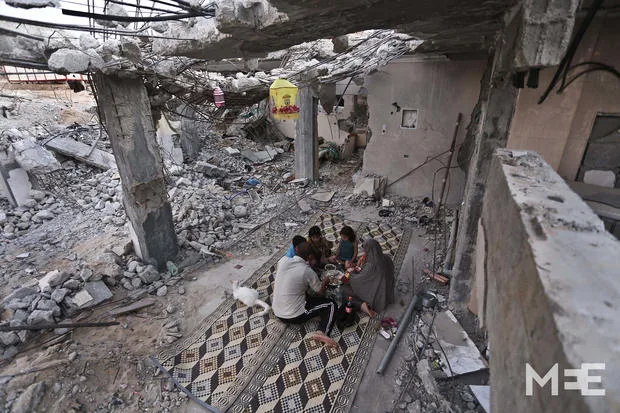
على مدى الـ 20 عامًا الماضية، كان صالح أبو عسير، 36 عامًا، فخورًا بتأدية التقاليد السنوية ذاتها في شهر رمضان المبارك، ولكن هذا العام مختلف؛ فبدلًا من اجتماع الأسرة في غرفة معيشة مريحة، تجلس الأسرة على بطانية صغيرة تغطي الأرض الصلبة المكشوفة والمليئة بفتات الأحجار، العائلة الآن مجبرة على الجلوس ضمن ما تبقى من منزلها الذي دمره الهجوم العسكري الإسرائيلي الأخير على غزة في الصيف الماضي.

“كان منزلنا هذا بمساحة 300 متر مربع، يتسع لـ 35 فردًا من أسرتنا، والآن كل ما تبقى لدينا هو 30 مترًا من الأنقاض والركام”، قال أبو عسير، في الوقت الذي كانت فيه زوجته تعطيه وعاءً مليئًا بالجرجير الطازج.

نون بوست

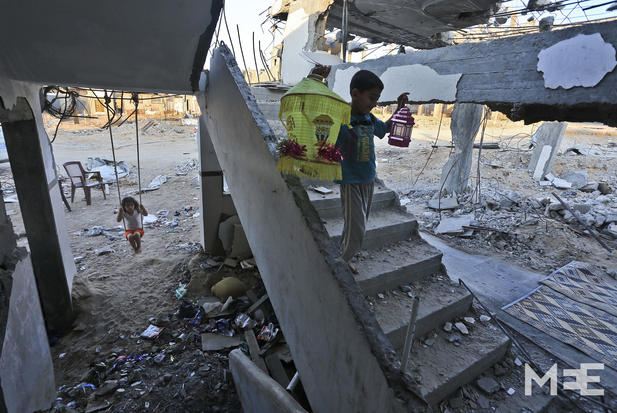
طفل يحمل فانوس رمضان، وهو من الديكورات الرمضانية التي يتوقع الأطفال وجودها في المنزل في شهر رمضان المبارك

أطباق بسيطة مثل سلطة الطحينة، الأرز المخلوط مع الخبز الطازج، عصير الفواكه، هي الأطباق الرمضانية التي تعدها زوجة صالح الحامل في شهورها الأخيرة، دارين أبو عسير، 36 عامًا، وذلك أثناء وقوفها ضمن ما أصبح حرفيًا الآن “مطبخ في الهواء الطلق”.

“لقد كان لدينا مطبخ مجهز بشكل جيد، لكنني الآن يجب أن أطهي الطعام في هذه الزاوية، بالقرب من الجدار الذي قد ينهار في أي لحظة”، قالت زوجة صالح.

إذا انهار هذا الجدار، فإن العائلة لن يبقى لها مكان لتعيش فيه، ودارين تعلم أن الاحتماء في المدارس التي تديرها الأمم المتحدة والملاجئ، لم يكن خيارًا آمنًا مع استهداف إسرائيل لمثل هذه المنشآت المدنية، علمًا أن عائلة أبو عسير لجأت إلى أحد الفصول الدراسية التابعة للأمم المتحدة لعدة أشهر في أعقاب حرب الـ 51 يومًا في عام 2014، تلك الحرب التي أسفرت عن مقتل 2250 فلسطينيًا، من بينهم حوالي 551 طفلًا، حيث استذكر الفلسطينيون في غزة هذا الواقع، إبان صدور التقرير الأخير للأمم المتحدة، الذي يشير إلى أن كلًا من الإسرائيليين والفلسطينيين من المحتمل أن يكونا قد ارتكبا جرائم حرب.

ومع ذلك، لا يبدو أن الواقع القاسي الذي يعيشه أبناء غزة على الأرض، قادر على تغيير مناقشات قادة المجتمع الدولي، حيث أصبح إعادة إعمار قطاع غزة، بالنسبة لسكان القطاع الذين يبلغون حوالي 2 مليون نسمة، مجرد حلم بعيد المنال، رغم الوعود المتكررة بتقديم المساعدة.

نون بوست

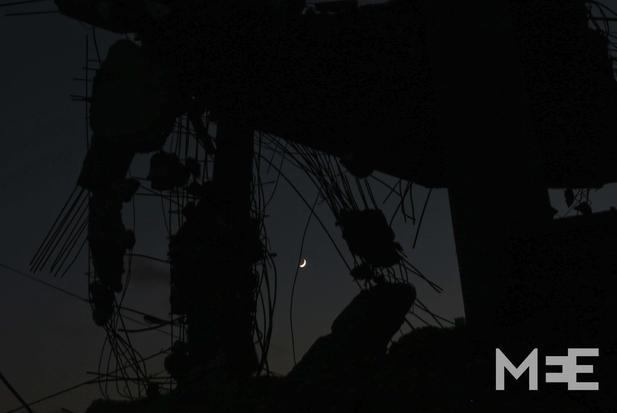
هلال رمضان يظهر خلال أنقاض غزة

على الرغم من كل الصعاب، فإن رعاية ومحبة هذه الأم لأطفالها (رياض 8 أعوام، تسنيم 7 أعوام، انتصار 5 أعوام، ميساء 3 أعوام، وإبراهيم عامين) لا تزال قوية وثابتة، وما تزال قادرة على تحضير أطباق طعام بسيطة لوضعها على المائدة، وجمع أولادها حولها، العائلة تشكر وتصلي امتنانًا للحرية التي يتمتعون بها للاحتفال بإيمانهم وتطبيق ثقافتهم وشعائرهم الدينية في جو من السلام، في وطنهم.

“شهر رمضان هو شهر البركة والفرح، ونحن نحاول أن نبقيه هكذا، على الرغم من الظروف المروعة والتوتر الذي لا يطاق الذي نعيشه” قال صالح أبو عسير.

نون بوست

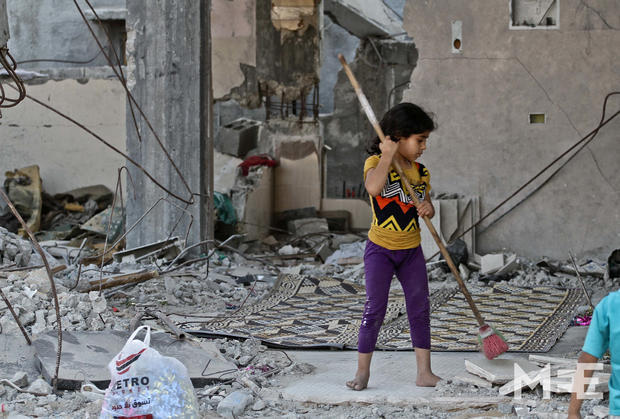
فتاة صغيرة تقوم بكنس الغبار والركام في منزل ذويها المدمر استعدادًا لتناول الإفطار

يتذكر أبو عسير رمضان الماضي بألم وحسرة، فهو الشهر الذي خسر فيه الكثير من أحبائه، وتحول فيه جيرانه إلى أشلاء جرّاء قذائف الدبابات الإسرائيلية، كما استحال الحي الذي يسكن فيه، حي الشجاعية، إلى ركام وأنقاض، ولكن ما بقي الآن، بغض النظر عن كوابيس الماضي، هو الأمل في مستقبل أفضل.

“نحن من بين عدد قليل جدًا من الأسر التي تعيش هنا حتى الآن، إننا نشعر بالعزلة، ولكن ليس لدينا أي خيار آخر، لقد خذلنا المجتمع الدولي مرة أخرى، في عملية إعادة إعمار غزة” قال لنا أبو عسير، في الوقت الذي كان نجله رياض يستعجله للبدء بطعام الإفطار مع ابتسامة طفولية.

بعد تناول وجبة الإفطار، تغسل دارين الأطباق، وتزيل قطعة القماش الصغيرة التي كانت تجلس فوقها الأسرة، وتتوقف لحظة وتبتسم وهي تنحني إلى الأمام مع بطنها المستديرة الثقيلة، التي تؤذن بطفل آخر سيأتي إلى هذه الحياة في يوم قريب قادم، وتقول لنا “في ظل الظروف التي تقدمها لنا إسرائيل، ليس لدينا خيار آخر سوى أن نحاول قدر الإمكان أن نخلق شهر رمضان تقليدي ليعيش فيه أطفالنا، وفي هذا العام، هذه الظروف تعني الجلوس على أنقاض بيتنا المدمر”.

بالأمس، أصبح شقيق صالح أبًا، وصالح سمع هذا الخبر من شخص غريب، فالآن، وبعد أن تناثرت عائلته في شتى أرجاء مدينة غزة، أصبح من المستحيل أن يزور الجميع.

“في الماضي كنا نجلس جميعنا، 35 شخصًا، حول طاولة واحدة لتناول وجبة الإفطار معًا، ولكن اليوم، تمكنت الحرب من تشتيتنا وتقسيمنا”، ويشير صالح أن هذا الوضع لم يزده سوى إصرارًا وعزيمة على البقاء على قيد الحياة، في مكان أحبه دائمًا، فقد لا يكون لديهم غرفة طعام، ولكن عزيمة الأسرة للبقاء تساوي أضعاف أضعاف ذلك.

“تعلّم أن تحب أرضك، وتعلّم أن تحب أخواتك، ولا تتخلَ أبدًا عمّا تدافع عنه” قرأ صالح لنجله رياض، في لحظة تأمل قبل الاستعداد للذهاب إلى صلاة التراويح.

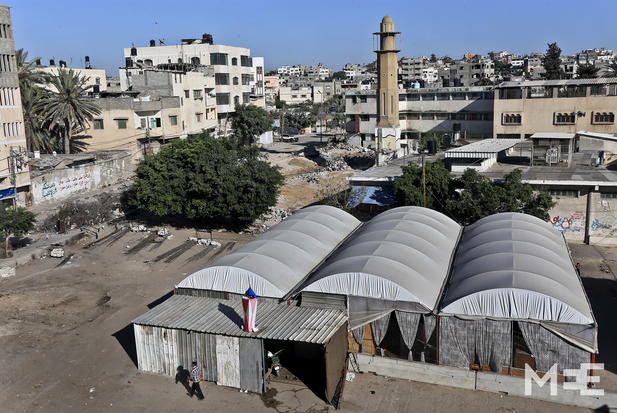
خارج منزله المدمر، تشهد مساجد حي الشجاعية على الدمار الإسرائيلي؛ فأماكن العبادة التي كانت لسنوات خلت فائضة وعامرة بالمصلين، أصبحت هذا العام في حالة خراب قصوى، بشكل لا يمكن أن تصلح معه لتكون مكانًا لتجمع المصلين.

نون بوست

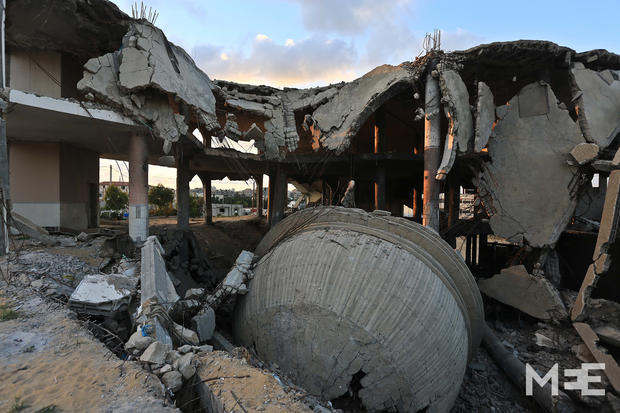
صورة لجامع علي بن أبي طالب (رضي الله عنه) الذي تم تدميره بالقصف الإسرائيلي

أحصى مراقبو يوروميد “Euromid” لحقوق الإنسان، وهي جماعة حقوقية مقرها في غزة وجنيف، 171 مسجدًا تم تدميرها في غزة، منها 62 تم قصفها بغارات سلاح الجو الإسرائيلي خلال حرب الـ 51 يومًا.

نون بوست

نظرًا لتخريب العديد من الجوامع في غزة، فلقد تم بناء أماكن تجمع للمصلين مكونة من خيم مغطاة بالنايلون.

غرف مسبقة الصنع

خزاعة، في جنوب قطاع غزة، هي قرية عاشت الحصار خلال الحرب، وشهدت العديد من الانتهاكات ضد حقوق الإنسان، بما في ذلك إطلاق النار من مسافات قصيرة، واليوم هو يوم صيام آخر هنا، وقبل رفع آذان المغرب، يخرج أحمد إيمش، 35 عامًا، وأب لأربعة أطفال، ليقف أمام غرفته في الشارع للاستمتاع ببعض الهواء النقي.

“لا يمكننا الحصول على مثل هذا الهواء النقي ضمن الغرف المسبقة الصنع في هذه المنطقة البديلة، التي شُيدت من قِبل مجموعات المانحين” يقول أحمد، ويضيف “نفتقد منزلنا القديم، ومزرعة الدجاج”، هذه المزرعة التي أعال أحمد من خلالها عائلته وآخرين، حيث اعتاد أحمد التبرع للجمعيات الخيرية قبل الحرب، ولكنه الآن وعائلته يعيشون على التبرعات.

الغرف المسبقة الصنع جلبت الكثير من البؤس للأسر المشردة في خزاعة، وهذه الأسر تعاني الآن بشكل أكبر من ظروف المعيشة القاسية بهذه الغرف، في خضم قيظ حرارة الصيف الحارقة، “العيش في هذه الهياكل المسبقة الصنع ليس ملائمًا، حتى بالنسبة للحيوانات”، يوضح أحمد.

خزاعة تحتوي على 160 غرفة مسبقة الصنع، تعيش في كل واحدة منها عائلة واحدة متوسطة الحجم من ستة أفراد، مثل أسرة أحمد، في غرفة واحدة، يقومون ضمنها بإعداد الطعام، تناوله، النوم، الاستحمام، واستخدام المرحاض.

“سقف الغرفة وأرضيتها مليئان بالصدأ، ومياه الصرف الصحي تتسرب إلى داخل الغرفة”، واستطرد أحمد واصفًا لحظة تجمع الأسرة على السحور، والتي من المفترض أن تكون لحظة جميلة “غمرت المياه منزلنا في الساعة 2:30 صباحًا، عندما كانت زوجتي على وشك الاستيقاظ لإعداد وجبة السحور، غطت مياه الصرف الصحي الأرض، تصور فقط أنك تحاول إعداد الطعام في خضم ذلك”.

الوعود التي تلقاها سكان غزة من قِبل منظمات الإغاثة غير الحكومية، لم تتم ترجمتها إلى حقائق على أرض الواقع، فالأسر لا تزال جائعة، ويواجه الأطفال ظروفًا صحية خطيرة.

نون بوست

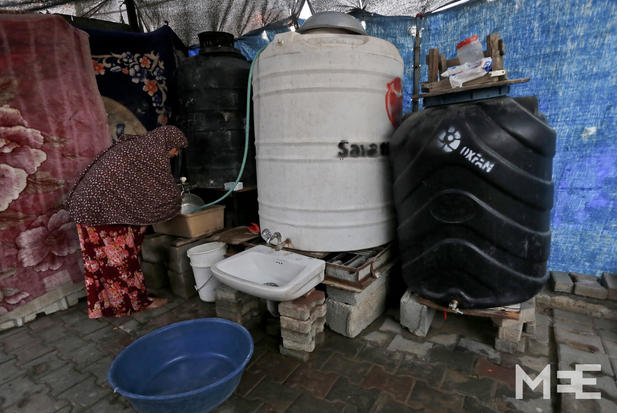
صورة توضح ندرة إمدادات المياه في غزة

رائحة مياه الصرف الصحي القذرة تُفقد أي إنسان وعيه عندما يمر بالقرب من الغرف مسبقة الصنع، ولكن مع ذلك، يحاول أحمد معالجة هذا التدفق للمياه الآسنة، عن طريق كشطها خارج غرفته الصغيرة، هذه الغرف مسبقة الصنع تم تجهيزها لاستعمال اللاجئين على المدى القصير في حالات الطوارئ ما بعد الحرب، ولكنها الآن أصبحت واقعًا على المدى الطويل في ظل عدم السماح بإعادة إعمار القطاع.

“هذا العام ليس لرمضان ذات الطعم” قال طفل من المارة، وذلك عائد لكون الأطفال لا يملكون المال لشراء الألعاب النارية المعتادة أو لممارسة طقوسهم المفضلة في هذا الشهر المبارك.

ذكرى رمضان في عيون أحمد، تتمثل بالدمار الشامل للحي الذي كان يسكن به، وتدمير مزرعته ونفوق دجاجه إثر قصف الدبابات والرصاص الإسرائيلي، ولكن عندما طلبنا منه أن يستذكر لحظة سعيدة من رمضان سابق، ابتسم وقال “أتذكر الأيام الجميلة، في حديقتنا الكبيرة، حيث كنا نجلس ونتناول وجبتنا العائلية بسلام، ونحضر وجباتنا في مطبخ كبير وحديث مصمم على الطراز الأميركي”.

نون بوست

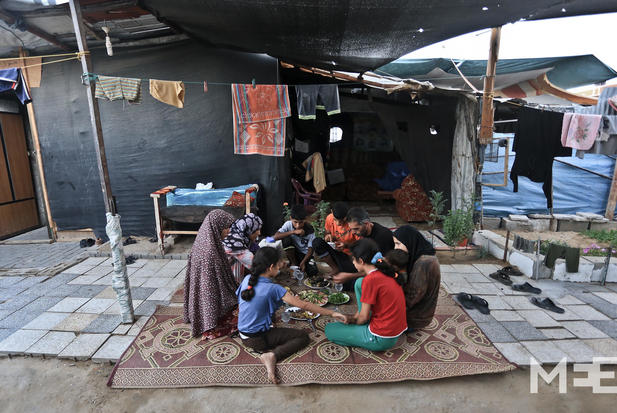
عائلة فاضل مصابح يفطرون بين أنقاض منزلهم المدمر في منطقة القبة، حيث عمدت وزارة الأشغال العامة والإسكان إلى ترحيل الأنقاض، وعمد بعدها فاضل إلى نصب خيمة ليعيش وعائلته بها

المصدر: ميدل إيست آي

TAGGED: إعادة إعمار غزة ، الأنقاض في قطاع غزة ، القصف الإسرائيلي على غزة ، رمضان في غزة ، قطاع غزة
TAGGED: حصار غزة
Download this article as PDF
Share this Article
Facebook Twitter Whatsapp Whatsapp Telegram Email Copy Link
محمد عمر
By محمد عمر صحفي فلسطيني هولندي حائز على العديد من الجوائز ويقيم في قطاع غزة
Follow:
Next Article نون بوست The Stigma of “ISIS”: A Heavy Legacy Haunting Women and Children of Former Members

Read More

  • U.S. Regime‑Change Policies: Why They Are Destined to Fail U.S. Regime‑Change Policies: Why They Are Destined to Fail
  • The Gulf’s Balancing Act: Iran, Israel, and Hidden Links
  • Iraq–Turkey Oil Export Treaty: Why Did Ankara Cancel It After 52 Years?
  • Syria’s Northeast on Edge: QSD Between Ankara and Damascus
  • Has Europe Changed Its Stance on Israel… or Just Its Language?
part of the design
NoonPost Weekly Newsletter
dark

An independent media platform founded in 2013, rooted in slow journalism, producing in-depth reports, analysis, and multimedia content to offer deeper perspectives on the news, led by a diverse young team from several Arab countries.

  • Politics
  • Society
  • Rights & Liberties
  • Opinions
  • History
  • Sports
  • Education
  • Technology
  • Economy
  • Media
  • Arts & Literature
  • Entrepreneurship
  • Travel
  • Cinema & Drama
  • Food
  • Health
  • Culture
  • Latest Reports
  • Files
  • Long Reads
  • Interviews
  • Podcast
  • Interactive
  • Encyclopedia
  • In Pictures
  • About Us
  • Our Writers
  • Write for Us
  • Editorial Policy
  • Advanced Search
Some rights reserved under a Creative Commons license

Removed from favorites

Undo
Go to mobile version