NoonPost NoonPost

NoonPost

  • Home
  • Politics
  • Economy
  • Society
  • Culture
  • Files
  • Long Reads
  • Podcast
AR
Notification Show More
نون بوست
“There Are Nights I Can’t Close My Eyes”: How Gazans Are Living in Homes on the Brink of Collapse
نون بوست
From al-Jolani to Ahmad al-Shara: The Evolution of Syria’s New Leader
نون بوست
When Political Islam Receded in Egypt: Who Filled the Void?
نون بوست
An Extension of Genocide: Gaza’s Detainees Speak Out
نون بوست
A Tightrope Between Survival and Sovereignty: The Syrian Government Faces Normalization Pressures
نون بوست
American Aircraft Carriers: Has the Era of “100,000 Tons of Diplomacy” Ended?
نون بوست
U.S. Regime‑Change Policies: Why They Are Destined to Fail
نون بوست
Transformations of Israeli Judaism: Between the Victim Complex and the Colonizer’s Doctrine
نون بوست
The Gulf’s Balancing Act: Iran, Israel, and Hidden Links
نون بوست
Iraq–Turkey Oil Export Treaty: Why Did Ankara Cancel It After 52 Years?
نون بوست
Syria’s Northeast on Edge: QSD Between Ankara and Damascus
نون بوست
Has Europe Changed Its Stance on Israel… or Just Its Language?
NoonPost NoonPost
AR
Notification Show More
نون بوست
“There Are Nights I Can’t Close My Eyes”: How Gazans Are Living in Homes on the Brink of Collapse
نون بوست
From al-Jolani to Ahmad al-Shara: The Evolution of Syria’s New Leader
نون بوست
When Political Islam Receded in Egypt: Who Filled the Void?
نون بوست
An Extension of Genocide: Gaza’s Detainees Speak Out
نون بوست
A Tightrope Between Survival and Sovereignty: The Syrian Government Faces Normalization Pressures
نون بوست
American Aircraft Carriers: Has the Era of “100,000 Tons of Diplomacy” Ended?
نون بوست
U.S. Regime‑Change Policies: Why They Are Destined to Fail
نون بوست
Transformations of Israeli Judaism: Between the Victim Complex and the Colonizer’s Doctrine
نون بوست
The Gulf’s Balancing Act: Iran, Israel, and Hidden Links
نون بوست
Iraq–Turkey Oil Export Treaty: Why Did Ankara Cancel It After 52 Years?
نون بوست
Syria’s Northeast on Edge: QSD Between Ankara and Damascus
نون بوست
Has Europe Changed Its Stance on Israel… or Just Its Language?
Follow US

Syria Regains Control of All Oil and Gas Fields, But How Much Can It Produce?

فريق التحرير
Noon Post Published 26 March ,2026
Share
نون بوست
نون بوست

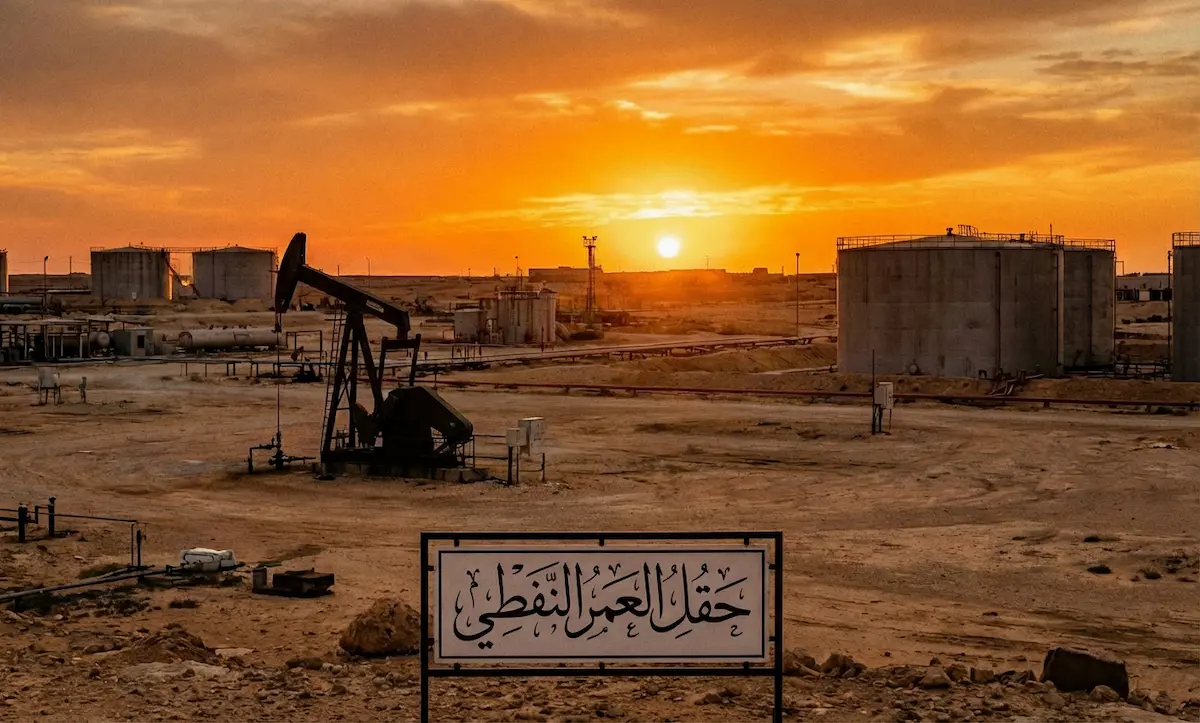
In a swift and pivotal shift, the Syrian state regained control on January 18, 2026, of key oil- and gas-rich areas east of the Euphrates River most notably, the Al-Omar oil field (the largest in the country) and the Conoco gas field in Deir ez-Zor province.

This development followed a series of rapid clashes with the Syrian Democratic Forces (SDF), which were soon followed by a ceasefire and an agreement to fully integrate the SDF into Syrian state institutions.

The shift marks the end of years-long SDF control over Syria’s oil wealth and signals a major turning point in the country’s management of its natural resources. The oil sector, after all, was once a cornerstone of Syria’s economy, accounting for roughly 20% of its GDP in 2010.

Syria’s New Energy Map

Throughout the war, the bulk of Syria’s oil and gas fields remained concentrated in the country’s northeast and eastern regions territories that had long slipped from Damascus’s control since the era of the ousted regime under Bashar al-Assad.

Roughly a quarter of Syria’s territory, lying east of the Euphrates including resource-rich Deir ez-Zor had been under SDF control with U.S. backing. This area encompassed the most important oil fields in the country.

According to World Bank estimates, the SDF controlled between 80% and 90% of Syria’s oil production in recent years. In contrast, the Syrian state was left with only scattered, small fields that contributed minimally to national output.

Now, with the Syrian army’s advance in the east and the unification deal with the SDF, most of these oil-rich and strategically significant regions have returned to government hands.

Official sources confirm that government forces, along with allied Arab tribal militias, now control the majority of Deir ez-Zor province Syria’s primary producer of both oil and wheat spanning more than 150 kilometers along the eastern banks of the Euphrates all the way to the Iraqi border.

With this sweeping territorial reclamation, the SDF has lost its most vital source of local revenue once used to finance its autonomous administration — while the oil wealth it had retained now returns to a state treasury long depleted by sanctions and war.

Damascus has also solidified control over the city of Tabqa and the Euphrates Dam in western Raqqa, along with other vital facilities. With this, all oil and gas infrastructure in Syria’s eastern provinces — Deir ez-Zor, Hasakah, and Raqqa — is now under central government administration.

For the first time since the outbreak of war, Syria is now effectively in control of all its oil and gas resources.

Key Oil and Gas Fields East of the Euphrates

The reclaimed territories are home to the majority of Syria’s largest oil and gas fields. Below is an overview of the most prominent fields and their estimated production capacity:

  • Al-Omar Oil Field: The largest in Syria, located east of Deir ez-Zor, currently producing around 20,000 barrels per day down from 80,000 bpd in the 1990s.

  • Al-Tanak Oil Field: The second-largest field in Deir ez-Zor and one of the SDF’s major assets prior to the takeover. Recent production figures are unavailable, but it remains a key source of crude.

  • Al-Jafra Oil Field: Also in eastern Deir ez-Zor, output has dropped from about 2,000 bpd before the war to just 1,000 bpd under SDF control.

  • Conoco Gas Field: Located east of Deir ez-Zor, it was once Syria’s largest gas processing plant, with a pre-war capacity of around 13 million cubic meters per day. It has been offline for years due to damage and halted investment under SDF rule.

  • Rmelan and Suwaidiyah Fields (Hasakah Province): These house over 1,300 oil wells and 25 gas wells. At their pre-war peak, they produced around 90,000 bpd. Current output has plummeted to just 9,000 bpd due to depletion and aging infrastructure.

  • Raqqa Oil Fields: Including the Thawra field southwest of Raqqa and several smaller fields nearby (Wahb, Fahd, Dbaysan, Qusayr, Abu al-Qattat, and Abu Qattash near Al-Rasafah), which historically yielded only a few thousand bpd. Combined output now stands at around 2,000 bpd.

Syria’s oil sector has suffered a dramatic collapse over the course of the war. From a pre-crisis output of 385,000 barrels per day in 2010, production plummeted to between 24,000 and 34,000 bpd at the height of the conflict (2014–2019).

As the war dragged on and sanctions intensified, production fell even further, hovering around 40,000 bpd by 2023. This decline transformed Syria from a key oil exporter into a dependent importer relying heavily on foreign shipments, particularly from Iran, which reportedly supplied up to 100,000 bpd to bridge the gap under the former regime.

Gains and Challenges

Even before the most recent military developments, the energy sector had shown signs of modest recovery amid political shifts and early cooperation between Damascus and the SDF.

Overall oil production had risen to around 110,000 barrels per day, with approximately 100,000 bpd coming from SDF-held fields, compared to just 10,000 bpd from state-controlled areas. With the SDF now integrated into the state apparatus, this entire output is presumed to fall under Damascus’s control.

Syria’s proven oil reserves are estimated at 2.5 billion barrels mostly heavy, high-sulfur crude. While this presents a potential long-term opportunity for increased production, it would require modern technologies and substantial investment. Experts also warn that prolonged war and primitive extraction methods may have damaged some of the underground reserves.

On the gas front, Syria currently produces around 7 million cubic meters of natural gas per day. However, the country’s power grid needs approximately 18 million m³ daily to operate efficiently.

The bulk of current gas production comes from central Syrian fields already under government control. The former SDF-held fields had contributed just 1.1 million m³ per day prior to their recovery. Once rehabilitated and reintegrated, these gas fields could substantially boost domestic output.

In fact, Syria’s Ministry of Energy has signed a memorandum of understanding with US-based ConocoPhillips and Novaterra to increase gas production by upgrading existing fields and exploring new ones. The plan aims to raise daily output by 4 to 5 million cubic meters within a year. Combined with ongoing gas imports from allies such as Azerbaijan and Qatar, this initiative could provide temporary relief to Syria’s chronic power shortages.

While regaining control of the country’s oil and gas resources marks a major economic windfall, it also poses serious challenges. Syria’s energy infrastructure has sustained extensive damage from years of war, sabotage, and unregulated extraction.

A United Nations report estimated total direct and indirect losses in Syria’s oil and gas sector at more than $115 billion between 2011 and 2023.

Syria’s reassertion of control over its eastern oil and gas fields marks a strategic turning point shifting the country’s natural wealth from a state of paralysis and fragmentation toward renewed state utilization.

Although current production at 110,000 barrels per day remains well below pre-war levels, the consolidation of resources under central authority gives Damascus a rare opportunity to revive its energy sector and generate much-needed revenue in tandem with national reconstruction efforts.

Download this article as PDF
Share this Article
Facebook Twitter Whatsapp Whatsapp Telegram Email Copy Link
فريق التحرير
By فريق التحرير تقارير يعدها فريق تحرير نون بوست.
Follow:
Previous Article نون بوست From Al-Mahrah to Socotra: Saudi Arabia’s New Map of Influence in Southern Yemen
Next Article نون بوست Gaza Under Trusteeship: How Israel’s Assault Is Being Reframed with International Backing

Read More

  • U.S. Regime‑Change Policies: Why They Are Destined to Fail U.S. Regime‑Change Policies: Why They Are Destined to Fail
  • The Gulf’s Balancing Act: Iran, Israel, and Hidden Links
  • Iraq–Turkey Oil Export Treaty: Why Did Ankara Cancel It After 52 Years?
  • Syria’s Northeast on Edge: QSD Between Ankara and Damascus
  • Has Europe Changed Its Stance on Israel… or Just Its Language?
part of the design
NoonPost Weekly Newsletter

You May Also Like

U.S. Regime‑Change Policies: Why They Are Destined to Fail

U.S. Regime‑Change Policies: Why They Are Destined to Fail

إسراء سيد Esraa sayed 8 April ,2026
The Gulf’s Balancing Act: Iran, Israel, and Hidden Links

The Gulf’s Balancing Act: Iran, Israel, and Hidden Links

فريق التحرير Noon Post 8 April ,2026
Iraq–Turkey Oil Export Treaty: Why Did Ankara Cancel It After 52 Years?

Iraq–Turkey Oil Export Treaty: Why Did Ankara Cancel It After 52 Years?

فريق التحرير Noon Post 8 April ,2026

تفاصيل يوم دامٍ شهدته مصر

فريق التحرير
Noon Post Published 2 July ,2015
Share
349

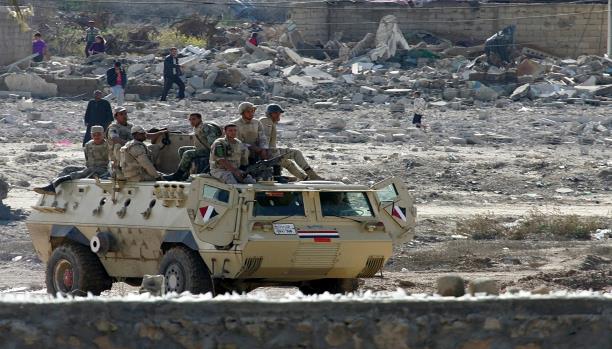
شنت جماعة أنصار بيت المقدس المُبايعة لتنظيم الدولة الإسلامية والمعروفة باسم “ولاية سيناء” هجومًا مسلحًا أمس على عدد من المناطق بشمال سيناء، مسلحو التنظيم انتشروا صباح أمس في شوارع مدينة الشيخ زويد وهاجموا كافة كمائن الجيش المتواجدة هناك؛ ما أدى لفرار بعضها والاستيلاء على مجموعة من الآليات العسكرية التابعة للجيش، كما قاموا بحصار قسم شرطة العريش.

فيما نقلت مصادر أمنية وطبية من سيناء، أن حصيلة الاشتباكات الأولية كانت أكثر من 30 جنديًا وإصابة أكثر من 40 في مناطق مختلفة، وبعد ذلك نشرت صحيفة الشروق المصرية أن حصيلة القتلى بين الجنود بلغت 64 قتيلاً، بينما نشرت صحيفة الأهرام الحكومية على موقعها الإنجليزي أن حصلية القتلى بلغت 20 قتيلاً فقط، ولكن الرواية الرسمية للجيش كذبت كل هذه الأرقام حيث أكد المتحدث العسكري أن 10 جنود فقط سقطوا خلال المواجهات.

شهدت المواجهات هذه تطورًا نوعيًا من جانب مسلحي ولاية سيناء الذين استخدموا أسلحة نوعية ثقيلة كانت من بينها مضادات للطائرات وقذائف الأر بي جي والهاون، كما قاموا بزرع عبوات ناسفة منعًا لوصول التعزيزات الأمنية داخل منطقة الاشتباكات جنوب الشيخ زويد وأطراف المدينة، كما نصبوا كمائن لدبابات وآليات كانت في طريقها لمساندة قوات الجيش بالشيخ زويد؛ ما جعل وضعية قوات الجيش المتمركزة داخل الشيخ زويد في مأزق، إلى أن استعان الجيش بمقاتلات الأباتشي وطائرات F-16.

تحدثت إحصاءات غير رسمية عن ارتفاع عدد القتلى في صفوف الجيش وقوات الأمن إلى أكثرمن 75 قتيلًا، بعد أن هاجم مسلحو ولاية سيناء 15 موقعًا أمنيًا للجيش والشرطة بشمال سيناء في آن واحد طبقًا لبيانات منسوبة للتنظيم، أما على جانب قتلى الطرف الآخر “ولاية سيناء” فقد تضاربت الأنباء حول أعداد القتلى فالرواية الرسمية في بدايتها تؤكد أنها قتلت في البداية أكثر من 20 عنصرًا مسلحًا وبثت صورًا لبعض الجثث على صفحة المتحدث العسكري، وقد حددت رواية الجيش المصري أعداد المهاجمين بقرابة 70 مسلحًا، بينما أكدت مصادر أخرى أن منفذي هذه الهجمات يترواح أعددهم بين 250 : 300 عنصر من ولاية سيناء.

الوضع ظل على الأرض لساعات في صالح تنظيم ولاية سيناء بسبب الارتباك الذي أصاب قوات الجيش والذي يعود إلى عنصر المفاجأة وإستراتيجية  قتال الشوارع التي يعتمدها التنظيم في قتاله مع قوات الجيش المصري في سيناء، إلى أن تدخلت مقاتلات الأباتشي الجوية والتي نجح التنظيم في بداية الأمر في صدها عن طريق مدافع مضادات للطائرات مثبتة على سيارات دفع رباعي، لكن عناصر التنظيم لم يصمدوا كثيرًا أمام تدخل مقاتلات الـ  F-16، والتي قامت بتدمير عدة مناطق لتمركز مجموعات ولاية سيناء حتى تمكنت عناصر الإمداد من المرور إلى مناطق الاشتباكات.

الوضع كان في غاية السوء داخل الشيخ زويد طبقًا لشهادات المدنيين التي لا يُعرف حتى الآن حجم إصاباتهم ولا مدى الضرر الواقع عليهم بسبب قلة المعلومات القادمة من هناك بعد فرض القوات المسلحة حظرًا على خروج المعلومات من داخل مناطق الاشتباكات، فالقتلى والجرحى الذين وصلوا لمستشفى العريش، نقلوا بواسطة الأهالي المدنيين، وذلك بسبب عدم مقدرة سيارات الإسعاف على الوصول إلى جنوب الشيخ زويد ورفح بسبب قطع الطريق من قِبل المسلحين.

وبسبب هذا التضارب في المعلومات وتكذيب روايات الجيش، نشر بعض النشطاء روايات تؤكد أن ما حدث مع قوات الجيش في سيناء يعد هزيمة نكراء أمام عشرات المسلحين، حيث بدأ الحديث عن قلة كفاءة القوات المتواجدة في سيناء وانعدام التدريب وأحوال المجندين، إلى أن خرج الجيش في وسائل الإعلام عن طريق المتحدث الرسمي باسمه، نافيًا كل هذه الأنباء التي نقلتها عدة وكالات أنباء عالمية.

إذ وجه العميد محمد سمير المتحدث الرسمى للقوات المسلحة، رسالة لوسائل الإعلام المصرية عبر عدة مداخلات هاتفية، قائلاً: “نرجو من حضراتكم مراعاة عدم نقل المعلومات عن وسائل الإعلام الأجنبية التى نستمد معلوماتنا منها، وننتظر معلومات من القوات المسلحة الرسمية”، وذلك بعد حدوث تضارب شديد في الأنباء الآتية من داخل سيناء.

البعض أكد أن الجيش المصري لا يريد أن يتعامل مع ما يحدث في سيناء بنوع من الشفافية بعد أن حدثت كارثة للقوات داخل سيناء، إذ أكدت بعض المصادر أن عناصر تابعة للقوات المسلحة هددت بعض المراسلين والمصادر الذين ينقلون أخبار سيناء من الداخل.

في الوقت نفسه أعلن الجيش المصري أنه أغلق مدينة رفح وعزز قواته في المنطقة الحدودية، في حين أغلقت إسرائيل المعابر الحدودية مع مصر، بالتزامن مع الحديث عن انطلاق طائرات بدون طيار إسرائيلية في سماء سيناء، فالجانب الإسرائيلي يتابع المعارك بين الجيش المصري وتنظيم ولاية سيناء عن كثب حسبما أورد الإعلام الإسرائيلي، فقد وصفت القناة الإسرائيلية الثانية أن الهجوم الذي حدث من ولاية سيناء بأنه واسعًا وقاتلًا، وهو الأمر الذي أدى إلى إغلاق المعابر المؤدية إلى سيناء، وإعلان الجيش الإسرائيلي تأهبه على الحدود المصرية، وهو ما يشكك في رواية الجيش المصري بأن الجيش سيطر على الأوضاع بسهولة.

في الوقت الذي يتحدث فيه البعض عن تنسيق أمني بين القاهرة وتل أبيب بشأن الأوضاع في سيناء، نشرت صحيفة الشروق المصرية خبرًا مفاده أن “الولايات المتحدة وجهت رسائل إلى القاهرة ألمحت فيها إلى رغبتها فى الاستغناء عن وجود القوات متعددة الجنسية فى شبه جزيرة سيناء فى ظل استقرار العلاقات المصرية الإسرائيلية والتنسيق الأمني والمخابراتي على الحدود بين الجانبين في مواجهة خطر التنظيمات التكفيرية في سيناء”، لكن أمر مغادرة قوات حفظ السلام من سيناء ما زال مستبعدًا.

وبعد أن هدأت الأجواء في المساء سُمع دوي انفجارات عدة الليلة الماضية في منطقة رفح المصرية بشمال سيناء، ويعتقد أن هذه الأصوات تعود لغارات جوية يشنها الجيش لتمشيط المناطق بعد الاشتباكات.

الدماء لم تسل فقط في أقصى شمال شرقي مصر بسيناء ولكنها سالت أيضًا في مدينة السادس من أكتوبر التابعة لمحافظة الجيزة غرب العاصمة القاهرة، إذ اتهمت جماعة الإخوان المسلمين بمصر جهاز الأمن المصري بتصفية 13 قياديًا بالجماعة أثناء تواجدهم في اجتماع للجنة كفالة أسر الشهداء والمعتقلين التابعة للجماعة.

جاءت عدة روايات لمقتل هؤلاء القيادات أبرزها كانت وجود لقاء منعقد للجنة كفالة أسر الشهداء والمعتقلين التابعة للجماعة بدأ في الساعة الثامنة صباحًا، وما إن تم رصد الاجتماع حتى أتت كميات كبيرة من سيارات محملة بقوات شرطية اقتحمت المنزل الذي يتواجد به المجموعة، وبعد دقائق سُمع دوي إطلاق نار في الداخل تمت على إثره تصفية المجموعة وتُركت تنزف دون إسعاف حتى دخول وقت المغرب، إلى أن أعلنت وزارة الداخلية المصرية تصفيتها لتسعة قيادات من جماعة الإخوان المسلمين ادعت أنهم قاموا بالاشتباك مع قوات من الداخلية.

جماعة الإخوان المسلمين تؤكد أنه لم تحدث أي اشتباكات مطلقًا بين المجموعة المجتمعة والأمن، بل أكدت تقارير الطب الشرعي لجثث المقتولين أن هناك ثمة أثار تعذيب على أجسام المتوفين، وهو ما يُعزز رواية أخرى أن الأمن قد اعتقلهم صباحًا وقام بالتحقيق معهم وتعذيبهم وأخذ بصماتهم ومن ثم قام بتصفيتهم لسبب مجهول، وهي رواية متدوالة بين أنصار جماعة الإخوان المسلمين.

حذرت الجماعة في بيان لها من أن هذا التحول سوف يؤدي إلى عدم السيطرة على غضب القطاعات التي وصفتها بـ “المظلومة المقهورة” التي لن تقبل أن تموت في بيوتها وسط أهلها، نافية وقوع أي اشتباكات بين القيادات التي قُتلت على يد الأمن وبين القوات التي قامت بتصفيتهم عمدًا، حيث كان من بين هؤلاء المحامي ناصر الحافي عضو مجلس الشعب السابق وعضو نقابة المحامين وهو مسؤول عن اللجنة القانونية في الجماعة.

هذا اليوم الدامي الذي شهدته مصر أمس يأتي عقب حادث اغتيال النائب العام المصري هشام بركات بسيارة مفخخة استهدفت موكبه، قبل احتفالات للنظام بذكرى أحدث الـ 30 من يونيو التي أعقبها الانقلاب العسكري الذي قاده رئيس البلاد الجنرال عبدالفتاح السيسي، وهو ما أدى إلى إلغاء هذه الاحتفالات، في الوقت الذي تتصاعد فيه وتيرة العنف من جانب النظام ضد خصومه السياسيين في الوادي، بينما لم يوفر النظام حماية لجنوده ضد هجمات المسلحين في سيناء.

TAGGED: اشتباكات الشيخ زويد ، الإخوان المسلمون في مصر ، الإرهاب ، داعش ، رفح
TAGGED: انقلاب مصر
Download this article as PDF
Share this Article
Facebook Twitter Whatsapp Whatsapp Telegram Email Copy Link
فريق التحرير
By فريق التحرير تقارير يعدها فريق تحرير نون بوست.
Follow:
Next Article نون بوست The Stigma of “ISIS”: A Heavy Legacy Haunting Women and Children of Former Members

Read More

  • U.S. Regime‑Change Policies: Why They Are Destined to Fail U.S. Regime‑Change Policies: Why They Are Destined to Fail
  • The Gulf’s Balancing Act: Iran, Israel, and Hidden Links
  • Iraq–Turkey Oil Export Treaty: Why Did Ankara Cancel It After 52 Years?
  • Syria’s Northeast on Edge: QSD Between Ankara and Damascus
  • Has Europe Changed Its Stance on Israel… or Just Its Language?
part of the design
NoonPost Weekly Newsletter
dark

An independent media platform founded in 2013, rooted in slow journalism, producing in-depth reports, analysis, and multimedia content to offer deeper perspectives on the news, led by a diverse young team from several Arab countries.

  • Politics
  • Society
  • Rights & Liberties
  • Opinions
  • History
  • Sports
  • Education
  • Technology
  • Economy
  • Media
  • Arts & Literature
  • Entrepreneurship
  • Travel
  • Cinema & Drama
  • Food
  • Health
  • Culture
  • Latest Reports
  • Files
  • Long Reads
  • Interviews
  • Podcast
  • Interactive
  • Encyclopedia
  • In Pictures
  • About Us
  • Our Writers
  • Write for Us
  • Editorial Policy
  • Advanced Search
Some rights reserved under a Creative Commons license

Removed from favorites

Undo
Go to mobile version