NoonPost NoonPost

NoonPost

  • Home
  • Politics
  • Economy
  • Society
  • Culture
  • Files
  • Long Reads
  • Podcast
AR
Notification Show More
نون بوست
“There Are Nights I Can’t Close My Eyes”: How Gazans Are Living in Homes on the Brink of Collapse
نون بوست
From al-Jolani to Ahmad al-Shara: The Evolution of Syria’s New Leader
نون بوست
When Political Islam Receded in Egypt: Who Filled the Void?
نون بوست
An Extension of Genocide: Gaza’s Detainees Speak Out
نون بوست
A Tightrope Between Survival and Sovereignty: The Syrian Government Faces Normalization Pressures
نون بوست
American Aircraft Carriers: Has the Era of “100,000 Tons of Diplomacy” Ended?
نون بوست
U.S. Regime‑Change Policies: Why They Are Destined to Fail
نون بوست
Transformations of Israeli Judaism: Between the Victim Complex and the Colonizer’s Doctrine
نون بوست
The Gulf’s Balancing Act: Iran, Israel, and Hidden Links
نون بوست
Iraq–Turkey Oil Export Treaty: Why Did Ankara Cancel It After 52 Years?
نون بوست
Syria’s Northeast on Edge: QSD Between Ankara and Damascus
نون بوست
Has Europe Changed Its Stance on Israel… or Just Its Language?
NoonPost NoonPost
AR
Notification Show More
نون بوست
“There Are Nights I Can’t Close My Eyes”: How Gazans Are Living in Homes on the Brink of Collapse
نون بوست
From al-Jolani to Ahmad al-Shara: The Evolution of Syria’s New Leader
نون بوست
When Political Islam Receded in Egypt: Who Filled the Void?
نون بوست
An Extension of Genocide: Gaza’s Detainees Speak Out
نون بوست
A Tightrope Between Survival and Sovereignty: The Syrian Government Faces Normalization Pressures
نون بوست
American Aircraft Carriers: Has the Era of “100,000 Tons of Diplomacy” Ended?
نون بوست
U.S. Regime‑Change Policies: Why They Are Destined to Fail
نون بوست
Transformations of Israeli Judaism: Between the Victim Complex and the Colonizer’s Doctrine
نون بوست
The Gulf’s Balancing Act: Iran, Israel, and Hidden Links
نون بوست
Iraq–Turkey Oil Export Treaty: Why Did Ankara Cancel It After 52 Years?
نون بوست
Syria’s Northeast on Edge: QSD Between Ankara and Damascus
نون بوست
Has Europe Changed Its Stance on Israel… or Just Its Language?
Follow US

Suez Canal and Egypt’s Mounting Debt: Economic Solution or Sovereign Gamble?

فريق التحرير
Noon Post Published 26 March ,2026
Share
نون بوست
نون بوست

The controversy surrounding the Suez Canal one of the world’s most critical waterways and a cornerstone of Egypt’s economy rarely fades before reemerging in new forms. At times, it surfaces in the form of proposals to lease or mortgage the canal; at others, discussions revolve around amending its legal framework to allow for increased foreign investment. Yet, the latest debate has taken a more sensitive and potentially perilous turn than any before it.

Businessman Hassan Heikal, son of the late writer Mohamed Hassanein Heikal, recently proposed a plan to address Egypt’s spiraling debt crisis particularly domestic debt through what he called a “grand swap.” The idea involves exchanging a portion of the debt for a strategic state-owned asset, chief among them the Suez Canal Authority.

According to Egypt’s Ministry of Planning, the country’s external debt rose by $6 billion since the beginning of 2025, reaching $161.2 billion by the end of June. Domestic debt also climbed by 3.5%, hitting 11.057 trillion Egyptian pounds, or roughly $233.2 billion.

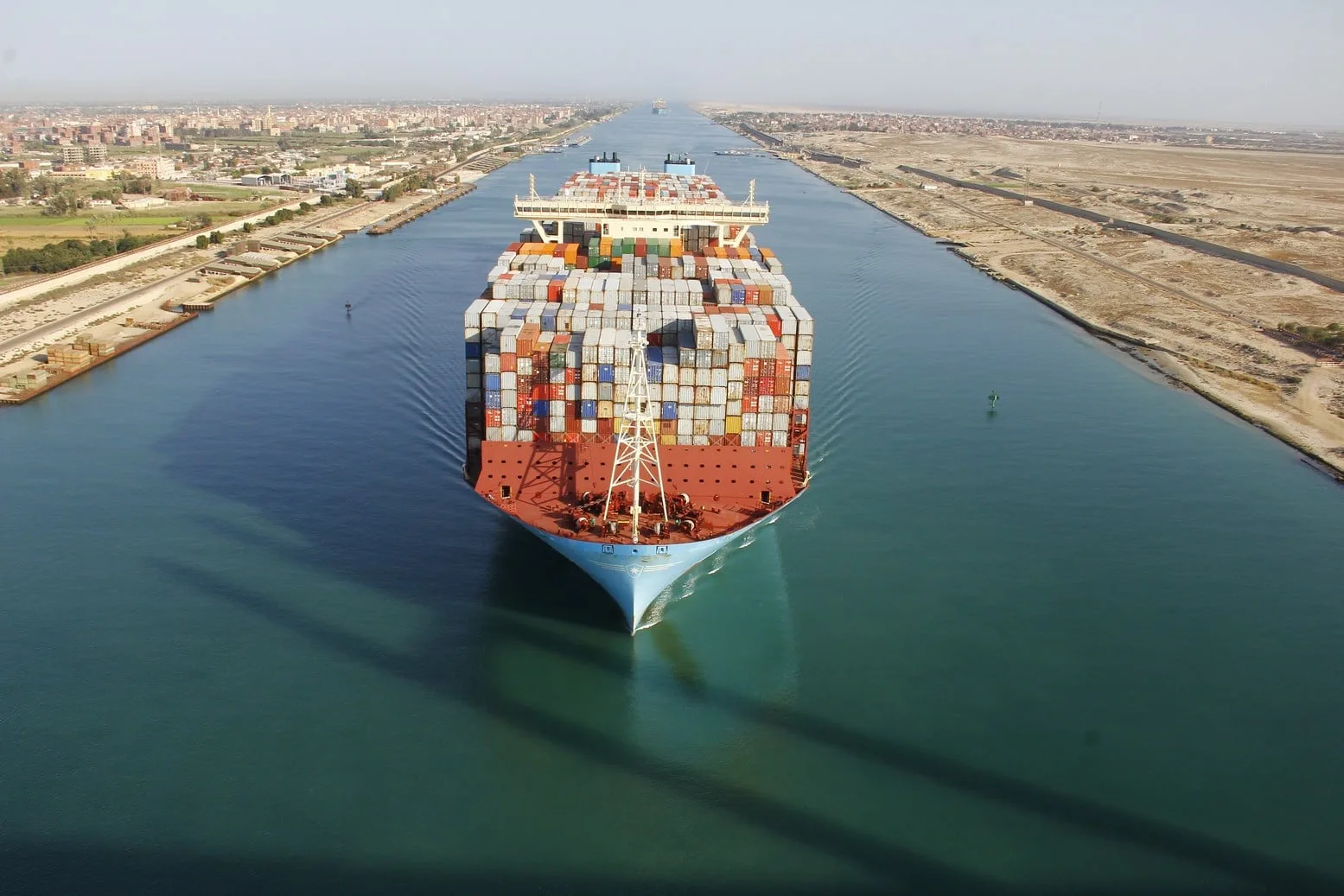
The Suez Canal occupies an extraordinary place in the Egyptian collective consciousness. It is far more than a global shipping lane; it is a national symbol tied to a long history of struggle and sacrifice, and it remains a central source of hope for sustainable economic returns.

Unsurprisingly, proposals of this nature have sparked a wave of public anger and anxiety, given the profound implications for Egypt’s economic sovereignty.

This debate raises fundamental questions: What is the true scope of this proposal? Is it a viable solution to Egypt’s worsening debt crisis, or does it risk opening the door to even more complex political and economic dilemmas?

The Proposal in Detail

Appearing on the television channel Cairo and the People on January 11, Hassan Heikal outlined the core features of his controversial proposal. The plan calls for transferring ownership of the Suez Canal Authority from the Ministry of Finance to the Central Bank of Egypt, framing it as an unconventional exit from the deepening debt crisis.

The proposal is premised on conducting a comprehensive valuation of the authority by Egypt’s Central Auditing Organization in collaboration with an international firm. Heikal estimates the canal’s value at roughly $200 billion, based on an average annual revenue of $10 billion in recent years excluding periods of disruption and crisis.

He emphasized that the plan would not impact depositors’ funds. The Central Bank would continue paying interest to banks using the same mechanism currently employed by the Ministry of Finance, leveraging the canal’s estimated 6% annual yield in US dollars.

To cover any remaining gap, Heikal suggests raising the required reserve ratio for banks to 18%, ensuring financial system stability without imposing direct burdens on the banking sector.

In a more flexible scenario, he proposes valuing the Suez Canal Authority at $100 billion in exchange for writing off around 5 trillion Egyptian pounds in domestic debt. Should the canal’s annual revenues exceed $10 billion, profits would be shared between the Central Bank and the Ministry of Finance.

The proposal also calls for lowering interest rates to around 16%, citing international precedents of central banks stepping in during crises, such as the 2008 global financial meltdown. Heikal insists that the Central Bank’s legal and financial framework can accommodate this exceptional role.

Sharp Criticism

Despite Heikal’s expectations, the proposal failed to gain traction, even among economic circles and business leaders who share his general ideological outlook. Instead, it faced a deluge of fierce criticism, with detractors arguing that it blurs the line between debt management and the liquidation of sovereign assets.

Egyptian academic Magdy Magdy rejected the idea outright, calling it a “dangerous descent from debt management to the dissolution of the state.” Including the Suez Canal in debt equations, he argued, reflects “flawed reasoning that strips the state of its institutional essence.”

The canal, he emphasized, is an invaluable strategic and geopolitical asset not merely an economic resource and is therefore non-negotiable.

Hisham Ezz Al-Arab, CEO of Commercial International Bank, described the proposal as akin to a “declaration of state bankruptcy.” He warned of its potential impact on both domestic and international confidence, particularly given that foreign investors hold around 40% of government treasury bills.

He also questioned how bondholders, particularly those holding Eurobonds, might respond if their debts were exchanged for assets. While he conceded the idea may appear theoretically appealing, he deemed it impractical without clear answers regarding its consequences.

Nagy El-Shahaby, a member of the Senate and head of the Democratic Generation Party, asserted that the so-called “grand swap” does not offer a real solution but merely transfers the problem from the financial domain to one of asset forfeiture.

Domestic debt, he argued, while burdensome, remains a national liability that can be restructured through sound monetary and fiscal policy unlike the irreversible loss of strategic assets, which directly threatens national security.

Alyaa El-Mahdi, an economics professor at Cairo University, summed up the criticism in a striking Facebook post: “Don’t call it the grand swap call it the grand gamble.”

A Lifeline Weighed Down by Debt

The Suez Canal is one of the main pillars of the Egyptian economy and a critical source of hard currency. In the 2024/2025 fiscal year, it generated approximately $11.6 billion in revenue, ranking among the top contributors to the national treasury.

Yet this strategic importance is increasingly clouded by financial ambiguity. Limited transparency surrounds the economic authority managing the canal, including the scale of its debt, prompting the government in recent years to explore new investment and financing mechanisms to ease mounting pressure.

Financial disclosures reveal enduring challenges. In May 2019, sources reported that the Ministry of Finance had repaid debts owed by the Suez Canal Authority to local banks, after it failed to meet payments totaling $600 million in December 2017 and June and December 2018.

Earlier, in August 2016, the Ministry of Finance was asked to settle 102 billion pounds in debts related to the canal. Additionally, the authority was responsible for repaying $2 billion in foreign currency loans secured in October 2015.

Compounding these financial burdens is a steep revenue decline for the second consecutive year. A recent Central Bank report revealed a 45.5% drop in canal revenues during the 2024/2025 fiscal year, falling to approximately $3.6 billion from $6.6 billion the year before marking the steepest decline in two decades.

Compared to 2022/2023, when revenues hit $8.8 billion, the decline approaches 59%, underscoring the mounting strain on one of Egypt’s most vital income streams.

This comes despite the canal’s continued central role in global trade, with around 50 ships transiting daily accounting for nearly 12% of global trade, 30% of container traffic, 5% of oil, 8% of gas, and 10% of petroleum products.

A Red Line

In recent years, rumors and speculative reports regarding the ownership and future of the Suez Canal have gained traction. In 2018, claims circulated that 51% of the canal might be sold to China or the UAE to service debts allegations swiftly denied by the Egyptian government, which reiterated that the Suez Canal Authority owns 100% of the canal and that it is not subject to sale or sovereign partnership.

Between 2021 and 2023, similar claims resurfaced on social media, suggesting a potential deal with the UAE or Saudi Arabia worth $50 billion. At the time, Suez Canal Authority head Admiral Osama Rabie firmly denied the reports, pointing to the canal’s record $9.4 billion in revenue in 2023 as evidence that there was no need to sell off assets or consider ownership transfers.

In December 2022, Mohab Mamish declared, “The Suez Canal is a red line that cannot be crossed,” assuring the public that it is “in safe hands and inviolable.” He added that protecting the canal is a non-negotiable position of President Abdel Fattah el-Sisi, stating unequivocally: “Rest assured the Suez Canal is in safe hands, and not a grain of our land will be compromised.”

Madbouly’s Controversial Pledge

Egyptians began the new year with cautious economic optimism following bold remarks by Prime Minister Mostafa Madbouly on December 24. He announced that the government is preparing a comprehensive package of measures final details pending that aims to reduce public debt to levels unseen in five decades.

Madbouly said the public debt-to-GDP ratio had already fallen to 84%, down from 96% two years ago, though he provided no further details on how this reduction was achieved.

According to his statements, Egypt’s external debt is projected to fall from $161.2 billion at the end of last year to just $12 billion matching levels recorded in 1975.

These projections have raised eyebrows, with many questioning the feasibility of such a dramatic decline, especially given the economic headwinds Egypt continues to face and the unprecedented rise in public debt in recent years.

The Dreaded Scenario: Swapping Assets for Debt

Madbouly’s remarks triggered widespread speculation about the means by which such debt reduction could be achieved, setting the stage for Hassan Heikal’s controversial proposal. But economists have warned that trading state assets for debt could lead to the dismantling of national holdings and destabilize Egypt’s economy.

Broadcaster Mohamed Ali Khair outlined what he sees as the only two plausible pathways to such a steep reduction:

  1. Direct cash repayment a near-impossible task given total debt of nearly $380 billion and a GDP of about $420 billion.

  2. Massive GDP growth, raising output to roughly $550 billion a herculean feat given stagnant dollar-denominated GDP in recent years.

Khair said he inquired officially about the possibility of selling state assets to raise liquidity, and the response was a categorical rejection. He concluded by urging the public to await what he called a “detailed roadmap” outlining exactly how the government intends to achieve this unprecedented debt reduction.

Download this article as PDF
Share this Article
Facebook Twitter Whatsapp Whatsapp Telegram Email Copy Link
فريق التحرير
By فريق التحرير تقارير يعدها فريق تحرير نون بوست.
Follow:
Previous Article نون بوست The Peace Council: Trump’s Team in International Disguise with Built-In Bias
Next Article نون بوست Presidential Decree on Syrian Kurds: Addressing Historical Injustices and Enshrining Rights

Read More

  • U.S. Regime‑Change Policies: Why They Are Destined to Fail U.S. Regime‑Change Policies: Why They Are Destined to Fail
  • The Gulf’s Balancing Act: Iran, Israel, and Hidden Links
  • Iraq–Turkey Oil Export Treaty: Why Did Ankara Cancel It After 52 Years?
  • Syria’s Northeast on Edge: QSD Between Ankara and Damascus
  • Has Europe Changed Its Stance on Israel… or Just Its Language?
part of the design
NoonPost Weekly Newsletter

You May Also Like

U.S. Regime‑Change Policies: Why They Are Destined to Fail

U.S. Regime‑Change Policies: Why They Are Destined to Fail

إسراء سيد Esraa sayed 8 April ,2026
The Gulf’s Balancing Act: Iran, Israel, and Hidden Links

The Gulf’s Balancing Act: Iran, Israel, and Hidden Links

فريق التحرير Noon Post 8 April ,2026
Iraq–Turkey Oil Export Treaty: Why Did Ankara Cancel It After 52 Years?

Iraq–Turkey Oil Export Treaty: Why Did Ankara Cancel It After 52 Years?

فريق التحرير Noon Post 8 April ,2026

في ذكرى وفاة الثائر المهزوم .. دروس يجب أن تتعلمها الثورة

محمد إلهامي
محمد إلهامي Published 4 July ,2015
Share
أحمد-عرابى

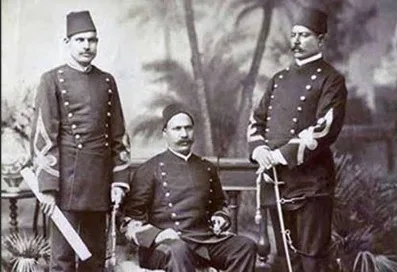
في هذا اليوم (17 رمضان) قبل مائة عام تقريبًا (1329هـ = 1911م) توفي الزعيم المصري أحمد عرابي، قائد الثورة المهزومة – ولا أقول: الفاشلة – بعد حياة حافلة شاقة تقلب فيها بين النعيم والجحيم، بين الزعامة والنفي، بين النصر والهزيمة، بين البطولة والاستسلام، فكان هو وكانت ثورته حدثًا جليلاً جديرًا بالنظر والاعتبار!

ومختصر الثورة في جملة واحدة: أن حركة بدأت كتمرد في الجيش على القيادات الشركسية لمطالب محدودة، سرعان ما حولتها الصفوة المصرية إلى ثورة شعبية بمطالب عامة، وبلغ الوضع من القوة والارتباك في صف السلطة حدَّ الخضوع لمطالب الثورة وتشكيل حكومة وطنية ومجلس نواب ودستور، وهنا نزل الإنجليز بجيوشهم في الإسكندرية بدعوى حماية الأجانب الذين تعرضوا لعملية مدبرة في الإسكندرية تقول بأنهم في خطر، وتم الاحتلال ودَعَمَهُ الخديوي وحدثت خيانات أدت إلى هزيمة الجيش المصري في معركة التل الكبير ثم قُبِض على عرابي وزعماء الثورة وكان جزاؤهم النفي ولم يسمح لهم بالعودة إلا محطمين بعد أن أهلكهم الزمن والمرض!

إن في هذا الثورة دروسًا لو أننا فقهناها لما جرى علينا الذي جرى، ولكن على كل حال لم يفت الوقت كله، وما زال في الثورة متسع، وما تزال الميادين تغص بالبواسل والأبطال!

هذه عشرة دروس تهديها لنا قصة عرابي من قبره!

(1)

الثورة .. إسلامية

ثورات الشرق تؤول إلى الإسلام، فالإسلام روح الشرق ومزاجه وسمته، وفي حين كانت الأسباب المباشرة لثورة عرابي تبدو وكأنها حركة تمرد عسكرية تطالب بالمساواة بين المصريين والأجانب في الرتب العسكرية، إلا أنها وجدت نفسها تحمل مطالب الأمة كلها، في ورطة ربما لم تكن محسوبة منذ أول الأمر، ولكن هكذا تجري الأمور في بلادنا: ما تلبس الثورات أن تكون إسلامية في كل شيء، وأن ترفع الإسلام شعارًا ومطلبًا.

ما إن جهر عرابي بمطالب المساواة حتى وجد نفسه في وجه الخديو توفيق الذي رفع في وجهه عنوان الشرعية “إنه سليل محمد علي وقد ورث هذه البلاد عن آبائه وأجداده”، وحينئذ خرجت الروح الإسلامية مستدعية قول عمر بن الخطاب لتقول: “لقد خلقنا الله أحرارا ولم يخلقنا تراثا أو عقارا، ووالله لا نورث بعد اليوم”، وردَّ عليه عنوان الشرعية ليذكره بأنه ليس إلا وكيلاً عن السلطان: الخليفة العثماني، وكتب في مذكراته: “.. وبذلك علم الصغير والكبير أن لنا سلطانًا شرعيًّا هو صاحب السيادة العظمى على البلاد المصرية، وأن الخديو هو نائب عن جلالته فقط من بعد أن كانوا لا يعرفون لهم حاكمًا شرعيًّا غير الخديو”، وكتابات عرابي تفيض بتعظيم الشريعة وطاعة السلطان العثماني والتنديد بالخديوي الذي خالف الشريعة واحتمى بالأجانب وملكهم البلاد.

وكان زعماء الثورة العرابية ورجالها إما أزهريون وإما ممن تلقى العلوم الدينية، وخرجت الفتاوى تدعم عرابي ضد الخديوي وتحرم تسليم البلاد للإنجليز وتحض على الجهاد، وكان هؤلاء جميعًا ضمن من حوكموا بعد هزيمة الثورة.

فخلاصة الدرس: الثورات في الشرق إسلامية الهوى والطابع والشعار، أما الاحتلالات والانقلابات فهي تؤول إلى الأجانب.

(2)

الأنظمة تابعة للأجنبي وهو يحميها

منذ أدخل محمد علي الأجانب إلى مصر وقد صار لهم فيها نفوذ كبير، هذا النفوذ تعرض للضعف في أيام خليفته الخديوي عباس، لكنه عاد للازدهار مرة أخرى في عهد سعيد ثم بلغ ذروته في عهد إسماعيل الذي كان من التبذير والإسراف بحيث قبل خضوع المالية المصرية لمراقبين أجانب بل وتولى الوزارة في عهده ممثلين عن إنجلترا وفرنسا، وصارت للقناصل كلمة عليا في السياسة المصرية، وصارت للأجانب محاكم خاصة “المحاكم القنصلية” ثم محاكم مختلطة (وهي في الحقيقة أجنبية النفوذ) بل إن الخديوي إسماعيل نفسه حين أعلن إفلاسه حكمت عليه هذه المحاكم بمصادرة أمواله وضياعه لتسديد ديون البنوك والمصارف الأجنبية.

بلغ نفوذ الأجانب حدَّ أن عرابي حين سار بمظاهرته العسكرية إلى قصر عابدين لرفع مطالب الجيش والشعب حرص على إبلاغ القناصل بها وتطمينهم أن الأمر لا علاقة له بسلامة الأجانب! وكانت سلامة الأجانب هذه هي المبرر الذي أعلنته بريطانيا لتنزل بجيوشها إلى مصر، كذلك كانت سلامة الأجانب هي الحجة التي يسوقها الخديوي توفيق للإنجليز تحذيرًا لهم من عرابي بدعوى أنه “وطني متطرف، يكره الأجانب، يريد طردهم من مصر”!

تقول برقية بريطانية عن بدايات حركة عرابي بأن هؤلاء الضباط أغرار لا يقدرون خطورة ما يقومون به، تشير إلى سذاجتهم وعدم انتباههم للبُعد الدولي ولا حجم النفوذ الأجنبي، وتبدو دهشة عرابي نفسه حين يأتي الأسطول الإنجليزي قبالة شواطئ الإسكندرية ثم يحتج على الإصلاحات والتحصينات الحربية فيكتب “وكنا نتعجب، كيف أن الترميمات في الطوابي العادية تعد تهديدًا وحضور المراكب الحربية وإحاطتها بالثغور المصرية لا تعد تهديدًا؟!”.

فخلاصة الدرس أن هذه الأنظمة التابعة للغرب حين توشك على السقوط يتدخل الغرب بنفسه لإنقاذها، فينزل الاحتلال الأصيل عند فشل الاحتلال الوكيل، ثم يرحل الاحتلال الأصيل بعد أن ينصب عملاءه ليكونوا هم البديل (كما فعلوا في انقلاب يوليو 1952م).

(3)

درس الشرعية الدولية والقانون الدولي

أراد عرابي ردم قناة السويس لمنع الإنجليز من عبورها والتقاء قواتهم القادمة من الهند عبر البحر الأحمر مع القادمة من البحر المتوسط، وساعتها ستعاني القوات القادمة من الهند صعوبات الصحراء الشرقية فيم ستعاني القوات القادمة من الدلتا صعوبة كثرة الجسور لا سيما والوقت وقت فيضان، إلا أن ديليسبس (الفرنسي، والمفترض أنه عدو الإنكجيز للعداء التاريخي بين الطرفين) أكد لعرابي أن القانون الدولي يمنع إنجلترا من استعمال القناة، وأن القناة ممر مائي محايد، وأن أحدًا لا يستطيع خرق هذا القانون، وصدَّق عرابي هذا الكلام ثم استفاق وقد دخل الإنجليز عبر القناة، ومع دخولهم رسالة من ديليسبس تقول: بأن الإنجليز خرقوا القانون الدولي واستعملوا القناة وأن لعرابي أن يفعل ما يشاء!!

كذلك فإن من عيوب الحركة العرابية اطمئنانهم إلى أن المشكلة قد تحل سلميًا عبر مؤتمر الآستانة الذي عقدته الدول الأوروبية وأوحت نتائجه بأنه لن يحدث تدخل أجنبي في مصر، وفيه أصرت بريطانيا على إضافة “ما لم تلزم الحالة القهرية” وهي الإضافة التي تفرغ من كل مضمون، وحسب العرابيون أن الأزمة ستنتهي بخلع توفيق وتولية الأمير حليم باشا مكانه.

ثم أسفرت الأيام عن مصير من لم يستعد للحرب واستند إلى “الشرعية الدولية” و”القانون الدولي” وانتظر نتائج “المؤتمرات الدولية”!

(4)

لا يغني مع المجرم سحب الذرائع

لقد نزل الاحتلال الإنجليزي بذريعة حماية الأجانب، وقد بذل عرابي كل جهد ممكن لإقرار الأمن وحماية الأجانب، إلا أن معركة نشبت واشتعلت وتطورت بشكل غريب في الإسكندرية، بين يوناني وعربجي، تحوم حولها شبهات كثيرة في إمداد السفارات الأجنبية لرعاياها بالسلاح، وعلى قدر ما حاولت الحكومة إنهاء الأمر على قدر ما فشلت في ذلك، وكانت تلك الذريعة.

على أن الإنجليز حين قصفوا الإسكندرية لم يبالوا لا بأرواح الأجانب ولا بمصالحهم، واستمر قصفهم العشوائي ومات الأجانب مع المصريين كما تضررت مصالح الأجانب كمصالح المصريين، وذلك درس للأقليات المغرورة، وهو رغم تكرره إلا أن قليلاً من يعقلون!

(5)

متى يُعدم قائد الثورة ومتى يبقى سجينًا؟

حُكم على عرابي – ومعه قادة الثورة – بالإعدام، ثم خفف الحكم إلى النفي المؤبد، فنفوا إلى جزيرة سيلان وظلوا هنالك نحو عشرين سنة حتى حطمهم الزمن، فمنهم من فقد بصره ومنهم من أهلكه المرض وجميعهم أصابته الشيخوخة، وفي منفاهم ثم بعد عودتهم درس بليغ سنعرض له فيما بعد.

لكن الدرس المستفاد هنا هو: لماذا لم ينفذوا فيه حكم الإعدام؟!

والإجابة هي أن الإنجليز، وقد سار على نهجهم غالب الساسة الغربيين فيما بعد، إذا تحققوا من النصر لم يقدموا على إعدام قادة المقاومة، بل يتركونهم للسجن الطويل أو النفي الطويل حتى يتحطموا، وغالبًا ما ينجحون في هذا، فيحرمونهم بهذا من شرف الشهادة التي تلهب الزعامة وتخلد الصورة ويبدلونهم بها صورة المهزوم المحطم التي قد خلت من بريق البطولة ولمعان الأسطورة!

أما إذا لم يكن النصر محققًا، وكانت القيادة ذات أثر، فالقتل هو الحل، سواء أكان قتلاً بعد محاكمة صورية أو كان قتلاً بغير محاكمة!

وهذا الدرس يفيدنا في معرفة مصير الرئيس مرسي وقادة الإسلاميين الذين هم على الحقيقة قادة الثورة المصرية.

بقيت خمس دروس أخرى نفرد لها المقال القادم بإذن الله تعالى! نتناول فيها: العلماء والدعاة، والقضاء والإعلام، والفارق بين جيل الثورة وجيل الذل، وكيف يتحول احتكار الجيوش للسلاح إلى مأساة على الأمة، وكيف ظل عرابي ملوثًا لسبعين سنة بفعل سطوة الثقافة الغالبة!

TAGGED: الثورات العربية ، الثورة العرابية ، الثورة المصرية ، انتكاسة الثورات
TAGGED: الثورات
Download this article as PDF
Share this Article
Facebook Twitter Whatsapp Whatsapp Telegram Email Copy Link
محمد إلهامي
By محمد إلهامي باحث في التاريخ والحضارة الإسلامية
Follow:
Next Article نون بوست The Stigma of “ISIS”: A Heavy Legacy Haunting Women and Children of Former Members
part of the design
NoonPost Weekly Newsletter
dark

An independent media platform founded in 2013, rooted in slow journalism, producing in-depth reports, analysis, and multimedia content to offer deeper perspectives on the news, led by a diverse young team from several Arab countries.

  • Politics
  • Society
  • Rights & Liberties
  • Opinions
  • History
  • Sports
  • Education
  • Technology
  • Economy
  • Media
  • Arts & Literature
  • Entrepreneurship
  • Travel
  • Cinema & Drama
  • Food
  • Health
  • Culture
  • Latest Reports
  • Files
  • Long Reads
  • Interviews
  • Podcast
  • Interactive
  • Encyclopedia
  • In Pictures
  • About Us
  • Our Writers
  • Write for Us
  • Editorial Policy
  • Advanced Search
Some rights reserved under a Creative Commons license

Removed from favorites

Undo
Go to mobile version