
A newly issued presidential decree concerning Syria’s Kurdish population marks a historic milestone and a significant political development. The decree recognizes Kurdish rights, identity, and language, affirming the state’s commitment to protecting cultural and linguistic diversity, and guaranteeing the rights of Kurdish citizens after decades of marginalization and exclusion.
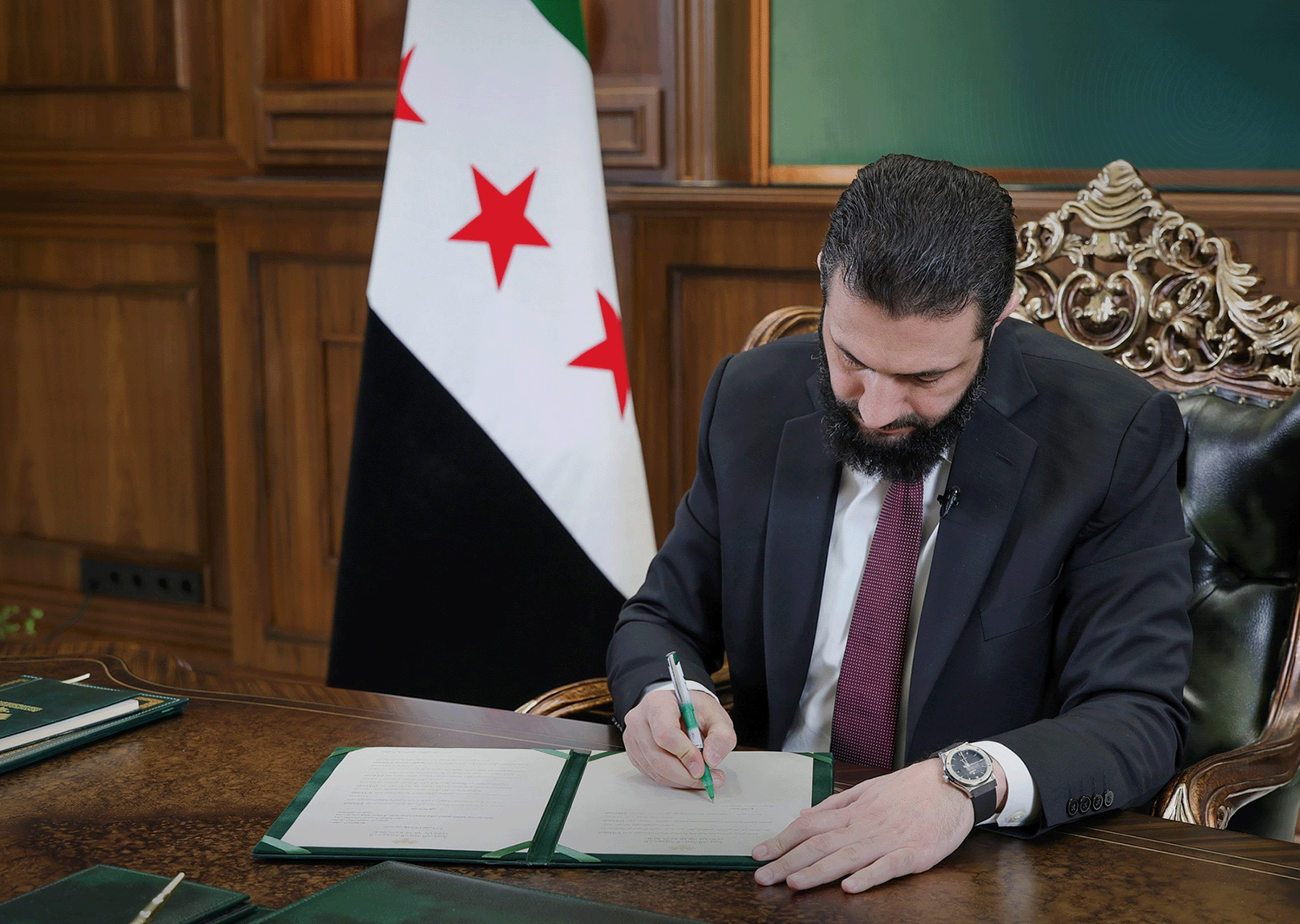
The decree, signed by Syrian President Ahmad Al-Shara’, outlines the responsibilities of state institutions in the fields of culture, education, and media. It also repeals all exceptional laws and measures stemming from the 1962 census in Al-Hasakah Governorate, which stripped hundreds of thousands of Kurds of their Syrian citizenship, rendering them stateless and depriving them of civil and political rights.
This report presents the contents of the decree which sparked public celebrations in parts of Syria while noting some criticisms over the need to enshrine such measures within a broader constitutional framework. It also assesses the decree’s significance, its potential implementation, and its real-life implications for Syria’s Kurdish population.
What does the decree entail?
On January 16, 2026, President Ahmad Al-Shara’ issued Decree No. 13, which guarantees the rights and cultural specificities of Syrian Kurds, enshrining them in law. The decree promises a “safe return and full participation in building a unified homeland for all its people.”
Al-Shara’ also urged Kurds not to believe divisive narratives, stating: “Anyone who harms you is our adversary. We seek Syria’s prosperity, development, and unity.”
The key provisions of the decree include:
-
Article 1: Syrian Kurds are recognized as an integral part of the Syrian people. Their cultural and linguistic identity is an inseparable component of the unified, pluralistic Syrian national identity.
-
Article 2: The state is committed to protecting cultural and linguistic diversity. It guarantees Kurds the right to preserve their heritage and arts and to develop their mother tongue within the framework of national sovereignty.
-
Article 3: Kurdish is recognized as a national language and may be taught in public and private schools in areas with a significant Kurdish population. It can be included as an elective subject or as part of cultural and educational activities.
-
Article 4: All exceptional laws and measures linked to the 1962 Al-Hasakah census are repealed. Syrian citizenship is granted to all individuals of Kurdish origin, including those previously undocumented, ensuring full equality in rights and responsibilities.
-
Article 5: The Kurdish New Year, Nowruz (March 21), is designated an official paid holiday nationwide, recognized as a national celebration of spring and brotherhood.
-
Article 6: State educational and media institutions must adopt inclusive national discourse. Any form of ethnic or linguistic discrimination or incitement to sectarianism is prohibited and punishable under existing laws.
-
Article 7: Relevant ministries and authorities are tasked with issuing the executive instructions required for implementing the decree.
-
Article 8: The decree shall be published in the official gazette and takes effect from the date of its issuance.
Celebrations and Official Responses: Ministry of Education Takes Action
The decree had immediate political, media, and social repercussions. Politicians and media figures welcomed it warmly, while celebrations erupted in cities and neighborhoods like Rukn al-Din in Damascus and Afrin in Aleppo’s countryside, with residents waving both Syrian and Kurdish flags and performing traditional Kurdish dances.
Various officials and entities released statements praising the move. Minister of Social Affairs and Labor, Hind Qabwat, called the decree “a practical and significant step toward enhancing citizenship and eliminating discrimination.” The German chargé d’affaires in Damascus, Clemens Haack, said the decree “corrects historical injustices against Kurdish citizens.”
Nechirvan Barzani, President of the Kurdistan Region of Iraq, also welcomed the move, calling it an important legal and political milestone toward building a new Syria that guarantees equal rights for all. He emphasized the need to transform the decree into binding laws and to enshrine them in Syria’s upcoming constitution to ensure their protection and longevity.
Conversely, the Autonomous Administration in northeastern Syria described the decree as a “first step” but said it falls short of meeting the aspirations of the Syrian people. It argued that rights should not be secured through temporary decrees but through a permanent constitution that reflects the will of all Syrian communities.
The Administration called for a democratic and pluralistic constitution to safeguard everyone’s rights equally.
Minister of Education, Mohammad Abdul Rahman Turko, described the inclusion of Kurdish in public school curricula as a major step toward securing cultural rights and reinforcing equal citizenship. He affirmed the ministry’s commitment to preparing the necessary executive instructions and regulatory decisions to implement the decree promptly.
In line with the decree, the Ministry of Education issued an order mandating inclusive national discourse across all educational institutions, banning any discriminatory or inflammatory rhetoric or behavior, and holding violators accountable under current laws and regulations.
The ministry also instructed provincial education directorates and school administrations—both public and private—to closely monitor implementation, report violations, and take necessary steps to foster a safe and inclusive educational environment.
A New National Pact
The decree comes thirteen months after the fall of Bashar al-Assad’s regime on December 8, 2024, and the beginning of Ahmad Al-Shara’s transitional presidency, set to last five years. His administration faces a host of pressing challenges, including repeated Israeli attacks, secessionist demands in Sweida, and ongoing security tensions accompanied by rights abuses in Syria’s coastal and southern regions.
The decree follows decades of systemic marginalization of Syrian Kurds, culminating in the infamous 1962 census, which rendered hundreds of thousands stateless. These policies intensified under the Baath Party and the Assad family’s rule.
From 1962 to 2011, over 517,000 Syrian Kurds were stripped of their citizenship. They faced severe restrictions on employment, marriage registration, child birth certificates, and more effectively excluding them from full participation in Syrian society.
In March 2025, a breakthrough seemed possible following an agreement between the Syrian government and the Syrian Democratic Forces (SDF) the military wing of the Kurdish-led Autonomous Administration in northeastern Syria. Though the agreement aimed to integrate SDF’s civil and military structures into state institutions before the end of 2025, it was never implemented.
Instead, clashes between the Syrian army and SDF escalated, with government forces reclaiming several areas previously under SDF control. As of this report’s publication, these confrontations are ongoing.
Expert Analysis: Toward a Legal and National Recognition
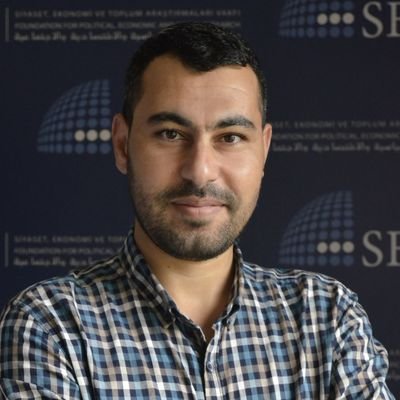
Political journalist and researcher Samer Al-Ahmad told Noon Post that Decree No. 13 marks a paradigm shift in how the Syrian state approaches identity and citizenship. “It moves away from ignorance or piecemeal solutions to a clear constitutional-political acknowledgment of a foundational component of the Syrian people,” he said.
Al-Ahmad sees the decree’s importance reflected in three key aspects:
-
Official Recognition: It offers formal national acknowledgment of Kurds as a core part of the Syrian populace and affirms their cultural and linguistic identity within a unified national framework.
-
Redressing Historical Injustices: It takes a decisive step toward resolving long-standing grievances by repealing the 1962 census measures and restoring citizenship to the stateless.
-
Legalizing Diversity: It shifts cultural diversity from being politically sensitive to being legally protected, notably through recognizing Kurdish as a national language and establishing Nowruz as an official holiday.
Rena Netjes, a journalist and expert on Arab affairs, called the decree “a highly strategic move” with impeccable timing. It undermines the SDF’s long-standing claim to be the sole guarantor of Kurdish rights, she said, while also making history by granting Kurds the same rights as Arab citizens for the first time in Syria.
Netjes highlighted the importance of granting citizenship to the stateless, noting that around 20% of Syria’s Kurds were stripped of their nationality in 1962 under Arab nationalist policies. Authorities at the time claimed that Kurds had entered Syria illegally from Turkey during the 1920s and 1930s.
As a result, they were denied basic rights such as education, healthcare, property ownership, freedom of movement, and even registering marriages and births.
Based on her fieldwork, Netjes recounted meeting stateless Kurds in the town of Amuda in Al-Hasakah who struggled to integrate into their own communities due to their lack of citizenship.
While the decree may have come late, she stressed that its importance should not be underestimated. Close monitoring and robust implementation, she argued, are crucial to ensure its promises become reality.
Researcher Samer Al-Ahmad concluded that the decree sends a powerful message to Syrian Kurds: the state no longer sees them as a security threat or a national exception but as full citizens. He emphasized two main positive outcomes:
-
Restoring Trust: It helps rebuild confidence between Kurdish citizens and the state after decades of legal marginalization.
-
Neutralizing Separatist Narratives: By safeguarding cultural and linguistic rights within the framework of national sovereignty, it undercuts the justification for separatist or authoritarian alternatives.
Al-Ahmad concluded by stating that Decree No. 13 is not a concession or symbolic gesture. Rather, it is a course correction a foundational step toward a new national pact built on citizenship, recognition, and the rule of law. It is, he said, a victory for both Syrian Kurds and the Syrian state as a whole.