







NoonPost NoonPost

NoonPost

  • Home
  • Politics
  • Economy
  • Society
  • Culture
  • Files
  • Long Reads
  • Podcast
AR
Notification Show More
نون بوست
“There Are Nights I Can’t Close My Eyes”: How Gazans Are Living in Homes on the Brink of Collapse
نون بوست
From al-Jolani to Ahmad al-Shara: The Evolution of Syria’s New Leader
نون بوست
When Political Islam Receded in Egypt: Who Filled the Void?
نون بوست
An Extension of Genocide: Gaza’s Detainees Speak Out
نون بوست
A Tightrope Between Survival and Sovereignty: The Syrian Government Faces Normalization Pressures
نون بوست
American Aircraft Carriers: Has the Era of “100,000 Tons of Diplomacy” Ended?
نون بوست
U.S. Regime‑Change Policies: Why They Are Destined to Fail
نون بوست
Transformations of Israeli Judaism: Between the Victim Complex and the Colonizer’s Doctrine
نون بوست
The Gulf’s Balancing Act: Iran, Israel, and Hidden Links
نون بوست
Iraq–Turkey Oil Export Treaty: Why Did Ankara Cancel It After 52 Years?
نون بوست
Syria’s Northeast on Edge: QSD Between Ankara and Damascus
نون بوست
Has Europe Changed Its Stance on Israel… or Just Its Language?
NoonPost NoonPost
AR
Notification Show More
نون بوست
“There Are Nights I Can’t Close My Eyes”: How Gazans Are Living in Homes on the Brink of Collapse
نون بوست
From al-Jolani to Ahmad al-Shara: The Evolution of Syria’s New Leader
نون بوست
When Political Islam Receded in Egypt: Who Filled the Void?
نون بوست
An Extension of Genocide: Gaza’s Detainees Speak Out
نون بوست
A Tightrope Between Survival and Sovereignty: The Syrian Government Faces Normalization Pressures
نون بوست
American Aircraft Carriers: Has the Era of “100,000 Tons of Diplomacy” Ended?
نون بوست
U.S. Regime‑Change Policies: Why They Are Destined to Fail
نون بوست
Transformations of Israeli Judaism: Between the Victim Complex and the Colonizer’s Doctrine
نون بوست
The Gulf’s Balancing Act: Iran, Israel, and Hidden Links
نون بوست
Iraq–Turkey Oil Export Treaty: Why Did Ankara Cancel It After 52 Years?
نون بوست
Syria’s Northeast on Edge: QSD Between Ankara and Damascus
نون بوست
Has Europe Changed Its Stance on Israel… or Just Its Language?
Follow US

Faces of Gaza’s Transitional Phase: Who Will Govern the Strip?

فريق التحرير
Noon Post Published 26 March ,2026
Share
نون بوست
نون بوست
The first phase suffered setbacks, most notably Israeli military violations and the occupation’s failure to adhere to the humanitarian protocol.

Despite lingering setbacks in the first phase, the United States has officially announced the launch of the second phase of the Gaza ceasefire agreement, marked by the formation of a technocratic Palestinian committee to administer the territory.

Steve Witkoff, the special envoy of President Donald Trump, stated that this new phase “establishes a transitional technocratic Palestinian administration in Gaza” and initiates efforts toward disarmament of factions and the reconstruction of the enclave.

The American move came in coordination with key regional mediators Egypt, Qatar, and Turkey who described it as a significant step toward stability and improving Gaza’s dire humanitarian situation.

Focus on Disarmament Without Israeli Withdrawal

The first phase faced major setbacks, chief among them repeated Israeli military violations and the failure to fully implement humanitarian protocols, including the opening of border crossings. According to Gaza’s Government Media Office, Israel committed 1,244 violations during the first phase, resulting in 449 fatalities and 1,246 injuries.

The second phase tackles thorny issues, most notably the disarmament of Hamas and other resistance factions an objective still lacking a clear mechanism and opposed by several Palestinian parties.

Trump’s plan calls for the deployment of an international peacekeeping force in Gaza to help implement this goal. However, the idea remains controversial, with Israel objecting to the participation of certain countries, especially Turkey and Qatar.

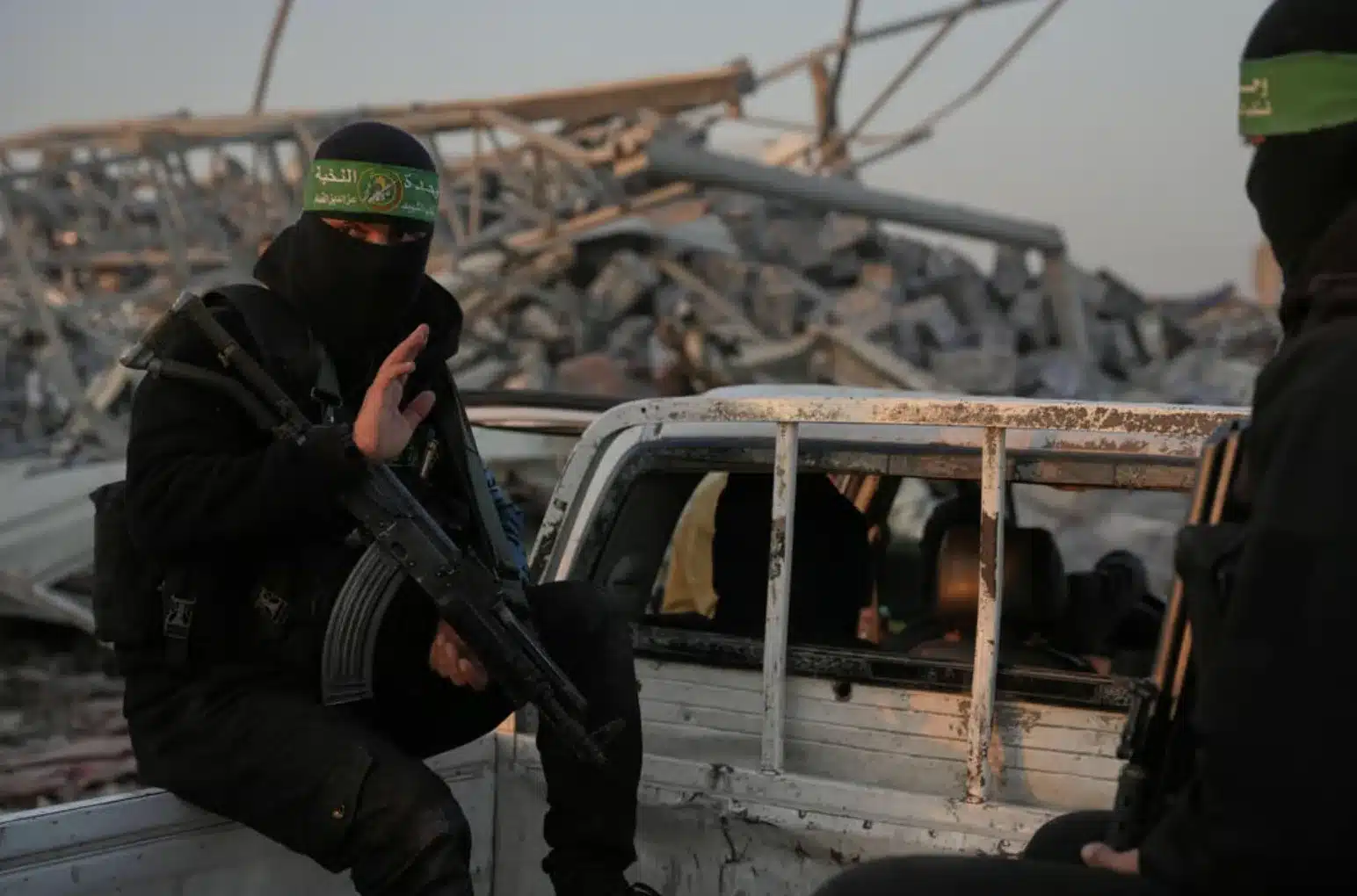
Hamas has repeatedly declared that it will not relinquish its weapons except as part of a comprehensive solution that guarantees the establishment of a Palestinian state. This stance highlights the complexities surrounding implementation. Conversely, Israel has linked any further military withdrawal from Gaza to progress on the disarmament front.

Israel’s public broadcaster, Kan, cited officials stating that no withdrawal from the so-called “Yellow Line” in eastern Gaza comprising 53% of the Strip would occur without tangible advancement on the disarmament issue.

Notably, Witkoff’s announcement of the second phase emphasized Hamas’s disarmament, governance arrangements, and reconstruction efforts without any mention of an Israeli withdrawal from Gaza.

A Palestinian Committee to Govern Gaza

The second phase kicked off with the formal announcement of a Palestinian technocratic committee tasked with overseeing civil administration in Gaza during the transitional period.

Comprising 14 members, the committee will operate under the supervision of the so-called “Peace Council,” led by Trump and several international figures yet to be named. The formation of the committee has garnered support from major Palestinian factions, including both Hamas and Fatah.
نون بوست
Hamas has repeatedly stated that it will not give up its weapons except as part of a comprehensive solution (AP).

Its responsibilities include managing public services and coordinating emergency relief efforts for over two million Palestinians in war-ravaged Gaza. These efforts encompass shelter provision for the displaced and restoring the devastated infrastructure.

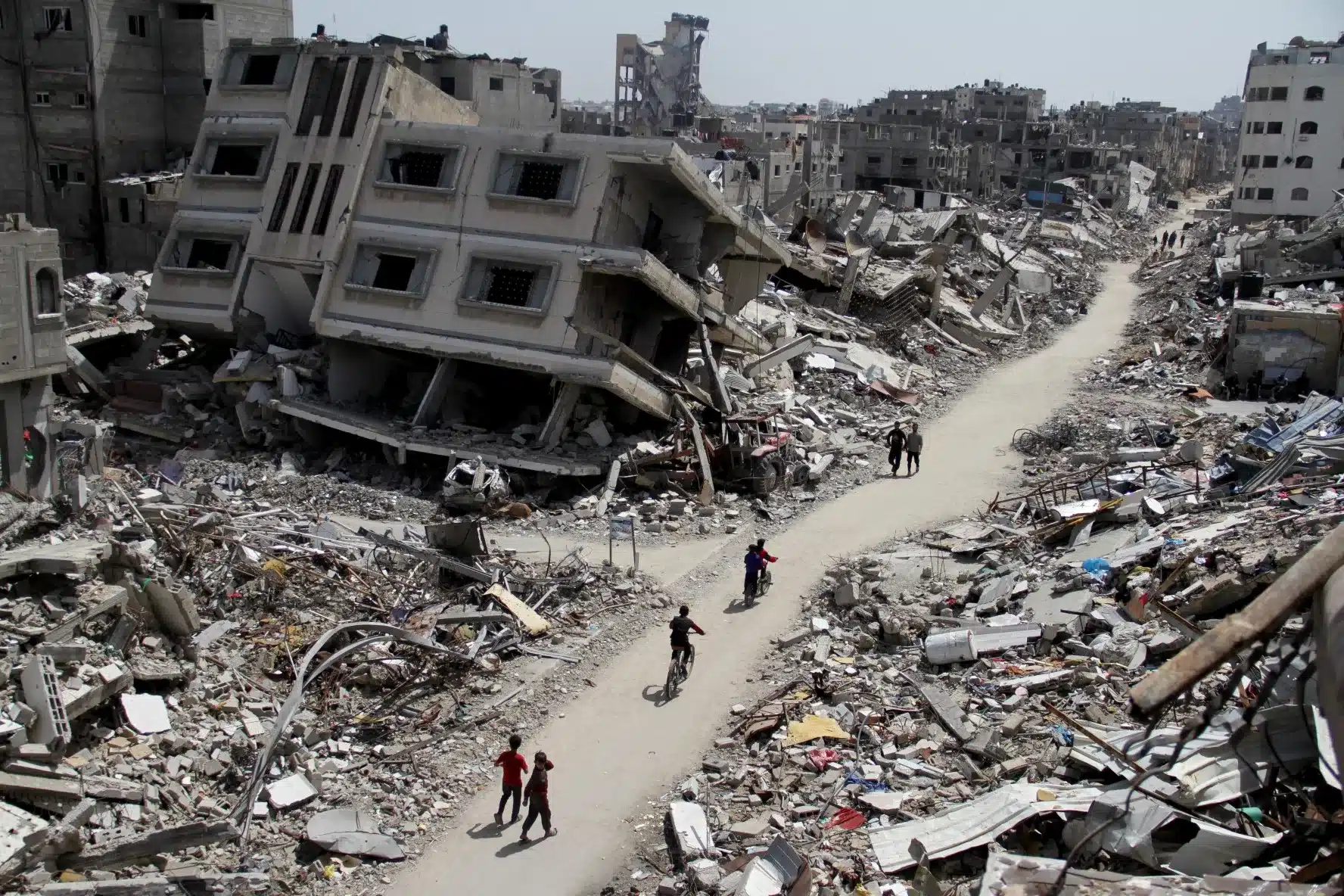
The committee faces a formidable challenge. The war has destroyed nearly 90% of Gaza’s infrastructure, and the United Nations estimates the cost of reconstruction at over $50 billion an endeavor expected to span many years.

The committee’s inaugural meeting is scheduled to take place in Cairo within days, where it will finalize its organizational structure and logistical support arrangements. Members from Gaza will convene with counterparts arriving from the West Bank and abroad.

Committee Members and Their Mandates

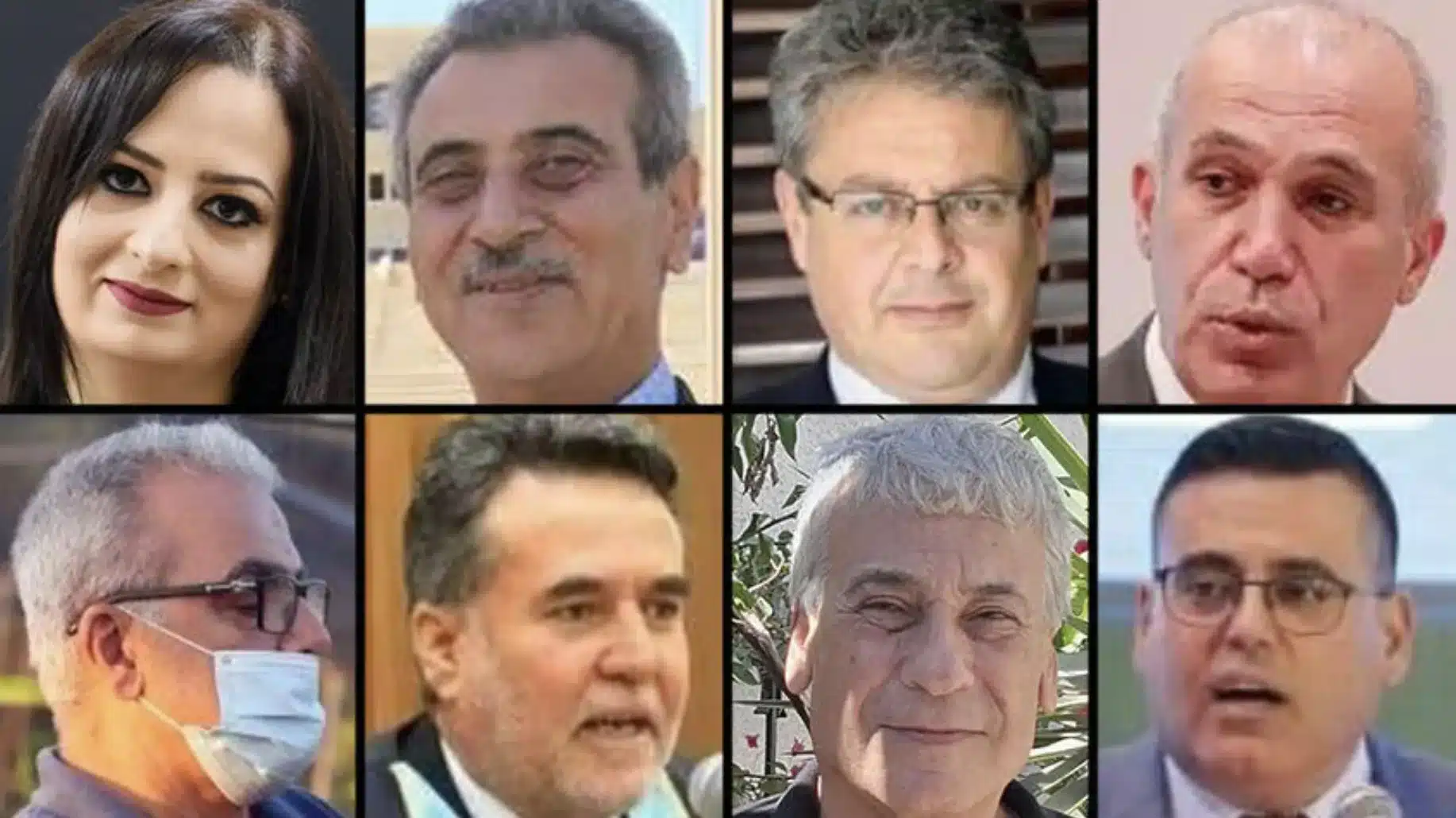
The committee brings together Palestinian professionals with expertise in governance, economics, and public services. Key members and their portfolios include:

  • Ali Shaath – Committee Chair: An engineer and development expert, formerly Deputy Minister of Planning in the Palestinian Authority. He led industrial zone development projects in Gaza.

  • Ayed Abu Ramadan – Economy and Trade: Head of Gaza’s Chamber of Commerce and Industry, tasked with reviving the local economy and rehabilitating the private sector.

  • Jabr Al-Daour – Education: An academic and president of the University of Palestine in Gaza, overseeing the reopening of schools and compensating for educational losses.

  • Basheer Al-Rayyes – Finance: A financial and engineering consultant, responsible for managing public finances, regulating expenditures, and overseeing incoming reconstruction funds.

  • Abdel Karim Ashour – Agriculture: President of the Agricultural Relief Association and a community activist, tasked with reviving the agricultural sector devastated by destruction and land razing.

  • Aed Yaghi – Health: Director of the Medical Relief Society in Gaza, leading efforts to sustain the crippled healthcare system and ensure medical supply chains.

  • Omar Shomali – Telecommunications: Head of Palestine Telecommunications Company (Paltel) in Gaza, responsible for rebuilding vital telecom and internet infrastructure.

  • Ali Barhoum – Municipal and Public Services: An engineer and advisor to Rafah Municipality, charged with restoring water and sanitation systems, managing municipal projects, and overseeing temporary housing facilities.

  • Hanaa Terzi – Social Development: A seasoned attorney and the first Christian woman to practice law in Gaza, overseeing social affairs, women’s support, and family welfare in the ongoing humanitarian crisis.

  • Mohammed Bseiso – Judiciary: A prominent lawyer and owner of one of Gaza’s largest law firms, tasked with reactivating the judiciary and ensuring the rule of law during the transition.

  • Major General Sami Nusman – Internal Security: A retired Palestinian Authority security officer known for his opposition to Hamas. He will coordinate internal affairs and police operations with local forces.

  • Arabi Abu Shaaban – Land Affairs: Former head of the Land Registry Department in Gaza, leading the Land Authority and managing property records and compensation for losses.

  • Osama Saadawi – Housing and Public Works: An engineer and businessman, and a former minister in the Ramallah-based government, appointed to lead reconstruction and housing initiatives.

  • Husni Al-Mughani – Tribal Affairs: A well-known figure in tribal reconciliation committees, nicknamed Abu Salman, responsible for engaging clan leaders to maintain social stability and mediate internal disputes.

Challenges Ahead

Reports indicate that at least three committee members—including Chair Ali Shaath—are affiliated with the so-called “Reformist Current” within Fatah, led by exiled leader Mohammed Dahlan. Alongside Shaath, both academic Jabr Al-Daour and tribal figure Husni Al-Mughani are known to have ties to Dahlan, whose faction enjoys support from the United Arab Emirates.

This alignment has raised concerns among certain Palestinian circles, given the longstanding rifts between Dahlan and both Hamas and the Palestinian Authority leadership. Meanwhile, Major General Sami Nusman assigned to the internal security portfolio is regarded as a staunch Hamas opponent who relocated to the West Bank following the group’s takeover of Gaza in 2007.
نون بوست
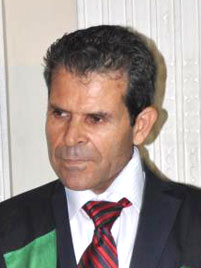
From top right: Aed Yaghi, Bashir Al-Rayes, Ali Shaath, Hanaa Tarzi, Omar Shamali, Abdul Karim Ashour, Jabr Al-Daour, Aed Abu Ramadan

The inclusion of such figures could complicate the committee’s efforts to earn Hamas’s trust. While the group has agreed to hand over civil administration, it remains wary of being sidelined or undermined by its rivals within the new leadership.

Hamas, though formally relinquishing governance, has called for its administrative cadres to retain a role in day-to-day operations a demand rejected by other participating factions.

Fatah, for its part, insists that the committee’s legitimacy and operations be coordinated with the Ramallah-based government to prevent further political fragmentation.

Meanwhile, Israel cautiously welcomed the appointment of what it described as “moderate” figures, most of whom are affiliated with Fatah and known to Israeli authorities. Sources told Yedioth Ahronoth that the proposed names are “acceptable to Israel” as they resemble the Palestinian Authority officials it currently engages with, several of whom reside in the West Bank.

Download this article as PDF
Share this Article
Facebook Twitter Whatsapp Whatsapp Telegram Email Copy Link
فريق التحرير
By فريق التحرير تقارير يعدها فريق تحرير نون بوست.
Follow:
Previous Article نون بوست From Artificial Intelligence to Churches: How “Israel” Buys American Sympathy
Next Article نون بوست Behind Washington’s Terrorist Designation of the Muslim Brotherhood: Who Pushed the Move and Why Now?

Read More

  • U.S. Regime‑Change Policies: Why They Are Destined to Fail U.S. Regime‑Change Policies: Why They Are Destined to Fail
  • The Gulf’s Balancing Act: Iran, Israel, and Hidden Links
  • Iraq–Turkey Oil Export Treaty: Why Did Ankara Cancel It After 52 Years?
  • Syria’s Northeast on Edge: QSD Between Ankara and Damascus
  • Has Europe Changed Its Stance on Israel… or Just Its Language?
part of the design
NoonPost Weekly Newsletter

You May Also Like

U.S. Regime‑Change Policies: Why They Are Destined to Fail

U.S. Regime‑Change Policies: Why They Are Destined to Fail

إسراء سيد Esraa sayed 8 April ,2026
The Gulf’s Balancing Act: Iran, Israel, and Hidden Links

The Gulf’s Balancing Act: Iran, Israel, and Hidden Links

فريق التحرير Noon Post 8 April ,2026
Iraq–Turkey Oil Export Treaty: Why Did Ankara Cancel It After 52 Years?

Iraq–Turkey Oil Export Treaty: Why Did Ankara Cancel It After 52 Years?

فريق التحرير Noon Post 8 April ,2026

​ظلال على السياسة الفلسطينية المحلية البائسة

عادل الأسطل
عادل الأسطل Published 6 July ,2015
Share
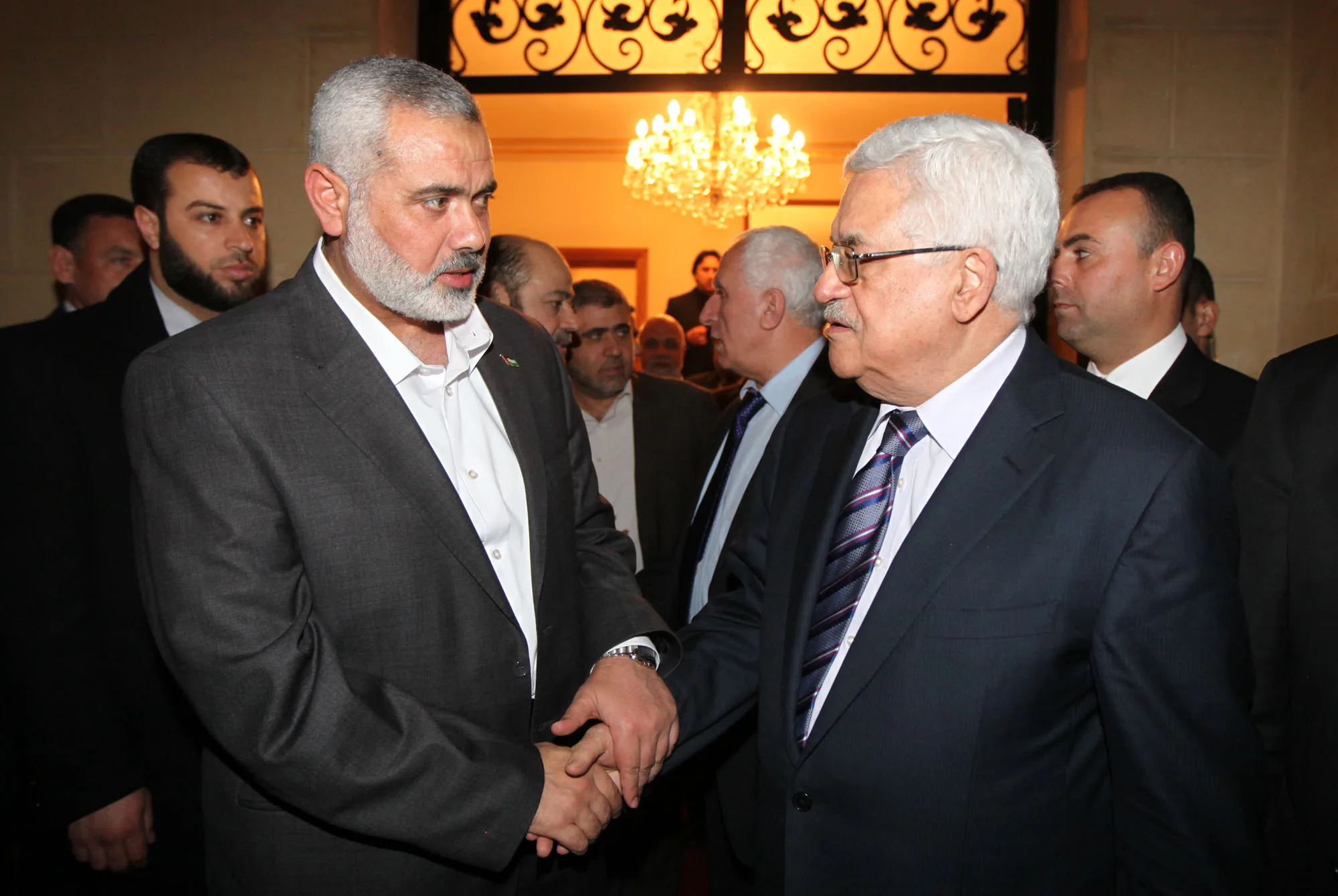
abas-hanya

حكومة التوافق الفلسطينية والتي تم تشكيلها بناءً على تفاهمات بين حركتي فتح وحماس، في أوائل يونيو من العام الفائت، كان من المفترض لها إلى جانب مزاولة نشاطاتها في تأدية خدماتها للجمهور الفلسطيني كأي حكومة أخرى، أن تعمل على تحقيق الأهداف التي تم الإعلان عنها، وهي توحيد المؤسسات الفلسطينية داخل شطري الوطن، والتحضير لانتخابات تشريعية ورئاسية، وإنهاء حالة الانقسام السياسي، إلاّ أنها فشلت في تحقيق أيّ منها، كما أنها أخفقت في منع حدوث أي اختناقات بين الحركتين أو التخفيف من حدّتها أيضًا.

فعلى مدار حياتها، واصلت مكائن الإعلام المنتصبة في رام الله تشويه صورة حماس، بأنها سبب الانقسام الفلسطيني، وتتخذ من الدين ستارًا لبسط سلطتها الانقلابية، ولممارسة نشاطاتها الخارجة عن العرف والقانون، وتجعل العصي في دواليب المصالحة بحجج وذرائع لا تصبّ سوى في إبقاء سيطرتها على منطقة القطاع، ضمن أيديولوجيا سوداء حالكة.

وبنفس القدر، واصلت آلات حماس المسلطة، تلطيخ سمعة حركة فتح، بأنها تقود السلطة للتعاون مع إسرائيل، نحو تنفيذ مخططات، تهدف إلى القضاء على المقاومة في منطقة الضفة الغربية، وهي تستمر بالتنسيق الأمني، والذي يسير على قدمٍ وساق على حساب القضية الفلسطينية ومصالح الشعب الفلسطيني، حتى على الرغم من اتخاذها قرارات متتالية بأنها ستقوم بوقفه.

خلال الأيام الفائتة شهدنا جولة ساخنة أخرى بين الحركتين، من خلال قيام أجهزتهما الأمنية بشن حملة واسعة من الاعتقالات والإجراءات ضد صفوف أعضاء كل منهما، حيث قامت أجهزة رام الله الأمنية بمطاردة واعتقال نشطاء حماس دونما إبطاء، وطالت قادة وشخصيات مؤيدة أو متعاطفة، وأخرى من الأسرى المحررين، أدت إلى قيام أجهزة حماس بممارسة إجراءات غاية في الشدة والعنف باتجاه حركة فتح، فعلاوة على قيامها باستدعاء العديد من أعضائها، فقد وضعت آخرين رهن الإقامة الجبرية أو تحت الرقابة الصارمة، ووصل بالبعض إلى اتهامها وفي أحايين سابقة، بأنها هي من تقوم بإطلاق النار على أعضاء الحركة، بهدف ترويعهم والتضييق عليهم.

رغم دعوات فصائل فلسطينية مختلفة، بضرورة وقف جولة التسخين وإطلاق سراح المعتقلين، باعتبارها طعنة للشعب الفلسطيني ومقاومته، وتقدم خدمة مجانية للاحتلال، إلاّ أنها لم تجد آذانًا صاغية، باعتبار أن سلسلة الاعتقالات لدى رام الله، تأتي في إطار مواجهة الخارجين عن القانون، وفي ذات الوقت، فهي لا تنفي بأنها تأتي في سياق عدم السماح لحماس بتغيير المشهد القائم في الضفة الغربية، سيما بعد أن توفّر معلومات مكتملة لأجهزتها الأمنية، بأن حماس تنوي جرها إلى حرب مع الاحتلال أو إلى حرب داخلية.

قد تكون الذرائع السابقة قوية كي تُذاع أمام الرأي المحلّي على الأقل، لكن قيادة السلطة، تعتمد ذرائع متراكمة ومعقدة ضد حماس، ليست بأقل مما تُكنّه حماس باتجاهها باعتبارها حركة تنوي نسخ المقاومة وحماس تحديدًا عن الساحة السياسية، لتودي بالقضية الفلسطينية وبحياة الشعب الفلسطيني بشكلٍ عام.

فقد صاغت مؤخرًا، بأن حماس تسعى إلى الترتيب مع إسرائيل لنسج علاقة جيدة، تهدف إلى أوضاع جديدة في القطاع، وفي ضوء أن جهات إسرائيلية سياسية وأخرى على مستوى الجيش الإسرائيلي، ترى بضرورة بقاء حماس في الحكم، وإن كانت تلك الرؤى تتحقق من خلال إتمام الهدنة الطويلة المنتظرة.

كما صاغت، بأنها تقوم بالتودد إلى تنظيم حزب الله اللبناني، لترقيع علاقاتها  معه باعتباره السبيل السهل للعودة إلى الحظيرة الإيرانية، لضمان تدفق المساعدات المالية، والتي ستسمح لها في حال وصولها، بأن تتعاظم من جديد، أمام الشرعية الفلسطينية، والشعب الفلسطيني بشكلٍ عام، وبنفس الصياغة، فقد ادعت أن حماس ضالعة في أحداث سيناء ضد القوات المصرية.

تأتي تلك الإجراءات والصياغات اللاحقة والردود المُقابلة، باعتبارها سياسة محلية بائسة، والتي من شأنها تغليظ العِنادات المتبادلة، وخلق صراعات جديدة وممتدّة تشمل كافة جبهات الساحة الفلسطينية، وكنّا استمعنا إلى أن اعتقالات الضفة ستستمر، وإلى تهديدات حمساوية قاسية، والتي أوضحت بأن أجهزة رام الله الأمنية ستصبح هدفًا للمقاومة، وهذه من شأنها قد تعمل على تهديم سُبل المصالحة، وعطب أي مِصعد لأي توافق وطني.

بغض النظر عن تباعد مساري الحركتين، وسواء باتجاه العلاقة مع إسرائيل، أو بشأن كيفية إدارة الحياة الفلسطينية العامة، فإن الأجدر أمامهما واحترامًا منهما باتجاه الفلسطينيين، اللجوء إلى ضبط النفس، والابتعاد عمّا يمكن أن يعكر المعكور أصلًا، وكل ما من شأنه تعميق الأزمة باتجاه بعضهما البعض، والتركيز على مبدأ أن لهما مصلحة مشتركة باتجاه إعادة اللحمة بين قسمي الشعب الفلسطيني، وخاصة خلال هذه الفترة، والتي لايزال يحترق فيها الشرق الأوسط، ويتجدد المشروع الصهيوني.

TAGGED: الأجهزة الأمنية الفلسطينية ، السلطة الفلسطينية ، العلاقات بين حماس وفتح ، المصالحة الفلسطينية ، حركة حماس
Download this article as PDF
Share this Article
Facebook Twitter Whatsapp Whatsapp Telegram Email Copy Link
عادل الأسطل
By عادل الأسطل محلل سياسي - خان يونس، فلسطين
Follow:
Next Article نون بوست The Stigma of “ISIS”: A Heavy Legacy Haunting Women and Children of Former Members
part of the design
NoonPost Weekly Newsletter
dark

An independent media platform founded in 2013, rooted in slow journalism, producing in-depth reports, analysis, and multimedia content to offer deeper perspectives on the news, led by a diverse young team from several Arab countries.

  • Politics
  • Society
  • Rights & Liberties
  • Opinions
  • History
  • Sports
  • Education
  • Technology
  • Economy
  • Media
  • Arts & Literature
  • Entrepreneurship
  • Travel
  • Cinema & Drama
  • Food
  • Health
  • Culture
  • Latest Reports
  • Files
  • Long Reads
  • Interviews
  • Podcast
  • Interactive
  • Encyclopedia
  • In Pictures
  • About Us
  • Our Writers
  • Write for Us
  • Editorial Policy
  • Advanced Search
Some rights reserved under a Creative Commons license

Removed from favorites

Undo
Go to mobile version