NoonPost NoonPost

NoonPost

  • Home
  • Politics
  • Economy
  • Society
  • Culture
  • Files
  • Long Reads
  • Podcast
AR
Notification Show More
نون بوست
“There Are Nights I Can’t Close My Eyes”: How Gazans Are Living in Homes on the Brink of Collapse
نون بوست
From al-Jolani to Ahmad al-Shara: The Evolution of Syria’s New Leader
نون بوست
When Political Islam Receded in Egypt: Who Filled the Void?
نون بوست
An Extension of Genocide: Gaza’s Detainees Speak Out
نون بوست
A Tightrope Between Survival and Sovereignty: The Syrian Government Faces Normalization Pressures
نون بوست
American Aircraft Carriers: Has the Era of “100,000 Tons of Diplomacy” Ended?
نون بوست
U.S. Regime‑Change Policies: Why They Are Destined to Fail
نون بوست
Transformations of Israeli Judaism: Between the Victim Complex and the Colonizer’s Doctrine
نون بوست
The Gulf’s Balancing Act: Iran, Israel, and Hidden Links
نون بوست
Iraq–Turkey Oil Export Treaty: Why Did Ankara Cancel It After 52 Years?
نون بوست
Syria’s Northeast on Edge: QSD Between Ankara and Damascus
نون بوست
Has Europe Changed Its Stance on Israel… or Just Its Language?
NoonPost NoonPost
AR
Notification Show More
نون بوست
“There Are Nights I Can’t Close My Eyes”: How Gazans Are Living in Homes on the Brink of Collapse
نون بوست
From al-Jolani to Ahmad al-Shara: The Evolution of Syria’s New Leader
نون بوست
When Political Islam Receded in Egypt: Who Filled the Void?
نون بوست
An Extension of Genocide: Gaza’s Detainees Speak Out
نون بوست
A Tightrope Between Survival and Sovereignty: The Syrian Government Faces Normalization Pressures
نون بوست
American Aircraft Carriers: Has the Era of “100,000 Tons of Diplomacy” Ended?
نون بوست
U.S. Regime‑Change Policies: Why They Are Destined to Fail
نون بوست
Transformations of Israeli Judaism: Between the Victim Complex and the Colonizer’s Doctrine
نون بوست
The Gulf’s Balancing Act: Iran, Israel, and Hidden Links
نون بوست
Iraq–Turkey Oil Export Treaty: Why Did Ankara Cancel It After 52 Years?
نون بوست
Syria’s Northeast on Edge: QSD Between Ankara and Damascus
نون بوست
Has Europe Changed Its Stance on Israel… or Just Its Language?
Follow US

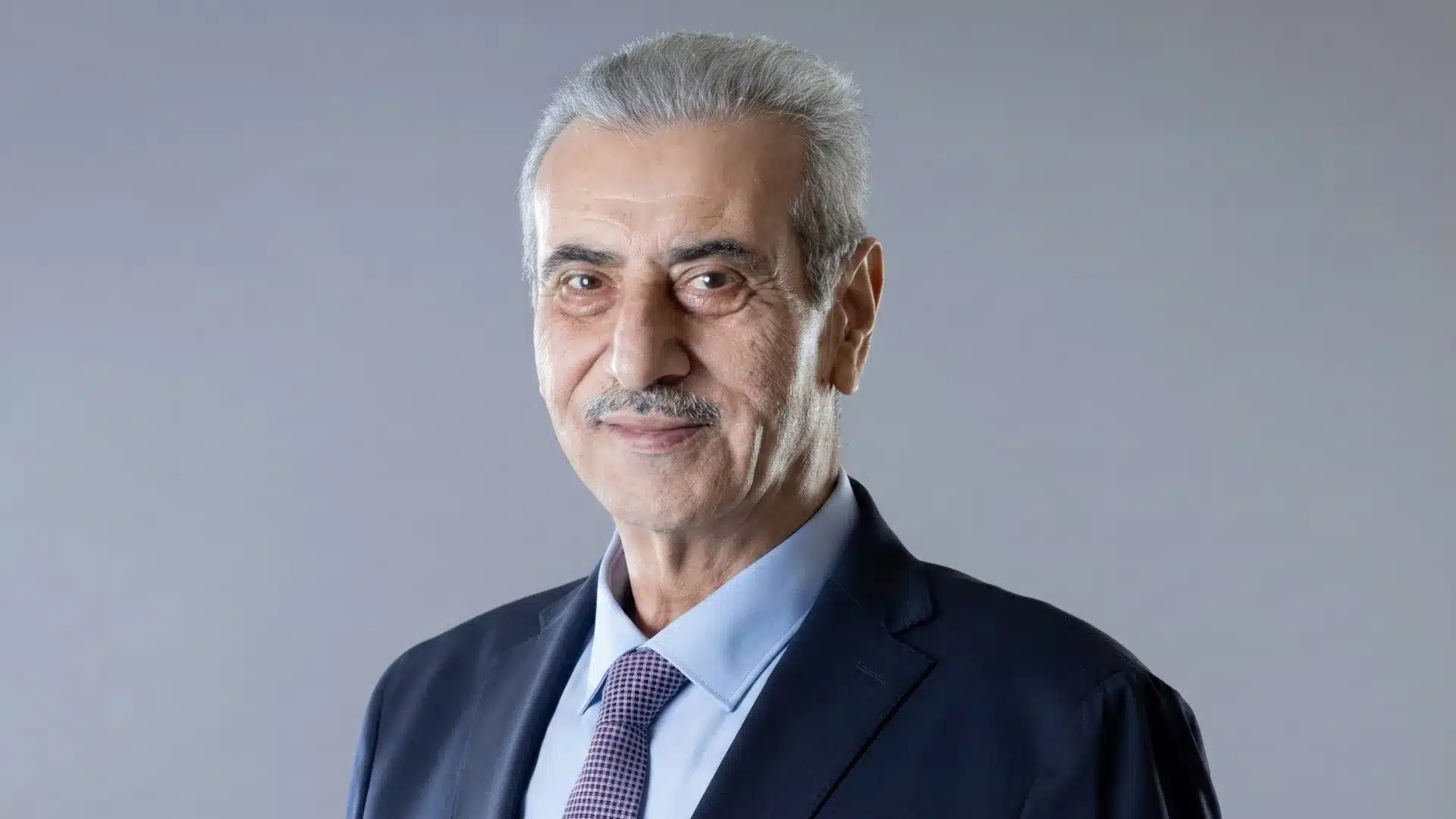
Ali Shaath Appointed Head of Gaza Technocratic Committee: What Do We Know About Him?

فريق التحرير
Noon Post Published 26 March ,2026
Share
نون بوست
نون بوست

On January 14, 2026, Egypt, Qatar, and Turkey jointly announced the completion of the formation of the Palestinian technocratic committee tasked with governing the Gaza Strip. The announcement marks a major step in the second phase of the ceasefire agreement for Gaza, initially unveiled on October 9, 2025, in the Egyptian city of Sharm El-Sheikh.

This committee, which will oversee the daily affairs of Gaza, is a key component of the U.S.-backed roadmap proposed by former President Donald Trump to reorganize the governance of the Strip after more than two years of devastating war. The conflict resulted in hundreds of thousands of deaths and injuries, and triggered large-scale internal and external displacement.

Mediators reached consensus on appointing Dr. Ali Abdelhamid Shaath as head of the committee, viewing the decision as a significant step toward enhancing stability and improving humanitarian conditions in Gaza. But who is Ali Shaath, and what experience does he bring to the role?

Ali Shaath: Son of Khan Younis

Born in 1958 in the southern Gaza city of Khan Younis, Ali Shaath hails from a prominent family with deep roots in national and political life. The majority of his extended clan have long been affiliated with the Fatah movement.

The Shaath family is among the most influential Palestinian families, having contributed for decades to the political, cultural, and economic fabric of Palestine, particularly in Gaza. The family’s name has been associated with national activism and diplomacy, and has produced renowned scholars, engineers, and politicians who have left their mark across the Arab world and internationally.

The family’s origins trace back to Khan Younis, and they are considered part of Gaza’s intellectual and political elite. Historically, they were landowners and traders before shifting toward higher education in the early 20th century.

Following the Nakba and the subsequent upheavals, the family dispersed across the region, giving it a broad regional footprint, with core communities in Khan Younis and Gaza City, a significant branch in Egypt, and others in Ramallah, Lebanon, and Jordan. Members of the family are also present in the United States and Europe.

Since its early days, the family has been engaged in the Palestinian national movement, closely aligned with Fatah and the Palestine Liberation Organization (PLO), while maintaining its image as an educated, technocratic pillar within these movements.

Among the family’s notable historical figures are Dr. Nabil Shaath, the veteran politician and former foreign minister; Dr. Ali Rashid Shaath, a pioneer in education and economic development; and the late Ali Shaath, a digital activist and IT expert who left a lasting legacy in Arab tech content before his passing in 2013.

Education: From Cairo to Belfast

Shaath’s academic journey took him from Egypt to the United Kingdom:

  • He earned his bachelor’s degree in civil engineering from Ain Shams University in Cairo in 1982, followed by a master’s degree in 1986.

  • In 1989, he completed a Ph.D. in civil engineering from Queen’s University in Belfast, specializing in infrastructure planning and urban development.

Extensive Experience in Development Planning

Shaath brings decades of expertise in development planning, economic reform, reconstruction, and infrastructure development. His career spans government roles within the Palestinian Authority, executive management, and consultancy work. He has:

  • Contributed to drafting strategic development plans for the State of Palestine.

  • Oversaw critical infrastructure and road network projects, playing a key role in urban planning and regional development.

His extensive background in reconstruction and urban planning is widely seen as the primary reason for his nomination to lead the Gaza technocratic committee.

Executive Experience, Limited Political Exposure

Shaath has had limited formal political involvement and has not been affiliated with any party or institutional body. However, his professional experience includes several prominent roles:

  • Deputy to former Minister of Planning and International Cooperation Nabil Shaath during the early days of the Palestinian Authority, contributing to planning and strategic initiatives.

  • Undersecretary at the Ministry of Transport and Communications, where he helped enhance infrastructure and road networks.

  • CEO of the Palestinian Industrial Estates and Free Zones Authority.

  • Chairman of the Palestinian Housing Council.

  • Head of the Palestinian Ports Authority.

  • Member of the final-status negotiations team in 2005.

  • Advisor to the Palestinian Economic Council for Development and Reconstruction (PECDAR).

  • Advisor to the Minister of Public Works and Housing, despite his retirement.

The Technocratic Committee: Purpose and Structure

The National Committee for the Administration of Gaza, also known as the “Technocratic Committee,” which Shaath now leads, is the centerpiece of the “second phase” of the ceasefire and reconstruction framework agreed upon in mid-January 2026.

Composed of 15 independent, non-partisan figures from Gaza, the committee aims to unify service administration and distance it from political rivalries.

Its mandate includes managing day-to-day affairs and preparing for the post-war era, with oversight of critical sectors such as health, education, and local governance to ensure continuity of essential services.

The committee is also responsible for internal security, reconstruction efforts, and assuming administrative control from Hamas. It coordinates closely with international partners and operates under the supervision of the “Peace Council,” led by Nikolay Mladenov, while liaising with donors and key intermediaries (Egypt, Qatar, Turkey, and the U.S.).

In addition to Ali Shaath as chair, other key figures include:

  • Maj. Gen. Sami Nasman – Oversees internal security; a respected professional tasked with rebuilding Gaza’s civil police forces.

  • Aed Abu Ramadan – Responsible for industry and the economy; a seasoned economist and former president of Gaza’s Chamber of Commerce, tasked with revitalizing the private sector and local markets.

  • Hanaa Terzi – Oversees relief and social solidarity; a prominent humanitarian figure who coordinates with UNRWA and international aid organizations.

  • Nikolay Mladenov – Serves as Director General of the Peace Council, managing international coordination and ensuring continued financial support for the committee’s work.

The committee represents a model of independent institutional governance aimed at stabilizing Gaza’s civil and economic landscape, while serving as a vital conduit between local authorities and international stakeholders to ensure a successful post-war transition.

Legitimacy and International Backing

The committee, and Shaath in particular, have received formal backing from the Palestinian presidency, represented by Hussein al-Sheikh, who emphasized the importance of rule of law and unity of governance. The committee also gained broad acceptance from Palestinian factions during the Cairo meetings in January 2026, bolstering its local political legitimacy.

The committee is considered a product of the revised “Trump Peace Plan” and enjoys strong support from Egypt and Turkey, both keen to prevent a resurgence of chaos or renewed armed conflict in the Strip.

In a joint statement after meetings in Cairo, Palestinian factions — including Hamas — expressed support for the mediators’ efforts in forming the transitional national committee to manage Gaza and stressed their commitment to facilitating a smooth transfer of authority.

Hamas has repeatedly declared that it seeks no role in the new governance framework and will limit itself to monitoring the handover process to ensure stability and accelerate reconstruction.

The Palestinian presidency also issued a statement affirming its support for the formation of the transitional committee.

The committee held its first official meeting in Cairo on January 15, 2026, during which it began outlining its “First 30-Day Plan,” focusing on key priorities: reopening border crossings, restoring security, clearing debris, and restoring basic services.

What Is Israel’s Position?

Israel’s domestic intelligence agency, Shin Bet, reportedly approved the formation of Shaath’s committee during a session of the Israeli Security Cabinet. Shin Bet chief David Zini presented the names of the 15 members, confirming they are not affiliated with Hamas but maintain links to the Palestinian Authority.

However, Israeli National Security Minister Itamar Ben-Gvir objected to Shaath’s appointment, citing his past role as deputy planning minister under the late President Yasser Arafat and his current affiliation with the Palestinian Authority. Ben-Gvir voiced his objection to Shin Bet’s chief, questioning sarcastically whether Shaath had suddenly transformed from a senior PA official into a human rights activist.

Zini responded that Shaath met the criteria set by the political leadership.

International Reactions

United States: Washington described Shaath as a “reliable, non-partisan” partner capable of overseeing the transition without legal complications related to factional affiliations. American media, including The New York Times, portrayed his appointment as part of a revamped peace initiative.

United Nations: The international peace process coordinator expressed optimism, stating that Shaath’s committee would serve as the executive arm of the proposed International Peace Council overseeing Gaza.

Ali Shaath is being widely viewed as the “man of a difficult moment” a consensus figure endorsed by disparate players including Hamas, the Palestinian Authority, international mediators, and the United States. However, the success of the technocratic committee he leads will ultimately depend on the durability of the ceasefire and the sustained flow of international financial support.

Download this article as PDF
Share this Article
Facebook Twitter Whatsapp Whatsapp Telegram Email Copy Link
فريق التحرير
By فريق التحرير تقارير يعدها فريق تحرير نون بوست.
Follow:
Previous Article نون بوست Behind Washington’s Terrorist Designation of the Muslim Brotherhood: Who Pushed the Move and Why Now?
Next Article نون بوست “Political Bullying Has Weakened International Law”: An interview with Novelist Hisham Matar

Read More

  • U.S. Regime‑Change Policies: Why They Are Destined to Fail U.S. Regime‑Change Policies: Why They Are Destined to Fail
  • The Gulf’s Balancing Act: Iran, Israel, and Hidden Links
  • Iraq–Turkey Oil Export Treaty: Why Did Ankara Cancel It After 52 Years?
  • Syria’s Northeast on Edge: QSD Between Ankara and Damascus
  • Has Europe Changed Its Stance on Israel… or Just Its Language?
part of the design
NoonPost Weekly Newsletter

You May Also Like

U.S. Regime‑Change Policies: Why They Are Destined to Fail

U.S. Regime‑Change Policies: Why They Are Destined to Fail

إسراء سيد Esraa sayed 8 April ,2026
The Gulf’s Balancing Act: Iran, Israel, and Hidden Links

The Gulf’s Balancing Act: Iran, Israel, and Hidden Links

فريق التحرير Noon Post 8 April ,2026
Iraq–Turkey Oil Export Treaty: Why Did Ankara Cancel It After 52 Years?

Iraq–Turkey Oil Export Treaty: Why Did Ankara Cancel It After 52 Years?

فريق التحرير Noon Post 8 April ,2026

كيف استخدم النظام في مصر سلطة التشريع لتقنين إرهاب الدولة؟

شيماء الحديدي
شيماء الحديدي Published 7 July ,2015
Share
2015-635706817904573296-457_thumb705x335

مطالبة الجنرال المصري عبدالفتاح السيسي بمحاكمات ناجزة للمعارضين وإشارته إلى وجوب سن قوانين جديدة في المرحلة الحالية لكبح جماح معارضيه، هذا هو الحديث الذي أدلى به قبل أسبوع في كلمته بجنازة النائب العام هشام بركات، والذي تلاه خروج بعض القضاة ومصادر سيادية في الدولة تؤكد على سعيهم لتعديل وسن بعض القوانين مثل قانون مكافحة الإرهاب لتمكنهم من  سرعة محاكمة خصومهم بعد وصمهم بالإرهاب وعلى رأسهم جماعة الإخوان المسلمين.

كان مجلس القضاء الأعلى قد أبدى موافقته، أمس الأحد، على الصياغة النهائية لمشروع قانون مكافحة الإرهاب الصادر من مجلس الدولة بعد انتهائه من صياغته، وأضاف أيضًا تعديلاته على مدة الطعن أمام محكمة النقض، أفرد مشروع القانون في مواده الـ 52 في بابه الأول المكون من 26 مادة بعض التعريفات المنضوية تحت كلمة الإرهاب من تعريف الجريمة الإرهابية والجماعة الإرهابية والأسلحة والتمويل، وكذلك حدد هذا الباب العقوبات المفروضة، مع إعطاء القائمين على تنفيذ أحكام هذا القانون إذا استعملوا القوة الحصانة من المسائلة الجنائية.

أما الباب الثاني من المشروع خولت بعض مواده سلطات التحقيق فرض المراقبة على المحادثات والرسائل الخاصة وتسجيلها وتصوريها؛ فأعطى الحق للنيابة العامة أو سلطة التحقيق فى القضايا تلك إصدار إذن بمراقبة وتسجيل المحادثات والرسائل وتسجيل وتصوير ما يجرى فى الأماكن الخاصة أو عبر الشبكات المعلوماتية أو الاتصال أو المواقع الإلكترونية، كما أعطى الصلاحية للدولة في إجبار شركات التأمين على حماية أفراد الشرطة وأفراد القوات المسلحة وتغطية الأخطار التي يتعرضون لها، ومنح الدولة الحق في تخصيص جزء من الأموال أو المتحصلات المحكوم بمصادرتها لسداد التزامات الدولة في وثيقة التأمين الإجباري.

القانون يحوي في طياته عقوبات تتراوح ما بين العام والسجن المؤبد أو الإعدام لمن انضم أو شارك أو أنشأ جماعة إرهابية، التي عرفها المشروع أنها كل جماعة أو جمعية أو هيئة أو منظمة أو عصابة مؤلفة من 3 أشخاص على الأقل تثبت عليهم هذه الصفة،  وأشار هذا التعريف المطاط الذي يمكّن الدولة من وصم أي شخص أو كيان بالإرهاب إلى عدم مبالاته إن كان لتلك الهيئة التي يصمها بالإهارب وضع قانوني سواء داخل أو خارج البلاد أم إن امتلك مؤسسوها أو المنضمين إليها جنسية غير المصرية، طالما يرى النظام أنها إرهابية فيجب توقيع تلك العقوبات عليها، مع الإشارة إلى أن تلك العقوبات لا يجوز النزول عنها غير درجة واحدة من درجات التقاضي على الأكثر.

تلك القوانين الفضفاضة تهدد أيضًا وسائل الإعلام المختلفة والعاملين بها وحتى المواطنين العاديين، فالمادة 33 من مشروع القانون نصت على أنه: “يعاقب بالحبس الذي لا تقل مدته عن سنتين، كل من تعمد نشر أخبار أو بيانات غير حقيقية عن أي عمليات إرهابية بما يخالف البيانات الرسمية الصادرة عن الجهات المعنية، وذلك دون إخلال بالعقوبات التأديبية المقررة في هذا الشأن”، المادة تتحدث عن ضرورة معاقبة أي مواطن أو وسيلة إعلامية تنقل الأحداث تخرج برواية تكذبها الرواية الرسمية للدولة التي لا طالما تخرج بروايات لا تمت للواقع بصلة، تلك المادة بالتحديد مع المواد 26، 27، 29، 37 خرجت نقابة الصحفيين تدينها وتعتبرها قيودًا جديدة من الدولة على حرية الصحافة، بما يعني أننا أمام حكم شمولي لا يريد صوت من خارج منظومته.

شملت أيضًا القوانين مستخدمي مواقع التواصل الاجتماعي الذين يستخدمونها للترويج لأفكار صنفها النظام على أنها أفكار إرهابية وتكون عقوبتهم بالسجن 5 سنوات كحد أدنى، كما منح القانون رئيس الجمهورية الحق في عزل وإخلاء بعض مناطق الدولة أو فرض حظر التجوال فيها، هذا إلى جانب إنشاء محاكم متخصصة لمن يتم تصنيفهم بالإرهاب تنظر فيها على وجه السرعة، وبالطبع هذا الأمر يهدر قيمة الحق في التقاضي أمام القضاء المدني الطبيعي.

مشروع القانون الذي وصفه متابعون على أنه المثال الأقرب لمعنى تفصيل القوانين، سبقه قوانين كثيرة جرمت وشيطنت المعارضين بشكلٍ أو بآخر وأباحت للدولة اتخاذ إجراءات استثنائية معهم، حتى وإن أفضت تلك الإجراءات بقتلهم تكون الدولة في حلٍ من أمرها إذ يحميها القانون، فمنذ انقلاب الثالث من يوليو 2013، وأصبح هَم السلطات المصرية سن القوانين لشرعنة ما تقوم به من ممارسات قمعية، فالقوانين التي تخرج على هوى النظام المصري تحمي ممارساته بغلاف قانوني، وهنا يجدر الحديث عن بعض القوانين التي صدرت خلال العامين الماضيين لتقنين قمع الدولة المصرية بحق المعارضين، والتي عانى ويلاتها الآلاف تحت شعارات مفرغة بالتزامن مع غياب أي رقابة أو محاسبة على سلطة التشريع التي انفردت بها الرئاسة في غياب مجلس شعب منتخب تتلكأ السلطة في إجراء انتخاباته ربما للاحتفاظ بسلطة التشريع أطول فترة ممكنة.

فكانت لجنة قضائية تابعة لمجلس الوزراء اقترحت عدة تعديلات في قانون الإجراءات الجنائية، تمثلت في منح القاضى حرية الموافقة على سماع شهود النفي في القضايا أو الرفض؛ ليكون سماع الشهود غير إلزامي على المحكمة،  كما جرى إضافة نص قانون يضمن تنفيذ أحكام محاكم أمن الدولة العليا بمجرد تصديق من رئيس الجمهورية عليها وعدم قابليتها للطعن أمام محكمة النقض، ما يسهل على الدولة تنفيذ أحكام الإعدام والمؤبد بحق المعارضين، كما شمل إجراء تعديل على درجات الطعن أمام محكمة النقض في الجنايات بجعلها درجة واحدة، وتعديل درجات التقاضي في الجنايات لتصبح على درجتين فقط، فيحرم المتهم من استكمال كل درجات التقاضي ما يقلل من فرص براءته.

الجامعات التي منع فيها ممارسة العمل الحزبي بقرارمن وزير التعليم العالي الدكتور السيد عبد الخالق في سبتمبر من العام الماضي شهدت عدة قرارات مثيرة، من بينها تعاقد وزارة التعليم العالي الذي يقتصر دورها بالمجلس الأعلى للجامعات على رسم السياسة العامة للتعليم الجامعي والبحث العلمي مع شركة الأمن الخاصة فالكون، وقانون تنظيم الجامعات هو الآخر جرى تعديله، الدولة ترى أن الحراك الطلابي حاز نصيب الأسد في الحراك المعارض للسلطات في مصر في العامين الماضيين ما استلزم قمعه بالصورة القانونية المزيفة، كان على رأسها تولي المناصب القيادية بالتعيين بدلًا من الانتخاب، مع السماح بعزل أعضاء هيئة التدريس الذين تثبت ممارستهم العمل الحزبي داخل الجامعات.

جامعة الأزهر حظيت بإجراءات خاصة مع تعديل أحكام قانون الأزهر رقم 103 لسنة 1961، بشأن إعادة تنظيم الأزهر وهيئاته، حيث سمح التعديل بالعزل من الوظيفة لأي من أعضاء هيئة التدريس الذين يشاركون  في مظاهرات تعرقل العملية التعليمية، كما أتاح التعديل الحق لرئيس الجامعة بتوقيع عقوبة الفصل من الجامعة على كل طالب يمارس أعمالًاً  تضر بالعملية التعليمية أو من يسيء لرئيس الجمهورية، كما صدرت قرارات بتخفيض ساعات امتحانات المواد الشرعية بالجامعة من 3 ساعات إلى ساعتين، ومنع التسكين للطلبة المغتربين في المدن الجامعية وتأجيله شهرين للطالبات، وأيضًا منع وجبات المدينة الجامعية في ضوء التضييق المستمر على الطلاب واتهامهم بممارسة الشغب في الجامعات لمجرد خروج تظاهرات مناوئة للنظام.

قانون التظاهرالذي يقبع آلاف في السجون بتهمة مخالفته، كان من أول القوانين التي أصدرتها الدولة المصرية عقب الانقلاب لوأد التظاهرات المعارضة، فالقانون يُلزم منظمي التظاهرات بإبلاغ السلطات قبل ثلاثة أيام عمل على الأقل من موعدها، ولوزير الداخلية قرار الموافقة من عدمه، مع إتاحة استخدام الأمن القوة مع المتظاهرين وتشريعه بالقانون، بحيث تصبح الدولة بريئة من تهم قتل المتظاهرين، فالقانون أعطاها الحق في ممارسة تلك الجريمة بكل أريحية.

يمكن القول بسلالسة تامة دون تحرج إن النظام المصري يُطوع القوانين لمزيد من القمع والتنكيل بالمعارضين، وما يؤسف حقًا أن المنظومة القضائية المصرية باتت أحد أدوات النظام بلا مواربة في تنفيذ ذلك الأمر، حتى أصبحنا أمام  محاكم صورية لا أكثر ولا أقل لتنفيذ انتقامات وليست أحكامًا، وبهذه الصورة فإن النظام سوف يُدخل الدولة في دوامة ومتاهة ثأرية في أقرب وقت، بعد أن تم تدمير المنظومة المنوط بها إقرار العدالة عبر مجموعة من التشريعات العبثية، فالمجتمع الذي يدرك أن القضاء والتشريع في دولته مصبوغ بلون معين حري به أن يوغلل في الدماء والأعراض والأموال باسم “آخذ الحقوق” والقصاص وما إلى ذلك بعد أن أضاعتها الدولة، وهو ما سيكتوي بناره الجميع وفي مقدمتهم هذا النظام الذي يرى أنه بآليته القمعية بعيدًا عن هذه الدوامة. 

TAGGED: الإرهاب في مصر ، التشريع في مصر ، السلطة التشريعية ، القضاء المصري ، القمع في مصر
TAGGED: انقلاب مصر
Download this article as PDF
Share this Article
Facebook Twitter Whatsapp Whatsapp Telegram Email Copy Link
شيماء الحديدي
By شيماء الحديدي صحافية مصرية وباحثة في الشأن الحقوقي
Follow:
Next Article نون بوست The Stigma of “ISIS”: A Heavy Legacy Haunting Women and Children of Former Members

Read More

  • U.S. Regime‑Change Policies: Why They Are Destined to Fail U.S. Regime‑Change Policies: Why They Are Destined to Fail
  • The Gulf’s Balancing Act: Iran, Israel, and Hidden Links
  • Iraq–Turkey Oil Export Treaty: Why Did Ankara Cancel It After 52 Years?
  • Syria’s Northeast on Edge: QSD Between Ankara and Damascus
  • Has Europe Changed Its Stance on Israel… or Just Its Language?
part of the design
NoonPost Weekly Newsletter
dark

An independent media platform founded in 2013, rooted in slow journalism, producing in-depth reports, analysis, and multimedia content to offer deeper perspectives on the news, led by a diverse young team from several Arab countries.

  • Politics
  • Society
  • Rights & Liberties
  • Opinions
  • History
  • Sports
  • Education
  • Technology
  • Economy
  • Media
  • Arts & Literature
  • Entrepreneurship
  • Travel
  • Cinema & Drama
  • Food
  • Health
  • Culture
  • Latest Reports
  • Files
  • Long Reads
  • Interviews
  • Podcast
  • Interactive
  • Encyclopedia
  • In Pictures
  • About Us
  • Our Writers
  • Write for Us
  • Editorial Policy
  • Advanced Search
Some rights reserved under a Creative Commons license

Removed from favorites

Undo
Go to mobile version