NoonPost NoonPost

NoonPost

  • Home
  • Politics
  • Economy
  • Society
  • Culture
  • Files
  • Long Reads
  • Podcast
AR
Notification Show More
نون بوست
“There Are Nights I Can’t Close My Eyes”: How Gazans Are Living in Homes on the Brink of Collapse
نون بوست
From al-Jolani to Ahmad al-Shara: The Evolution of Syria’s New Leader
نون بوست
When Political Islam Receded in Egypt: Who Filled the Void?
نون بوست
An Extension of Genocide: Gaza’s Detainees Speak Out
نون بوست
A Tightrope Between Survival and Sovereignty: The Syrian Government Faces Normalization Pressures
نون بوست
American Aircraft Carriers: Has the Era of “100,000 Tons of Diplomacy” Ended?
نون بوست
U.S. Regime‑Change Policies: Why They Are Destined to Fail
نون بوست
Transformations of Israeli Judaism: Between the Victim Complex and the Colonizer’s Doctrine
نون بوست
The Gulf’s Balancing Act: Iran, Israel, and Hidden Links
نون بوست
Iraq–Turkey Oil Export Treaty: Why Did Ankara Cancel It After 52 Years?
نون بوست
Syria’s Northeast on Edge: QSD Between Ankara and Damascus
نون بوست
Has Europe Changed Its Stance on Israel… or Just Its Language?
NoonPost NoonPost
AR
Notification Show More
نون بوست
“There Are Nights I Can’t Close My Eyes”: How Gazans Are Living in Homes on the Brink of Collapse
نون بوست
From al-Jolani to Ahmad al-Shara: The Evolution of Syria’s New Leader
نون بوست
When Political Islam Receded in Egypt: Who Filled the Void?
نون بوست
An Extension of Genocide: Gaza’s Detainees Speak Out
نون بوست
A Tightrope Between Survival and Sovereignty: The Syrian Government Faces Normalization Pressures
نون بوست
American Aircraft Carriers: Has the Era of “100,000 Tons of Diplomacy” Ended?
نون بوست
U.S. Regime‑Change Policies: Why They Are Destined to Fail
نون بوست
Transformations of Israeli Judaism: Between the Victim Complex and the Colonizer’s Doctrine
نون بوست
The Gulf’s Balancing Act: Iran, Israel, and Hidden Links
نون بوست
Iraq–Turkey Oil Export Treaty: Why Did Ankara Cancel It After 52 Years?
نون بوست
Syria’s Northeast on Edge: QSD Between Ankara and Damascus
نون بوست
Has Europe Changed Its Stance on Israel… or Just Its Language?
Follow US

What Has Changed for Syrian Women After Liberation?

مرام موسى
Maram Musa Published 26 March ,2026
Share
نون بوست
نون بوست

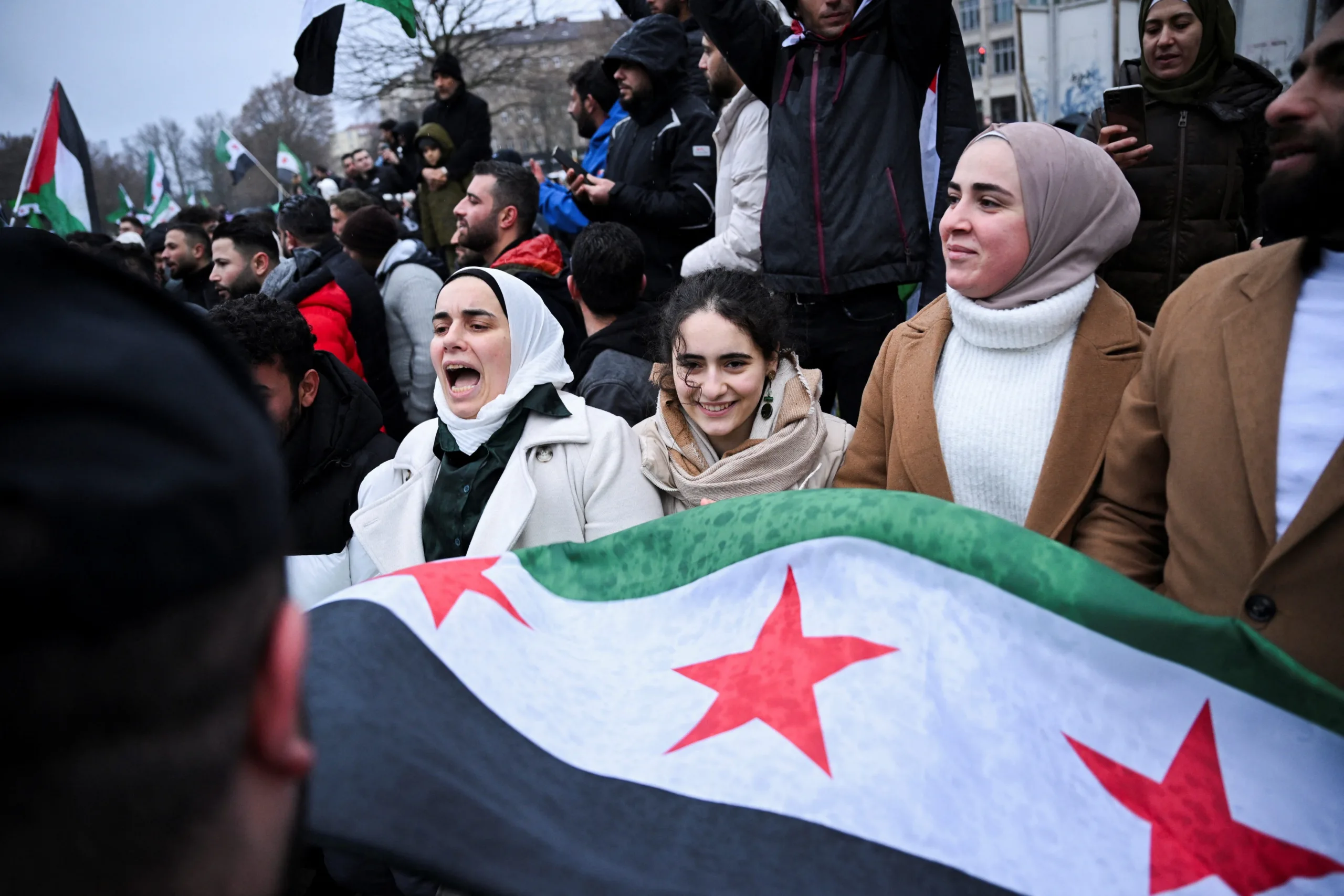
On the night of December 8, 2024, Syrians breathed a collective sigh of relief as the Assad regime collapsed and rebel forces entered Damascus after an eleven-day battle that astonished the world and uplifted a people worn down by years of loss, displacement, and suffering.

With that, Syria closed a dark chapter in its history. While the military conflict came to an end, a new set of battles began to take shape perhaps none more pressing than those being fought by women. As Belarusian author Svetlana Alexievich once said: “Men fight in war, but women fight after it.” Today, Syrian women are grappling with the heavy legacy of Assad’s war machine:

psychological scars, shattered social structures, and old yet persistent battles over their fundamental rights, protection from domestic violence, societal status, and access to decision-making roles in a country where women now make up about 60% of the population.

Despite the hope vested in Syria’s new government, especially after decades under a regime that marketed itself as a defender of women’s rights even as it imprisoned, tortured, and raped women merely for demanding freedom, the debate over women’s rights remains fraught. One year after liberation, questions still linger about how high these rights rank on the national agenda.

As such, understanding what Syrian women need to ensure a brighter future is urgent. This report begins by revisiting the grim realities of women under Assad as a lens through which to examine the challenges of the present.

Syrian Women Under the Assads

Syrian women began playing a pivotal role in national life during the French Mandate and continued after independence in 1945. Within a few short years, they secured the right to vote and run for office. The women’s movement reached its peak in the 1960s, only to be stifled after Hafez al-Assad’s 1970 coup, which clamped down on any feminist activity not aligned with the regime’s interests.

Hafez al-Assad used women as instruments to consolidate his rule, linking all women-focused institutions directly to the state and the ruling party. As a result, women’s public roles became tethered to the party’s structure, failing to represent an independent voice for women in society.

A case in point is the General Union of Syrian Women, founded in 1967. Under Assad, it became a toothless entity incapable of challenging any state decision. While its declared mission was to champion women’s causes, it ended up defending the regime and justifying its actions—even going so far as to suppress independent feminist activity that could have advanced women’s rights.

Although women were nominally allowed into parliament (around 12% representation) and increasingly joined sectors like medicine, engineering, education, diplomacy, and the military, this visibility remained largely symbolic.

It was part of an official propaganda campaign under the banner of “women’s liberation” and fighting “backwardness” a term the regime often equated with wearing the hijab. In 1981, this culminated in a notorious campaign known as the “Tishreen Patrol,” in which women were forcibly unveiled.

Just one year later, Hafez al-Assad’s forces, led by his brother Rifaat, committed one of the most heinous massacres of modern times in the city of Hama. Hundreds of innocent women were brutally killed in what marked a peak in the regime’s use of systemic violence to crush dissent.

Under Bashar al-Assad, the situation deteriorated further. Not only did he inherit power, but also an entrenched system of dictatorship, maintained at the cost of Syrian lives and the country’s future. When the 2011 uprising began a revolution in which women played a vital, leading role Bashar unleashed a brutal war that lasted 14 years.

This war deepened the hardships faced by Syrian women, who already lived under a discriminatory legal and social framework. It exposed them to heightened violence, displacement, and abuse, all while the repressive laws that restricted their rights remained intact. According to Human Rights Watch, such legal inequalities persist to this day.

Over the years, Syrian women have endured severe abuses at the hands of Assad’s forces. The Syrian Network for Human Rights documented the killing of 22,123 women, the detention of approximately 8,501 women many in conditions described as hellish—and the deaths of 118 women under torture. It also recorded 8,034 cases of sexual violence.

The regime deliberately targeted women based on gender, sect, regional affiliation, and their roles in civil society, media, and human rights work, as well as their participation in peaceful protests and humanitarian efforts. No woman was spared: if not killed or imprisoned, she was often forced to flee as a refugee, living in camps ravaged by winter winds or scorched by the summer sun.

Tens of thousands of widows were left to provide for their families with no protection or meaningful support.

Syrian Law: A Tool of Justice or Discrimination?

The fall of the regime rekindled hope among marginalized women, many of whom longed for a new constitution to finally enshrine their rights. But is the current legal framework truly on their side?

“Absolutely not,” says attorney Dima Al-Mousa in an interview with “Noon Post.” “The current Syrian legal system contains numerous discriminatory articles that clearly violate constitutional principles of equality.”

Among the most discriminatory laws:

  • Nationality Law: Syrian women married to non-Syrians cannot pass on their nationality to their children.

  • Freedom of Movement: A husband may file a request with immigration authorities to ban his wife from traveling.

  • Guardianship and Custody: Legal guardianship rests with the father and his male relatives up to the fourth degree not the mother.

  • Penal Code: Some crimes carry different penalties depending on the offender’s gender, even for identical offenses.

These laws send a message that women are second-class citizens. According to Al-Mousa, this legal inequality also places women in a weak position within marriages, especially when facing divorce, where they risk losing their children and financial stability.

Even more troubling is the lack of laws addressing critical issues such as domestic violence or marital rape. Furthermore, even when the law is in a woman’s favor, she may be unable to invoke it due to fear of retaliation often from her own family.

A legal study by the Syrian Center for Media and Freedom of Expression identifies two main sources of gender-based violence:

  1. State Violence: Encompassing systemic violations such as sexual assault at checkpoints, coercive detentions of women to pressure male relatives, and documented cases of gang rape.

  2. Social and Structural Violence: Rooted in deeply entrenched traditions that normalize violence against women and enforce male dominance.

Addressing this crisis requires urgent legal reform to eliminate discriminatory statutes and enact laws protecting women from domestic abuse. Al-Mousa argues that achieving equity—not just equality—is essential, emphasizing that legal parity does not always translate into real-world fairness.

She also calls for Syria to lift its reservations to the Convention on the Elimination of All Forms of Discrimination Against Women (CEDAW), especially on:

  • Article 2: Establishing equality in law and policy.

  • Article 9(2): Granting women equal rights to confer nationality to their children.

  • Article 15(4): Ensuring women’s equal right to freedom of movement and residence.

Legal experts argue these reservations gut the convention’s core, reducing Syria’s participation to symbolic gestures.

Women in Decision-Making: Still on the Sidelines

True justice for women requires more than legal change; it demands genuine political representation. Historically, Syrian women never held more than 12% of parliamentary seats and have not led a key ministry since 1976.

This underrepresentation persisted even after liberation. In Syria’s first post-Assad parliamentary elections held in October, women secured just 4% of the seats, despite making up 14% of the candidates.

President Ahmad Al-Shara quipped, “Our society is patriarchal and doesn’t want women in parliament,” while the head of the election commission argued that the results reflect social realities, not institutional bias. Yet these explanations failed to silence growing concerns about whether women are truly being given space to lead.

Dr. Najwa Al-Safi, a political science expert based in Idlib, told “Noon Post” that despite official encouragement, women’s political participation remains limited to charitable and community work. She attributes this to:

  • Lack of political awareness among many women.

  • Societal stigma surrounding women in politics.

  • Low confidence among women due to limited training and experience.

She emphasizes the need for government-led awareness campaigns, especially targeting men, to highlight the importance of women’s roles in governance, alongside expanding political training programs.

Kinda Amareen of the Ministry of Emergency Affairs agrees, noting that while women are more present in public life than in the past, gender gaps become glaring in leadership and decision-making roles. “Women are still largely excluded from shaping public policy,” she says.

Journalist Manar Sharbagy offers a sharper critique. She argues that the term “inclusion” is often used to mask tokenism and that real change requires enforcing gender quotas in government.

While quotas could increase women’s presence, Sharbagy notes they are not enough. Breaking stereotypes and securing women’s civil rights and access to the labor market are equally crucial.

Economic Empowerment: A Prerequisite for Equity and Sustainability

Political inclusion is meaningless without economic independence. Syrian women, particularly those widowed or displaced by war, have borne the brunt of 14 years of conflict.

As of 2024, women’s labor force participation stood at just 13.3%, compared to 62.8% for men. Unemployment among women reached 24.65%, among the highest in the world, according to the International Labour Organization.

Worse still, 8.3 million Syrian women and girls urgently need humanitarian aid. Female-headed households are particularly vulnerable: UN data shows 92% of women-led families in camps are entirely unable to meet basic needs.

Sharbagy underscores that supporting these women must be a top transitional priority. Justice for them entails not only accountability for missing loved ones but also material support: jobs, stipends, healthcare, and education for their children.

The Syrian Women’s Political Movement outlines a roadmap for rebuilding the economy through:

  1. Legal Reform: Amending discriminatory laws and securing women’s property rights.

  2. Direct Economic Support: Launching job creation programs, supporting small enterprises, and aligning wages with living costs.

  3. Inclusive Governance: Ensuring 30-50% female representation in all stages of reconstruction.

  4. Safe and Supportive Environments: Tackling gender-based violence and valuing women’s scientific and practical expertise.

To conclude, we return to a powerful quote from sociologist Mustafa Hijazi: “A man cannot be free unless a woman is free. A society cannot advance unless its most oppressed group rises. Progress is either collective and comprehensive, or it is mere illusion.”

Download this article as PDF
Share this Article
Facebook Twitter Whatsapp Whatsapp Telegram Email Copy Link
مرام موسى
By مرام موسى صحافية سورية
Follow:
Previous Article نون بوست Qandil Mountains: How a Remote Stronghold Became a Kurdish Militants’ Fortress
Next Article نون بوست Is Sudan Becoming the Next Battleground in the Saudi–UAE Rivalry?

Read More

  • U.S. Regime‑Change Policies: Why They Are Destined to Fail U.S. Regime‑Change Policies: Why They Are Destined to Fail
  • The Gulf’s Balancing Act: Iran, Israel, and Hidden Links
  • Iraq–Turkey Oil Export Treaty: Why Did Ankara Cancel It After 52 Years?
  • Syria’s Northeast on Edge: QSD Between Ankara and Damascus
  • Has Europe Changed Its Stance on Israel… or Just Its Language?
part of the design
NoonPost Weekly Newsletter

You May Also Like

U.S. Regime‑Change Policies: Why They Are Destined to Fail

U.S. Regime‑Change Policies: Why They Are Destined to Fail

إسراء سيد Esraa sayed 8 April ,2026
The Gulf’s Balancing Act: Iran, Israel, and Hidden Links

The Gulf’s Balancing Act: Iran, Israel, and Hidden Links

فريق التحرير Noon Post 8 April ,2026
Iraq–Turkey Oil Export Treaty: Why Did Ankara Cancel It After 52 Years?

Iraq–Turkey Oil Export Treaty: Why Did Ankara Cancel It After 52 Years?

فريق التحرير Noon Post 8 April ,2026

الإخوان المسلمون والنهج ما بعد السلمي

عبدالرحمن عياش
عبدالرحمن عياش Published 10 July ,2015
Share
201481213249106519_8

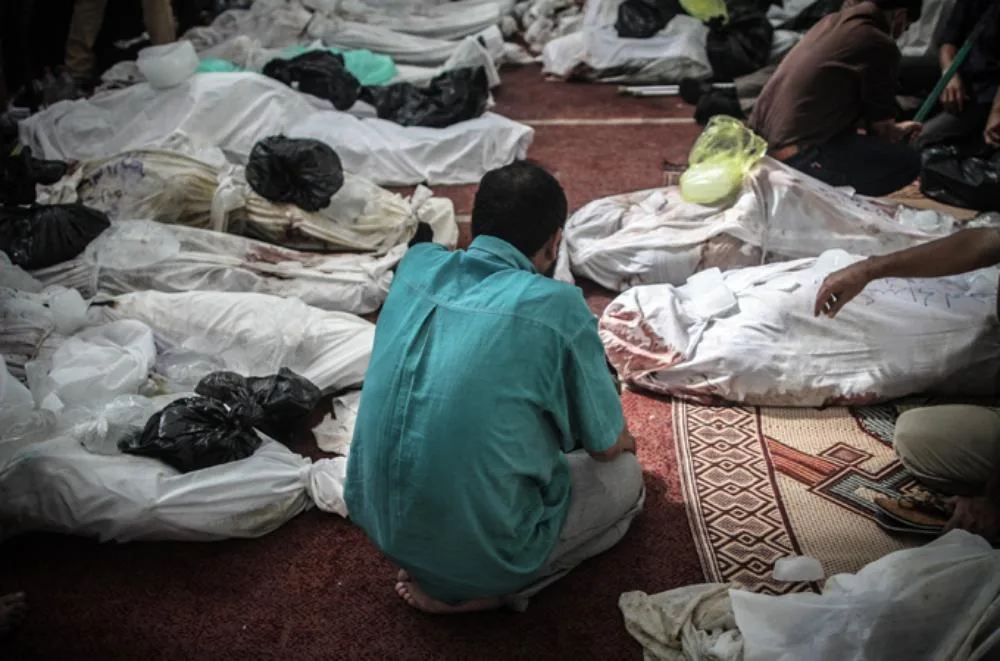
في الأشهر الأخيرة، بدأ الإخوان المسلمون يعيدون النظر في نهجهم التنظيمي، ويدرسون إمكانية اللجوء إلى العنف رداً على قمع الدولة المصرية. كان الخطاب العنيف الذي استخدمه أعضاء الإخوان في الأيام الأولى من تموز/يوليو 2013 عفوياً وذهب إلى حد أبعد بكثير عن الأيديولوجيا التي يتبنّاها التنظيم منذ عقود. لكن مجزرة رابعة العدوية التي أسفرت عن مقتل 817 شخصاً على الأقل، بحسب منظمة هيومن رايتس ووتش، والقمع المتزايد الذي يمارسه نظام السيسي، دفعا بمسألة اللجوء إلى العنف ضد الدولة إلى الواجهة.

يسلّط السجال الضوء على حجج متمايزة – وأحياناً متناقضة – حول استخدام العنف. ففي حين يقول بعض أعضاء الإخوان المسلمين إنه رد تكتيكي على العنف اليومي الذي تمارسه الشرطة، يبدو الحرس القديم في التنظيم عاجزاً عن، وغير مستعد لإيجاد بديل سياسي عما يقترحه عناصر شابة في الجماعة: “العنف الذكي”. يدعم هؤلاء الناشطون الإخوانيون نوعاً محدداً من العنف يستهدف بعض عناصر النظام – وليس النوع العشوائي الذي تلجأ إليه التنظيمات المتشدّدة. تُظهر هذه المقاربة الضيّقة والتكتيكية كيف أن العنف بعيد جداً عن العقيدة الجوهرية للإخوان، لكنه يستمر في حشد مزيدٍ من الدعم بين أفراد التنظيم.

تخشى قيادة الإخوان، من جهتها، خسارة نفوذها لمصلحة الجناح الشاب إذا أبدت معارضة صريحة ومباشرة للجوء إلى العنف. لكن النخب الإخوانية تحوّلت تدريجاً من إصدار عدد من البيانات التي تؤكّد الطبيعة السلمية لعمل التنظيم السياسي، إلى تقديم حجج لتبرير الاستخدام المحدود للعنف. لكن هذا النهج في الخطاب لم يصبح بعد معمماً على الخطاب الإخواني، مايعني أنه لايشكّل حتى الآن تحولاً استراتيجياً كبيراً.

على سبيل المثال، استخدم يحيى حامد، 36 عاماً، وهو قيادي في الإخوان كان وزيراً للاستثمار في عهد مرسي، كلمات مبهمة للحديث عن حق أعضاء التنظيم في “الدفاع عن النفس”. لا يمكن اعتبار كلام حامد جزءاً من استراتيجية طويلة الأمد لضمان بقاء التنظيم، بل هو بالأخص ردّ غاضب على القمع الذي يمارسه النظام على نطاق واسع. ففي الأول من تموز/يوليو الجاري على سبيل المثال، قتلت قوات الأمن 13 قيادياً إخوانياً بعيد اعتقالهم وتفتيشهم وأخذ بصماتهم. بحسب التقارير، كان هؤلاء القياديون مجتمعين لمناقشة آلية دعم عائلات سجناء الإخوان عندما داهمت الشرطة المبنى. ردّاً على هذه الحادثة، انتقد الإخوان ما اعتبروه انتقال مصر في عهد السيسي إلى مرحلة جديدة وخطيرة “لايمكن معها السيطرة على غضب القطاعات المظلومة المقهورة”.

لكن بيانات الإخوان الرسمية لاتزال متناقضة، كما أنها تعكس غياب التوافق حول استعمال العنف. عمرو دراج، القيادي الإخواني البارز ووزير التخطيط والتعاون الدولي سابقاً، هو واحدٌ من كثيرين يشكّكون في جدوى الوسائل التقليدية التي انتهجتها الجماعة، فقد قال في تصريحات صحفية: “الأمثولة الأساسية التي تعلّمتها هي أن التغيير المتدرّج لن ينجح بعد الآن”. علاوةً على ذلك، في أواخر كانون الثاني/يناير الماضي، أصدرت جماعة الإخوان المسلمين بياناً عبر الإنترنت رأى فيه كثرٌ تحوّلاً قوياً باتجاه التخلي عن اللاعنف: “إننا بصدد مرحلة جديدة، نستدعي فيها ما كمن من قوتنا، ونستحضر فيها معاني الجهاد، ونهيّئ أنفسنا وزوجاتنا وأولادنا وبناتنا ومن سار على دربنا لجهاد طويل لاهوادة معه، ونطلب فيها منازل الشهداء”. يعتبر معلّقون كثرٌ أنه ليس بياناً رسمياً، خاصة مع حذفه لاحقا من على موقع الجماعة الرسمي، ويلفتون إلى أن التنظيم سارع إلى استنكار اغتيال النائب العام المصري في 29 حزيران/يونيو الماضي، إذ جاء في بيان صادر عن الجماعة: “يؤكّد الإخوان رفضهم لأشكال القتل كافة”. لكن أبعد من تسليط الضوء على التباين في الآراء حول المسألة، تؤشّر هذه البيانات المتناقضة إلى أن المسؤولين الكبار لدى الإخوان المسلمين يبدون استعداداً متزايداً للنظر في إيجابيات تبنّي العنف كتكتيك لمواجهة الدولة المصرية.

تعكس التغييرات الأخيرة في هيكلية الإخوان الداخلية هذا التحوّل. في نيسان/أبريل الماضي، أعلن المتحدث الرسمي باسم الجماعة انتخاب مكتب تنفيذي جديد من سبعة أعضاء خارج مصر. وقد باشر هؤلاء الأعضاء عقد اجتماعات في اسطنبول مع ناشطين سياسيين وأكاديميين لمناقشة آرائهم حول مأزق الإخوان وسبل تحسين رؤية الجماعة وخطابها السياسيّ. يحاول قادة الإخوان إنهاء عزلة التنظيم عبر الانخراط في نقاشات أكثر انفتاحاً مع محللين سياسيين وناشطين من خلفيات متنوعة، بمن فيهم بعض المسؤولين الأجانب. وتتخلّل هذه النقاشات سجالات حادّة حول مسألة استخدام العنف كتكتيك واستراتيجية ثورية.

يَظهر التحول المتزايد نحو العنف بوضوح أكبر عبر صفحات مواقع التواصل الاجتماعي الخاصة بالإخوان المسلمين. ينعت عناصر الإخوان وأنصارهم العسكريين ومسؤولي النظام بـ”المرتدّين”، مايعكس صعود الخطاب السلفي-الجهادي في أوساط الإخوان المسلمين.

فضلاً عن ذلك، فإن “العنف الفعّال” الذي تتبنّاه تنظيمات مثل الدولة الإسلامية في العراق والشام، وفرعها المصري “ولاية سيناء” (الذي كان يُعرَف سابقاً بـ”أنصار بيت المقدس”)، إلى جانب عجز الدولة عن القضاء على هذه التنظيمات، هو مصدر إلهام لعدد كبير من عناصر الإخوان. ويزيد إصرار الإعلام المملوك من الدولة على ربط الإخوان بالمعسكر السلفي الجهادي، من شعور عدد كبير من عناصر الإخوان المسلمين بالاغتراب المجتمعي، ومعظم أعضاء الجماعة مهنيون من الطبقة الوسطى. تصنيف هؤلاء الأشخاص في خانة الجهاديين يدفع بعدد كبير منهم إلى التحوّل نحو العنف في صورة بالغة الوضوح للنبوءة ذاتية التحقق.

تحدثت سيدة عضو في جماعة الإخوان المسلمين في القاهرة عن تنامي الشقاق داخل التنظيم حول “سلميته”. ولفتت السيدة التي طلبت عدم الكشف عن هويتها إلى أن أعضاء من الإخوان بدأوا ينتظمون استعداداً لشن هجمات ضد مصالح تابعة للأجهزة الأمنية والعسكرية في مصر. ليس واضحاً إذا كانت هذه الهجمات ستستهدف منشآت مثل مقار شرطية وأمنية وآليات أو عناصر وجنود، لكنها نقطة تحوّل مهمة يجب رصدها. تتسبّب المحاكمة، التي يشوبها الكثير من العوار، للرئيس السابق محمد مرسي وقادة التنظيم، فضلاً عن عدم القدرة على اللجوء إلى الآليات القانونية في محاسبة المسؤولين، تتسبب في زيادة جاذبية العنف كتكتيك. في غضون ذلك، لايزال قادة الإخوان وأعضاءهم يرفضون المصالحة مع النظام، ولذلك فمن المستبعد أن يكونوا جزءاً من المشهد السياسي أو يحقّقوا التغيير عن طريق القنوات القائمة. 

على الرغم من أن اتجاه الأمور يميل لمصلحة اللجوء إلى العنف، إلا أنه من الواضح أن المسألة لم تُحسَم بعد. فنظراً إلى تاريخ الإخوان الطويل في الابتعاد عن العنف واستنكاره، يجد أعضاء كثر صعوبة في تقبّل استخدام العنف الآن، حتى رداً على القمع الذي يمارسه نظام السيسي. لكن الخشية من خسارة النفوذ لمصلحة الجناح الشاب تقضّ مضاجع قياديي الإخوان الذين يتعاطى كثرٌ منهم مع المسألة من المنظار الآتي: إذا كانت هناك حرب بين المجتمع والدولة، وإذا كان المجتمع قد اتّخذ موقفاً، على الإخوان المسلمين ألا يعرقلوا نضال المجتمع من أجل الحرية. يقول أحد مستشاري المكتب التنفيذي الجديد، وهو مقيم في اسطنبول: “يجب ألا نلتزم الصمت في هذه المعركة”، مضيفاً: “يجب ملء الفراغ بواسطة تنظيم قوي، ولن نكرّر أخطاء الإخوان المسلمين في سورية”، في إشارة إلى أن الإخوان في سورية خسروا الدعم لأنهم قرروا النأي بأنفسهم عن الفوضى خلال المراحل الأولى من الثورة.

نُشر هذا المقال لأول مرة في صدى – كارنيغي

TAGGED: الإخوان والعنف ، الانقلاب العسكري في مصر ، رابعة العدوية
TAGGED: انقلاب مصر
Download this article as PDF
Share this Article
Facebook Twitter Whatsapp Whatsapp Telegram Email Copy Link
عبدالرحمن عياش
By عبدالرحمن عياش باحث مصري في فريق تحرير نون بوست
Follow:
Next Article نون بوست The Stigma of “ISIS”: A Heavy Legacy Haunting Women and Children of Former Members

Read More

  • U.S. Regime‑Change Policies: Why They Are Destined to Fail U.S. Regime‑Change Policies: Why They Are Destined to Fail
  • The Gulf’s Balancing Act: Iran, Israel, and Hidden Links
  • Iraq–Turkey Oil Export Treaty: Why Did Ankara Cancel It After 52 Years?
  • Syria’s Northeast on Edge: QSD Between Ankara and Damascus
  • Has Europe Changed Its Stance on Israel… or Just Its Language?
part of the design
NoonPost Weekly Newsletter
dark

An independent media platform founded in 2013, rooted in slow journalism, producing in-depth reports, analysis, and multimedia content to offer deeper perspectives on the news, led by a diverse young team from several Arab countries.

  • Politics
  • Society
  • Rights & Liberties
  • Opinions
  • History
  • Sports
  • Education
  • Technology
  • Economy
  • Media
  • Arts & Literature
  • Entrepreneurship
  • Travel
  • Cinema & Drama
  • Food
  • Health
  • Culture
  • Latest Reports
  • Files
  • Long Reads
  • Interviews
  • Podcast
  • Interactive
  • Encyclopedia
  • In Pictures
  • About Us
  • Our Writers
  • Write for Us
  • Editorial Policy
  • Advanced Search
Some rights reserved under a Creative Commons license

Removed from favorites

Undo
Go to mobile version