NoonPost NoonPost

NoonPost

  • Home
  • Politics
  • Economy
  • Society
  • Culture
  • Files
  • Long Reads
  • Podcast
AR
Notification Show More
نون بوست
“There Are Nights I Can’t Close My Eyes”: How Gazans Are Living in Homes on the Brink of Collapse
نون بوست
From al-Jolani to Ahmad al-Shara: The Evolution of Syria’s New Leader
نون بوست
When Political Islam Receded in Egypt: Who Filled the Void?
نون بوست
An Extension of Genocide: Gaza’s Detainees Speak Out
نون بوست
A Tightrope Between Survival and Sovereignty: The Syrian Government Faces Normalization Pressures
نون بوست
American Aircraft Carriers: Has the Era of “100,000 Tons of Diplomacy” Ended?
نون بوست
U.S. Regime‑Change Policies: Why They Are Destined to Fail
نون بوست
Transformations of Israeli Judaism: Between the Victim Complex and the Colonizer’s Doctrine
نون بوست
The Gulf’s Balancing Act: Iran, Israel, and Hidden Links
نون بوست
Iraq–Turkey Oil Export Treaty: Why Did Ankara Cancel It After 52 Years?
نون بوست
Syria’s Northeast on Edge: QSD Between Ankara and Damascus
نون بوست
Has Europe Changed Its Stance on Israel… or Just Its Language?
NoonPost NoonPost
AR
Notification Show More
نون بوست
“There Are Nights I Can’t Close My Eyes”: How Gazans Are Living in Homes on the Brink of Collapse
نون بوست
From al-Jolani to Ahmad al-Shara: The Evolution of Syria’s New Leader
نون بوست
When Political Islam Receded in Egypt: Who Filled the Void?
نون بوست
An Extension of Genocide: Gaza’s Detainees Speak Out
نون بوست
A Tightrope Between Survival and Sovereignty: The Syrian Government Faces Normalization Pressures
نون بوست
American Aircraft Carriers: Has the Era of “100,000 Tons of Diplomacy” Ended?
نون بوست
U.S. Regime‑Change Policies: Why They Are Destined to Fail
نون بوست
Transformations of Israeli Judaism: Between the Victim Complex and the Colonizer’s Doctrine
نون بوست
The Gulf’s Balancing Act: Iran, Israel, and Hidden Links
نون بوست
Iraq–Turkey Oil Export Treaty: Why Did Ankara Cancel It After 52 Years?
نون بوست
Syria’s Northeast on Edge: QSD Between Ankara and Damascus
نون بوست
Has Europe Changed Its Stance on Israel… or Just Its Language?
Follow US

Saudi Monye, Pakistan’s Nuclear, and Turkey’s Military Power: Is an Islamic Alliance in the Making?

فريق التحرير
Noon Post Published 26 March ,2026
Share
نون بوست
نون بوست
Talks between Ankara, Riyadh and Islamabad for a defense alliance have “reached advanced stages”.

Reports have intensified in recent weeks about the potential inclusion of Turkey in a joint defense pact between Saudi Arabia and Pakistan a move observers say could significantly reshape the regional and global security landscape.

According to a Bloomberg report, talks among Ankara, Riyadh, and Islamabad have reached an advanced stage, with a final agreement deemed “highly likely” given the growing convergence of strategic interests among the three nations.

Saudi Arabia and Pakistan signed the defense agreement in September 2025. The pact stipulates that an attack on one party would be considered an attack on the other, establishing a mutual defense commitment reminiscent of major alliances like NATO. It lays the groundwork for a new security alignment that could upend traditional regional calculations.

This mutual defense pledge emerged amid a volatile regional context. Just days prior, Israel carried out surprise airstrikes on Doha targeting senior Hamas figures. Meanwhile, May 2025 witnessed a brief four-day military clash between Pakistan and India, stoking fears of a broader escalation between the two nuclear-armed neighbors.

In this climate of uncertainty, Gulf states have grown increasingly anxious over the reliability of the United States as a security guarantor particularly after Washington hesitated to respond decisively to attacks on Gulf interests in recent years.

Turkey’s Motivations

Ankara’s push to join the defense alliance stems from a host of strategic considerations. As the holder of NATO’s second-largest army after the US, Turkey is keen to bolster its national security at a time when doubts are mounting over the commitment of its traditional allies.
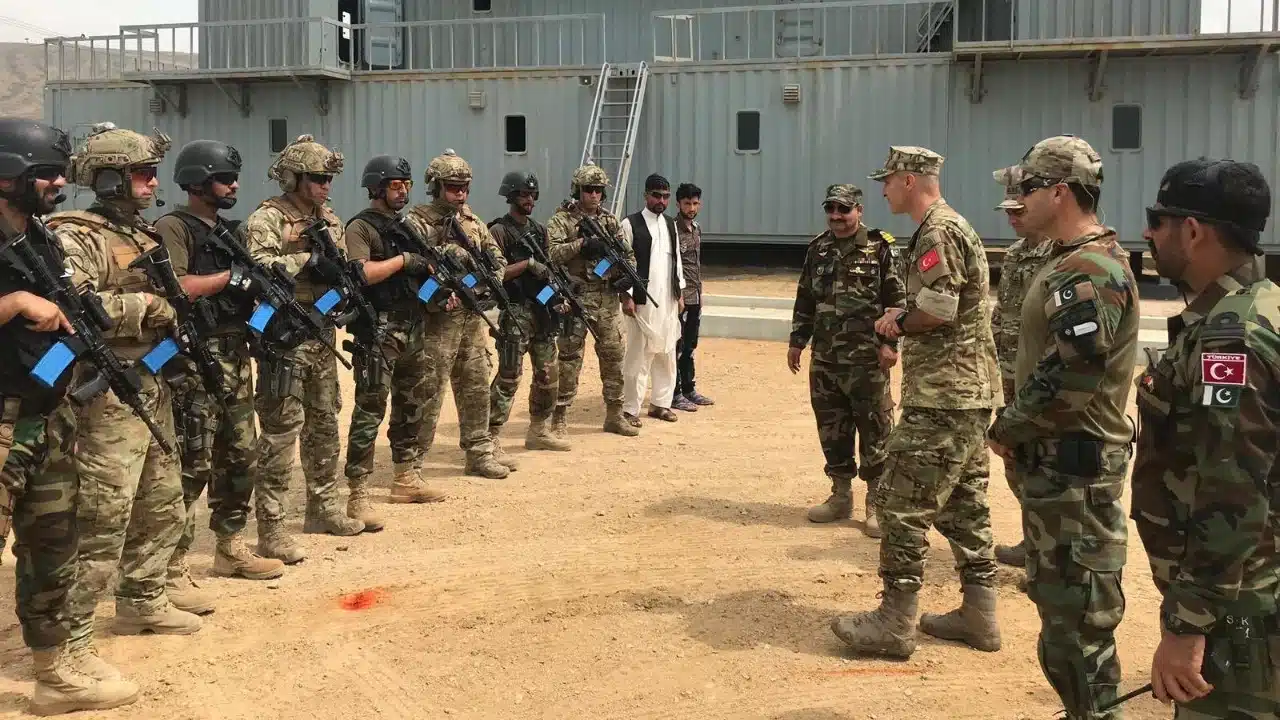
نون بوست
Members of the Turkish and Pakistani navies during a joint exercise in Pakistan in 2019

Analysts say Turkey views the pact as a platform to strengthen its deterrence capabilities amid questions about the reliability of American support especially under a US administration that, according to Bloomberg, has shown ambivalence toward its NATO obligations.

Moreover, closer defense ties with Riyadh and Islamabad offer Turkey strategic depth in the Islamic world and provide an added layer of security alongside NATO’s umbrella. This dovetails with Ankara’s broader ambition to assume a leadership role in the Muslim world.

President Recep Tayyip Erdoğan has, in recent years, sought to mend ties with major regional powers chief among them Saudi Arabia as part of a bid to diversify Turkey’s partnerships and amplify its regional influence.

From Ankara’s perspective, joining the Saudi-Pakistani alliance presents a dual opportunity: deepening relations with two major Islamic powers while subtly signaling to the West that Turkey has alternatives should traditional guarantees weaken.

Strategically, Turkey’s interests align with those of Saudi Arabia and Pakistan on several key fronts:

  • Ensuring stability in Afghanistan and preventing renewed chaos there.

  • Countering the growing influence of Iran in the region.

  • Coordinating political stances on issues such as supporting Palestinian rights.

What Does Turkey Bring to the Table?

For Saudi Arabia and Pakistan, Turkey’s potential inclusion represents a major strategic gain that would strengthen the emerging alliance. Ankara boasts a formidable military, extensive operational experience within NATO, and an advanced defense industry capable of producing everything from drones to warships, according to strategic analyst Nihat Ali Özcan of Ankara’s TEPAV think tank.
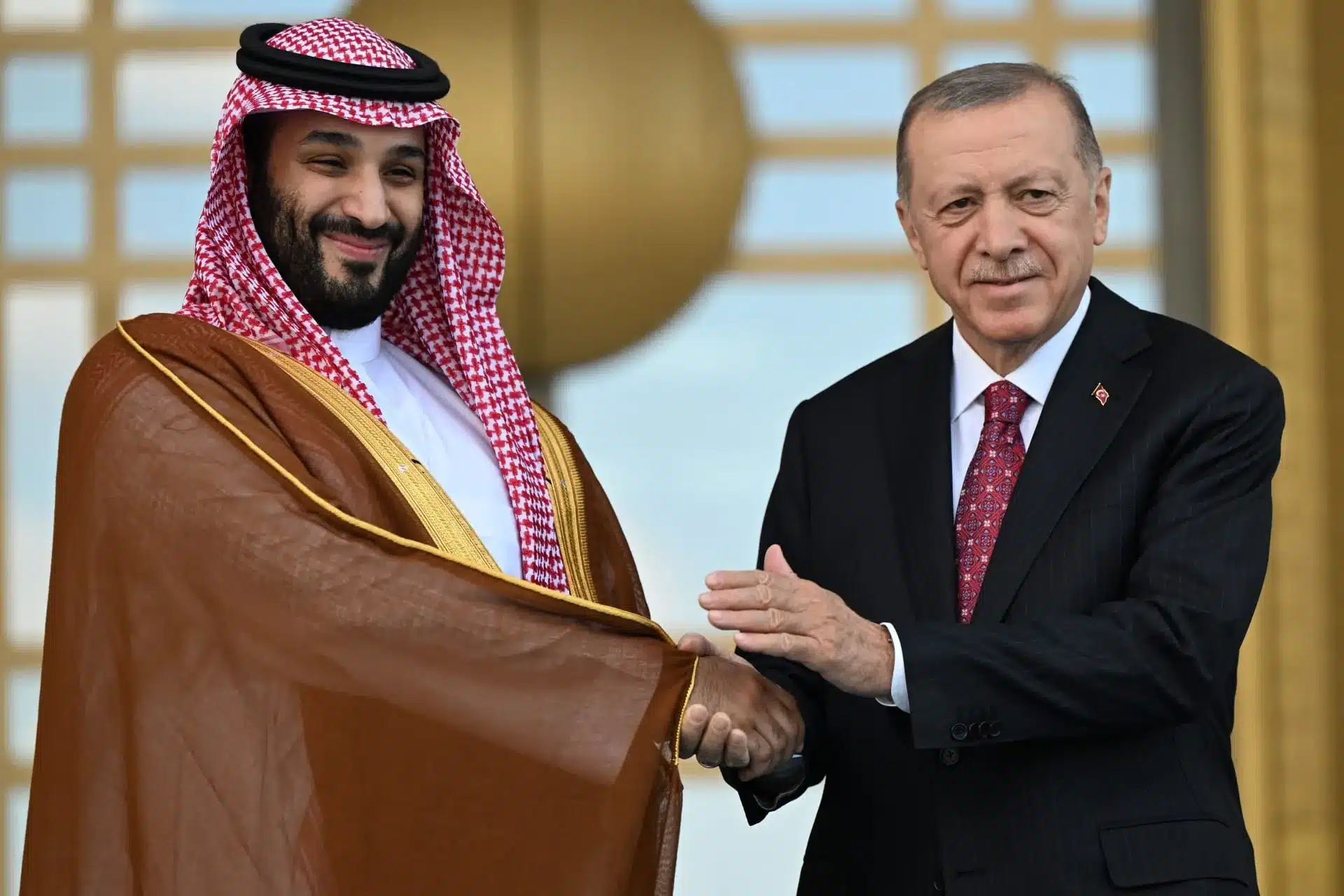
نون بوست
The potential agreement reflects a new chapter in relations between Türkiye and Saudi Arabia, which have competed for decades for leadership of the Sunni world.

Experts argue that integrating Turkey’s Western-trained and technologically superior military would enhance the alliance’s readiness, deterrence capabilities, and maneuverability.

Özcan summed up the alliance’s value proposition succinctly: Saudi Arabia brings financial power, Pakistan provides nuclear capability, missiles, and ground forces, while Turkey contributes military expertise and a sophisticated domestic defense industry.

This synergy creates a rare combination financial resources, nuclear deterrence, and conventional military superiority all within a single security framework.

Political Gains for Riyadh and Islamabad

On the political front, both Saudi Arabia and Pakistan stand to benefit from Turkey’s involvement.

For Riyadh:

  • The agreement marks a new chapter in its historically competitive relationship with Turkey over Sunni leadership.

  • It bolsters Saudi Arabia’s military cooperation and deepens investment ties with Ankara.

  • It provides the Kingdom with a heavyweight regional partner outside the traditional US security umbrella.

  • It presents an opportunity to accelerate the localization of defense industries as part of Vision 2030, through technology transfer and domestic arms production.

For Islamabad:

  • It enhances Pakistan’s international legitimacy through alignment with NATO-member Turkey, potentially shielding it from Western pressure.

  • It demonstrates that Pakistan is not isolated in its security architecture.

  • Turkey’s presence could deter Indian military aggression, as New Delhi would realize Islamabad is not standing alone.

  • It boosts arms procurement, with Ankara having become Pakistan’s second-largest weapons supplier, accounting for 11% of its defense imports in recent years.

Diversifying Allies or Replacing Them?

The emerging alliance raises the question: is this a diversification of security partnerships, or a precursor to replacing old alliances?

In reality, it appears more a strategy of diversification and coalition-building than a full break with historical partners. For example, Saudi Arabia remains a key US ally, with arms deals between the two reaching a record $142 billion as of May 2025.

Still, Riyadh seems intent on crafting parallel security arrangements that reduce its exclusive dependence on the American umbrella.

The erosion of trust in Washington’s responses to regional crises such as the 2019 attacks on Saudi oil facilities has led Gulf leaders to the conclusion that “new friends” may be essential to securing national interests.

The alliance with Pakistan and Turkey can thus be seen as part of a broader effort at strategic self-reliance and risk diversification rather than a pivot away from the West.

For its part, Turkey views the trilateral alliance with Riyadh and Islamabad as a watershed moment in its foreign policy. Yet it does not present it as a substitute for NATO. Turkey’s NATO membership has long been a cornerstone of its strategy, but recent US policies especially under President Donald Trump have signaled a cooling commitment to the alliance.

Accordingly, Ankara has adopted a pragmatic approach, strengthening its regional security ties without abandoning the West.

Put simply, Turkey appears to be pursuing “the best of both worlds”: a Western alliance that connects it to Europe and the US via NATO, and a new Islamic regional alliance that binds it to the two most influential Muslim-majority powers.

This dual-track approach gives Turkish decision-makers greater flexibility and leverage in navigating crises, while sending a subtle message to traditional allies: Turkey has strategic alternatives if it feels marginalized within the Western order.

Download this article as PDF
Share this Article
Facebook Twitter Whatsapp Whatsapp Telegram Email Copy Link
فريق التحرير
By فريق التحرير تقارير يعدها فريق تحرير نون بوست.
Follow:
Previous Article نون بوست Is “Israel” Planning to Relocate Gazans to Somaliland
Next Article نون بوست Why the West Is Betting on Ankara to Secure the Black Sea

Read More

  • U.S. Regime‑Change Policies: Why They Are Destined to Fail U.S. Regime‑Change Policies: Why They Are Destined to Fail
  • The Gulf’s Balancing Act: Iran, Israel, and Hidden Links
  • Iraq–Turkey Oil Export Treaty: Why Did Ankara Cancel It After 52 Years?
  • Syria’s Northeast on Edge: QSD Between Ankara and Damascus
  • Has Europe Changed Its Stance on Israel… or Just Its Language?
part of the design
NoonPost Weekly Newsletter

You May Also Like

U.S. Regime‑Change Policies: Why They Are Destined to Fail

U.S. Regime‑Change Policies: Why They Are Destined to Fail

إسراء سيد Esraa sayed 8 April ,2026
The Gulf’s Balancing Act: Iran, Israel, and Hidden Links

The Gulf’s Balancing Act: Iran, Israel, and Hidden Links

فريق التحرير Noon Post 8 April ,2026
Iraq–Turkey Oil Export Treaty: Why Did Ankara Cancel It After 52 Years?

Iraq–Turkey Oil Export Treaty: Why Did Ankara Cancel It After 52 Years?

فريق التحرير Noon Post 8 April ,2026

بالنسبة لسكان تكريت، العودة للمدينة ليست حدثًا سعيدًا

هيلين سالون
هيلين سالون Published 12 July ,2015
Share
img

ترجمة من الفرنسية وتحرير نون بوست

تشكّل خط من السيارات أمام نقطة التفتيش عند المدخل الجنوبي لمدينة تكريت، وتكدس جميع أفراد عائلة مصلح التسعة في السيارة مع الأغراض والمواد الغذائية، وبدأ الأب ناصر بتجهيز الوثائق على غطاء محرك السيارة حتى يتمكن من استرداد شارة الوصول إلى المدينة، في الوقت الذي ينتظر فيه النساء والأطفال تحت خيمة بالقرب من السيارة، وبعد ساعة تقريبًا تمكن الوالد من الحصول على البطاقة الثمينة، بعد أن تم التدقيق من قِبل الاستخبارات العسكرية والشرطة المحلية من عدم وجود أي فرد من العائلة ممن ساندوا تنظيم الدولة.

منذ تحرير تكريت يوم 31 مارس، تم إبعاد مقاتلي تنظيم الدولة لأكثر من 70 كيلومترًا إلى الشمال، وراء عدة خطوط دفاعية، ولكن الشكوك لا تزال تحوم حول أولئك الذين سهلوا غزو المعقل السابق لصدام حسين من قِبل مقاتلي تنظيم الدولة في يونيو 2014، وكان هناك عشرات الرجال ممن تفاجأوا مفاجأة غير سارة بسبب وجود أسمائهم في قائمة المساندين لتنظيم الدولة، وقال العقيد كريم سلمان “إنهم على ذمة التحقيق”، من دون أن يضيف رئيس الاستخبارات العسكرية في محافظة صلاح الدين أي شيء آخر.

ترحاب حار

بالنسبة لأكثر من ألف أسرة، ممن سارعوا إلى التوجه نحو تكريت بمجرد الحصول على الضوء الأخضر من رئيس الوزراء حيدر العبادي، يوم 15 يونيو، فقد كان الترحاب حارًا، وفي الوقت الذي تستعد فيه السلطات العراقية للقيام بهجوم بهدف استعادة محافظة الأنبار السنية في غرب البلاد، تريد السلطات في بغداد التي تسيطر عليها الأحزاب الشيعية، أن ترسل رسالة إيجابية للسنة، ويتم فعل كل شيء لجعل الناس ينسون الاعتداءات والسرقة والنهب التي ابتلي بها سكان مدينة تكريت عند تحرير هذه المدينة السنية التي يقطنها 175 ألف نسمة، من قِبل قوات الأمن والميليشيات الشيعية “الحشد الشعبي” وبعض المئات من المقاتلين السنة.

إزالة القنابل والمتفجرات

تركت الميليشيات الشيعية الأمور الأمنية للشرطة المحلية، ولميليشيا شكلتها قبيلة الجبور السنية، لكن رجال الميليشيات الشيعية بدر، وعصائب أهل الحق أو كتائب حزب الله لم يسلموا بالكامل المدينة لقوات الشرطة، وقالت أم عائشة، 29 عامًا: “نتعرض لضغط كبير بسبب كل هذه الحواجز، ولكن قد يكون من الضروري بقائها لضمان سلامة السكان ولتشجيع الأسر على العودة لديارهم”، عائشة التي عادت أوائل يونيو مع زوجها، بعد أن تمت دعوته للقيام بأشغال إصلاح لشبكة الكهرباء والتي تجرى على قدم وساق، وقال رئيس البلدية، عمر شندر: “لقد تمت إزالة كل القنابل والمتفجرات، وتم توصيل 80% من المدينة بشبكة المياه والكهرباء، وبدأت بعض المحلات التجارية بفتح أبوابها، لكن الطحين والغاز لا يزالا مفقودين”.

وكانت رؤية المدينة عند عودة سكانها صادمة للعديد منهم، بعد أن تركوا المدينة منذ قرابة السنة مع بداية هجوم تنظيم الدولة عليها، فبعد عشرة أشهر من الاحتلال وشهر من القتال الشرس، أصبحت الجوهرة السابقة لصدام حسين، المتواجدة على ضفاف نهر دجلة، تحمل جميع ندوب الحرب، فقد دُمرت القصور والمباني وتعددت السيارات المتفحمة وتم نهب المحلات التجارية، ولا تزال الرسوم السوداء على جدران المدينة تذكر بالزمن الذي كانت فيه المدينة تحت سيطرة تنظيم الدولة، وبعيدًا عن هذه الرسوم توزعت الكتابات على الجدران في مدح الإمام الحسين مع تواجد شعارات فارسية لأية الله خامنئي كتبت بمناسبة الاحتفال بفوز الميليشيات الشيعية وحليفهم الإيراني.

في الأحياء الواقعة على خط المواجهة، وجد بعض السكان منازلهم في حالة خراب، وتتحدث السلطات المحلية عن وجود 400 منزل دمروا بالكامل، ويرثي سعد عطاوي حاله قائلاً: “لقد انهار سقف بيتي، وكل الأثاث إما سرق وإما تم كسره”، سعد الذي عاد للمدينة طالبًا العون من ابن عمه ليسكن هو وزوجته وسبعة أطفال في مسقط رأسه، وها هو يقوم بجولة في فيلا فاخرة، من طابق واحد، في شارع المحافظة، على ملك أحد أصدقاء ابن عمه، هذا الصديق الذي ذهب ليعيش في دول الخليج.

تصفية حسابات

حتى بعيدًا على مناطق القتال، وجد السكان منازلهم في حالة فوضى عارمة، وعزوا السرقة والنهب في بعض الأحيان إلى تنظيم الدولة، وأحيانًا أخرى إلى الميليشيات الشيعية، وبالنسبة لأولئك الذين لا تزال لديهم إمكانية تمويل كلفة العيش في مكان آخر فهم يقومون بأشغال صيانة قدر المستطاع قبل العودة لمنازلهم، أما بالنسبة لإنعام مصطفى فهي لا تملك هذا الترف، فزوجها وأطفالها الستة يعيشون على راتبها كمدرسة، وتصرخ إنعام قائلة: “نحن سعداء بالعودة، كثير من الناس ضحوا بأنفسهم من أجلنا، ولكن كل شيء سرق من المنزل، كما أتلف المقاتلون ما بقي من أغراضنا”.

ولا يجرؤ البعض الآخر على العودة إلى المدينة خوفًا من تعرضهم لتسوية حسابات قبلية، على الهاتف، قال أبو إبراهيم، وهو أستاذ في جامعة تكريت أنه أصبح “مزعجًا جدًا” بالنسبة للمسؤولين المحليين المنتمين كلهم لقبيلة جبور؛ فقد ندد أبو إبراهيم مرارًا وتكرارًا بفساد هؤلاء المسؤولين، وانتماؤه لعشيرة البو ناصر ليست مجرد تفصيل، فهذه العشيرة التي أنجبت صدام حسين تلقى العداء من قبيلة جبور وأيضًا من الميليشيات الشيعية، وهي متهمة كما هو الحال بالنسبة لعشيرة البو عجيل بمناصرة تنظيم الدولة وبمشاركته في مجزرة سبايكر، وهي مذبحة قتل فيها 1700 من المجندين الشيعة في المدينة يوم 12 يونيو 2014، على يد مقاتلي تنظيم الدولة.

تصرفات البعض، والحياد السلبي للبعض الآخر، أصبح يشكل تهديدًا للجميع، ويوضح أبو إبراهيم ما يعانيه أبناء القبيلتين قائلاً: “لا أحد من هاتين القبيلتين تجرأ على العودة إلى تكريت، فهناك مخاوف من الانتقام والاختطاف والابتزاز، كما كانت هناك أعمال تخريب ضد ممتلكاتنا، فقد دمر بيتي وأيضًا بيوت إخوتي الثلاثة”، وتجرى حاليًا مفاوضات بين القبائل حتى يكون القرويون الذين لم يتعاونوا مع تنظيم الدولة بمنأى عن دوامة الانتقام، وفي انتظار أن ترجع الأمور إلى نصابها، تبقى مساحات شاسعة من الأراضي وكأنها صحارى، فعلى بعد 10 كيلومترًا نحو الجنوب، في قرية العوجا، مسقط رأس صدام حسين، يتذكر أبو إبراهيم: “في الماضي كان هناك قرية تسمى العوجا”.

المصدر: صحيفة لوتون السويسرية

TAGGED: الدولة الإسلامية في العراق والشام ، السنة في العراق ، الميليشيات الشيعية في العراق ، تحرير تكريت ، تكريت
TAGGED: أمن العراق
Download this article as PDF
Share this Article
Facebook Twitter Whatsapp Whatsapp Telegram Email Copy Link
هيلين سالون
By هيلين سالون صحفية فرنسية تعمل في لوموند وتكتب في عدة صحف أخرى
Follow:
Next Article نون بوست The Stigma of “ISIS”: A Heavy Legacy Haunting Women and Children of Former Members

Read More

  • U.S. Regime‑Change Policies: Why They Are Destined to Fail U.S. Regime‑Change Policies: Why They Are Destined to Fail
  • The Gulf’s Balancing Act: Iran, Israel, and Hidden Links
  • Iraq–Turkey Oil Export Treaty: Why Did Ankara Cancel It After 52 Years?
  • Syria’s Northeast on Edge: QSD Between Ankara and Damascus
  • Has Europe Changed Its Stance on Israel… or Just Its Language?
part of the design
NoonPost Weekly Newsletter
dark

An independent media platform founded in 2013, rooted in slow journalism, producing in-depth reports, analysis, and multimedia content to offer deeper perspectives on the news, led by a diverse young team from several Arab countries.

  • Politics
  • Society
  • Rights & Liberties
  • Opinions
  • History
  • Sports
  • Education
  • Technology
  • Economy
  • Media
  • Arts & Literature
  • Entrepreneurship
  • Travel
  • Cinema & Drama
  • Food
  • Health
  • Culture
  • Latest Reports
  • Files
  • Long Reads
  • Interviews
  • Podcast
  • Interactive
  • Encyclopedia
  • In Pictures
  • About Us
  • Our Writers
  • Write for Us
  • Editorial Policy
  • Advanced Search
Some rights reserved under a Creative Commons license

Removed from favorites

Undo
Go to mobile version