






NoonPost NoonPost

NoonPost

  • Home
  • Politics
  • Economy
  • Society
  • Culture
  • Files
  • Long Reads
  • Podcast
AR
Notification Show More
نون بوست
“There Are Nights I Can’t Close My Eyes”: How Gazans Are Living in Homes on the Brink of Collapse
نون بوست
From al-Jolani to Ahmad al-Shara: The Evolution of Syria’s New Leader
نون بوست
When Political Islam Receded in Egypt: Who Filled the Void?
نون بوست
An Extension of Genocide: Gaza’s Detainees Speak Out
نون بوست
A Tightrope Between Survival and Sovereignty: The Syrian Government Faces Normalization Pressures
نون بوست
American Aircraft Carriers: Has the Era of “100,000 Tons of Diplomacy” Ended?
نون بوست
U.S. Regime‑Change Policies: Why They Are Destined to Fail
نون بوست
Transformations of Israeli Judaism: Between the Victim Complex and the Colonizer’s Doctrine
نون بوست
The Gulf’s Balancing Act: Iran, Israel, and Hidden Links
نون بوست
Iraq–Turkey Oil Export Treaty: Why Did Ankara Cancel It After 52 Years?
نون بوست
Syria’s Northeast on Edge: QSD Between Ankara and Damascus
نون بوست
Has Europe Changed Its Stance on Israel… or Just Its Language?
NoonPost NoonPost
AR
Notification Show More
نون بوست
“There Are Nights I Can’t Close My Eyes”: How Gazans Are Living in Homes on the Brink of Collapse
نون بوست
From al-Jolani to Ahmad al-Shara: The Evolution of Syria’s New Leader
نون بوست
When Political Islam Receded in Egypt: Who Filled the Void?
نون بوست
An Extension of Genocide: Gaza’s Detainees Speak Out
نون بوست
A Tightrope Between Survival and Sovereignty: The Syrian Government Faces Normalization Pressures
نون بوست
American Aircraft Carriers: Has the Era of “100,000 Tons of Diplomacy” Ended?
نون بوست
U.S. Regime‑Change Policies: Why They Are Destined to Fail
نون بوست
Transformations of Israeli Judaism: Between the Victim Complex and the Colonizer’s Doctrine
نون بوست
The Gulf’s Balancing Act: Iran, Israel, and Hidden Links
نون بوست
Iraq–Turkey Oil Export Treaty: Why Did Ankara Cancel It After 52 Years?
نون بوست
Syria’s Northeast on Edge: QSD Between Ankara and Damascus
نون بوست
Has Europe Changed Its Stance on Israel… or Just Its Language?
Follow US

Deconstructing the Sudanese Landscape: How War Is Waged Through Tribal Identities

عماد عنان
Emad Anan Published 26 March ,2026
Share
نون بوست
نون بوست

Tribalism is one of the foundational pillars in the making of the Sudanese state much like in many Third World countries serving as a central component in the country’s social fabric. Despite the signs of modernization and urbanization that have emerged in major cities and urban centers, the tribe in Sudan continues to maintain a powerful presence as a psychological and cultural structure, exerting direct influence over political culture and the country’s political trajectory.

Throughout Sudan’s ancient and modern history, the tribe has served as a central axis from which politics, religion, security, economy, and culture have derived much of their legitimacy and strength. It is difficult to identify any institution capable of matching the tribe in terms of its social reach and influence.

In fact, many modern institutions either originated from tribal structures or remain subject to their internal dynamics. In this sense, the tribe has become a genuine engine of Sudanese history, to the point where writing or understanding this history is nearly impossible without acknowledging the role of tribal actors, their influence, and areas of power.

This role has manifested more sharply since the outbreak of war in mid-April 2023 a conflict that has left tens of thousands dead, displaced millions, and turned Sudan into a hostile environment despite its immense natural resources.

This reality is further underscored by findings from a report by the Youth Civic Oversight Network (YCON), which revealed that social media has become a central arena for the reproduction of tribal divisions and the reinforcement of hate speech and racism. This dynamic has fueled the conflict, prolonged its duration, and made the prospects for sustainable peace increasingly elusive.

The significance of this report lies in its direct engagement with one of Sudan’s most complex and sensitive issues: the intricate relationship between tribe and politics during wartime. Rather than relying solely on conventional military or geopolitical frameworks to interpret the conflict, the report aims to unpack the symbolic and discursive dimensions, offering a more holistic understanding of the war’s hidden layers that extend beyond the battlefield.

The Tribe as a Political Actor in Wartime

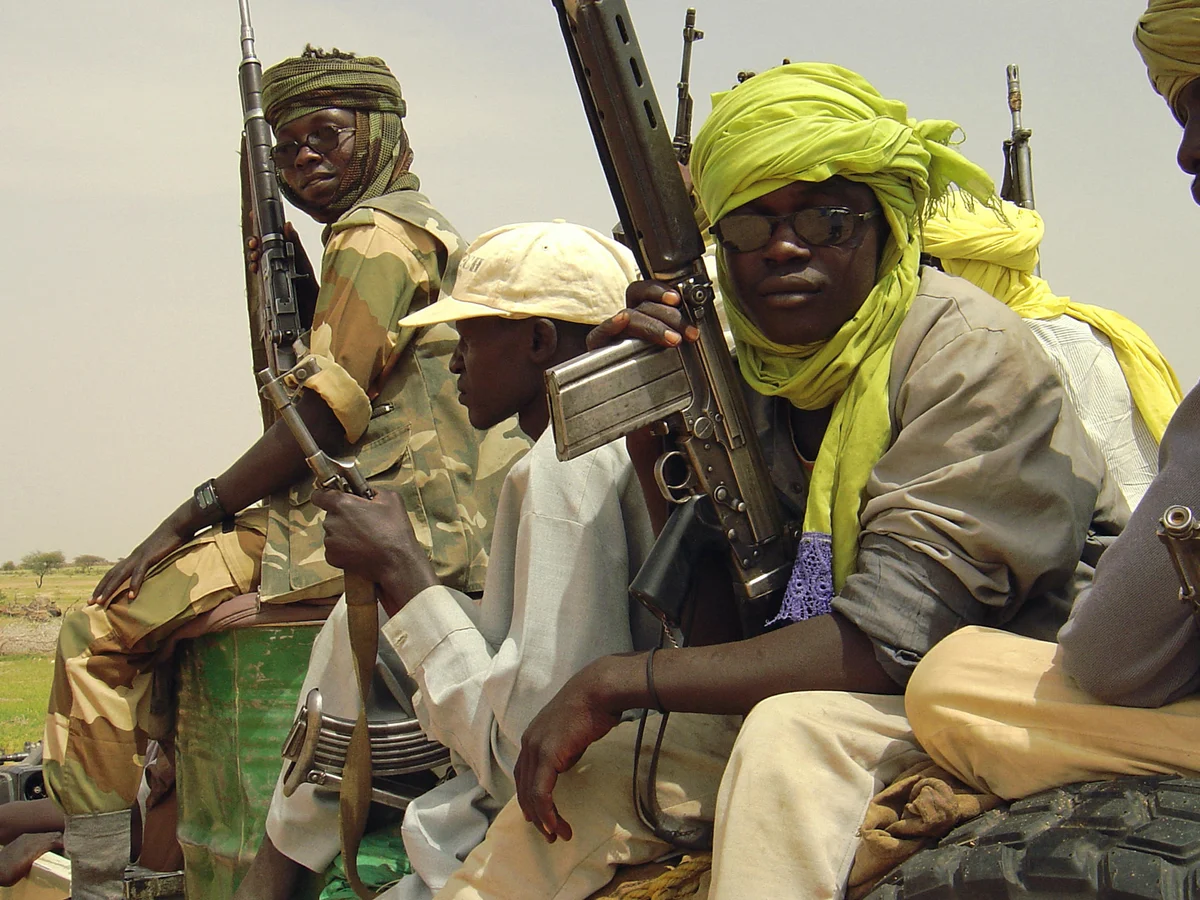
The report, supported by data and evidence, highlights a profound transformation in Sudan’s tribal system. No longer confined to a traditional social framework, the tribe has emerged as a digital political actor with tangible influence in the public sphere.

Findings show that tribal discourse has become a dominant force in political discussions, with over 83% of tribal content on social media directly linked to political contexts, and around 78% specifically related to the war. This included mobilization efforts, calls to arms, justifications for military positions, and frequent appearances of tribal leaders delivering political messages to the public.
نون بوست

These indicators suggest a significant shift: the tribe has moved from being a traditional social anchor to becoming an active digital instrument in shaping public opinion and crafting dominant narratives around the war. This shift has further complicated the political scene, exacerbating tensions and making it increasingly difficult to address the conflict through traditional conflict resolution methods.

The digital space has become a parallel battleground where loyalties and identities are reconfigured along tribal lines, charged with intense political implications.

The report analyzed the content of 120 active pages and accounts on Facebook, X (formerly Twitter), and TikTok between October 1–31, 2025, using a mixed-methods approach that combined quantitative and qualitative analysis. From approximately 23,000 monitored posts, 269 were identified as tribal content and subjected to in-depth study. This allowed for a precise examination of the role digital tribal discourse plays in shaping the dynamics of Sudan’s war.

Fanning the Flames of Hate and Amplifying Divides

The report observed a marked rise in hate speech tied to tribal identity within Sudan’s digital space during the war. Roughly 82% of the analyzed tribal content contained at least one form of hostile rhetoric.

These included dehumanization, direct and indirect incitement to violence, and a stark binary division between “us” and “them,” as well as insults based on race, origin, or lineage—revealing a public discourse increasingly steeped in hostility and denial of the other’s humanity.

Qualitative analysis shows that such discourse is not merely the product of isolated individuals, but is reconstructed through wide-reaching collective narratives. These narratives reframe the war as an existential struggle between entire population groups not merely a political or military clash between defined parties.

Within this framework, tribal rhetoric becomes more than a social descriptor it transforms into a violent tool of political mobilization. It reproduces social enmity and broadens the circle of polarization well beyond the immediate actors in the conflict.

The report also highlights the critical role played by platform algorithms in magnifying emotionally charged content, thereby deepening societal polarization. These algorithms boosted the reach of tribal rhetoric and reinforced “digital echo chambers” in which the same narratives circulate within homogenous groups shutting down space for rational or inclusive discourse.

As a result, according to the report, divisions have become more entrenched, trust in civilian institutions has eroded, and the tribe has increasingly come to be seen as a primary source of protection and legitimacy particularly in the context of a collapsing state and ongoing war.

A Direct Threat to Peace

This type of tribalized digital discourse poses a clear and present danger to any prospects for sustainable peace in Sudan or efforts to de-escalate tensions between warring factions. The threat lies not only in its capacity to fuel political and military conflict, but in its deeper impact on the foundations of cultural and social identity turning the war into an existential confrontation that defies conventional political remedies.

Experts and observers warn that the rise of such rhetoric could sabotage any short-term peace initiatives, as it inflames deep-seated social animosities and heightens intercommunal hatred. It also severely undermines the prospects for any future political transition especially in light of the declining influence of civilian actors and the growing prominence of tribal figures as key stakeholders in the conflict and its trajectory.

Events since the outbreak of war have demonstrated the pivotal role tribal structures play in reigniting tensions and obstructing de-escalation efforts. Every time conditions seem to stabilize, tribal mobilization particularly in Darfur and South Sudan—rekindles tensions and drags the crisis back to square one. This reaffirms that any effort to resolve the conflict without addressing its tribal and social roots is likely to result in repeated setbacks.

The Tribe Beyond Geography and Politics

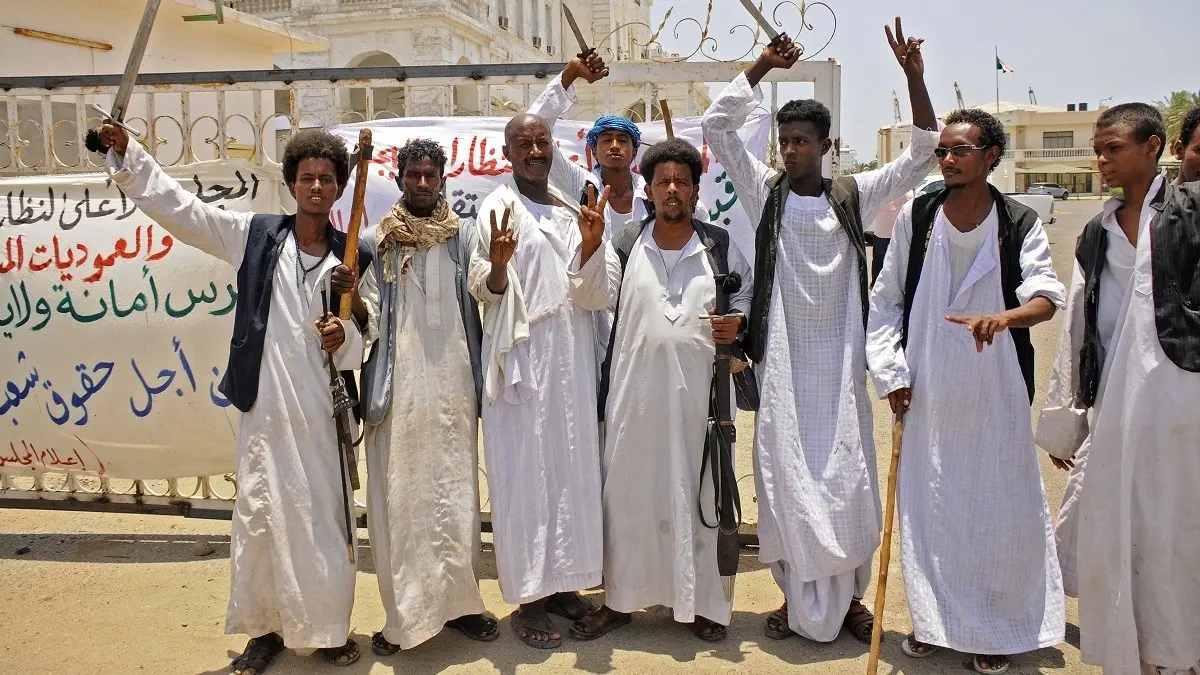
Sudanese academic Ahmad Al-Badri, a professor at the University of Khartoum, argues that tribalism in Sudan transcends the traditional boundaries of geography and politics, becoming the primary engine behind most forms of action in the country including political engagement and military decision-making.
نون بوست

In this sense, the tribe is not just a social structure but a functional loyalty system that reshapes both individual and collective behavior. It asserts itself as a decisive factor in power dynamics and the course of conflict.

In an interview with Noon Post, Al-Badri explains that tribal allegiance often supersedes loyalty to political systems or governments and sometimes even eclipses the very notion of the nation-state.

He cites repeated instances where individuals have fought beyond their national borders based on tribal rather than national loyalties, illustrating the fragility of the nation-state model in the face of deeply rooted, transnational tribal bonds.

Al-Badri references several revealing examples: nearly 60% of the Chadian rebel group “United Front for Democratic Change,” captured during their 2006 assault on N’Djamena, were Sudanese nationals. Some had previously fought in the Central African Republic and helped bring President François Bozizé to power in 2003 before later rebelling against him.

He adds that over 700 fighters from the Mahamid tribe part of the Arab tribes in Darfur joined the Seleka alliance in the Central African Republic between 2012 and 2014. Meanwhile, members of the Misseriya Arab tribe fought in South Sudan in 2016 as part of the Rapid Support Forces, supporting their Nuers allies.

This pattern extends to Libya, where Darfuri armed groups fought on opposing sides of the conflict—further demonstrating that cross-border conflicts and the multinational makeup of armed factions are not anomalies, but rather a direct consequence of tribal loyalties’ enduring potency in regional warfare.

Reframing the Sudanese Crisis

Taken together, these insights reveal that understanding Sudan’s current crisis particularly the war between rival generals as merely a military or political power struggle is a shallow and reductive approach. The situation is far more complex and demands a deeper, more nuanced analysis.

What is needed is a comprehensive deconstruction of the Sudanese landscape one that highlights the foundational components shaping the country’s dynamics, with tribalism chief among them. Any attempt to ignore this dimension in discussions or peace initiatives risks producing a fragile and temporary settlement akin to a dormant volcano that could erupt at any moment, regardless of short-term battlefield gains.

Ultimately, resolving the Sudanese crisis requires a holistic approach that integrates military, political, and social strategies while giving due weight to tribal realities and social dynamics. A sustainable path to peace must begin with dismantling hate narratives and weakening the foundations of hostility. Only then can the conditions for a lasting and inclusive peace begin to take root.

Download this article as PDF
Share this Article
Facebook Twitter Whatsapp Whatsapp Telegram Email Copy Link
عماد عنان
By عماد عنان كاتب صحفي وباحث في الإعلام الدولي
Follow:
Previous Article نون بوست Why the West Is Betting on Ankara to Secure the Black Sea
Next Article نون بوست The Leaning Wall: How Mamdani Exposed the Fracture in New York’s Jewish Community

Read More

  • U.S. Regime‑Change Policies: Why They Are Destined to Fail U.S. Regime‑Change Policies: Why They Are Destined to Fail
  • The Gulf’s Balancing Act: Iran, Israel, and Hidden Links
  • Iraq–Turkey Oil Export Treaty: Why Did Ankara Cancel It After 52 Years?
  • Syria’s Northeast on Edge: QSD Between Ankara and Damascus
  • Has Europe Changed Its Stance on Israel… or Just Its Language?
part of the design
NoonPost Weekly Newsletter

You May Also Like

U.S. Regime‑Change Policies: Why They Are Destined to Fail

U.S. Regime‑Change Policies: Why They Are Destined to Fail

إسراء سيد Esraa sayed 8 April ,2026
The Gulf’s Balancing Act: Iran, Israel, and Hidden Links

The Gulf’s Balancing Act: Iran, Israel, and Hidden Links

فريق التحرير Noon Post 8 April ,2026
Iraq–Turkey Oil Export Treaty: Why Did Ankara Cancel It After 52 Years?

Iraq–Turkey Oil Export Treaty: Why Did Ankara Cancel It After 52 Years?

فريق التحرير Noon Post 8 April ,2026

ليلة عصيبة في بروكسل: ألمانيا تميل لخروج اليونان من اليورو

فريق التحرير
Noon Post Published 13 July ,2015
Share
00

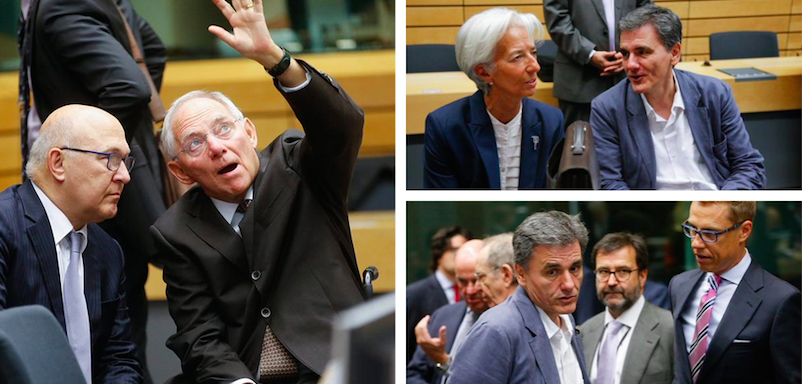
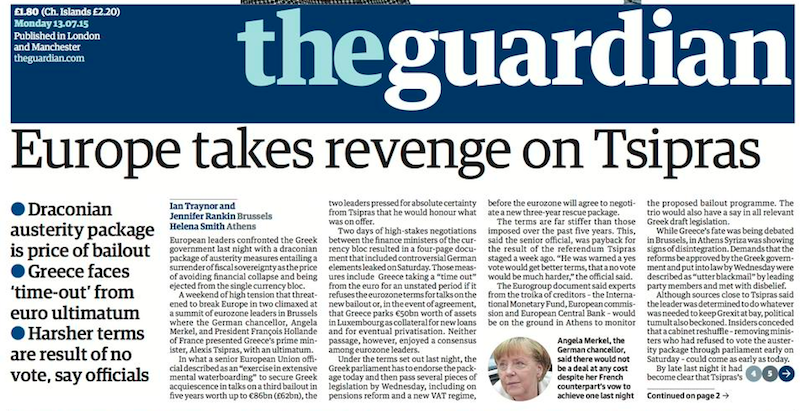
بعد أن كانت كلمة “أوخي” (وتعني لا باليونانية) هي الكلمة الأبرز في اليونان والمعسكر المؤيد لها خلال الأسبوع الماضي، والذي توِّج بتصويت 61%من اليونانيين برفض حزمة التقشف المقدمة من المجموعة الأوروبية، يبدو وأن “أوخي” الآن قد انتقلت إلى الجانب الألماني وحلفائه في شمال أوروبا، والذين يرفضون الانصياع لنتائج الاستفتاء اليوناني، بل وربما الانتقام من حملة “أوخي” التي قادها رئيس الوزراء اليوناني تسيبراس بنفسه بتشديد شروط الوصول لاتفاق جديد.

تتضمن الحزمة الجديدة ببساطة مجموعة من الإجراءات تُفقِد اليونان سيادتها المالية بشكل فعليّ في مقابل حمايتها ماليًا من الانهيار والخروج من السوق الأوروبية ثم العودة لعملتها القديمة، وهي حزمة تتضمن للمفارقة خروجًا مؤقتًا من اليورو كما كُتبَت بين قوسين في النسخة الأولية من الاتفاق، كما تحتوي على شرط احتفاظ اليونان بخمسين مليار يورو للقيام بمجموعة من عمليات الخصخصة لضمان الحصول على قروض جديدة.

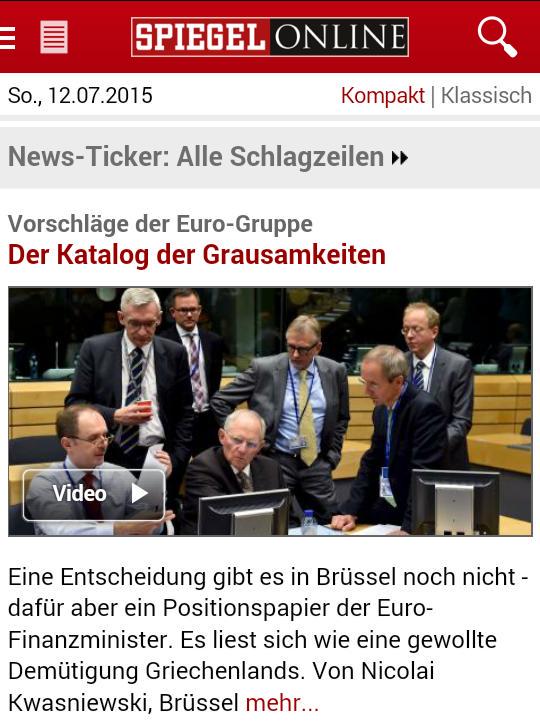
من جانبه أعرب حزب سيريزا اليوناني الحاكم أنه مصدوم من الحزمة الجديدة التي طرحها الألمان، والتي تفوق في تعنّتها كل ما لاقته البلاد على مدار السنوات الخمس الماضية من التقشف، وهي حزمة وصفتها مجلة شبيغل الألمانية نفسه بأنها “كاتالوج الوحشية”Der Katalog der Grausamkeiten، وصرح بعض المسؤولين أنها تحدي لمعسكر تسيبراس اليوناني من جانب الألمان ردًا على التصويت بـ “لا” في الاستفتاء ليس إلا.

نون بوست

تباعًا، وخلال ساعات قليلة، كان هاشتاج “إنه انقلاب” #thisisacoup يشعل موقع تويتر، حيث انطلقت حملة معادية للمجموعة الأوروبية ولألمانيا تحديدًا متهمة إياهم بتجاهل نتائج الاستفتاء اليوناني والاستخفاف بالعملية الديمقراطية برمتها، في حين انتشر أيضًا هاشتاج يدعو تسيبراس إلى ترك القمة الأوروبية فورًا والعودة إلى اليونان لحفظ كرامته، #TsiprasLeaveEUSummit.

على صعيد آخر، يبدو وأن تسيبراس نفسه وإن قَبِل تلك الشروط سيواجه مصاعب جمّة في أثينا، إذ يتوقع الكثيرون أن يرفض أعضاء حزبه تبني تلك الحزمة في البرلمان، مما سيدفع البلاد غالبًا إما إلى انتخابات مبكرة، أو ربما إلى حاجة تسيبراس تشكيل حكومة وحدة وطنية بدلًا من الاعتماد على حزبه سيريزا، وإلا سيكون الخيار الوحيد المتاح هو رفض الحزمة باعتباره الحزب الحاكم والخروج من اليورو.

بالنظر لكونه انتصر في الانتخابات فقط منذ ستة أشهر وفي الاستفتاء الأخير، يبدو جليًا أن ما يجري ليس سوى إخضاع الديمقراطية اليونانية للضغوط نظرًا لعدم توافقها مع الحسابات النقدية والمالية المتعنتة في برلين وبروكسل، في إشارة واضحة على هيمنة المؤسسات المالية غير المنتخبة على الشرعية الانتخابية في اليونان، وهو ما هاجمه الكثيرون أيضًا على مواقع التواصل الاجتماعي وبين المفكرين الاقتصاديين البارزين الذين مالوا للجانب اليوناني.

100K tweets already for the 2nd worldwide hashtag #ThisIsACoup
Do you hear that @atsipras? #TsiprasLeaveEUSummit pic.twitter.com/k6qtwLIr0C

— Jo Di ?️‍? (@jodigraphics15) July 12, 2015

هل تسمع ذلك يا تسيبراس؟ أكثر من 100 ألف تغريدة تقول بأنه انقلاب.

Then they used tanks, now they use banks. #ThisIsACoup #TsiprasLeaveEUSummit pic.twitter.com/Shqfw4TNev

— Bean (@SomersetBean) July 12, 2015

هذا يقول بأن المحتلين سابقا استخدموا الدبابات، والآن يستخدمون البنوك.

No respect for an elected government,no respect for the result of the referendum,no respect for democracy,clearly and cynically #ThisIsACoup

— Niemands Rose (@niemandsrose) July 12, 2015

وهذه تقول بأنهم “لا يحترمون الحكومة المنتخبة، ولا نتائج الاستفتاء. إنهم لا يحترمون الديموقراطية”

I'm Greek. 27 year old. This is not democracy. This is the most embarrassing behavior of European history. #ThisIsACoup

— Μάλλον χάσαμε. (@ChrisKar) July 12, 2015

وكريس هنا يقول “أنا يوناني، أبلغ 27 عاما من العمر. هذه ليست ديموقراطية، هذا أحد أكثر المواقف إحراجا لأوروبا في التاريخ”

No need to invade a country, destroy its people, and take all the assets. Politicians and bankers can do it thru austerity #ThisIsACoup

— Eric Lohman (@erlohman) July 12, 2015

إريك هنا لديه تصور أكثر وضوحا “لم تعد هناك حاجة لغزو بلد ما بالدبابات، دمر شعبها، واستول على مقدراتها. الساسة والاقتصاديون يمكنهم فعل ذلك عبر فرض التقشف”

من يريد خروج اليونان من اليورو؟

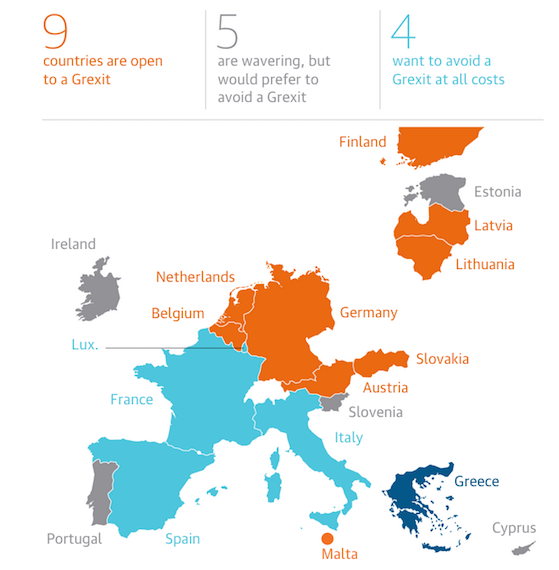
من ناحية أخرى، وكما يشير بعض المحللين، تبدو ألمانيا منذ انتصار “أوخي” في الاستفتاء عازمة على إخراج اليونان من اليورو جملة واحدة، أولًا لأن الكثيرين في أوروبا لا يثقون بقدرة اليونان على تطبيق أي حزمة إصلاحات حتى لو وافق عليها الألمان واليونانيون، والألمان بالطبع ليسوا وحدهم في اليورو ويحتاجون دعم البلدان الأخرى التي بدأت تفقد صبرها مع اليونان، ومعظمها من شمال أوروبا ممن يرون أن اليورو يمكن أن يستمر بدون “الصداع اليوناني.”

نون بوست

البلدان التي تبدو قابلة لفكرة خروج اليونان بالبرتقالي، والتي تريد تفادي ذلك بالكامل بالأزرق، والتي يتأرجح موقفها بين هذا وذاك بالرُمادي

في هذا السياق يمكن فهم الخروج المؤقت من اليورو، الذي عرضه وزير المالية الألماني وولفجانج شويبله ليتيح لليونان إعادة هيكلة ديونها بشكل أسهل خارج اليورو ثم دخولها مجددًا، إذ يبدو في الحقيقة نوعًا من التجربة لتقييم آثار خروجها لو خرجت نهائيًا، أو ربما محاولة تدريجية لإخراجها بالفعل، كما قال أحد المحللين، وهو ما يريده على الأرجح شويبله الذي يروج لخروج اليونان بالفعل منذ فترة بين الدوائر الحكومية الألمانية.

بشكل متزايد، بدأ يظهر معسكر جديد في ألمانيا، وربما في بعض البلدان الأوروبية، يميل لمدرسة “أوروبا الأساسية” أو Core Europe، والتي تضم دائرة من الدول الأوروبية الرئيسية مثل ألمانيا وفرنسا في اتحاد مالي ونقدي وسياسي بشكل شبه كامل، في حين توجد دائرة ثانية من الدول التي تعاني من عدم القدرة على التمتع بدولة ونظام مالي بنفس الكفاءة على علاقة قوية بتلك المجموعة ولكن دون الدخول في الاتحاد المالي، مثلها مثل بريطانيا، وتلك القائمة تضم اليونان وربما المجر، حيث تُملي الثقافة في هذه البلدان منظومات سياسية واقتصادية غير متوافقة مع غرب أوروبا.

Temporary Grexit is like temporary divorce. Most if not all end up being permanent.

— Paul De Grauwe (@pdegrauwe) July 12, 2015

الجميع يعلم أن الخروج المؤقت لليونان يشبه الطلاق المؤقت. ينتهي الأمر في معظم الحالات إن لم يكن في جميعها بأن يتحول إلى دائم.

بيد أن فرنسا وإيطاليا الأساسيتين لأي مشروع أوروبي قد تختلفان هنا، حيث تبدو دول الجنوب أكثر تحفظًا على خروج اليونان بأي ثمن، وهي التي تشارك اليونان نفس الثقافة وتريد توطيد حصة أوروبا المتوسطية داخل اليورو، على حساب سوق أوروبية تغلب عليها ألمانيا ودول الشمال التي تشارك برلين الكثير من ملامح نموذجها الاقتصادي، ولذلك تُبدي فرنسا مرونة أكبر تجاه استيعاب مطالب اليونان، لا سيما وأن رئيسها فرانسوا أولاند ينتمي للحزب الاشتراكي الأقرب أيديولوجيًا لحزب سيريزا وإن لم يكن يحمل نفس أجندته الراديكالية، وهو ما يعني أن رؤية شويبله لن تتحقق بسهولة كما يظن.

“إذا ما مالت ألمانيا لخروج اليونان من اليورو، فإنها ستشعل صراعًا كبيرًا مع فرنسا، وستجلب كارثة محققة على أوروبا كلها، يجب علينا أن نتفادى تلك النتيجة بأي شكل،” هكذا قال وزير خارجية لوكسمبورغ جين أسِلبورن، والذي تقف بلده في صف فرنسا وإسبانيا وإيطاليا القريبين من اليونان، والقلقين بالفعل من انفراط عقد اليورو من ناحية، وهيمنة الألمان من ناحية أخرى، ولا يدلل على ذلك أكثر مما قاله رئيس الوزراء الإيطالي ماتيو رِنزي للمستشارة الألمانية أثناء الاجتماعات من أنها لا يجب أن تتمادى في إهانة اليونان، وأنه يكفي كل ما جرى “enough is enough”.

لعبة السياسة بين ميركل وتسيبراس

نون بوست

أنغلا مركل تقول أنها لا تريد الوصول لاتفاق بأي ثمن على عكس ما أراد الرئيس الفرنسي، طبقًا لمصادر صحيفة الجارديان

يمكن القول من ناحية إن تسيبراس أراد أن يحرز نصرًا سياسيًا له ولحركات التقشف بإجراء الاستفتاء، وتعزيز موقفه في مواجهة الاتحاد الأوروبي، وتصوير الأخير على أنه لا يحترم الديمقراطية، في حين أن التفاصيل المالية للاتفاق الذي عرضته أثينا لم يكن يختلف كثيرًا عما رفضته هي من قبل، مما يشي بأن ما يجري يتعلق بلعبة السياسة الأوروبية بين حركات التقشف اليسارية في الجنوب، والمؤسسات الأوروبية التي يقودها الألمان بشكل أساسي، أكثر منه خلاف حول تفاصيل حزمة التقشف بالفعل، والتي كان تسيبراس تقريبًا قد قبلها أول أمس، ليكون قد خرج من المعركة بانتصار معنوي بعد طرح ورقة الاستفتاء وإحراج الألمان، بدلًا من قبول الاتفاق من البداية دون رصيد سياسي.

هنا يبدو وأن تشدد الألمان يأتي بمثابة رد على تسيبراس، والذي لا تريد له برلين أن يحقق انتصاره السياسي ذلك، والانتقام منه كما قالت صحيفة الجارديان صباح اليوم، على الرُغم من أن قبوله لحزمة التقشف بالأمس لاقى قبولًا من فرنسا وإيطاليا، وهو ما يعني أن الألمان ينظرون لأبعد من مجرد بقاء اليونان من عدمه، ويخشون أن يكون ما جرى تعزيزًا لحركات التقشف في إيطاليا وإسبانيا والبرتغال لتفعل نفس الشيء؛ وهو ما دفع برلين على الأرجح لتفضيل خروج اليونان ومواجهة عواقب الاضطراب الاقتصادي كدرس لبقية دول الجنوب، وهدم صورة سيريزا في الداخل اليوناني ليكون قد خسر ما بناه من رصيد لدى مؤيديه.

المفيد بالنسبة لتسيبراس هنا هو أن الألمان الآن سيظهرون أمام العالم بصورة القوة المتعنتة كما يحدث بالفعل على تويتر وبين المسؤولين الفرنسيين وحتى في الصحافة الألمانية، وسيكون هو الآن بقبوله لحزمة التقشف القديمة قد أحرج برلين وأظهر أن أفعالها انتقامية بحتة، وأن كل ما أرادته هو أن يقبل اليونانيون الشروط كاملة من البداية مباشرة ليكون سيريزا في صورة من خضع من أول جولة مفاوضات ويخسر قواعده الانتخابية، أما وقد مضى تسيبراس في المعارضة ثم الاستفتاء ليخرج منتصرًا نوعًا ما، فإن الألمان الآن لم يعد يفيدهم سياسيًا الوصول لاتفاق بقدر ما يريدون دفع أثينا لترك اليورو.

TAGGED: أزمة اليورو ، أوروبا ، الأزمة اليونانية ، الإفلاس ، الاتحاد الأوروبي
TAGGED: الشأن اليوناني
Download this article as PDF
Share this Article
Facebook Twitter Whatsapp Whatsapp Telegram Email Copy Link
فريق التحرير
By فريق التحرير تقارير يعدها فريق تحرير نون بوست.
Follow:
Next Article نون بوست The Stigma of “ISIS”: A Heavy Legacy Haunting Women and Children of Former Members

Read More

  • U.S. Regime‑Change Policies: Why They Are Destined to Fail U.S. Regime‑Change Policies: Why They Are Destined to Fail
  • The Gulf’s Balancing Act: Iran, Israel, and Hidden Links
  • Iraq–Turkey Oil Export Treaty: Why Did Ankara Cancel It After 52 Years?
  • Syria’s Northeast on Edge: QSD Between Ankara and Damascus
  • Has Europe Changed Its Stance on Israel… or Just Its Language?
part of the design
NoonPost Weekly Newsletter
dark

An independent media platform founded in 2013, rooted in slow journalism, producing in-depth reports, analysis, and multimedia content to offer deeper perspectives on the news, led by a diverse young team from several Arab countries.

  • Politics
  • Society
  • Rights & Liberties
  • Opinions
  • History
  • Sports
  • Education
  • Technology
  • Economy
  • Media
  • Arts & Literature
  • Entrepreneurship
  • Travel
  • Cinema & Drama
  • Food
  • Health
  • Culture
  • Latest Reports
  • Files
  • Long Reads
  • Interviews
  • Podcast
  • Interactive
  • Encyclopedia
  • In Pictures
  • About Us
  • Our Writers
  • Write for Us
  • Editorial Policy
  • Advanced Search
Some rights reserved under a Creative Commons license

Removed from favorites

Undo
Go to mobile version